


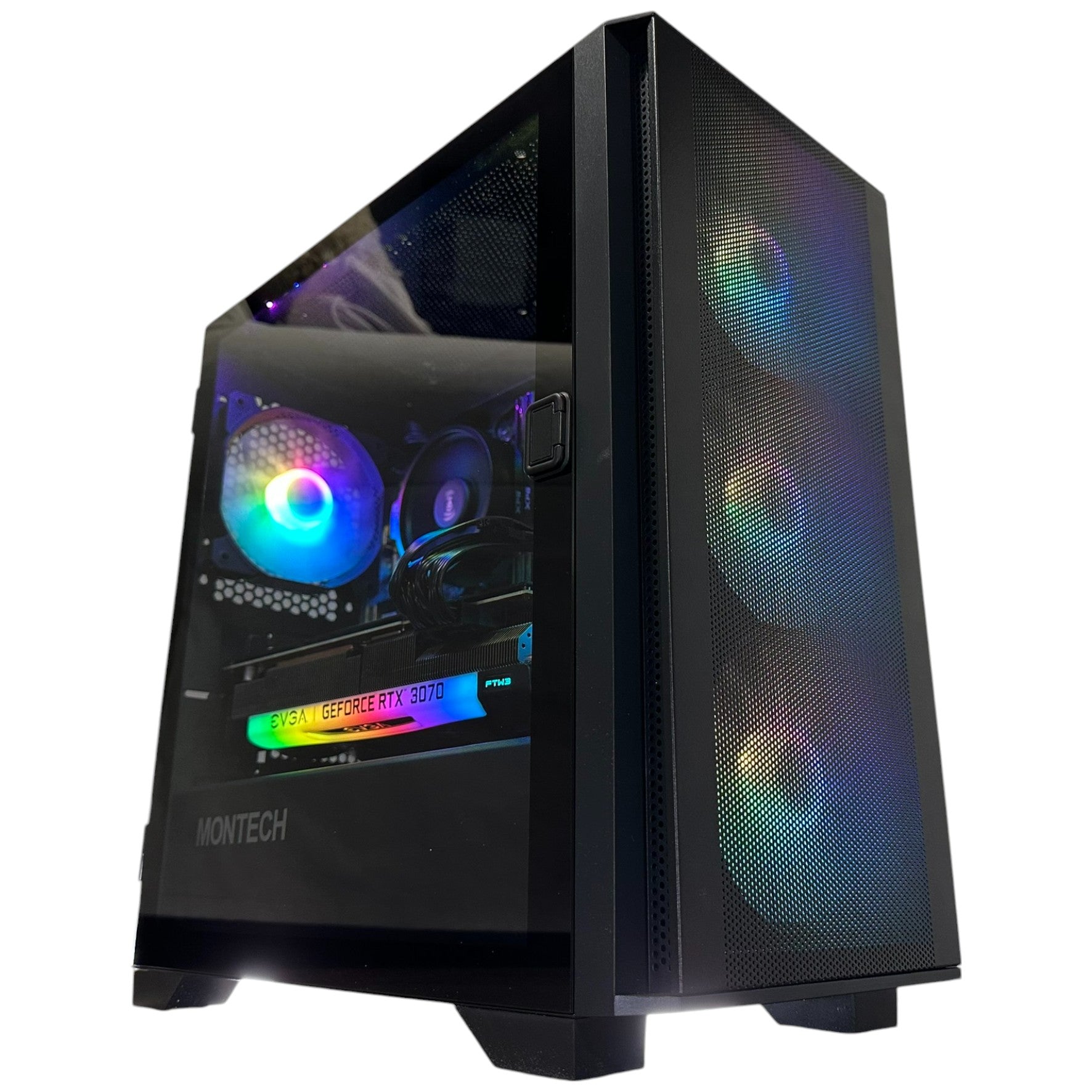
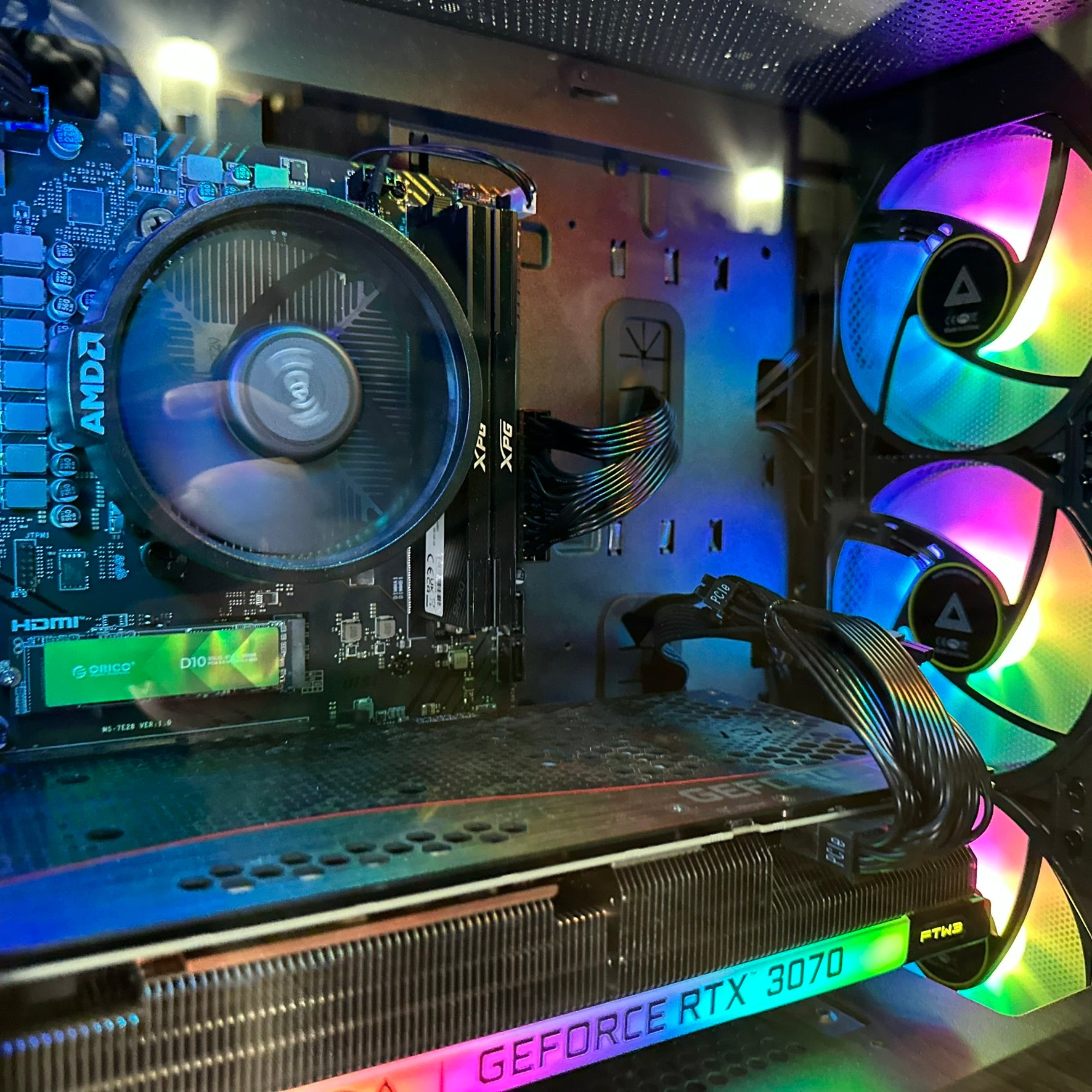
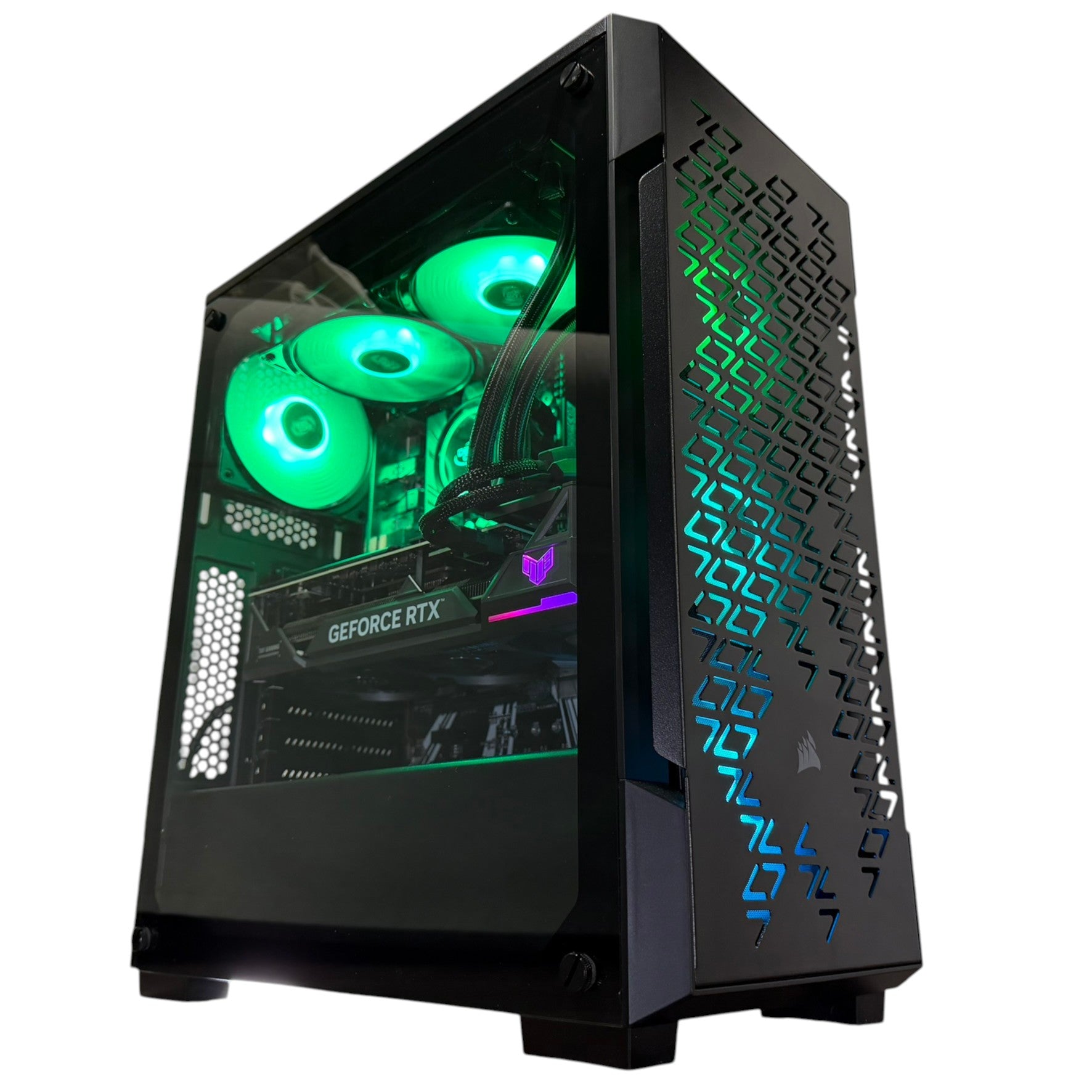

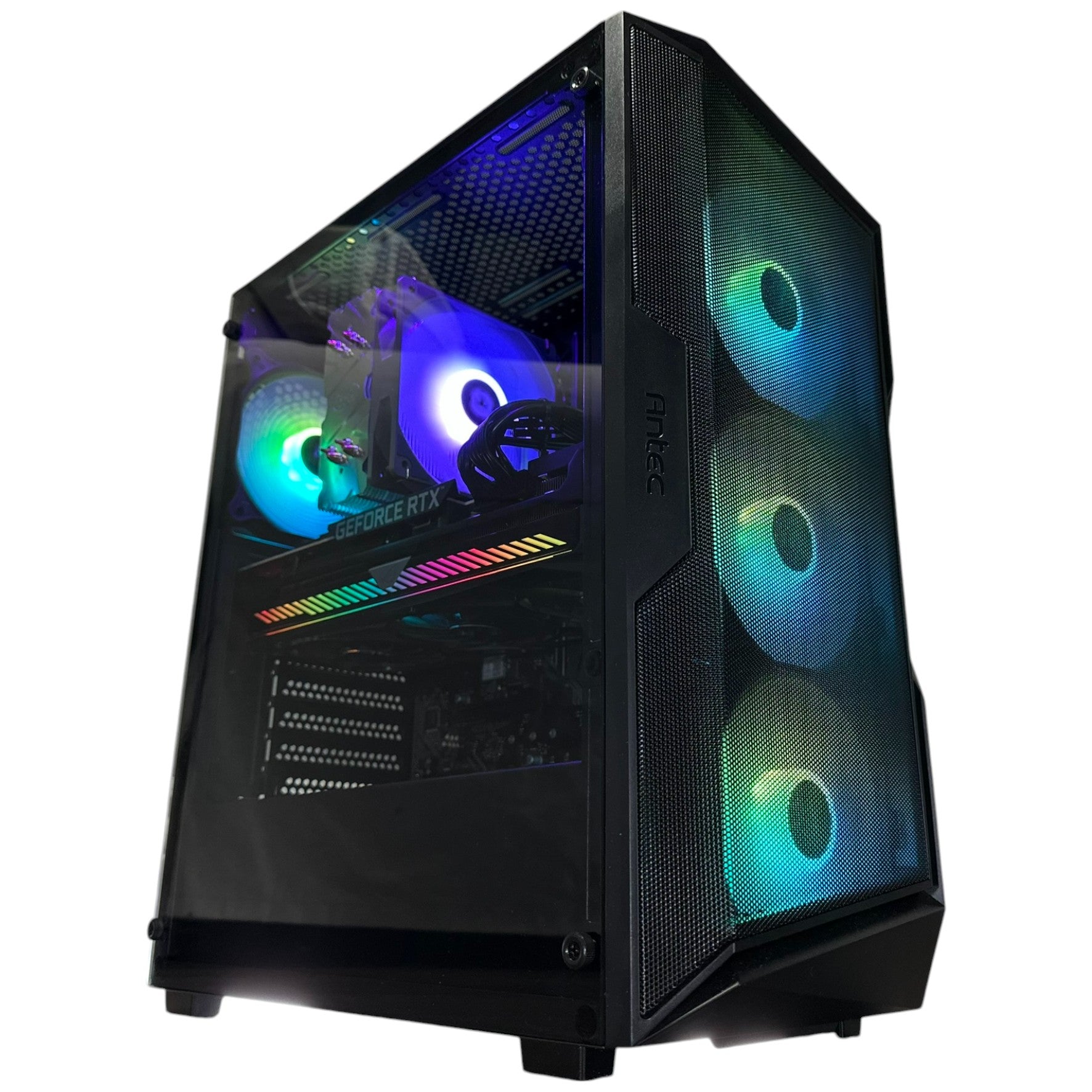

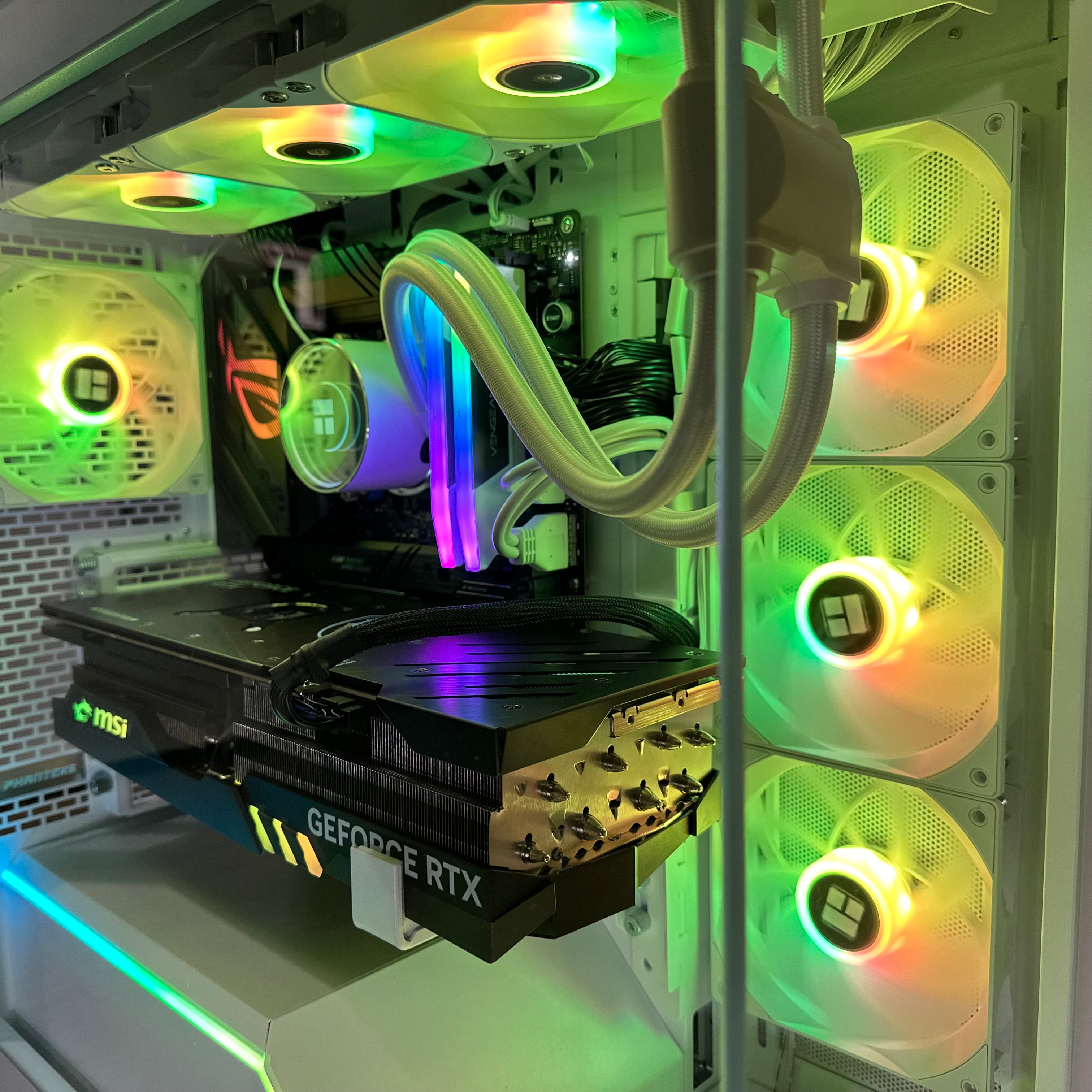
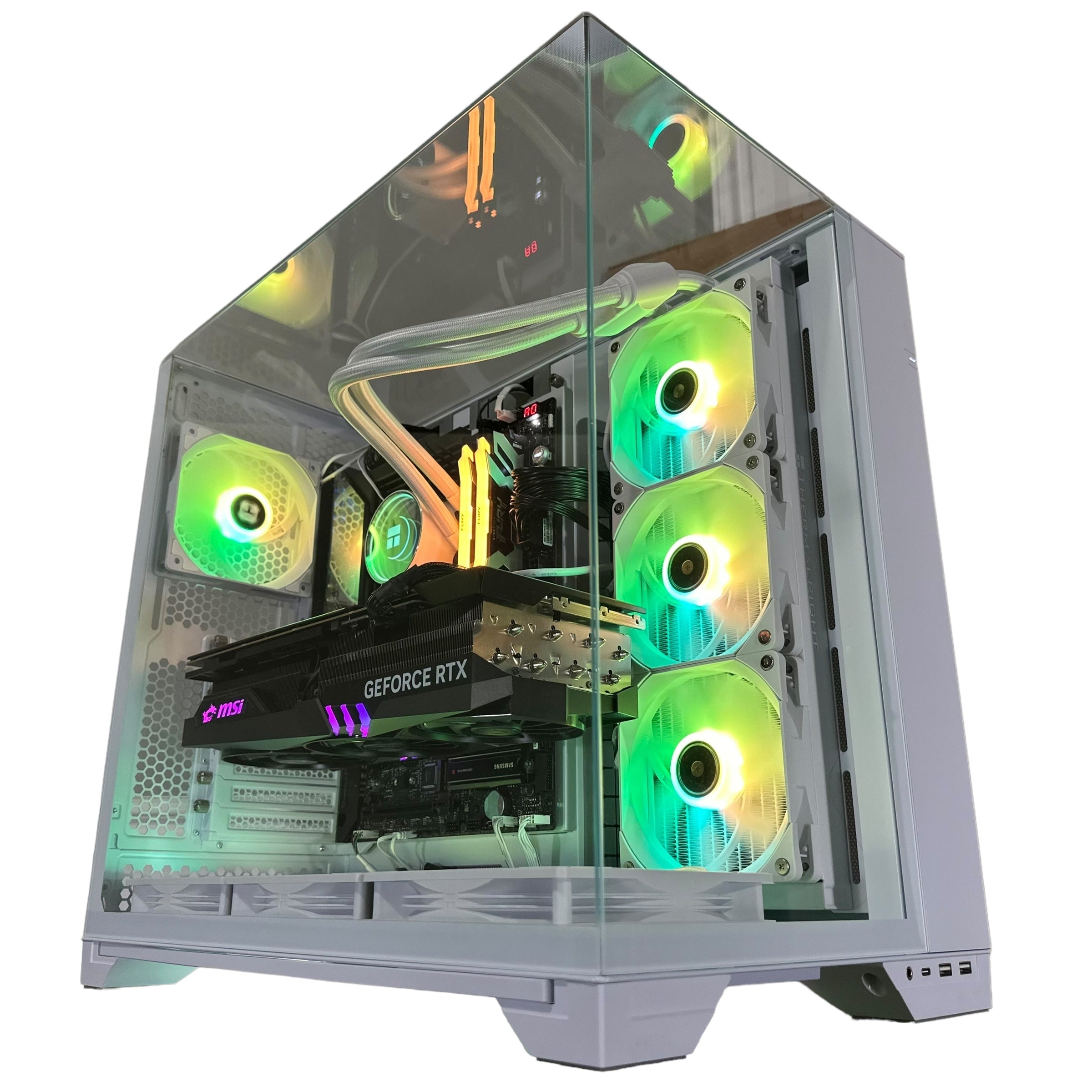
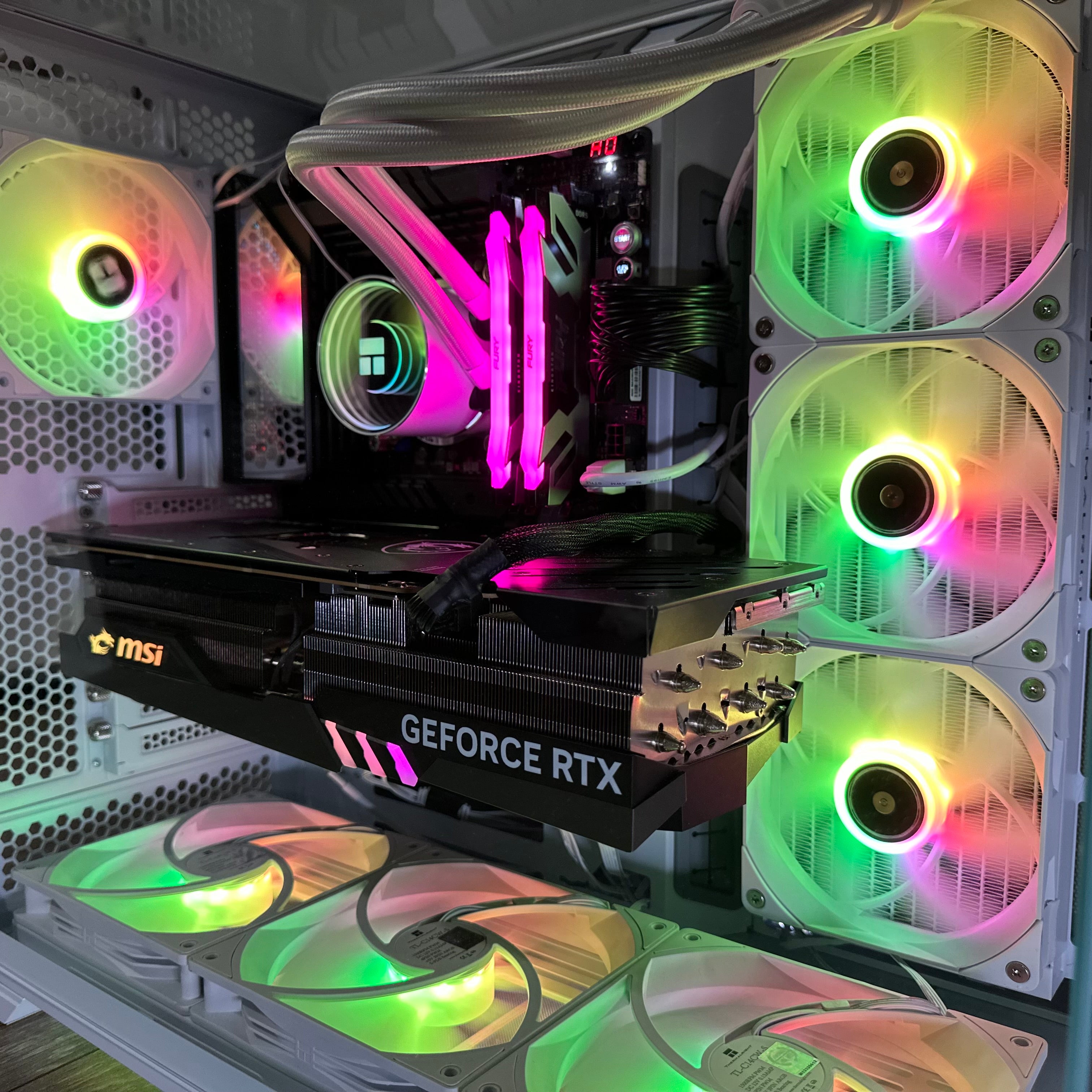

Pragmata Sequel Buzz Is Growing: What This Means for Anyone Shopping for a Gaming PC Canada Build Before the Next Big Wave
The latest gaming PC Canada conversation just got more interesting. Capcom has indicated that the likelihood of a Pragmata sequel is high, pointing to strong sales and the appeal of its standout main character, Diana. For players, that is exciting sequel news. For PC buyers in Canada, it is also a useful reminder of something bigger: when a new IP lands well, performs commercially, and starts looking like a franchise, demand for higher-performance gaming hardware often follows.
If you have been wondering what gaming PC do I need for visually ambitious action-adventure games, cinematic sci-fi releases, and whatever comes next from major publishers, now is the right time to think beyond one title. A sequel-friendly success story like Pragmata matters because it signals momentum. Momentum means future patches, future expansions in audience expectations, and future demand for systems that can deliver smoother frame rates, stronger visuals, and a longer useful lifespan.
So what should Canadian buyers take from this news? Not just that Capcom may have another franchise on its hands, but that buyers who plan ahead usually make better PC decisions than buyers who wait until a major release, stock squeeze, or price spike forces their hand.
Why does Pragmata sequel news matter to gaming PC buyers in Canada?
The source story highlights several important facts: Pragmata reportedly reached 2.5 million sales, outperformed internal expectations, and benefited from strong pre-release marketing plus the broad appeal of Diana as a central character. That combination matters. Publishers are far more likely to invest in follow-ups when a game proves it can connect both critically and commercially.
But here is the buying-guide angle many readers care about more: successful new franchises tend to raise the bar for production values. If the first game already pushed players toward more capable hardware, what happens when the sequel arrives with larger environments, more advanced effects, heavier lighting, denser assets, improved AI systems, or expanded ray tracing support?
Have you been planning to keep your current PC for “just one more year”? Are you hoping your older GPU can keep up with future AAA games at the settings you actually want? Or are you already seeing warning signs like inconsistent frame pacing, reduced texture settings, VRAM pressure, and stutter during larger scenes?
These are exactly the questions smart buyers should ask before another big release cycle hits.
What the source article gets right about Pragmata’s success
The biggest takeaway from the original report is not simply that Capcom made money. It is that this success appears meaningful enough to shape internal decision-making. A game that exceeds expectations becomes more than a one-off launch. It becomes part of a publisher’s planning, budgeting, and long-term strategy.
That is important because gaming franchises influence hardware demand in waves:
- Launch wave: Players upgrade to experience the current game properly.
- Franchise wave: Buyers begin planning for sequels, DLC, or related titles using the same or improved technology.
- Trend wave: Similar games from other publishers raise the overall performance expectation for the genre.
In practical terms, that means a customer who starts shopping after sequel hype peaks may face a less friendly market than the customer who plans ahead. Better parts can become harder to source. Popular GPU tiers can tighten up. Buyers who hesitated may end up paying more for the same level of performance, or settling for a weaker system that needs an upgrade sooner.
What do you want your next PC to do for you?
This is the most important question in the entire buying process.
Do you want a system mainly for story-driven AAA gaming? Are you trying to hit high settings at 1080p without headaches? Do you want smooth 1440p performance because that feels like the best balance of sharpness and value? Are you aiming for 4K, ray tracing, and long-term headroom? Or do you also want to stream, record gameplay, edit content, create thumbnails, work in Photoshop, or use Blender and Unreal Engine after hours?
Your answer changes everything.
A lot of buyers still shop as if every desktop belongs in one generic “gaming PC” category. That approach usually leads to overspending on the wrong parts or underspending in the areas that actually matter. A customer playing cinematic action games and occasionally editing footage has different needs than a competitive esports player. A creator who games at night and renders in the morning needs different component balance than someone who only wants high FPS in online shooters.
Before you buy, ask yourself:
- What games will I actually play over the next 2 to 4 years?
- Do I care more about ultra settings, stable frame rates, or future-proofing?
- Will I stream to Twitch or YouTube?
- Will I edit 4K video, use Adobe apps, or work with RAW photos?
- Will I need more RAM, faster storage, or a stronger GPU than I originally planned?
- Am I buying for today only, or for the next major release cycle too?
What PC do I need for games like Pragmata and future AAA releases?
If you are shopping for a gaming PC for new games, the right answer depends less on minimum specs and more on the experience you want. Minimum specs only tell you whether a game can launch. They do not tell you whether you will actually enjoy playing it.
Entry tier: 1080p gaming for value-focused buyers
If your goal is reliable 1080p performance in modern games with sensible settings, an entry-to-midrange system can still make a lot of sense. This tier works well for buyers asking how much should I spend on a gaming PC when they want a strong first desktop without overshooting their budget.
This type of build is best if you:
- Play at 1080p
- Want good performance in modern titles without demanding maxed-out ray tracing
- Need a budget gaming PC Canada option that still feels current
- Prefer value and upgrade potential over prestige parts
But ask yourself something important: if a sequel or another demanding title lands next year, will this system still give you the visual quality and consistency you want, or will you be back in the market too soon?
Sweet spot tier: 1440p gaming for balance, longevity, and better visuals
For many Canadian buyers, this is the smartest place to be. A 1440p gaming PC Canada build often delivers the best blend of image quality, smoothness, and long-term usefulness. If you enjoy cinematic games, detailed environments, and stronger texture quality, this tier usually feels like the real step up.
This type of build is best if you:
- Want sharper visuals than 1080p
- Care about strong settings in new AAA games
- Need room for future releases and sequel cycles
- May stream, record, or multitask while gaming
Are you the type of player who buys one better PC and keeps it longer? If so, the 1440p tier often saves money over time because it reduces the urge to upgrade prematurely.
High-end tier: 4K, ray tracing, and premium gaming performance
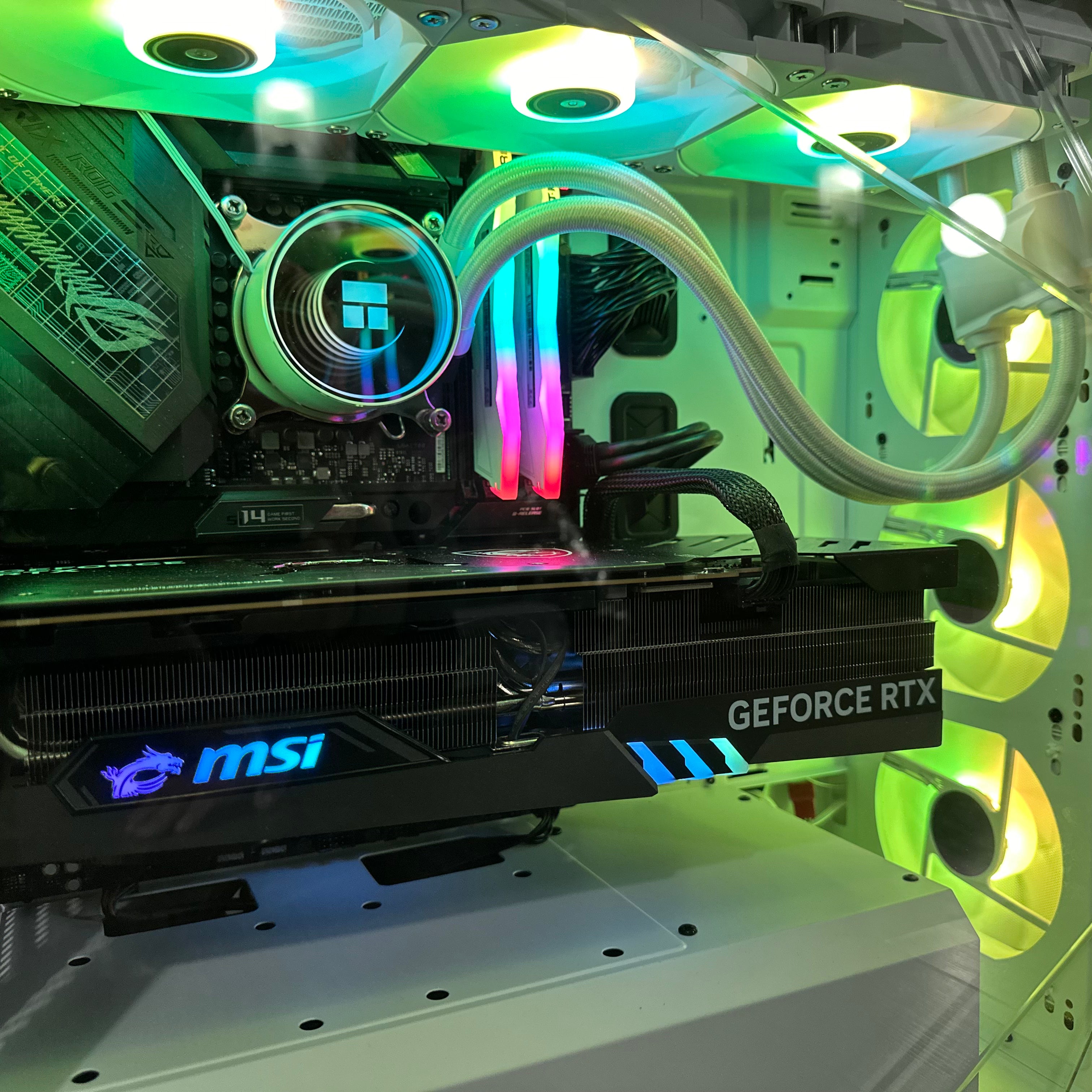
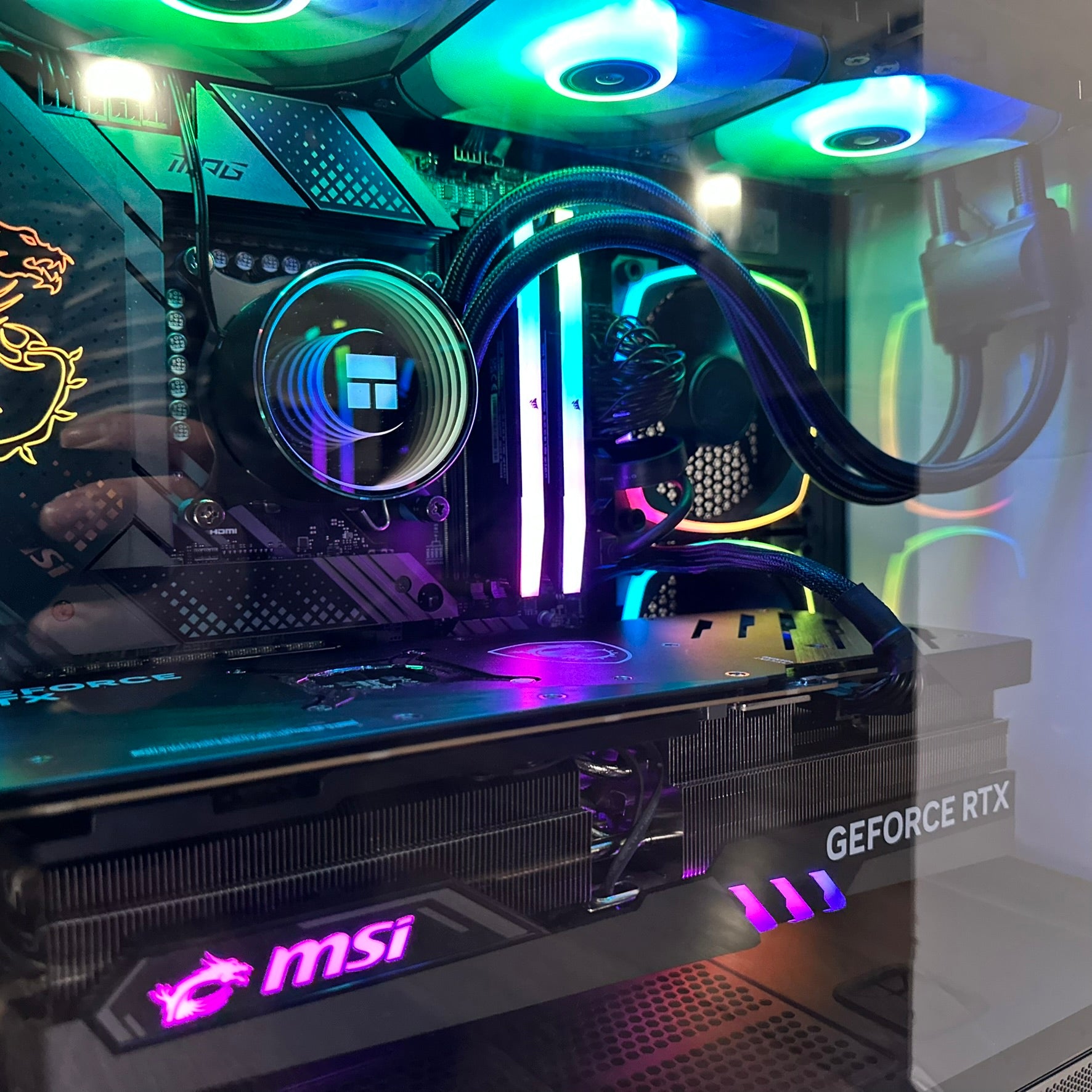
If you want visual spectacle, cleaner longevity, and stronger overhead for the next generation of demanding games, a 4K gaming PC Canada or premium RTX-based build is where you should look. This tier is ideal for gamers who do not want to compromise as quickly when future sequels, updates, and engine improvements raise system demands.
This type of build is best if you:
- Play on a 4K display or premium ultrawide monitor
- Want better ray tracing performance
- Care about ultra settings in AAA games
- Want your system to stay relevant longer before major upgrades
Should you stretch to a stronger GPU now if it helps you avoid a replacement purchase sooner? For many buyers, the answer is yes, especially if financing makes that move manageable.
Are you only gaming, or do you also want a streaming and creator-ready setup?
A sequel-driven gaming market does not just affect players. It also affects streamers, content creators, editors, and hybrid users who need one machine to do everything well. If you want to play ambitious games and capture footage, livestream, edit clips, or make social content, your PC choice becomes more nuanced.
A gaming and streaming PC Canada build should not just target game performance. It should also be designed around encoder performance, CPU headroom, memory capacity, SSD speed, and overall cooling stability. The same applies if you are creating YouTube content, exporting highlight reels, or managing OBS, Discord, browser tabs, and game launchers all at once.
Ask yourself:
- What PC do I need for streaming if I also want high in-game settings?
- Do I need more RAM for OBS, plugins, browser sources, and recording?
- Would faster storage improve my editing and capture workflow?
- Is a stronger GPU worth it if I want to game, stream, and edit on one desktop?
For streamers and content creators
If your next system needs to handle both entertainment and production, a content creation PC Canada or creator-focused gaming build may be the better fit than a generic gaming desktop. These systems are ideal for buyers who need stronger all-around capability for recording, editing, exporting, and multitasking.
You should lean creator-ready if you:
- Stream to Twitch, YouTube, or TikTok
- Edit gameplay footage
- Create thumbnails in Photoshop or Canva
- Use Premiere Pro, DaVinci Resolve, or After Effects
- Want one machine for gaming, work, and side income
What if your next PC also needs to handle video editing, photo editing, or design work?
One of the biggest mistakes buyers make is choosing a pure gaming-first build when they actually spend hours every week in creative software. If that sounds like you, your system should be selected with both gaming and production in mind.
Video editing buyers
If you work in Premiere Pro, DaVinci Resolve, or similar software, a proper video editing PC Canada build can dramatically improve your experience. Faster exports, smoother timeline playback, better codec handling, and stronger multitasking can save real time every week.
Ask yourself:
- What PC do I need for video editing if I also game?
- How much RAM do I need for video editing and background apps?
- Will my next machine handle 4K footage comfortably?
- Is a gaming PC good for video editing, or should I choose a custom creator PC instead?
For many buyers, the answer is not either-or. It is a balanced custom build.
Photo editing and graphic design buyers
If your workflow includes Lightroom, Photoshop, Illustrator, or design-heavy multitasking, you need a system that remains responsive under real workloads, not just in benchmark charts. A dedicated photo editing PC Canada or graphic design PC Canada build should focus on memory, fast storage, stable performance, and monitor support as much as gaming ability.
Do you edit large RAW files? Do you batch export often? Do you work across multiple displays? Do you want your desktop to feel snappy five apps deep into your workflow, not just when launching a game?
These are all signs that a custom-configured system will serve you better than a one-size-fits-all box.
3D modeling, rendering, and workstation buyers
If sequel hype gets you in the door but your actual needs include Blender, Unreal Engine, CAD, rendering, or heavier productivity tasks, you may need something beyond a gaming build. A 3D modeling PC Canada or workstation PC Canada system should be designed for your software stack, not just your Steam library.
Ask yourself:
- What PC do I need for Blender?
- Will I benefit more from GPU rendering or CPU-heavy performance?
- Do I need 64GB of RAM now to avoid another upgrade later?
- Would a workstation-oriented custom build support both my professional work and my gaming better?
Why Canadian buyers should think differently about timing
Canadian PC buyers face a different reality than many headlines suggest. Exchange pressure, shipping costs, component availability, market demand, and regional inventory patterns all shape the final cost of a full system. Even when a game story is not directly about hardware pricing, the buyer implications can still be very real.
When a game gains momentum and starts looking franchise-worthy, it contributes to broader demand for stronger gaming systems. Add in creator hardware needs, seasonal promotions, software upgrades, and new GPU launches, and the market can shift quickly.
That is why one of the smartest questions you can ask is this: Is it better to buy a gaming PC now or wait?
If your current machine already struggles, waiting can backfire. Delaying too long may expose you to:
- Higher replacement costs
- Reduced availability in popular performance tiers
- More expensive GPU options
- Forced compromise when a major game finally arrives
- Another year of underwhelming performance
In other words, the cheapest moment to upgrade is not always the lowest sticker price. Sometimes it is the moment before demand, scarcity, or your own workload forces a more expensive decision.
Should you finance a better PC instead of buying a cheaper one?
This is one of the most practical buying questions in the Canadian market right now. If you are choosing between a weaker system you may outgrow quickly and a stronger system that better matches your real use case, financing can change the equation.
For many buyers, finance gaming PC Canada options make it easier to secure a system with better long-term value. That could mean stepping up to a stronger GPU for 1440p, adding more memory for editing and streaming, choosing better storage, or avoiding a rushed upgrade in 12 months.
Ask yourself honestly:
- Should I finance a gaming PC if it helps me buy the right one the first time?
- Is financing a gaming PC worth it if I want better longevity?
- Would monthly payments help me avoid settling for a system I will regret?
- Should I buy before prices go up instead of replacing parts later at higher cost?
For customers who need gaming performance now but also want room for streaming, editing, or creator work, financing up to 4 years can be a smart way to bridge the gap between what feels affordable today and what will actually hold up tomorrow.
Which performance tier fits you best?
If you are unsure where you belong, use this quick buyer framework.
Choose a value-focused gaming build if:
- You mainly play at 1080p
- You want a first desktop or a sensible budget upgrade
- You care more about good performance than maximum settings
- You want a strong starting point with an upgrade path
Choose a balanced mid-to-high gaming build if:
- You want 1440p performance
- You play story-driven AAA titles regularly
- You may stream or record gameplay
- You want better longevity and fewer upgrade regrets
Choose a premium RTX-focused build if:
- You want 4K or very high settings
- You care about ray tracing and visual fidelity
- You want headroom for future sequels and demanding releases
- You prefer one stronger purchase over a series of partial upgrades
Choose a creator or workstation-oriented build if:
- You game and also edit, stream, design, or render
- You use Adobe apps, DaVinci Resolve, Blender, or Unreal Engine
- You need more RAM, faster storage, and stronger multitasking
- You make money from your PC or plan to
Why custom builds matter more when game demands keep rising
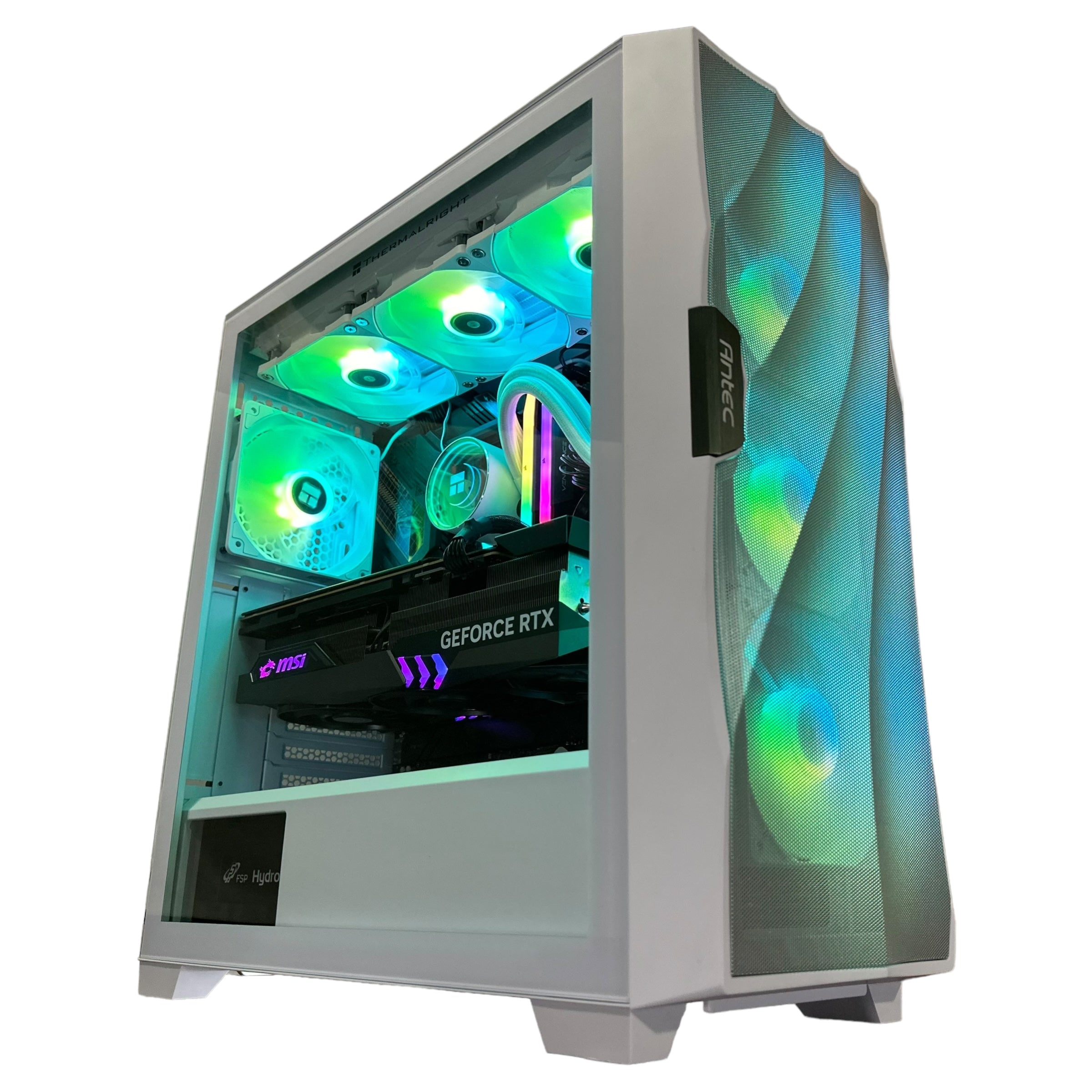
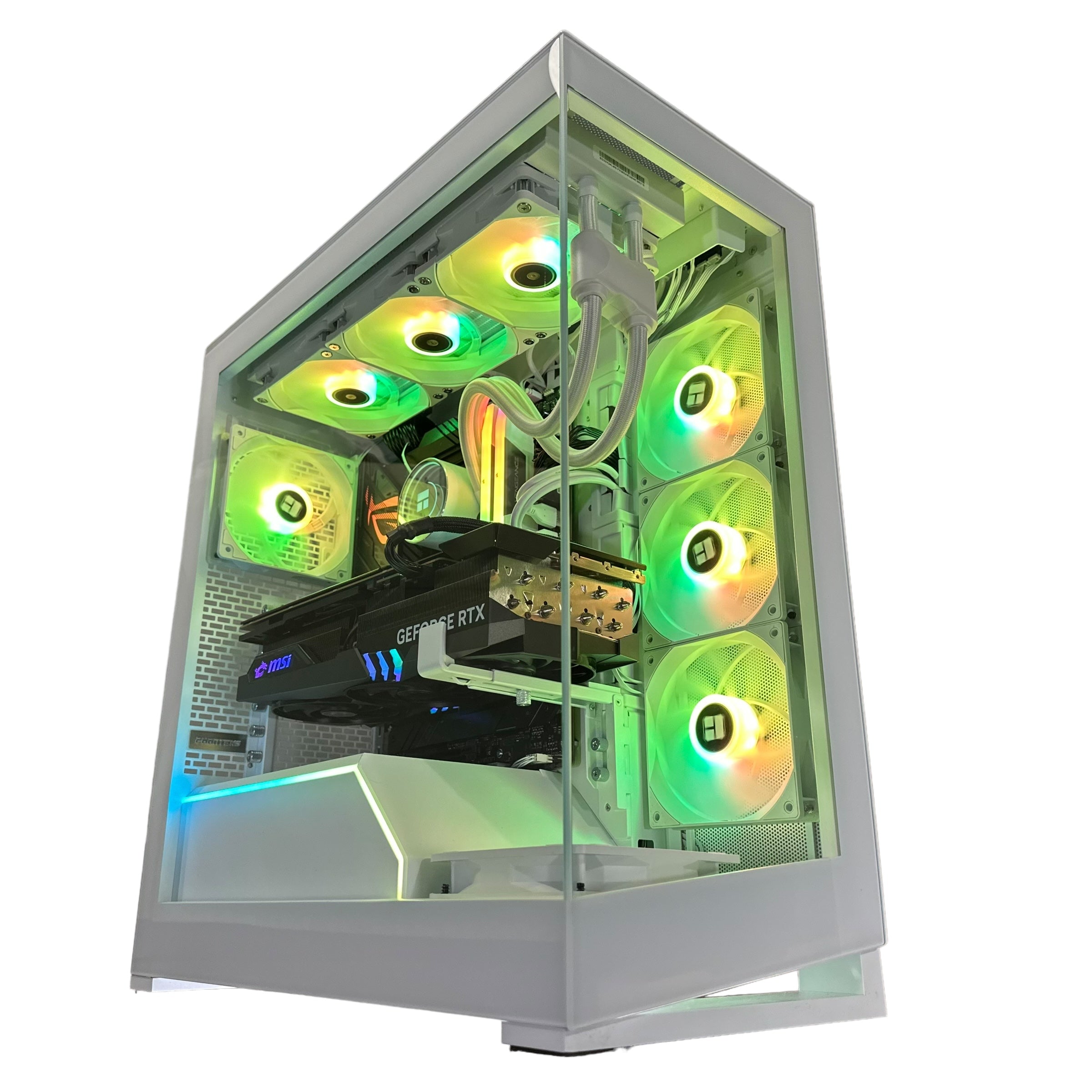
A random off-the-shelf desktop can look attractive until you realize it cut corners in the exact places that matter: airflow, power delivery, SSD quality, motherboard features, thermal performance, upgrade options, or overall balance. That is where working with a custom PC builder Canada specialist makes a difference.
When you buy a custom system, you are not just paying for parts. You are paying for matching the parts properly to your actual goals.
That means asking better questions:
- Do I need more GPU power or more CPU headroom?
- Will 32GB of RAM be enough, or should I move to 64GB because I stream and edit?
- Should I prioritize a larger SSD to avoid immediate storage frustration?
- Is this build cooled well enough for sustained gaming and creator workloads?
- Will this system still make sense after the next big game release cycle?
These are exactly the details that separate a short-term purchase from a strong long-term decision.
Why Groovy Computers is a smart fit for Canadian buyers
Groovy Computers is built around the needs that matter most to real buyers in Canada: custom system selection, practical guidance, strong performance tiers, financing options, and confidence in what you are actually receiving. Whether you need a gaming-first machine, a hybrid streaming setup, a creator desktop, or a heavier workstation, the goal is the same: put you into the right class of system instead of the wrong compromise.
That matters even more when game demand is evolving and buyers are trying to prepare for future releases rather than react after the fact.
With Groovy Computers, customers can shop with more confidence because custom systems are built with purpose, rigorously tested, and backed by a 1-year warranty. If you are buying from Nova Scotia, Atlantic Canada, or anywhere else in the country, having a Canadian custom PC builders option that understands both performance and buying pressure is a major advantage.
Need a custom gaming PC Canada build for upcoming AAA games? Need a creator system that can game, stream, and edit? Need to secure a stronger desktop before pricing shifts make the same class of build harder to justify? Those are exactly the situations where guidance matters.
What should you ask before buying your next PC?
Before you commit, ask yourself these final decision-making questions:
- What do I want this PC to do for me over the next 2 to 4 years?
- Am I buying for one game, or for an entire future release cycle?
- Do I need 1080p, 1440p, or 4K performance?
- Will I stream, record, edit, design, or render on this machine too?
- Do I want to avoid upgrading again sooner than necessary?
- Would financing a stronger build save me money and frustration over time?
- Do I want a generic desktop, or a tested custom build matched to my real use case?
Ready to choose the right gaming PC Canada build before the next demand wave?
If the Pragmata sequel conversation has you thinking about your own setup, that is a good thing. The real takeaway is not just that one game succeeded. It is that major releases and sequel momentum keep pushing player expectations upward. If your current desktop is already struggling, waiting may only narrow your options.
So what do you want your next PC to do for you? Hit smoother 1440p frame rates? Deliver 4K visuals with more confidence? Stream and game at the same time? Edit video faster? Handle design work and productivity without lag? If you want help choosing the right system, visit GroovyComputers.ca and explore custom builds, stronger performance tiers, and financing options that can help you buy smarter before the next big release cycle arrives.
In short, the gaming PC Canada lesson from this sequel news is simple: strong games create stronger hardware expectations. If you want to be ready for future AAA titles instead of chasing them late, now is the time to choose a build that fits your real gaming, streaming, creator, or workstation needs.
#GamingPCCanada #CustomGamingPCCanada #GamingPCForNewGames #1440pGamingPCCanada #4KGamingPCCanada #ContentCreationPCCanada #VideoEditingPCCanada #WorkstationPCCanada #CanadianCustomPCBuilders #FinanceGamingPCCanada
Groovy Computers | All Rights Reserved


Leave a comment
This site is protected by hCaptcha and the hCaptcha Privacy Policy and Terms of Service apply.