




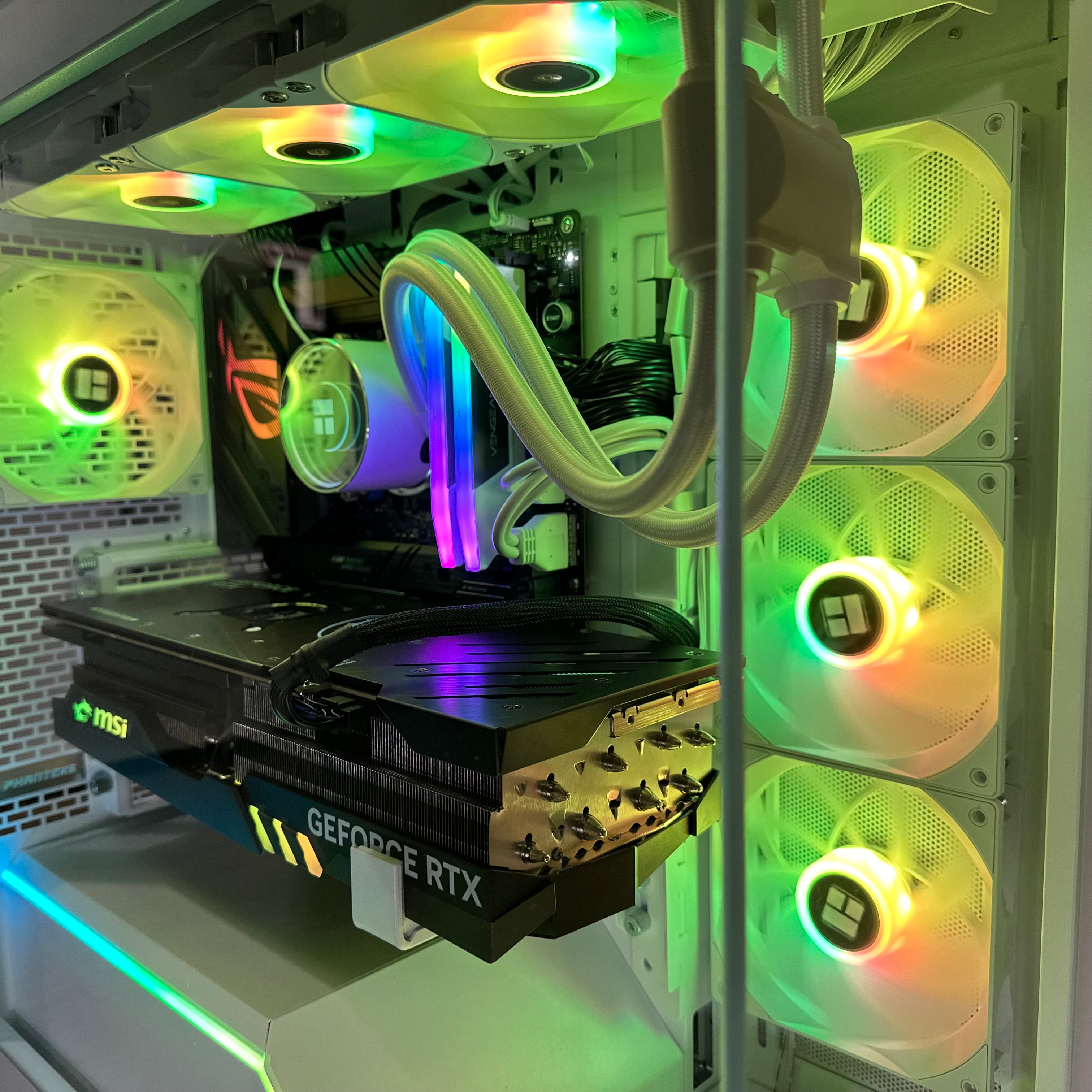
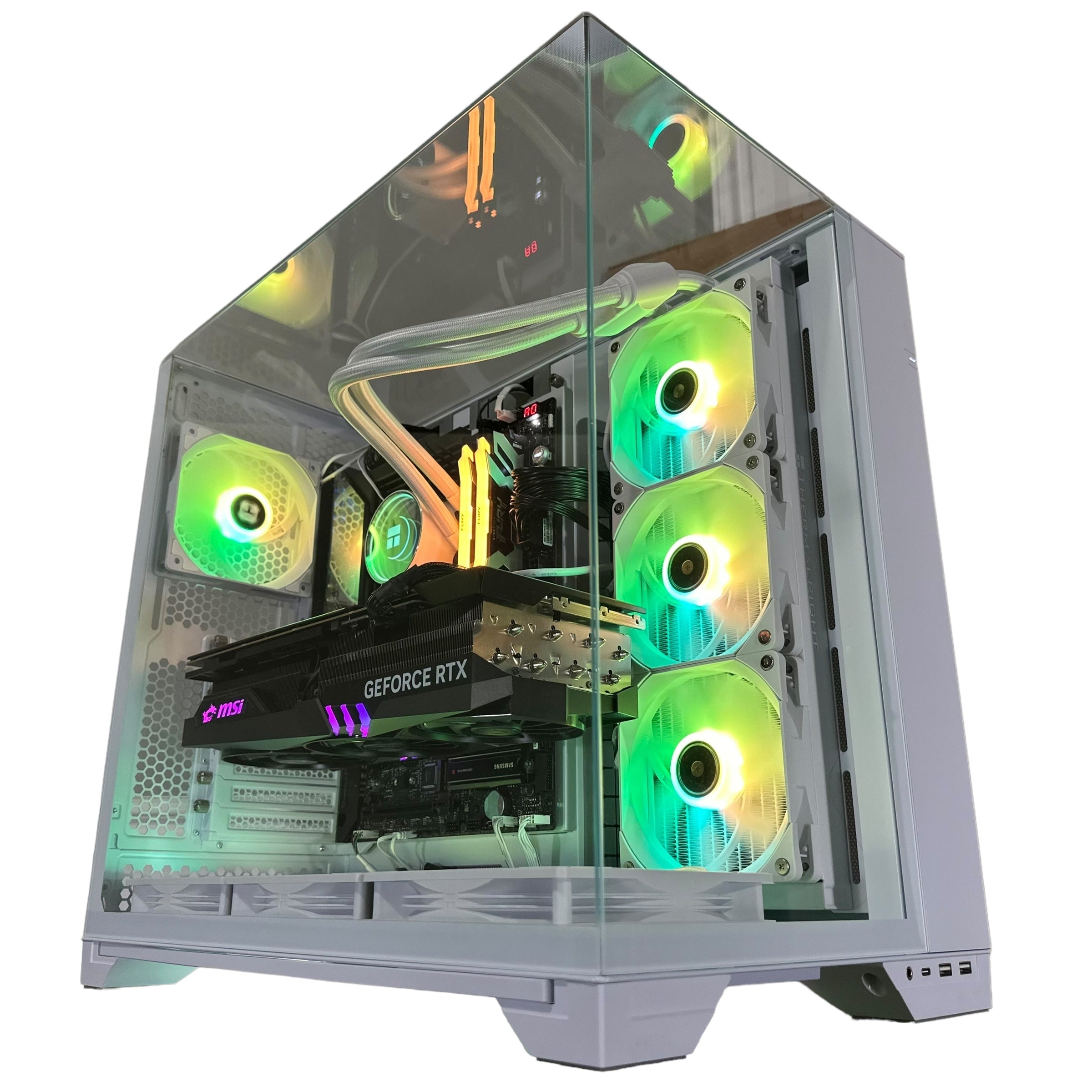
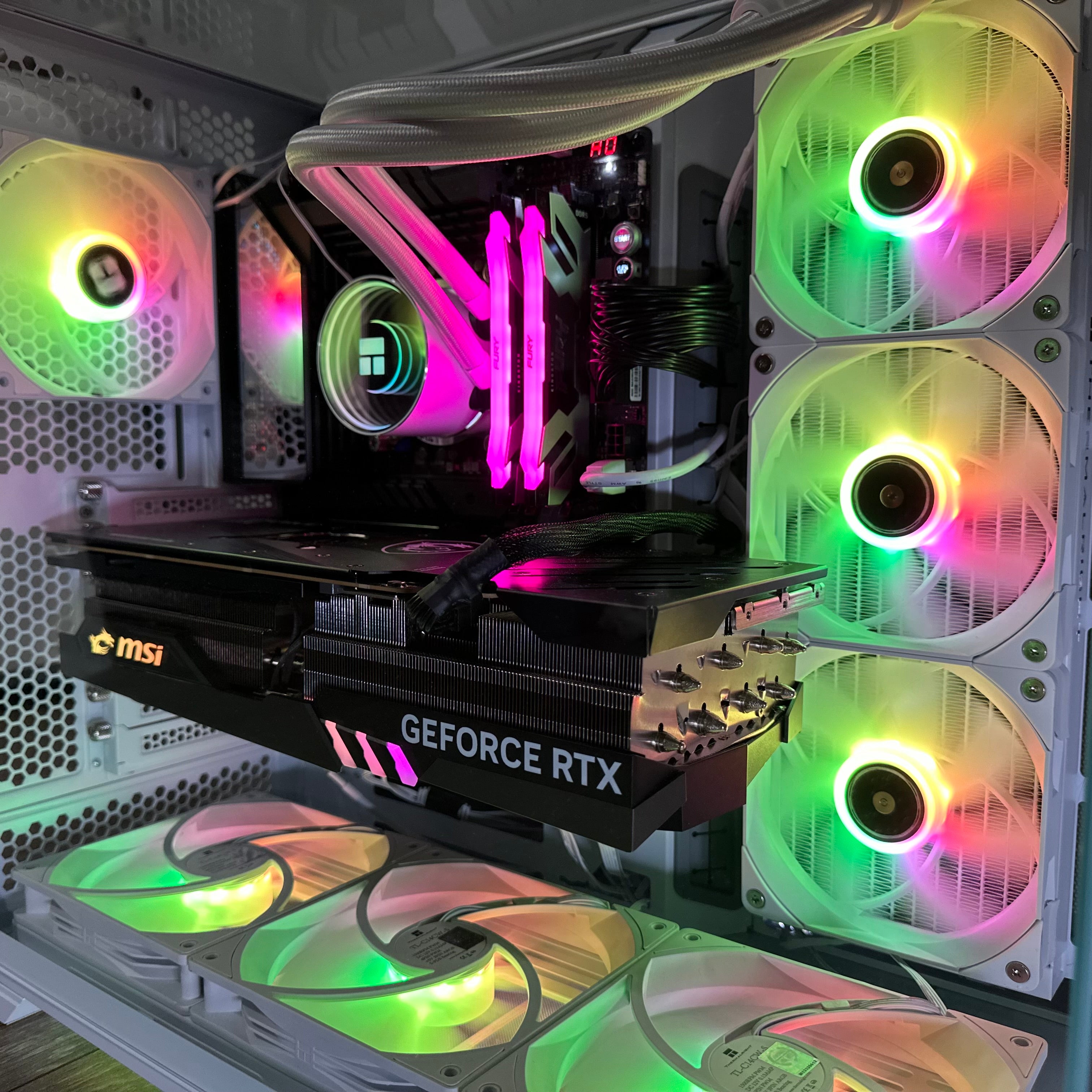

Krafton’s Record Growth Signals Why a Better Gaming PC in Canada Matters More Than Ever
Krafton’s latest earnings report is more than games-industry news. It is a strong signal about where PC gaming demand is heading, what players are spending money on, and why Canadian buyers should think carefully about their next Gaming PC Canada purchase. When a publisher posts record revenue on the strength of PUBG and the breakout success of Subnautica 2, it tells us something important: major PC titles, live-service ecosystems, and franchise-driven content are continuing to push players toward stronger, longer-lasting systems.
For Groovy Computers customers, this matters because game success does not stay inside earnings headlines. It reaches the real world fast. More players jump in, more updates arrive, more graphical expectations rise, more creators stream and record those games, and more people suddenly start asking the same question: is my current PC still enough?
If you have been watching new releases, rising creator workloads, and the ongoing pressure on GPU-heavy systems, this is the right time to think beyond a basic upgrade. Are you buying a PC just to run today’s games, or are you buying a system that can handle the next wave of bigger launches, content updates, streaming demands, and editing workloads too?
What Krafton’s Record Results Really Tell PC Buyers
According to the source report, Krafton posted record first-half revenue and operating profit in 2026, driven by continued PUBG performance and strong early access momentum from Subnautica 2. The company also highlighted user-generated content expansion, broader intellectual property plans, and a slate of new titles aimed at building more long-term franchises.
That combination matters. Why? Because successful game publishers do not stop at one launch. They scale. They add content. They improve visuals. They increase engagement. They optimize monetization around longer player retention. And when that happens, the average player’s hardware demands tend to grow with the game’s ecosystem.
If a franchise becomes more ambitious over the next 12 to 24 months, do you want to be stuck lowering settings, cutting back your frame rate expectations, or replacing your PC sooner than planned?
The success of Subnautica 2 also highlights another major trend: players are spending serious time in more immersive, atmospheric, visually rich worlds. Those games can reward stronger GPUs, faster SSDs, and enough memory to keep loading smooth and stutter low. If your current system already feels tight in open-world or survival games, that is usually not a sign to wait forever. It is a sign to plan properly.
Why Canadian Buyers Should Read This as a PC Buying Guide, Not Just a Business Story
For Canadian customers, gaming industry growth often translates into a practical question: when should I upgrade, and what should I buy?
That question matters because a weak buying decision can cost more over time than a smart one. If you buy too low, you may be forced into upgrades early. If you wait too long, you may run into higher component pricing, limited inventory on popular GPU tiers, or an even bigger jump in software and game demands. If you guess wrong on your performance tier, you could end up with a system that feels outdated before you expected.
Canadian shoppers also have to think about value differently. You are not only balancing performance. You are balancing taxes, shipping expectations, replacement cost, long-term reliability, and whether financing a stronger build now makes more sense than settling for a weaker machine and replacing it sooner.
Are you trying to get into new PC games comfortably at 1080p? Do you want a 1440p system that still feels great a few years from now? Are you hoping to step into 4K, ray tracing, streaming, or content creation without building twice?
What Do You Want Your Next PC to Do for You?
This is the most important question in the entire buying process, and too many shoppers skip it.
Do you want your next PC to run competitive games at high FPS? Do you want a machine that can handle cinematic single-player releases on high settings? Do you want to stream to Twitch or YouTube while gaming? Do you edit videos after work, design graphics for clients, process large photo libraries, or build 3D scenes in Blender or Unreal Engine?
The right answer changes the right build.
A customer who mainly wants smooth esports play does not need the same system as someone who wants a Gaming and Streaming PC Canada setup. A buyer focused on Adobe Premiere Pro or DaVinci Resolve should not be choosing hardware the same way as someone playing battle royale titles at 1080p. And a creator working in Blender, Unreal Engine, or multi-app workflows needs a different balance again.
Before you buy, ask yourself:
- What games or software will I actually use every week?
- Do I care more about FPS, visual quality, render speed, or multitasking?
- Will I be gaming only, or gaming plus streaming and editing?
- Do I want this system to last comfortably for years, or just get me by?
- Would financing a stronger build now help me avoid upgrading too soon?
Are New Game Success Stories a Warning Sign for Older PCs?
In many cases, yes.
When game publishers report major franchise growth, it usually means one or more of the following is happening: more players are entering the ecosystem, the game is gaining more content, graphical expectations are rising, creator coverage is expanding, and demand for stronger gaming hardware becomes more noticeable. Even when a game launches in early access, success can lead to years of updates that raise expectations for smooth performance.
That means older systems often start feeling their age faster than buyers expect. A PC that was “good enough” two years ago may still launch your games, but can it hold stable frame rates in more complex scenes? Can it keep up with background apps, Discord, browser tabs, recording tools, and game patches? Can it drive a high-refresh 1440p monitor without compromise?
If the answer is “not really,” then this kind of industry news should push you to think ahead.
What PC Do I Need for 1080p, 1440p, or 4K Gaming?
Resolution and performance goals are where many buyers either save money wisely or overspend badly. The key is matching the system to your actual target.
1080p Gaming PC Canada: Who is it for?
A 1080p-focused build is ideal for budget-conscious players, first-time buyers, students, and competitive gamers who care more about speed than extreme visual settings. If you mainly play esports titles, lighter shooters, battle royale games, survival games on sensible settings, or a broad mix of games without demanding ultra presets, this tier can offer excellent value.
But ask yourself something important: are you buying for the games you play now, or the games you are likely to want next year? If your interests are shifting toward more demanding AAA releases, a bare-minimum 1080p system can become limiting sooner than expected.
1440p Gaming PC Canada: Is this the smart middle ground?
For many buyers, yes. A 1440p system is often the sweet spot for balancing visual quality, longevity, and modern gaming value. This tier makes sense for players who want stronger immersion, higher settings, smoother frame delivery, and a system that feels more future-ready for major releases.
If you are reading about fast-growing titles like PUBG and Subnautica 2 and thinking about the next few years of game launches, 1440p is usually the safest mainstream target. It gives you room to enjoy visually richer games while staying realistic on total system cost.
So ask yourself: do you want a PC that feels good today, or one that still feels strong after the next few game launches?
4K Gaming PC Canada: When does it make sense?
4K makes sense if you want premium visual fidelity, large-display gaming, higher texture settings, stronger ray tracing potential, and a build aimed at top-tier experiences. This is for the buyer who wants a High End Gaming PC Canada setup, not just a basic upgrade.
But 4K should be chosen intentionally. Are you actually gaming on a 4K display? Do you want ultra settings and better long-term GPU headroom? Do you care about premium single-player experiences more than maximizing value per dollar? If so, it may be worth it. If not, 1440p may offer better balance.
What If You Also Want to Stream or Record Gameplay?
This is where many “good gaming PCs” stop being good enough.
A system that runs a game well is not automatically the best Streaming PC Canada option. Once you add OBS, background processes, browser tabs, overlays, webcam feeds, chat tools, and possible recording for later editing, your hardware needs change. CPU and GPU balance starts to matter more, memory pressure becomes more noticeable, and storage quality plays a larger role in smooth workflow.
Are you planning to stream casually at 1080p? Record gameplay for YouTube? Edit clips for TikTok or Shorts? Run dual monitors? Keep dozens of Chrome tabs open while live? These are not small details. They affect the build you should choose.
A proper gaming-and-streaming system should give you breathing room, not just enough power to “technically do it.” That is especially true if you want your build to still feel capable when software updates, game patches, and stream production quality all climb higher.
Is a Gaming PC Also Good for Video Editing and Content Creation?
Sometimes, but not always.
A strong gaming system can overlap nicely with creator work, especially if it has a capable GPU, a good multi-core CPU, enough RAM, and fast SSD storage. But there is a difference between a gaming-first machine and a proper Creator PC Canada or Video Editing PC Canada build.
If you are editing 1080p video occasionally, a gaming-oriented system may be perfectly fine. If you are editing 4K footage regularly, rendering motion graphics, using After Effects, colour grading in DaVinci Resolve, or switching between Adobe apps all day, you should think more like a workstation buyer.
Ask yourself:
- Will I edit for fun, for school, or for paid work?
- Do I need fast export times, smoother timeline playback, or both?
- How much RAM do I need for video editing if I also multitask heavily?
- Is a gaming PC good for video editing in my case, or do I need a more specialized creator build?
These questions matter because productivity time is real money. Waiting through exports, fighting timeline lag, or juggling slow storage can cost hours every week.
What About Photo Editing, Graphic Design, and Adobe Creative Work?
If your work is focused on Photoshop, Lightroom, Illustrator, InDesign, Canva, or broader Adobe Creative Cloud use, the ideal system is about more than gaming performance. You want responsive application behaviour, enough memory for large files, dependable storage, strong multitasking, and a platform that supports your monitor and workflow properly.
Are you editing thousands of RAW photos? Building large layered PSD files? Working across multiple artboards and browser-based tools? Managing client revisions while music, chat, cloud sync, and other apps run in the background? Then your PC should be selected as a tool, not a toy.
A well-matched Graphic Design PC Canada or Photo Editing PC Canada setup can feel dramatically better than a generic system that looked good only on paper.
What If You Need 3D Modeling, Blender, Unreal Engine, or Workstation Performance?
This is where hardware decisions become even more important.
If you work in Blender, Unreal Engine, Maya, Cinema 4D, CAD software, product visualization, architectural scenes, or rendering-heavy workflows, you are no longer just shopping for a gaming machine. You are looking at a 3D Modeling PC Canada or Workstation PC Canada decision.
Do you need a GPU-accelerated rendering setup? Do you need high RAM capacity for complex scenes? Do you need stronger CPU performance for simulation, baking, compiling, or multitasking? Are you using your system for school today but hoping to freelance or work professionally tomorrow?
If so, buying too cheap can become very expensive. The wrong build may force compromises in viewport smoothness, render time, asset complexity, and long-term workflow growth.
Why Timing Matters When Game Franchises Expand
When a major publisher shows strong momentum and announces more titles, it can create a ripple effect in player demand. More interest in upcoming releases means more PC shoppers entering the market. More players wanting upgrades can tighten demand around certain GPUs, move inventory faster, and reduce the advantage of waiting for the “perfect moment.”
This does not mean panic buying. It means planning intelligently.
Are you waiting for a major game release before upgrading? Are you hoping your current system survives one more hardware cycle? Are you putting off a purchase until your PC becomes a problem instead of upgrading while you still have options?
Those are two very different strategies. One gives you control. The other leaves you reacting when demand, prices, or workload requirements may be less favourable.
Should You Buy Now or Wait for Better Prices?
This is one of the most common questions in any gaming PC buying guide Canada conversation, and the honest answer is that waiting is not always the cheaper move people hope for.
Component pricing can shift for many reasons: demand spikes, stronger uptake on premium GPUs, memory market volatility, storage price movement, seasonal buying rushes, and the simple fact that newer games keep making older systems feel weaker. In a market like that, waiting can mean paying more later for the same class of experience.
So ask yourself a better question: what does waiting cost me?
If waiting means months of lowered settings, skipped game releases, delayed content production, or another near-term upgrade, then waiting may not be saving you money. It may just be delaying the spend while reducing the value you get from your system in the meantime.
Could Financing Help You Buy the Right PC Instead of Settling?
For many buyers, yes.
One of the biggest mistakes PC shoppers make is buying only to the cash number they feel comfortable with today, even when that forces them into a system they know may not last. That can lead to a shorter useful lifespan, earlier upgrades, and more total spending across a few years.
If financing lets you move from “just enough” to “actually right,” it can be the smarter decision. Groovy Computers helps Canadian buyers explore custom systems with financing options up to 4 years, which can make a stronger gaming, creator, or workstation build more realistic without forcing a weak compromise.
Would a monthly payment approach help you secure a better GPU tier, more RAM, faster storage, or a more capable CPU now? Would that keep you from replacing the system too soon? Would it help you buy for your real workload instead of your temporary limit?
Those are practical questions, not luxury questions.
Which Performance Tier Fits You Best?
If you are unsure what class of PC you actually need, use this framework.
Entry-Level / Budget Buyer
You may fit here if you want a Budget Gaming PC Canada build for 1080p gaming, school use, lighter streaming, or your first proper gaming desktop. This tier is best for value-focused buyers who want good performance without chasing premium features they may not use.
But ask yourself: will you be happy if new releases force lower settings faster than expected?
Mainstream Performance Buyer
This is the strongest fit for many shoppers. If you want 1080p at high refresh or 1440p with solid visual quality, occasional streaming, stronger multitasking, and better system longevity, this is likely your sweet spot.
If you want a PC for new games without feeling underpowered too soon, this is often where the best balance lives.
Premium Gaming Buyer
If you want 1440p maxed out, stronger ray tracing, higher refresh on demanding games, or a move into 4K, you likely belong here. This buyer wants fewer compromises and longer relevance for top-tier game launches.
Are you trying to build once and enjoy it for years instead of shopping again too soon?
Creator / Editing Buyer
If your PC has to edit video, process photos, run Adobe apps, or support content production in addition to gaming, you need a smarter parts balance. More RAM, fast SSDs, and stronger CPU and GPU matching become more important here.
Do you want a PC that just plays games, or a machine that earns its keep after gaming is done?
3D / Workstation Buyer
If your projects include rendering, complex modeling, simulation, CAD, or heavy multitasking, you should approach the purchase like a workstation investment. Reliability, thermal performance, memory capacity, and sustained performance matter far more than flashy marketing alone.
Why Custom Builds Matter More When You Want Long-Term Value
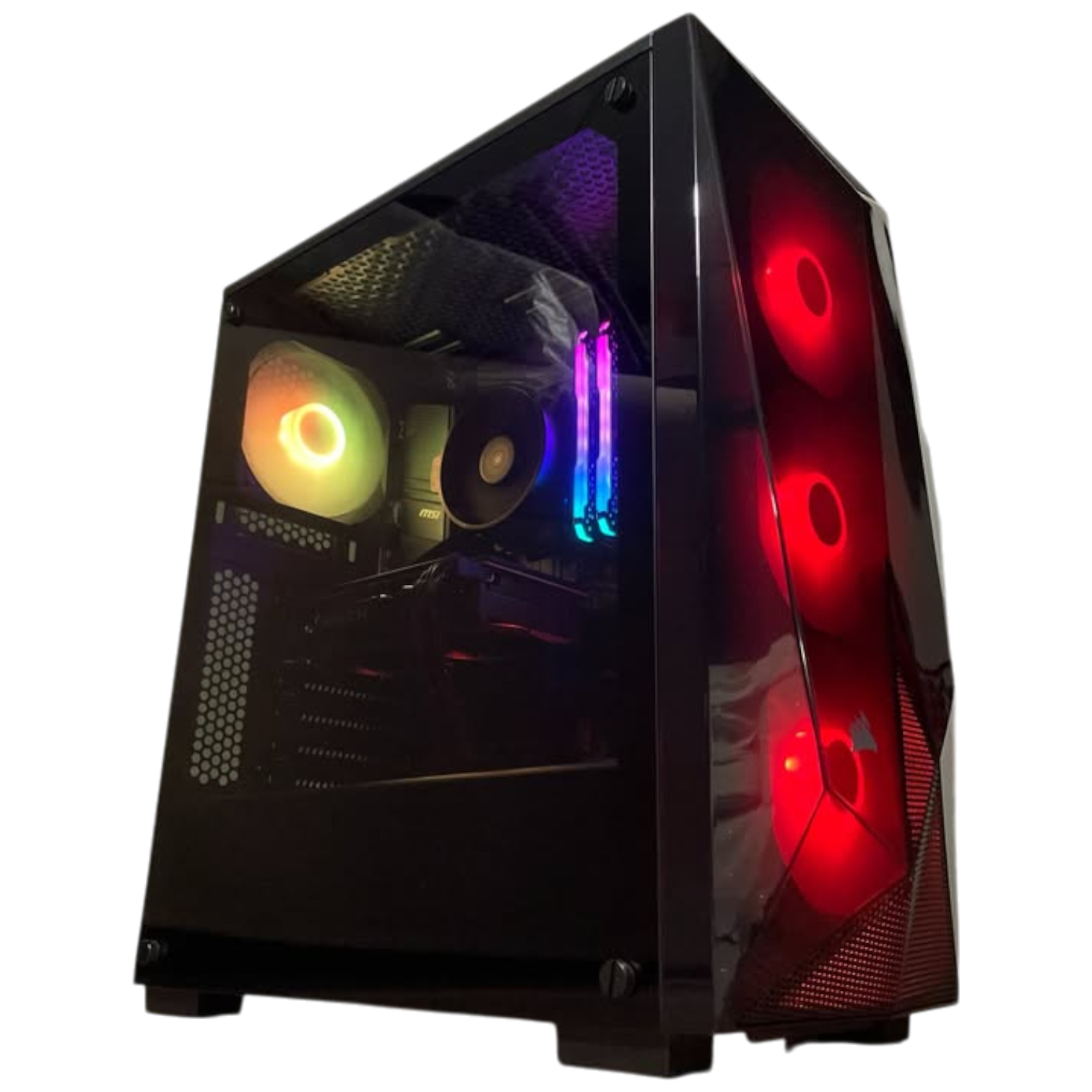
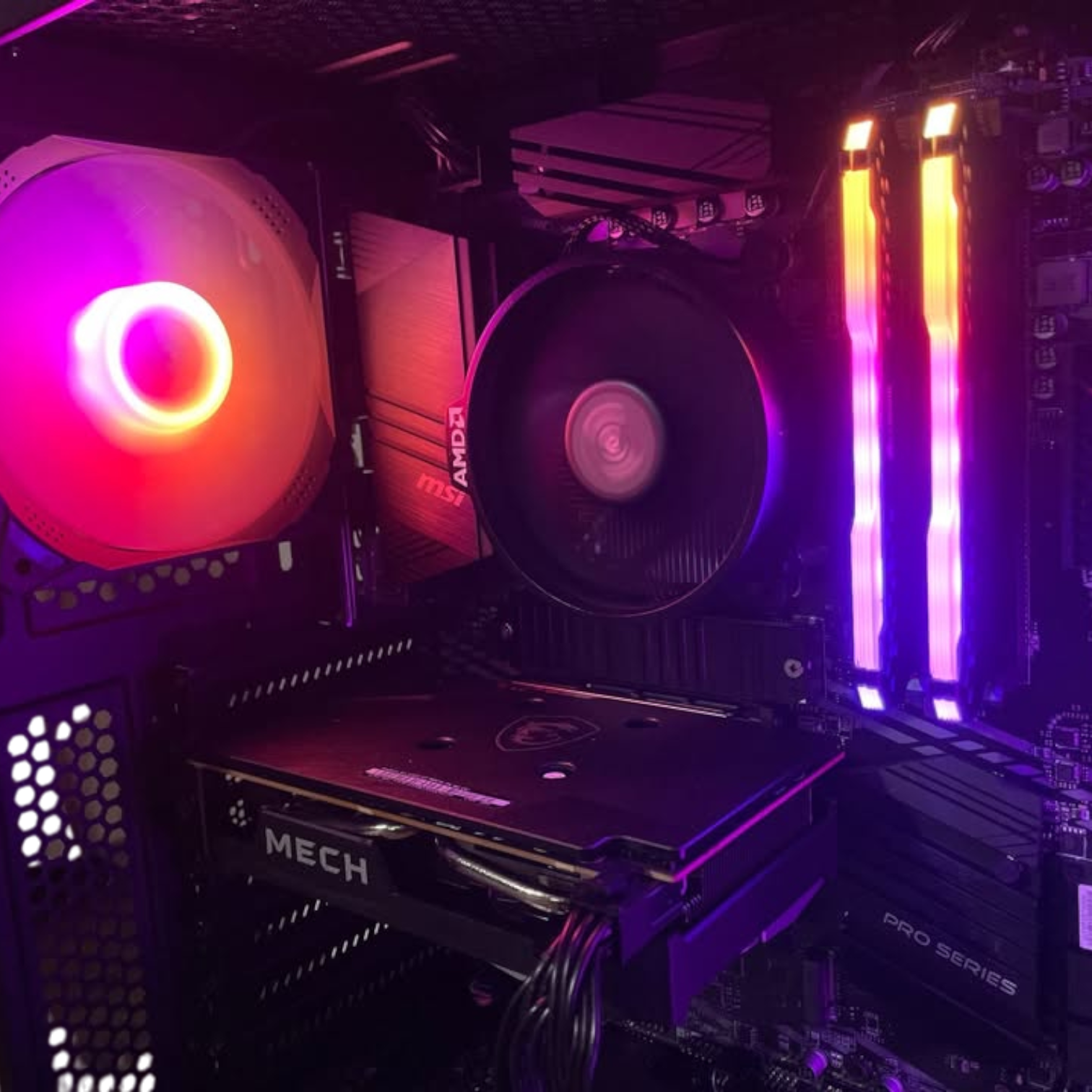
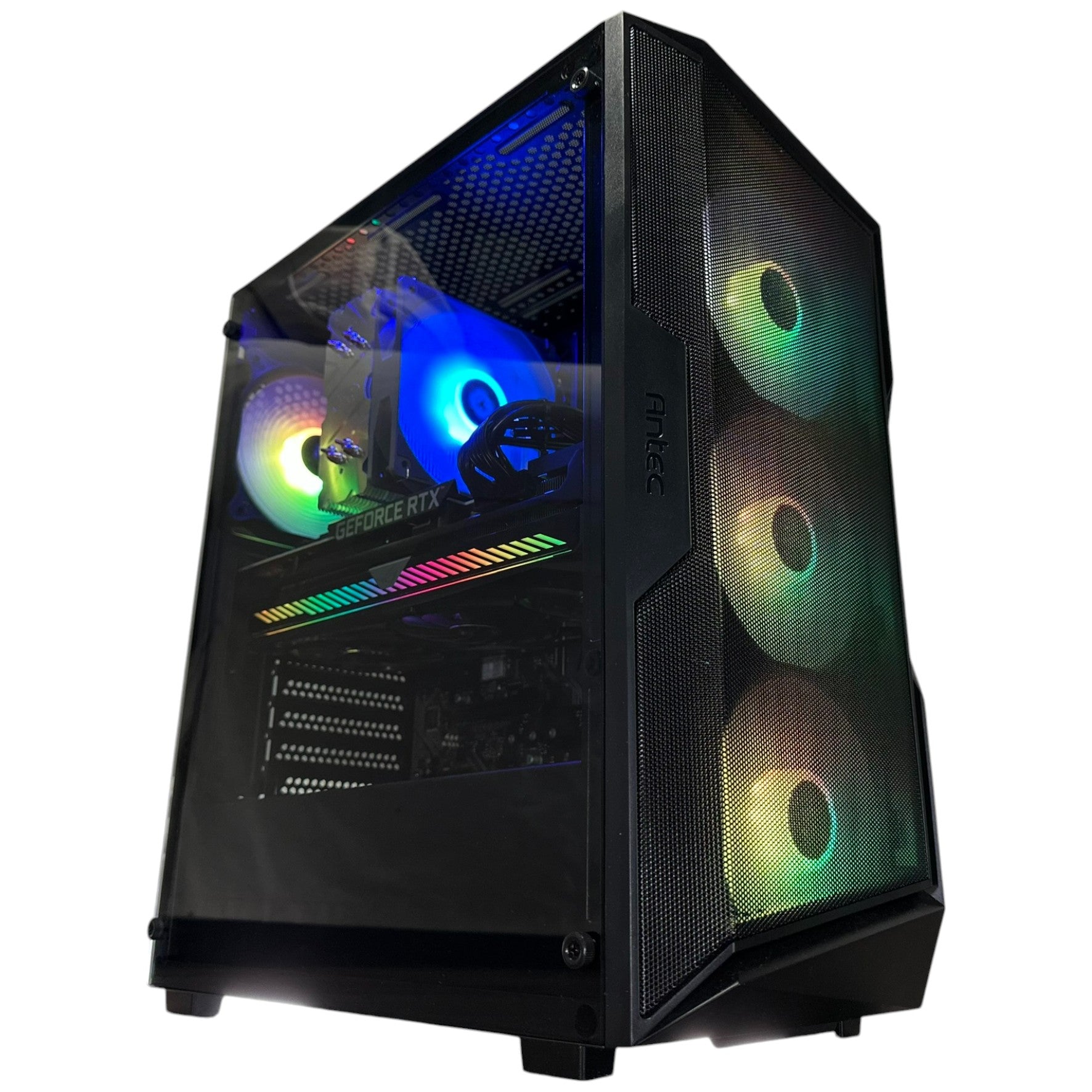
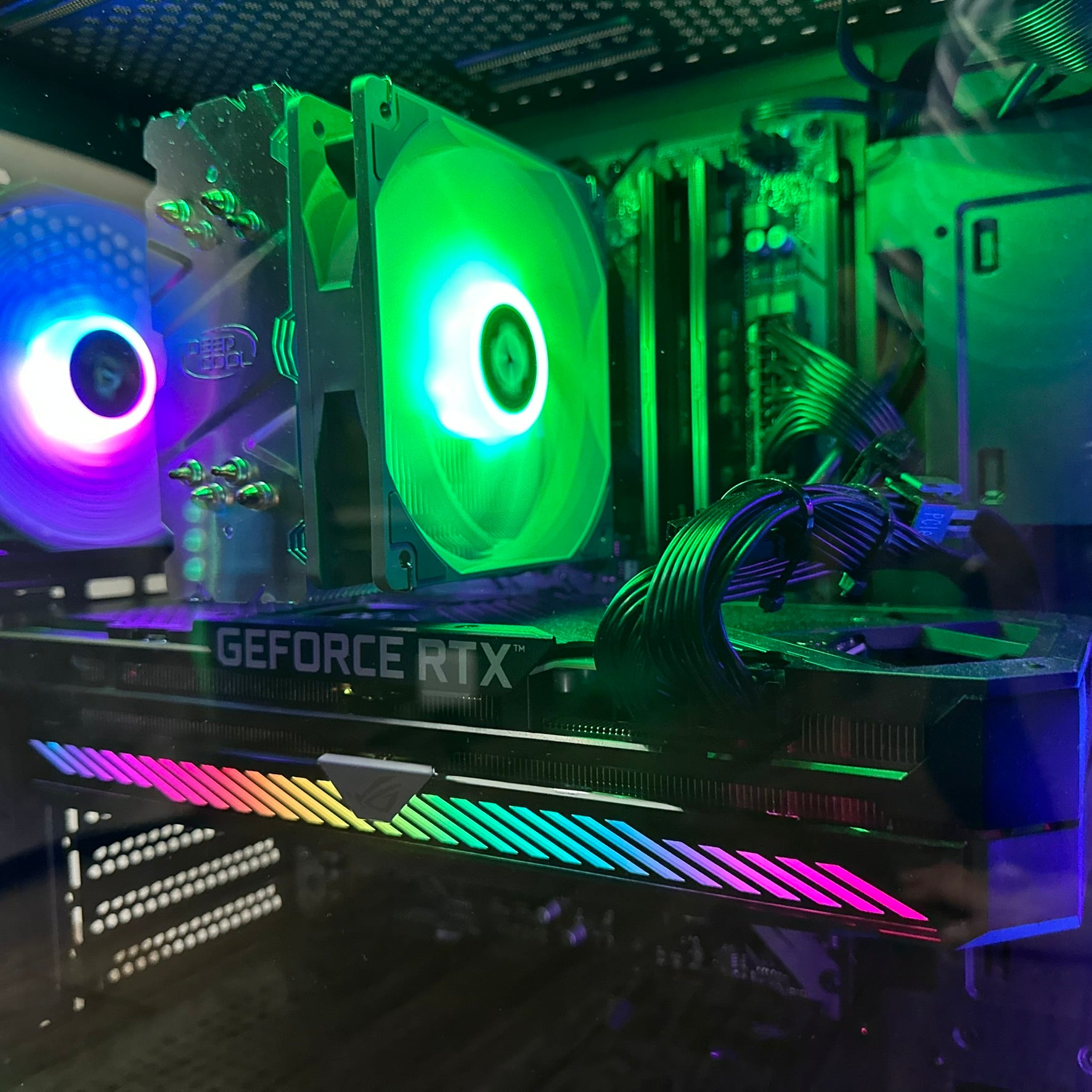
As gaming and creator software become more demanding, random off-the-shelf specs matter less than overall build quality. A custom system gives you better control over where the money goes: CPU, GPU, cooling, RAM, SSD configuration, power supply quality, case airflow, and upgrade path.
That is especially important if you are trying to avoid overspending on the wrong part while still building enough headroom for the future.
Would you rather buy a generic machine with uneven part choices, or a system tuned for the way you actually game, create, stream, or work?
With Groovy Computers, the value is not just in the parts list. It is in choosing the right performance category, matching components intelligently, building for stability, and reducing the chance that you outgrow the system too quickly.
Why Testing, Reliability, and Warranty Matter Before You Buy
A stronger PC is only worth it if it is built and supported properly.
When you are investing in a custom gaming PC, creator PC, or workstation, rigorous testing matters. Stable thermals matter. Clean part matching matters. A dependable power and cooling setup matters. So does support after the sale.
Groovy Computers positions itself for Canadian buyers who want confidence, not guesswork. That means custom-built systems, thorough testing, and a 1-year warranty that adds peace of mind when you are buying a system expected to handle serious gaming or professional workloads.
If you are comparing options, ask this: am I buying a machine, or am I buying confidence in how that machine was selected, assembled, and supported?
What Questions Should You Ask Before Buying Your Next PC?
Before you finalize anything, slow down and ask the questions that actually protect your money.
- What games, creative apps, or work software will define this system?
- Do I want 1080p, 1440p, or 4K performance?
- Will I use ray tracing, high refresh rate monitors, or multi-monitor setups?
- Do I need this PC for streaming, recording, editing, or graphic design too?
- Will I be using Adobe Premiere Pro, DaVinci Resolve, Photoshop, Lightroom, Blender, or Unreal Engine?
- How long do I want this system to feel current?
- Would more RAM, storage, or GPU headroom save me from upgrading early?
- Should I buy a cheaper PC now, or finance a better one that lasts longer?
- Do I want help choosing the right custom build instead of guessing from spec sheets?
Why This Story Points to Growing Demand for Better PCs
Krafton’s performance is not happening in a vacuum. It reflects broader confidence in PC gaming ecosystems, stronger franchise monetization, and player willingness to engage deeply with new releases and long-term content platforms. That usually supports more demand for hardware capable of smooth modern performance.
For buyers in Canada, this is a reminder that gaming demand, creator demand, and workstation demand are increasingly blending together. The customer who plays at night may stream on weekends. The student who starts with gaming may begin video editing. The hobbyist in Blender may move into paid client work. The buyer who wants “something decent” today often needs something stronger sooner than expected.
So the real question is not just whether a game company had a strong quarter. The real question is what that says about where your own hardware needs are heading.
Need Help Choosing the Right Custom PC in Canada?
If you are wondering what performance tier fits your budget, what PC you need for 1440p gaming, whether a gaming PC is good for video editing, or whether financing a stronger build now makes more sense than replacing a weaker system later, Groovy Computers is built for exactly that decision.
Whether you need a budget gaming desktop, a premium RTX-ready setup, a creator system, or a 3D workstation, the smartest next step is to browse or request guidance from a Canadian builder that understands performance, timing, testing, and long-term value. Visit GroovyComputers.ca and ask the simple question that matters most: what do you want your next PC to do for you?
Final Take: A Stronger Gaming PC Canada Decision Starts Before the Next Big Upgrade Rush
Krafton’s record growth shows how quickly successful games and expanding franchises can influence player expectations, hardware relevance, and buying urgency. For Canadian customers, that makes this the right time to evaluate whether your current system is ready for the next wave of gaming, streaming, editing, design, or 3D workloads.
If your PC is already struggling, if you want to avoid upgrading too soon, or if financing would help you step into the right performance class before costs climb further, acting early can be smarter than waiting for pressure to make the decision for you. The best Gaming PC Canada choice is rarely the one that only works today. It is the one that fits your real goals for the years ahead.
#GamingPCCanada #CustomGamingPCCanada #GamingPCBuilderCanada #CreatorPCCanada #VideoEditingPCCanada #StreamingPCCanada #3DModelingPCCanada #WorkstationPCCanada #CanadianCustomPCBuilders #NovaScotiaComputers
Groovy Computers | All Rights Reserved



Leave a comment
This site is protected by hCaptcha and the hCaptcha Privacy Policy and Terms of Service apply.