
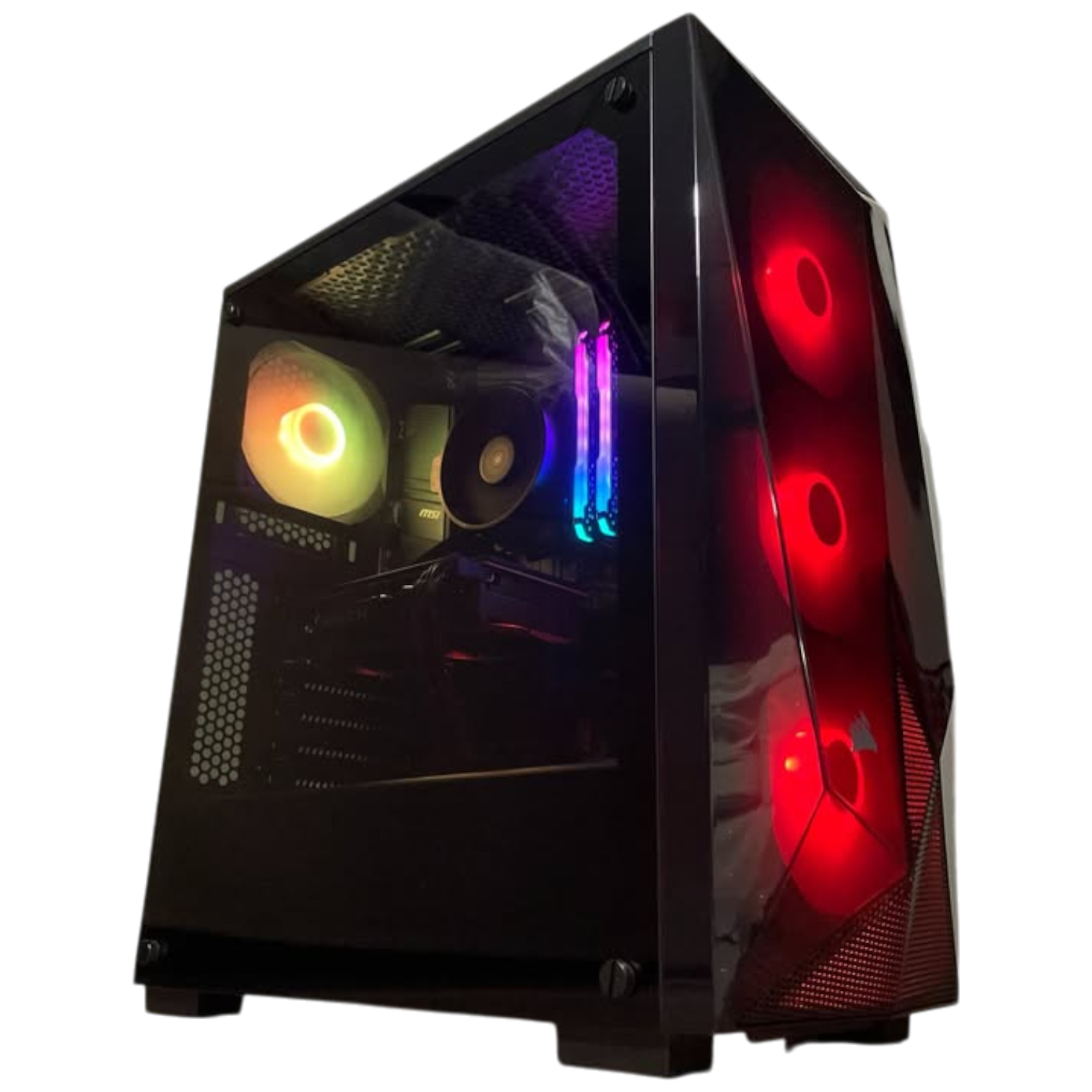
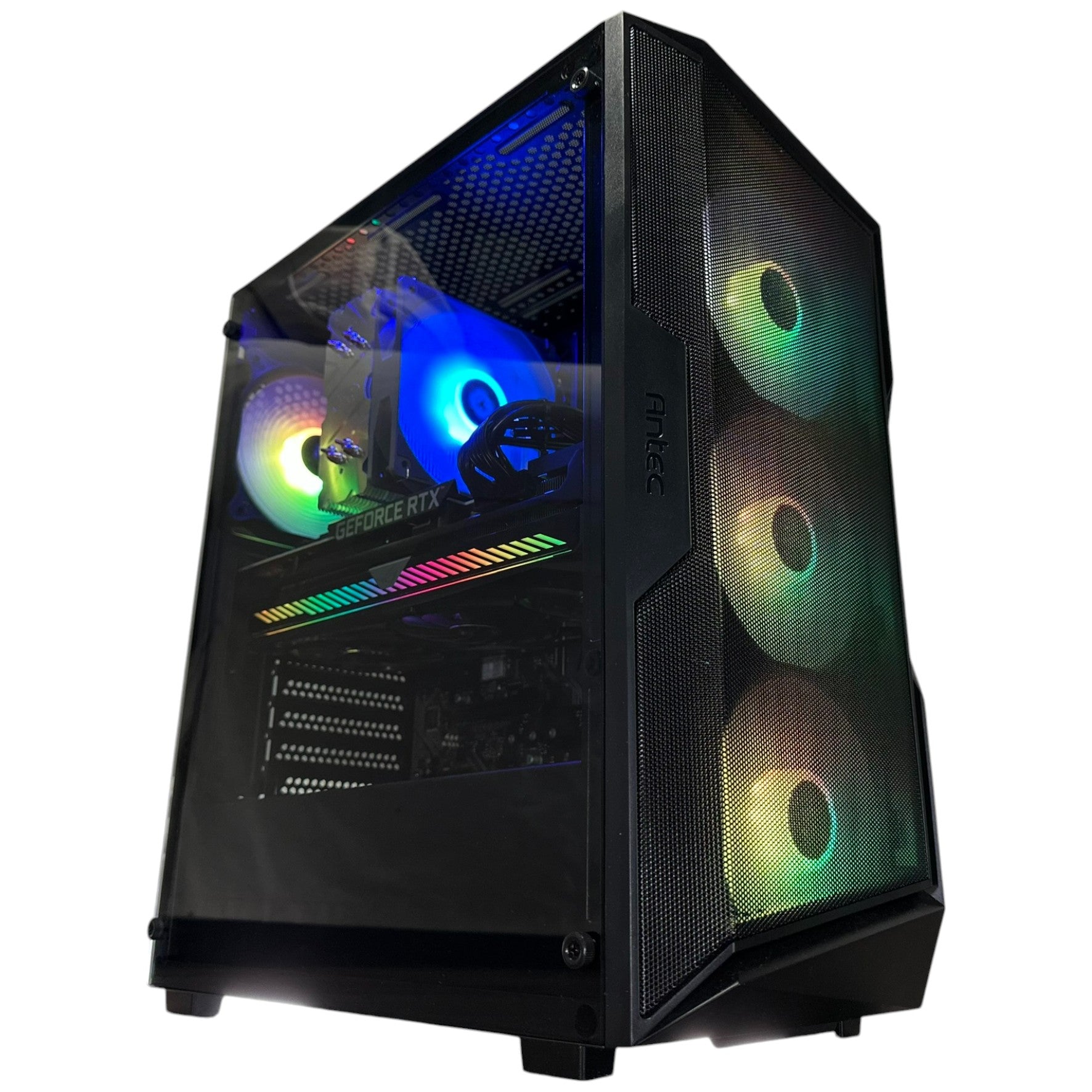


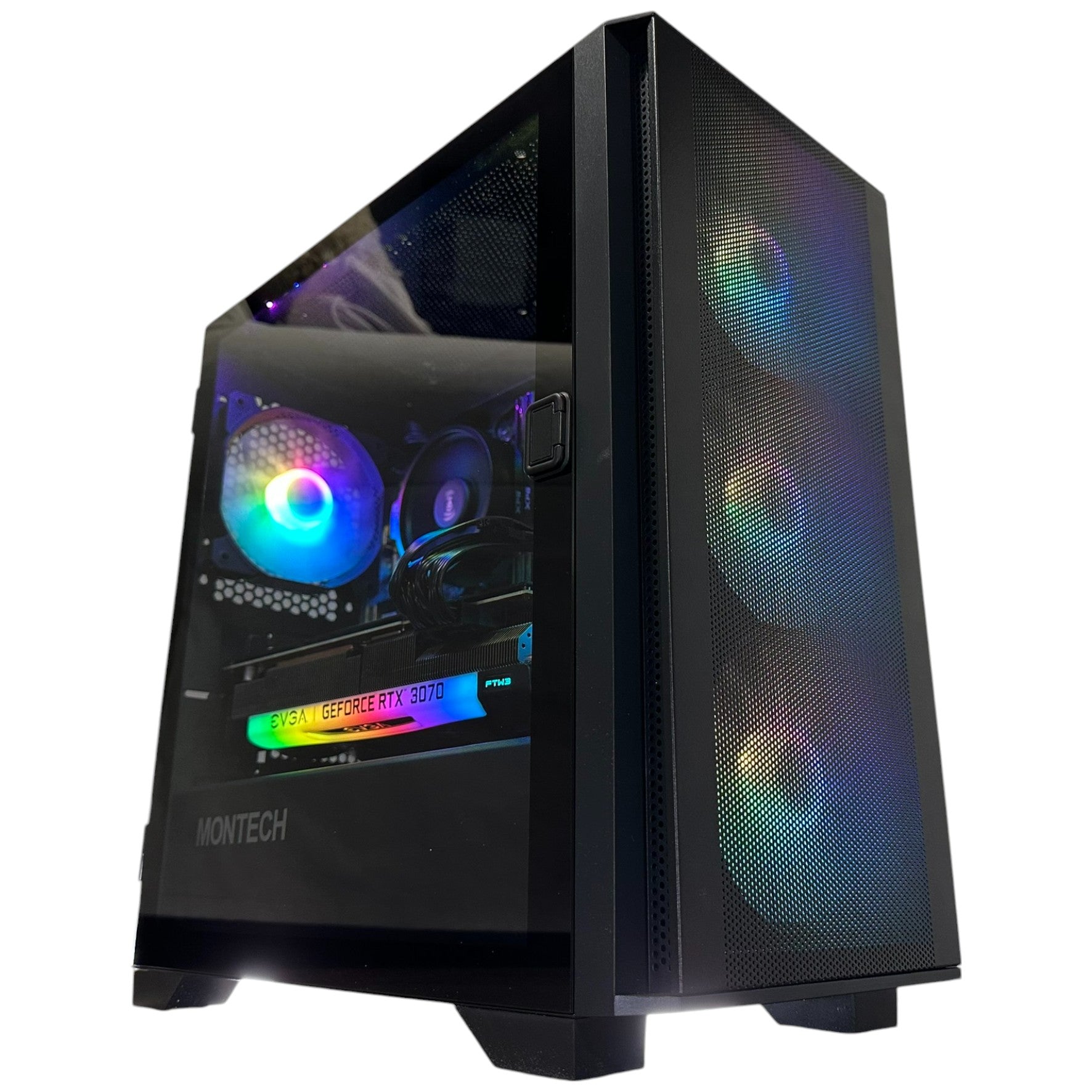
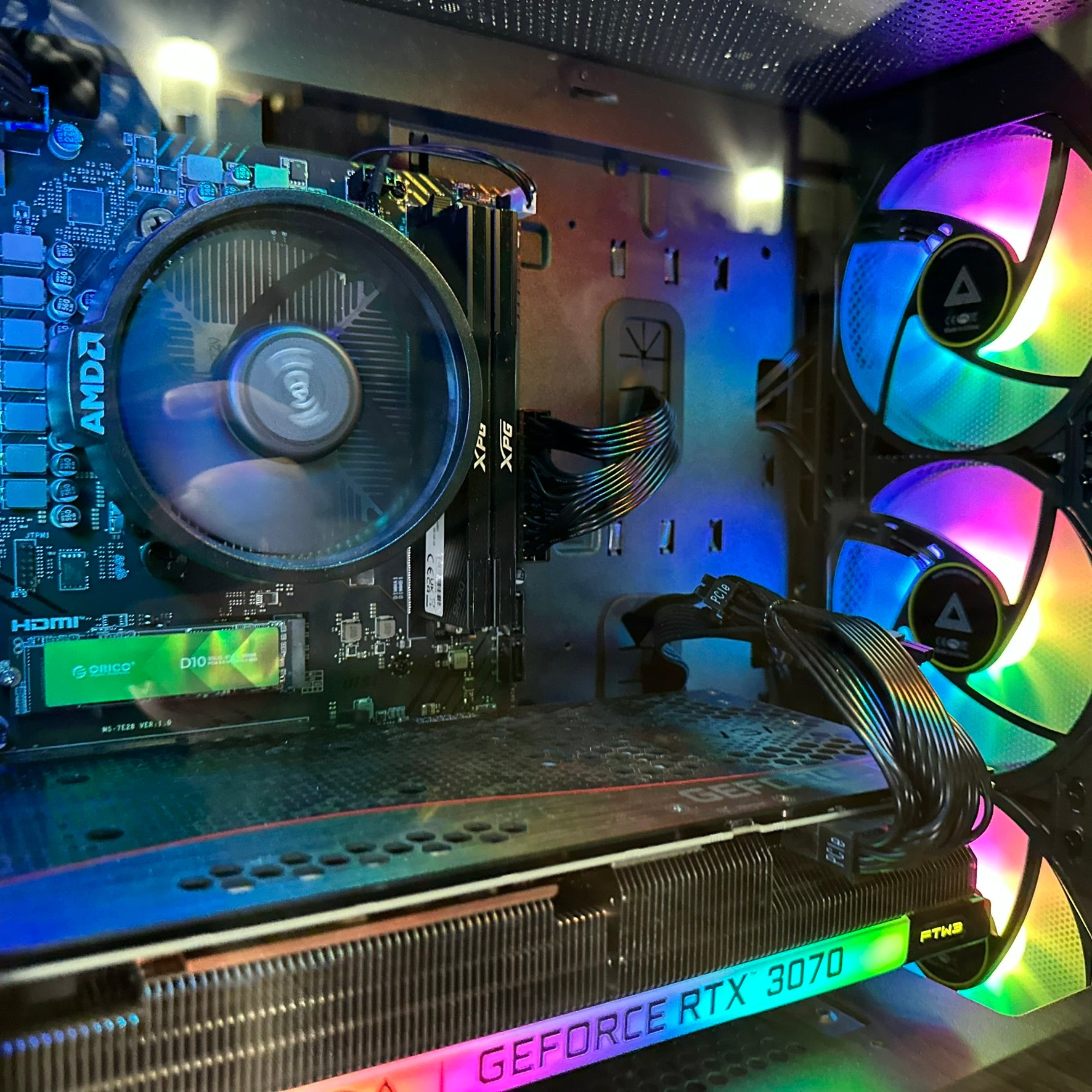
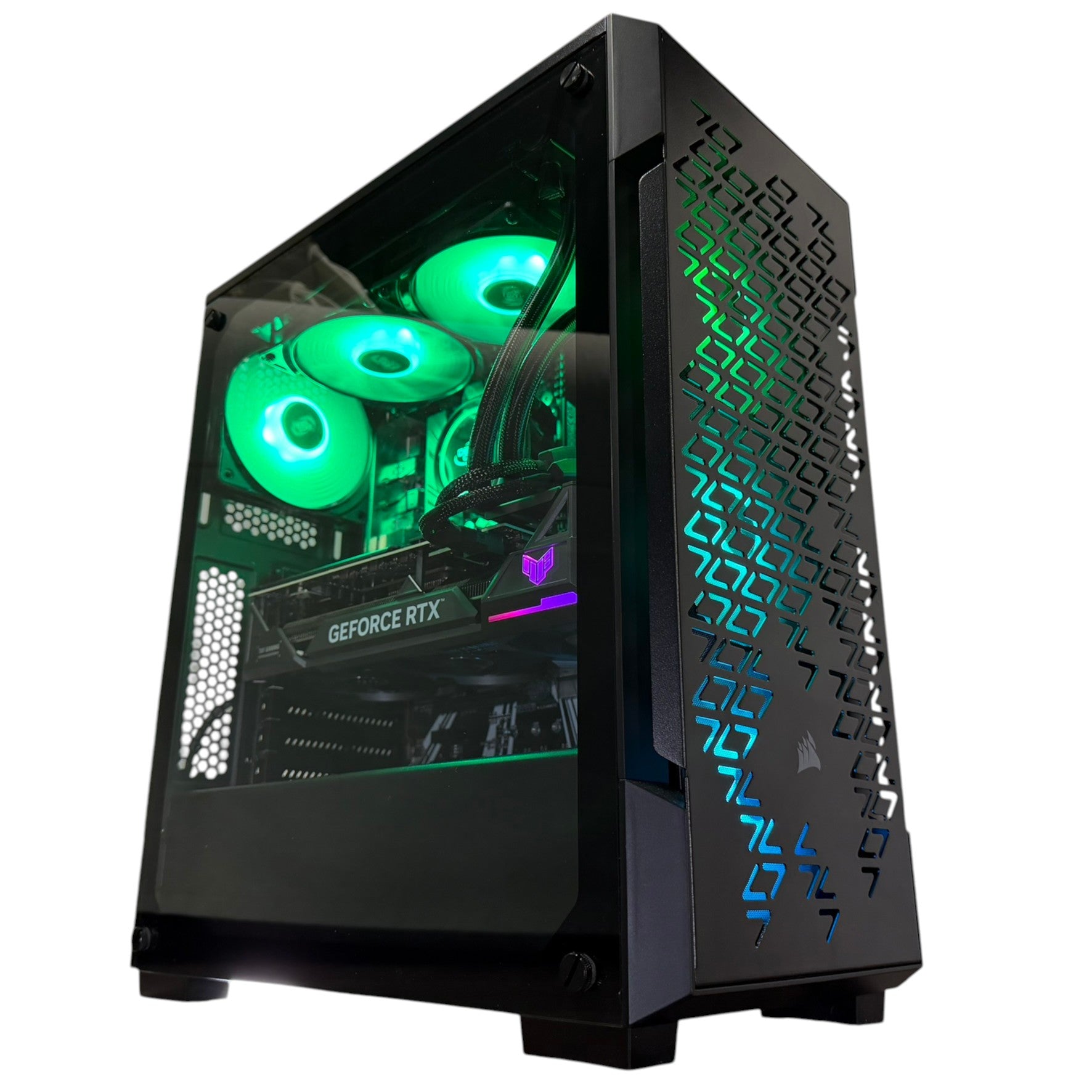

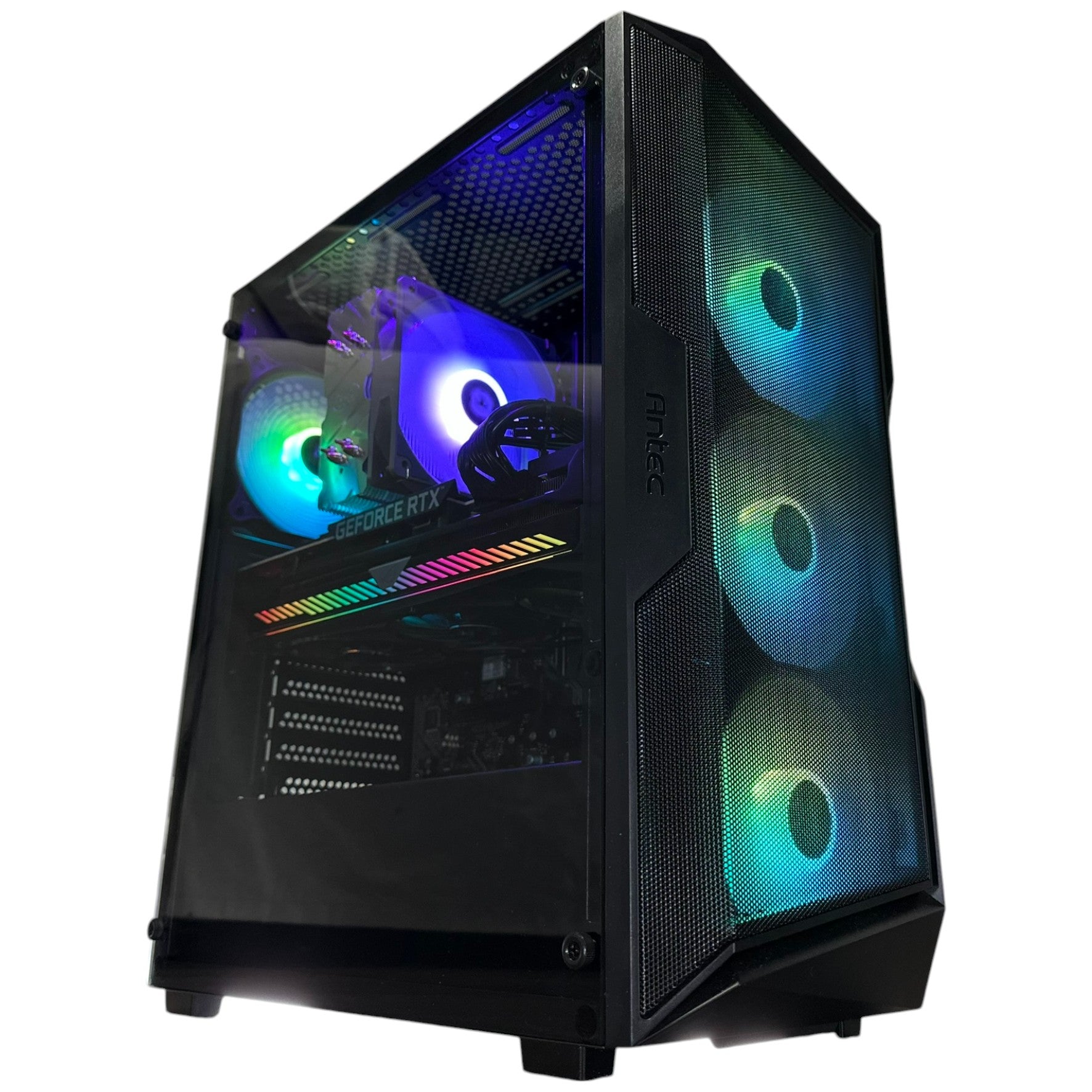

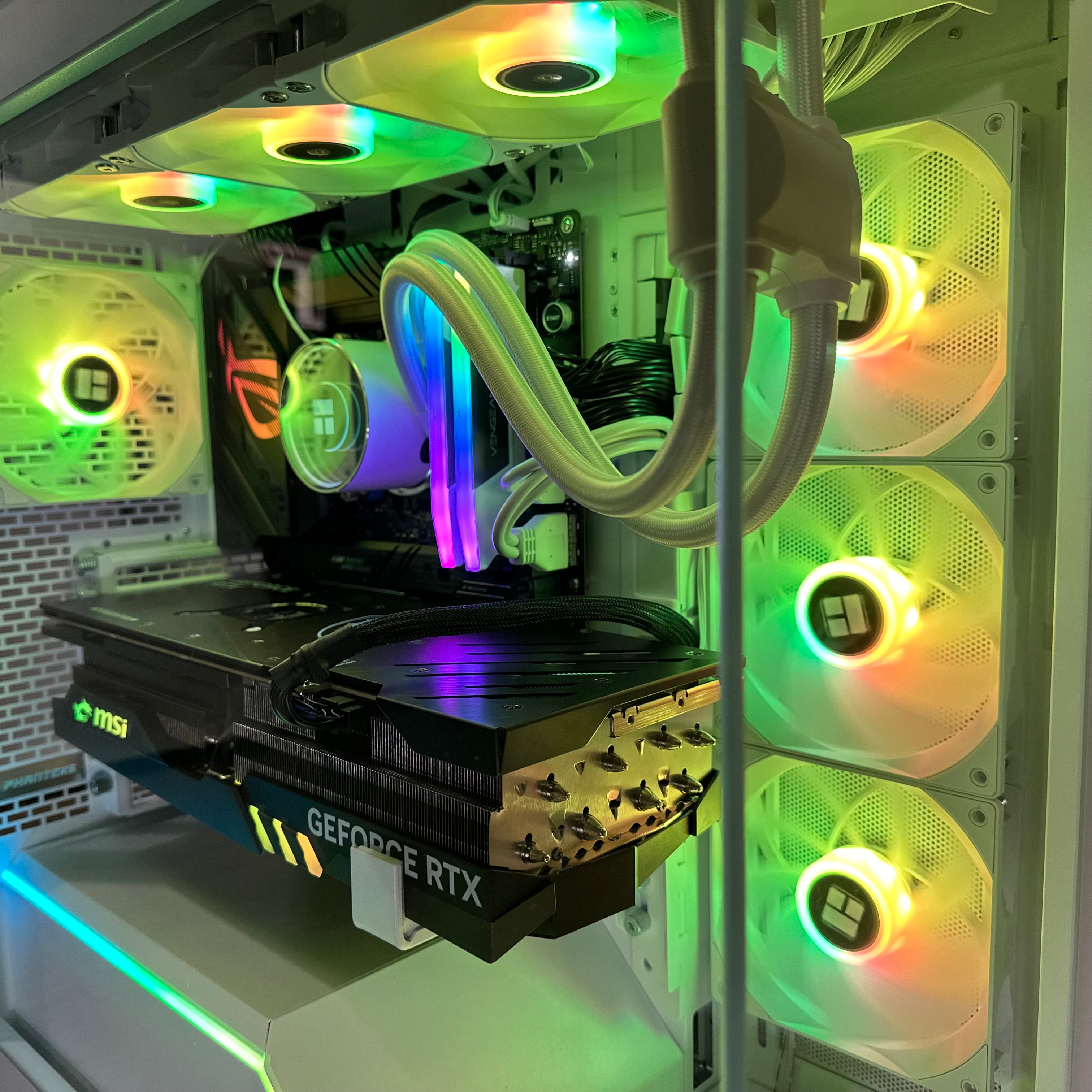
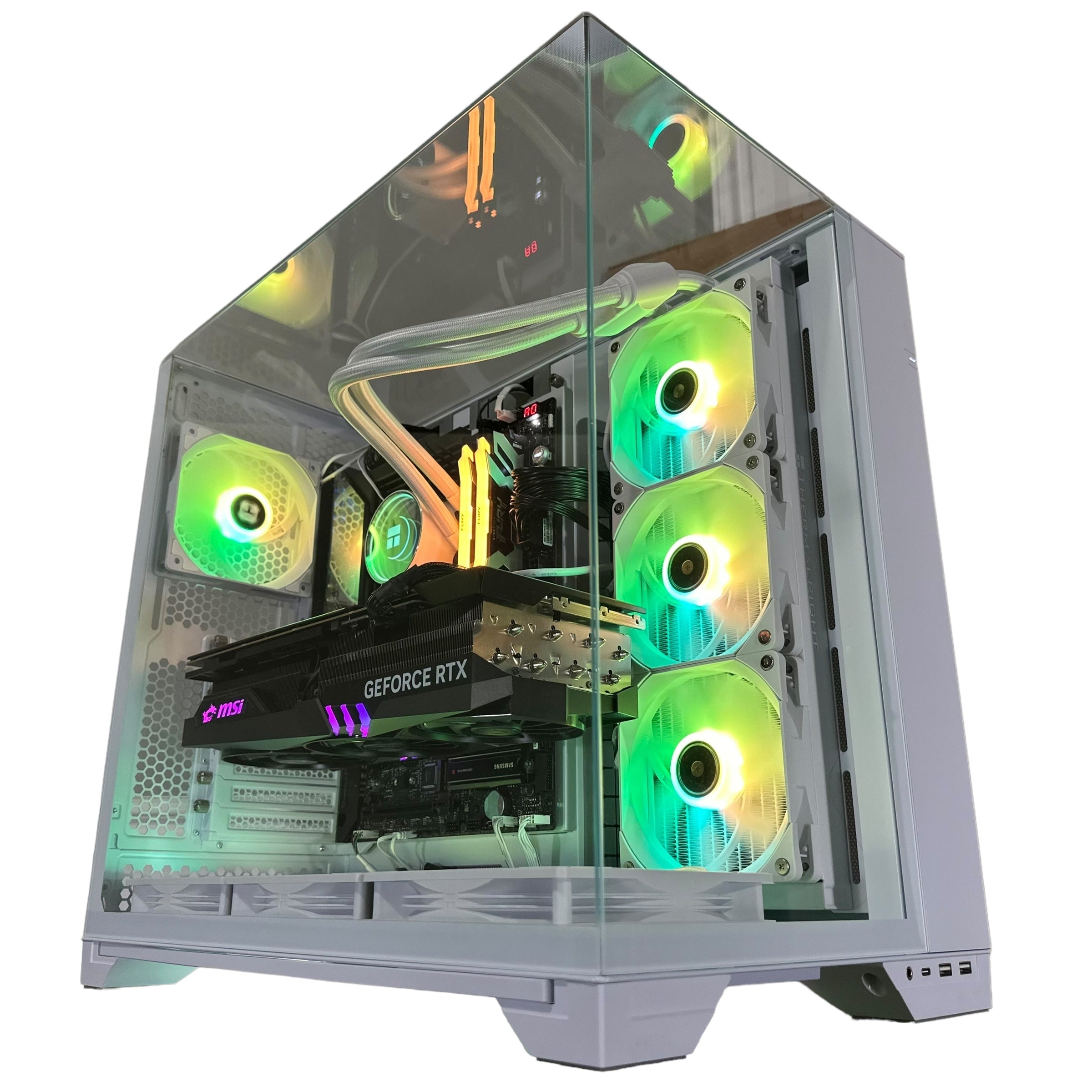
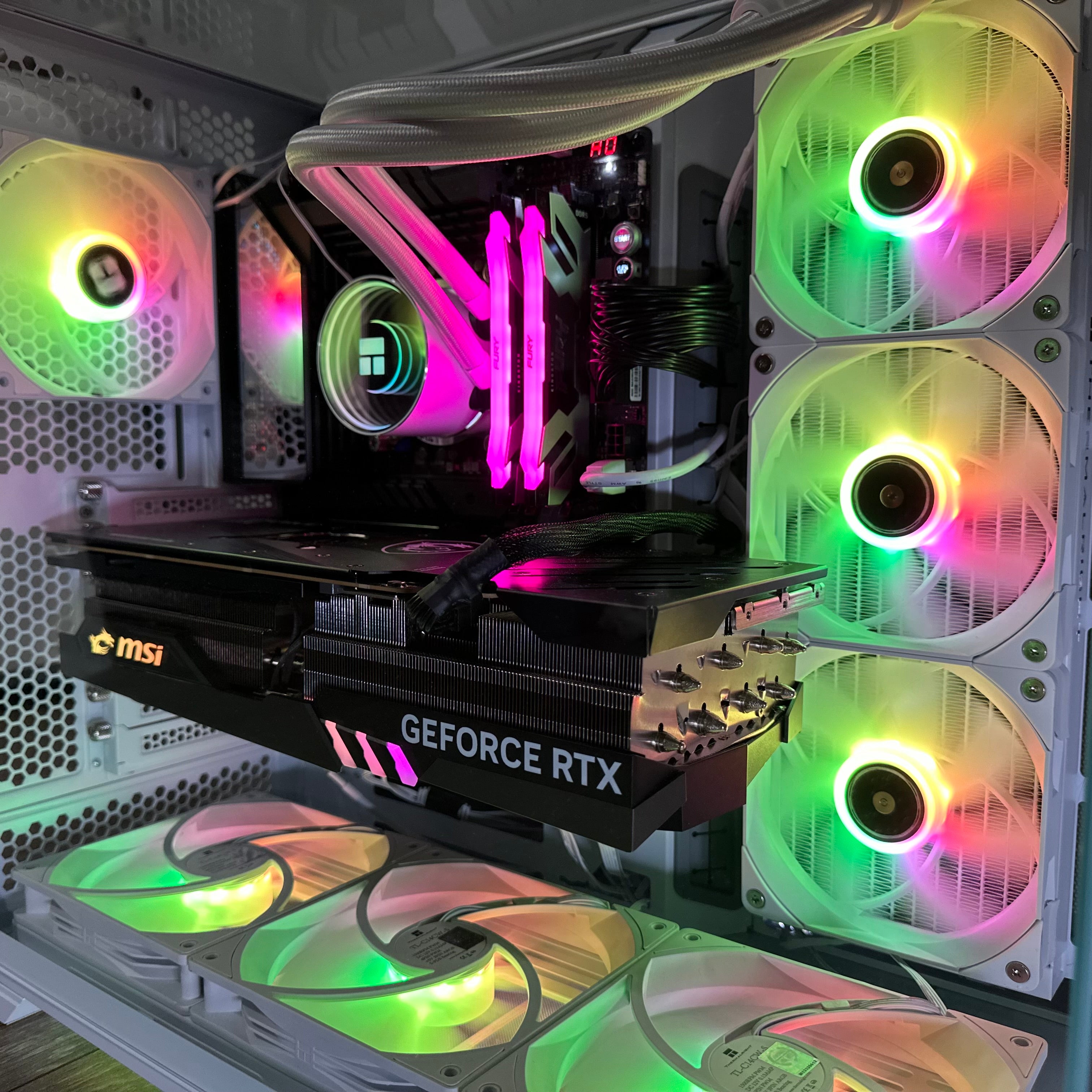

Capcom’s Younger Player Surge Shows Why a Modern Gaming PC in Canada Matters More Than Ever
Capcom’s latest player-age comments are a strong reminder that the modern gaming audience is not standing still, and neither are the systems needed to keep up. If roughly half of the players for major titles like Pragmata and Resident Evil Requiem are in their 20s, that tells us something important: younger players are showing up for visually ambitious, technically demanding games, and they expect smooth performance, fast load times, great visuals, and a system that fits more than just gaming. For Canadian buyers, that makes this a smart time to think carefully about the right gaming PC in Canada, especially if you also stream, edit content, create graphics, or want a machine that will not feel outdated too soon.
The original news is simple on the surface. Capcom says it is actively trying to win younger users across its games, and it reports that players in their 20s account for about half of the audience for both Pragmata and Resident Evil Requiem. That is more than a demographic footnote. It signals where the market is headed. Big-budget games are reaching players who grew up with digital storefronts, creator culture, esports, ray tracing, high-refresh gaming, and online communities where performance matters. The question for buyers becomes obvious: if game publishers are investing in the next generation of demand, is your current PC ready for what comes next?
Why does Capcom’s younger audience trend matter for PC buyers in Canada?
It matters because younger players are often not buying a computer for one purpose. They want a system that can game at 1080p or 1440p today, handle streaming tomorrow, run editing software next week, and still feel relevant when the next wave of AAA releases arrives. That changes what “good enough” means.
In Canada, this matters even more because buyers often have to think about longer upgrade cycles, shipping realities, and the cost of replacing a weak system too early. If you buy too low, you may save money up front but spend more sooner when newer games demand more GPU power, more VRAM, faster storage, or a better CPU. If you buy smarter the first time, especially from a Canadian custom builder, you can often avoid that trap.
Are you buying for one game, or are you buying for the next three to five years of gaming, streaming, school, work, and content creation? That is the real question behind this news.
What the source story gets right about modern gaming demand
The source article correctly points out that gaming is no longer seen only as a hobby for kids. The audience has matured, but new generations keep entering the market. That creates a unique pressure on hardware buying. Long-running franchises still need to appeal to newer players, and newer players often expect modern performance as a baseline.
That means the demand is not just for games themselves. It is also for systems capable of running those games properly. A title that attracts players in their 20s may also attract people who are living online, posting clips, using Discord, watching streams, multitasking with browsers and apps open, and trying to game on higher refresh monitors. Suddenly, a basic older desktop can feel very small.
Do you want to play new games at high settings with confidence, or do you want to spend the next year lowering presets, juggling storage, and wondering whether your next upgrade will cost more than if you had built properly from the start?
What do you want your next PC to do for you?
Before looking at parts, budgets, or payment options, start with the outcome. What do you actually want your next computer to handle?
- Just gaming: Do you want stable 1080p, strong 1440p, or premium 4K performance?
- Gaming and streaming: Will you be running OBS, recording gameplay, or going live on Twitch, YouTube, or TikTok?
- Gaming and editing: Do you want to clip highlights, edit videos, and upload regularly?
- Creative work: Are you also using Photoshop, Lightroom, Illustrator, Premiere Pro, DaVinci Resolve, or After Effects?
- 3D and workstation tasks: Do you need Blender, Unreal Engine, CAD, rendering, or heavy multitasking?
This is where many buyers get stuck. They shop by price instead of use case. But if Capcom’s audience numbers tell us anything, it is that younger players are not always single-purpose users. They are often creators, students, streamers, modders, and multitaskers. Your build should reflect that reality.
A gaming PC in Canada is no longer just for gaming
A modern gaming desktop is often the centre of a digital lifestyle. One buyer wants ultra settings in cinematic games. Another wants high FPS in competitive shooters. Another wants to stream gameplay while editing clips for social media. Another wants one machine that can handle school, design work, and evening gaming without compromise.
That is why buying based only on a product label can be misleading. “Gaming PC” can mean anything from a budget starter machine to a premium RTX powerhouse. The better approach is to match your resolution, frame-rate target, software needs, and upgrade expectations to the right performance tier.
Are you aiming for smooth esports performance at 1080p? A balanced 1440p setup for story-heavy AAA games? Or are you trying to future-proof for ray tracing, heavier textures, and demanding releases that will only push hardware harder over time?
Which performance tier fits you best?
Choosing the right performance tier is where most of the value is won or lost. Below is a practical way to think about it if you are shopping for a custom gaming PC in Canada.
Entry-level and value tier
This tier is best for buyers who want a budget gaming PC for lighter modern games, esports titles, indie releases, and general everyday use. It is also a strong fit for first-time PC buyers and students who want strong 1080p performance without overspending.
Ask yourself: are you mainly playing competitive games at 1080p, or do you expect to jump into every new AAA title at high settings? If the answer is mostly esports and general gaming, a value-oriented build may be enough. But if your wish list includes visually demanding releases, you may outgrow this tier faster than you expect.
Mid-range sweet spot
For many buyers, this is the smartest place to be. A well-balanced mid-range system often delivers excellent 1080p and very strong 1440p gaming, faster load times, smoother multitasking, and a much better experience for streaming and creative side work.
If you are wondering, What gaming PC do I need for 1440p gaming?, this is usually the category worth serious attention. It is often the best mix of price, longevity, and real-world enjoyment. It is also where many people stop needing to upgrade too soon.
High-end and premium tier
This is for buyers who want premium visual settings, ray tracing, high refresh at higher resolutions, or a more future proof gaming PC in Canada. It is also ideal for those who stream seriously, edit larger projects, or simply do not want to revisit the upgrade question any time soon.
Are you the kind of buyer who gets frustrated by compromises? Do you want your PC to feel fast in games, responsive in creative software, and ready for the next hardware-demand spike? If yes, a premium tier system may actually be the more economical choice over the long run.
What if you also stream or create content?
This is where the Capcom story becomes especially relevant. A younger gaming audience often overlaps with creator culture. That means your PC may need to be more than a game launcher. It may need to be a streaming PC, a content creation PC, and a gaming machine all at once.
If you stream, your CPU, GPU, RAM, and cooling all matter differently than they do in a pure gaming-only build. If you record gameplay while running voice chat, browser tabs, music apps, and overlays, weak configurations start to feel cramped very quickly.
What PC do you need for streaming if you also want to play modern AAA games smoothly? Usually, you want a stronger processor, enough memory for multitasking, fast SSD storage, and a graphics card capable of both strong gaming output and efficient stream encoding.
If you edit clips for YouTube or social media after gaming, your needs climb again. A system that feels acceptable in-game can still feel slow on exports, timeline scrubbing, or multitasking in Premiere Pro or DaVinci Resolve. This is why many Canadian buyers are now choosing a gaming and creator hybrid build instead of a narrow single-use setup.
Could this trend also affect creator PCs and workstations?
Absolutely. Gaming culture and creator culture continue to overlap. The same people excited for major new releases are often also producing short-form videos, thumbnails, reaction content, livestreams, or motion graphics. That means demand is not isolated to gaming desktops. It spills into creator PCs, video editing systems, photo editing rigs, graphic design workstations, and even 3D modeling machines.
If you are asking, Is a gaming PC good for video editing?, the answer is sometimes yes, but only if it is configured correctly. The same goes for graphic design, content creation, and 3D work. A strong GPU helps in many workloads, but CPU power, RAM capacity, storage speed, cooling quality, and motherboard upgrade path all matter too.
Do you want a machine that can game at night and handle Adobe Creative Cloud, Blender, or heavy productivity tasks during the day? If so, the smartest move is often a custom build designed around your full workflow, not just your favourite game.
Should you buy now or wait?
This is one of the most important buying questions in the Canadian market. The answer depends on what your current system can still do, how soon you need better performance, and whether waiting exposes you to worse replacement costs later.
When major games gain momentum and attract younger, performance-aware audiences, demand pressure can increase across the PC market. That does not mean every part jumps overnight, but it does mean better GPUs, quality power supplies, faster SSDs, and desirable CPU tiers can become more expensive or harder to secure depending on timing.
Are you buying before a major game release? Before a sale cycle ends? Before your school term starts? Before your editing workload grows? Before your current PC fails completely? These are practical questions, not hype questions.
If your current system is already struggling with newer titles, poor frame pacing, limited storage, or weak multitasking, waiting can mean paying later for a replacement under more pressure. Buying from a Canadian custom PC builder when you still have time to choose wisely is often the better move.
How financing can help you avoid buying too little
One of the most common mistakes buyers make is forcing themselves into the cheapest system that clears the minimum bar today. The problem is that minimum-bar buying often leads to early regret. You add more games, start streaming, try editing, connect a better monitor, or discover that the system you bought cannot comfortably do the things you actually want.
This is where financing can make real sense. Instead of settling for a weak system that needs replacing too soon, some buyers choose to step into a stronger custom PC with monthly payments and get more useful life out of the machine. That is especially important if your goal is to avoid rebuilding again in the near future.
Should you finance a better PC instead of buying a cheaper one outright? If the stronger build significantly improves your experience, extends the upgrade cycle, and better matches your real workload, it can be a very smart decision. For many customers, financing up to 4 years can make a more balanced, higher-value build much easier to secure before prices or demand shift again.
What parts matter most if you want to be ready for new games?
Not every build needs the same priorities, but a few component categories matter especially when modern titles and multitasking workloads are involved.
Graphics card
Your GPU is still one of the biggest factors in gaming performance, especially for 1440p, 4K, high settings, and ray tracing. If you are buying a gaming PC for new games, the graphics card should be chosen based on your monitor resolution and your expectations, not just the cheapest configuration available.
Processor
A stronger CPU helps with frame consistency, background tasks, simulation-heavy games, streaming, editing, and general responsiveness. If you play competitive titles, stream, or multitask heavily, the CPU matters more than many casual buyers realize.
Memory
RAM affects how comfortably your system handles modern gaming alongside browsers, chat apps, launchers, editing software, and stream tools. If your PC is also a creator machine, memory capacity becomes even more important.
Storage
Fast SSD storage improves boot times, game load times, app launches, and overall responsiveness. It also matters if you work with game captures, large project files, high-resolution photos, or video assets.
Cooling and power delivery
Reliable cooling and a quality power supply are not flashy, but they are critical for long-term stability. A properly built and tested custom PC is not just about raw speed. It is about sustaining performance safely and consistently.
What kind of buyer should choose a budget system, and who should move up?
If your needs are light, your monitor is 1080p, and your game list is mostly esports, indie titles, and older releases, a budget-friendly build can absolutely be the right choice. There is nothing wrong with value if it matches your use.
But if you are reading gaming news about major titles, watching reveal trailers, considering higher settings, or wanting your machine to handle streaming and content creation too, then moving up a tier often makes more sense. This is especially true if you are trying to avoid the frustration of upgrading again after only a short time.
Ask yourself a few practical questions:
- Do I want 1080p, 1440p, or 4K gaming?
- Do I care about ray tracing or ultra settings?
- Will I stream, record, or edit video?
- Do I use Photoshop, Premiere Pro, DaVinci Resolve, or Illustrator?
- Am I buying for today only, or for the next several years?
- Would financing a stronger build save me from upgrading too soon?
Why Canadian buyers should think beyond off-the-shelf specs
Generic big-box specs can look tempting, but they often do not tell the full story. Two systems can sound similar on paper and still offer very different real-world experiences because of cooling, part quality, memory configuration, motherboard choices, power supply quality, airflow, and testing standards.
That is why working with Canadian custom PC builders matters. A proper custom build gives you a system matched to your actual goals instead of a one-size-fits-all compromise. It also gives you a clearer path if you need a gaming machine that can evolve into a streaming PC, a creator desktop, or a workstation over time.
Would you rather buy a mystery box of compromises, or a tested system built around what you actually play and create?
Why Groovy Computers is a smart fit for this moment
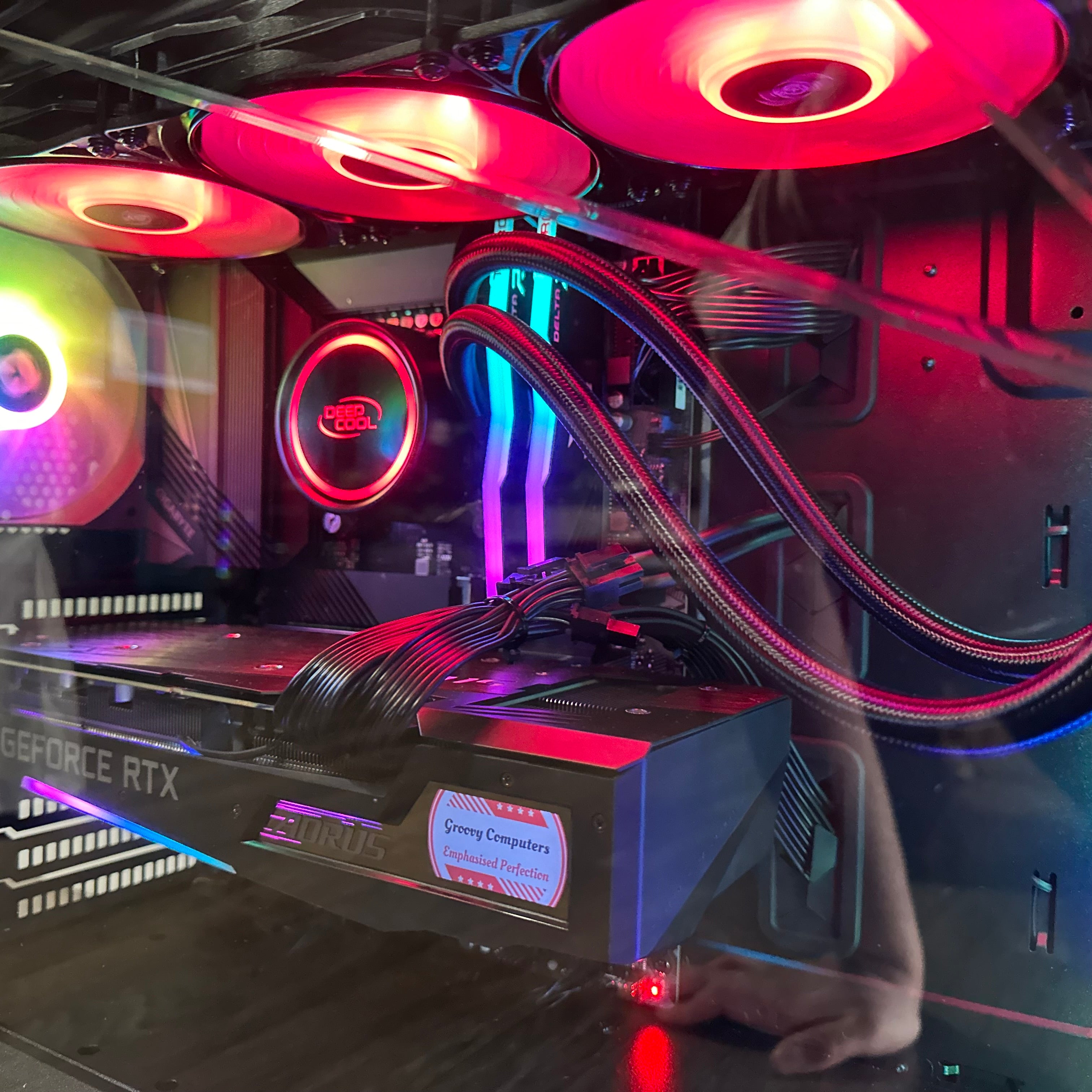
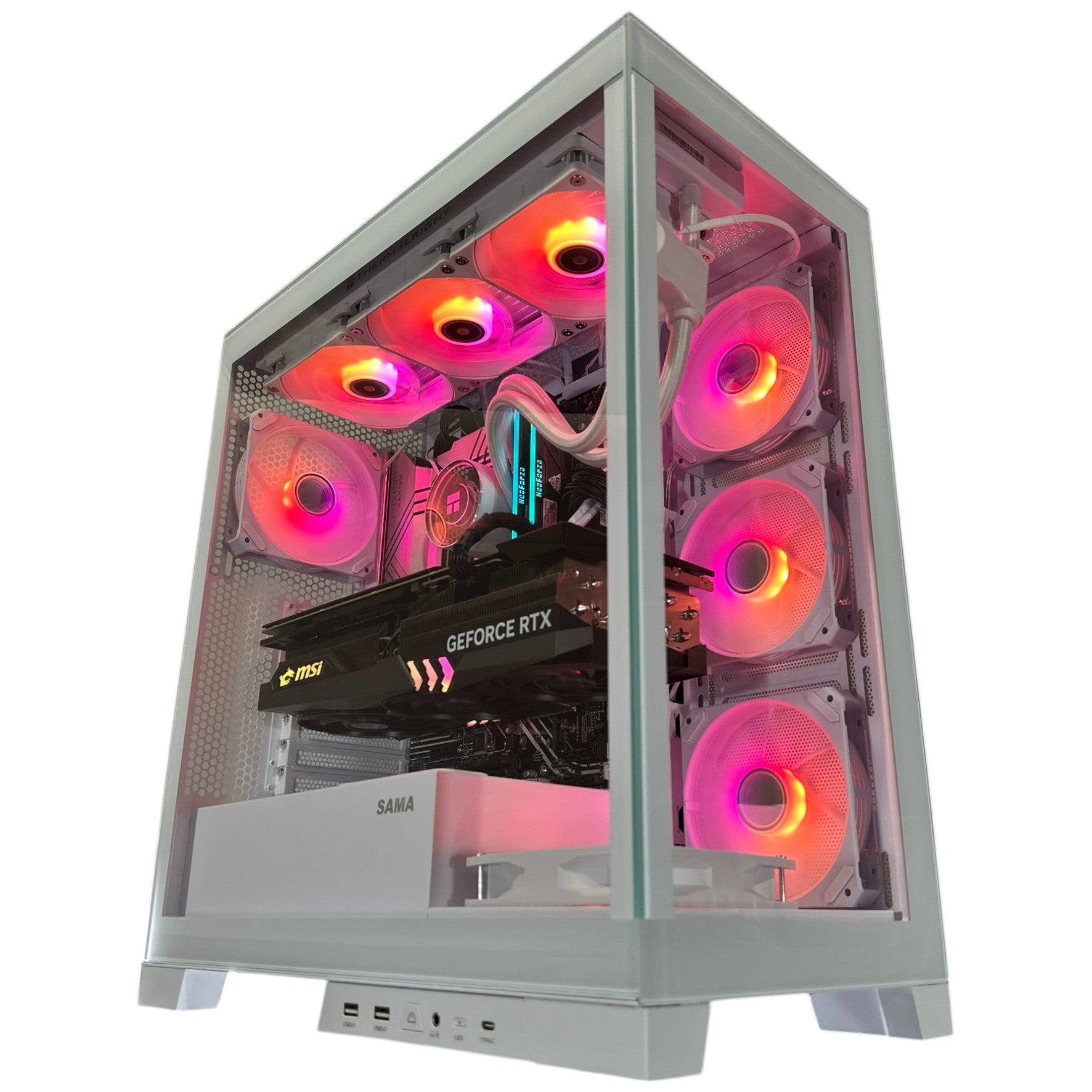
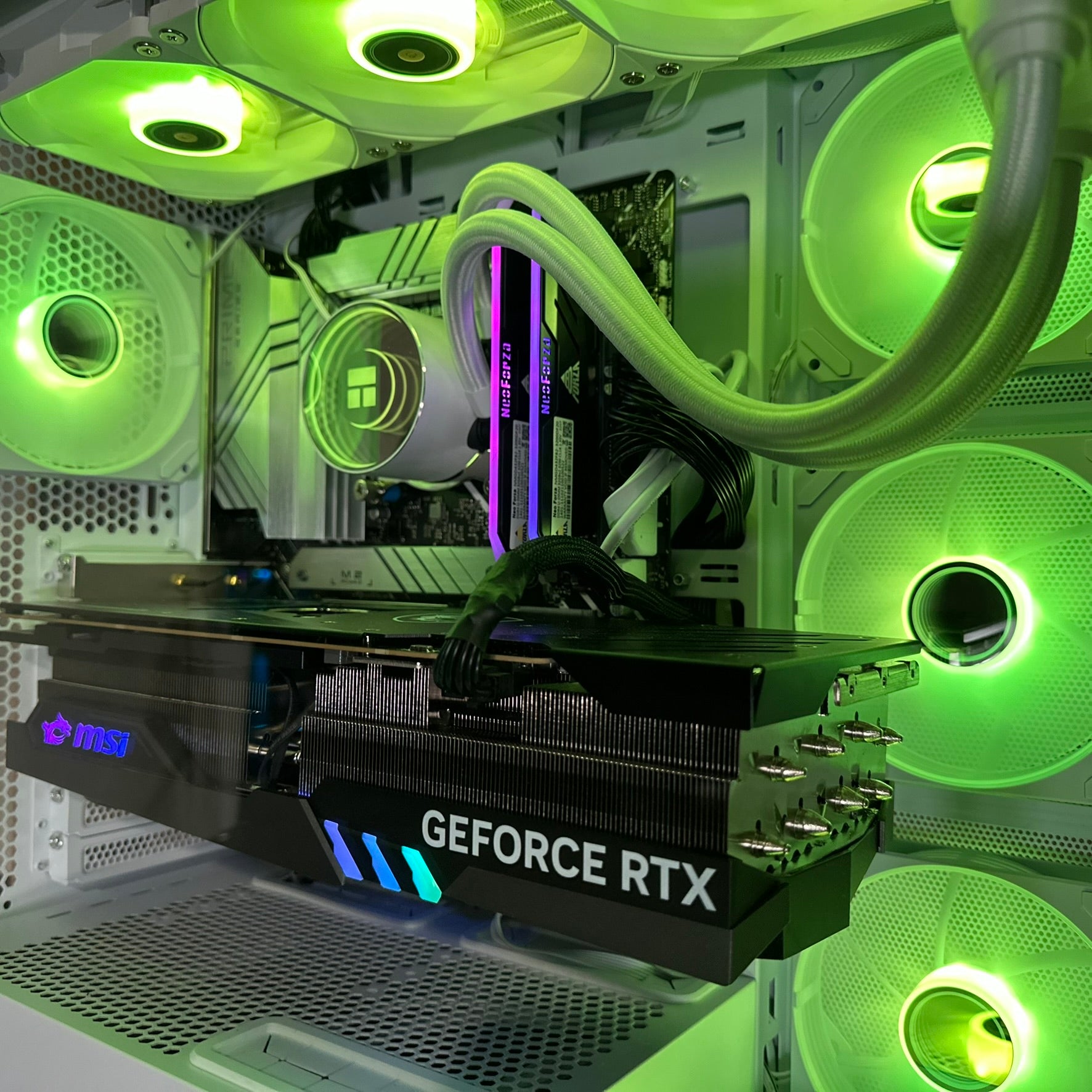
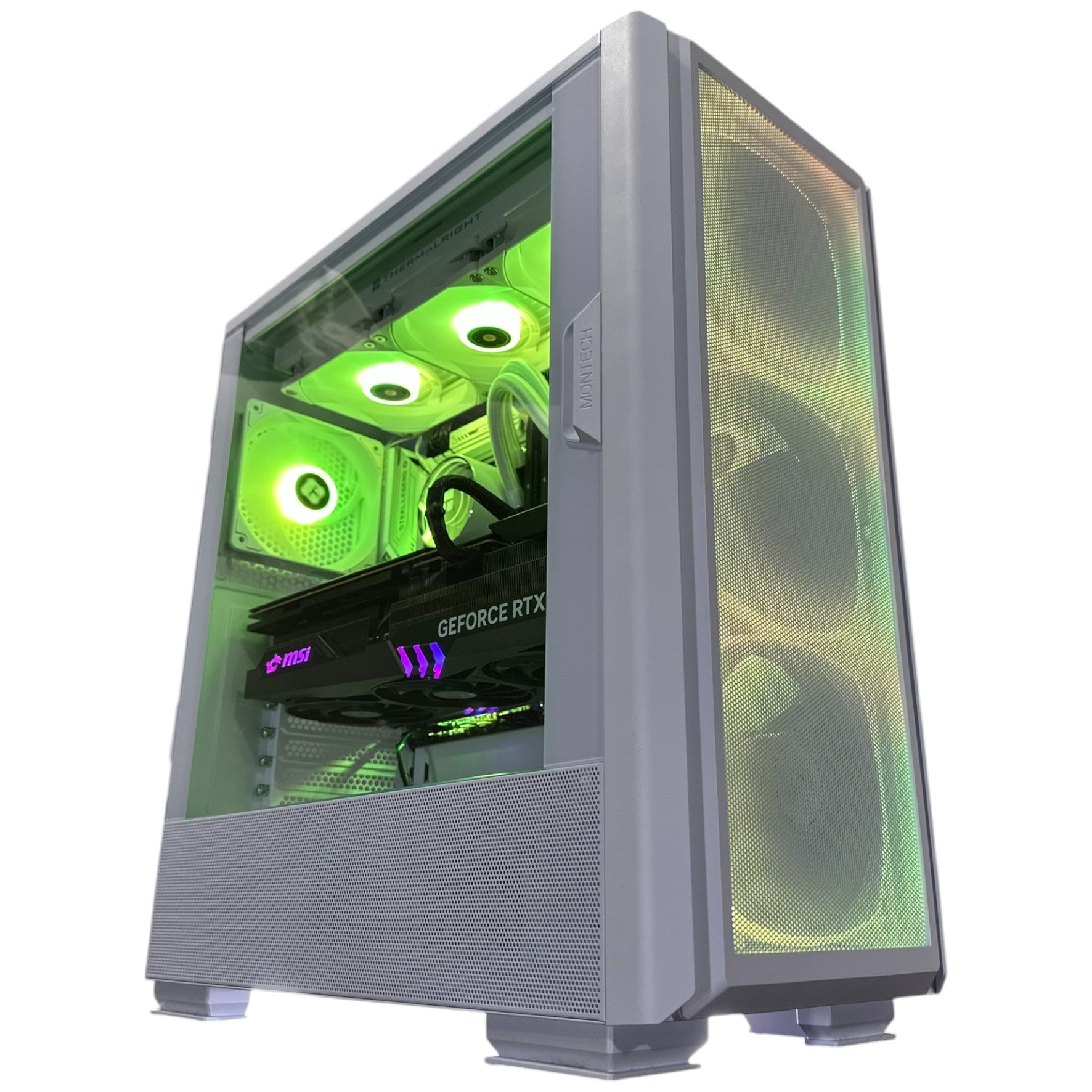
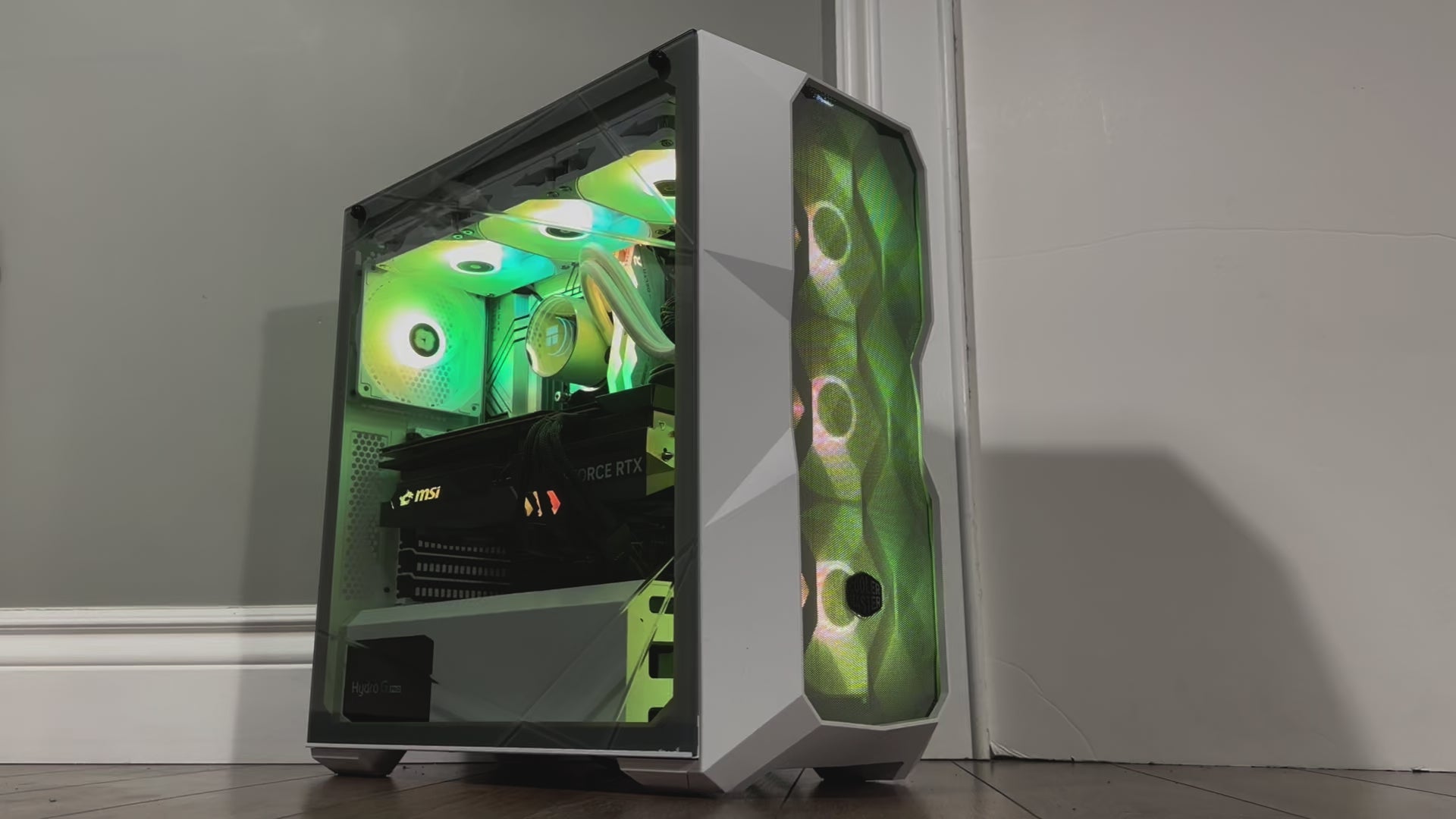
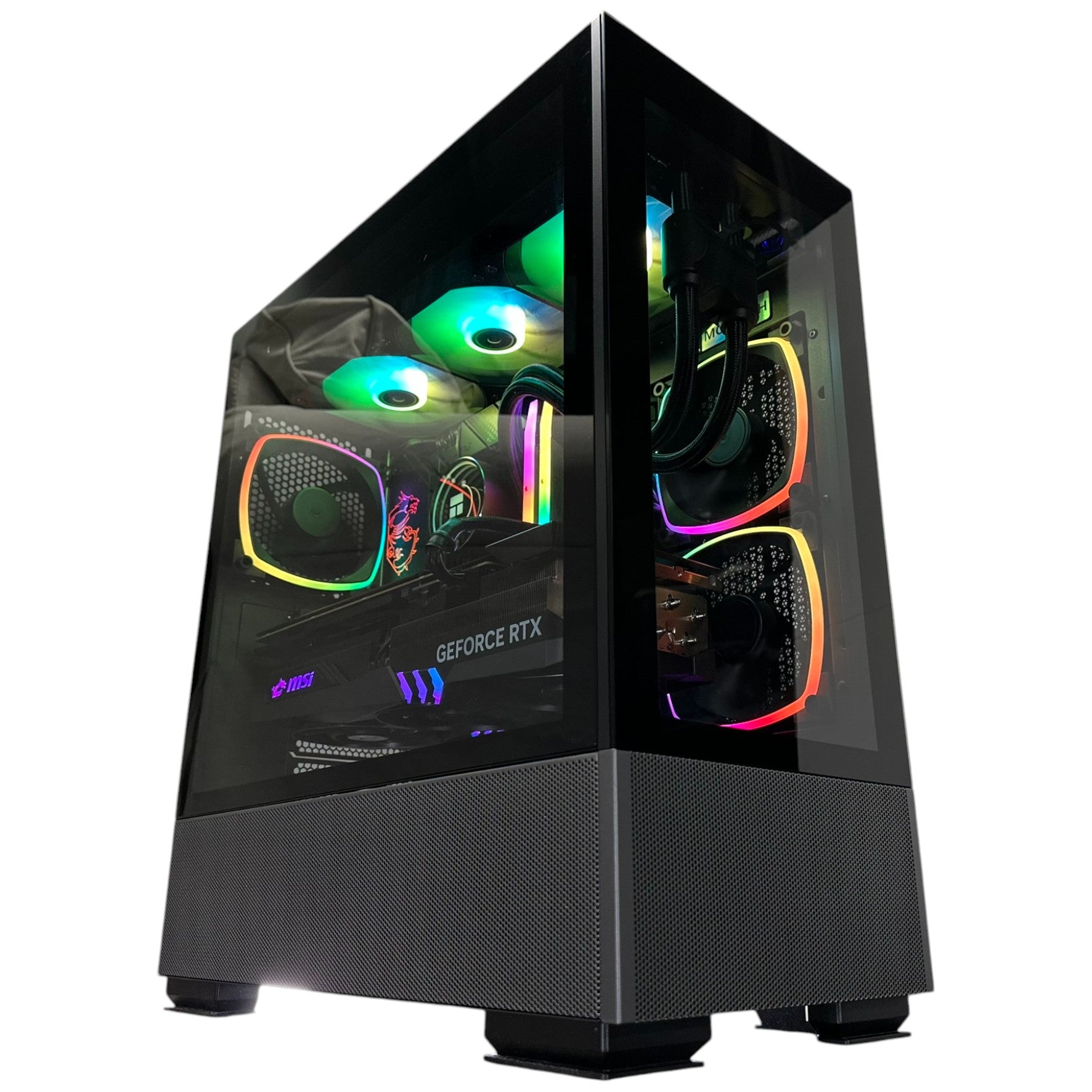
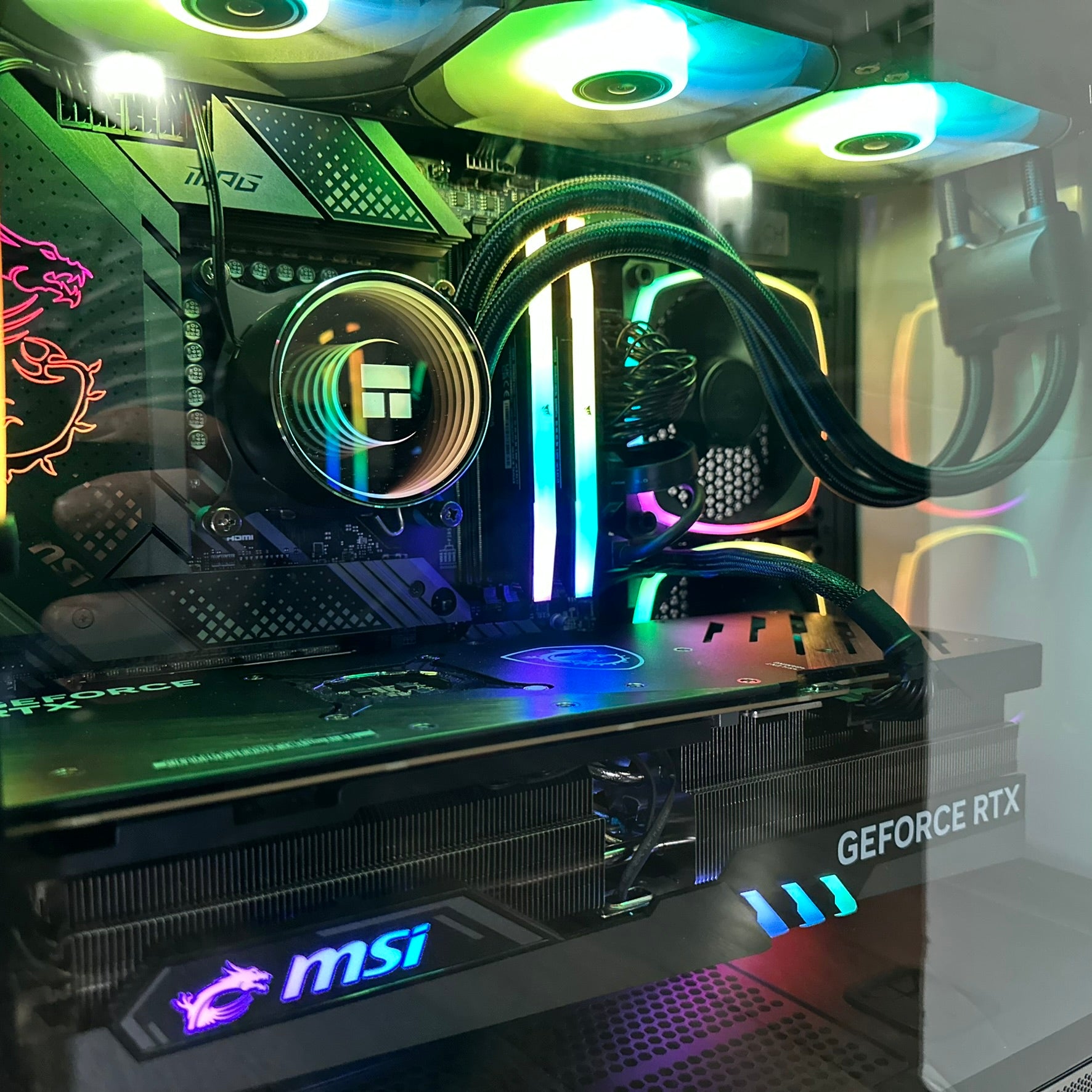
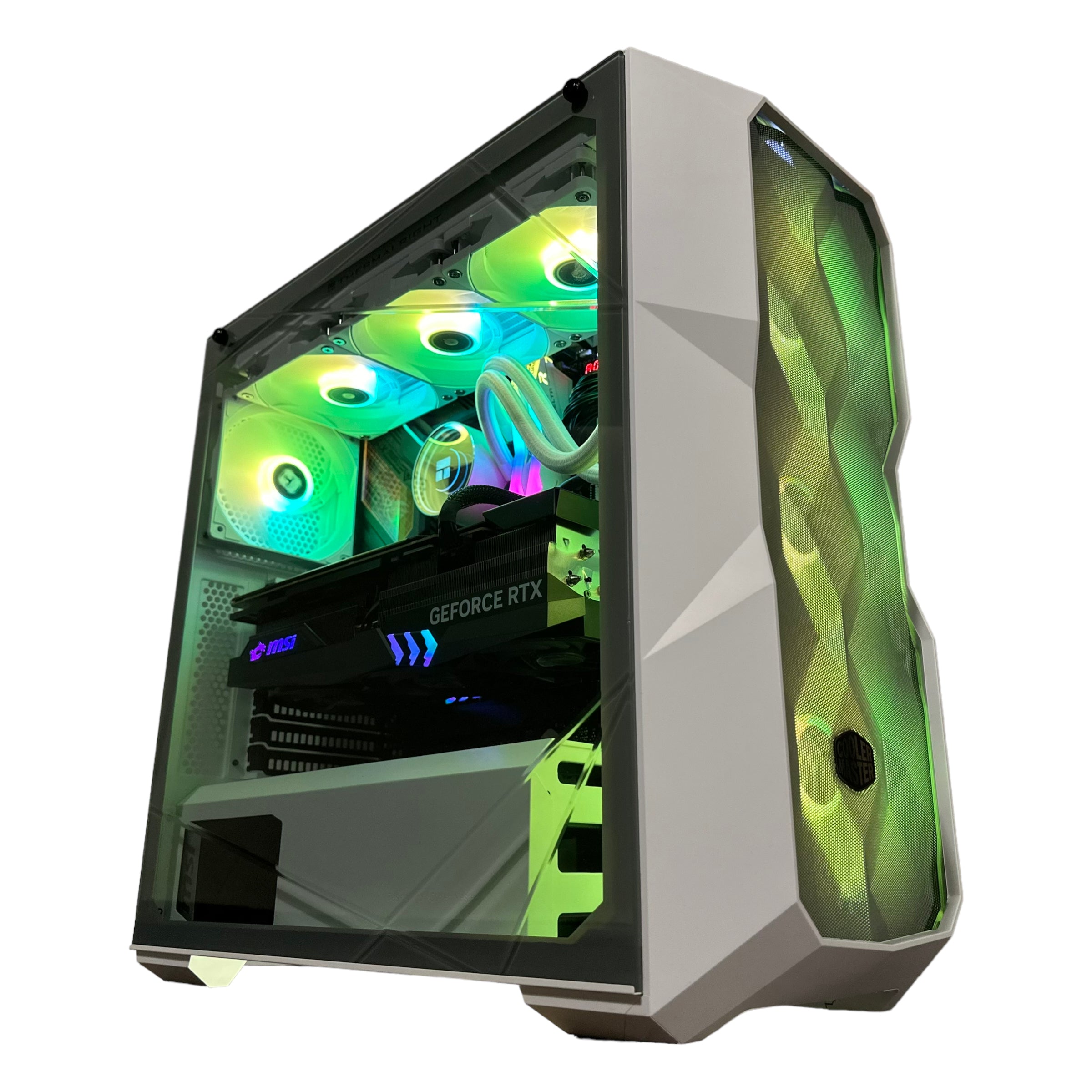
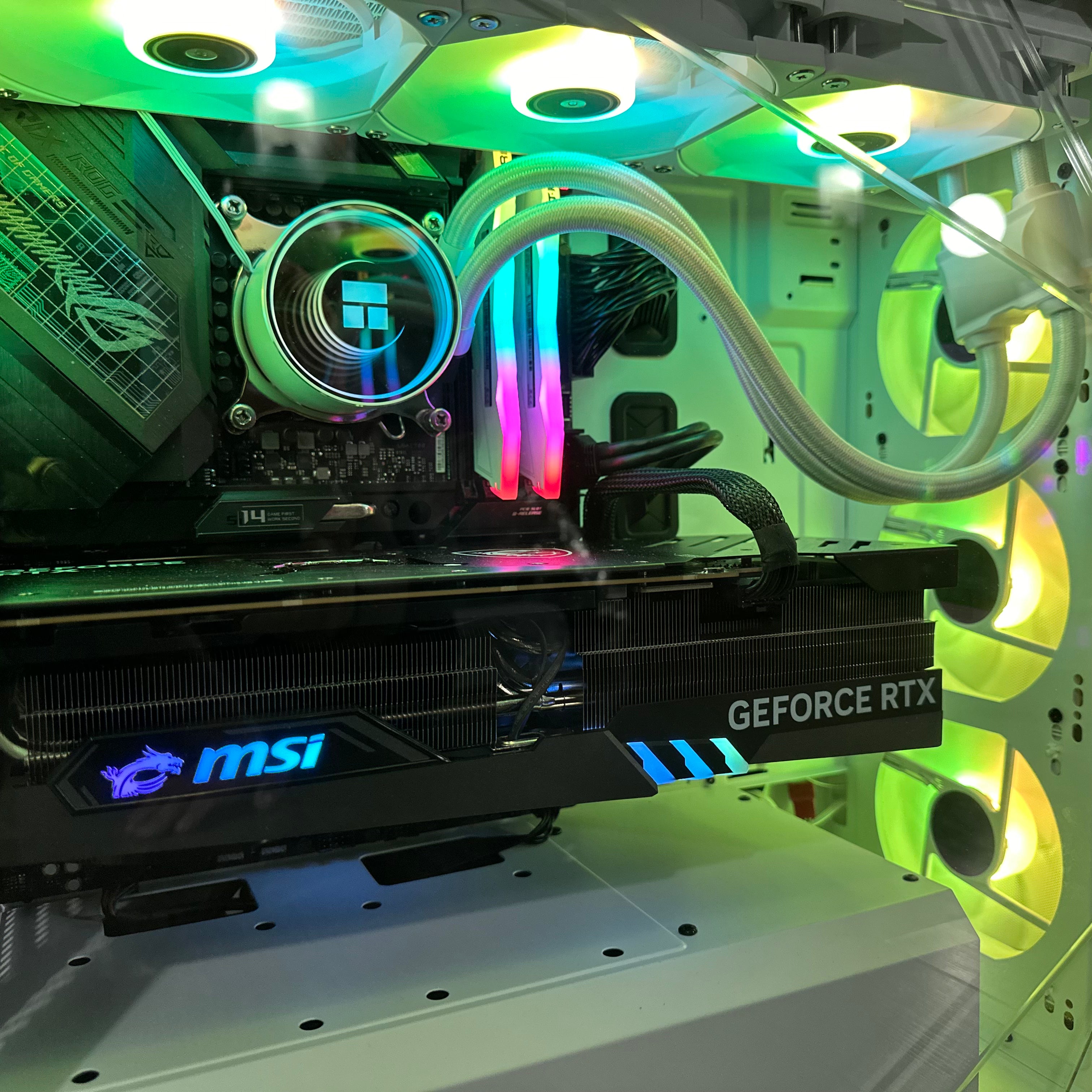
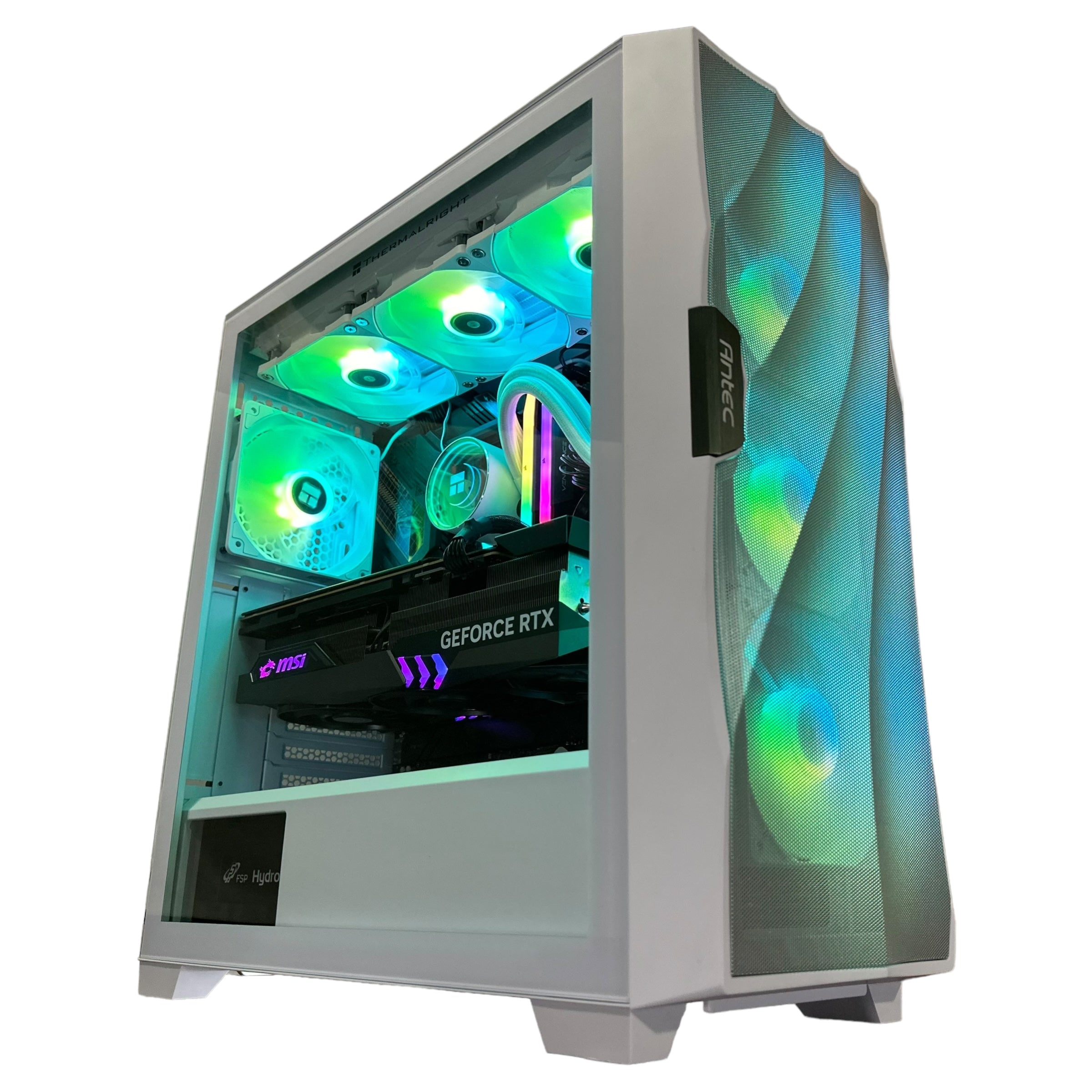
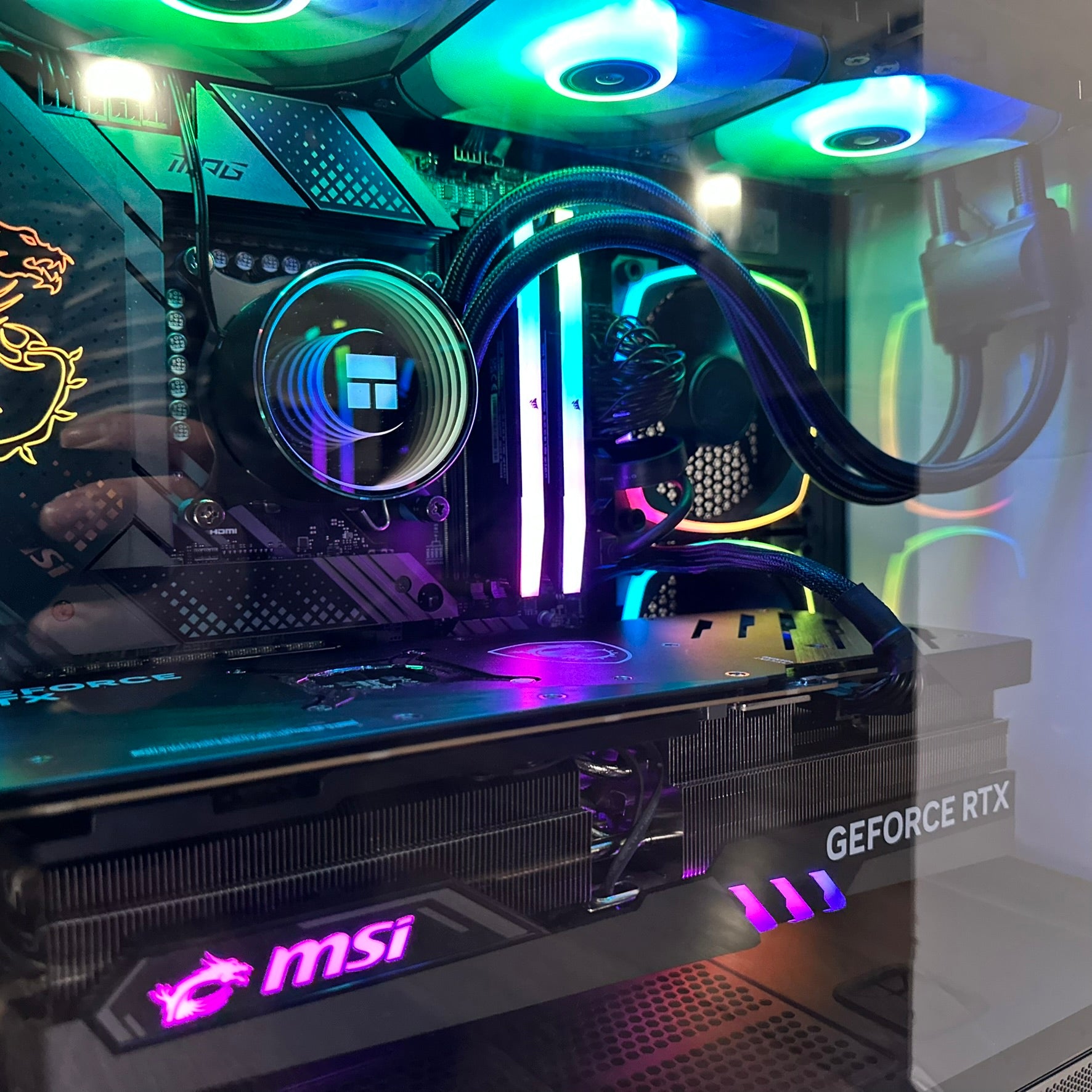
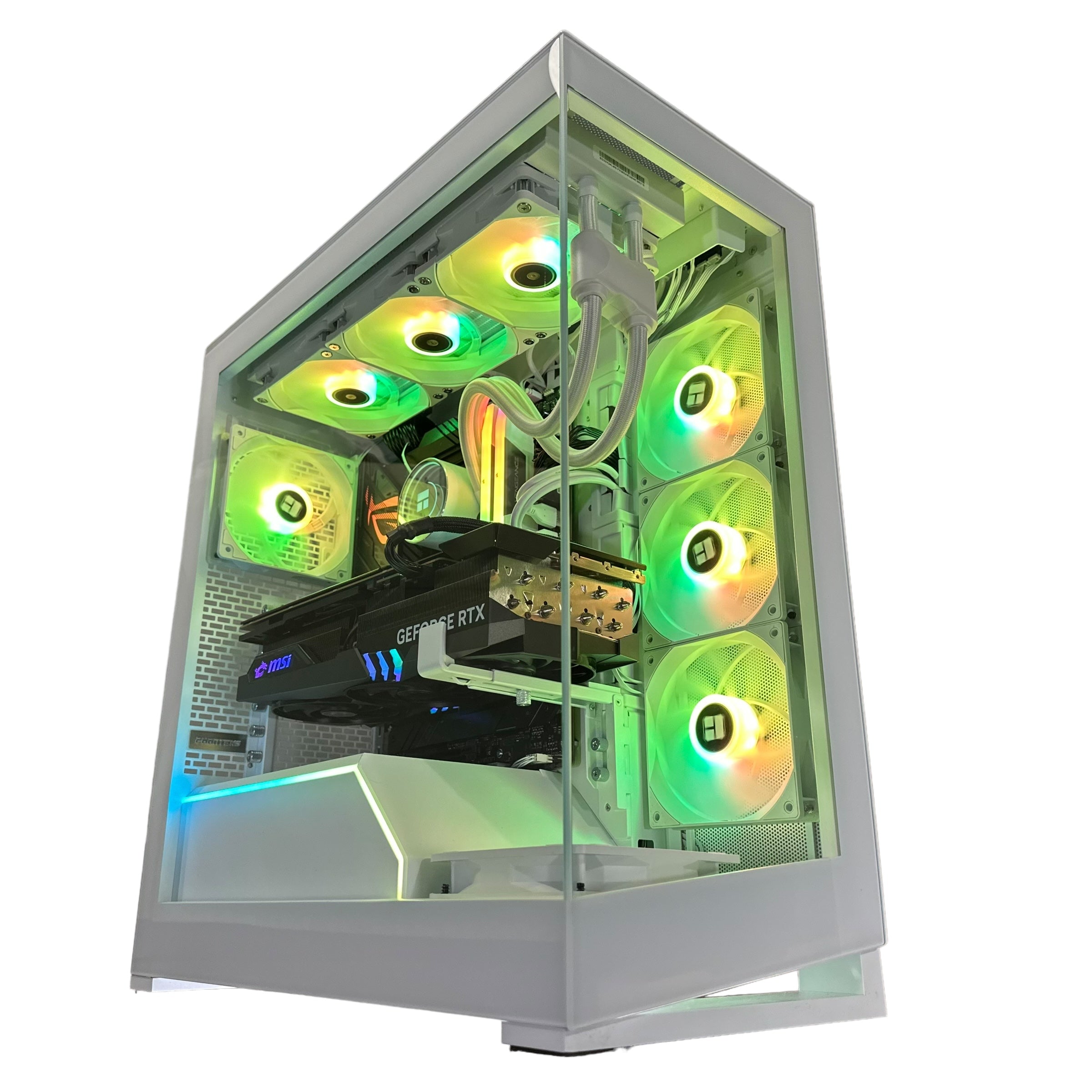
At Groovy Computers, the value is not just in selling a PC. It is in helping Canadian buyers choose the right custom system before they waste money on the wrong one. Whether you need a balanced gaming desktop, a premium RTX-focused build, a content creation PC, or a workstation for editing and 3D work, the goal is the same: match performance to the customer, not the other way around.
That matters even more when gaming trends are shifting and demand can move quickly around new releases, new audiences, and more demanding workloads. Groovy Computers focuses on custom builds, rigorous testing, and the confidence of a 1-year warranty, which is exactly what many buyers want when they are spending serious money on a system expected to last.
For buyers in Nova Scotia and across Canada, that combination of customization, testing, and support is a major advantage. You are not just buying parts. You are buying peace of mind.
Need a gaming PC, creator PC, or workstation that actually fits your goals?
If you are asking yourself what your next PC should really be able to do, that is the right time to talk to Groovy Computers. Do you want a budget-friendly starter system, a powerful 1440p gaming build, a high-end ray tracing machine, a streaming and editing hybrid, or a workstation for serious creative software? Start with your real use case and explore your options at GroovyComputers.ca.
If financing would help you secure a stronger build now instead of replacing a weaker one later, that is worth considering too. A better system bought at the right time can be the difference between enjoying the next few years of gaming and constantly chasing upgrades.
Final takeaway: Capcom’s player-age data is really a PC buying signal
Capcom’s comments about Pragmata and Resident Evil Requiem players being heavily represented by people in their 20s reflect a broader truth about the market. Modern players want more from their hardware. They expect strong visuals, smoother gameplay, faster systems, and enough headroom for streaming, editing, and multitasking. For Canadian shoppers, that means a smart gaming PC in Canada should be chosen with tomorrow in mind, not just today’s minimum requirements.
So what do you want from your next system? Better FPS at 1440p? A stronger machine for streaming and editing? A custom creator PC that can also game? A workstation that saves time every week? If you want help choosing a custom build that makes sense for your budget and your goals, Groovy Computers is exactly where that conversation should start.
#GamingPCCanada #CustomPCBuilderCanada #CanadianGamingPC #GamingPCForNewGames #1440pGamingPCCanada #ContentCreationPCCanada #StreamingPCCanada #VideoEditingPCCanada #WorkstationPCCanada #NovaScotiaTech
Groovy Computers | All Rights Reserved


Leave a comment
This site is protected by hCaptcha and the hCaptcha Privacy Policy and Terms of Service apply.