
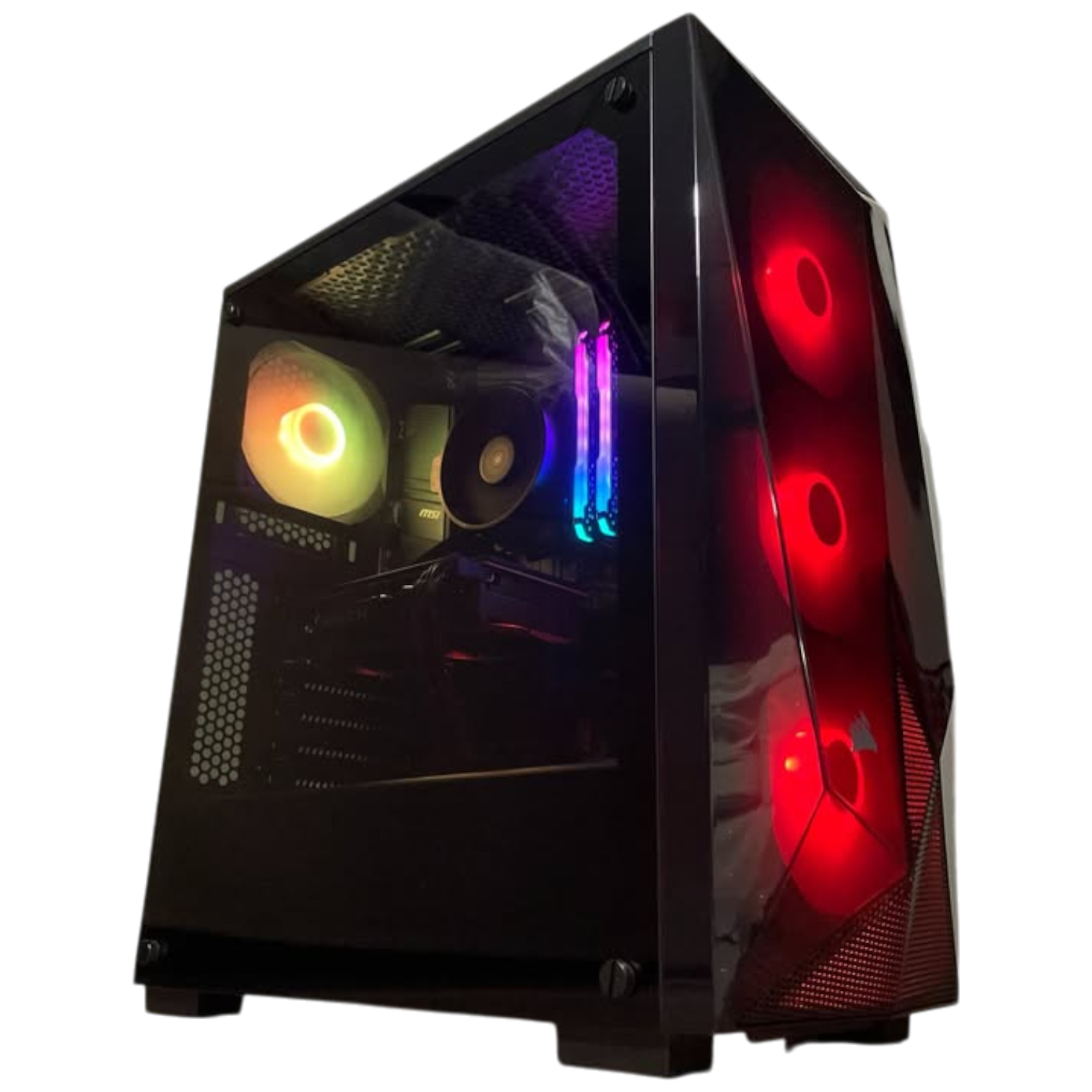
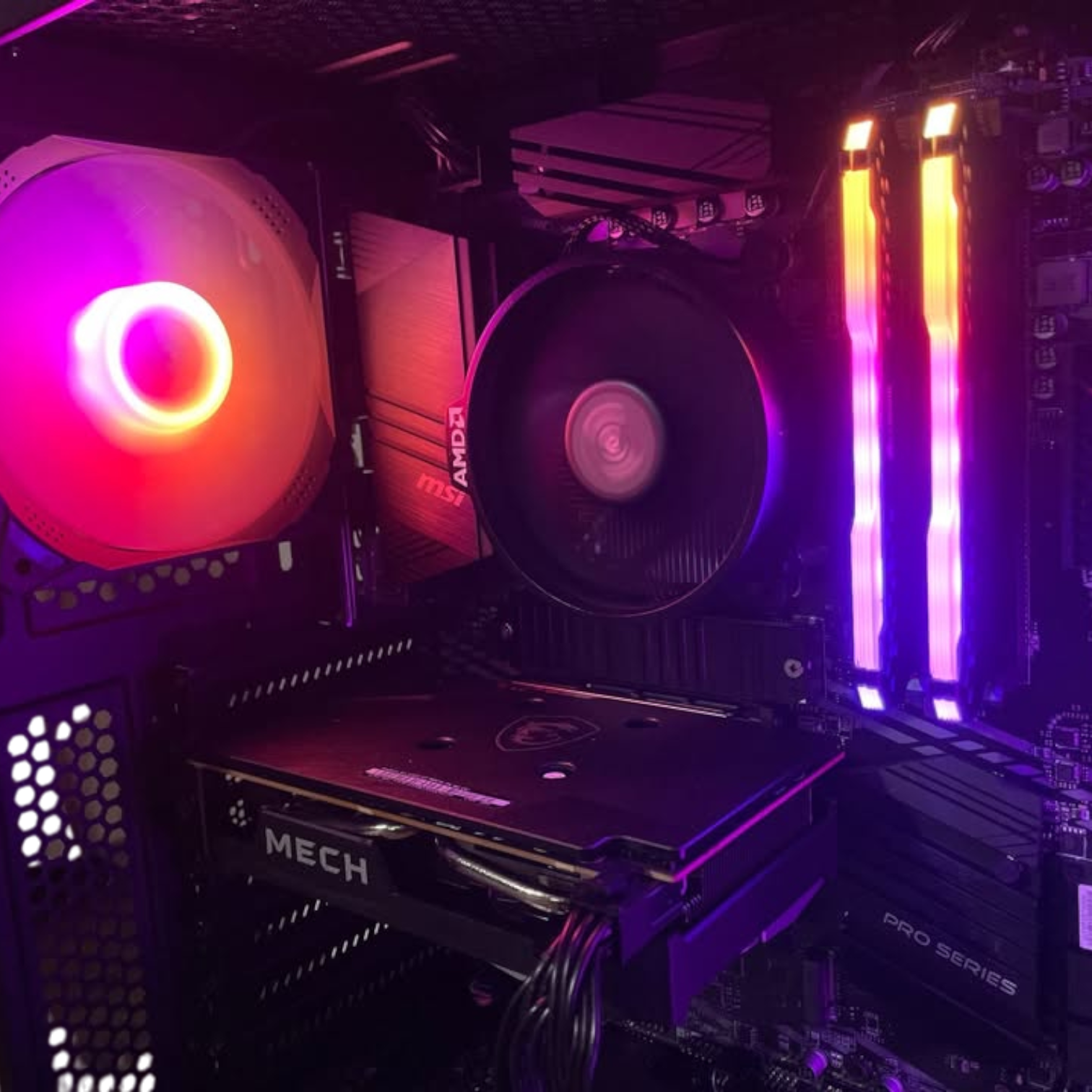
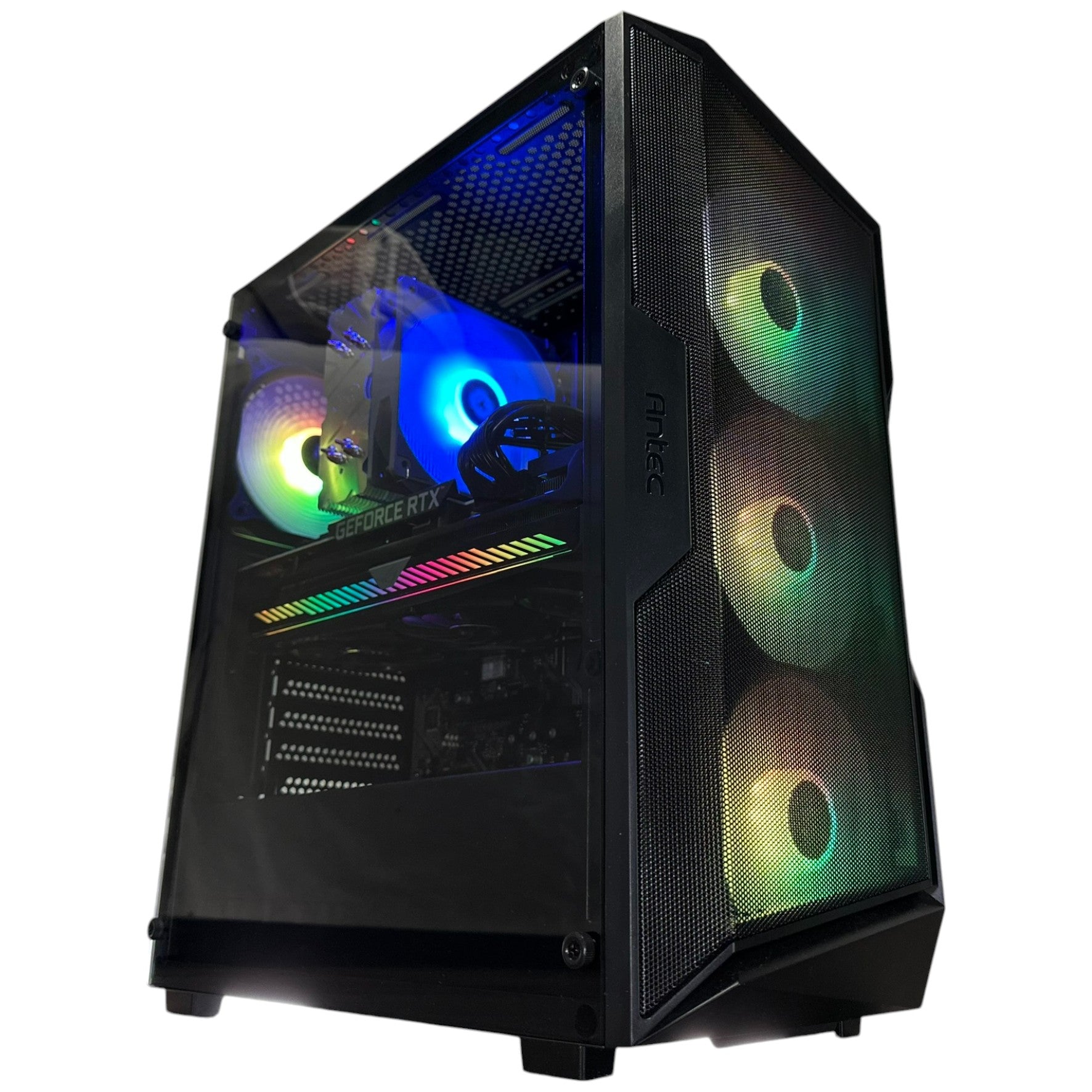
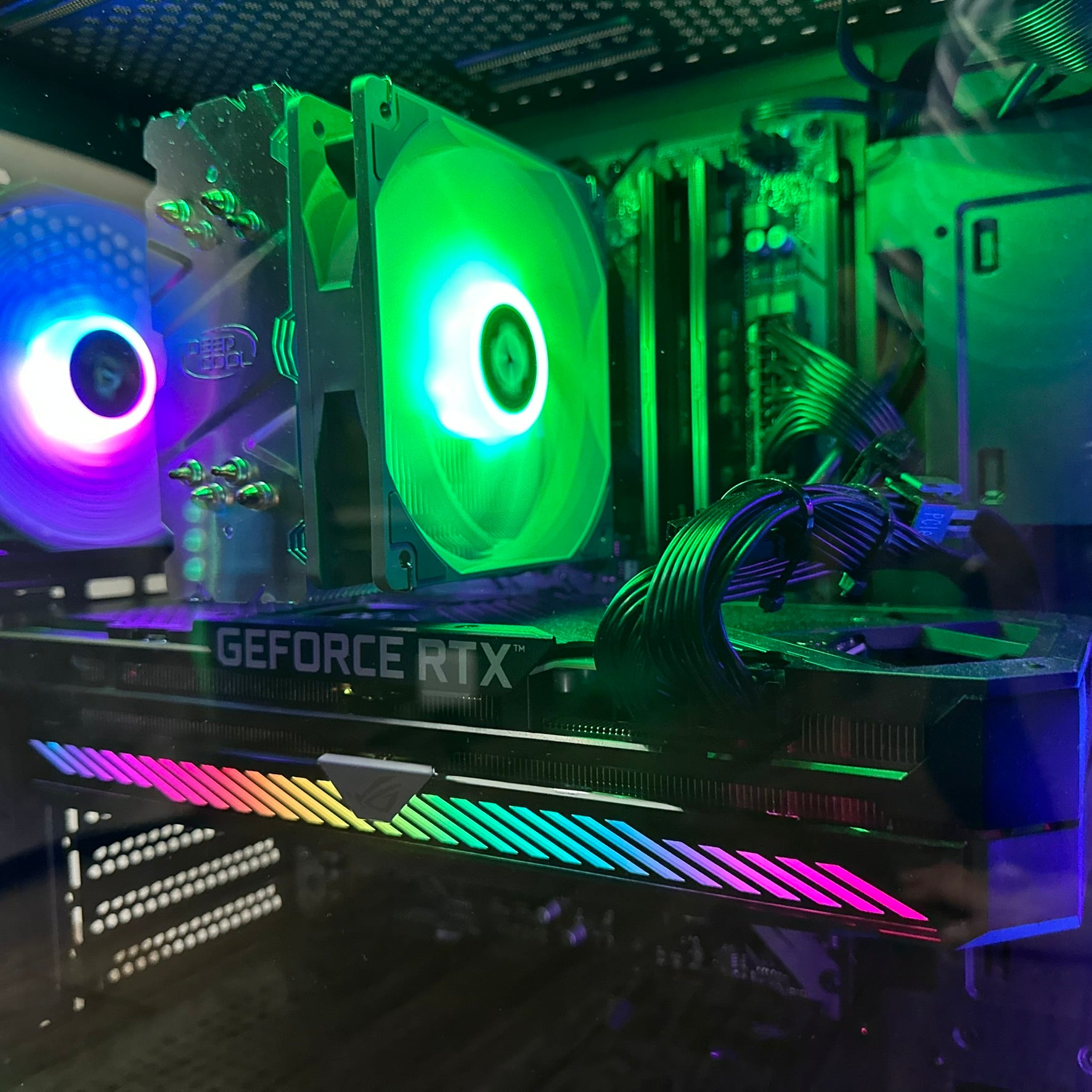


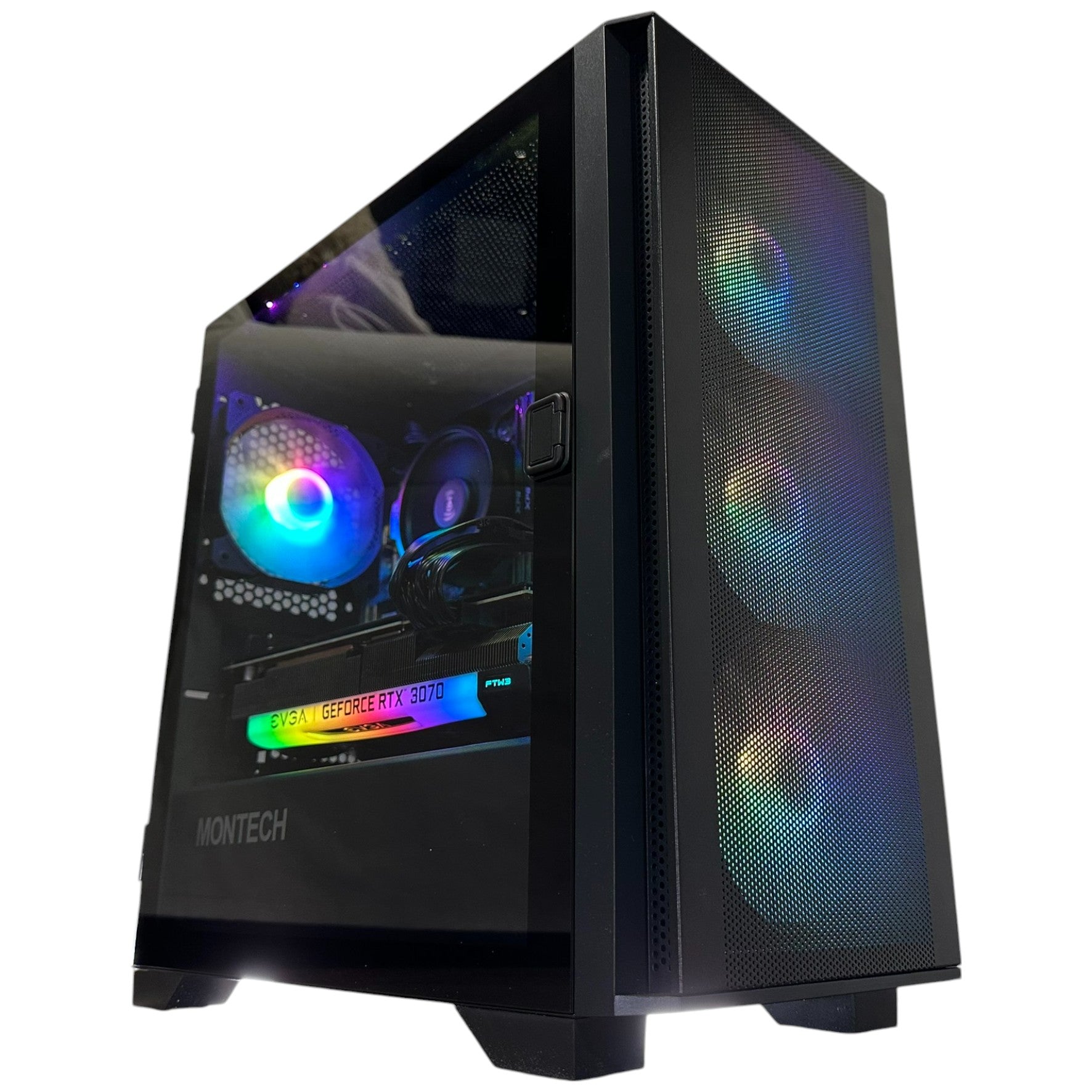
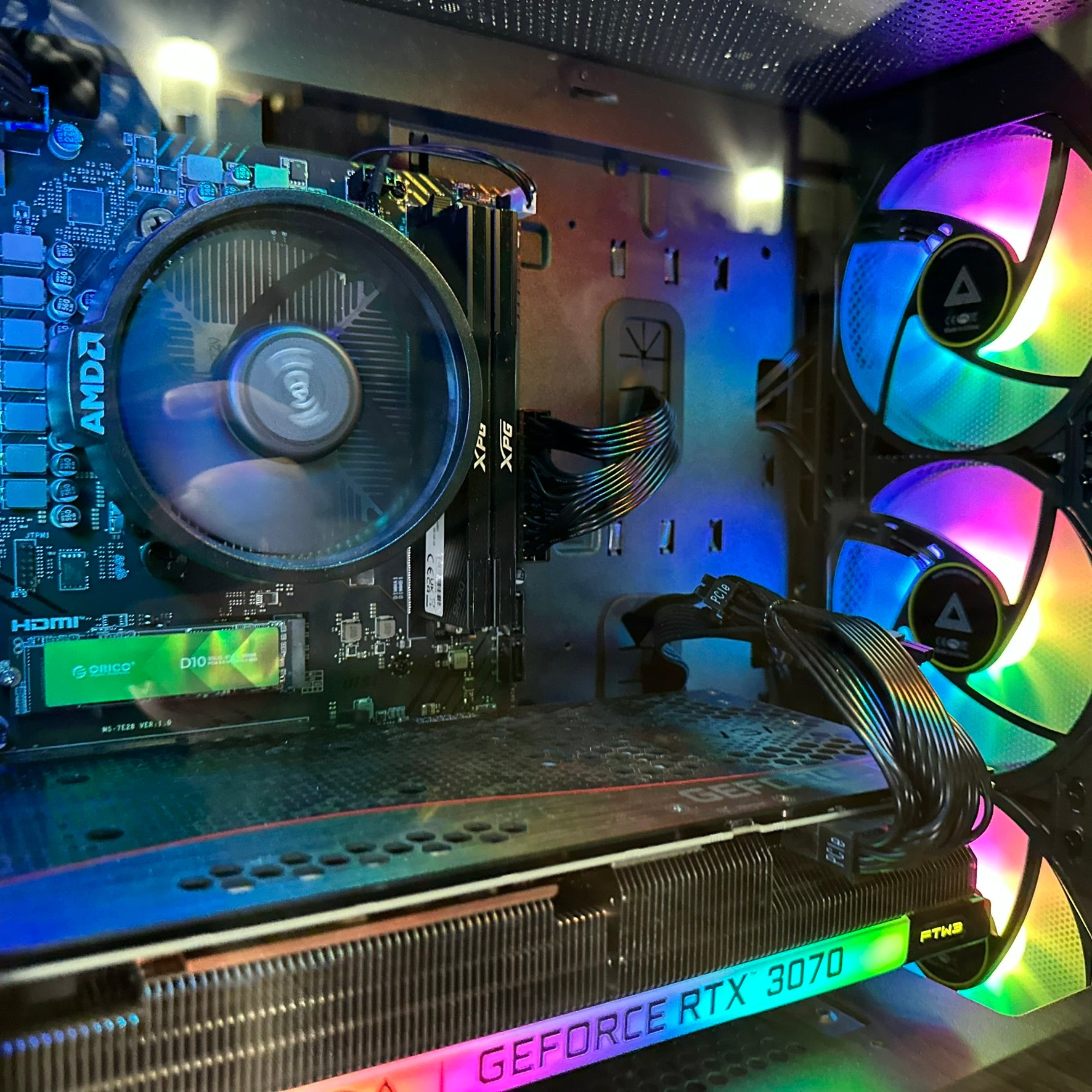
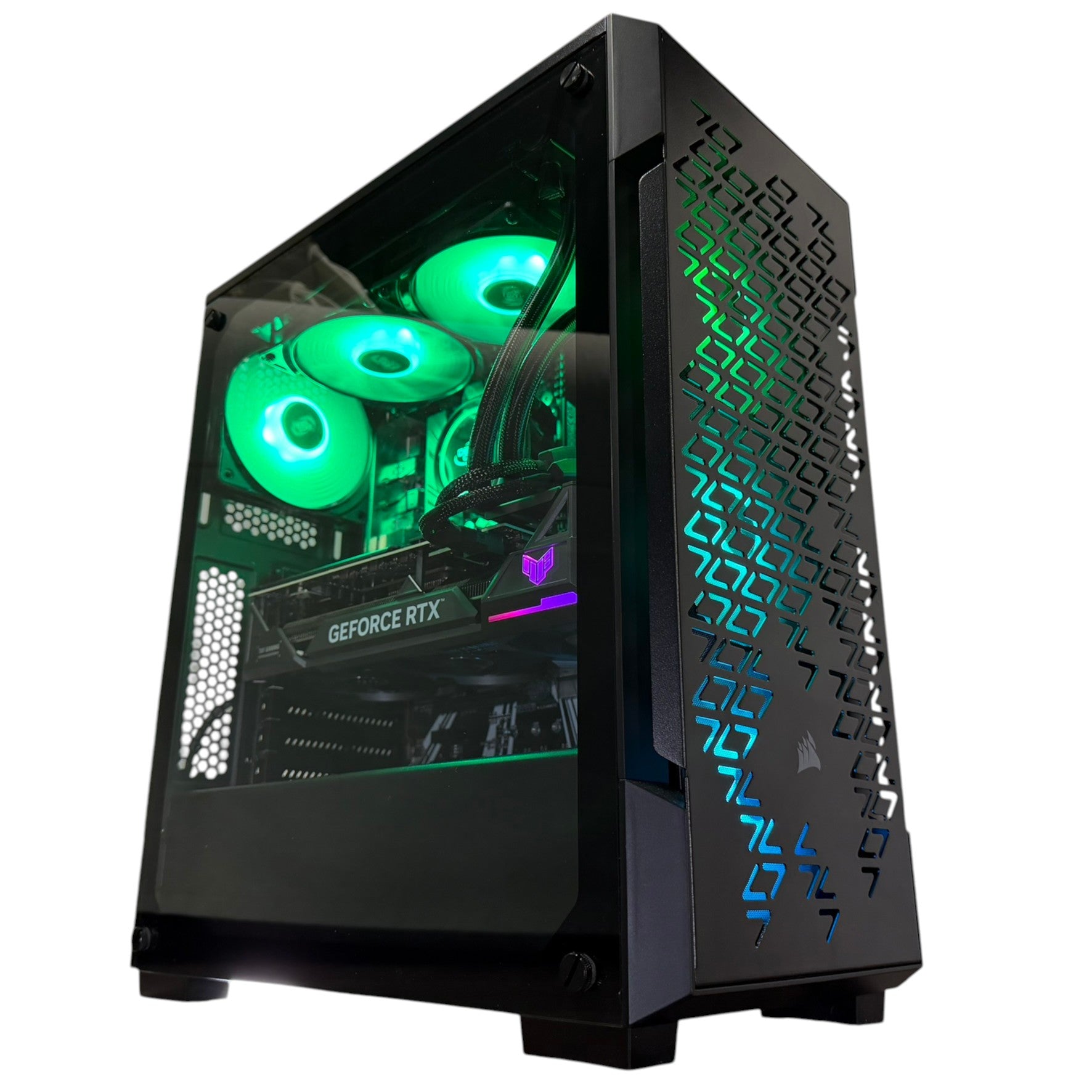

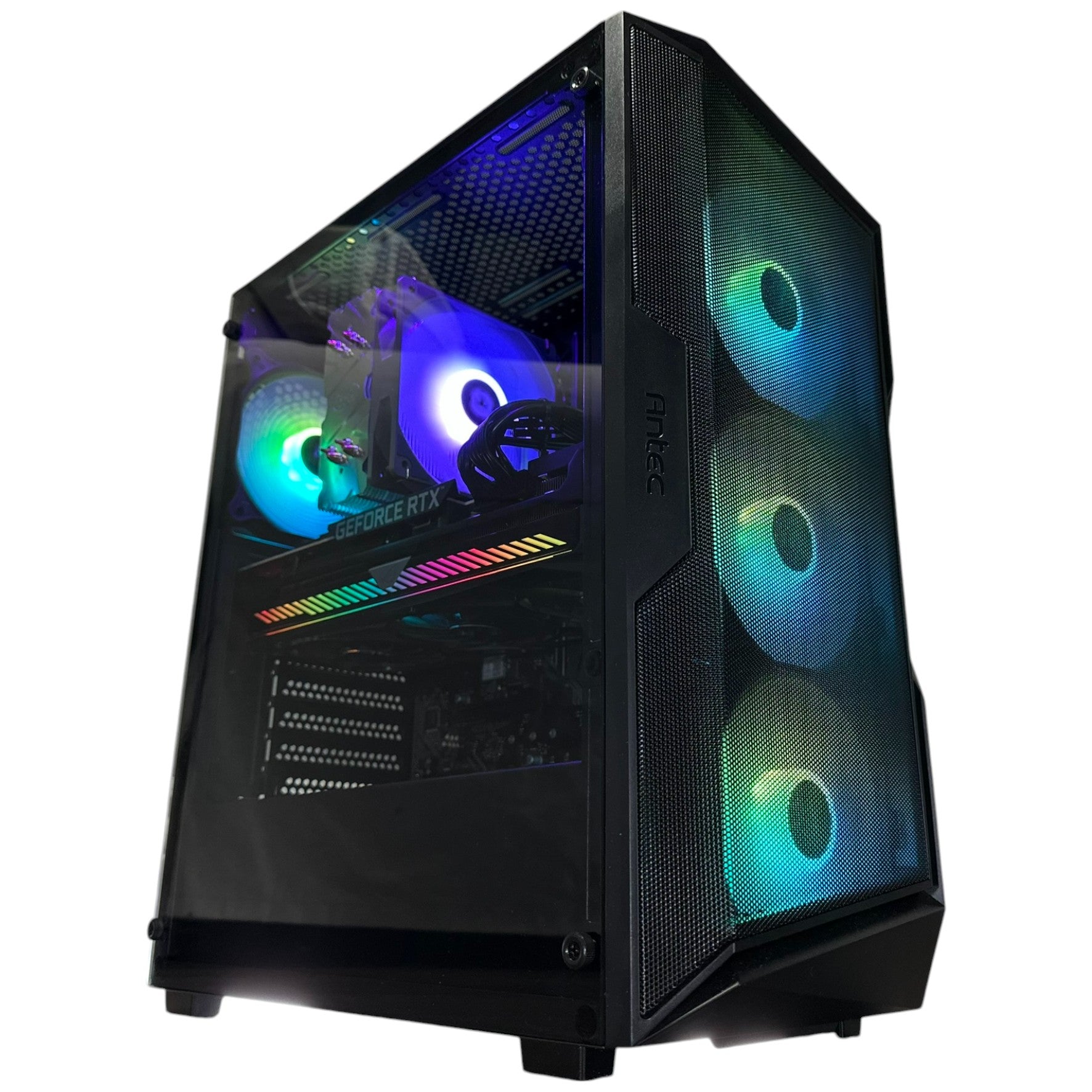
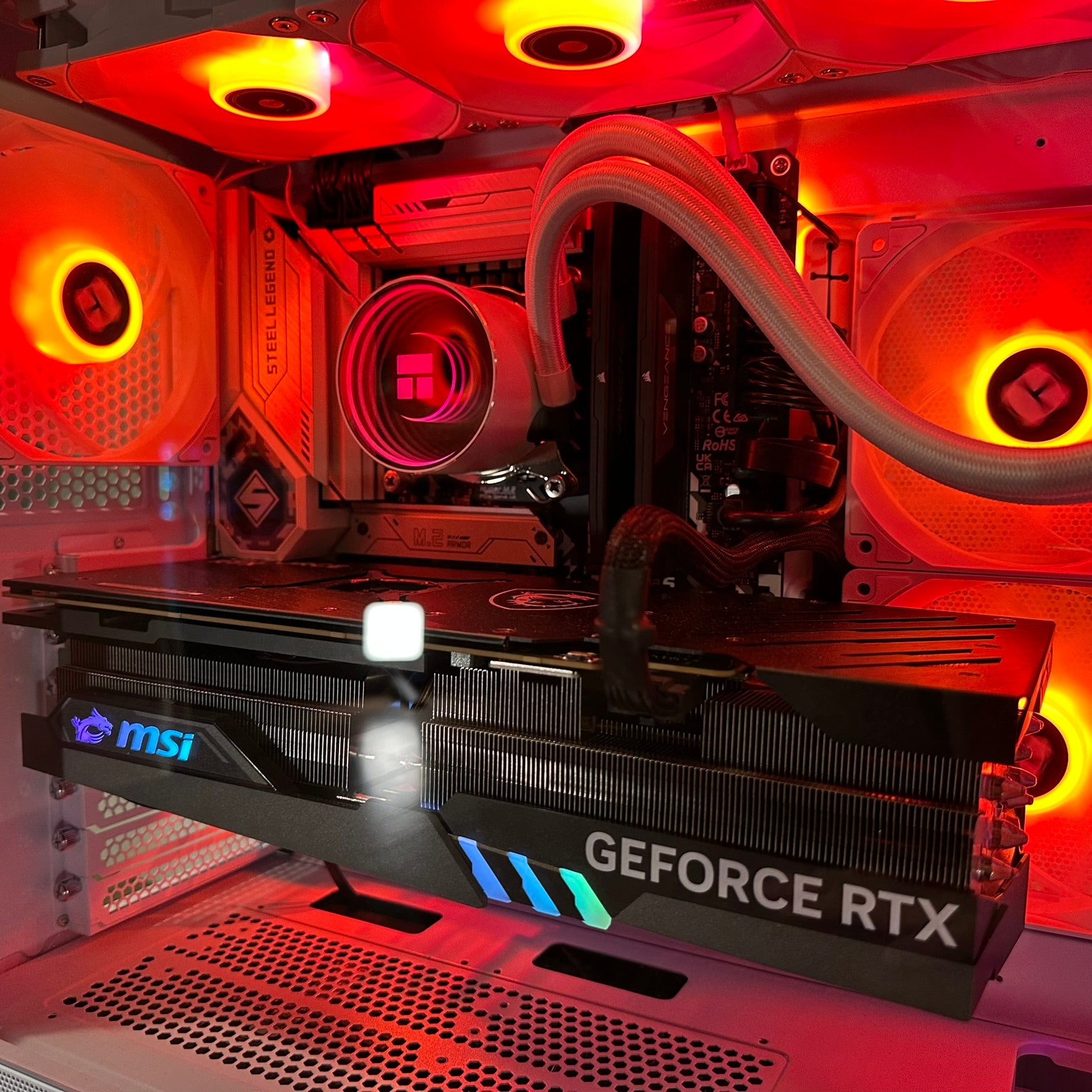
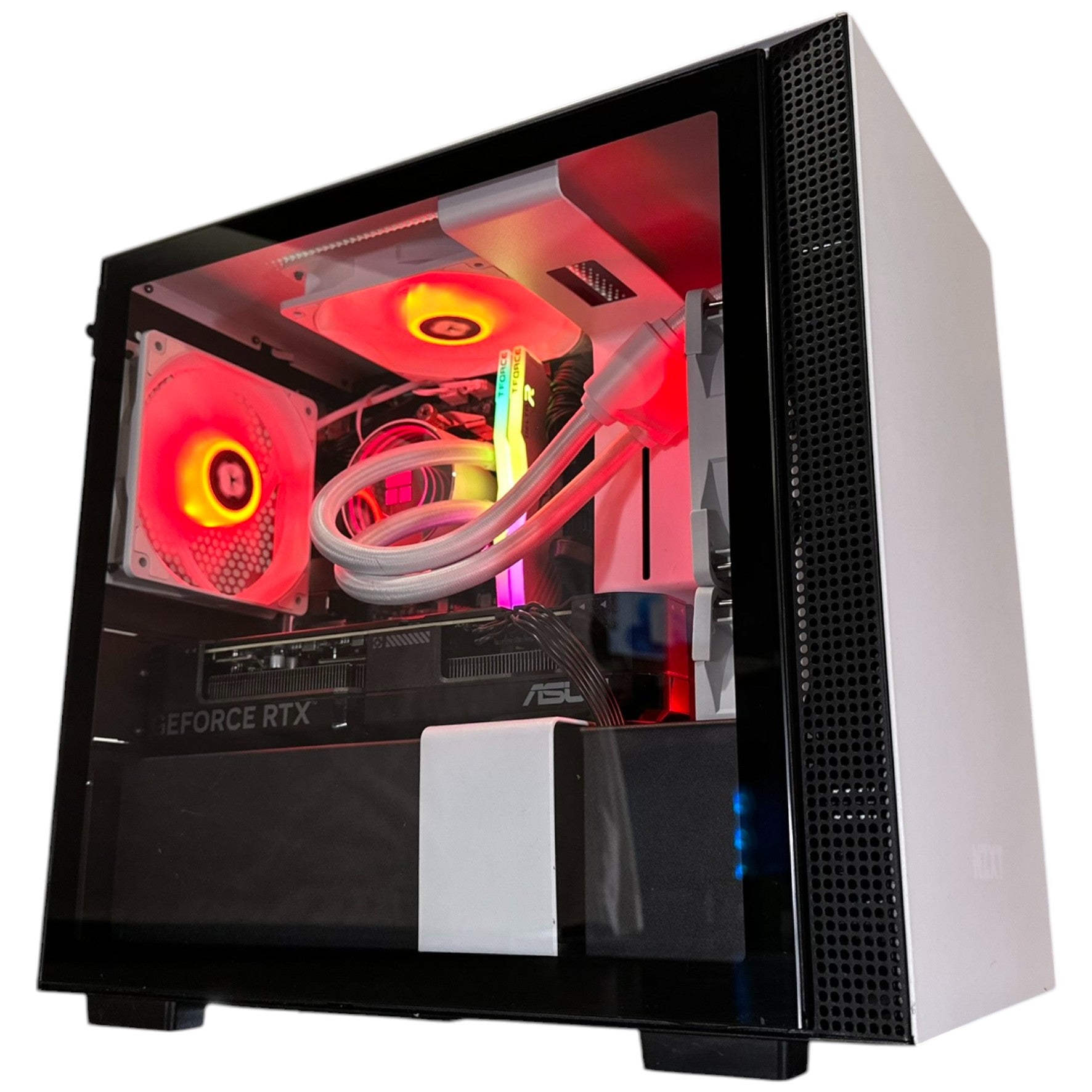
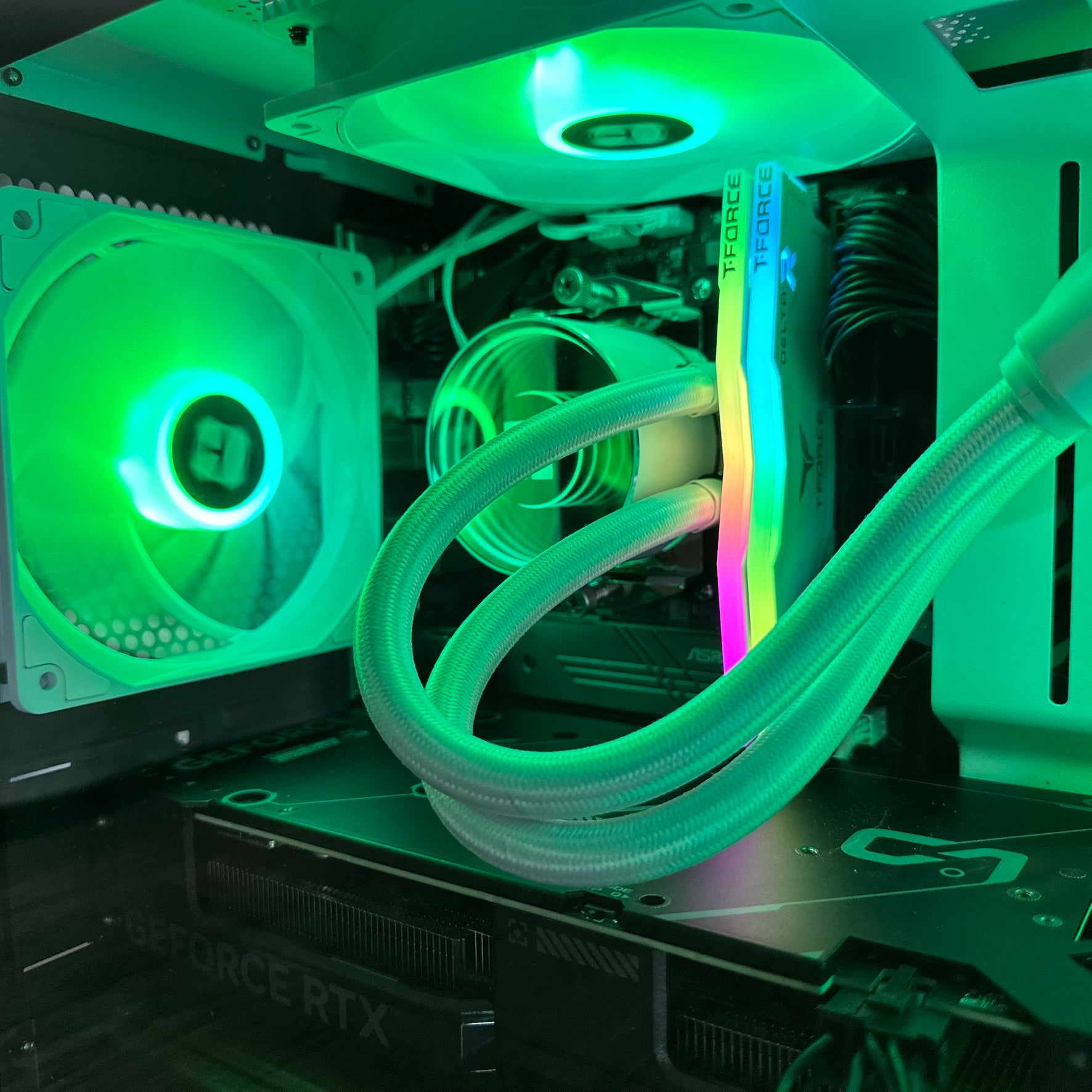
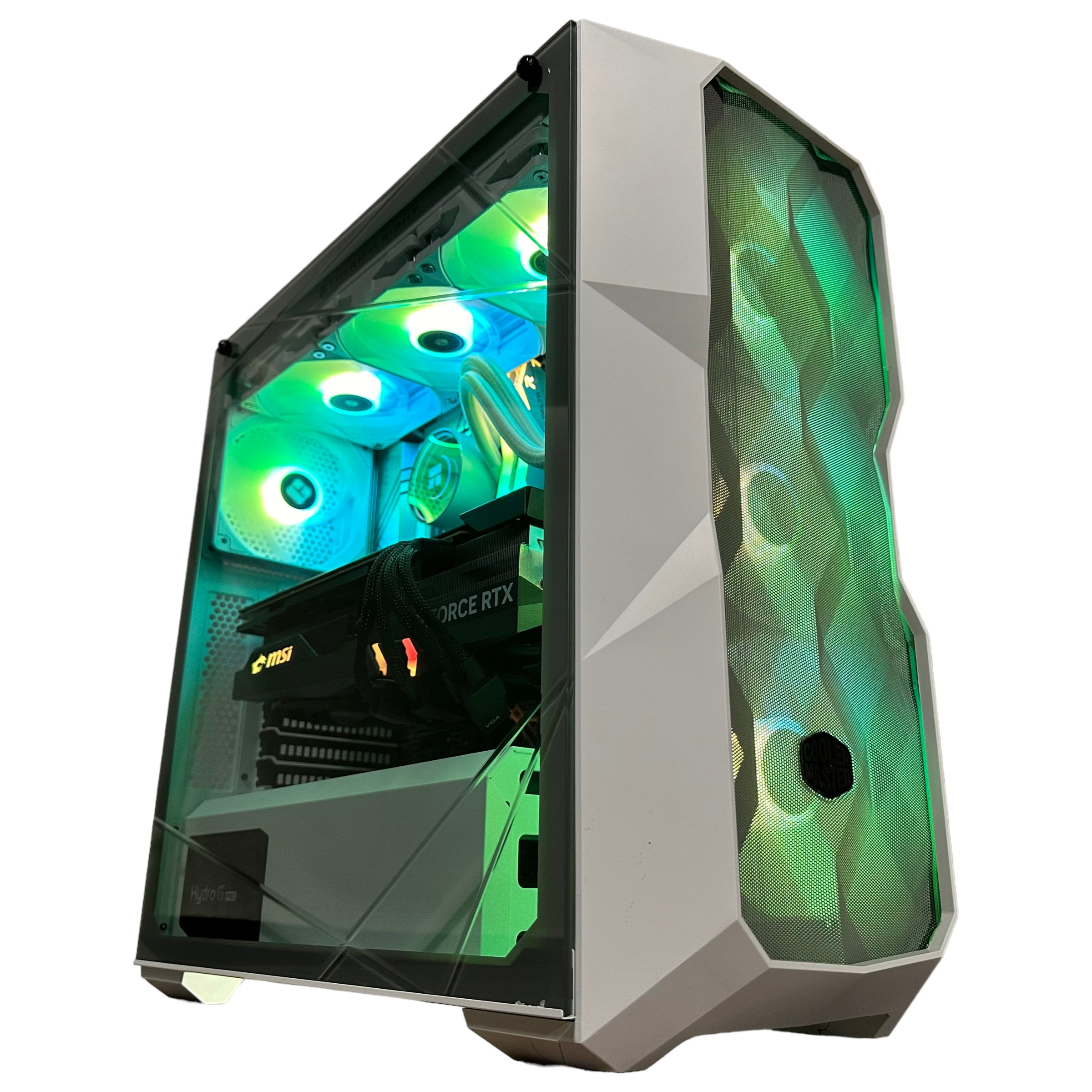
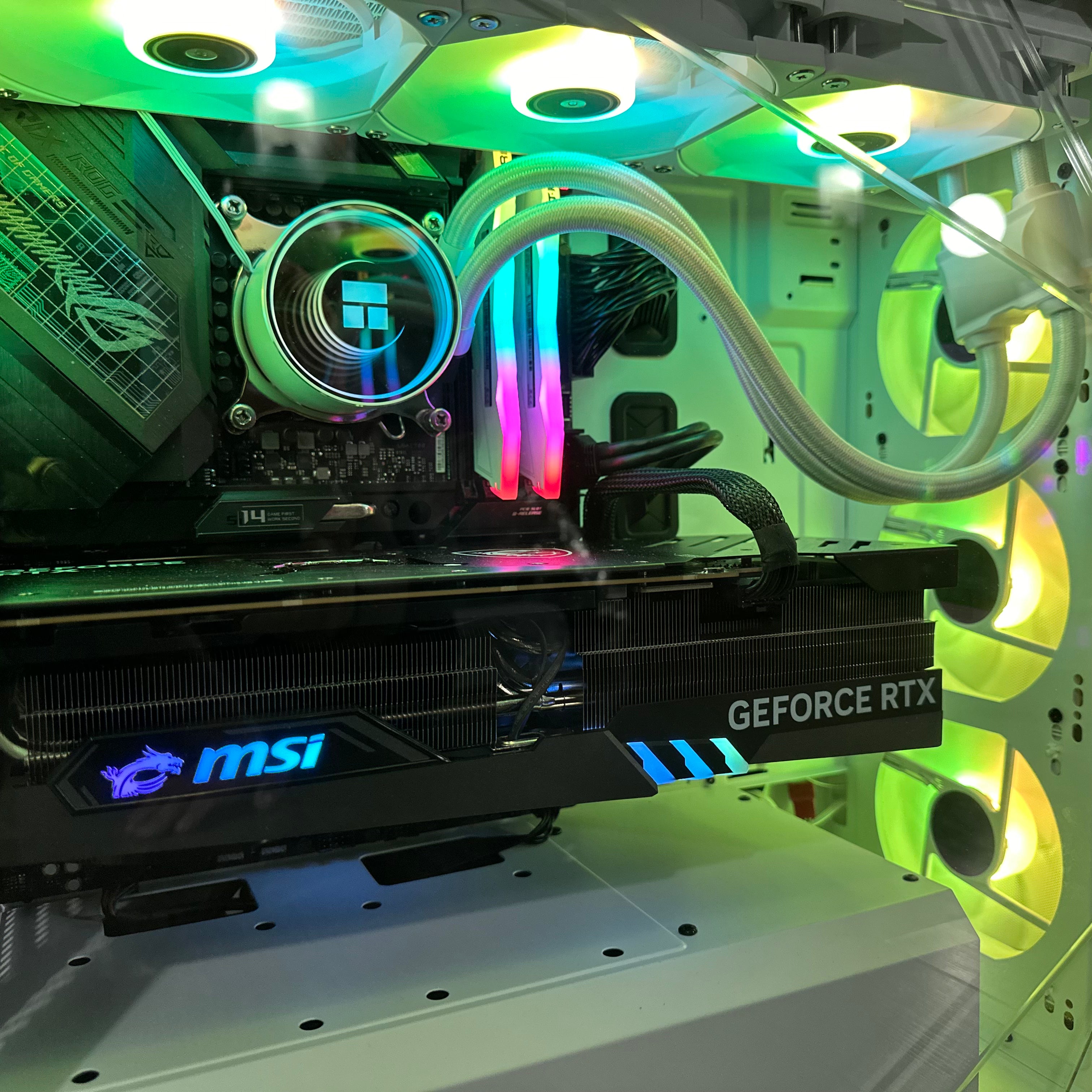
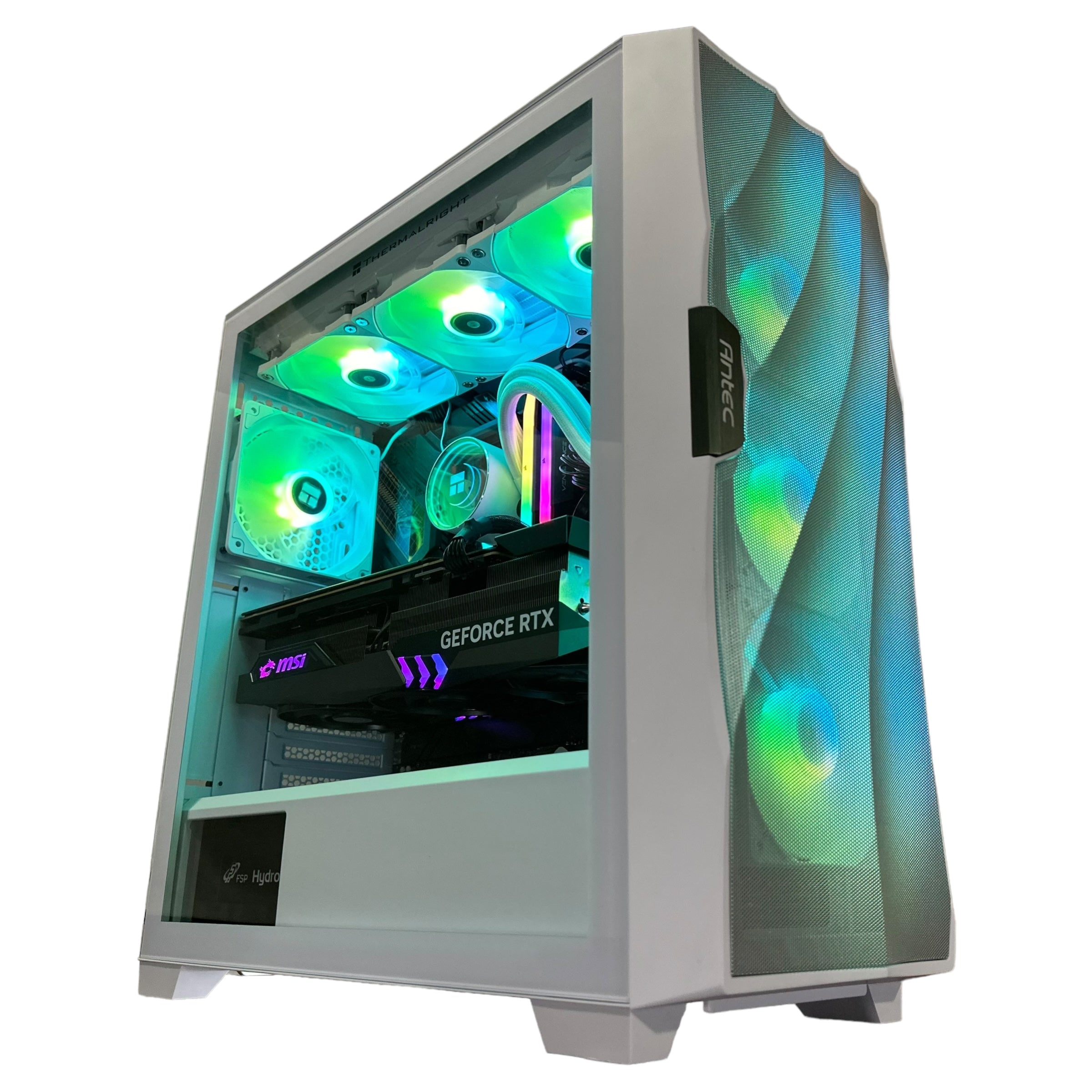

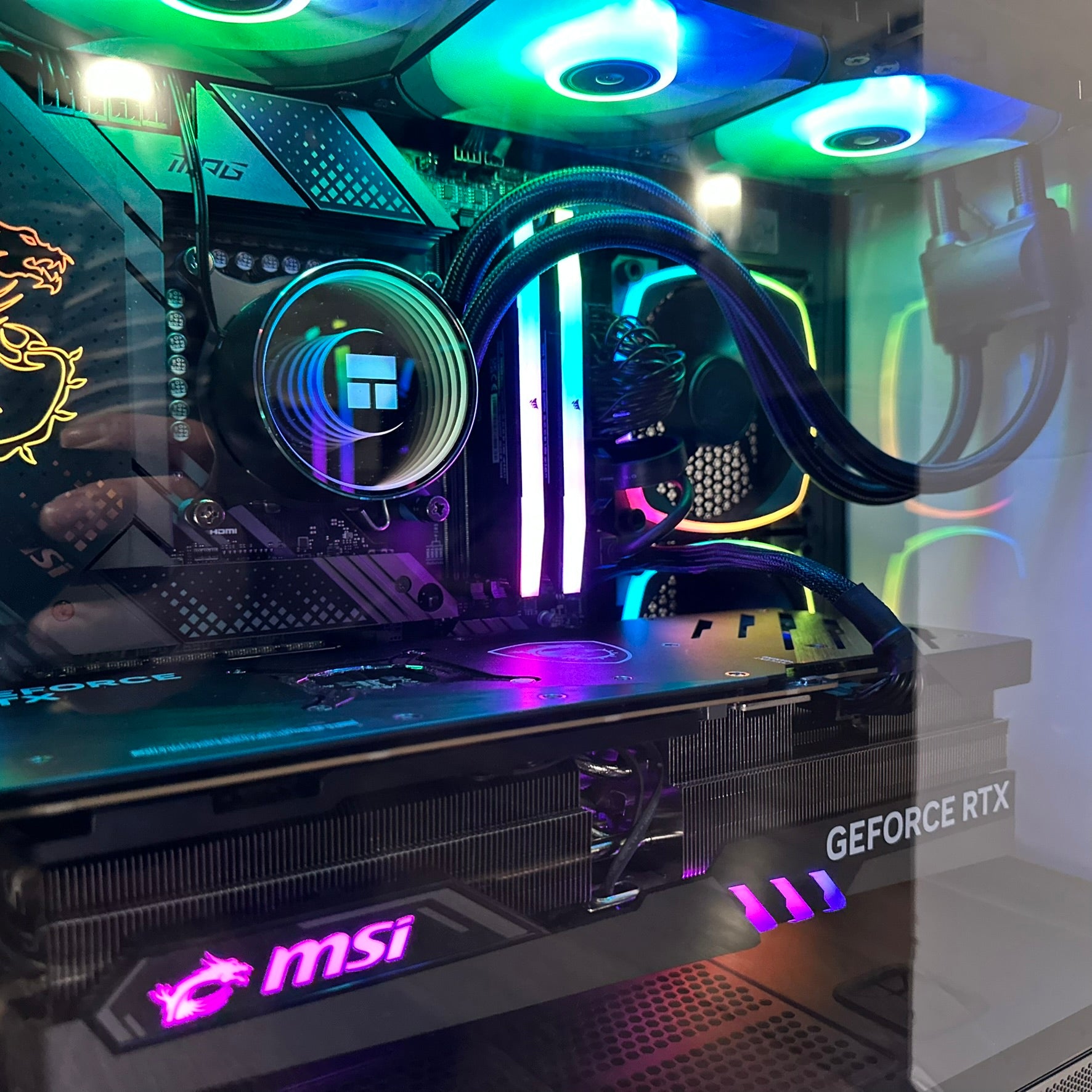
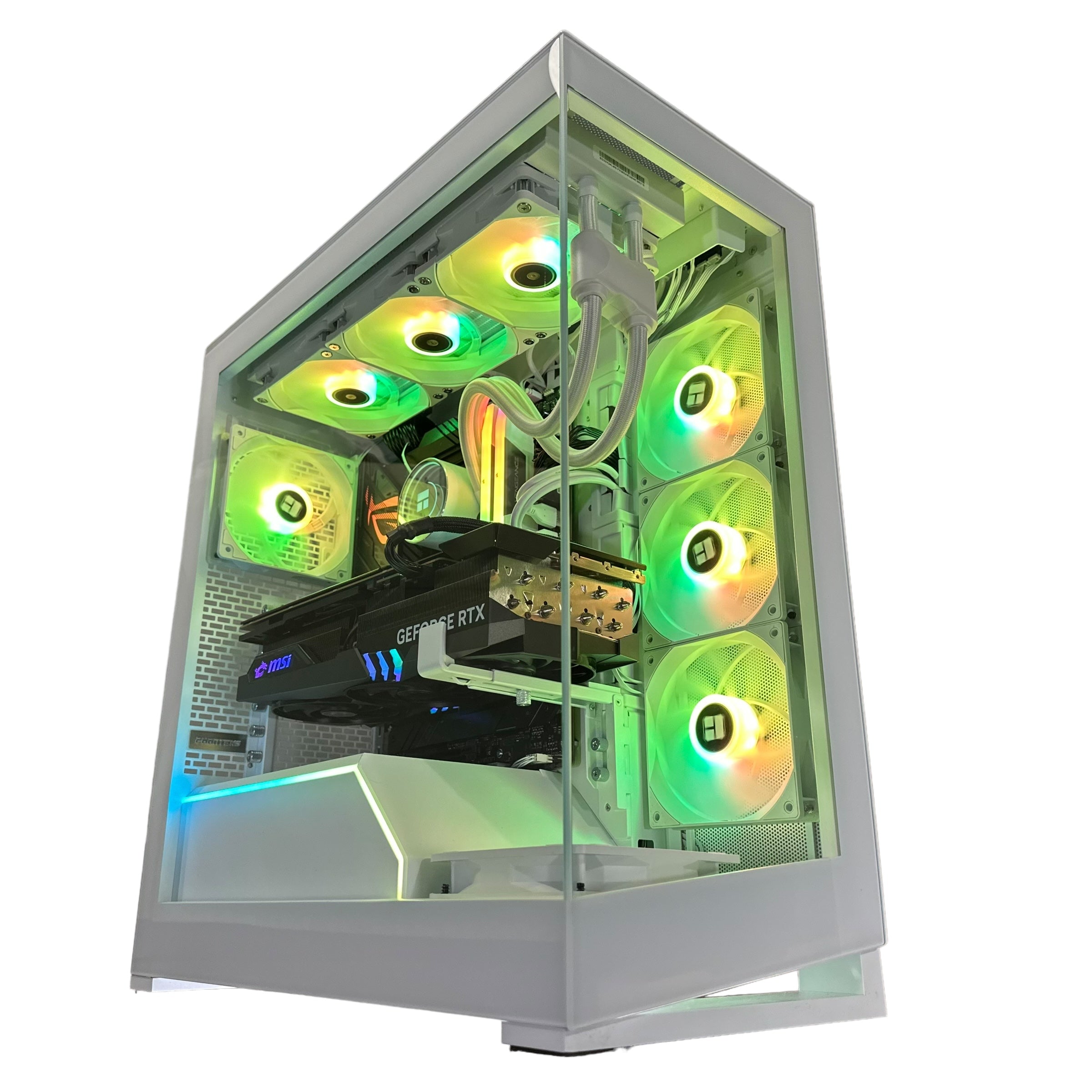

Gaming PC for Open World Games: What Crimson Desert’s Global Video Contest Reveals About the PC You Should Buy Next
Pearl Abyss has announced the winners of its global Crimson Desert video contest, and for Canadian players, creators, streamers, and workstation buyers, the bigger takeaway is clear: a modern gaming PC for open world games is no longer just about “running the game.” It is about exploring massive environments, capturing cinematic gameplay, editing footage, streaming smoothly, and staying ready for the next wave of visually ambitious titles.
The contest, called Beyond the Abyss: Community Challenge, selected 10 winning entries from players around the world. According to the announcement, entries were judged on gameplay, storytelling, and video editing, with winners representing regions including France, Spain, the United States, China, and South Korea. The winning videos highlighted creative gameplay approaches, including weaponless combat, open-world traversal, mount exploration, and personal storytelling within Crimson Desert’s seamless continent of Pywel.
That is more than a community news item. It is a preview of how people actually use powerful PCs today. Players are not only gaming. They are recording. They are editing. They are uploading. They are streaming. They are turning gameplay into content. They are pushing big open worlds at higher resolutions and higher settings. So the real question is: what do you want your next PC to do for you?
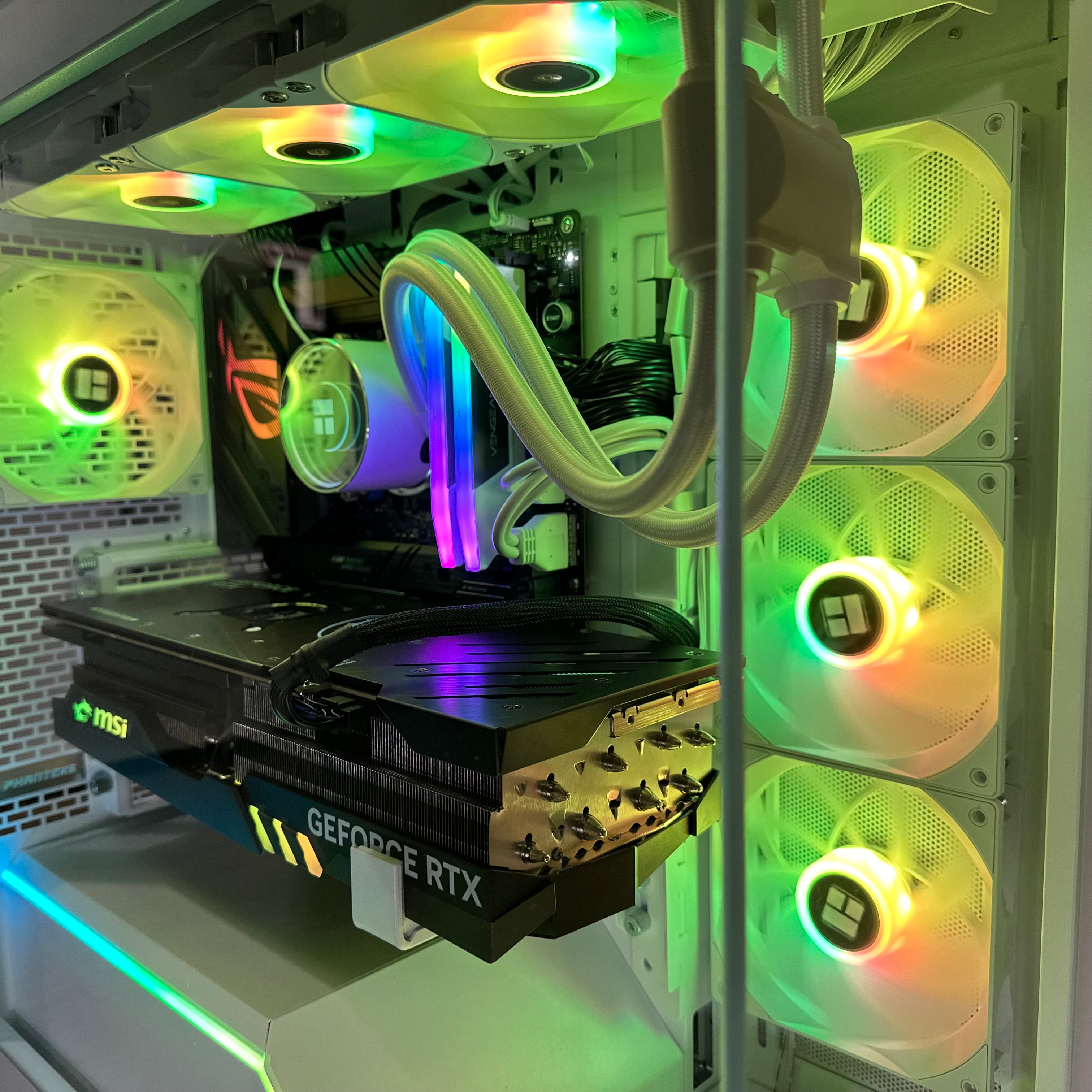
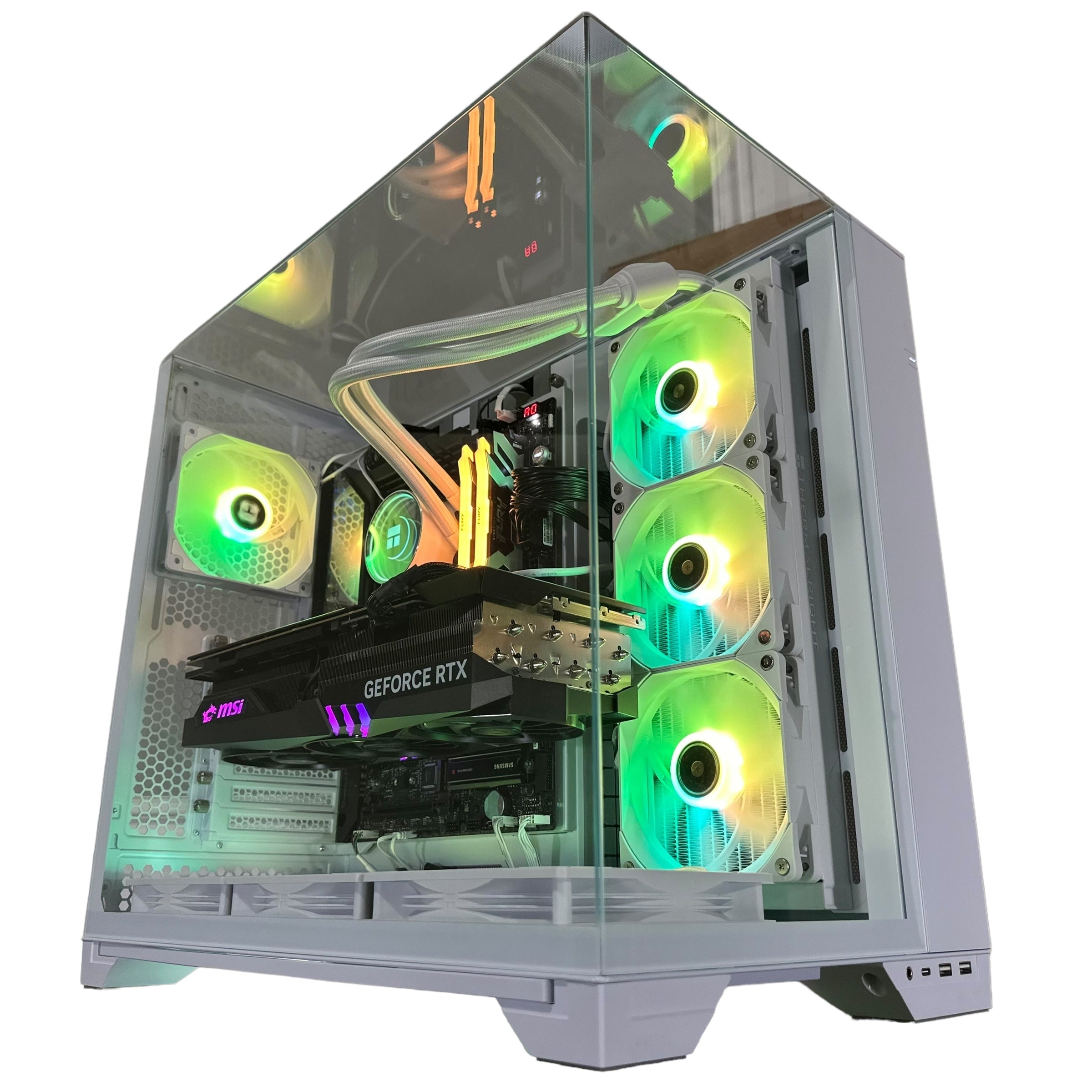
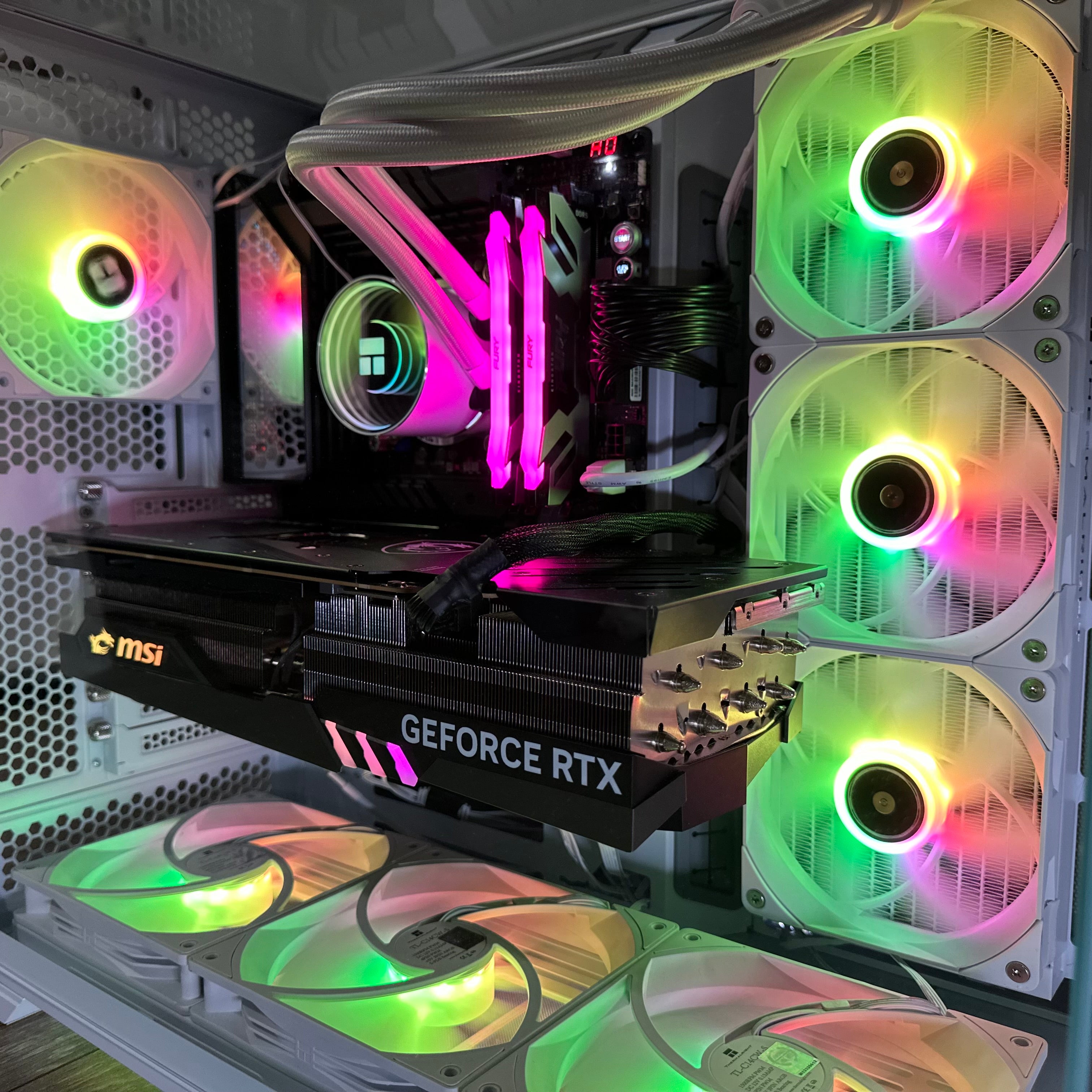
At Groovy Computers, we build custom gaming PCs, creator PCs, and workstation systems for Canadian customers who want performance that matches their actual needs. Whether you are preparing for Crimson Desert, other AAA open-world games, competitive esports, Twitch streaming, YouTube editing, Blender rendering, Adobe Creative Cloud, or a multi-purpose gaming and creator setup, the right build matters.
Why Crimson Desert’s Video Contest Matters for PC Buyers in Canada
The Crimson Desert contest is interesting because it celebrates exactly what makes modern PC gaming different from older console-style gaming: freedom, performance, creativity, and personal expression. Players were not simply rewarded for completing a fixed path. They were recognized for how they played, how they told a story, and how they presented that experience through video.
That changes the buying conversation. If you are planning to buy a gaming PC for open world games, you should not only ask, “Can it run the game?” You should ask better questions:
- Do I want to play at 1080p, 1440p, or 4K?
- Do I care about ultra settings, ray tracing, high FPS, or cinematic visuals?
- Will I be recording gameplay while I play?
- Do I want to stream to Twitch, YouTube, or TikTok Live?
- Will I edit videos in Premiere Pro, DaVinci Resolve, CapCut, or After Effects?
- Do I want this PC to handle school, work, design, photo editing, or 3D modeling too?
- Am I buying before a major release, hardware shortage, sale period, or possible price spike?
- Would financing help me secure a stronger system now instead of replacing a weaker one sooner?
Those questions matter because today’s best PC value is not always the cheapest system. It is the system that lets you avoid upgrading too soon.
What Kind of Gaming PC for Open World Games Do You Actually Need?
A strong gaming PC for open world games needs a balanced combination of GPU power, CPU performance, memory, storage speed, cooling, airflow, and long-term upgradeability. Open-world games can be demanding because they often combine large environments, high-resolution textures, dynamic lighting, AI systems, physics, animation, and background loading.
Even when a game is well optimized, a weak system can create issues that ruin the experience: unstable frame rates, texture pop-in, long load times, stutters during traversal, poor recording quality, loud fans, overheating, or settings compromises that make a beautiful game feel flat.
So what PC do you need for 1440p gaming? What PC do you need for 4K gaming? Should you buy a budget gaming computer, a premium RTX gaming PC, or a custom creator PC that can do more than game?
The answer depends on what you expect from your system.
If You Want Smooth 1080p Gaming
A 1080p gaming PC is still a smart choice for many Canadian buyers, especially if you are focused on value, esports, school use, or your first gaming desktop. If your monitor is 1080p and you mostly want to play modern games at good settings without overspending, you do not necessarily need a flagship build.
A well-built 1080p system should prioritize a capable modern GPU, a strong gaming CPU, 16GB to 32GB of RAM depending on multitasking, and a fast NVMe SSD. For newer open-world games, 32GB of RAM is becoming increasingly attractive because it gives the system more breathing room when background apps, launchers, browsers, recording software, and voice chat are open.
Ask yourself: Do you simply want to play comfortably, or do you want to record, stream, and edit too? If you want content creation on top of gaming, it may be smarter to move one tier higher now rather than upgrading within a year.
If You Want 1440p Gaming in Canada
For many players, a 1440p Gaming PC Canada build is the sweet spot. It offers a noticeable visual upgrade over 1080p while remaining more affordable and easier to drive than 4K. Open-world games often shine at 1440p because the added sharpness helps landscapes, characters, weather effects, and UI detail feel more immersive.
A good 1440p system should lean harder on GPU performance. This is where custom part matching becomes important. A strong graphics card paired with a weak CPU can bottleneck high-FPS gameplay. A powerful CPU paired with an underpowered GPU may leave you disappointed in visual settings. A fast SSD without enough RAM will not solve multitasking slowdowns. Everything needs to work together.
If you are asking, “What PC do I need for 1440p gaming?” the best answer is not a single part list. It depends on whether you want high settings, ultra settings, ray tracing, streaming, or editing. Groovy Computers can help you choose a balanced build instead of paying for the wrong component in the wrong place.
If You Want 4K, Ultra Settings, and Ray Tracing
A 4K Gaming PC Canada build is for players who want premium visuals and longer-term headroom. If you are investing in a 4K monitor, high-refresh display, OLED panel, or large-screen gaming setup, your PC needs serious GPU strength, excellent cooling, and enough power delivery to stay stable under heavy load.
For cinematic open-world games, 4K can be spectacular. Textures look sharper, distant landscapes feel more realistic, and cinematic camera work becomes more impressive for screenshots and gameplay capture. But 4K is much harder to run than 1080p or 1440p. If you want ray tracing on top of 4K, you should plan your build carefully.
Ask yourself: Do you want a premium RTX gaming PC because you truly care about 4K visuals, or would a strong 1440p build give you better value? The best system is the one that matches your monitor, your games, your software, and your budget.
What Do You Want Your Next PC to Do for You?
Before choosing parts, financing, or a performance tier, pause and ask the most important question: what do you want your next PC to do for you over the next three to five years?
Do you want it to be a gaming machine only? Do you want to stream on weekends? Do you want to record gameplay and cut videos for YouTube? Do you want to edit short-form clips for TikTok, Instagram Reels, or YouTube Shorts? Do you use Photoshop, Lightroom, Illustrator, Blender, Unreal Engine, AutoCAD, Revit, SolidWorks, or other creative and professional software?
This question matters because many customers buy a PC for one game, then quickly realize they want more. A player preparing for Crimson Desert may also want to capture cinematic exploration clips. A student may need a system for school and gaming. A photographer may want Lightroom performance. A small business owner may want design, video, and multitasking power. A streamer may need OBS performance without sacrificing FPS.
If your PC needs to do more than play games, you may not need a completely different system, but you may need a smarter build. That is where a custom PC from Groovy Computers becomes valuable.
Gaming, Streaming, Editing, Design, or 3D Work: Which Performance Tier Fits You?
Not every buyer needs the same system. A budget gamer, a competitive player, a cinematic 4K gamer, a streamer, a video editor, and a 3D artist all stress a PC differently. Below is a practical way to think about your next build.
Tier 1: Budget Gaming Computer for 1080p Players
A budget gaming computer is ideal if you are entering PC gaming, upgrading from an older desktop, buying for a student, or focusing on popular games at 1080p. This tier is about smart value, not bragging rights.
Choose this tier if you are asking questions like:
- How much should I spend on a gaming PC?
- Can a budget gaming PC play new games?
- Is a budget gaming PC worth it for school and gaming?
- Should I buy a cheaper PC now or finance a better one?
The risk with going too cheap is short lifespan. If your system starts at the edge of acceptable performance, the next major game, software update, or Windows feature could push it into frustration. If you want to avoid upgrading too soon, it may be worth stepping up to a stronger GPU, more RAM, or a larger SSD from day one.
Tier 2: 1440p Custom Gaming PC for Serious Players
This is the tier many Canadian gamers should consider first. A well-balanced 1440p custom gaming PC provides a strong mix of visual quality, high FPS, and future readiness without jumping all the way into flagship pricing.
Choose this tier if you want:
- Strong performance in new AAA games
- Better image quality than 1080p
- High refresh rate gaming
- Good streaming and recording potential
- A system that should feel strong longer than an entry-level build
If you are wondering, “Is it better to buy a gaming PC now or wait?” this tier is often where timing matters. When GPU prices, memory costs, or SSD pricing shift, mid-to-high performance systems can become more expensive quickly. Financing may help you secure a stronger configuration before replacement costs rise.
Tier 3: Premium RTX Gaming PC for 4K and Ray Tracing
A premium RTX gaming PC is for players who want high-end visuals, 4K gaming, ray tracing, high-resolution texture packs, and a system that remains powerful for future releases. It is also a strong choice if you game, stream, edit, and multitask heavily.
Choose this tier if you are asking:
- What PC do I need for 4K gaming?
- What PC do I need for ultra settings?
- Is a high-end gaming PC worth it?
- Should I finance a high-end gaming PC instead of compromising?
Premium systems benefit from proper thermal design. A powerful GPU in a poor case with weak airflow is not a premium experience. A high-end CPU without adequate cooling can throttle. A beautiful parts list without testing can still become unstable. Groovy Computers focuses on custom builds, clean part matching, rigorous testing, and real-world reliability because high-performance hardware deserves a proper foundation.
Tier 4: Gaming and Streaming PC for OBS, Twitch, and YouTube
If the Crimson Desert contest proved anything, it is that gameplay can become content. If you want to stream, record, and upload, you should think beyond raw FPS. A Streaming PC Canada build needs enough CPU and GPU resources to play smoothly while OBS Studio, Streamlabs, Discord, browser tabs, alerts, chat, and recording software run in the background.
Ask yourself: What PC do I need for streaming if I do not want my game to stutter?
For many streamers, GPU encoding is extremely useful because it allows high-quality recording or streaming with less CPU strain. More RAM also helps, especially if you use multiple monitors, browser sources, overlays, music apps, and editing software after the stream.
If you are planning to stream Crimson Desert-style open-world gameplay, you may want a gaming and streaming PC rather than a basic gaming-only setup. That way, your system is ready not just for playing, but for building an audience.
Tier 5: Content Creation PC for Editing Gameplay, Shorts, and Social Media
The contest entries were evaluated partly on storytelling and video editing. That is a major signal for modern PC buyers. If you plan to record gameplay and turn it into polished content, a Content Creation PC Canada build can save you time every single week.
Creators should think about:
- Timeline smoothness in Adobe Premiere Pro or DaVinci Resolve
- Fast exports for YouTube and social platforms
- Enough RAM for editing, browser research, assets, and background apps
- Large, fast SSD storage for footage and project files
- GPU acceleration for effects, colour work, and encoding
- Quiet cooling for voiceover, podcasting, and streaming spaces
If you are asking, “Is a gaming PC good for content creation?” the answer is often yes, if it is configured correctly. A gaming PC with the right CPU, GPU, RAM, and storage can be an excellent creator PC. But a generic gaming desktop may not be ideal if it has limited storage, weak cooling, low RAM, or poor upgrade paths.
Tier 6: Video Editing PC for 4K Footage and Fast Exports
A Video Editing PC Canada build is designed for people who care about productivity, not just benchmark numbers. If you edit 4K gameplay, camera footage, YouTube videos, client projects, or social media campaigns, your PC can directly affect your income and output.
Ask yourself: What PC do I need for video editing, and how much is my time worth?
A slow editing computer costs you time in several ways. Timeline lag slows decisions. Proxy workflows add extra steps. Long exports delay uploads. Limited RAM causes crashes. Small SSDs force constant file management. If you are editing regularly, a stronger system is not a luxury; it is a productivity tool.
For many editors, 32GB of RAM is a practical starting point, while 64GB or more can make sense for heavier 4K projects, After Effects, multicam editing, large timelines, or professional workflows. Fast NVMe storage is also essential because footage, cache files, project files, and exports can overwhelm slower drives.
Tier 7: Photo Editing and Graphic Design PC for Creative Professionals
Not every creative buyer is editing video. Photographers and designers need responsive systems for Photoshop, Lightroom, Illustrator, InDesign, Canva, Capture One, and other visual tools. A Photo Editing PC Canada or Graphic Design PC Canada build should focus on snappy responsiveness, colour workflow support, enough RAM, fast storage, and smooth multi-monitor use.
Ask yourself: Do you open large RAW files, batch export wedding galleries, manage layered Photoshop documents, or design with multiple apps open at once?
For photographers, storage planning is especially important. RAW libraries grow quickly. For designers, RAM and SSD speed can make daily multitasking feel dramatically smoother. If you also game, stream, or edit video, a custom creator PC can combine those needs in one reliable desktop.
Tier 8: 3D Modeling PC and Rendering Workstation
If you work in Blender, Unreal Engine, Unity, Maya, 3ds Max, Cinema 4D, SketchUp, ZBrush, AutoCAD, Revit, or SolidWorks, you need to think like a workstation buyer. A 3D Modeling PC Canada or 3D Rendering PC Canada build may overlap with gaming hardware, but the priorities can be different.
Ask yourself: What PC do I need for Blender or Unreal Engine if I want fast viewport performance and reliable rendering?
GPU rendering, CPU rendering, scene complexity, VRAM, RAM capacity, cooling, and project storage all matter. A system that is excellent for esports may not be ideal for 3D production. A system with a strong GPU but limited memory may struggle with larger scenes. A workstation that runs hot under long renders may become unreliable.
Groovy Computers can help configure a custom 3D workstation based on the software you actually use instead of treating every “powerful PC” as the same thing.
Why Canadian Buyers Should Think Differently About Timing
Canadian PC buyers face a slightly different reality than shoppers in larger markets. Component pricing can be affected by exchange rates, shipping costs, availability, seasonal demand, manufacturer supply, tariffs, memory pricing, storage pricing, and sudden demand spikes around major game releases or hardware launches.
That does not mean you should panic-buy. It does mean you should think strategically.
If you know you want a new system for upcoming open-world games, streaming, school, content creation, or professional work, waiting until the last minute can limit your choices. When demand increases, popular GPUs, power supplies, cases, SSDs, and RAM kits can become harder to source at the best value. If you need a PC for a release window, semester, work project, or content schedule, it is usually better to plan before everyone else rushes.
Ask yourself: Are you buying before a major game release, a software upgrade, a school term, a sale period, or a possible price spike? If the answer is yes, timing matters.
Should You Finance a Stronger Gaming PC Instead of Buying a Weaker One?
Financing is not about buying more than you need. It is about avoiding a false economy. If a cheaper PC forces you to upgrade sooner, reduces your settings, slows your work, or prevents you from streaming and editing, the “savings” may disappear quickly.
For many customers, Finance Gaming PC Canada options can make sense when they help secure a stronger, longer-lasting system while spreading payments over time. Groovy Computers offers financing options up to 4 years, which can help Canadian buyers choose a better-balanced system before component replacement costs rise or availability changes.
Ask yourself:
- Would a stronger GPU help me keep the PC longer?
- Would 32GB or 64GB of RAM prevent near-term upgrades?
- Would a larger SSD save frustration as game installs and footage grow?
- Would better cooling and a quality power supply protect long-term reliability?
- Would financing help me buy the system I actually need instead of settling?
If you are deciding between a bare-minimum gaming desktop and a custom build that can handle gaming, streaming, and editing, financing may be the difference between compromise and confidence.
Custom PC vs Generic Prebuilt PC in Canada: Why It Matters More Now
A generic prebuilt PC may look attractive if the headline specs seem strong. But the headline specs do not tell the whole story. Two systems with the same CPU and GPU can perform differently depending on cooling, motherboard quality, RAM configuration, power supply quality, case airflow, SSD selection, BIOS setup, cable management, and testing.
That is why the question is not only “Custom PC vs prebuilt PC Canada?” The better question is: who is building it, how is it configured, and has it been properly tested?
Groovy Computers builds systems with the customer’s actual use case in mind. A competitive gamer may need high FPS and low latency. A 4K open-world player may need GPU power and thermals. A streamer may need encoding strength and multitasking capacity. A video editor may need RAM, storage, and export performance. A 3D artist may need rendering power and workstation reliability.
When you buy from a Canadian custom PC builder, you are not just buying parts. You are buying advice, matching, assembly, testing, support, and a system designed around your goals.
Why Testing and Warranty Support Matter for Gaming and Creator PCs
High-performance PCs should not be treated like disposable electronics. A modern gaming or creator system may include a powerful GPU, multi-core CPU, high-speed memory, fast NVMe storage, liquid or air cooling, RGB controls, multiple fans, and specialized software settings. Every part needs to work together under real load.
That is why testing matters. A PC can boot to Windows and still fail under gaming stress, rendering workloads, memory-heavy editing, or long streaming sessions. Proper stress testing helps confirm stability before the system reaches the customer.
Groovy Computers provides custom builds with rigorous testing and a 1-year warranty, giving Canadian buyers confidence that their gaming PC, creator PC, or workstation is ready for real-world use. If you are investing in a system for open-world gaming, content creation, or professional work, that peace of mind matters.
What Games, Software, and Workloads Should You Plan For?
Crimson Desert is a useful example because it sits at the intersection of cinematic gaming, open-world exploration, action gameplay, and community-created content. But your next PC should not be planned around only one title unless that is truly all you care about.
Think about your full workload:
- Do you play AAA open-world games?
- Do you play competitive games like shooters, MOBAs, or esports titles?
- Do you want high FPS for a high-refresh monitor?
- Do you want ray tracing and ultra settings?
- Do you use OBS Studio for streaming or recording?
- Do you edit in Premiere Pro, DaVinci Resolve, After Effects, or CapCut?
- Do you edit photos in Photoshop, Lightroom, Capture One, or Luminar Neo?
- Do you design in Illustrator, InDesign, Canva, CorelDRAW, or Affinity Designer?
- Do you create 3D work in Blender, Unreal Engine, Unity, Maya, Cinema 4D, or CAD software?
- Do you need a reliable workstation for business, school, or client work?
The more your PC needs to do, the more valuable a custom configuration becomes. A balanced system can serve as a gaming desktop, streaming PC, video editing PC, and productivity workstation without forcing you to buy separate machines.
How Much RAM, Storage, CPU, and GPU Do You Really Need?
Specs can be confusing because every buyer hears different advice. One person says the GPU is everything. Another says the CPU matters more. Someone else says RAM is cheap, so buy as much as possible. The truth depends on your use case.
GPU: The Heart of Gaming, Streaming, and Rendering Performance
For a gaming PC for open world games, the graphics card is usually the most important performance component. It affects resolution, visual settings, ray tracing, frame rates, GPU encoding, creator acceleration, and rendering performance.
If you want 1080p gaming, you can choose a more value-focused GPU. If you want 1440p high settings, you should step up. If you want 4K, ray tracing, and long-term headroom, you should consider a premium GPU tier. If you use Blender, DaVinci Resolve, Premiere Pro, or GPU-accelerated effects, GPU choice becomes even more important.
CPU: The Engine Behind Frames, Exports, and Multitasking
The CPU affects gaming performance, background tasks, simulation-heavy games, streaming workloads, editing, exports, encoding, and general responsiveness. A high-FPS gamer, streamer, editor, and 3D artist may all need different CPU priorities.
For gaming-only builds, a strong gaming CPU is often enough. For editing, rendering, and workstation tasks, more cores may provide meaningful benefits. For mixed gaming and creator work, Groovy Computers can help match the CPU to the workload instead of overspending or underbuilding.
RAM: The Difference Between Smooth Multitasking and Frustration
For many modern gaming PCs, 16GB can still work, but 32GB is increasingly attractive for open-world games, streaming, content creation, multitasking, and future readiness. For video editing, 3D modeling, large Photoshop files, or workstation tasks, 64GB or more may make sense.
Ask yourself: How much RAM do creators need if they game, stream, edit, and browse at the same time? In many cases, more RAM does not make the game dramatically faster, but it can make the whole system feel smoother and more reliable.
Storage: Fast SSDs Matter More Than Many Buyers Realize
Modern games are large. Video files are larger. Project files, cache files, RAW photos, exports, and 3D assets can fill a drive quickly. A fast NVMe SSD helps with load times, responsiveness, file transfers, editing cache, and general system speed.
If you are buying a PC for new games and content creation, storage should not be an afterthought. A system with a tiny SSD may look cheaper but become annoying almost immediately. Planning storage properly from the start is one of the easiest ways to avoid regret.
Could Waiting Make Your PC More Expensive?
No one can predict every market shift perfectly. However, PC component pricing is not static. GPUs, RAM, SSDs, power supplies, and cases can change in price based on supply, demand, exchange rates, production cycles, and seasonal buying pressure.
When a major game gains attention, when creator software adds heavier AI features, when students prepare for a new term, or when holiday buying begins, demand can rise. That can make certain performance tiers harder to source at attractive prices.
Ask yourself: Should I buy a gaming PC before prices go up? If you already know your current PC is struggling, and you already plan to buy, waiting for the “perfect” moment can sometimes mean missing the practical moment.
The smartest approach is to buy based on need, timing, budget, and build quality. If financing helps you secure a better PC now with manageable payments, it may be worth considering before replacement costs climb.
What Should Crimson Desert Fans Look for in a New PC?
Because final player needs vary, the safest approach is to build around the experience you want rather than chasing one minimum spec. Fans of cinematic open-world games should consider the following priorities:
- Resolution target: 1080p for value, 1440p for the sweet spot, 4K for premium visuals.
- Frame rate target: 60 FPS for cinematic play, higher FPS for smooth combat and high-refresh monitors.
- Graphics settings: medium-to-high for budget systems, high-to-ultra for stronger builds, ray tracing where supported and desired.
- Streaming and recording: choose GPU and CPU resources that can handle OBS without damaging gameplay smoothness.
- Editing workflow: add RAM, SSD capacity, and creator-friendly CPU/GPU choices if you plan to make content.
- Upgrade path: choose a case, power supply, motherboard, and cooling setup that do not box you in.
- Reliability: buy a tested system with warranty support rather than gambling on mismatched parts.
If you want the game to look beautiful, run smoothly, record cleanly, and support your content plans, a custom build is the better strategy.
Are You Buying a Gaming PC, a Creator PC, or a Workstation?
Many customers start by saying, “I need a gaming PC.” After a few questions, the real answer is often more specific:
- A student needs a gaming PC that also handles school projects.
- A streamer needs a gaming and streaming PC with OBS performance.
- A YouTuber needs a gaming PC for recording and editing.
- A photographer needs a photo editing PC that can also game.
- A designer needs a graphic design PC with Adobe Creative Cloud performance.
- A 3D artist needs a rendering workstation that can still play games.
- A business owner needs a reliable workstation for multitasking and creative output.
So what are you really buying? A budget gaming computer? A premium RTX gaming PC? A custom creator PC? A video editing workstation? A 3D modeling workstation? The clearer your answer, the better your build will be.
Why Groovy Computers Is Built for Canadian PC Buyers
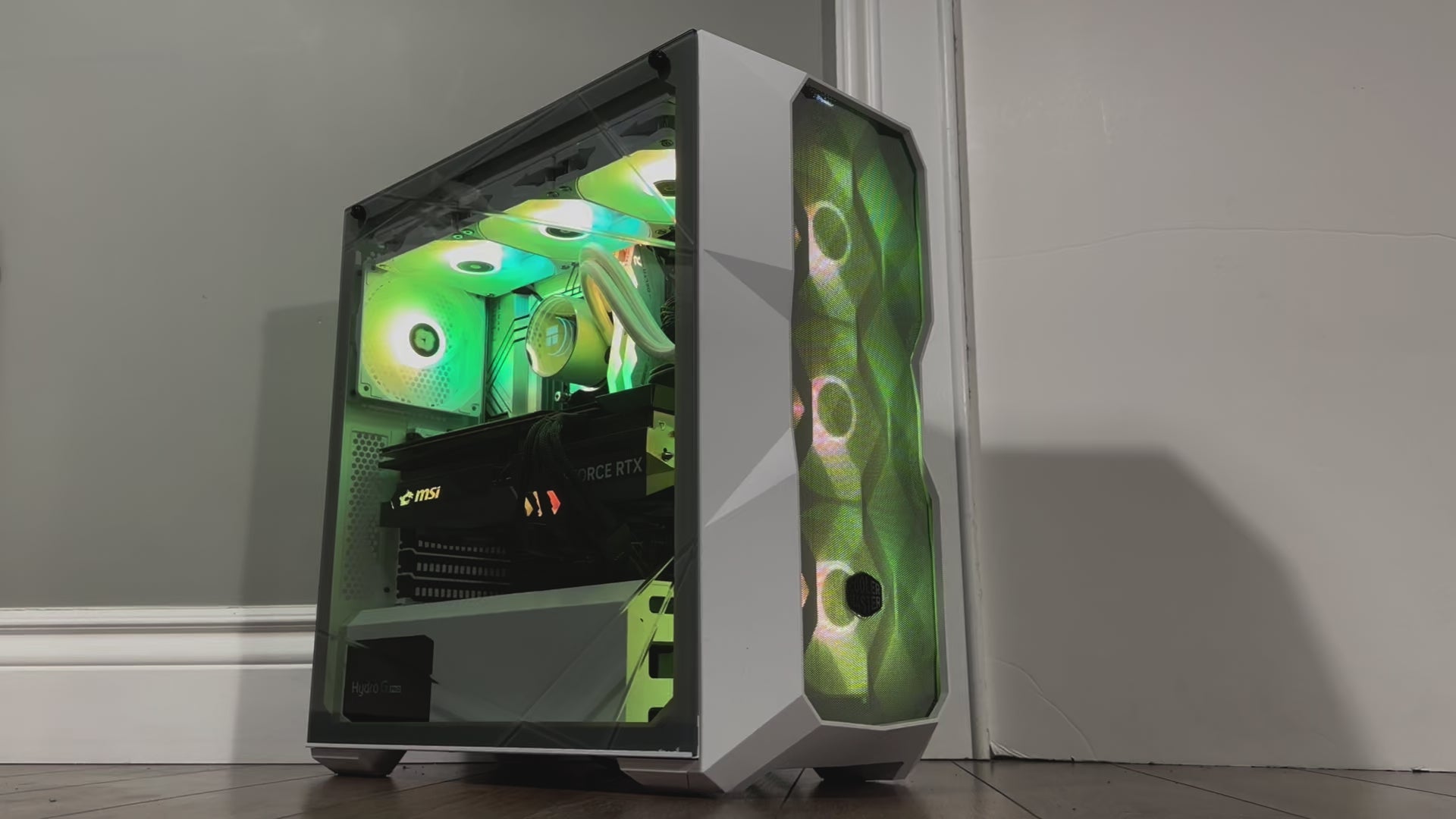
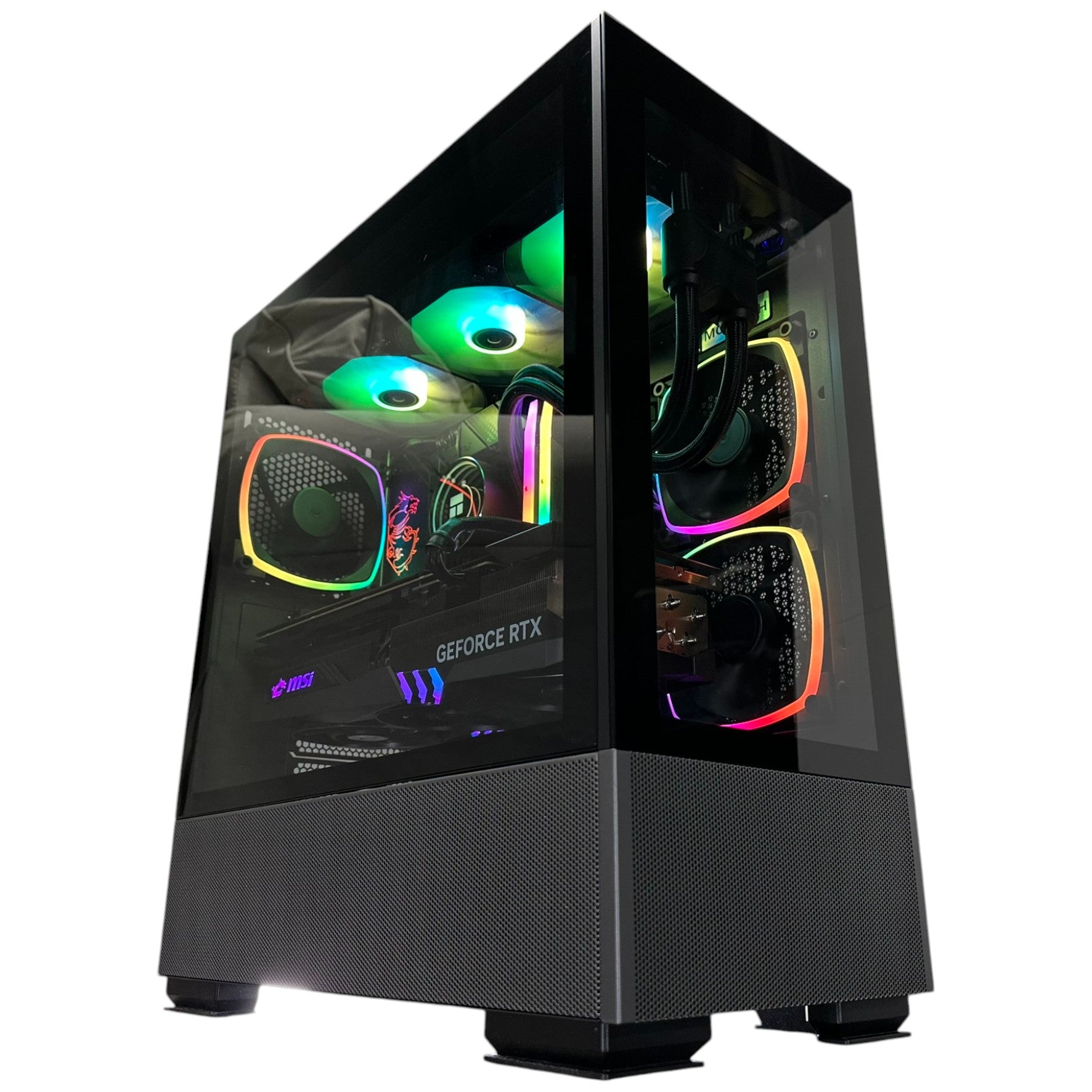
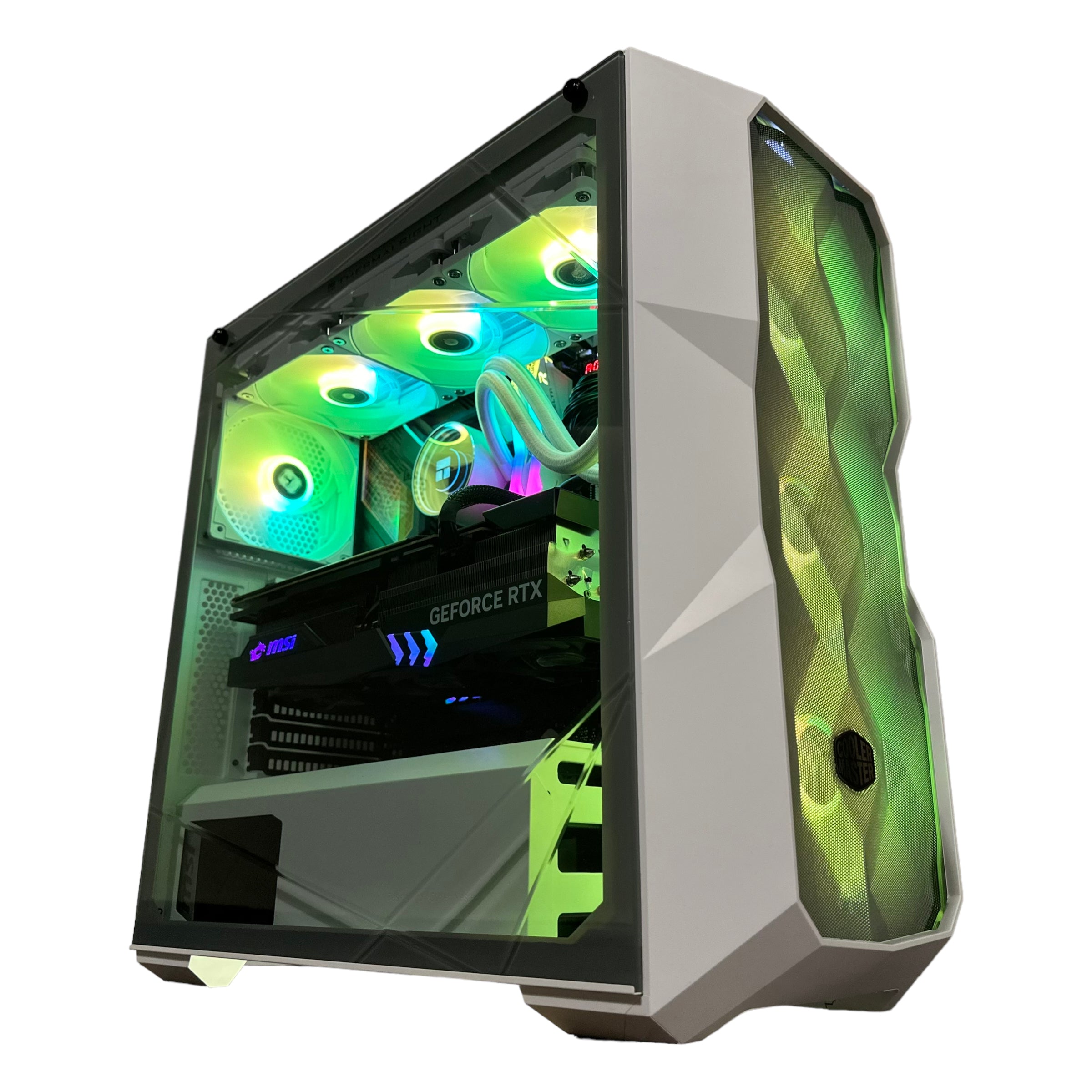
Groovy Computers is a Canadian custom PC builder focused on gaming computers, creator PCs, workstations, and performance desktops built around real customer needs. We understand that Canadian buyers want more than a box of parts. You want a system that makes sense, arrives ready to perform, and has support behind it.
Whether you are in Nova Scotia, Atlantic Canada, or ordering online from elsewhere in Canada, Groovy Computers helps customers choose systems for gaming, streaming, editing, design, content creation, and workstation use. We build with performance balance, reliability, airflow, testing, and upgrade paths in mind.
For local trust, Groovy Computers is rooted in the Nova Scotia PC community, serving customers looking for custom gaming PCs in areas such as Trenton, New Glasgow, Halifax, and beyond. For Canada-wide buyers, ordering online through GroovyComputers.ca gives you access to custom PC expertise without relying on generic, one-size-fits-all systems.
What Questions Should You Ask Before Buying or Financing a Custom PC?
Before you buy, take a few minutes to answer these questions. They will help you avoid underbuying, overspending, or choosing a system that does not match your goals.
- What games do I want to play most? Open-world AAA games, esports titles, simulators, and creative sandbox games can have different demands.
- What resolution do I want? 1080p, 1440p, and 4K require very different GPU strategies.
- Do I care more about FPS or visual quality? Competitive players and cinematic players often need different builds.
- Will I stream or record gameplay? If yes, plan for OBS, encoding, extra RAM, and storage.
- Will I edit video or photos? If yes, plan for CPU power, GPU acceleration, RAM, and fast SSDs.
- Will I use Adobe Creative Cloud, Blender, Unreal Engine, CAD, or AI tools? Workstation workloads can change the ideal configuration.
- Do I want to avoid upgrading too soon? A slightly stronger build now may be cheaper than replacing parts later.
- Am I buying before a demand spike? Major game launches, back-to-school periods, holidays, and hardware cycles can affect availability.
- Would financing help me buy the PC I actually need? Monthly payments may make a stronger, longer-lasting system more realistic.
- Do I want expert help choosing the build? If yes, Groovy Computers can guide you toward the right configuration.
Gaming PC for Open World Games: The Groovy Computers Recommendation
If your goal is a gaming PC for open world games, start with your monitor and your ambitions. A 1080p player can prioritize value. A 1440p player should build around strong GPU performance and long-term smoothness. A 4K player should consider premium graphics, cooling, and power delivery. A streamer or creator should add RAM, storage, and encoding strength. A professional user should consider workstation-grade reliability and software-specific performance.
The wrong PC is the one that only solves today’s minimum problem. The right PC is the one that supports how you actually want to play, create, stream, edit, and work.
Groovy Computers buyer tip: If you are excited about Crimson Desert because of its open world, cinematic gameplay, and community-created videos, do not build only for launch-day play. Build for the full experience: gaming, recording, streaming, editing, and sharing.
Ready to Choose a Custom Gaming PC in Canada?
Are you trying to decide between a budget gaming computer, a 1440p performance build, a premium RTX gaming PC, a streaming setup, a custom creator PC, or a workstation? If you want a gaming PC for open world games that is built around your goals instead of generic specs, Groovy Computers can help.
Visit GroovyComputers.ca to browse systems, explore custom PC options, and ask about financing up to 4 years. If you are buying before a major game release, a creator workload upgrade, a school term, or a potential price shift, now is the time to choose a system that will not leave you wishing you had gone one tier higher.
Final Thought: Do Not Just Buy for One Game, Buy for the Way You Actually Use Your PC
Crimson Desert’s global video contest shows where gaming culture is heading. Players want open worlds, cinematic moments, creative freedom, and the ability to turn gameplay into shareable content. That future rewards stronger, smarter, better-balanced PCs.
For Canadian buyers, the best move is to choose a system that fits your real life: the games you play, the resolution you want, the software you use, the content you create, the work you do, and the upgrade path you want to avoid needing too soon. A properly configured gaming PC for open world games can also be your streaming PC, editing PC, design PC, creator PC, or workstation when it is built the right way.
If you want expert help choosing that build, Groovy Computers is ready to help you move from guessing to gaming, creating, streaming, and working with confidence.
#GamingPCCanada #CustomGamingPCCanada #GamingPCForOpenWorldGames #CrimsonDesertPC #1440pGamingPC #4KGamingPC #StreamingPCCanada #CreatorPCCanada #VideoEditingPCCanada #GroovyComputers
Groovy Computers | All Rights Reserved


Leave a comment
This site is protected by hCaptcha and the hCaptcha Privacy Policy and Terms of Service apply.