
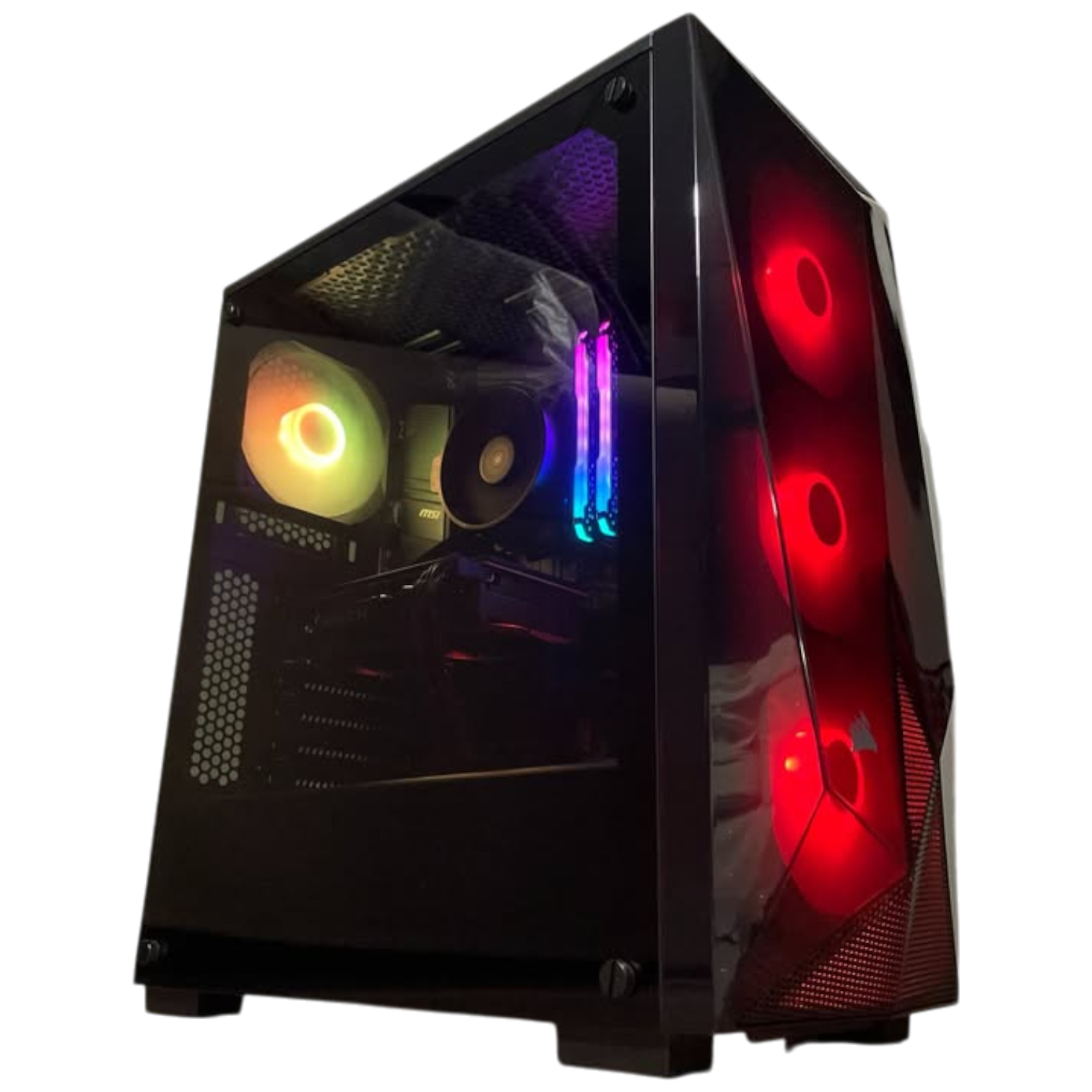
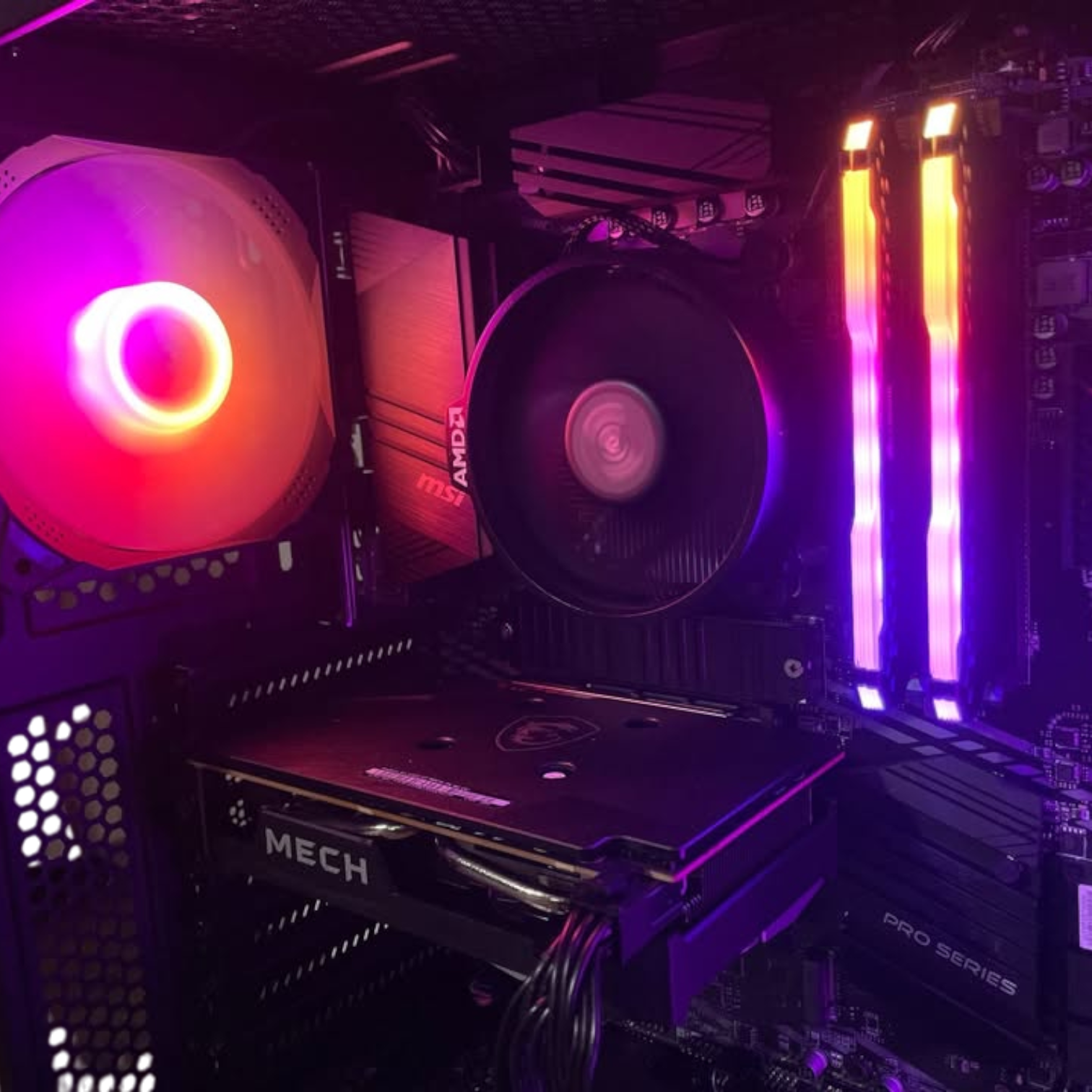
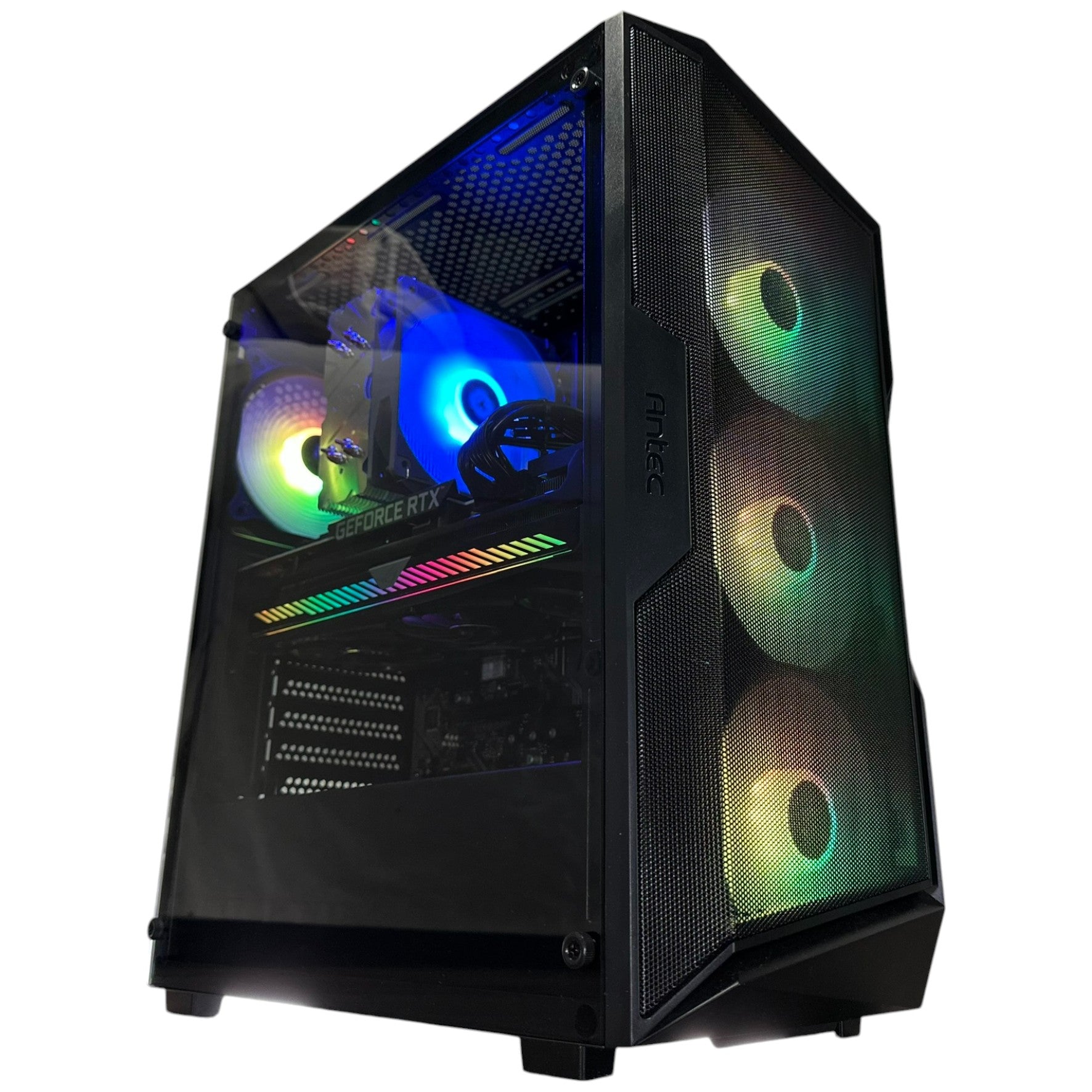
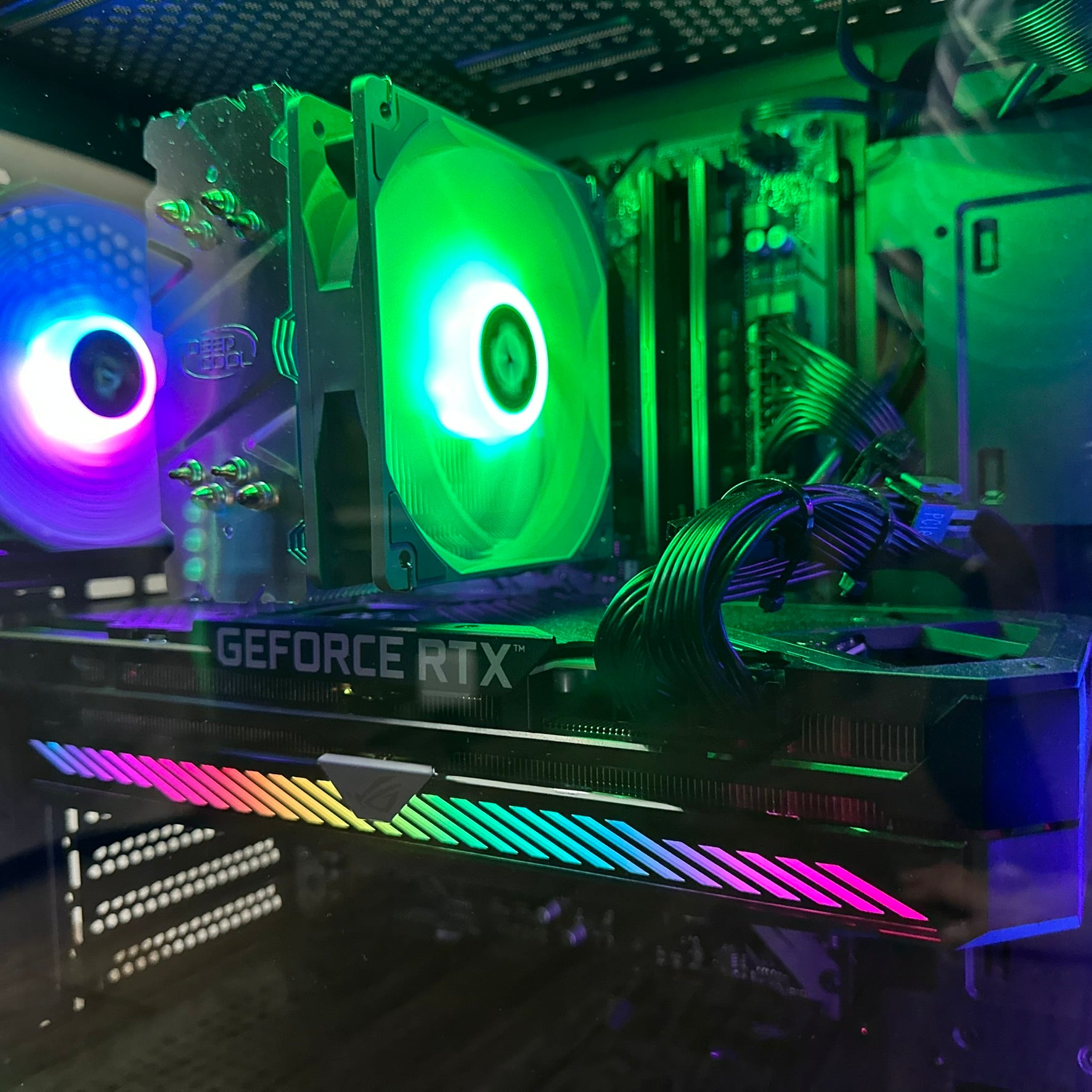


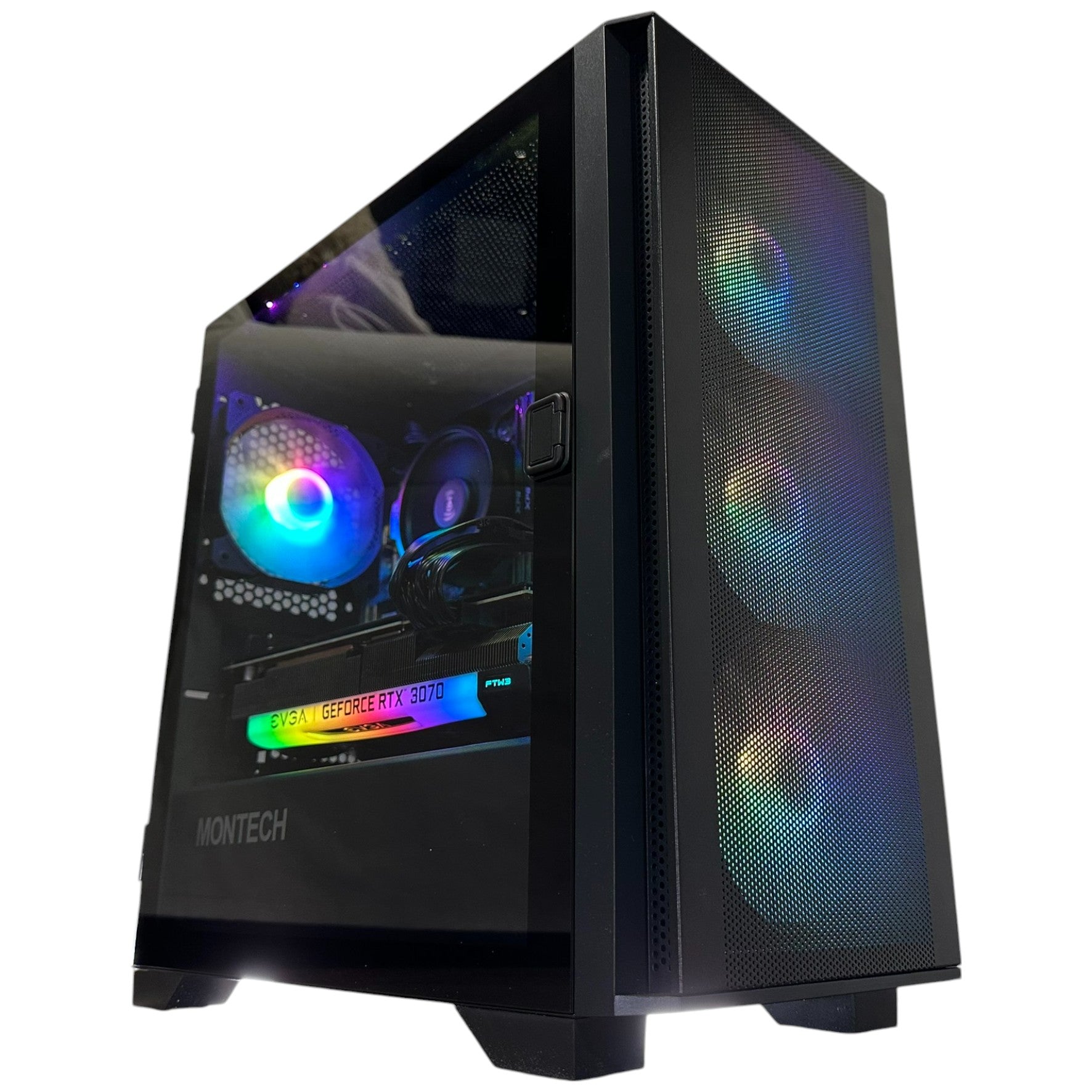
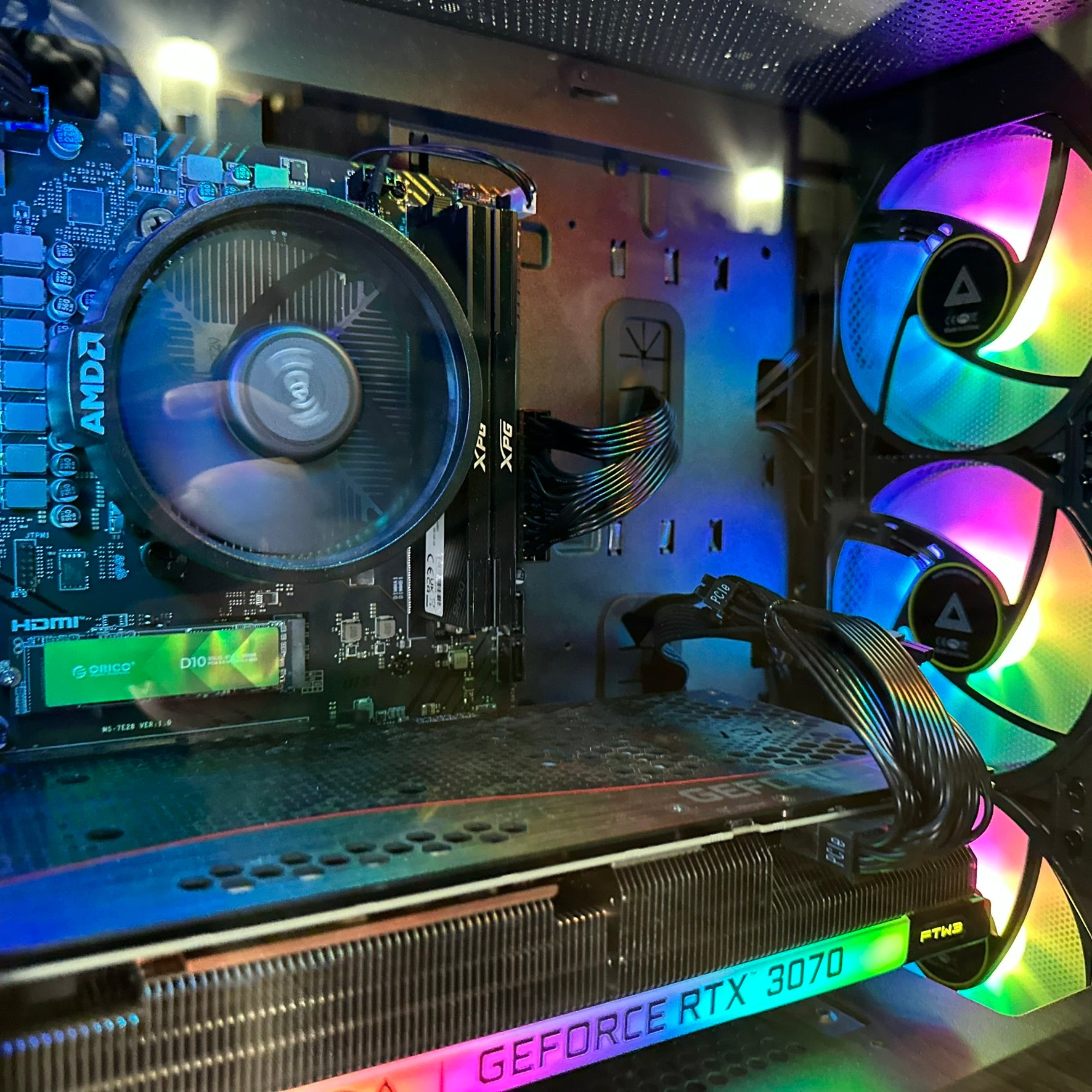
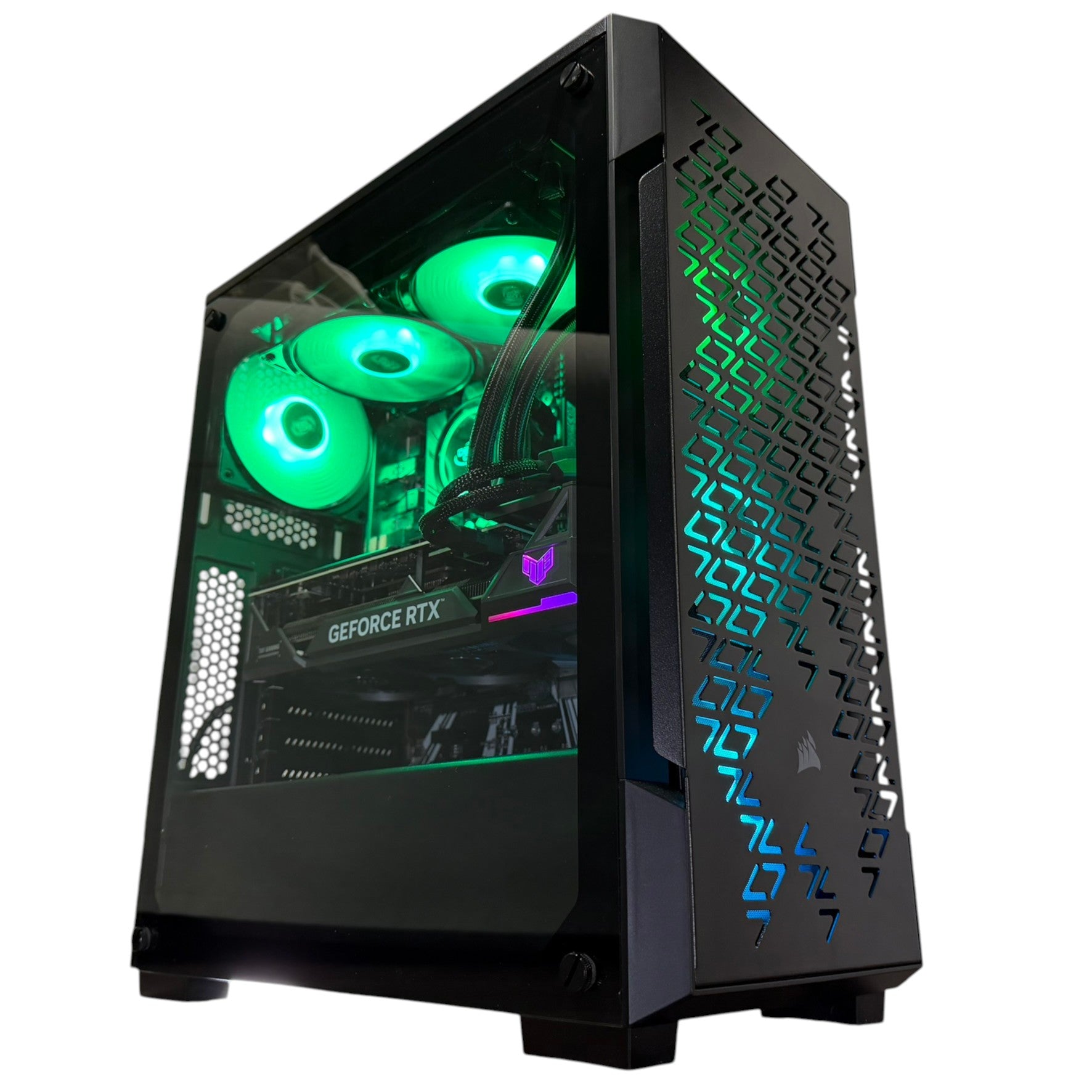

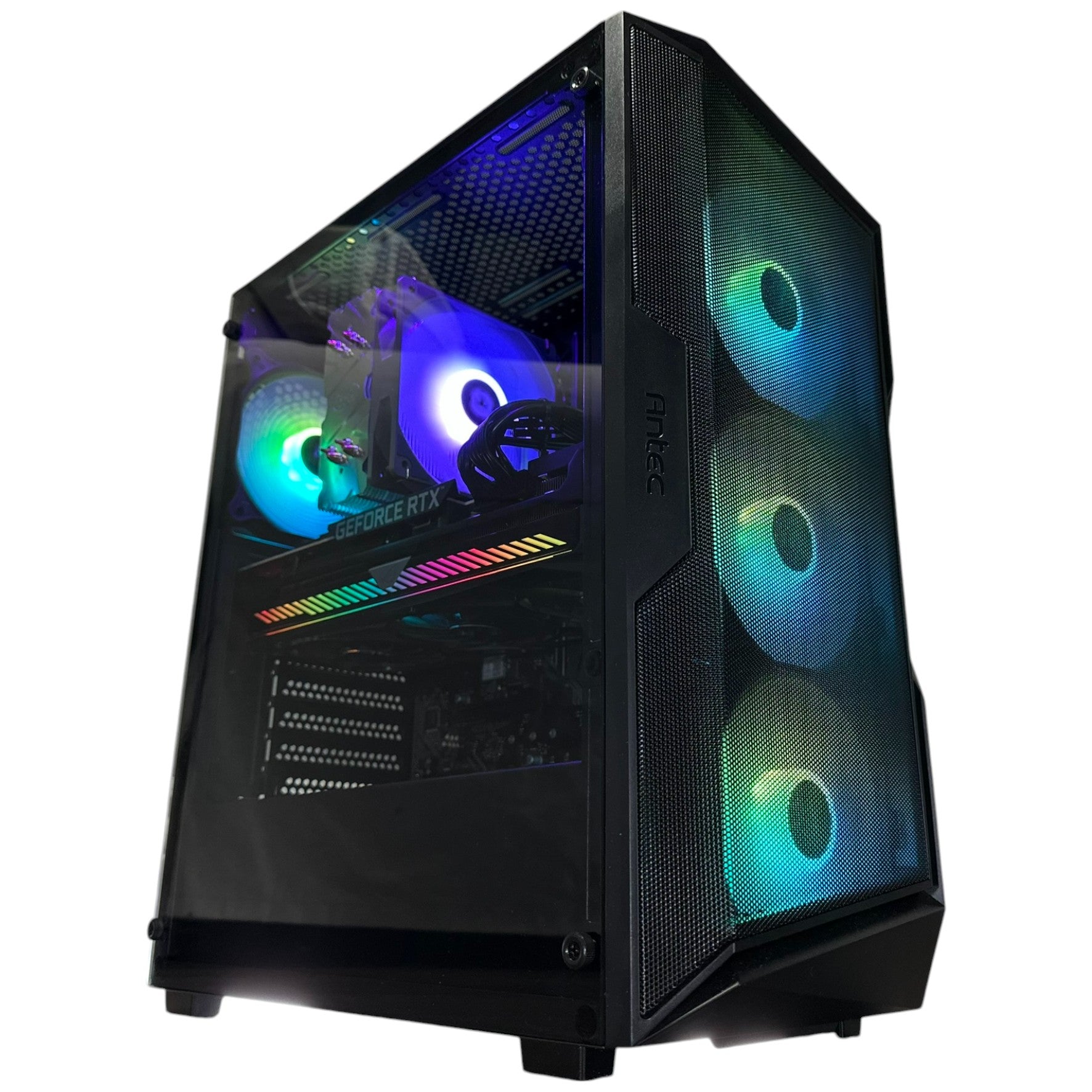

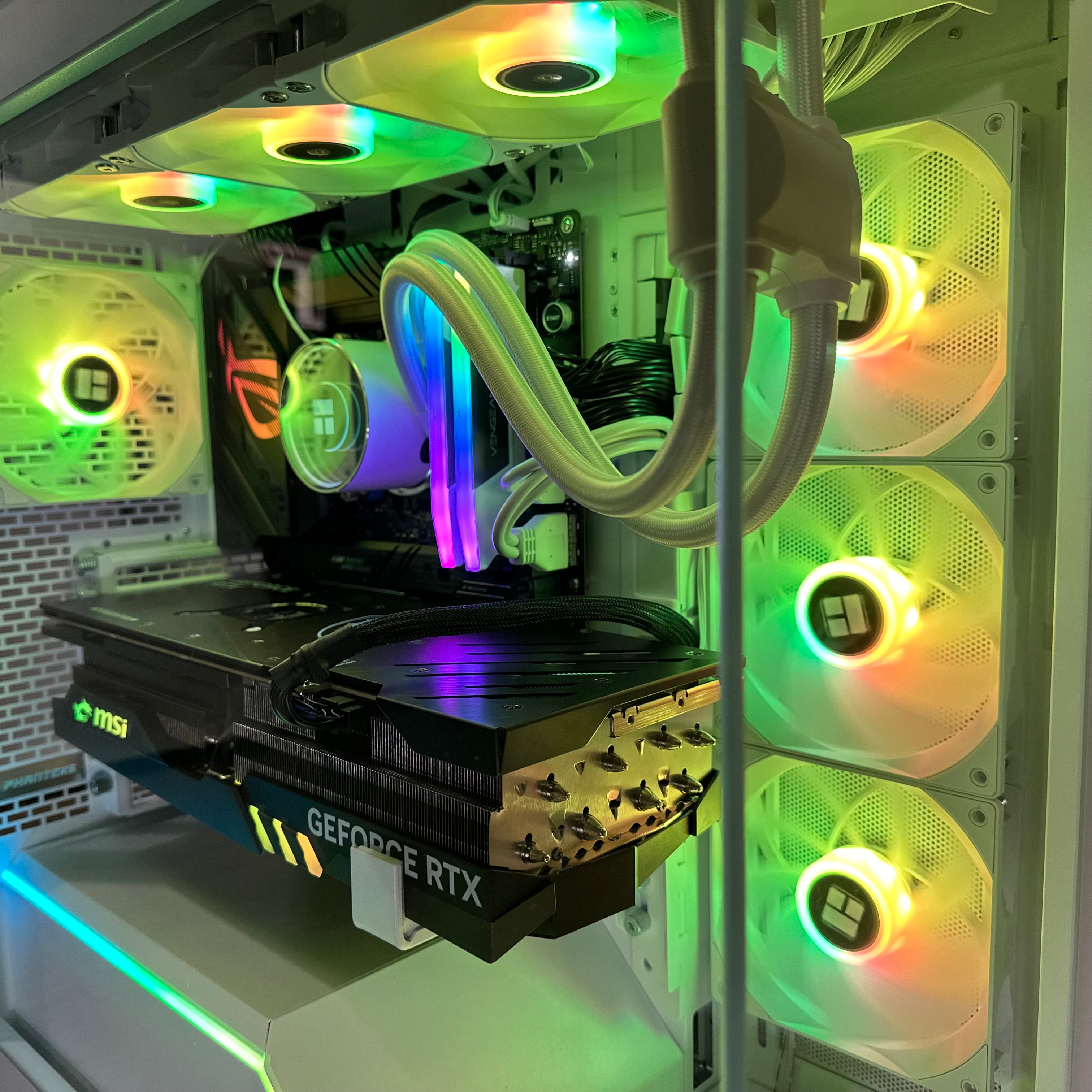
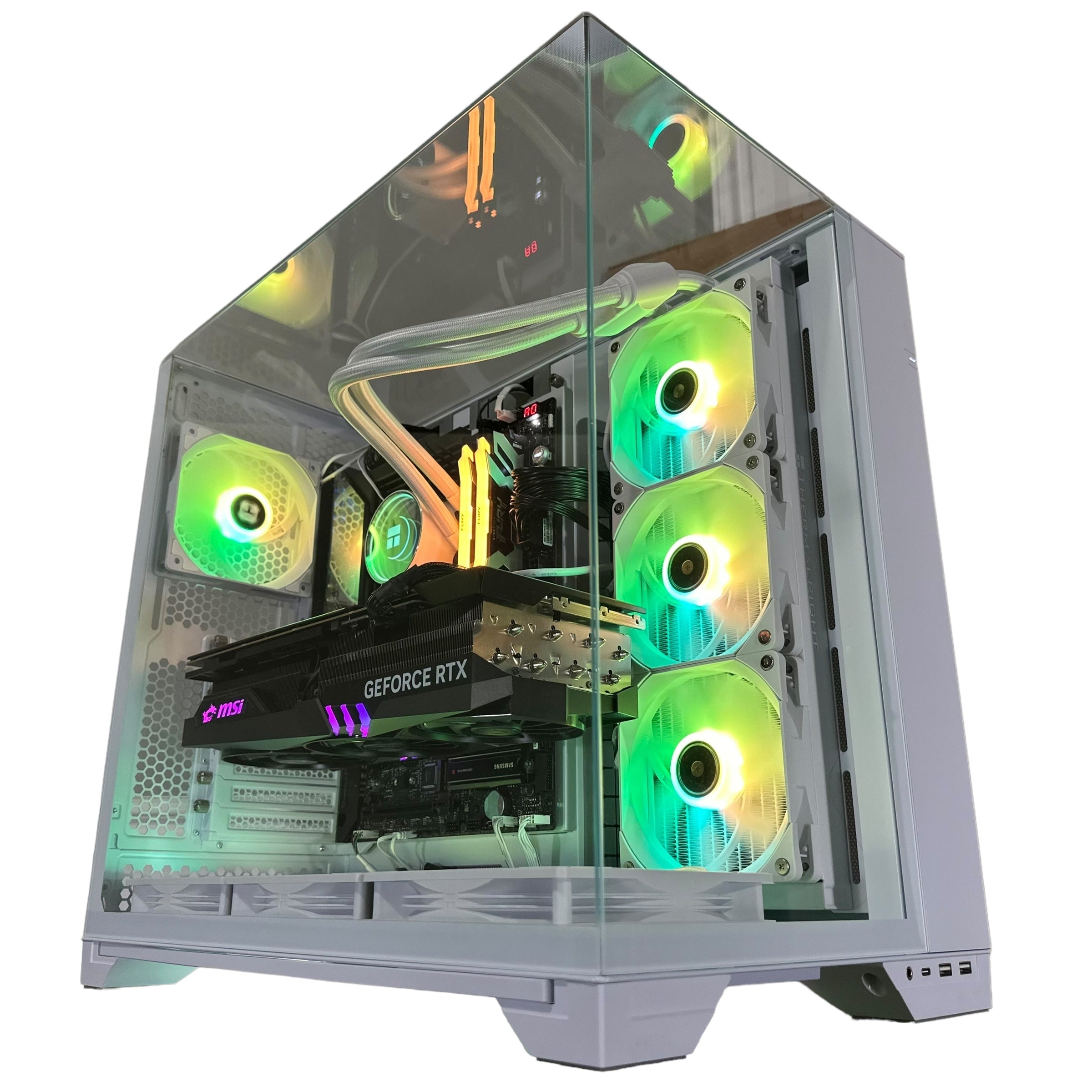
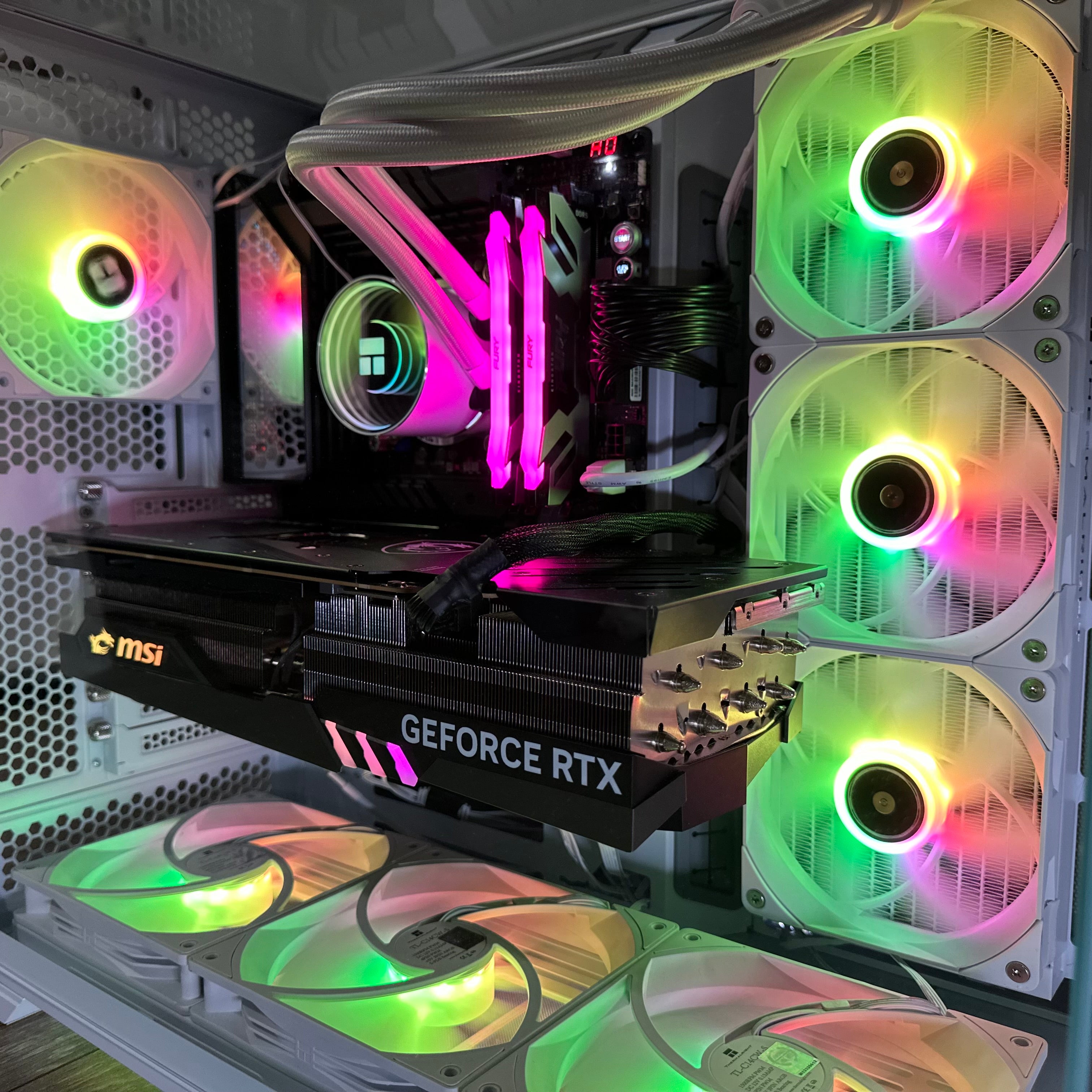

What Happens After GTA 6? Why This Gaming PC Canada Buying Guide Matters More Than Ever
After years of rising expectations, blockbuster budgets, and nonstop discussion about realism in games, one question is starting to matter to actual buyers more than any industry debate: what happens after GTA 6, and what kind of system should you buy for what comes next? For anyone researching a Gaming PC Canada purchase, this is no longer just a conversation about one game. It is about timing, value, hardware pressure, long-term performance, and whether your next PC should be built only for gaming or for everything else you do too.
The source article makes a sharp point: GTA 6 may be one of the last mega-budget games able to dominate the market through sheer visual spectacle. That matters because it changes how buyers should think. If one title can push expectations sky-high, does that mean every future PC has to be massively expensive? Or does it mean smart buyers should focus less on hype and more on the right performance tier for the games, software, and workloads they actually use every week?
For Canadian shoppers, that question is even more practical. Hardware pricing pressure, demand spikes around major game launches, the cost of replacing underpowered components too early, and the value of financing a better-fit custom build all make this a real buying decision, not just a gaming headline. If you are considering a new custom desktop, now is the time to ask what you really want your next system to do.
What the GTA 6 conversation gets right about the future of PC hardware
The core idea behind the source article is simple: ultra-realistic blockbuster games are becoming harder and more expensive to make, while player tastes are spreading across more styles, genres, and performance needs. That is a major shift. It means one buyer may want a PC for open-world AAA gaming at 1440p with ray tracing, while another wants the best value system for esports, streaming, and editing clips for social media.
It also means visual realism alone is no longer the only reason to spend more. A stronger PC today is often justified by smoother frame rates, faster loading, quieter cooling, better multitasking, cleaner streaming, faster exports, and a longer useful lifespan. That is where a well-planned custom build becomes more valuable than chasing specs blindly.
In other words, GTA 6 may become a benchmark moment, but your buying decision should still be based on your own use case. Are you trying to play new open-world games at high settings for the next several years? Are you planning to stream to Twitch or YouTube? Do you also edit 4K footage, create thumbnails in Photoshop, build assets in Blender, or run demanding creative software alongside your games?
Why Canadian buyers should think differently after a massive game release
Big game launches do not just affect online discussion. They often influence buying behaviour across the whole market. When anticipation builds around a major release, more people start shopping for GPUs, CPUs, SSDs, memory, monitors, and complete systems at the same time. That can tighten availability and put pressure on system pricing in Canada.
Canadian buyers also deal with realities that many generic U.S.-focused buying guides ignore. Exchange-rate sensitivity can affect landed component costs. Canada-wide shipping matters. Warranty support matters. Part matching matters. And when you are investing thousands of Canadian dollars into a custom system, getting the balance right the first time matters even more.
That is why a weak “good enough for now” system can become expensive later. If you buy a lower-tier build that barely handles today’s big games, then add streaming, editing, or creator workloads six months later, you may end up replacing multiple parts sooner than expected. A smarter approach is to decide what level of gaming and productivity you want over the next few years, then choose a system that actually supports that plan.
What do you want your next PC to do for you?
This is the question too many buyers skip.
Do you want a machine that simply runs new games? Do you want one that delivers high FPS in competitive titles? Do you want to experience cinematic AAA releases at 1440p or 4K? Do you want to stream and game on one system without stutters? Do you want to edit YouTube videos faster, manage large photo libraries, create digital art, or render 3D scenes without turning every project into a waiting game?
If you are unsure, start with the real-world tasks that matter most to you:
- Gaming only: single-player AAA games, esports, modded games, open-world titles
- Gaming + streaming: OBS, Streamlabs, Discord, browser tabs, recording gameplay
- Gaming + editing: Premiere Pro, DaVinci Resolve, Photoshop, thumbnail design
- Creator-focused work: Adobe Creative Cloud, CapCut, Lightroom, Illustrator, After Effects
- 3D and workstation use: Blender, Unreal Engine, CAD, rendering, simulation, heavy multitasking
The right answer changes the build. A PC that is ideal for high-FPS 1080p gaming is not automatically ideal for 4K video editing or Blender rendering. Likewise, a system built only around raw GPU power may not be the best balanced option for creator workflows that benefit heavily from CPU performance, RAM capacity, storage layout, and stability.
What gaming performance tier actually fits you?
One of the biggest mistakes buyers make after a major game reveal is assuming they need the highest-end machine available. Sometimes that is true. Often it is not. The smarter move is to match your budget and goals to the right performance tier.
Entry-level and value-focused: is a budget gaming build enough?
If your main goal is 1080p gaming, esports titles, lighter multiplayer games, indie hits, or older AAA games at strong settings, a value-oriented build can make excellent sense. This is often the right lane for first-time desktop buyers, students, and anyone asking, how much should I spend on a gaming PC?
A good budget-oriented system should still be selected carefully. You want enough CPU headroom, fast SSD storage, and a GPU that will not feel outdated immediately. If your plan is to play current games today and gradually explore bigger releases later, ask yourself: will this system still feel comfortable one or two years from now, or will I be shopping for upgrades too soon?
Mid-range sweet spot: the best fit for most buyers
For many shoppers in Canada, the real sweet spot is 1440p gaming with strong overall balance. This performance tier is often ideal for buyers who want to enjoy modern AAA titles, maintain better visual quality, and still have room for some streaming, editing, and multitasking.
If you are asking what PC do I need for 1440p gaming, this is likely where your search should begin. It is also one of the strongest categories for customers who want a Custom Gaming PC Canada build that feels premium without jumping all the way into flagship pricing.
This tier often makes the most sense for players looking ahead to demanding open-world games. Why? Because it gives you better longevity than bargain-basement hardware without forcing you to pay for performance you may never use.
High-end and premium: when is it worth stepping up?
If your goal is 4K gaming, ray tracing, ultra settings, high refresh performance in demanding titles, or a system that also handles streaming and creator work at a high level, then premium hardware starts to make more sense. This is the category for customers who want a machine built with fewer compromises and a longer runway.
Ask yourself honestly: are you buying for today only, or are you trying to avoid a major upgrade cycle for as long as possible? If you want one system that can tackle big games, record and stream cleanly, edit footage efficiently, and stay relevant through the next wave of demanding releases, then a stronger build can be the more economical choice over time.
Is GTA 6 the reason to upgrade, or just the wake-up call?
For some buyers, one huge game becomes the trigger. But the real reason to upgrade usually goes deeper. Maybe your current system struggles with stuttering, frame pacing, or background tasks. Maybe your SSD is full, your CPU is aging, or your GPU can no longer deliver the settings and frame rates you want. Maybe editing clips, exporting videos, or multitasking during streams has become frustrating.
That is why the better question is not simply, can my PC run this game? The better question is: what else do I need my next PC to handle after the hype dies down?
If a blockbuster release gets you shopping, use that moment to build smarter. A great custom PC should not only carry you through one launch window. It should make your entire gaming and creative setup better day after day.
Do you need a gaming PC, a creator PC, or one system that does both?
Many buyers no longer fit neatly into a single category. They game, stream, edit, post clips, design thumbnails, manage social media assets, and sometimes experiment with 3D software too. That is exactly why all-in-one build logic matters.
If you only read gaming headlines, you may think the decision is mostly about graphics settings. In reality, hybrid users need more thoughtful system planning. A Creator PC Canada buyer may also care about gaming performance. A gamer may also need Adobe apps. A streamer may also want fast timeline playback in editing software.
So what should you choose?
- Choose a gaming-first build if gaming is your main priority and creative tasks are occasional.
- Choose a gaming and streaming build if you regularly record, stream, use OBS, and want cleaner multitasking.
- Choose a creator-focused build if video editing, design work, and production speed are central to your workflow.
- Choose a workstation-style build if you use Blender, Unreal Engine, CAD, simulation tools, or heavy rendering software.
If that sounds like your situation, a one-size-fits-all preconfigured approach can leave performance on the table. A properly chosen custom build gives you better component balance for the things you actually do.
What if you stream, edit, and create content too?
This is where a lot of generic game-focused buying advice falls short. The demands of a Streaming PC Canada or Content Creation PC Canada system are different from the demands of a gaming-only desktop.
Do you want to stream at 1080p while gaming at high settings? Do you want to record footage locally without ruining in-game smoothness? Do you want to edit highlight reels, YouTube videos, TikTok clips, or longer-form content efficiently? Do you use Photoshop, Lightroom, Illustrator, or Premiere Pro between gaming sessions?
If yes, your PC needs to be built with more than just average frame rate in mind. You should be thinking about:
- CPU strength for multitasking and encoding support
- GPU acceleration for gaming, streaming, and creator software
- RAM capacity for heavier workflows and multiple open applications
- Fast NVMe SSD storage for game loads, footage, cache files, and exports
- Cooling and airflow for sustained performance under longer sessions
A system that feels great in a 10-minute benchmark can still feel weak in actual daily use if it is not balanced around your real workflow.
What if your next PC is really for video editing, photo editing, or design?
The “after GTA 6” discussion is also relevant to non-gamers and mixed-use buyers, because it highlights a larger truth: chasing visual fidelity is expensive, and smart spending comes from prioritizing where performance actually helps you.
If your real bottleneck is editing or design work, then your best upgrade path may not be “more gaming power” alone. It may be a proper Video Editing PC Canada, Photo Editing PC Canada, or Graphic Design PC Canada build.
For video editors
If you work in Premiere Pro, DaVinci Resolve, After Effects, or CapCut, ask yourself: do you need smoother timeline playback, faster renders, cleaner multitasking, or support for larger 4K projects? If so, CPU selection, GPU acceleration, RAM capacity, and storage planning all matter.
A gaming-focused system can sometimes edit just fine, but if editing is central to your workflow, a purpose-built creator system is often the better long-term investment. Time saved on exports and playback stutter adds up quickly.
For photographers and photo editors
If you work in Photoshop, Lightroom, Capture One, or other RAW-heavy workflows, the right system should feel responsive during previews, batch exports, AI-assisted edits, and large catalogue work. You may not need the same GPU-first emphasis as a high-end gaming build, but you do need a snappy, stable, well-balanced desktop with enough RAM and fast storage.
Are you tired of waiting on imports, preview generation, or background processes? That is often a sign your next PC should be planned around workflow speed, not just general specs.
For graphic designers and Adobe Creative Cloud users
If you use Illustrator, Photoshop, InDesign, Canva, Adobe Express, or other creative apps all day, your ideal build should support responsiveness, multitasking, large files, and multi-monitor productivity. The best desktop for designers is not always the flashiest one. It is the one that stays quick, stable, quiet, and productive across your full workday.
What if you need Blender, Unreal Engine, or a true workstation?
The source article focuses on blockbuster games and realism, but there is another side to this hardware conversation: professional and semi-professional users who need a machine for rendering, development, and technical work.
If you are researching a 3D Modeling PC Canada or Workstation PC Canada build, ask yourself some direct questions. Are you modeling in Blender? Rendering scenes? Building environments in Unreal Engine? Working in CAD, Revit, SolidWorks, or simulation-heavy apps? Do you need GPU rendering performance, CPU throughput, massive RAM capacity, or all three?
This is where workstation planning becomes essential. A system built for 4K gaming is not automatically the right system for 3D rendering. Some overlap exists, but your ideal component mix may be very different depending on the software you use and whether your workloads lean more heavily on CPU, GPU, or memory.
If your current system is slowing down professional work, the cost is not just frustration. It is lost time. For many creators and professionals, a stronger workstation pays for itself through productivity.
Is it better to buy now or wait?
This is one of the most important questions any buyer asks after a huge upcoming release enters the conversation.
There is no single answer for everyone, but there are smart ways to think about it.
If your current PC still does everything you need comfortably, waiting can make sense. But if your system is already underperforming, waiting often means continuing to accept compromises while risking higher replacement costs later. Market pressure can come from demand spikes, GPU tier reshuffling, memory pricing changes, storage volatility, and broader hardware availability shifts.
So ask yourself:
- Is your current PC already struggling with the games or software you use now?
- Are you planning to buy before a major release period, sale cycle, or seasonal demand spike?
- Would waiting likely improve your situation, or just delay an inevitable purchase?
- Will a cheaper stopgap system cost more when you upgrade again sooner than planned?
If you know you need a stronger machine in the near term, a well-timed purchase can be the better move.
Could financing help you secure the right build before prices change?
For many buyers, the smartest decision is not always buying the cheapest system they can afford today. Sometimes it is securing the right custom build now, before pricing conditions get worse or their current system becomes a bigger bottleneck.
That is where financing enters the conversation in a practical way, not a gimmicky one.
If you are comparing a lower-spec compromise build against a better long-term system, ask yourself: would monthly payments make it easier to get the performance tier you actually need now? Would financing help you avoid buying underpowered hardware and replacing it too early? Would a stronger PC improve your gaming experience, stream quality, editing speed, or work output enough to justify the step up?
For buyers across Canada, this can be the difference between settling and buying properly. Groovy Computers offers options that can help customers finance a stronger system for up to 4 years, which can make a meaningful difference when you are trying to balance performance, longevity, and budget.
Should you buy a cheaper PC now or finance a better one?
This is one of the most useful buyer questions in the current market.
A cheaper system can absolutely make sense if your needs are light and your expectations are realistic. But if you already know you want 1440p gaming, heavier AAA titles, streaming capability, creator software performance, or longer-term headroom, then buying too low can become the expensive option.
Think through the total value, not just the initial price tag in Canadian dollars:
- Will the cheaper build need upgrades much sooner?
- Will you outgrow its GPU or RAM before the system is paid off in practical terms?
- Will weak cooling, poor part balance, or limited storage create daily friction?
- Would a stronger build save you money by lasting longer and doing more?
That is why financing can be worth considering for the right buyer. Not because spending more is always better, but because underbuying can lock you into another purchase cycle sooner than expected.
Why custom builds matter more when the market is unpredictable
When hardware is expensive, expectations are high, and buyers are trying to future-proof intelligently, custom builds become more important than ever. A custom system is not just about personalization. It is about proper part selection, balanced performance, upgrade planning, cooling, stability, and reliability.
If you are asking custom PC vs prebuilt PC Canada, here is the practical answer: a properly built custom desktop is often the better solution when you want a machine designed around your actual goals rather than a generic spec sheet built to hit a broad retail price point.
That matters even more if you are choosing between gaming, creator, and workstation priorities. The right CPU, GPU, memory capacity, motherboard platform, PSU quality, storage layout, and airflow design should all reflect how you intend to use the machine.
That is why Canadian buyers often look for Canadian Custom PC Builders instead of random marketplace listings. Expertise matters. Testing matters. Warranty support matters. And when you are relying on your PC for gaming, streaming, school, content creation, or work, peace of mind matters too.
What should you ask before ordering your next custom PC?
Before you buy, it helps to ask a few direct questions:
-
What games or software will I use most often?
AAA open-world games, esports, Adobe apps, Blender, OBS, or all of the above? -
What resolution and settings do I actually want?
1080p, 1440p, or 4K? Competitive settings or visual max-out settings? - Do I want ray tracing, high refresh performance, or both?
- Will I be streaming or recording gameplay?
- Will I edit video, work with RAW photos, or run design software too?
- How long do I want this system to feel strong before a major upgrade?
- Would monthly payments help me buy the right build instead of a short-term compromise?
- Do I want a tested custom system with warranty support from a Canadian company?
These questions are not sales fluff. They are the difference between a PC that fits your life and one that only looks impressive in a product title.
Why Groovy Computers is a strong fit for Canadian buyers
Groovy Computers is positioned for exactly the kind of buyer this moment creates: customers in Canada who want more than vague advice and generic specs. Whether you need a gaming desktop, a streaming and editing system, a custom creator PC, or a higher-performance workstation, the value is in getting the build matched to your actual needs.
That means thoughtful custom configuration, rigorous testing, dependable support, and a 1-year warranty that adds confidence to your purchase. It also means Canada-focused service from a builder that understands what local customers care about: practical value, transparent performance, shipping reliability, and sensible upgrade paths.
For customers in Nova Scotia, Trenton, New Glasgow, Halifax, and across Atlantic Canada, that local trust matters. For customers ordering from elsewhere in the country, so does the confidence of working with a Canadian PC builder rather than gambling on unknown listings.
What kind of Groovy Computers build should you be looking at?
If you are still deciding, here is a simple way to narrow it down.
If you want a budget-friendly first gaming desktop
Look for a value-oriented gaming build designed for 1080p, esports, lighter AAA gaming, and a good upgrade path. This is often right for first-time buyers and students who want strong entry performance without overspending.
If you want the best all-around gaming value
Focus on a mid-range custom gaming PC built for 1440p. This tier gives many buyers the best blend of smoothness, visual quality, and longevity. It is also an excellent lane for hybrid gaming and light content creation.
If you want premium AAA gaming and long-term headroom
Consider a high-end gaming desktop that targets 1440p ultra or 4K gaming, stronger ray tracing performance, and better future-readiness. If you want your machine to stay capable through the next several major releases, this is often the smarter long-term route.
If you stream and create content regularly
Choose a gaming and creator-focused system with enough CPU power, GPU capability, RAM, and storage planning to handle streaming, recording, editing, and multitasking comfortably.
If you work in professional creative or 3D software
Move into creator PC or workstation territory. This is where software-specific performance matters more than generic gaming labels. If your PC helps generate income or complete serious projects, a purpose-built system is usually the right answer.
So, what happens after GTA 6?
For the industry, probably more debate about budgets, graphics, realism, performance, and what blockbuster gaming means next. For buyers, the answer is clearer: after GTA 6, the smartest move is not panic-buying the most expensive hardware you can find. It is choosing the right PC for the next several years of gaming, streaming, editing, designing, creating, or working.
That is why this moment matters. A massive game launch shines a spotlight on the market, but your actual purchase should still be about fit. What do you need today? What will you need next year? What will help you avoid upgrading too soon? And if pricing gets tighter, would securing the right system now put you in a better position?
Ready to choose the right system for what comes next?
If you are asking yourself what your next PC should really do, that is the right time to talk to Groovy Computers. Whether you need a custom gaming desktop, a creator-focused system, a workstation, or help deciding whether financing makes sense, the goal is simple: get the right build the first time. Explore your options at GroovyComputers.ca and find the performance tier that actually matches your plans.
In the end, the biggest lesson from the GTA 6 conversation is not just about one blockbuster game. It is about buying intelligently in a market where expectations are high and mistakes are expensive. If you are shopping for a Gaming PC Canada solution, or a custom system that also handles streaming, editing, design, or workstation tasks, the best time to think clearly is before demand spikes and before your current system falls even further behind. A balanced custom build from Groovy Computers can help you play better, create faster, and buy with more confidence.
#GamingPCCanada #CustomGamingPCCanada #GamingPCBuilderCanada #GamingPCForGTA6 #CreatorPCCanada #StreamingPCCanada #VideoEditingPCCanada #GraphicDesignPCCanada #WorkstationPCCanada #CanadianCustomPCBuilders #NovaScotiaPCBuilder #GroovyComputers
Groovy Computers | All Rights Reserved


Leave a comment
This site is protected by hCaptcha and the hCaptcha Privacy Policy and Terms of Service apply.