





Resident Evil Every Year? Why That News Matters If You Need a Gaming PC Canada Buyers Can Count On
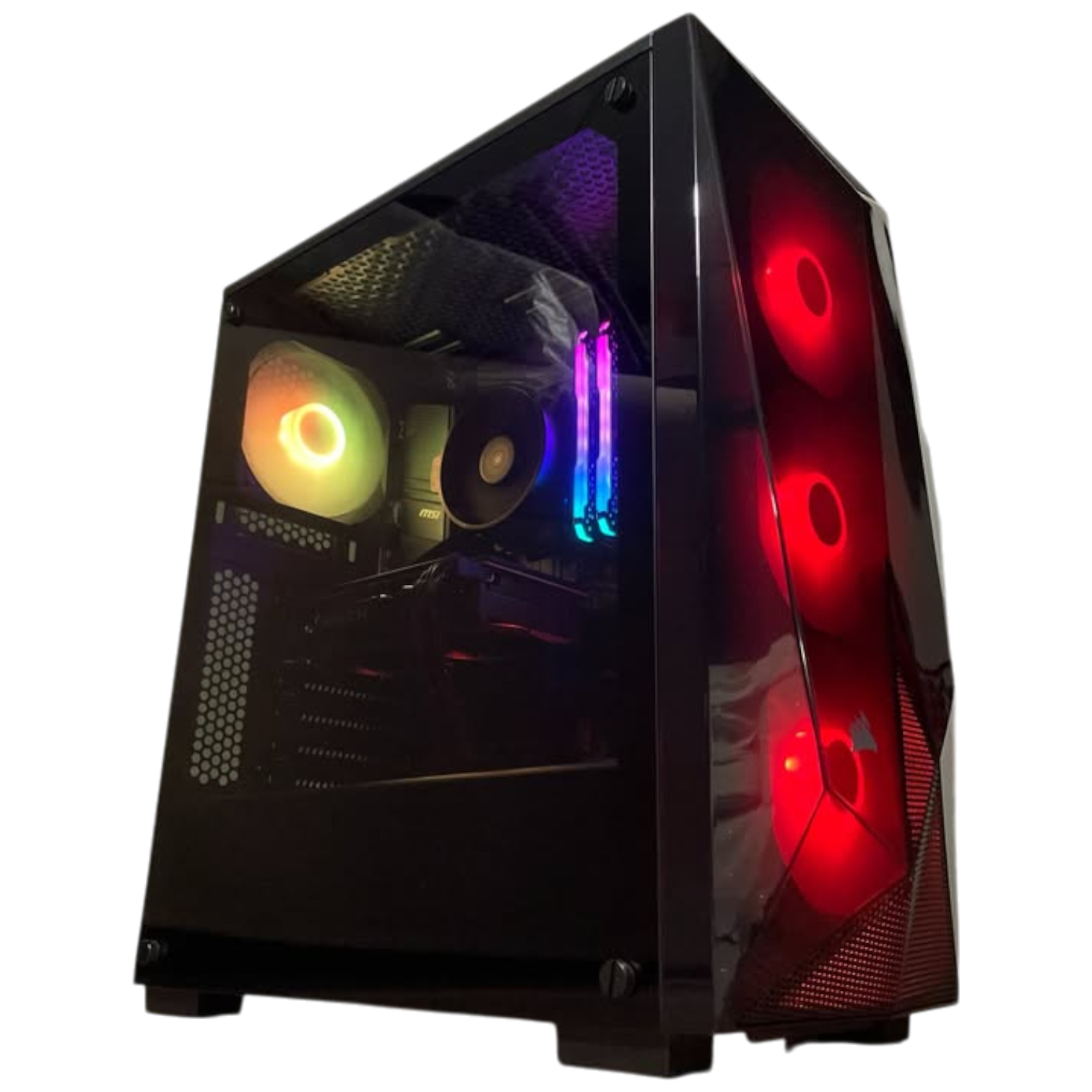
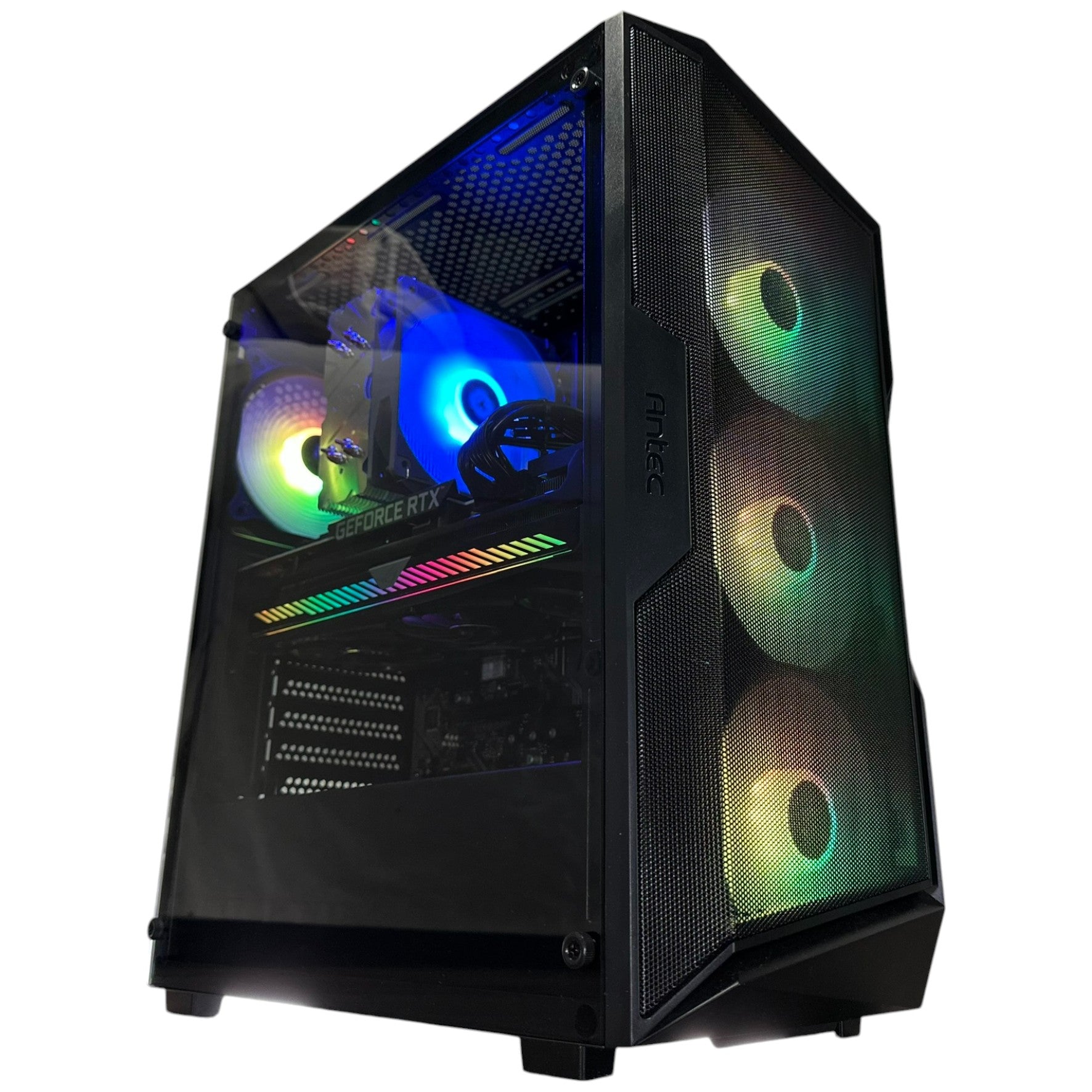
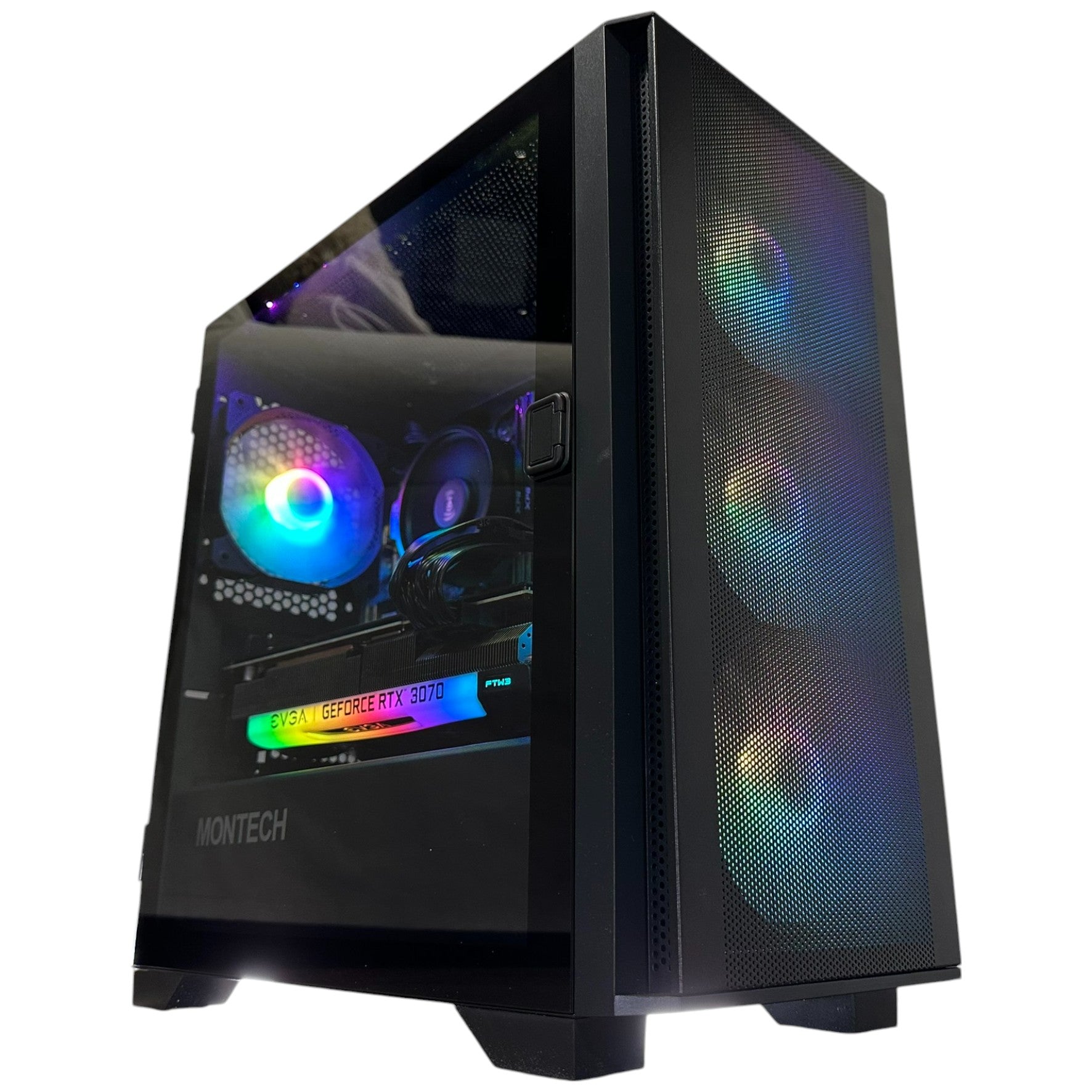
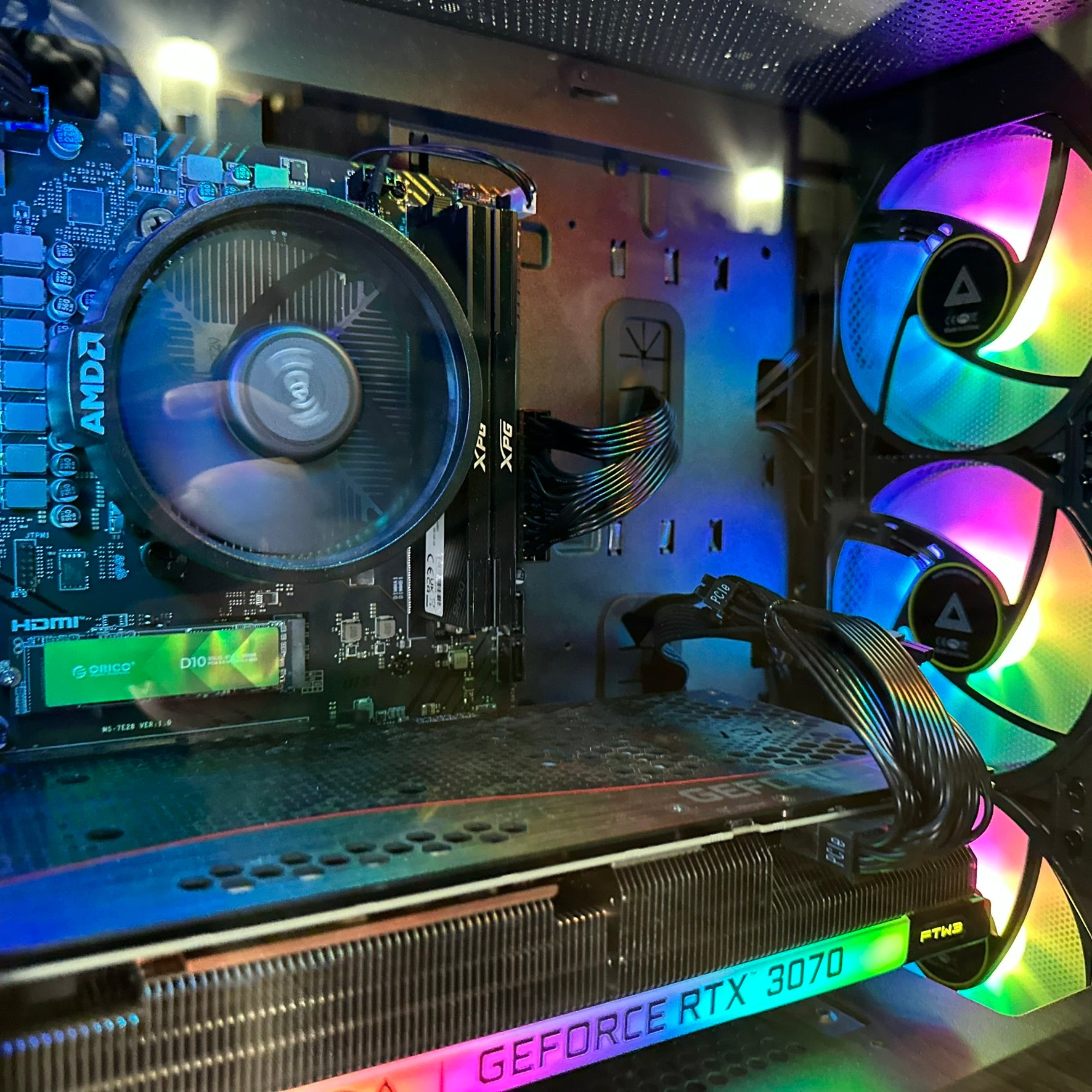
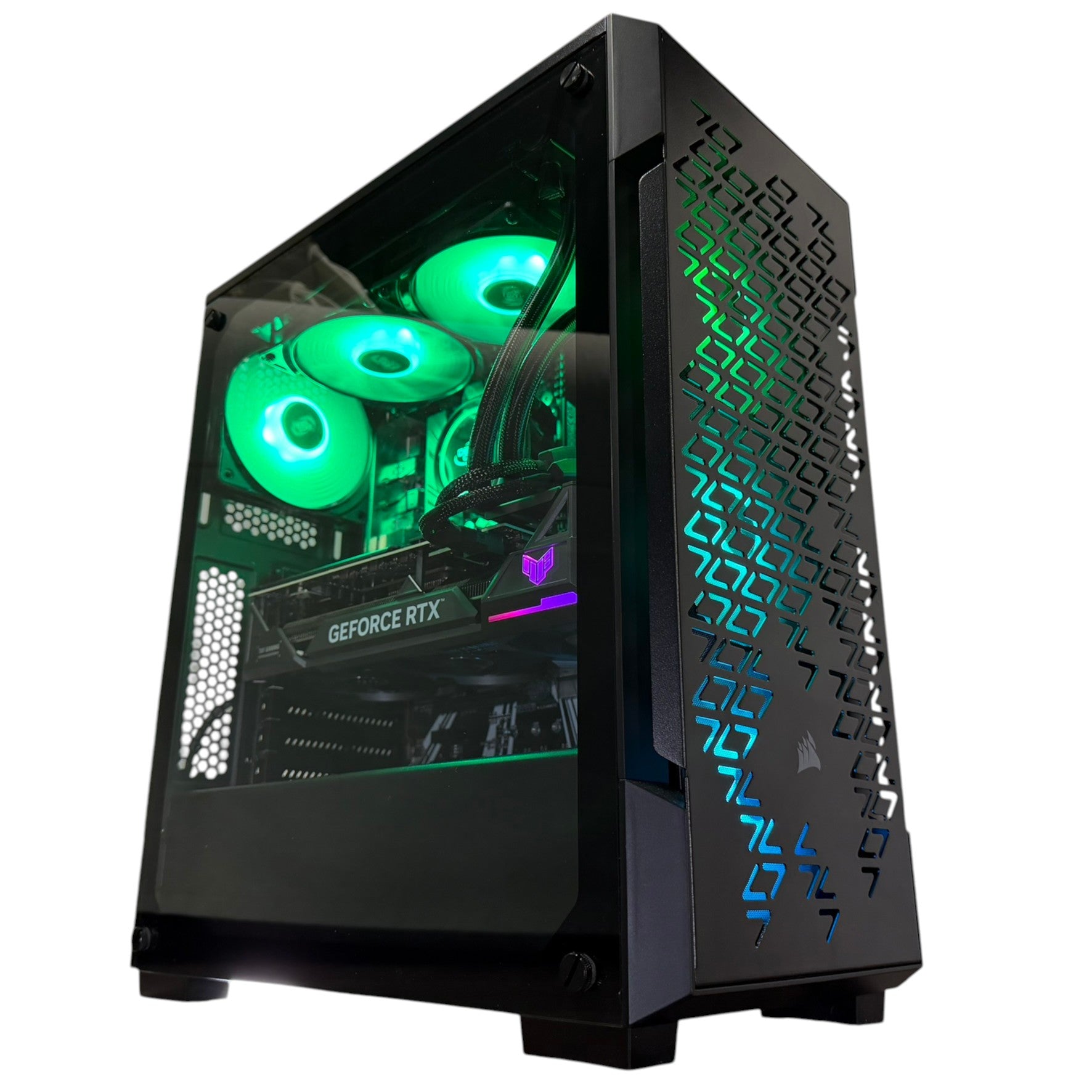
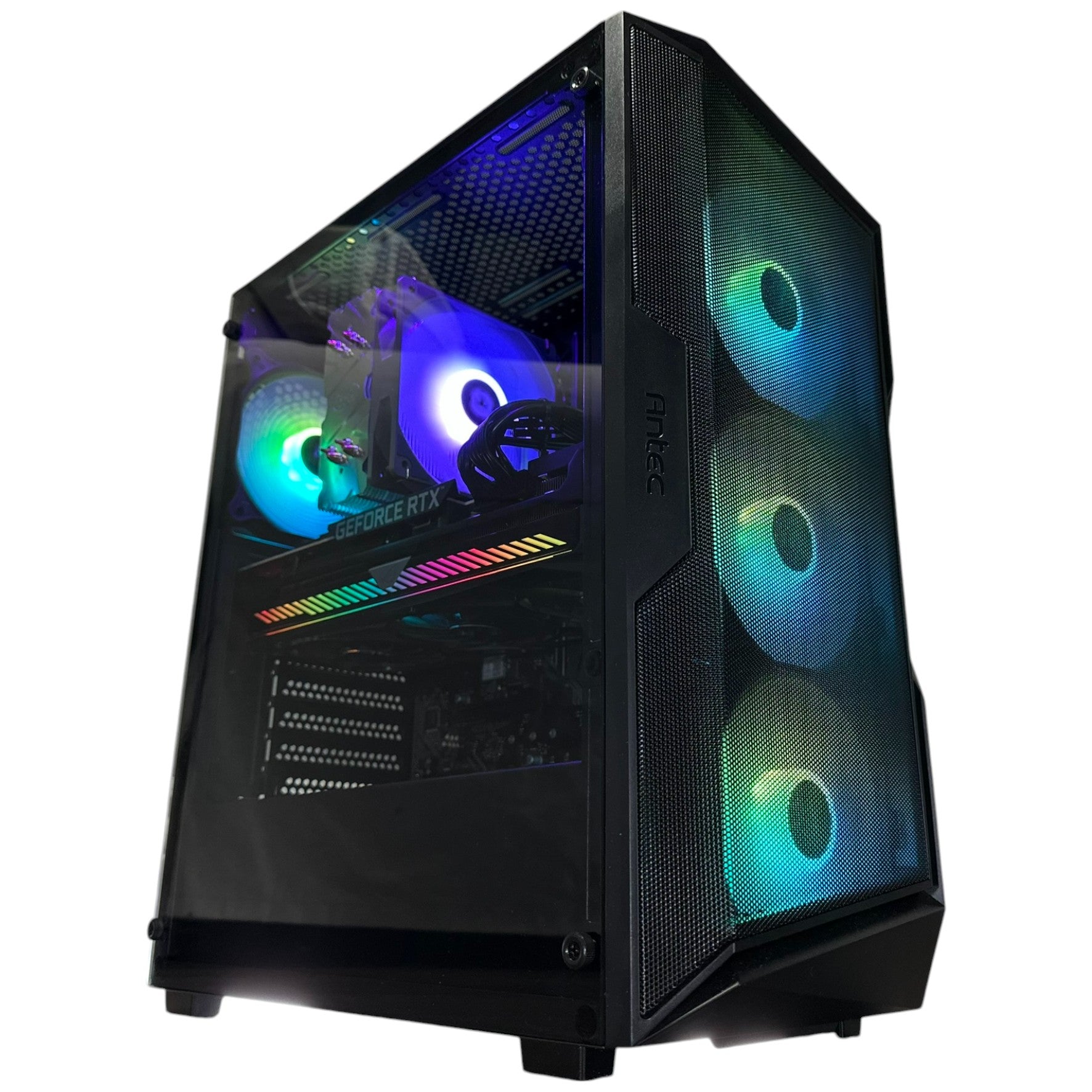
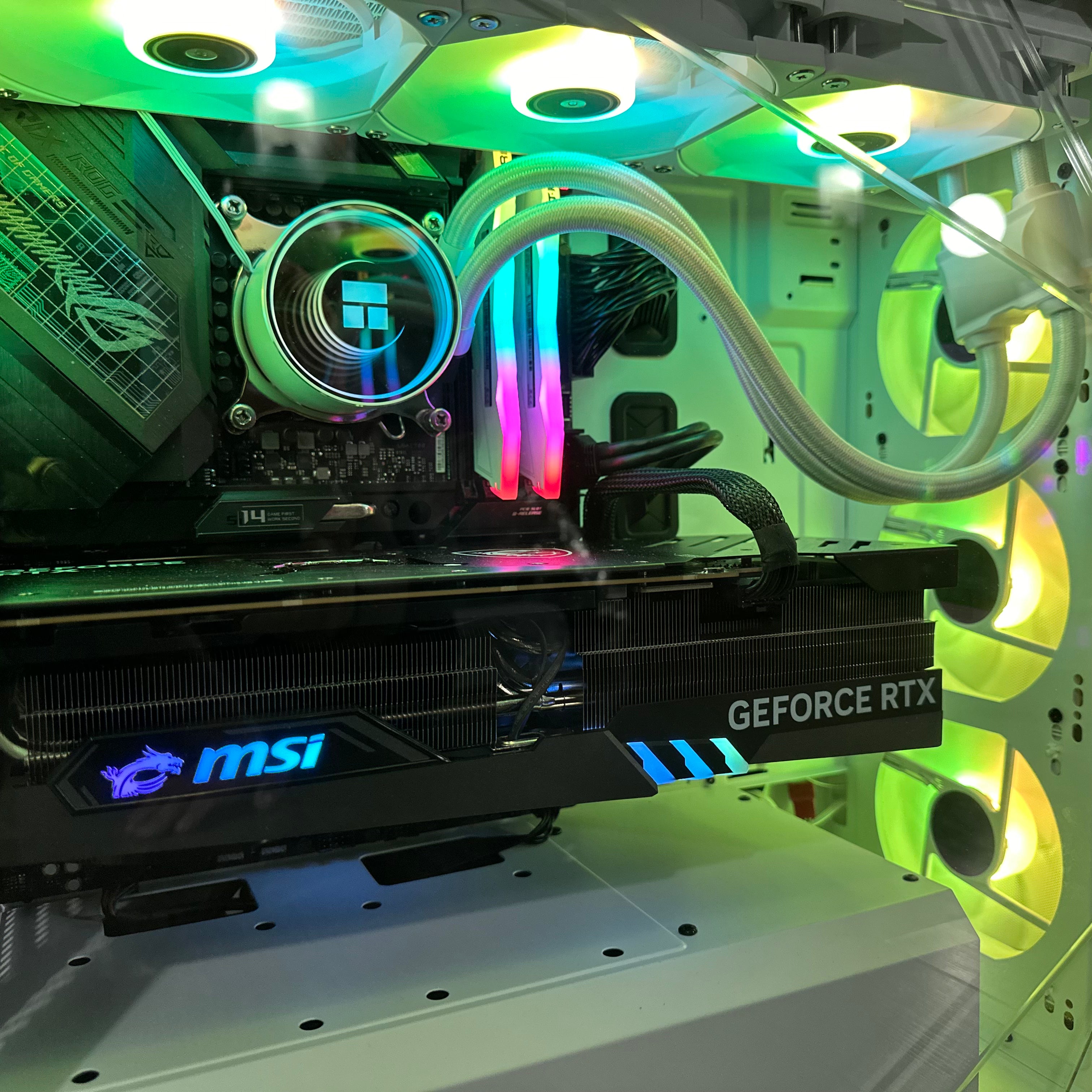
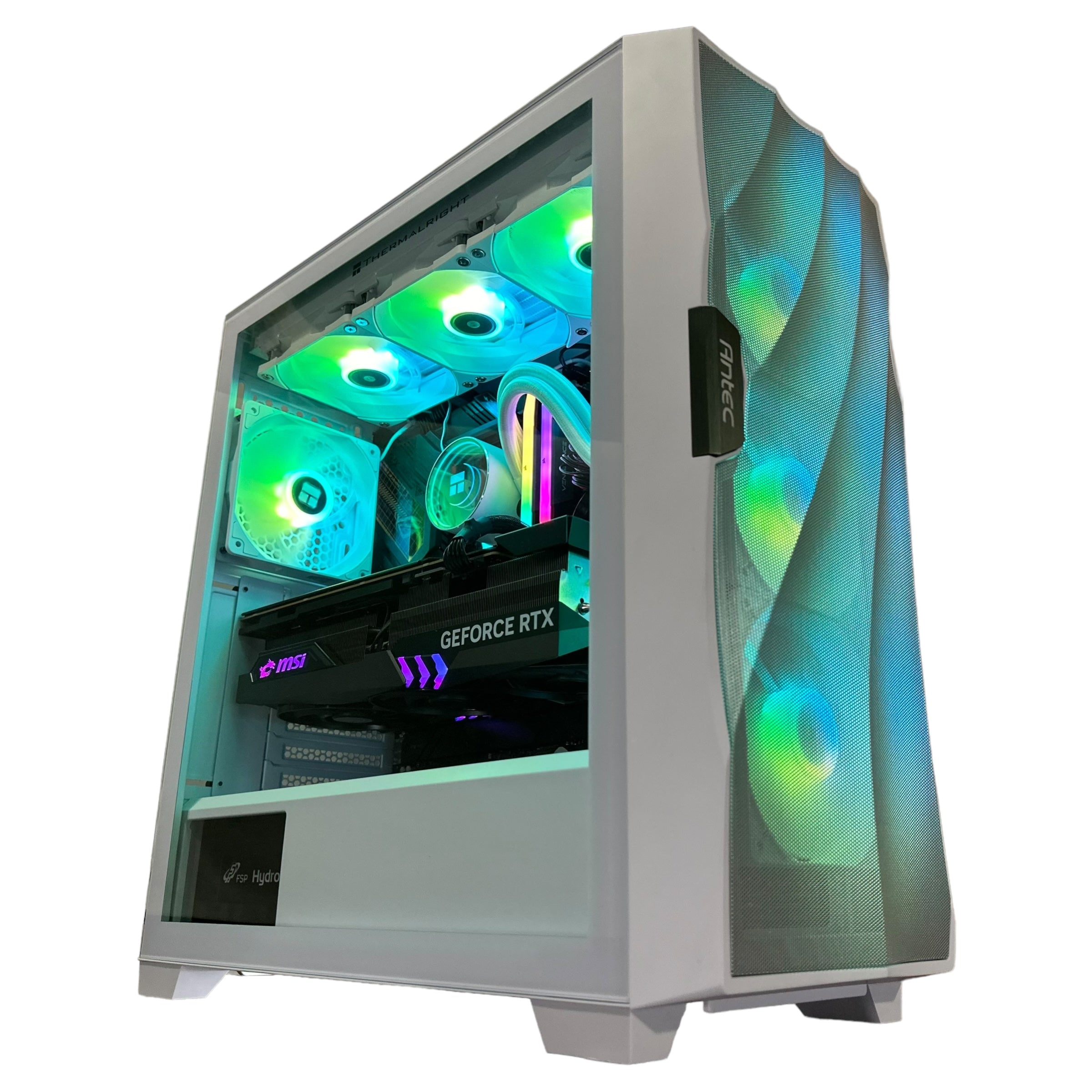
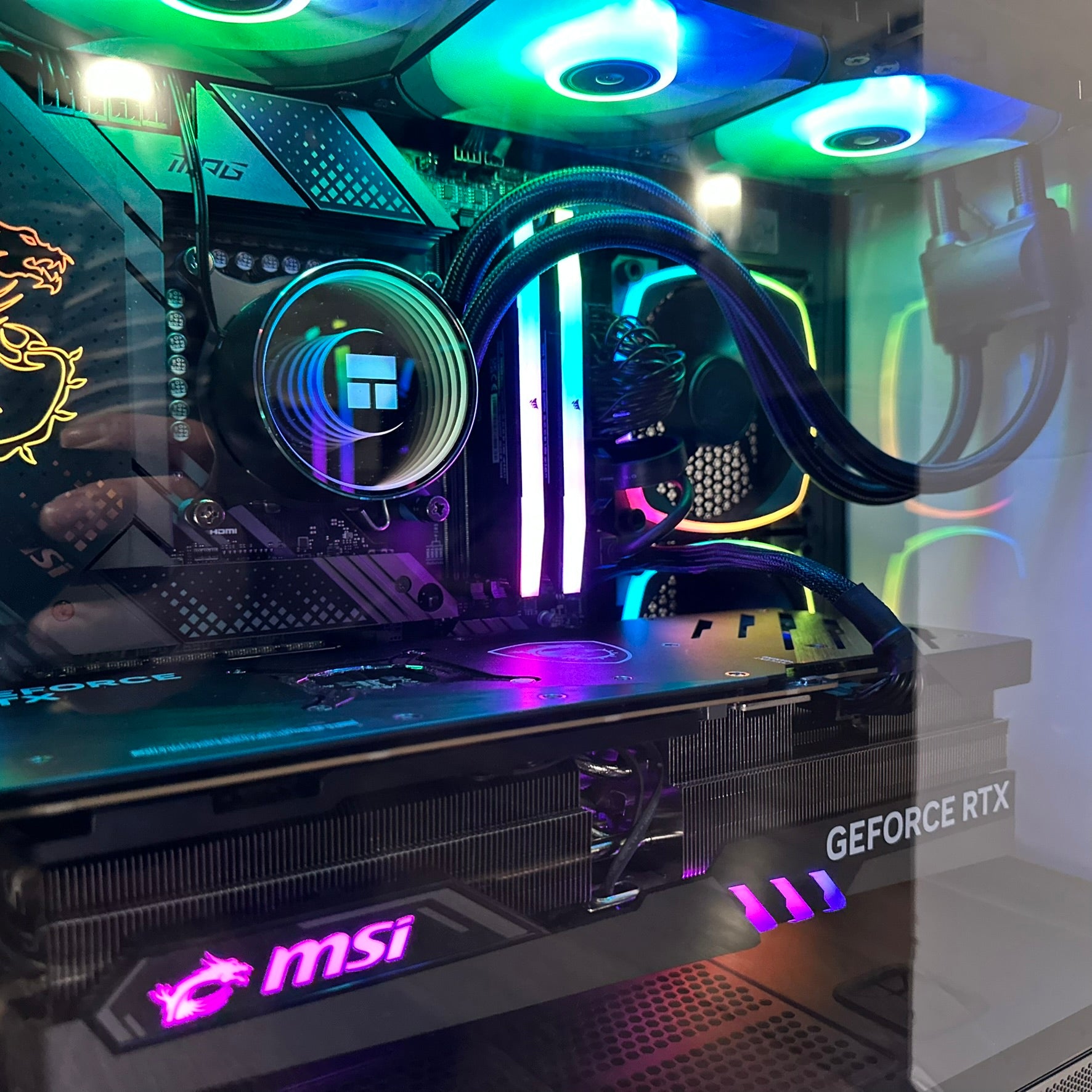
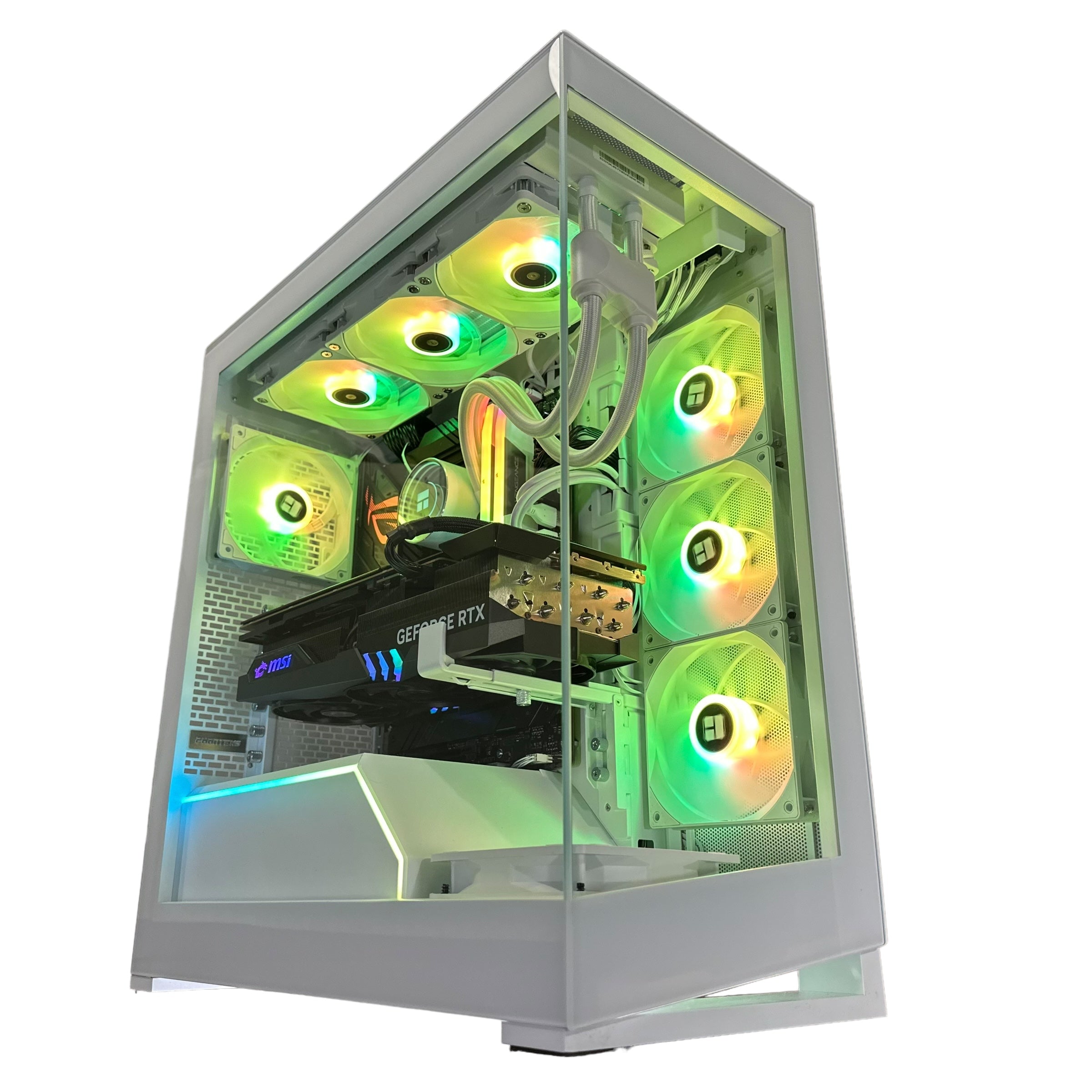
The latest Resident Evil franchise news points to something bigger than one publisher strategy: major game series are becoming more consistent, more technically ambitious, and more demanding on hardware over time. That matters if you are shopping for a Gaming PC Canada buyers can rely on for upcoming releases, smoother frame rates, better visuals, and a system that does not feel outdated too soon. If blockbuster franchises keep pushing annual or near-annual releases through new entries, remakes, and upgraded engines, the real question for Canadian buyers is simple: is your current PC actually ready for what is next?
For Groovy Computers, this is exactly where gaming news turns into practical buying advice. A headline about Capcom wanting to release a Resident Evil title every year is not just industry chatter. It is a reminder that game development pipelines are maturing, remake technology is improving, and publishers are finding ways to keep major franchises in front of players more often. If you love AAA horror, action, open-world games, competitive shooters, or visually intense single-player releases, should you still be planning your next computer around the games of yesterday?
That is the real buying question. Not just, “Can my PC run one game?” but, “What kind of system do I need for the next several years of new games, remakes, patches, ray tracing features, streaming, recording, and creator work?”
What the Resident Evil remake strategy tells us about the future of PC gaming
According to the source article, Capcom sees remakes as a way to help support a more frequent Resident Evil release cadence while also strengthening development capabilities and funding future projects. That is a smart business model, but for PC gamers it also signals something familiar: older franchises are no longer staying old.
Modern remakes are not simple visual touch-ups. They often arrive with rebuilt lighting systems, higher-resolution assets, heavier storage demands, advanced effects, denser environments, and more CPU and GPU load than the original versions ever required. A remake may be based on an older game, but the hardware demands are usually very modern.
That means a game you remember from years ago might come back needing far more graphics power, faster storage, and more memory than you expect. If you are planning around “older games” because you assume they are easier to run, that assumption can break fast.
And it is not just Resident Evil. Across the PC gaming market, publishers are revisiting major franchises while also launching new entries with bigger feature sets. So what happens if you wait too long to upgrade? You may end up buying under pressure, right when a major release hits, when parts are in demand, and when your current machine is already struggling.
Why should Canadian buyers think about gaming hardware differently right now?
Canadian buyers deal with a different purchasing environment than many headline-driven U.S. gaming stories reflect. Here, exchange rates, freight costs, component demand, and regional availability can all affect full-system pricing. Even if one article is focused on game news rather than hardware pricing, the buying lesson still applies in Canada: waiting until a must-play title is already out can leave you with fewer ideal options and less flexibility.
Are you buying before a major horror release, a heavily promoted remake, a holiday demand spike, or a wave of next-gen patches? Are you hoping to stay at 1080p for value, or do you want 1440p high settings with headroom? Do you want ray tracing turned on, or is raw frame rate more important to you? Are you just gaming, or are you also streaming, editing clips, and posting content?
Those questions matter because the right build is not the same for every player. A budget-friendly system for esports and lighter gaming is not the same as a premium RTX setup for cinematic AAA titles. A pure gaming rig is not the same as a gaming-and-streaming system. A gaming tower that can also handle Adobe apps, Blender, or DaVinci Resolve needs different planning again.
That is why custom matters. A properly balanced PC helps you avoid overpaying in the wrong area and underbuying in the one that actually determines your experience.
What do you want your next PC to do for you?
Before looking at any parts list, ask yourself what your next computer is supposed to accomplish over the next few years. Do you want a machine that simply launches games, or one that keeps up with major releases comfortably? Do you want high FPS in competitive titles and enough GPU headroom for cinematic games? Do you want to capture gameplay, stream to Twitch or YouTube, edit videos, or work in Photoshop and Illustrator after gaming sessions?
Maybe your current system still boots fine, but how does it feel in real use? Are load times getting annoying? Are newer games forcing you to lower settings more than you want? Are background apps hurting performance? Are you already thinking, “I can probably make it one more year,” even though you know the next round of releases is going to push your hardware harder?
This is often the point where buyers make the wrong move: they wait until frustration becomes urgent. A better move is to define the job now and choose a system that fits it properly.
If you mainly game, ask yourself:
- Do you play mostly esports titles, or are you buying for heavy AAA games and new releases?
- Do you want 1080p, 1440p, or 4K performance?
- Do you care more about ultra settings or stable value-per-dollar performance?
- Do you want ray tracing and modern visual features?
- How long do you want this system to feel current before you upgrade again?
If you also create content, ask yourself:
- Will you stream while gaming?
- Do you edit short-form clips, long-form YouTube videos, or both?
- Do you use Adobe Premiere Pro, DaVinci Resolve, Photoshop, Lightroom, Illustrator, or OBS?
- Will you benefit from more RAM, more storage, or a stronger GPU for creator workloads?
- Would one stronger system save you time every single week?
If you use professional software too, ask yourself:
- Do you need a machine for Blender, Unreal Engine, CAD, rendering, design, or multi-app productivity?
- Would a workstation-leaning configuration make more sense than a gaming-only build?
- Are you buying to solve lag and downtime, or to grow into heavier work?
What gaming performance tier fits you best?
One of the biggest mistakes PC buyers make is shopping by hype instead of by workload. Not everyone needs a flagship system, but not everyone should buy entry-level either. If annual blockbuster releases and high-profile remakes are part of your gaming habits, your performance target matters more than random marketing claims.
Entry-level and budget gaming
If your focus is lighter games, esports, older titles, indie games, and 1080p gaming with sensible settings, a budget-oriented system may be enough. This is often the right fit for first-time PC gamers, students, and buyers who want good value without chasing every maxed-out visual feature.
But ask yourself honestly: are you actually a budget gamer, or are you trying to force a budget answer onto premium gaming habits? If you regularly play visually demanding games, want high settings, or dislike compromise, an entry-level machine may feel too limited much sooner than you expect.
Mainstream sweet spot for modern AAA gaming
For many Canadian buyers, the best long-term value sits in the mid-range to upper-mid-range category. This is where 1080p ultra and 1440p high-performance gaming become more realistic, and where a stronger GPU starts to make sense for demanding titles, future releases, and some light streaming or editing.
If you are asking, “What gaming PC do I need for new games?” this is often the category worth serious attention. It balances cost, longevity, and real-world enjoyment well.
High-end gaming for 1440p max settings and 4K ambition
If you want premium visuals, strong ray tracing support, high refresh gaming, content capture, and more breathing room for the next wave of releases, a high-end system may be the smarter buy. This is especially true if you know you are picky about visual quality or plan to keep the system for years.
Would you rather buy once at the right level, or buy lower now and feel pressure to upgrade sooner? That question saves many buyers from the classic “cheap now, expensive later” cycle.
Creator-grade gaming systems
If your PC needs to handle gaming plus streaming, gaming plus editing, or gaming plus professional creative work, you may need a creator-focused configuration instead of a gaming-only one. More RAM, more storage, better cooling, and careful CPU-GPU balance matter a lot here.
If your computer is both your entertainment machine and your work machine, should you really choose a build designed for only one side of that equation?
How does this connect to streaming, editing, and creator workloads?
The Resident Evil headline is gaming news, but the buying lesson extends well beyond gaming. Why? Because the same customers who follow major release cycles often record gameplay, stream, edit clips, create thumbnails, build social content, or run multi-use workflows on the same machine.
If that sounds like you, then your next system may need to do more than just hit acceptable frame rates. It may need to run OBS smoothly, keep browser tabs and Discord open, render edits faster, scrub through timelines without stutter, and manage larger project files over time.
Do you need a gaming and streaming PC?
If you stream gameplay or want to start, you should think about your system as a Gaming and Streaming PC Canada buyers can grow into, not just a gaming box. Streaming adds overhead. Recording adds overhead. Running chat, alerts, capture tools, and browser windows adds overhead.
Are you aiming for casual 1080p streaming, or do you want a setup that still feels smooth when your game gets demanding? Do you want to stream horror games, action games, and cinematic titles without sudden drops when things get busy on screen?
A better-balanced CPU and GPU combination, enough RAM, and fast SSD storage can make a noticeable difference in how cleanly your full setup performs.
Is a gaming PC good for video editing too?
Sometimes yes, but not always in the way buyers assume. A gaming-focused tower can be a good starting point for editing, especially if it has a strong GPU and decent processor, but serious video editing often benefits from more memory, more storage, and a workflow-first component balance.
If you are cutting gameplay clips, YouTube videos, shorts, or promotional content, ask yourself: do you just need basic exports, or do you want a Video Editing PC Canada buyers would choose for smoother timelines and less waiting? If your projects are getting heavier, your PC should keep pace.
For Premiere Pro, DaVinci Resolve, and similar software, the right build can save time every week. Faster previews, faster exports, fewer slowdowns, and better multitasking all add up.
What about photo editing and graphic design?
Plenty of gamers are also photographers, marketers, students, designers, or business owners. If your PC also needs to handle Photoshop, Lightroom, Illustrator, Canva workflows, or Adobe Creative Cloud in general, do not treat that as an afterthought.
A Photo Editing PC Canada buyers can trust needs responsiveness, storage speed, memory headroom, and display-conscious performance planning. A Graphic Design PC Canada setup benefits from smooth multitasking, stable application performance, and room for large layered files.
Are you editing RAW photos? Designing brand assets? Working across multiple monitors? Running AI-assisted creative tools? Those needs should influence your build now, not after you discover a bottleneck later.
Do you need a content creation PC instead of a pure gaming system?
If you split time between gaming, editing, streaming, thumbnails, audio cleanup, posting, and social media work, a Creator PC Canada build may be the better category. This is especially true for people building YouTube channels, streaming brands, side businesses, or freelance creative work.
Would you benefit more from one stronger, multi-purpose machine than from trying to squeeze creator work out of a gaming-first budget build? That is often the smarter long-term move.
What if you need Blender, Unreal Engine, or a workstation-class setup?
Not every reader of gaming news is just a gamer. Many buyers move between games and demanding software, especially students, aspiring developers, 3D artists, and professionals. If you are working in Blender, Unreal Engine, CAD software, animation tools, or rendering pipelines, your needs may point toward a 3D Modeling PC Canada or Workstation PC Canada build.
Do you need real-time viewport performance? Faster GPU rendering? More cores for multitasking? More RAM for larger scenes? More SSD space for projects and assets? Should your machine be tuned more like a gaming tower or more like a workstation?
If your PC is also a production tool, reliability matters even more. A random off-the-shelf configuration may not be balanced for what you actually do. That is where a custom builder becomes more valuable.
Why timing matters when game release schedules get busier
One of the clearest takeaways from the source material is cadence. When publishers want to keep major franchises active more often, buyers should expect more frequent moments where a current PC suddenly feels old. Big remakes and franchise entries do not just create hype. They create buying spikes.
Are you planning to upgrade before the games you care about arrive, or after they have already exposed the weaknesses in your current machine? Are you buying on your terms, or reacting at the worst possible time?
When demand rises around major releases, buyers often face several problems at once:
- Higher pressure on popular GPU tiers
- Reduced flexibility in ideal part selection
- More rushed buying decisions
- Less patience for custom research and planning
- Greater risk of buying the wrong system just to solve an immediate problem
This is why many smart buyers choose earlier rather than later. If your current system is already borderline, waiting for one more major release rarely makes the decision easier.
Should you buy now or wait?
This is one of the most common questions in PC buying, and the honest answer is that it depends on what waiting gets you. Are you waiting for a specific product launch, or are you just delaying the decision? Are you expecting your needs to shrink, or do you already know they are growing?
If your current PC is struggling with the games you play now, struggling to stream, struggling to edit, or forcing compromises you dislike, then waiting may only increase the cost of delay. You lose time, performance, and enjoyment while still facing the purchase later.
If you are asking, “Is it better to buy a gaming PC now or wait?” ask a sharper version of the same question: “What exactly am I waiting for, and what is my current system costing me in frustration, lowered settings, slower work, and limited flexibility?”
For many buyers, the right answer is not to chase a perfect market moment. It is to buy the right system when their need is real.
Could financing help you secure a stronger system before costs rise?
For Canadian buyers trying to balance performance and affordability, financing can be a practical tool, not just a payment option. If you know you need a better system, but you are tempted to settle for a weaker one just to lower the upfront cost, it is worth asking a better question: would a stronger build serve you longer and save you from replacing parts or the whole system too soon?
This is where financing can change the buying decision in a smart way. Instead of compromising into a short-lived system, some buyers choose to secure the performance tier they actually need now and spread the cost over time. Groovy Computers offers financing options up to 4 years, which can make a more capable custom build much more realistic.
Are you considering a lower-powered gaming PC that may feel outdated fast? Would monthly payments on a stronger system make more sense than buying twice? If you game, stream, edit, or create on the same machine, financing may help you choose for longevity instead of just immediate price pressure.
This matters even more when replacement costs can rise. If GPU prices, memory costs, storage pricing, or demand conditions shift, the “I’ll upgrade later” plan can become more expensive than expected. Financing a better custom system now may be the more efficient move.
Custom PC vs generic prebuilt: what matters when you want confidence?
When gaming demand is rising and modern releases are becoming more ambitious, build quality matters. A custom system is not just about RGB or picking a case you like. It is about balancing parts correctly, avoiding weak links, managing cooling, planning upgrade paths, and making sure the whole system performs as intended.
Do you want a machine selected around your actual resolution target and software needs, or one built to hit a generic price point? Do you care if your CPU is overmatched to your GPU, or your storage is too small, or your cooling is not ideal for long gaming sessions and creator workloads?
Groovy Computers focuses on custom builds for real-use scenarios. That means helping buyers choose the right performance category, not simply the loudest specs list. It also means rigorous testing and a 1-year warranty, which matters when you are investing in a machine meant to handle more than basic use.
If you are comparing Custom Gaming PC Canada options, that confidence matters. The goal is not just to own a gaming desktop. The goal is to own one that makes sense for what you actually want to do with it.
Which kind of buyer are you?
The budget-conscious gamer
You want strong value, solid 1080p performance, and a system that handles today’s games well without overspending. You may be shopping for your first desktop or upgrading from older hardware. Ask yourself: do you mainly play esports and lighter titles, or are you buying for major AAA releases too? If those heavier games are important, do not underbuy just because “budget” sounds safe.
The mainstream AAA player
You want a balanced machine for new games, smoother frame rates, and strong 1080p or 1440p gaming. You may also do some Discord, browser multitasking, casual recording, or occasional editing. This buyer often gets the best long-term value from a carefully configured mid-range or upper-mid-range build.
The premium enthusiast
You want visual quality, ray tracing, stronger longevity, and fewer compromises. You care about new releases and want to enjoy them properly. If that is you, ask whether you would rather stretch into the right tier now than wish you had six months from now.
The hybrid creator-gamer
You game, stream, edit, design, or run multiple demanding apps. You need more than a simple gaming machine. This buyer benefits from smarter RAM, storage, CPU, and cooling choices and should strongly consider a creator-focused custom configuration.
The workstation crossover buyer
You may play games, but you also need Blender, rendering, Unreal Engine, CAD, or professional productivity. You need a machine that earns its keep beyond entertainment. A proper workstation-leaning build can save time, improve stability, and support growth better than a gaming-only configuration.
Questions to ask before buying your next system
- What games or software will I actually use every week?
- Am I buying for 1080p, 1440p, or 4K?
- Do I care about ray tracing, ultra settings, or competitive FPS more?
- Will I stream, record, or edit on this machine?
- Do I need more storage for modern game installs and media files?
- How long do I want this PC to last before I feel upgrade pressure again?
- Would financing help me buy the right system instead of the cheapest one?
- Do I want help from a Canadian custom builder instead of guessing alone?
Why Groovy Computers is a smart fit for Canadian buyers
Groovy Computers is built around the reality that Canadian buyers want more than just parts in a box. They want guidance, smart part selection, tested systems, and confidence that the machine they order actually suits their goals. Whether you need a gaming desktop, a streaming system, a creator PC, or a workstation-style build, the right answer starts with the workload.
That is especially important if you are shopping in Nova Scotia, Atlantic Canada, or anywhere else in the country and want a custom-built solution from a Canadian PC builder that understands real buyer concerns. You may be wondering whether you need a budget gaming computer, a higher-end RTX system, a custom video editing PC, or a balanced machine that handles all of the above. That is exactly the kind of decision Groovy Computers helps make easier.
And if your timing matters, financing matters too. Up to 4 years of financing can help you move into a more appropriate tier while protecting yourself from the short-term thinking that leads to early replacement.
So, what should you do if gaming franchises keep getting bigger, better, and more frequent?
Take the signal seriously. Major publishers are investing in long-running franchises, modern remakes, and steady release cadence because players keep showing up for high-quality experiences. If you are one of those players, your hardware planning should reflect that reality.
Do not judge your next PC by whether it barely survives one launch window. Judge it by whether it supports the kind of gaming and creative life you actually want. Do you want smooth play in the next wave of horror games and AAA releases? Do you want room for streaming and editing? Do you want a system that feels current instead of constantly close to its limits?
If you are ready to stop guessing and choose a system that fits your games, your software, and your budget more intelligently, visit GroovyComputers.ca. Whether you need help choosing a performance tier, want a custom build recommendation, or are considering financing to secure a stronger machine now, Groovy Computers is ready to help Canadian buyers get the right PC with more confidence.
In short, the Resident Evil release strategy is not just news about one franchise. It is another reminder that the pace of gaming is not slowing down. If you need a Gaming PC Canada buyers can trust for modern games, creator workloads, and long-term value, this is a smart time to plan carefully and buy with purpose rather than wait for your current machine to force the decision.
#GamingPCCanada #CustomGamingPCCanada #CanadianCustomPCBuilders #GamingAndStreamingPCCanada #VideoEditingPCCanada #CreatorPCCanada #3DModelingPCCanada #WorkstationPCCanada #NovaScotiaPCBuilder #GroovyComputers
Groovy Computers | All Rights Reserved

Leave a comment
This site is protected by hCaptcha and the hCaptcha Privacy Policy and Terms of Service apply.