


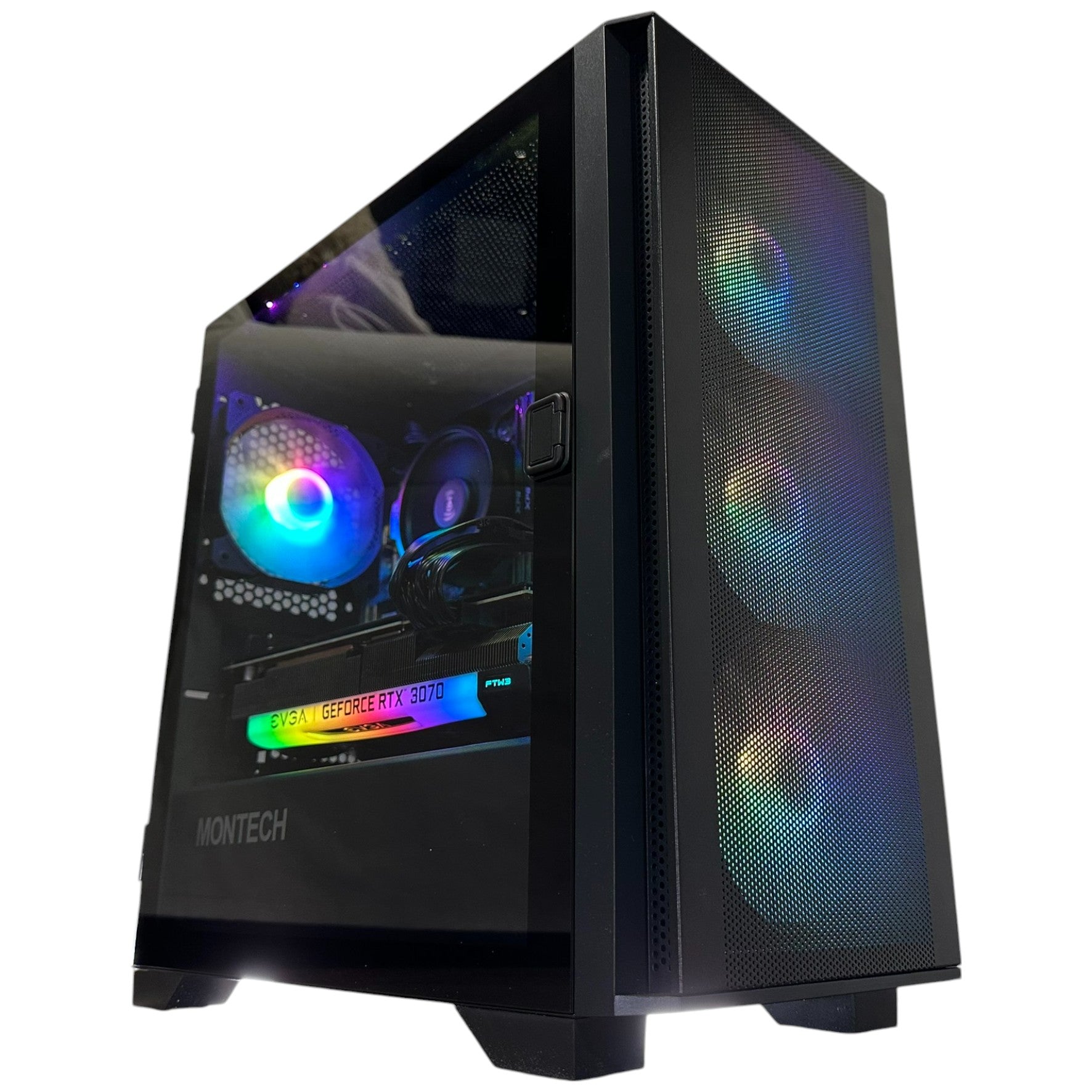
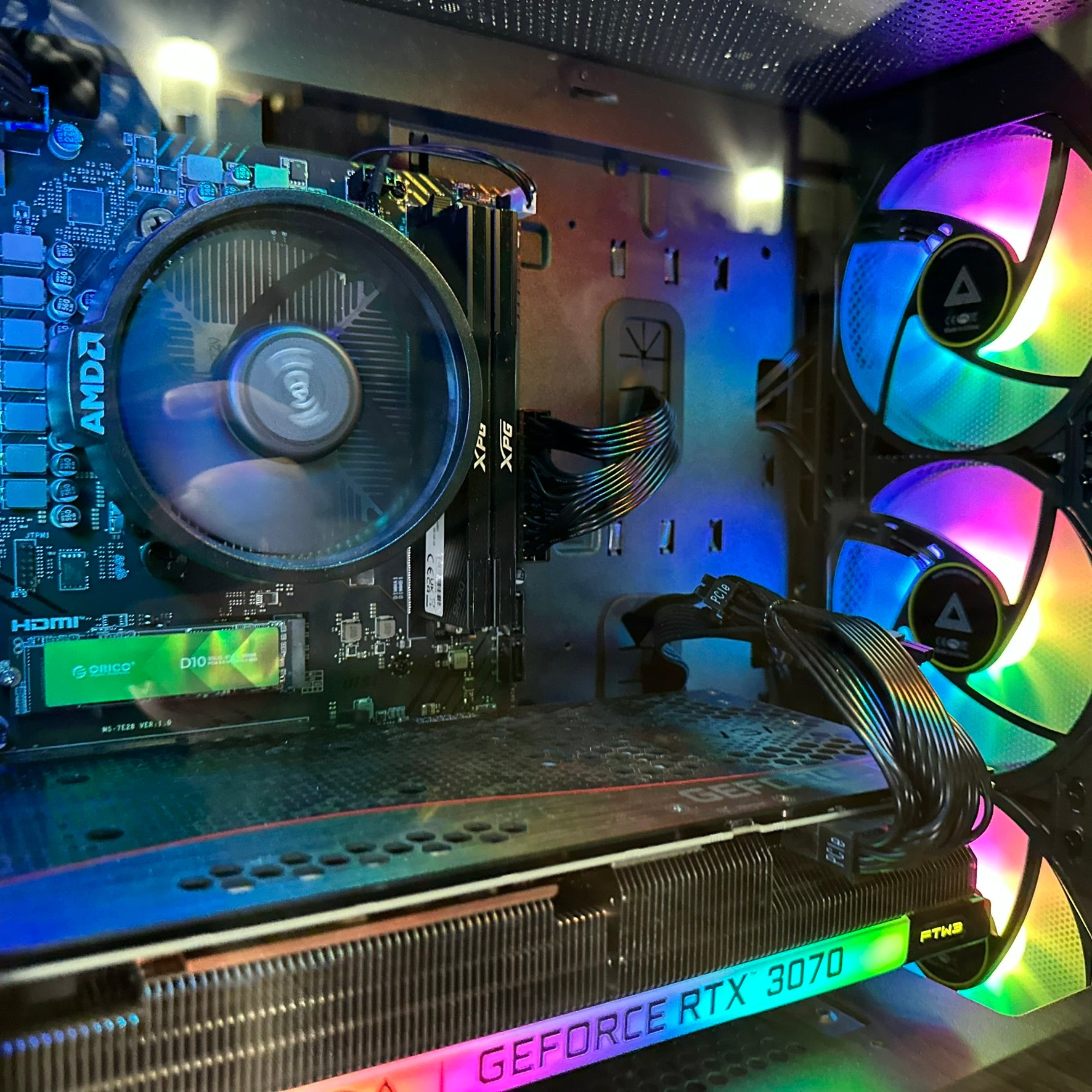
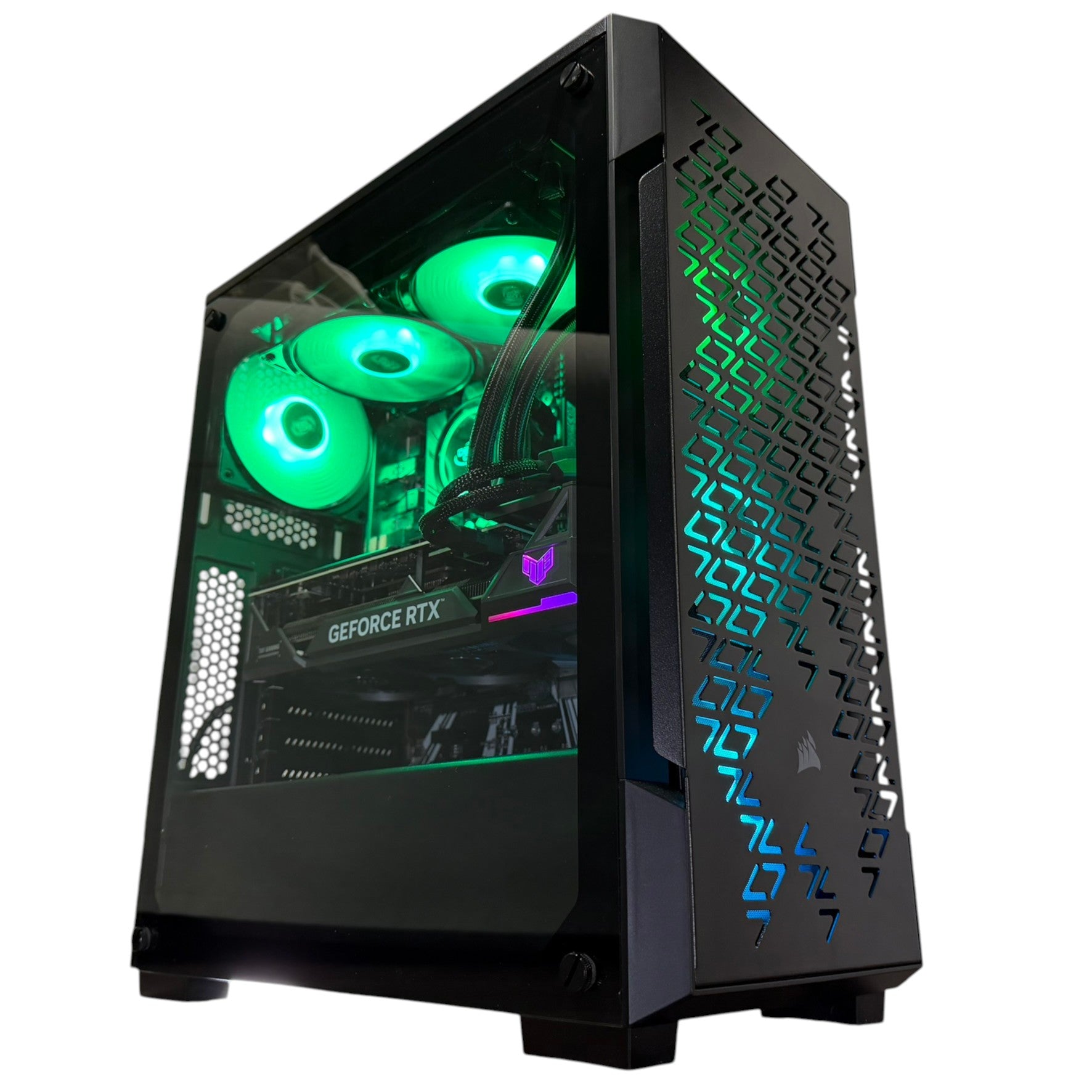

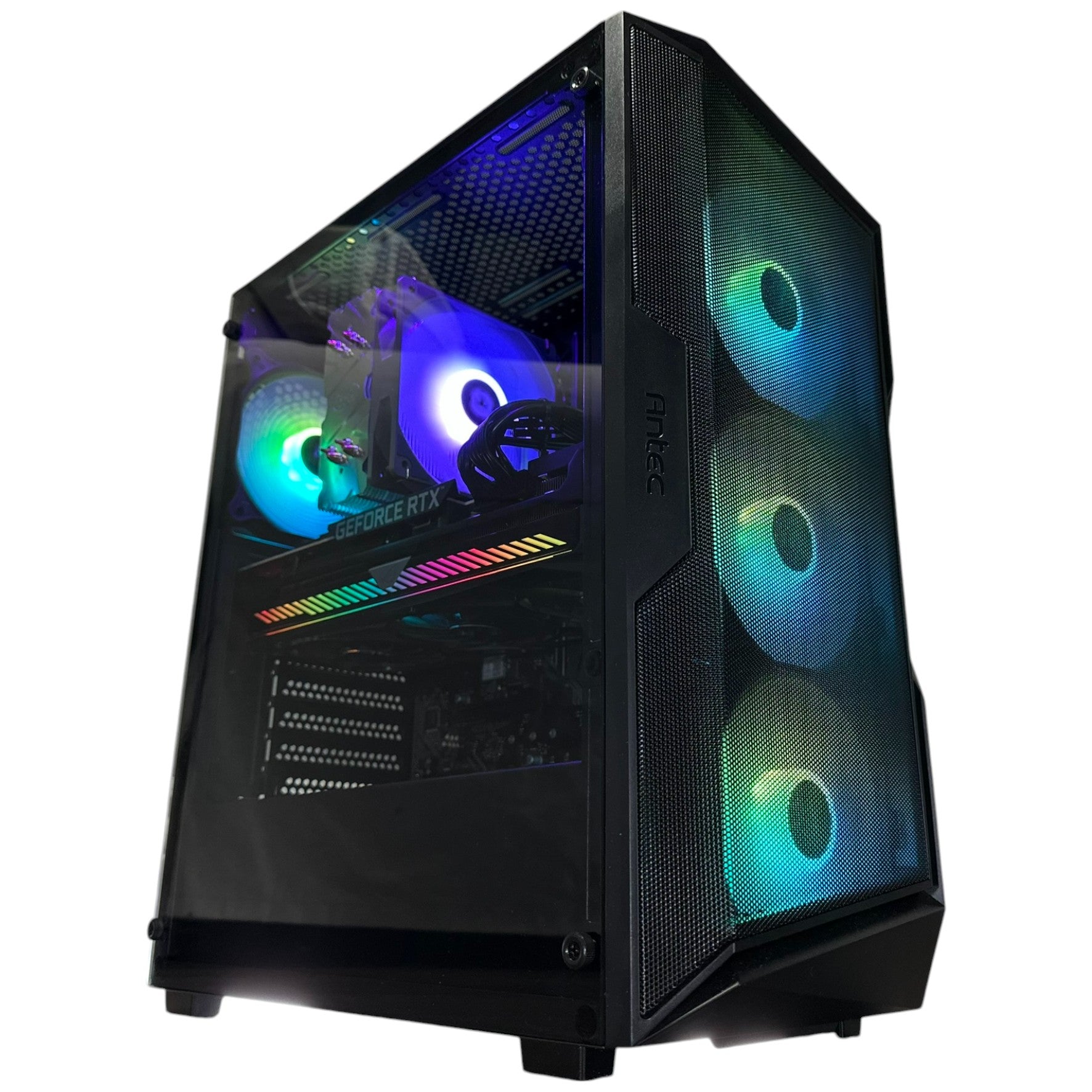

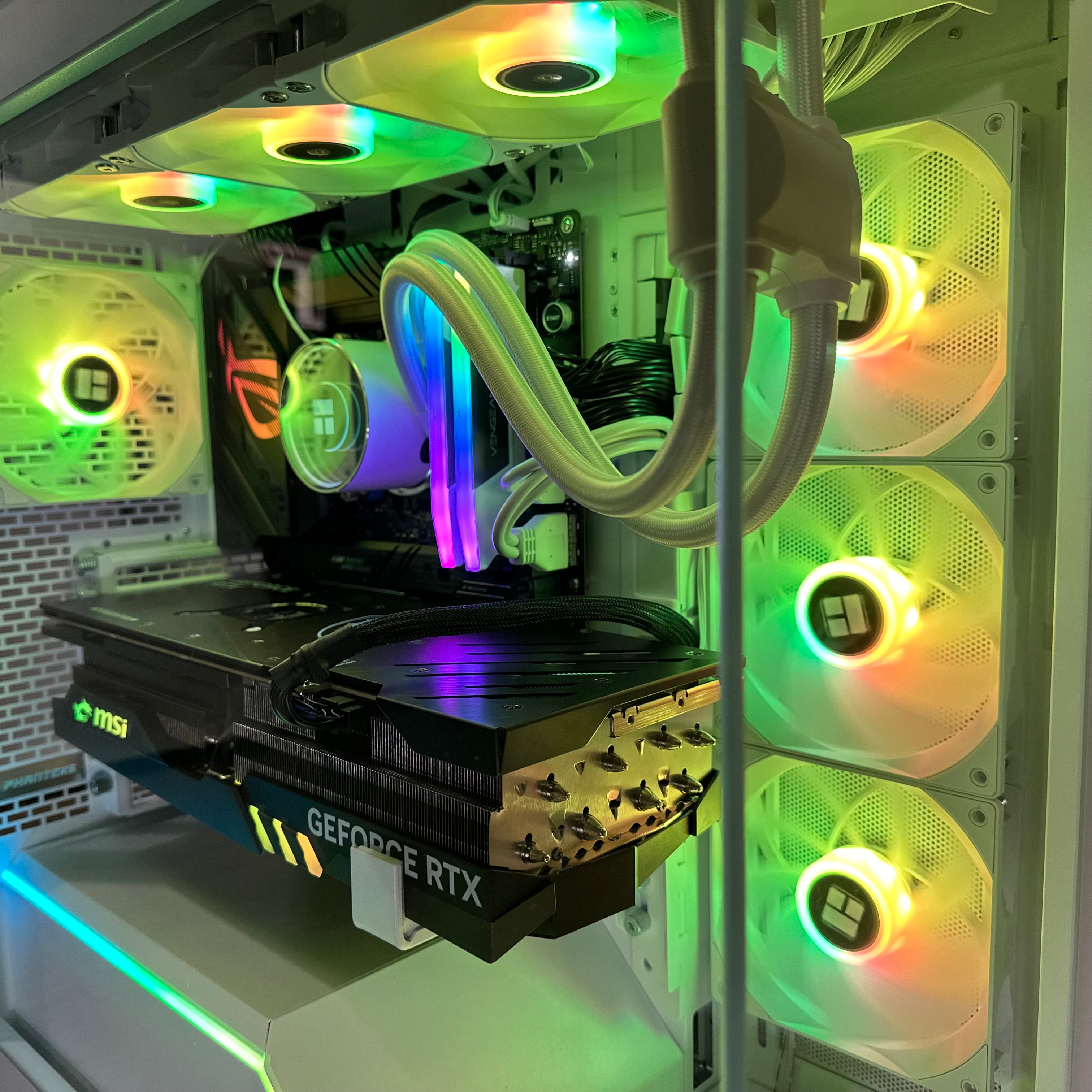
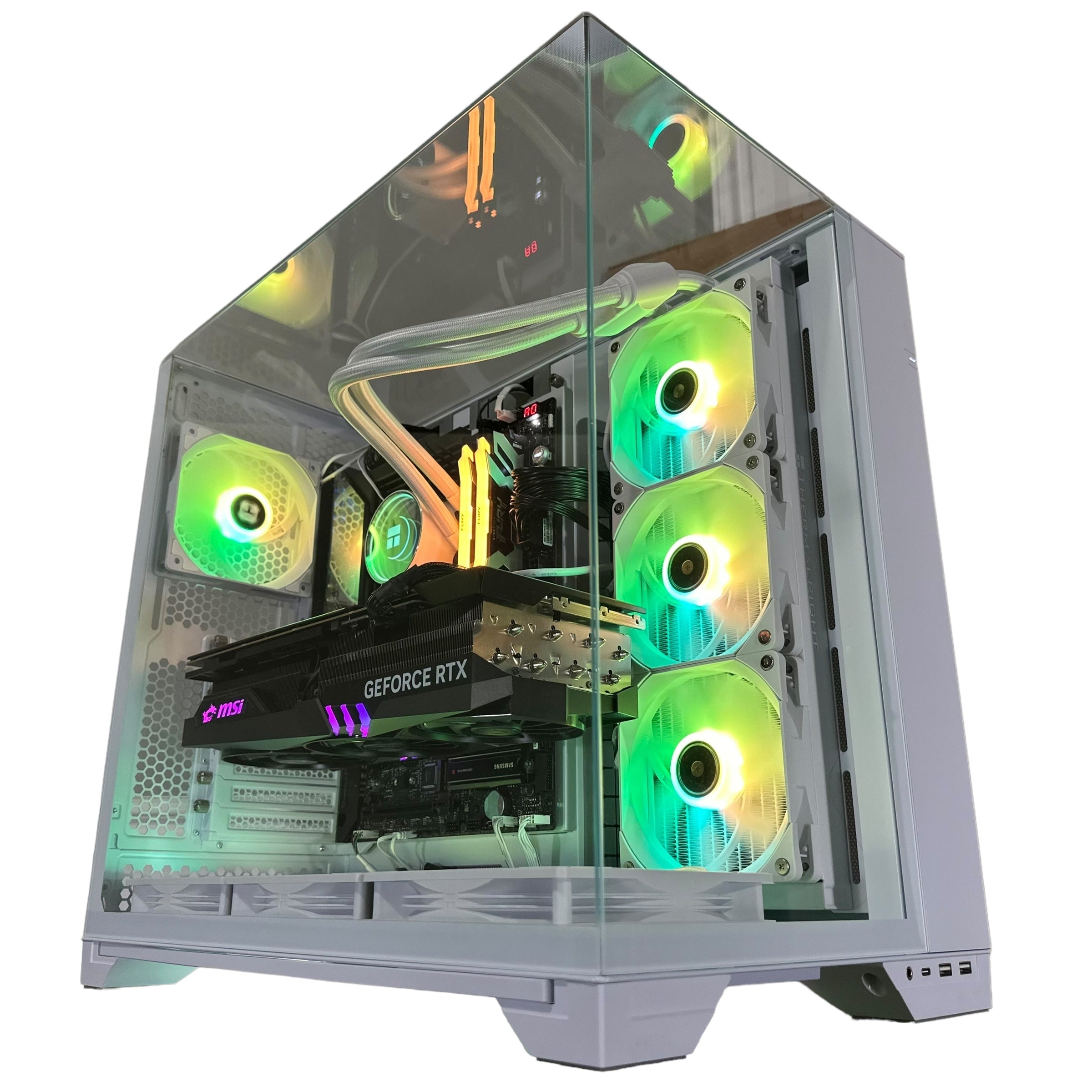
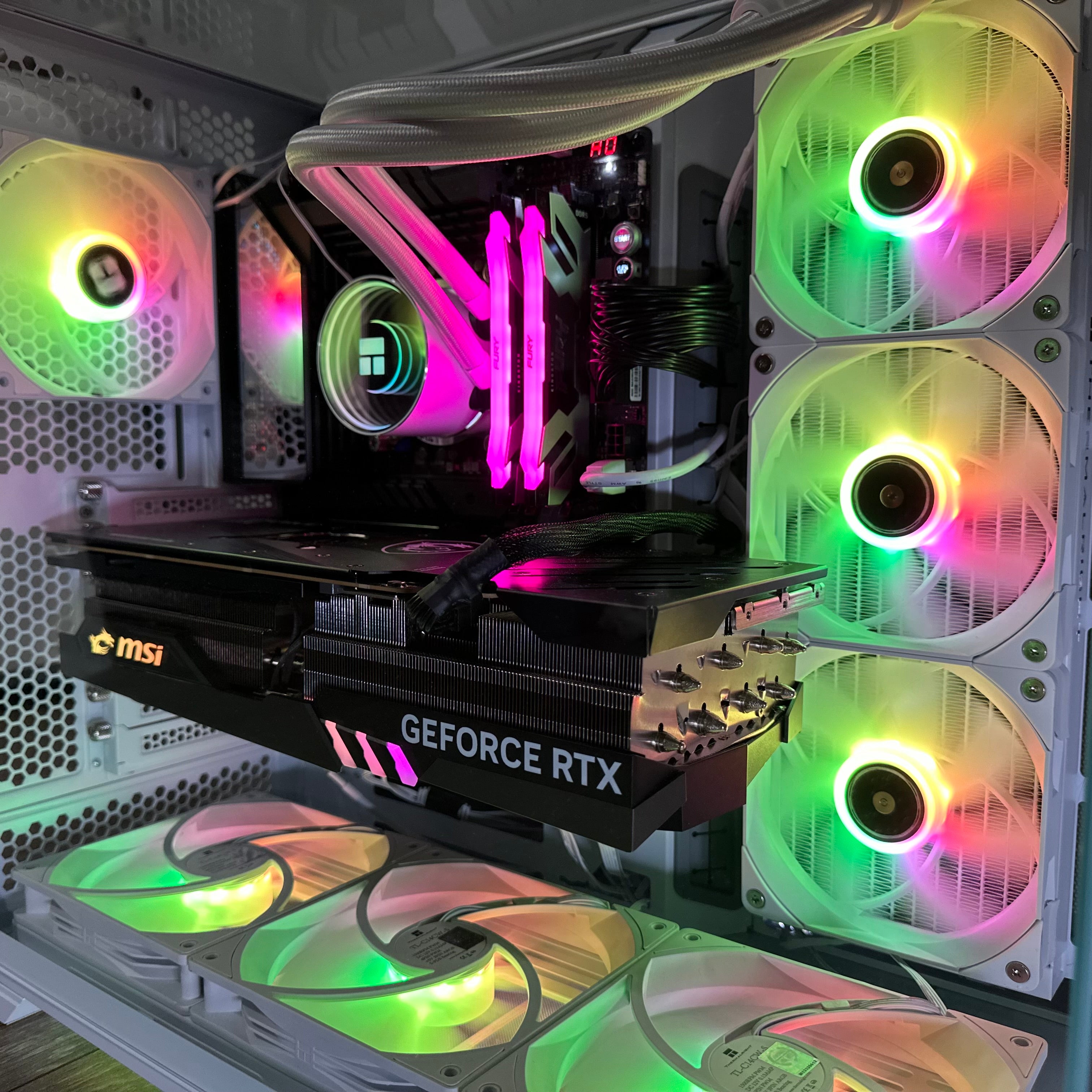

Zelda Remake vs GTA 6 Hype: What Canadian Buyers Should Really Learn Before Choosing a Gaming PC
The rumour of a Zelda remake launching days before GTA 6 is exciting, but the bigger story for Canadian buyers is not just which game wins headlines. It is what this kind of release-window hype does to hardware demand, upgrade pressure, and buying timing. If you are reading about major game launches and wondering whether your current system is ready, this is the moment to think beyond the rumour cycle and focus on the real question: what kind of gaming PC in Canada actually fits the way you want to play, create, stream, and work?
The source story makes one thing clear: even if a major Nintendo release lands near GTA 6, these games are not competing for exactly the same customer. They target different platforms, different audiences, and different play styles. That matters because many buyers make the same mistake with PCs. They compare every system against every other system without first asking what they actually need the machine to do.
Are you trying to prepare for big open-world games? Do you want better 1440p performance? Are you planning to stream, edit videos, design thumbnails, or create short-form content around major launches? Do you want a system that handles today’s games well, or one that still feels strong when the next wave of demanding titles arrives?
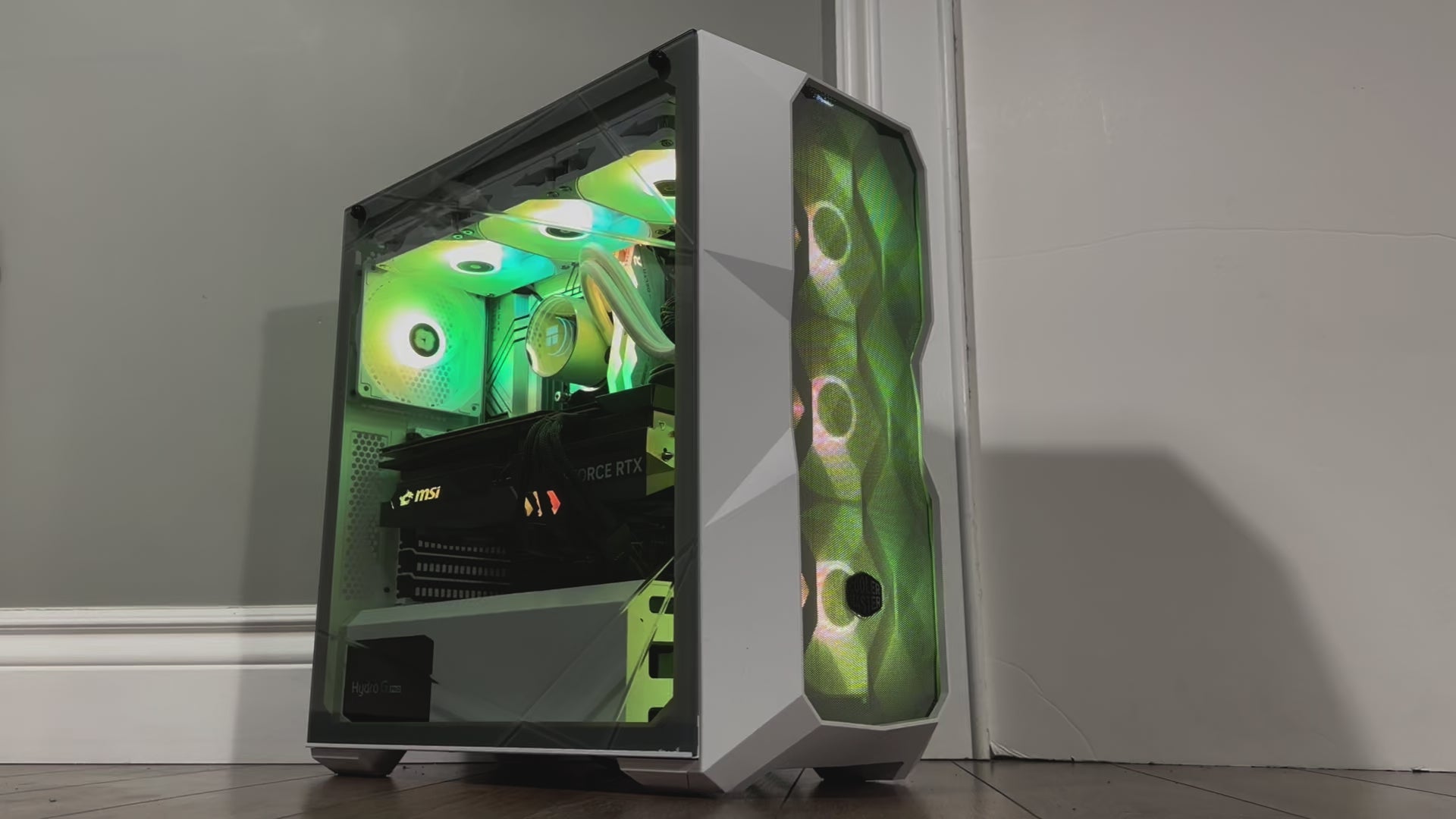
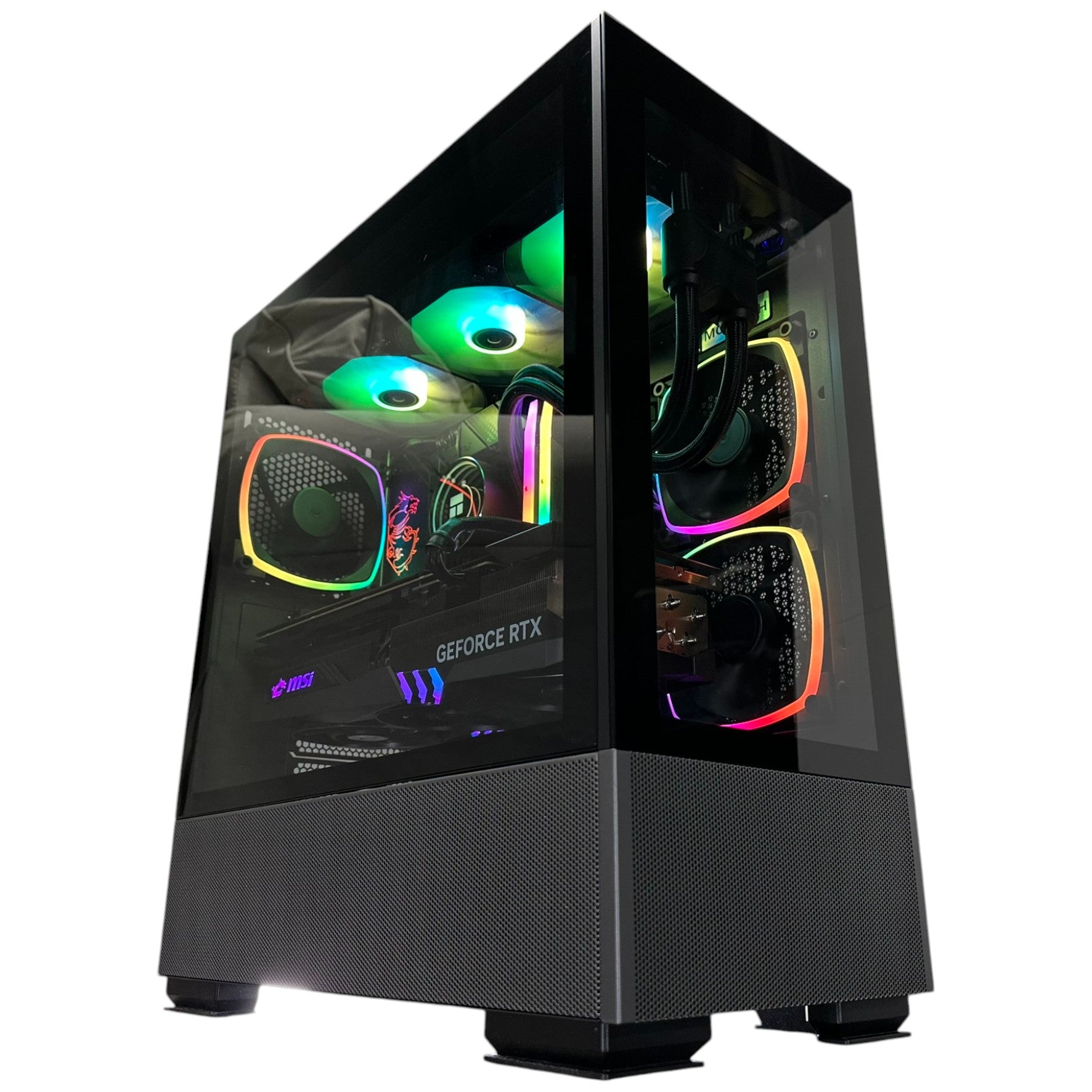
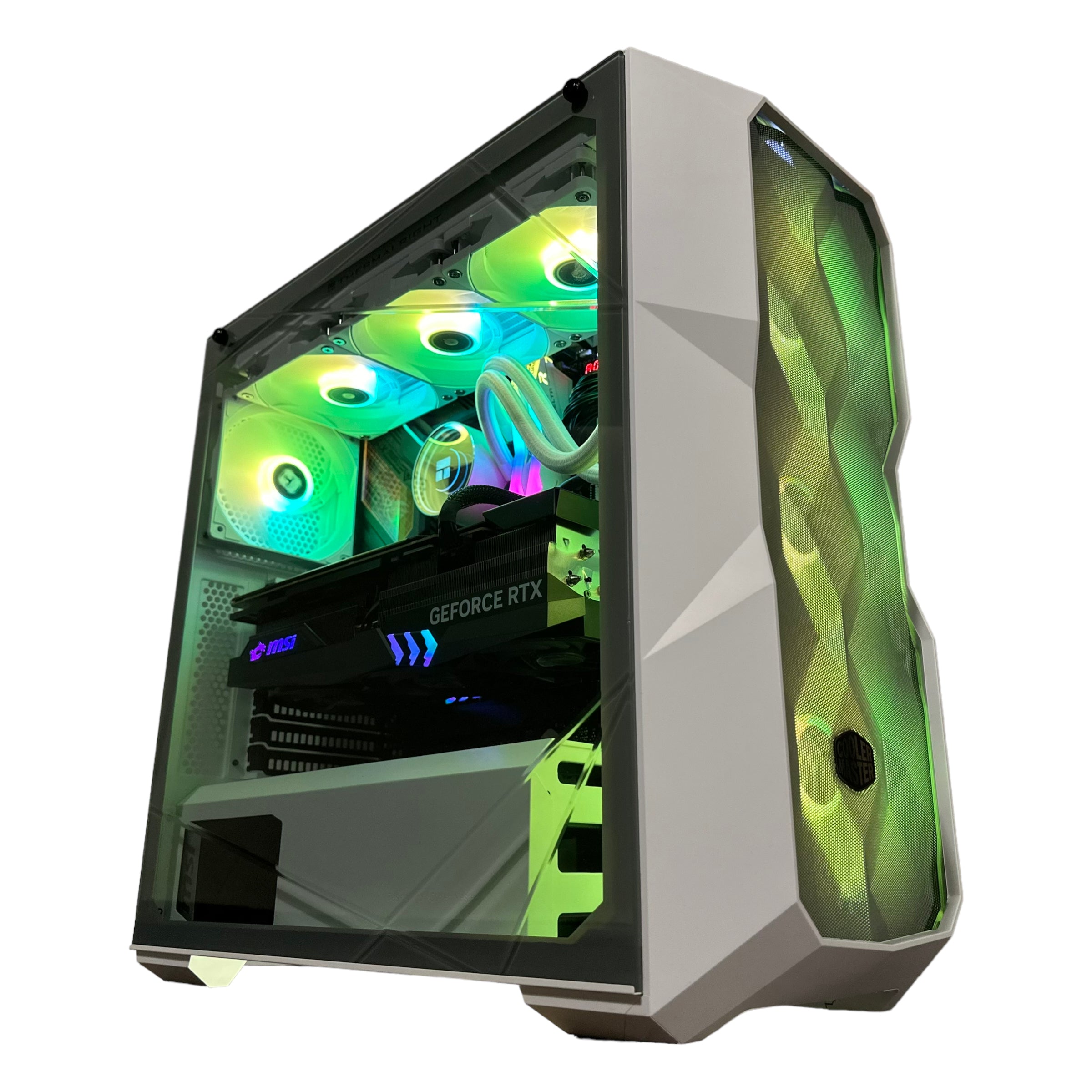
That is where Groovy Computers comes in. For Canadian buyers, especially shoppers who want a custom-built system with proper testing, support, and a real upgrade path, the smarter move is to match the build to the workload before release hype drives more people into the market.
What the Zelda remake rumour gets right, and why it matters for PC buyers
The rumour itself is built on speculation tied to amiibo timing, not a confirmed release date. That part is important. The source article correctly points out that a lot of people are treating a theory like a certainty. In gaming, that happens all the time. In PC buying, it happens too.
Buyers often wait for perfect clarity that never comes. They wait for final game requirements, wait for the next GPU announcement, wait for one more sale, wait for one more benchmark, and then suddenly they are shopping during a demand spike. By then, the better-value options may be gone, replacement costs may be higher, and the system they could have secured earlier may no longer fit the same budget.
So what should Canadian shoppers take from this? Not that a Zelda release date is confirmed. Instead, the real takeaway is that major gaming moments create buying momentum, and buying momentum affects the custom PC market. When blockbuster titles dominate the conversation, more people start asking whether their current system can keep up.
If you have already started asking that question, you are not late. But you should be realistic. Waiting until every game is fully launched is not always the best buying strategy, especially if you want a system that can handle demanding new releases, creator workloads, or both.
Why Canadian buyers should think differently about release hype
In Canada, buying a new PC is not just about frame rates. It is also about exchange pressure, inventory swings, shipping considerations, and overall full-system value. Even when a source story is focused on gaming headlines, Canadian buyers need to think one step further ahead.
If upcoming releases push more gamers to upgrade, what happens to GPU availability? What happens to premium graphics card pricing? What happens if your old PC needs one more upgrade just when parts become harder to source at the right price?
This is why a custom gaming PC in Canada is often a stronger long-term move than piecing together rushed upgrades at the last minute. A complete, properly balanced build can give you better thermals, cleaner part matching, stronger power delivery, and a more reliable path into future games and creator tasks.
It also raises another useful question: are you only buying for one title, or are you buying for the next few years of gaming and content demands?
What do you want your next PC to do for you?
Before you compare budgets, GPUs, or financing options, start here.
Do you want your next PC to run big upcoming games at high settings without struggling? Do you want 1080p esports speed, smooth 1440p gaming, or a true 4K experience? Do you want ray tracing? Do you care about ultra settings, or would you rather prioritize stable performance and better value?
Maybe gaming is only part of the picture. Do you also want to stream on OBS, record gameplay, edit in Adobe Premiere Pro, work in DaVinci Resolve, touch up photos in Photoshop or Lightroom, create marketing assets in Illustrator, or build 3D scenes in Blender or Unreal Engine?
If that sounds like you, then the right answer may not be a basic gaming tower at all. It may be a creator PC, a gaming and streaming PC, or even a workstation-class build designed around more than just game performance.
That is why the best buying guide is not “what is the most powerful PC?” It is “what PC do I need for the way I actually use it?”
Are you buying for gaming only, or for gaming plus everything around gaming?
Major game launches do more than drive playtime. They drive streaming, reaction content, editing, social clips, overlays, thumbnails, mods, community management, and side hustles. If you plan to do more than launch a game and play, your system requirements change fast.
A customer who only wants to play at 1080p may be happy with a value-focused system. But a customer who wants to game, stream, record, and edit on one machine needs more CPU headroom, more RAM, faster storage, and a GPU that supports smoother encoder performance.
So ask yourself a practical question: will your next system be just for playing, or will it also be your setup for creating?
If the answer is yes to both, you should be looking at a balanced custom build instead of the cheapest possible entry point.
Which performance tier fits you best?
Entry tier: budget-conscious 1080p gaming
If you mostly play esports titles, lighter multiplayer games, or older AAA releases at 1080p, an entry-level system can still make sense. This tier is best for first-time buyers, students, or gamers who want a budget gaming PC in Canada without overspending on features they may never use.
But be honest with yourself. Are you buying for what you play now, or what you expect to play next? If you are already thinking about larger open-world games, more demanding textures, higher settings, or background apps while gaming, going too low now may just mean upgrading too soon.
Mid tier: the sweet spot for 1440p gaming
For many buyers, this is the most practical category. A strong mid-range custom gaming PC in Canada can deliver excellent 1440p performance, better longevity, and enough overhead for multitasking, light streaming, and content creation.
Do you want your games to look meaningfully better without jumping all the way to a premium 4K budget? Do you want strong value instead of the absolute highest benchmark numbers? This is often the smartest tier for customers who want high settings, modern performance, and a better chance of avoiding an upgrade in the near future.
High end: 4K, ray tracing, and long-term confidence
If you want ultra settings, stronger ray tracing performance, high refresh gaming at higher resolutions, or more confidence going into future releases, a premium system is where things start to change noticeably. This tier is also ideal for buyers who stream, edit, and create alongside gaming.
Are you the kind of user who keeps a system for years and wants it to stay relevant longer? Then a higher-tier build can be cheaper in the long run than buying too low and replacing major parts sooner.
Creator and workstation tier: when gaming is not the only job
If your PC also needs to handle Premiere Pro, After Effects, DaVinci Resolve, Photoshop, Lightroom, Illustrator, Blender, Unreal Engine, CAD, or other demanding workloads, you need to think differently. You may need higher core counts, more memory, faster NVMe storage, better cooling, and component balance built around workflow efficiency rather than just game FPS.
Do you lose time waiting on exports, renders, imports, or previews? Do you open multiple large apps at once? Do you work with high-resolution assets, 4K timelines, RAW photos, or 3D projects? That is where a custom creator PC or workstation PC becomes a business tool, not just a luxury.
What PC do you need for upcoming games like GTA 6-style open-world releases?
Even though GTA 6 itself is not a PC release in the source context, it still affects PC buying behaviour because it sets expectations for what buyers want from next-gen open-world performance. Gamers see blockbuster visuals and start thinking about future PC gaming more seriously.
If your goal is to prepare for big modern games in general, here is the real question: do you want to merely meet the moment, or enjoy it properly?
For 1080p players, the goal is smooth performance with strong minimums and enough memory overhead for background apps. For 1440p players, the focus shifts toward GPU strength, better texture handling, and stronger visual settings. For 4K players, premium graphics performance becomes far more important, especially if ray tracing is part of the plan.
If you also want to record gameplay, run Discord, use multiple displays, browse while gaming, and maybe keep OBS or editing tools open, you need more than minimum specs. You need breathing room.
That is why “best PC for new games” is not one fixed answer. It depends on how demanding your setup becomes once real life usage is added on top of the game.
What if you also want to stream?
Streaming changes the build conversation immediately. A gaming and streaming PC in Canada needs to do more than produce frames. It needs to encode, multitask, and stay stable for long sessions.
What PC do you need for streaming if you are just getting started? Usually, a balanced mid-range or upper-mid-range build is enough for 1080p streaming with good gameplay performance. But if you want better quality, heavier scenes, multiple browser sources, plugins, recording, chat tools, and post-stream editing, you should not underbuild.
Is CPU or GPU more important for streaming? The answer depends on your software and workflow, but most buyers benefit from a system that does not force that compromise too hard. Proper component balance matters more than chasing one isolated spec.
If you are serious about streaming growth, it is worth asking another question: do you want a machine that only gets you online, or one that supports better production quality as your channel improves?
What if your interest starts with games but leads to video editing?
This happens constantly. A customer buys for gaming, then starts clipping highlights, making TikToks, editing YouTube videos, or producing commentary content. Suddenly, gaming performance alone is not enough.
A proper video editing PC in Canada should be able to scrub timelines smoothly, handle larger projects, export efficiently, and support the apps you actually use. If your workflow includes Premiere Pro, DaVinci Resolve, After Effects, or CapCut desktop editing, the right system can save enormous amounts of time over the life of the machine.
What PC do you need for video editing if you also game? In many cases, a custom creator PC that still has strong gaming capability is the best answer. That means enough RAM for multitasking, fast SSD storage for footage and caches, and a GPU and CPU combo that suits your editing software.
How much RAM do you need for video editing? More than many casual buyers expect. If you work with 4K footage, layered timelines, motion graphics, or multiple apps at once, extra memory can directly improve the experience.
What if your workload is photo editing, graphic design, or content creation?
Not every buyer reading gaming news is only a gamer. Many customers need a system that handles both entertainment and creative output.
If you are a photographer, a photo editing PC in Canada should feel responsive with large RAW libraries, batch exports, AI tools, and colour-sensitive workflows. If you are a designer, a graphic design PC in Canada should stay fast in Photoshop, Illustrator, InDesign, and browser-heavy multitasking. If you are a creator, a content creation PC in Canada may need to combine all of that with gaming, editing, recording, and social media production.
Is a gaming PC good for content creation? Sometimes yes, but not always in the right way. A generic gaming-first build can still leave bottlenecks in RAM capacity, storage layout, thermals, or CPU-heavy tasks. That is why custom configuration matters.
Ask yourself this: are you buying one machine to do several jobs? If so, you need a build designed around your full workflow, not just the most obvious one.
Do you need a 3D modeling or workstation-class system instead?
Some buyers discover that their next PC decision has less to do with gaming hype and more to do with professional output. If you work in Blender, Unreal Engine, AutoCAD, Revit, Maya, Cinema 4D, SolidWorks, or similar tools, your needs are different again.
A 3D modeling PC in Canada or a custom workstation PC should be selected based on scene complexity, viewport demands, rendering method, RAM needs, and software optimization. Do you need fast GPU rendering? Heavy CPU rendering? Large project memory capacity? Stable all-day productivity performance?
Workstation PC vs gaming PC is not just a marketing difference. It is a real planning question. If your income depends on your machine, reliability, cooling, and workload-specific tuning matter just as much as raw power.
Would a stronger workstation save you time every single week? If the answer is yes, that is not just performance. That is return on investment.
Is it better to buy now or wait?
This is one of the most important questions Canadian shoppers ask, especially when gaming hype rises.
The answer depends on your current system, your tolerance for compromise, and your budget flexibility. But in general, waiting is only smart when there is a clear reason. If your current PC already struggles, if you know you need better creator performance, or if you are trying to avoid buying during peak demand, acting earlier can be the better move.
Why? Because full-system pricing is affected by more than just one graphics card. GPU demand, memory volatility, SSD pricing, platform transitions, and general market momentum can all shift replacement costs. The system you hesitate on today can become more expensive to match later.
So ask yourself honestly: are you waiting for better information, or are you just delaying a purchase you already know you need?
Could financing help you secure a better system before costs rise?
For many buyers, the choice is not between buying a PC and not buying a PC. It is between buying too little now or securing the right build now. That is where financing can make sense.
If a slightly stronger GPU, more RAM, a larger SSD, or a better CPU would meaningfully extend the life of your system, financing can be a practical way to avoid underbuying. Instead of settling for a build that feels outdated too soon, you may be able to move into a more capable tier while managing monthly cost more comfortably.
Should you finance a gaming PC? If the alternative is purchasing a weaker build that you know will need replacing early, financing can be the smarter value decision. The same applies to creator PCs and workstation builds when your system supports serious use beyond casual gaming.
Can you justify financing a stronger system if it improves your gaming experience, supports streaming, speeds up editing, or helps your work output? For many customers, the answer is yes, especially when timing matters and replacement costs may not move in a buyer-friendly direction.
Groovy Computers offers Canadian buyers a more guided path into a better-fit custom build, including options that can make stronger performance more accessible without forcing you into the wrong tier just to hit a lower upfront number.
How do you avoid upgrading too soon?
One of the biggest mistakes in PC buying is focusing only on today’s minimum comfort level. If your next machine will be used for several years, the better question is not “can it run my current games?” but “how long will it keep doing what I need without frustration?”
Do you plan to move from 1080p to 1440p? Do you expect to start streaming? Do you think you will edit more video next year? Will you keep more browser tabs, mods, plugins, and apps open than you do today? Are your creative projects getting larger?
Future-proofing is often overused as a buzzword, but the basic principle is sound: a well-chosen custom build should give you headroom. Not infinite headroom, but enough to make the system feel like a smart purchase rather than a temporary patch.
This is where a custom PC builder in Canada adds real value. Instead of buying a mismatched system that looks good on paper, you can choose a build designed to make sense over time.
Why custom builds, testing, and warranty support matter more when the market feels uncertain
When excitement around major releases pushes more buyers into the market, confidence matters. A custom built system is not just about parts. It is about how those parts work together, how the machine is cooled, how it is tested, and whether you have support after the purchase.
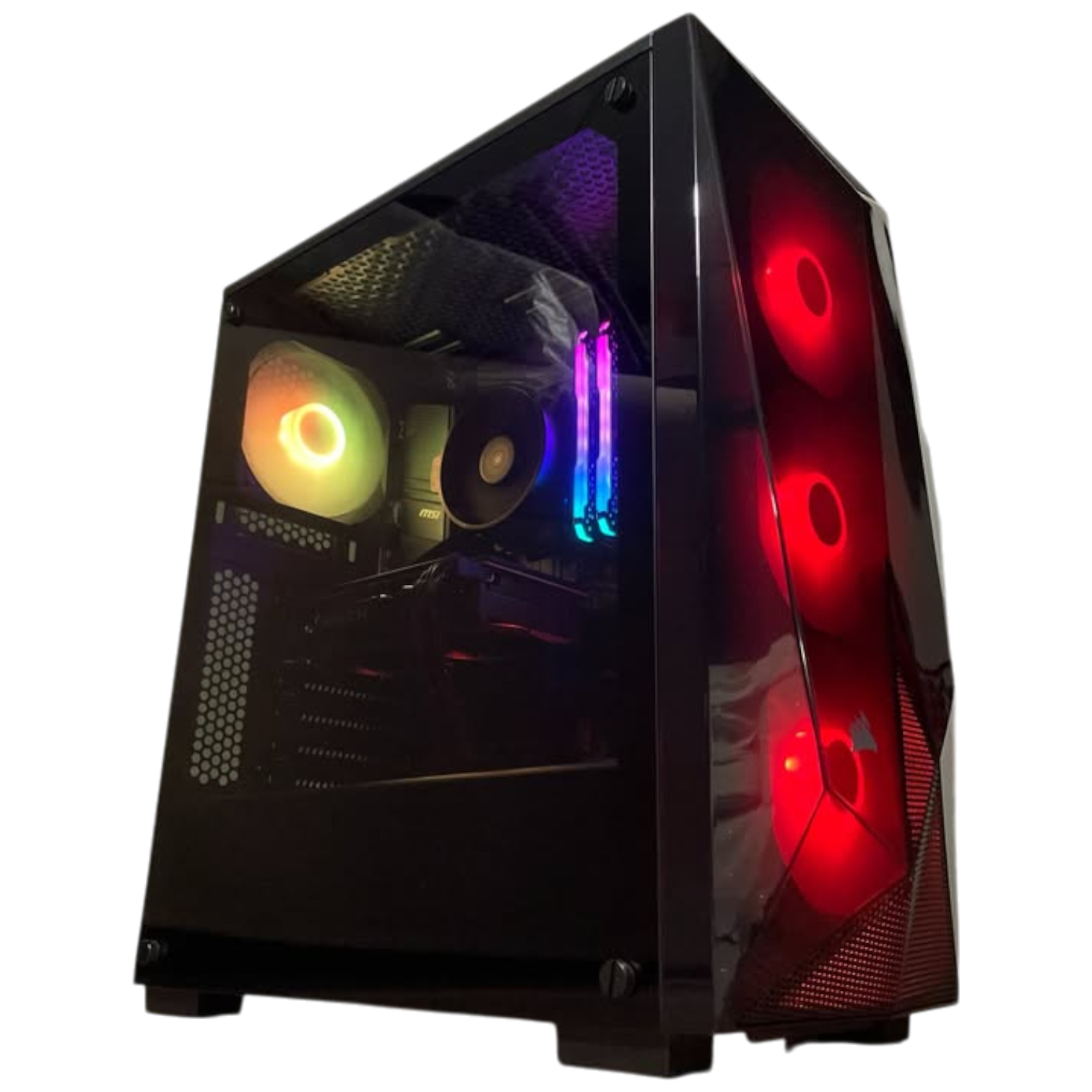
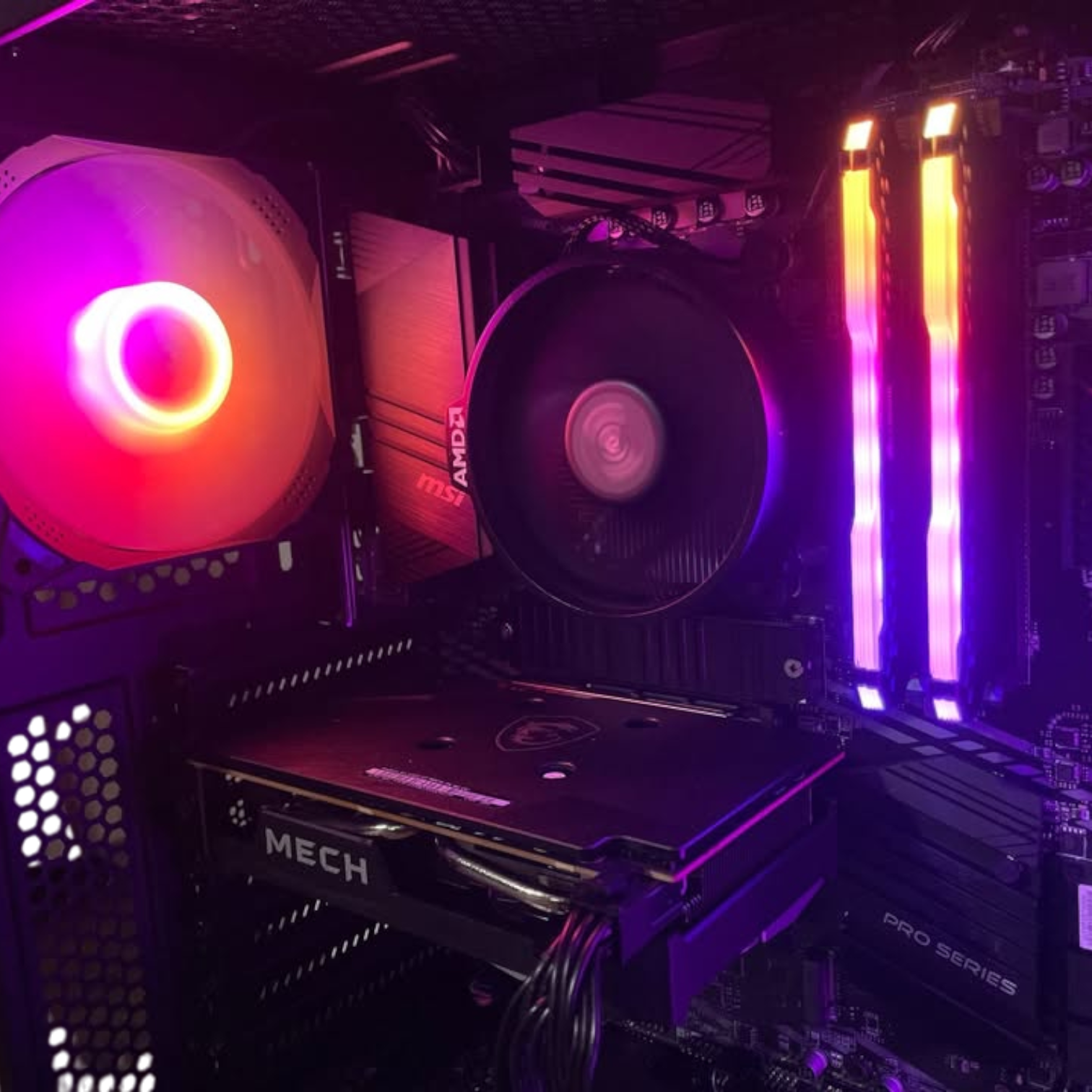
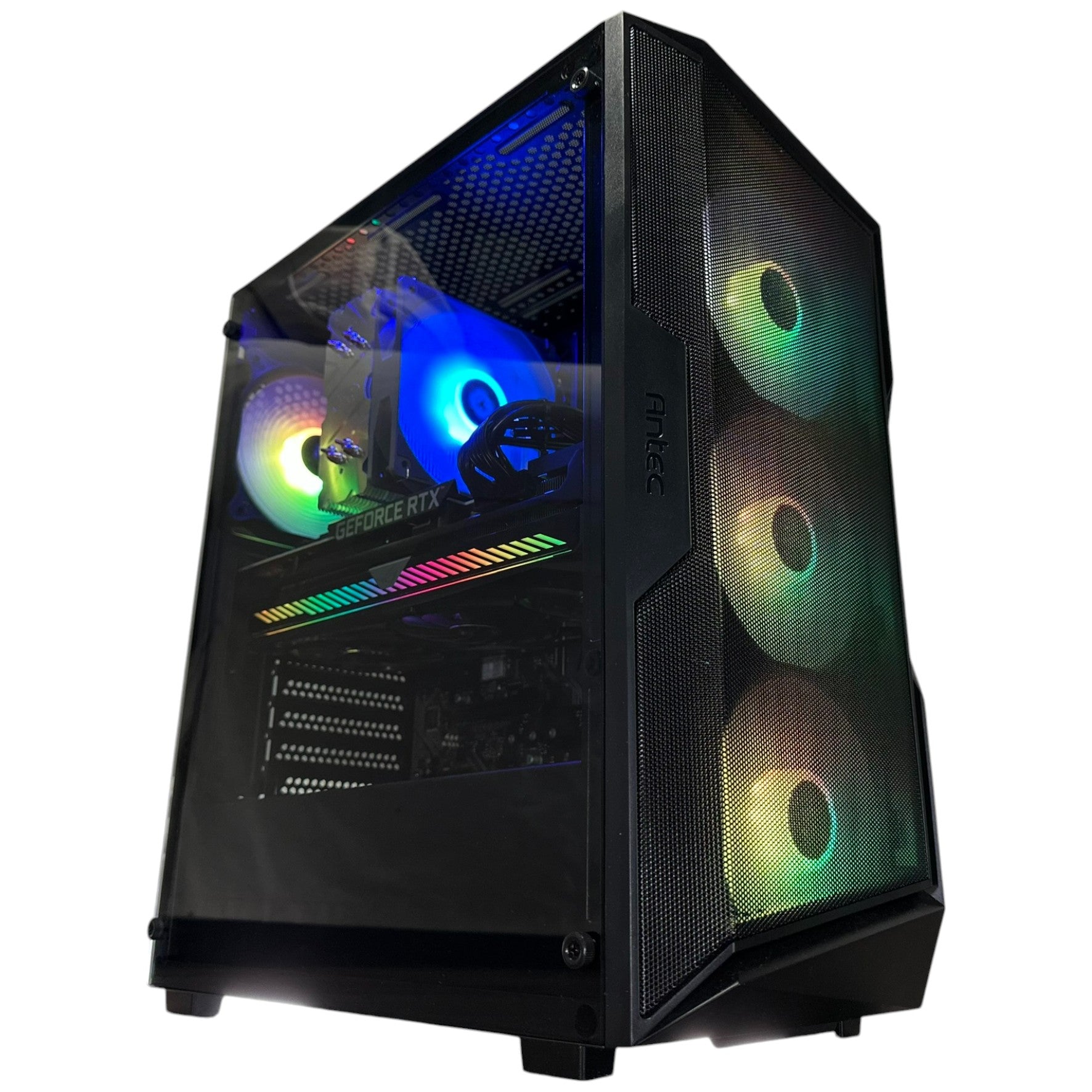
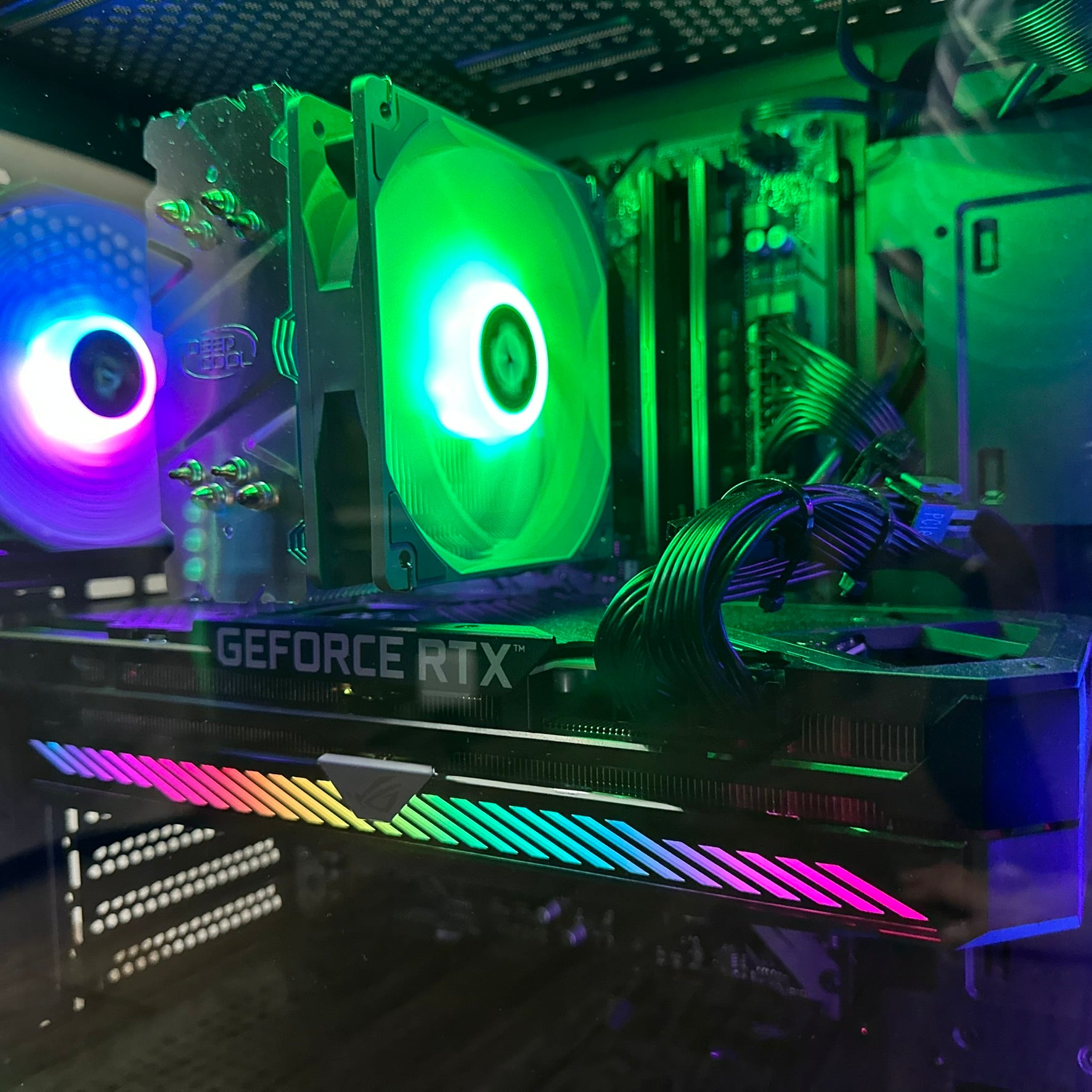
Groovy Computers focuses on custom builds for Canadian buyers who want more than a box of specs. That means choosing hardware with a clear purpose, stress testing for stability, and delivering systems backed by a 1-year warranty. For gamers, streamers, editors, designers, and workstation users, that kind of confidence matters.
Would you rather gamble on a system that only looks good in a listing, or buy one that has been assembled with actual workload logic in mind? Would you rather discover thermal or stability issues after the fact, or work with a builder that understands performance tiers and long-term value?
Those are the kinds of questions that become more important when your purchase is meant to carry you through the next cycle of games, software updates, and workload growth.
What type of Groovy Computers build makes the most sense for you?
- Choose a budget-focused gaming build if you mainly want 1080p gaming, lighter titles, and the best possible entry value without extra creator demands.
- Choose a stronger mid-range gaming PC if you want 1440p performance, better visual quality, and enough overhead for modern gaming with some multitasking.
- Choose a premium RTX gaming PC if you want high refresh gaming, better ray tracing, higher settings, or a longer-lasting experience for demanding titles.
- Choose a gaming and streaming PC if you want to play, broadcast, record, and manage streaming software without compromising too much.
- Choose a creator PC if gaming sits alongside Premiere Pro, Photoshop, Lightroom, Illustrator, CapCut, or multi-app content workflows.
- Choose a workstation or 3D build if Blender, Unreal Engine, CAD, rendering, simulation, or professional production is a major part of your use case.
Still unsure which one sounds like you? That is normal. Many buyers sit between categories. The right answer often depends on where you are headed, not just where you are today.
What should you ask before buying your next custom PC?
- What games or software will I actually use most?
- Do I want 1080p, 1440p, or 4K performance?
- Will I use ray tracing or prioritize raw frame rate?
- Do I plan to stream, record, or edit content?
- How much multitasking do I really do while gaming or creating?
- Am I buying for one launch, or for the next few years?
- Would a stronger system now save me from upgrading too soon?
- Would financing help me secure the right build instead of settling?
- Do I want a tested, warrantied system from a Canadian custom builder?
If you can answer most of those, you are already much closer to the right purchase.
The real lesson from the Zelda and GTA 6 release-window conversation
The source article is right to be skeptical of exaggerated “clash” headlines. A rumoured Zelda remake and GTA 6 can exist in the same month without truly competing for the same player. In the same way, not every PC buyer should shop the same way just because the market is buzzing about blockbuster games.
The smarter move is to use the hype as a prompt. Ask what your current system cannot do well enough anymore. Ask whether your next PC should be built for gaming only or for gaming plus streaming, editing, design, and creative work. Ask whether waiting actually helps, or just increases the chance that you will face higher replacement costs later.
If you are ready to stop guessing and want help choosing the right custom gaming PC in Canada, a creator-focused system, or a workstation that fits your real workload, visit GroovyComputers.ca. Whether you need a budget-conscious gaming desktop, a premium RTX build, or a stronger system made more accessible through financing, Groovy Computers can help you choose with more confidence and less compromise.
In other words, the biggest decision is not whether Zelda launches near GTA 6. It is whether your next PC is ready for the kinds of games, content, and workloads that are pushing you to upgrade in the first place. If it is time to buy, buy with a plan.
#GamingPCCanada #CustomGamingPCCanada #GamingPCForNewGames #GamingPCBuilderCanada #CanadianCustomPCBuilders #CreatorPCCanada #VideoEditingPCCanada #StreamingPCCanada #WorkstationPCCanada #NovaScotiaBusiness
Groovy Computers | All Rights Reserved



Leave a comment
This site is protected by hCaptcha and the hCaptcha Privacy Policy and Terms of Service apply.