
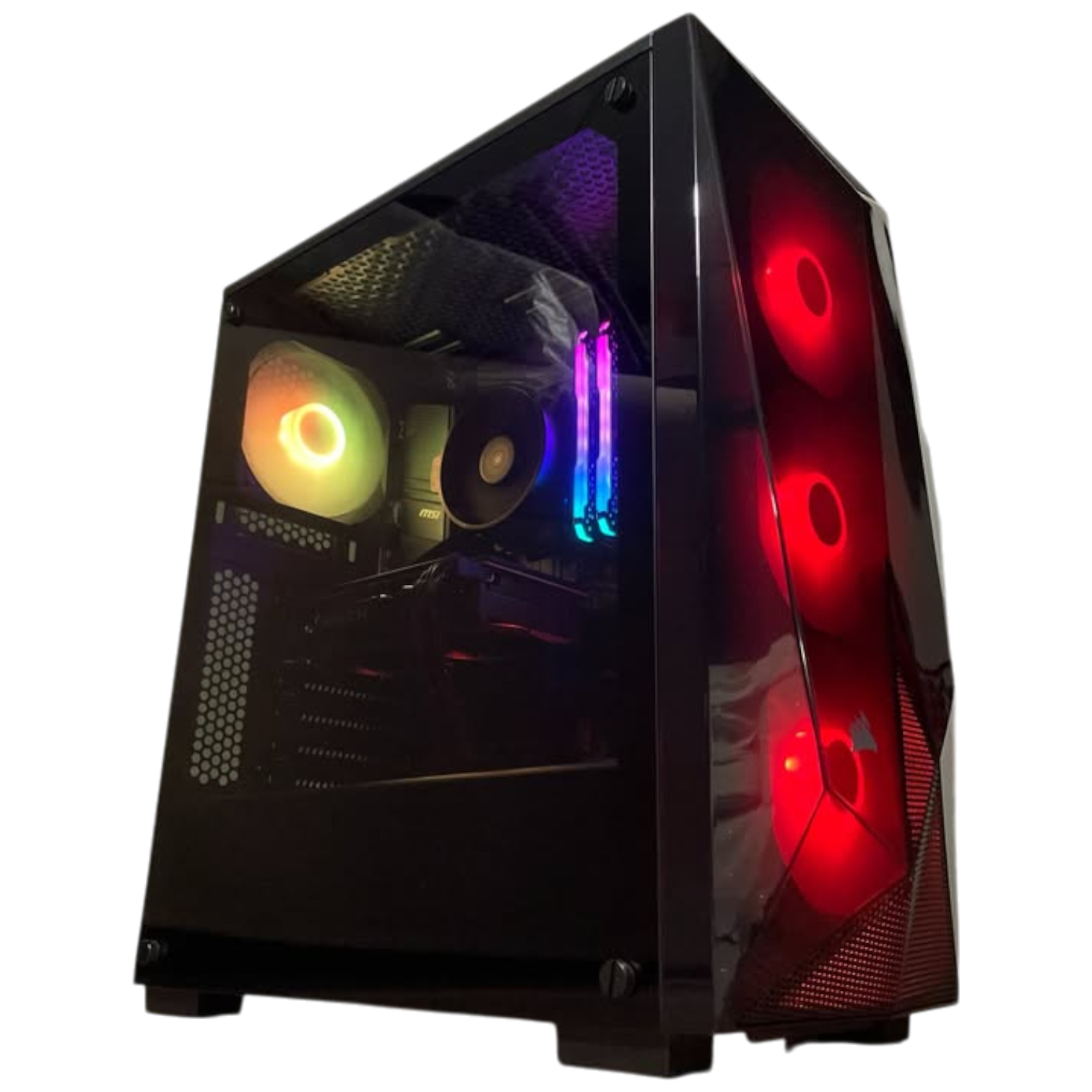
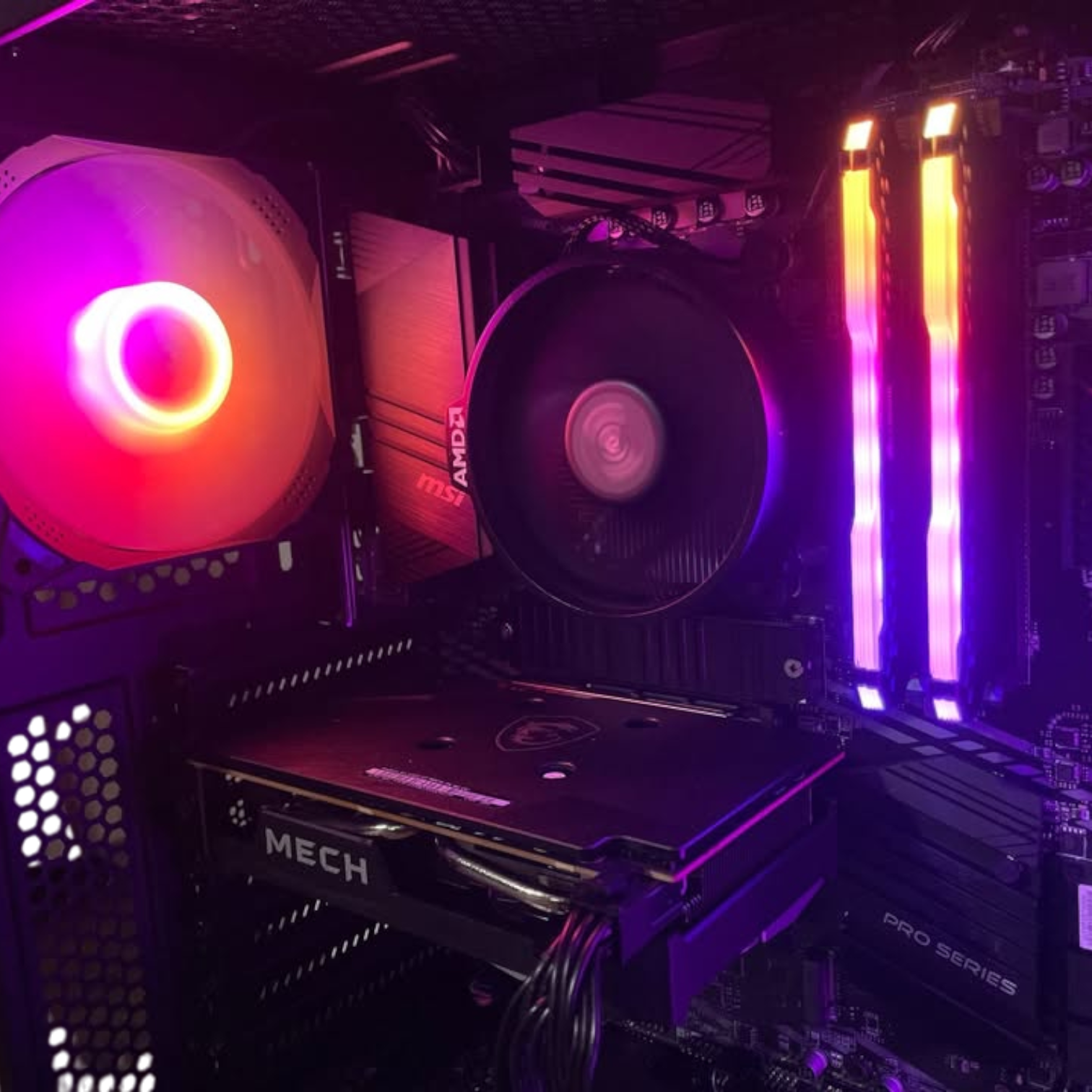
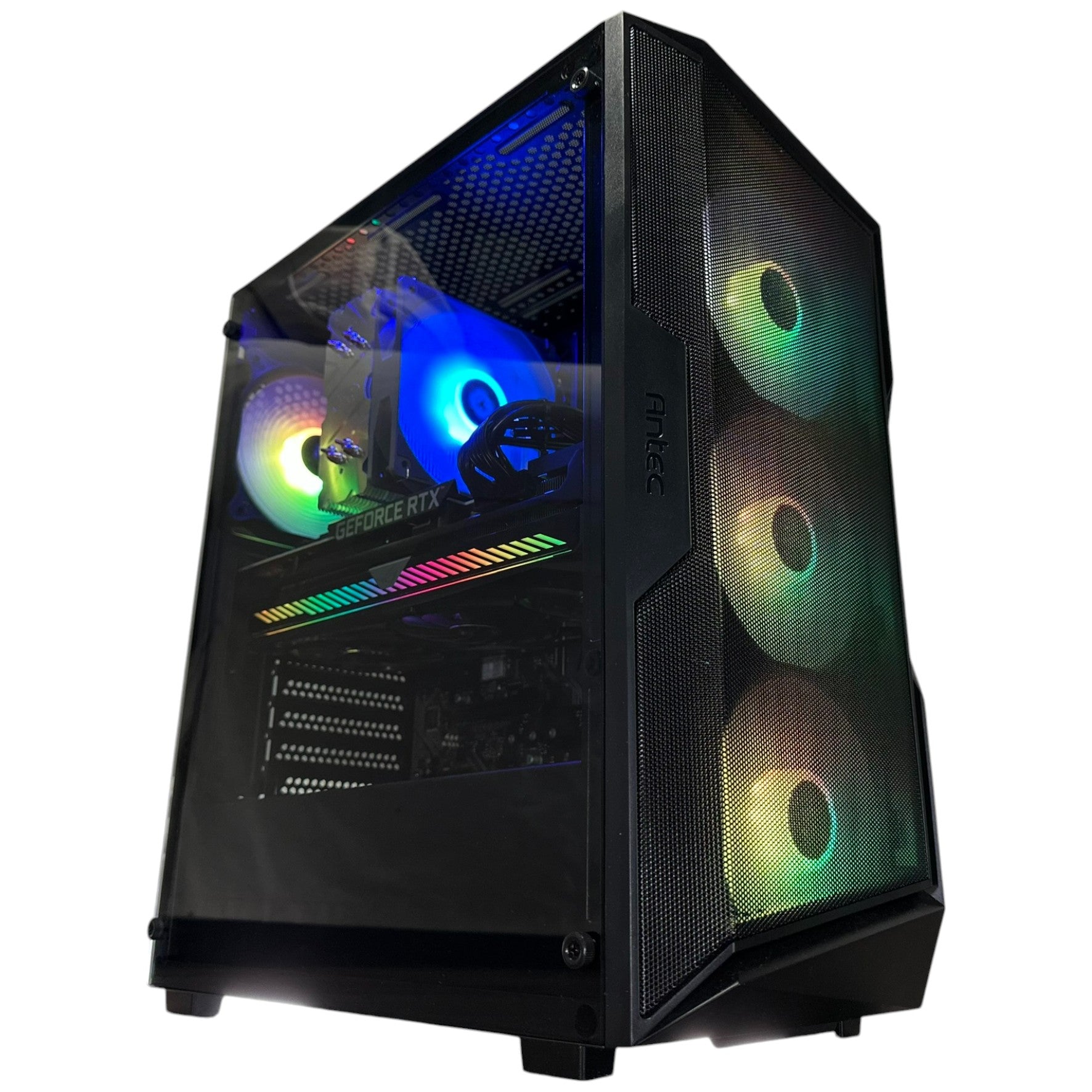
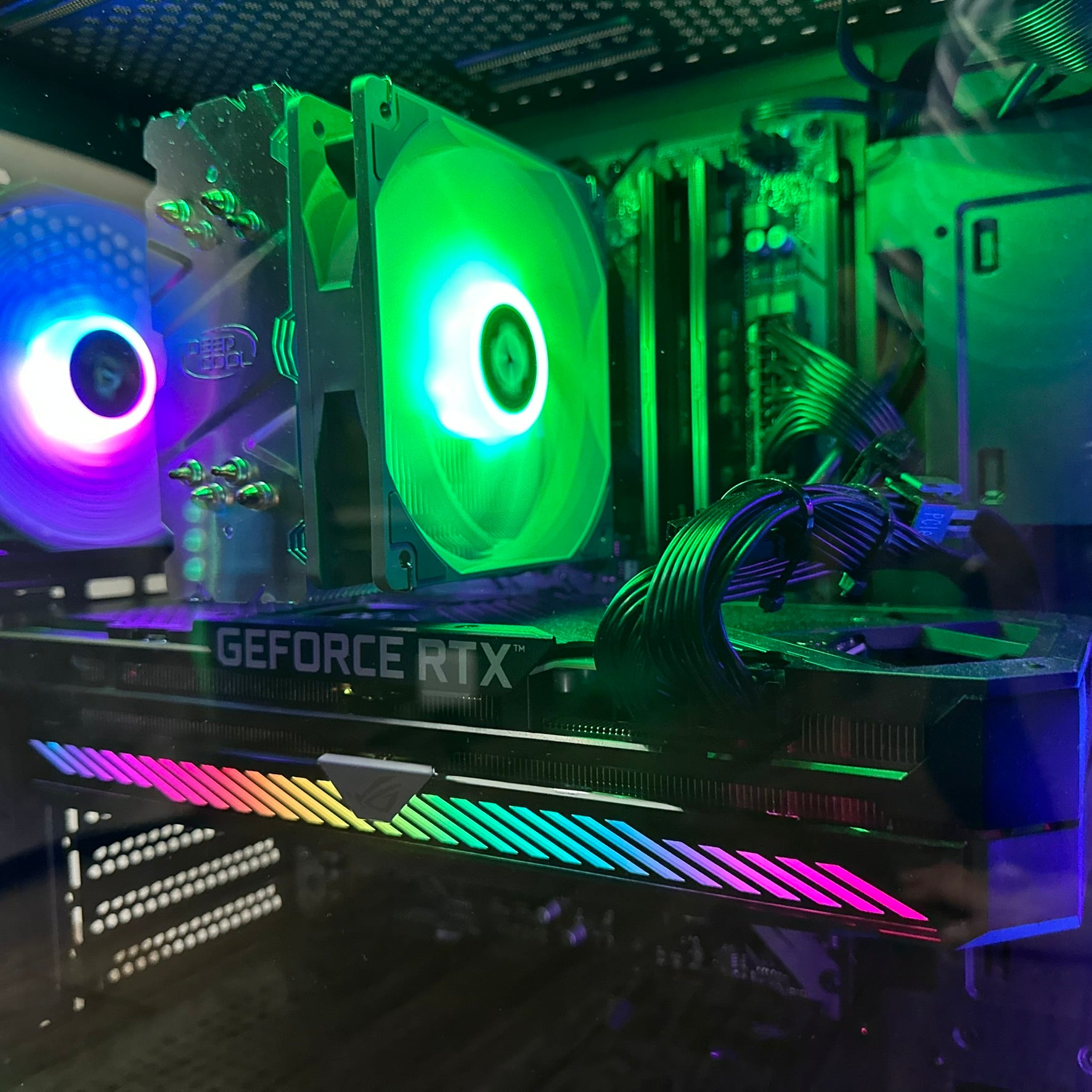





Original Games Need Better PCs Too: Why Pragmata’s Success Matters for Anyone Shopping for a Gaming PC in Canada
Pragmata’s breakout performance is more than a gaming industry talking point. It is also a reminder that when a truly fresh game lands, players start asking a practical question fast: will my current system actually deliver the experience the developers intended? That is why this moment matters for anyone researching a gaming PC in Canada. Original games often bring new mechanics, unusual visual design, heavier effects, and more demanding performance targets, which means buyers need to think carefully about what kind of custom PC will carry them through the next wave of releases instead of only the last one.
The source discussion around Pragmata highlights something the market has needed for years: publishers do not always need to lean on sequels, remasters, or franchise familiarity to succeed. A polished single-player title with a distinct identity, creative gameplay, and a strong emotional hook can still break through. For PC buyers, that matters because originality in game design often pushes hardware expectations in new directions. A game built around multitasking mechanics, real-time effects, high-detail environments, and responsive combat does not just reward better design. It rewards better systems.
If you are reading about games like Pragmata and thinking, “What gaming PC do I need for new games over the next few years?” you are already asking the right question. Are you aiming for smooth 1080p gaming, sharper 1440p performance, or a true 4K experience? Do you want ray tracing turned on? Are you planning to stream, record gameplay, edit clips for YouTube, or use the same machine for creator work after gaming hours? Those answers change what kind of PC you should buy.
What Pragmata’s Success Really Proves About the Gaming Market
The biggest lesson is not just that one game sold well. It is that players still respond to originality when the execution is strong. According to the source material, Pragmata gained traction through polished mechanics, clear communication, and a compelling gameplay loop built around shooting and real-time hacking. In other words, players did not buy it because it was familiar. They bought it because it looked interesting, felt different, and delivered quality.
That is important for PC shoppers because the next major PC-buying cycle will not be driven only by long-running franchises. It will also be driven by newer titles that ask more from hardware, especially on the graphics side, storage side, and system memory side. When developers innovate, your PC needs enough headroom to keep up.
Think about your own backlog and wish list. Are you only playing older esports games, or are you also planning for ambitious single-player releases, cinematic action titles, open-world games, and visually dense future launches? If your answer includes both, buying only for today can be a costly mistake.
Why Canadian Buyers Should Pay Attention to This Trend
For Canadian buyers, there is another layer to the conversation: pricing pressure. Hardware demand can shift quickly when high-profile games create renewed interest in upgrading. GPUs, CPUs, memory, and SSD pricing do not move in a straight line forever. If demand rises, if supply tightens, or if new hardware cycles create pressure on existing inventory, the cost of replacing an aging PC can climb faster than many buyers expect.
That is why a smart buying decision is not only about raw performance. It is also about timing. Is it better to buy a system now while you can choose a stronger configuration with a clear upgrade path, or wait until a major release wave arrives and everyone else starts shopping too? If you already know your current PC is struggling, waiting can mean paying more later for the machine you should have secured earlier.
For shoppers across Nova Scotia and customers ordering Canada-wide, this is where a custom PC builder can make the buying process far easier. Instead of guessing, you can match your budget to your actual goals and avoid overbuying in the wrong area or underbuying where it matters most.
What Do You Want Your Next PC to Actually Do for You?
Before choosing parts, ask a more useful question: what do you want your next PC to do for you over the next three to five years?
- Do you want a dependable system for new games at 1080p without needing upgrades too soon?
- Do you want a 1440p gaming machine that feels noticeably more premium and more future-ready?
- Do you want to play at 4K with higher visual settings and stronger ray tracing support?
- Do you want to stream to Twitch or YouTube while gaming?
- Do you want to edit gameplay clips in Adobe Premiere Pro or DaVinci Resolve afterward?
- Do you need one system that handles gaming, content creation, Photoshop, Illustrator, and maybe even some Blender work?
- Are you trying to avoid the frustration of buying a budget machine now and replacing it much sooner than planned?
These are the questions that matter more than hype alone. A great buying decision starts with the workload, not the marketing headline.
Why Original Games Usually Reward Better Hardware Planning
Games that stand out creatively often ask more of a system in less predictable ways. A familiar competitive title might scale well on modest hardware because its engine, design goals, and performance expectations are widely understood. But a newer title built around unusual mechanics, higher-fidelity effects, more cinematic presentation, and simultaneous on-screen systems may place pressure on multiple components at once.
In the case discussed in the source material, Pragmata’s design combines third-person shooting with active puzzle-solving and simultaneous combat awareness. Even without inventing unsupported performance data, the buying lesson is clear: modern games increasingly reward stable frame pacing, fast storage, sufficient RAM, and a GPU tier that is not already on the edge of relevance.
So ask yourself this: are you buying for the minimum you can get away with, or for the quality level you actually want to experience?
What Performance Tier Fits You Best?
If you are unsure where you fit, breaking the market into practical tiers helps far more than chasing random specifications online. Not every buyer needs the same system, but every buyer should understand what each tier is built to do.
Entry-Level and Budget Gaming
This tier makes sense for buyers focused on lighter titles, esports games, older AAA releases, and value-conscious 1080p gaming. If you mainly play competitive shooters, sports titles, indie games, or a mix of current and older releases at sensible settings, a budget gaming system can still be a smart buy.
But here is the real question: are you buying a budget machine because it fits your use case, or because you are trying to keep the upfront cost low even though you already know you want more performance? Those are not the same thing.
If you expect to play newer cinematic releases over the next few years, a budget build that looks attractive today may become limiting much faster than expected. That is exactly where many buyers regret not stepping up one level.
Mid-Range 1080p to 1440p Gaming
This is often the sweet spot for customers who want their system to feel meaningfully modern. A mid-range build is ideal for buyers who want stronger visual quality, smoother performance in newer titles, better multitasking, and a more comfortable path into streaming or content creation later.
Are you the type of player who wants a gaming PC for new games rather than one built mostly for your current library? Do you want enough GPU and CPU headroom that your system still feels capable when the next unexpected hit launches? If so, this tier is usually the smartest balance of cost, longevity, and experience.
High-End 1440p and 4K Gaming
This tier is for buyers who care about ultra settings, stronger ray tracing, higher refresh-rate gaming, premium monitors, and long-term performance confidence. If you want the visual wow factor from major single-player releases and you do not want your next system to feel outdated quickly, this is where you should look.
Would you rather stretch once into a stronger system, or spend less now and face another upgrade decision sooner than expected? For many buyers, the premium tier is less about luxury and more about avoiding compromise.
Gaming Plus Streaming and Creation
Some customers are not just playing games. They are also recording, streaming, editing, posting clips, creating thumbnails, and managing multiple apps at once. If that sounds like you, then a standard gaming-only build may not be enough.
A gaming and streaming PC in Canada should be chosen with multitasking in mind. That means enough CPU strength for background workloads, enough GPU capability for game performance and encoding support, enough RAM for smooth workflow switching, and fast SSD storage for recordings, project files, and exports.
Are You Buying for Gaming Only, or for a Full Creator Workflow Too?
The source article focuses on a game, but the buying opportunity goes wider. Many Canadian customers want one custom PC that can handle both play and production. If you game at night and create during the day, your shopping decision should reflect both realities.
Do you need a content creation PC in Canada that can run modern games, OBS, Adobe Creative Cloud, CapCut, Premiere Pro, Photoshop, Lightroom, or Illustrator on the same machine? If yes, then your PC should be built around workflow efficiency as much as in-game frame rates.
A creator-focused build may need:
- More RAM for heavier multitasking and larger project files
- Faster SSD capacity for raw footage, previews, caches, and exports
- A GPU that supports both gaming performance and creator acceleration
- A CPU tier that remains responsive under gaming, recording, and editing workloads
- Cooling and case airflow that support long sessions instead of short benchmark bursts
If you have ever wondered, “Is a gaming PC good for video editing?” the honest answer is sometimes, but not always in the way people hope. A gaming-first system can absolutely help with editing, but if editing is part of your weekly routine, your system should be selected with that in mind from the start.
What If You Also Edit Video, Photos, or Design Content?
This is where many buyers accidentally underspec the machine they really need. If your interest in modern games is what pushes you to shop, but your actual weekly use includes Premiere Pro, DaVinci Resolve, Photoshop, Lightroom, Canva, Illustrator, or multi-layered design work, then your build category changes.
For Video Editing
A proper video editing PC in Canada should not be selected only by gaming labels. Timeline smoothness, playback responsiveness, export speed, codec support, and storage layout matter. Are you editing 1080p content, or do you want to move into 4K? Are you cutting short clips for social media, or longer-form YouTube videos? Do you work in Premiere Pro, DaVinci Resolve, or both?
If your answer includes regular export sessions, multiple camera files, or heavier effects work, stepping into a custom creator PC is usually the better move.
For Photo Editing and Graphic Design
Photo editors and designers often need a system that feels instantly responsive with large files, layered documents, and multiple apps open at once. If you work in Photoshop and Lightroom, or manage branding, web assets, ad graphics, and social content, your build should favour balance. Raw gaming power alone is not the whole story.
Are you opening huge RAW libraries? Working with AI-assisted tools? Running design software while managing browsers, cloud sync, and reference files? Those are all signs that a more thoughtfully balanced system will save time every week.
For 3D Modeling and Rendering
If your interests include Blender, Unreal Engine, Unity, CAD-style workloads, rendering, or animation, then you may be closer to a workstation buyer than a standard gaming buyer. A 3D modeling PC in Canada needs enough graphics horsepower, enough memory capacity, and enough thermal stability to work hard for long stretches.
Are you rendering stills, creating assets, building environments, or learning game development? Do you need viewport performance, render speed, or both? If so, a custom workstation approach can prevent expensive mismatches between your software and your hardware.
Why “Wait and See” Is Not Always the Smartest PC Strategy
Many shoppers assume waiting is automatically safer. Sometimes it is. But often it simply delays a necessary purchase until the market becomes less comfortable. If your current system is already struggling, waiting can cost you in several ways:
- You miss out on the performance level you actually want right now
- You may pay more if key components rise in price later
- You may rush a purchase when a major game launch or software workload forces the issue
- You may settle for weaker inventory if stronger options become harder to source
- You lose time to stutter, long load times, slower exports, and constant compromises
So the better question is not simply, “Should I wait?” It is, “What am I waiting for, and will waiting improve my outcome?” If a stronger custom PC already fits your needs today, delaying the decision may not create savings. It may just create pressure.
Could Financing a Better System Make More Sense Than Buying a Weaker One?
This is one of the most practical questions in the whole buying journey. A lot of customers compare a lower upfront total against a higher-performance system and stop there. But that comparison is incomplete. If financing lets you secure the right system now instead of settling for a weaker one that needs replacing sooner, the stronger build can be the more rational choice.
Would monthly payments help you move from a basic 1080p machine to a more future-ready 1440p system? Would a financing option let you add the RAM, GPU tier, or storage capacity you know you will need in six months anyway? Would it help you buy before another round of price movement changes the build cost?
For customers considering a payment plan, the real value is not just affordability. It is timing, longevity, and avoiding false economy. A cheaper PC is not always cheaper if it leads to earlier upgrades, faster obsolescence, and a worse daily experience.
That is why many buyers should at least ask themselves: should I finance a better PC instead of buying a cheaper one? If the stronger machine better matches your real use case, the answer is often yes.
Custom PC vs Generic Prebuilt: Which One Makes More Sense Right Now?
When the market is shifting and software demands are growing, customization matters more. A generic prebuilt often tries to win on surface-level specifications while cutting corners in areas most buyers do not notice immediately: motherboard quality, power supply stability, airflow, cooler quality, memory configuration, storage layout, and upgrade path.
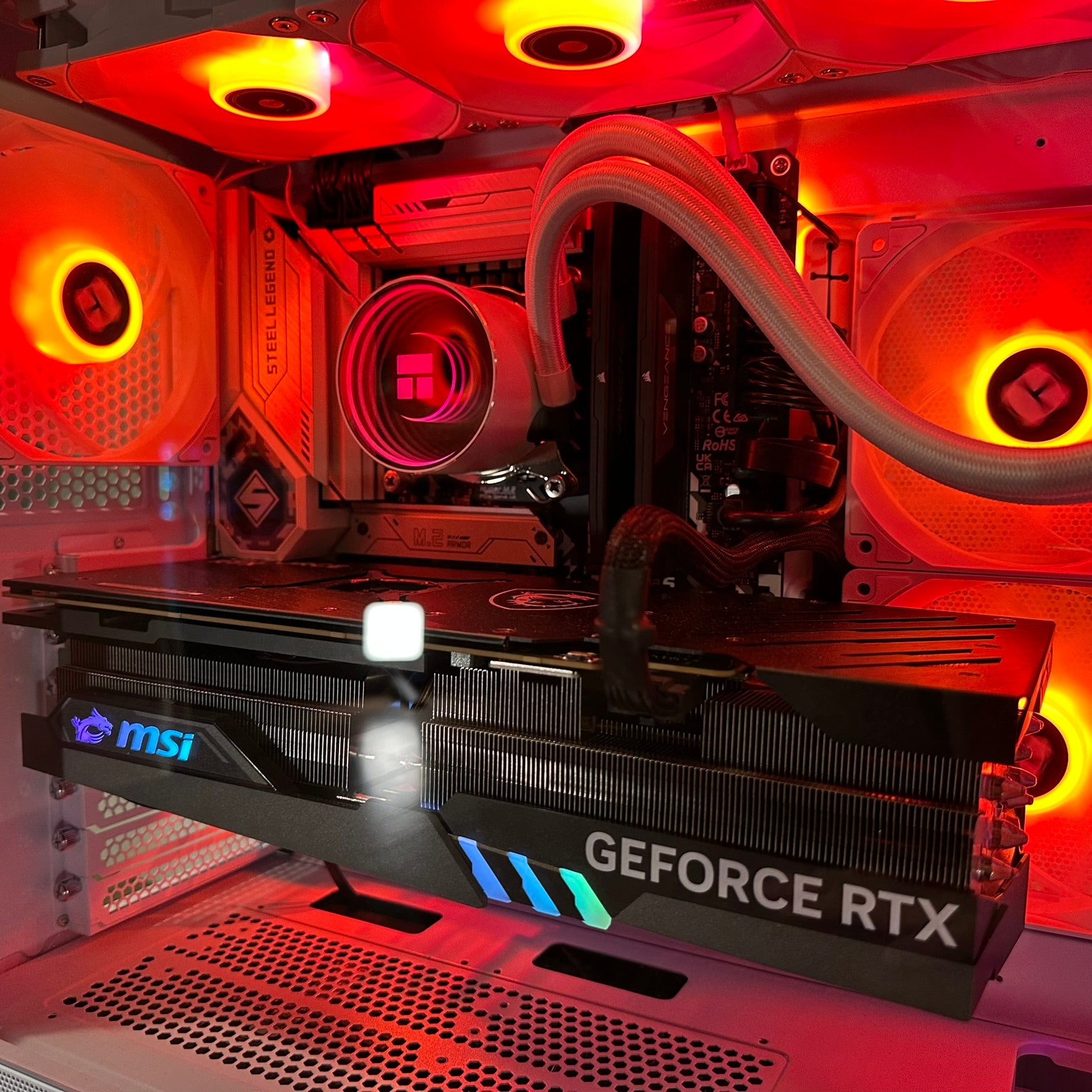
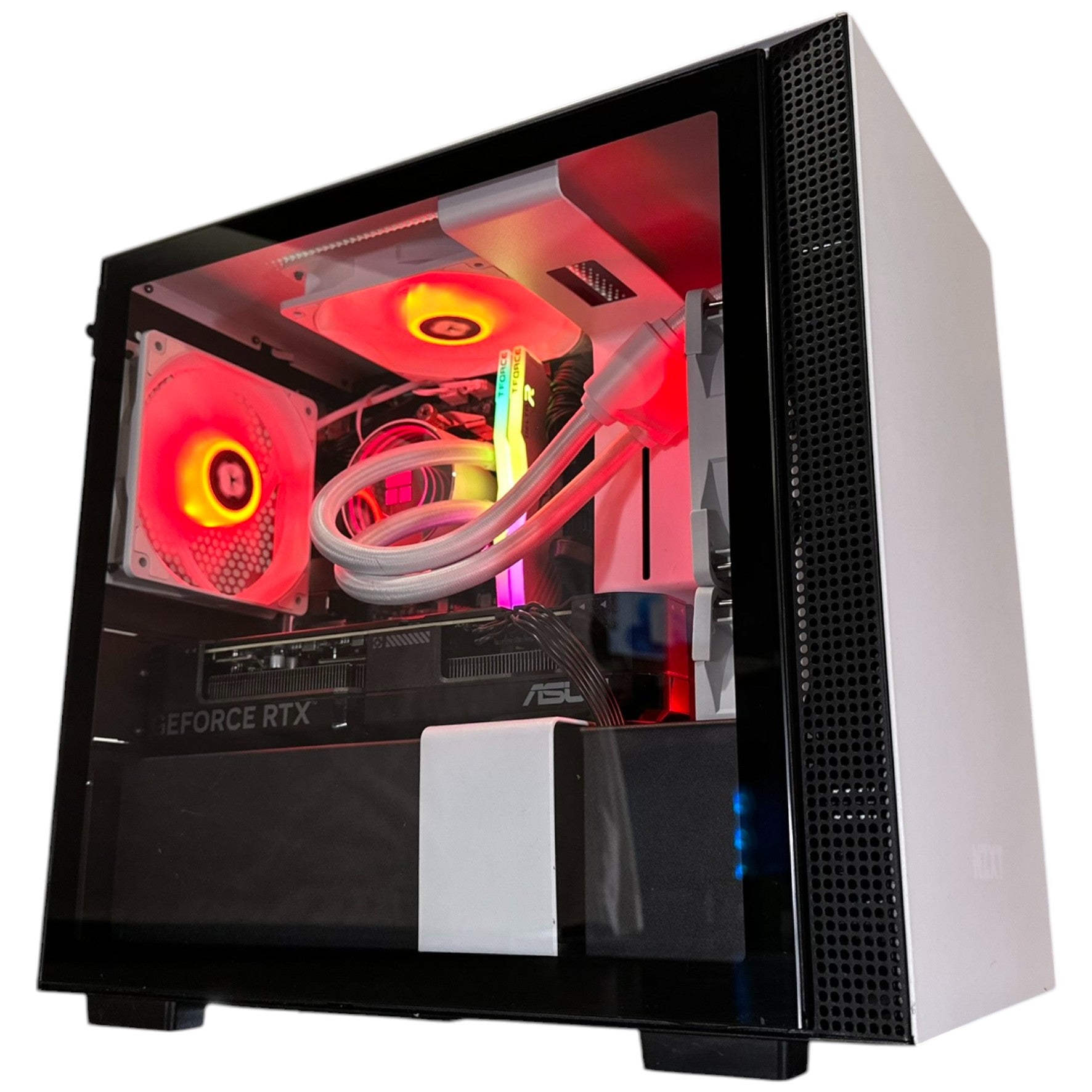
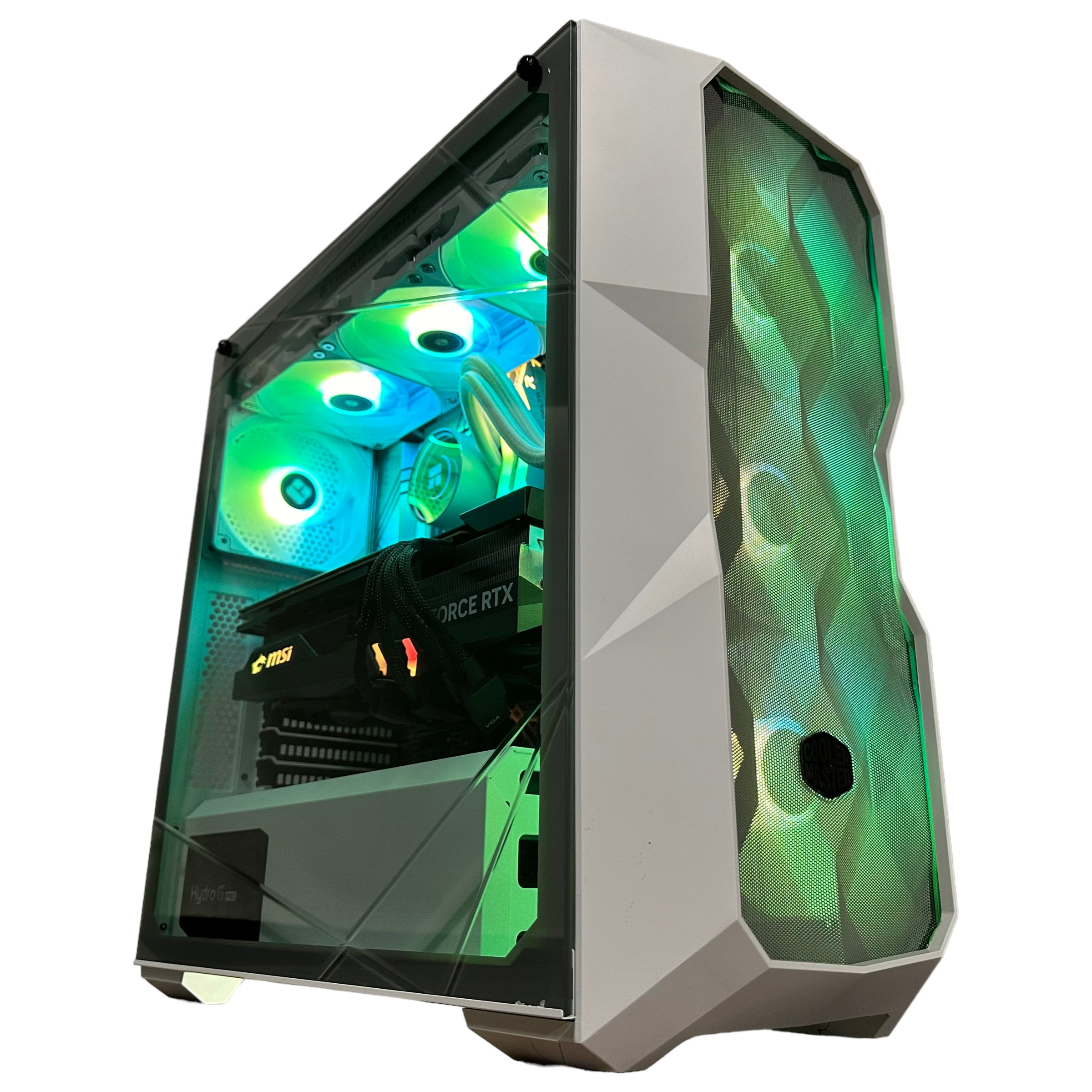
A custom build gives you a better chance to align the whole system with your actual goals. That matters whether you want a budget gaming computer, a premium RTX gaming PC, a custom creator PC, or a 3D modeling workstation.
Ask yourself:
- Do you want parts chosen to work well together instead of just looking good on a sticker?
- Do you want a clearer upgrade path?
- Do you want a machine built around your games, software, and monitor target?
- Do you want better confidence that the system has been tested instead of rushed out?
Those questions point many buyers toward custom, especially when the goal is not just buying a PC, but buying the right PC.
Why Testing, Warranty, and Build Quality Matter More Than Ever
It is easy to focus only on the big-ticket components. But long-term satisfaction often comes from the things buyers overlook before checkout. Rigorous testing matters because the best PC is not just the one with strong parts. It is the one that arrives stable, thermally sound, and ready for real use. That matters whether you are gaming, streaming, editing, or rendering.
Groovy Computers builds with that bigger picture in mind. For Canadian buyers, especially those ordering online and wanting confidence before spending serious money, proper testing and a 1-year warranty are not small details. They are part of what separates a dependable custom system from a gamble.
If you are asking, “How do I avoid buying a PC I outgrow too quickly?” one answer is simple: work with a builder that thinks beyond a short spec list.
Which Buyer Type Are You?
Sometimes the easiest way to decide is to identify your buyer profile.
The Value-Focused Gamer
You want solid 1080p performance, smart pricing, and a system that handles popular games smoothly. You care about value, but you do not want junk. You should focus on a balanced entry or lower-mid-range build with a clear upgrade path.
The Serious 1440p Gamer
You want your games to look noticeably better, feel smoother, and stay relevant for longer. You may play a mix of competitive and cinematic titles. You are often best served by a mid-range to upper-mid-range custom gaming PC that does not force an early replacement cycle.
The Premium Experience Buyer
You want high refresh rates, high settings, stronger ray tracing, and a machine that feels exciting every time you use it. You should be shopping for a premium gaming PC tier that is built for long-term enjoyment rather than short-term compromise.
The Gamer-Creator Hybrid
You play modern games, but you also stream, edit, post, design, or manage content. You need a gaming and creator PC that balances CPU, GPU, RAM, and storage instead of chasing one benchmark category.
The Workstation User
You may still game, but your real pressure comes from Blender, rendering, CAD, design, editing, or other heavier workloads. You should be looking at a custom workstation PC rather than assuming a gaming-first prebuilt will do everything well.
What Questions Should You Ask Before You Buy?
If you are close to making a decision, these are the questions worth asking yourself now:
- What games or software will I use most often over the next two to four years?
- Am I buying for 1080p, 1440p, or 4K?
- Do I care about ray tracing, high refresh rates, or ultra settings?
- Will I stream, record, or edit content on this same machine?
- Do I need more RAM or storage than a standard gaming-only build?
- Am I trying to save money today in a way that may cost me more later?
- Would financing help me secure the right system before prices change?
- Do I want a custom PC that is tested and backed by warranty confidence?
Those questions are much more useful than simply asking what is “best.” The best PC is the one that matches your actual use case, budget, and upgrade timeline.
Why This Industry Story Should Push Buyers Toward Smarter PC Decisions
Pragmata’s success supports a bigger truth: the gaming market still has room for surprise hits, original ideas, and technically ambitious experiences. That means your next system should not be built only around yesterday’s expectations. It should be chosen with enough flexibility and power to handle the games and workloads that have not peaked yet.
In practical terms, that means thinking beyond a single title. What happens when the next new release captures attention the same way? What happens when your favourite studio ships a more demanding game than expected? What happens when your own habits change and you start streaming, editing, or creating on the same PC?
The safest answer is often a stronger, smarter, more balanced custom build.
Why Groovy Computers Is a Strong Fit for Canadian Buyers
Groovy Computers is built for buyers who want guidance, not guesswork. Whether you need a gaming-focused machine, a streaming setup, a creator desktop, or a heavier workstation, the goal is the same: match the build to the real workload and make the buying process feel clear.
For shoppers in Nova Scotia and customers ordering across Canada, that means access to custom PCs, tested builds, practical support, financing options up to 4 years, and systems designed for gaming, editing, content creation, and more. If you want a system that is selected around your goals instead of a one-size-fits-all spec sheet, that difference matters.
Do you want help choosing between a budget gaming computer, a premium RTX gaming PC, a custom creator PC, or a workstation build that can handle 3D modeling and rendering? Start with the builder that can actually translate your workload into a sensible recommendation.
Ready to Choose a PC That Is Built for What’s Next?
If original games are proving they can still break through, then buyers should plan for a future that is not limited to old performance assumptions. Your next system should be ready for new games, heavier creative workloads, and the kind of daily use that makes a stronger custom build worth it.
So what do you want your next PC to do for you: run new releases smoothly, deliver a better 1440p or 4K experience, support streaming, speed up editing, handle design work, or give you enough headroom that you do not need to upgrade again too soon? If you are ready to stop guessing and choose a better-fit system, visit GroovyComputers.ca and explore a custom build that matches how you actually game, create, and work.
Pragmata’s success proves players still want original experiences. The smart response for buyers is to make sure their next PC is ready for them. If you are shopping for a gaming PC in Canada, now is the time to think carefully about performance tier, workload, timing, and whether a stronger custom system is the better long-term move.
#GamingPCCanada #CustomGamingPCCanada #GamingPCBuilderCanada #CanadianCustomPCBuilders #ContentCreationPCCanada #VideoEditingPCCanada #3DModelingPCCanada #WorkstationPCCanada #NovaScotiaPCBuilder #GroovyComputers
Groovy Computers | All Rights Reserved


Leave a comment
This site is protected by hCaptcha and the hCaptcha Privacy Policy and Terms of Service apply.