





Pragmata Sequel Buzz Is Rising: What This Means for Anyone Shopping for a Gaming PC in Canada
The growing talk around a possible Pragmata sequel matters for more than gaming headlines. It is another reminder that major new releases, surprise hit franchises, and visually ambitious sci-fi games can quickly change what players expect from their hardware. If you are reading about Capcom’s momentum and thinking ahead to your next setup, this is the right time to ask a practical question: is your current PC ready for the next wave of demanding games, or are you going to be upgrading under pressure later?
Recent reporting indicates that Pragmata has outperformed expectations, with strong sales and enthusiastic player response. That kind of commercial success often shifts a publisher’s long-term strategy. When a new intellectual property lands well, it does not just increase sequel odds. It also raises the likelihood of bigger follow-up budgets, more advanced graphics, more ambitious game systems, and higher expectations for performance on PC.
For Canadian buyers, that is where this story gets especially relevant. A future sequel, expansion of the franchise, or even a broader trend toward more technically demanding third-person action games can make today’s “good enough” system feel outdated much faster than expected. If you want smooth gameplay, ray tracing, stronger frame rates, better streaming performance, or enough headroom for game capture and editing, waiting too long can become the expensive choice.
Why is the Pragmata sequel discussion important for PC buyers right now?
Capcom already has some of the strongest brands in gaming, so when a new franchise gains traction, the signal is meaningful. It suggests that bold new releases still matter, and that players are rewarding polished, cinematic, technically rich experiences. Those are exactly the kinds of games that tend to push GPU demand upward and expose weak links in older systems.
Think about your own setup for a second. Are you still gaming at 1080p and satisfied with medium settings? Or have your expectations changed? Do you now want 1440p with high refresh rates? Do you want ultra settings, better lighting, and stronger image quality? Have you started caring more about frame consistency, stutter reduction, and long-term upgrade value instead of just minimum launch-day playability?
That is the real takeaway from a story like this. It is not just about whether Pragmata 2 happens. It is about what the next class of AAA games is likely to demand from your hardware, and whether your current machine will still feel competitive when those releases arrive.
What did players like about Pragmata, and why does that point to stronger hardware needs?
According to the source material, players responded positively to the game’s sci-fi setting, the mix of third-person shooting and hacking mechanics, and the relationship between its main characters. That combination matters because games that blend cinematic presentation, environmental detail, action systems, and layered mechanics often become more demanding in sequels, not less.
If Capcom moves forward with another entry, what usually expands in a sequel?
- Higher asset quality with more detailed textures, lighting, and effects
- More complex AI and enemy variety, which can hit both CPU and GPU load
- Bigger environments and more dynamic scenes
- Improved rendering features such as advanced reflections, shadows, and post-processing
- More demanding streaming and capture workflows for creators covering the game
If you are the kind of gamer who also records gameplay, streams on Twitch or YouTube, edits clips for social media, or creates reviews, then the hardware requirement shifts even further. You are no longer just buying a system for one game. You are buying for gaming, background apps, browser tabs, Discord, OBS, exports, thumbnails, and future software demands all at once.
What do you want your next PC to do for you?
Before comparing specs, start with your real use case. Too many buyers shop by isolated parts instead of by actual outcome. Ask yourself what your next PC needs to handle over the next several years, not just this weekend.
- Do you want a system mainly for AAA gaming?
- Do you play competitive titles and care more about high FPS than ultra visuals?
- Do you want 1440p or 4K gaming instead of entry-level 1080p?
- Are you planning to stream, record, or edit your gameplay?
- Do you also use Adobe apps, DaVinci Resolve, Photoshop, or Blender?
- Are you trying to avoid upgrading again too soon?
- Would monthly payments help you secure a better long-term build instead of settling for less now?
The answer to those questions matters more than any one component trend. A student buying their first gaming rig does not need the same machine as a content creator, and a creator does not need the same build as a customer focused on 4K ray tracing or 3D rendering. The right PC is the one that matches the games and workloads you will actually use.
What gaming PC do I need if future games get more demanding?
If sequel talk around Pragmata has you thinking about game readiness, the smartest move is to choose a tier based on resolution, settings, and how long you want the system to stay comfortable.
Entry performance: Is a budget-friendly build enough for you?
If your target is 1080p gaming, strong value, and a solid first desktop for modern titles, an entry-to-midrange build may be the right fit. This tier is often ideal if you mainly play esports games, mix in some newer releases, and are comfortable tuning settings when major AAA titles arrive.
But ask yourself honestly: are you buying for what you play today, or for what you expect to play next year? If games like Pragmata and similar cinematic action titles are becoming part of your library, the cheapest route can lead to the fastest regret.
Mainstream sweet spot: Is 1440p where your money goes furthest?
For many buyers in Canada, 1440p is now the best balance of image quality, frame rate, and long-term value. This is where a stronger graphics card, a capable modern CPU, fast SSD storage, and enough RAM start to make a major difference. If you want your system to feel current across more than one release cycle, this tier often delivers the best real-world experience.
If you are asking, what PC do I need for 1440p gaming? the better question may be: do you want to simply run the game, or do you want to enjoy it at settings that actually show off why people are excited for it?
Premium tier: Are you chasing 4K, ray tracing, and long-term headroom?
If your goal is premium visuals, 4K gaming, high refresh support, or advanced lighting features, then you are no longer shopping for minimum viability. You are shopping for staying power. This kind of buyer often benefits most from a carefully matched custom build, because balance matters. A powerful GPU paired with weak cooling, limited memory, or insufficient storage planning is not a premium experience.
And if you are also planning on streaming, video editing, or running creator tools alongside your gaming, top-end balancing becomes even more important.
Should you buy a gaming PC now or wait for the sequel to become official?
This is one of the most important buying questions in the market, and it applies well beyond one franchise. If a game sequel has not been announced yet, does it make sense to wait? Sometimes yes, but often no.
Why? Because hardware buying conditions do not always improve while you wait. GPU pricing pressure, inventory shifts, memory fluctuations, storage cost changes, and demand spikes around major game releases can make future shopping less comfortable. By the time a title gets a trailer, release window, or updated requirements, prices and availability may have moved in the wrong direction.
So ask yourself: are you waiting for better information, or are you just postponing a purchase you already know you need?
If your current system is already struggling with newer games, longer load times, thermal issues, stutter, or limited multitasking, then waiting may simply mean paying more later for a rushed replacement.
How does this trend affect streamers and content creators?
Not every reader following gaming news is just a player. Many are also recording gameplay, creating YouTube videos, posting short-form clips, designing thumbnails, or reviewing new releases. That means the right response to a game trend is not always just a stronger gaming system. It may be a more balanced creator PC Canada setup that handles gaming and production together.
If that sounds like you, ask a different set of questions:
- Do you need smooth gameplay while OBS runs in the background?
- Are you editing 1080p videos, 4K footage, or layered effects projects?
- Do you use Adobe Premiere Pro, DaVinci Resolve, Photoshop, Illustrator, or After Effects?
- Are you juggling game installs, raw footage, asset libraries, and export files on one drive?
- Would more RAM and faster storage save you time every week?
A gaming PC can be good for content creation, but not every gaming-focused system is ideal for creator workloads. If your workflow includes editing, rendering, or heavy multitasking, it often makes sense to move beyond pure gaming specs and toward a more purpose-built custom system.
For streamers: What PC do you need for gaming and broadcasting?
Streaming introduces another layer of hardware demand. Your PC is no longer just rendering the game. It is also encoding video, managing overlays, handling browser sources, and often capturing audio devices and chat tools. If you stream competitive games, you may care about frame rate overhead. If you stream cinematic titles, visual quality may be the bigger priority.
A solid streaming PC Canada setup should leave breathing room. That means enough CPU performance, a strong GPU for modern encoding and graphics load, sufficient RAM, and storage that keeps your system responsive during installs, patching, and recording.
For editors: What PC do you need for video editing after gameplay capture?
If your gaming hobby turns into content, your hardware needs can change quickly. A machine that feels fine in-game may become frustrating in Premiere Pro or DaVinci Resolve. Timeline lag, slow scrubbing, long exports, and poor background responsiveness are all common signs that your system is no longer balanced for creator work.
If you are asking, is a gaming PC good for video editing? the answer is often yes, but only if it has the right CPU, enough RAM, fast SSD storage, and a GPU that supports the editing software you actually use. A properly configured video editing PC Canada buyer will usually benefit from more than just a gaming-first parts list.
For designers and creators: Are you also using Photoshop, Illustrator, or Lightroom?
Many customers want one desktop that handles gaming at night and creative work during the day. That is where a custom build becomes especially valuable. The right system can support gaming, editing, photo work, graphic design, and social media content creation without forcing you into a one-purpose machine.
If your workflow includes Lightroom batch exports, Photoshop layers, Illustrator assets, Canva browser workloads, or multiple displays for production, then a balanced creator desktop can make a bigger day-to-day difference than a spec sheet built only around game FPS.
Which performance tier fits you best?
One of the biggest mistakes buyers make is overspending in the wrong place or underspending in a way that guarantees an early upgrade. Here is a practical way to think about performance tiers based on actual usage.
Tier 1: Budget-minded gamer
This tier is best if you want a budget gaming PC Canada option for 1080p gaming, lighter multitasking, school use, and solid everyday responsiveness. It can be a smart choice for first-time buyers, students, or customers mainly focused on value. But if a title like a future Pragmata sequel is exactly the kind of game you get excited for, you should be careful not to buy too close to the floor.
Tier 2: Mainstream gamer who wants stronger longevity
This is often the best match for gamers who want 1440p gaming, stronger settings, smoother experience in new releases, and enough flexibility for some streaming or editing. If you are wondering how much should I spend on a gaming PC, this is usually the range where spending a bit more upfront can save you from a faster replacement cycle.
Tier 3: Premium gamer and streamer
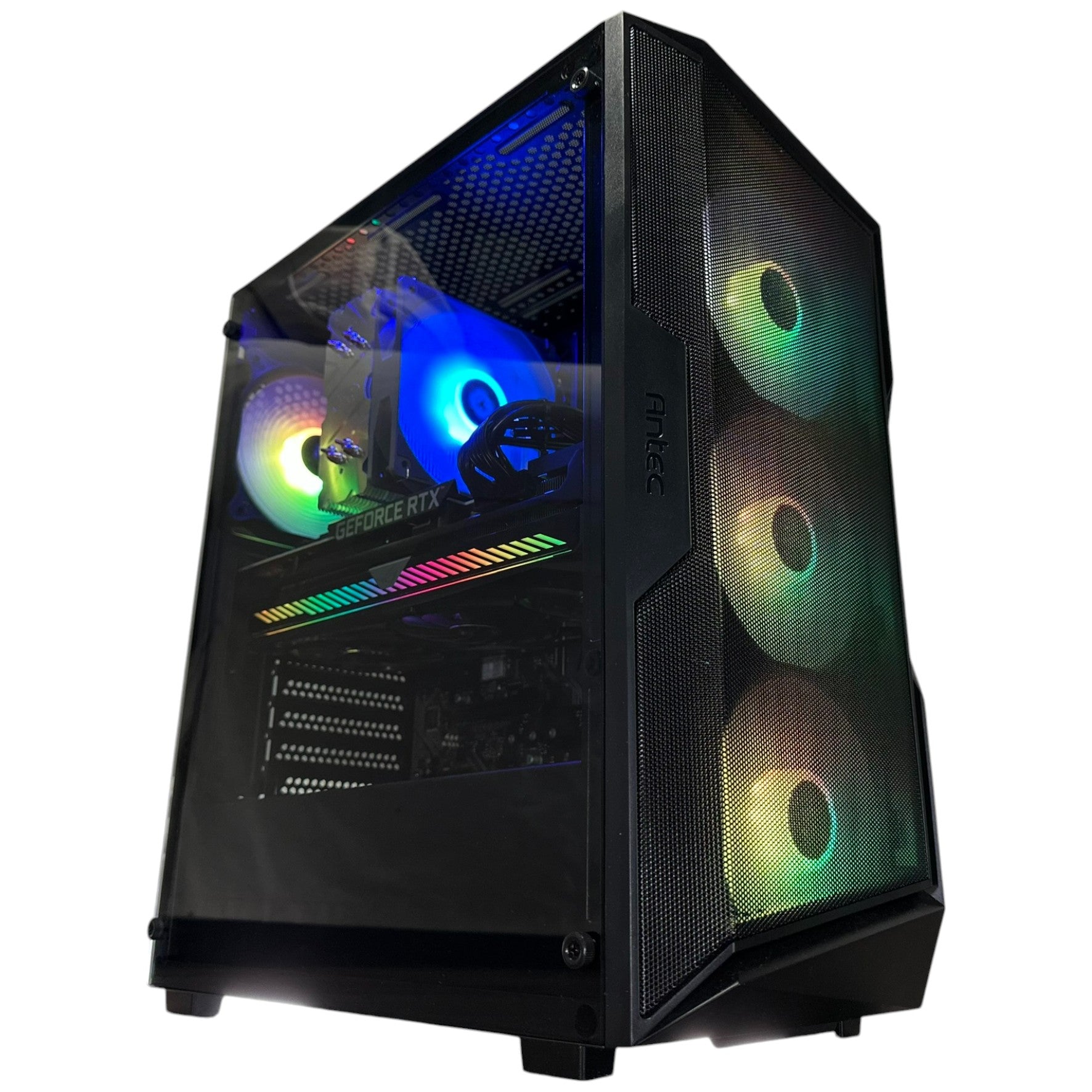
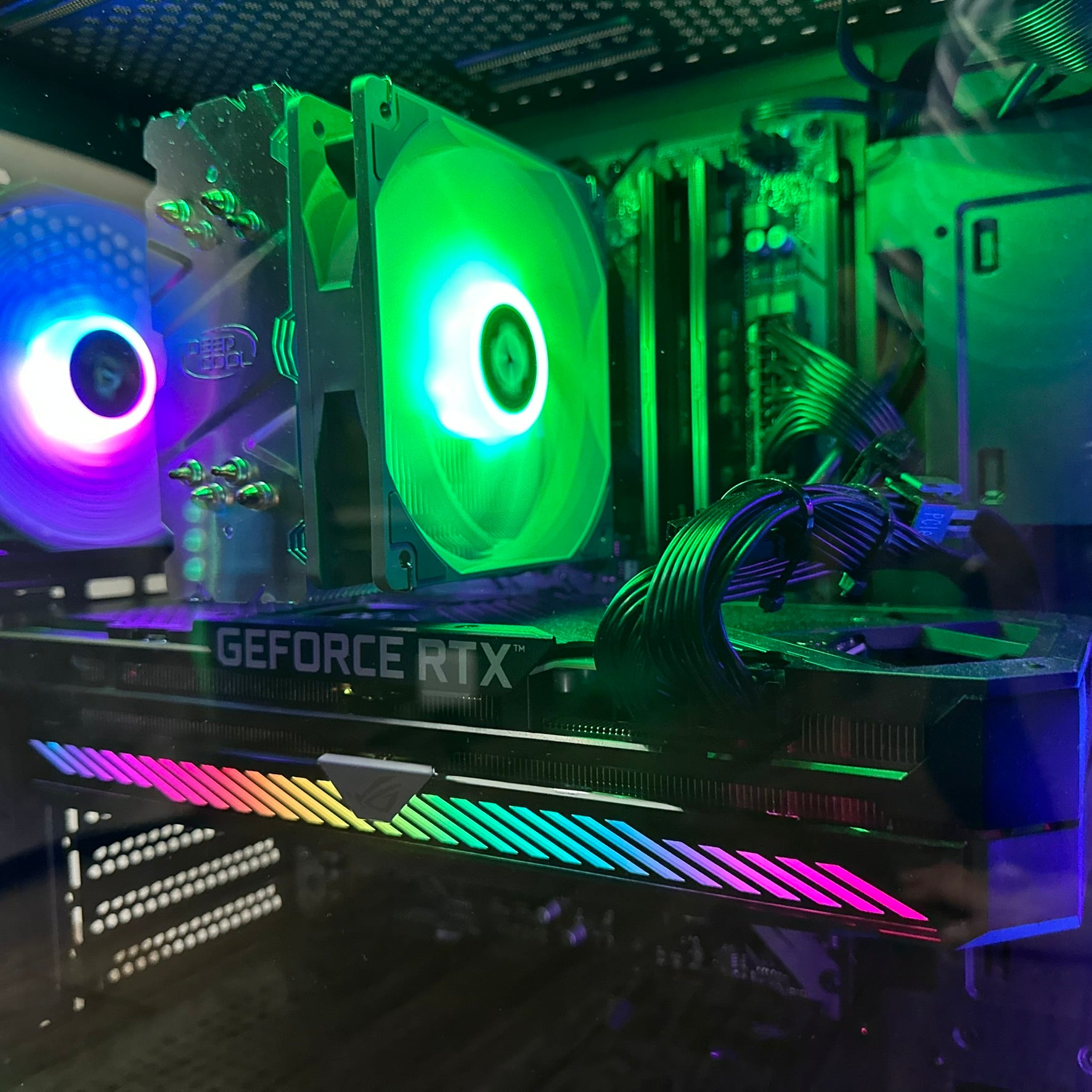
If you want high refresh 1440p, stronger ray tracing, 4K readiness, premium visuals, and reliable streaming overhead, this is where a carefully tuned RTX-focused build makes sense. This tier is for buyers who do not want compromise every time a demanding title launches.
Tier 4: Multi-purpose creator and workstation buyer
If you game, stream, edit, design, render, or model in 3D, your best option may not be a pure gaming machine at all. It may be a custom workstation-style desktop that still plays games extremely well while also handling Adobe Creative Cloud, Blender, Unreal Engine, or large multi-app workflows. If your question is what PC do content creators need, the answer is usually balance, memory, storage planning, and workload-specific tuning.
Could financing help you buy the right system before costs rise?
This is where timing becomes practical. A lot of buyers know they need a stronger PC but try to stay under a number that forces them into a build they will outgrow too quickly. Then they upgrade sooner, spend more twice, and lose time in the process.
If that sounds familiar, ask yourself a better question: should I buy a cheaper system now, or secure the stronger build I actually need and spread the cost out?
For many customers, financing makes the better system realistic without waiting for the perfect market. Groovy Computers offers options that can help buyers move into a stronger gaming PC, creator desktop, or workstation with manageable payments, including financing up to 4 years for qualifying purchases. That can be especially useful if you want to lock in a system before replacement costs rise further.
Financing is not about buying irresponsibly. It is about aligning the right hardware with the time you will use it. If a stronger PC saves you from a near-term upgrade, improves work output, or gives you several extra years of useful performance, monthly payments can be the more rational move.
Why do custom builds matter more when game requirements and prices are unpredictable?
When the market is calm, generic systems can look tempting. But when new games raise the bar and component pricing shifts, build quality and part matching become more important. That is where custom PC expertise matters.
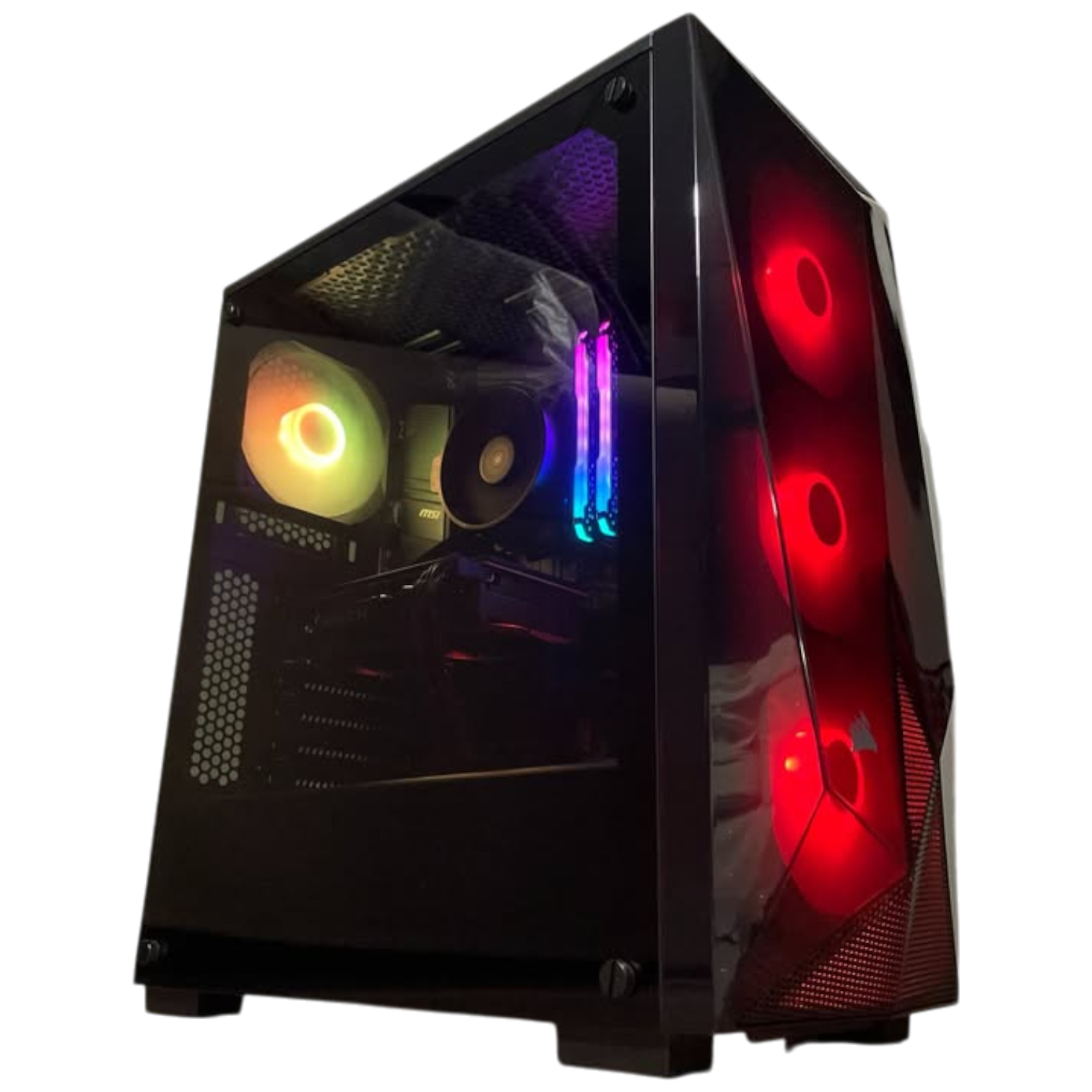
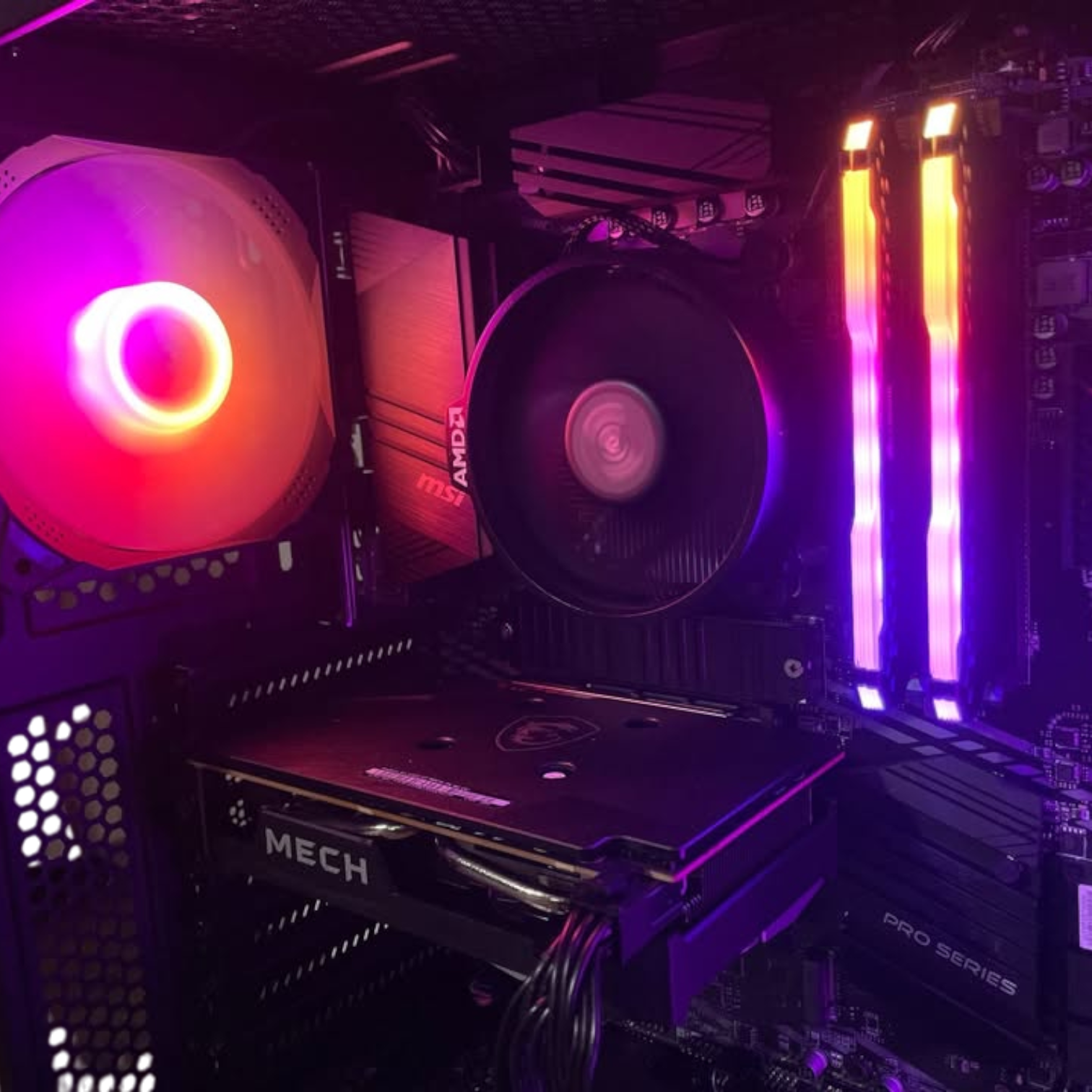
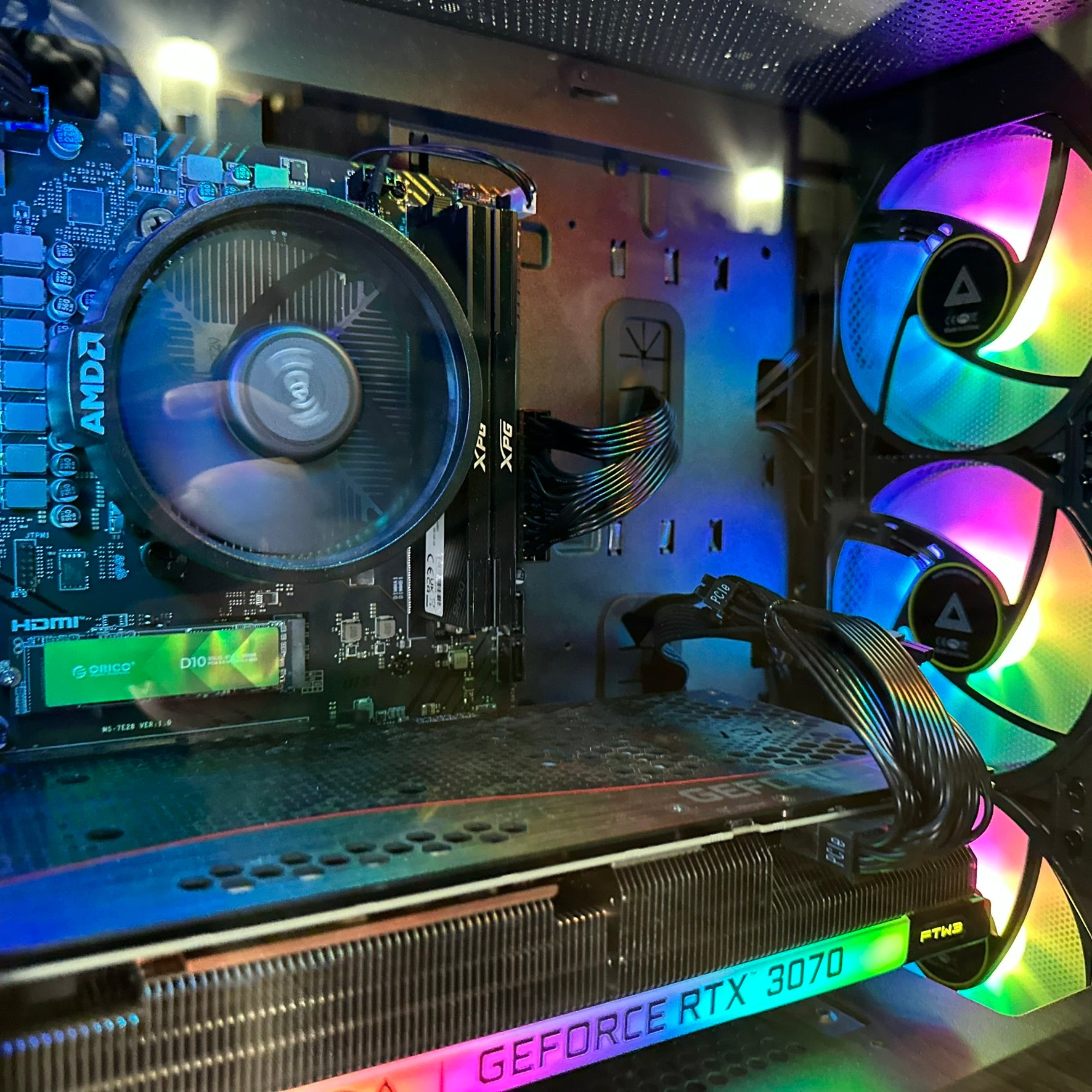
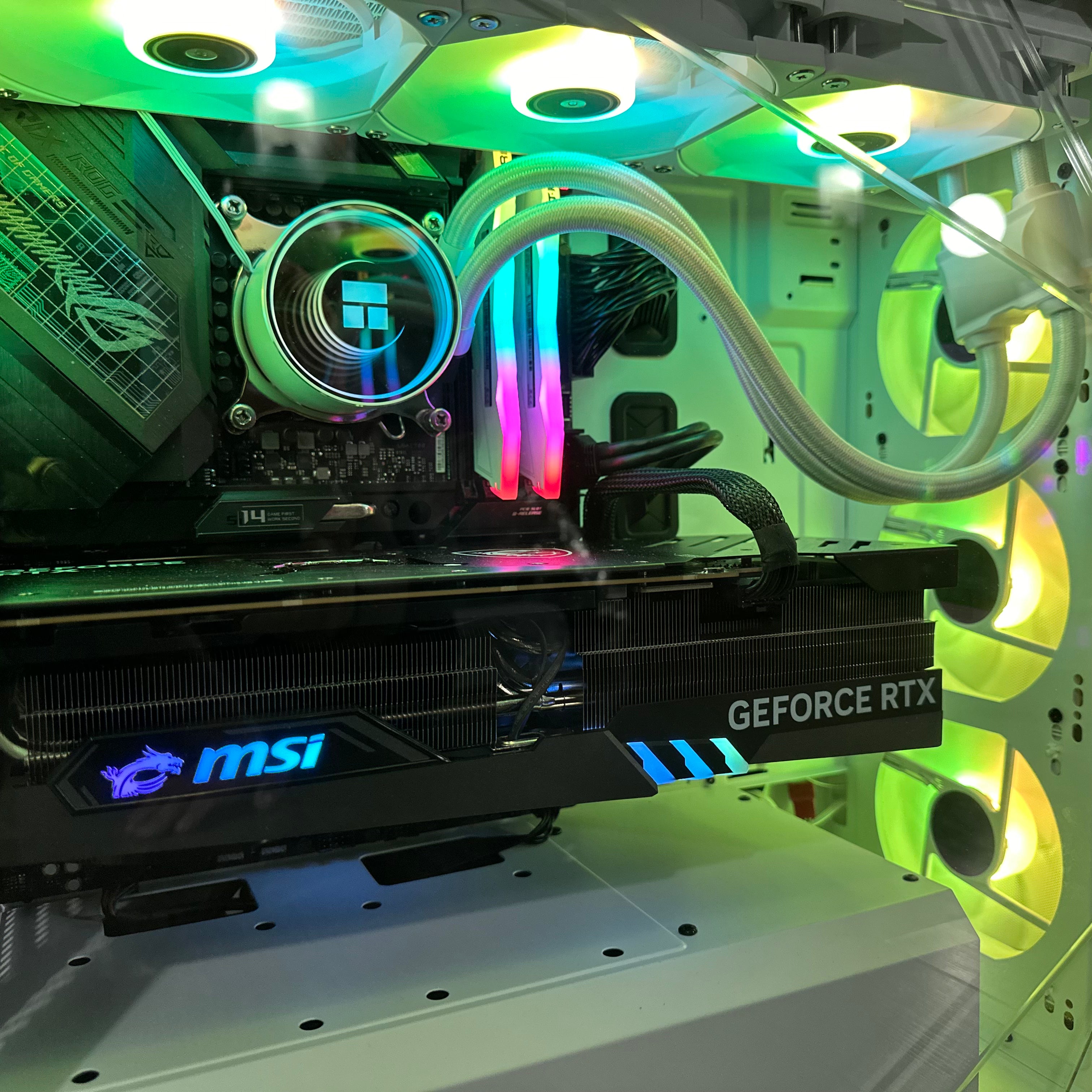
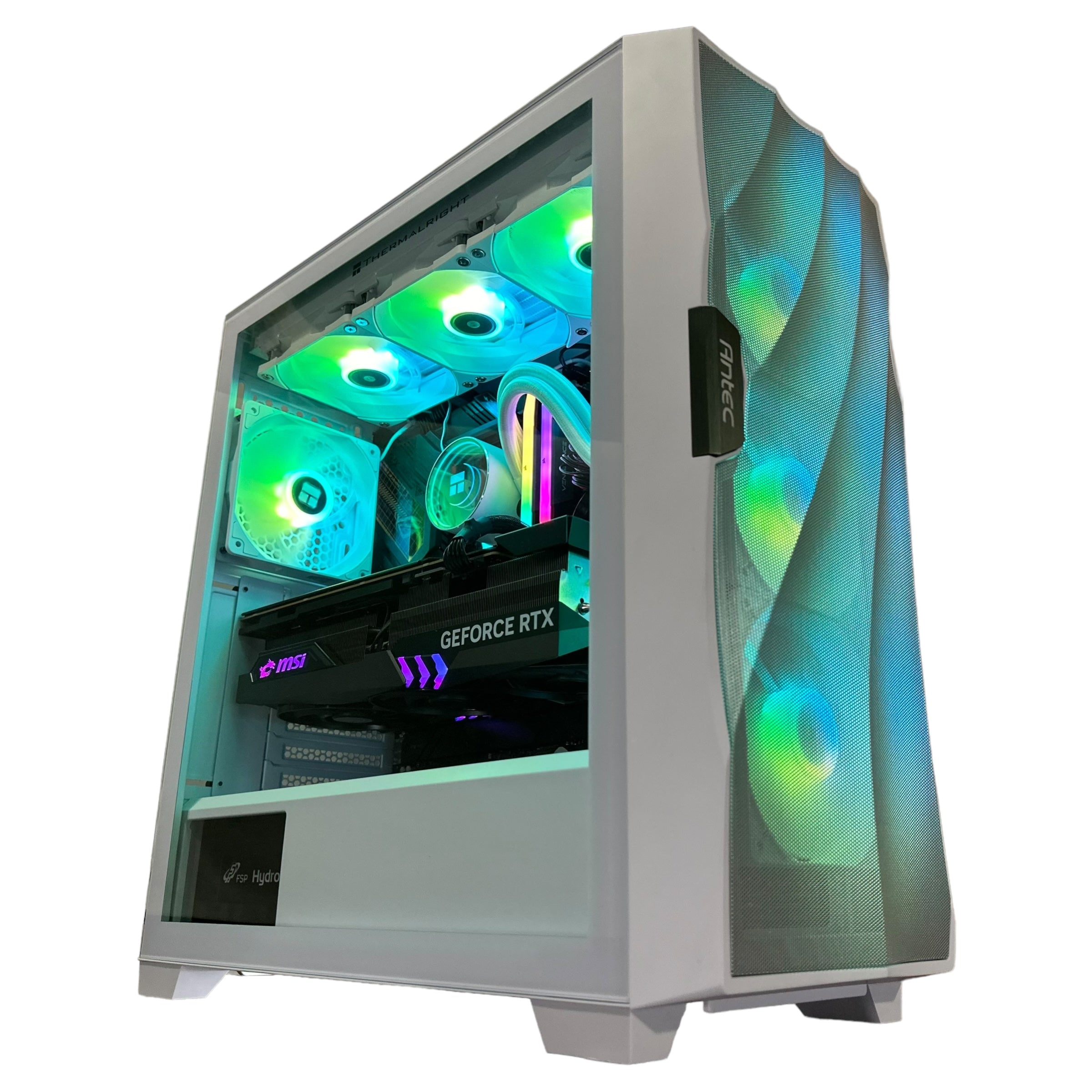
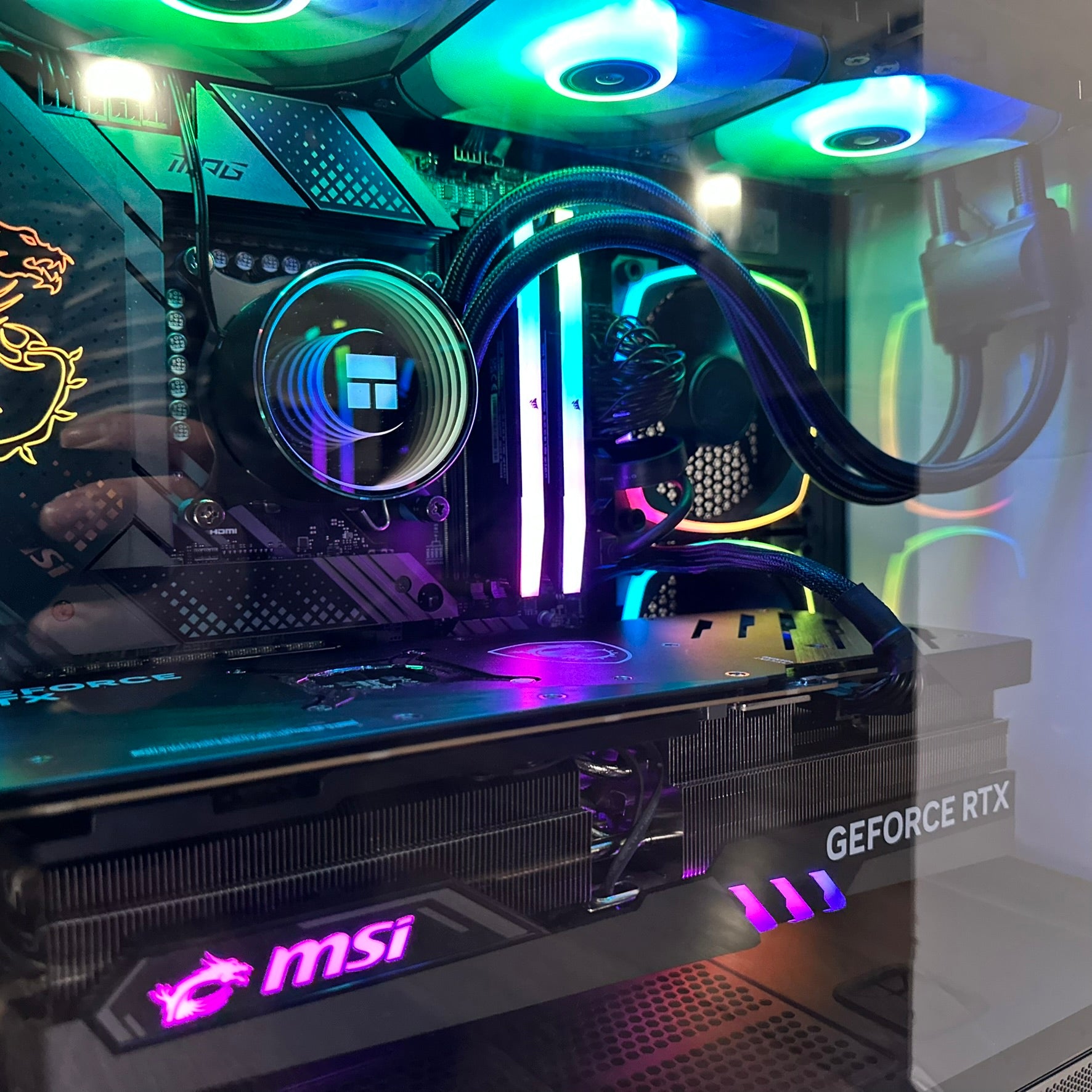
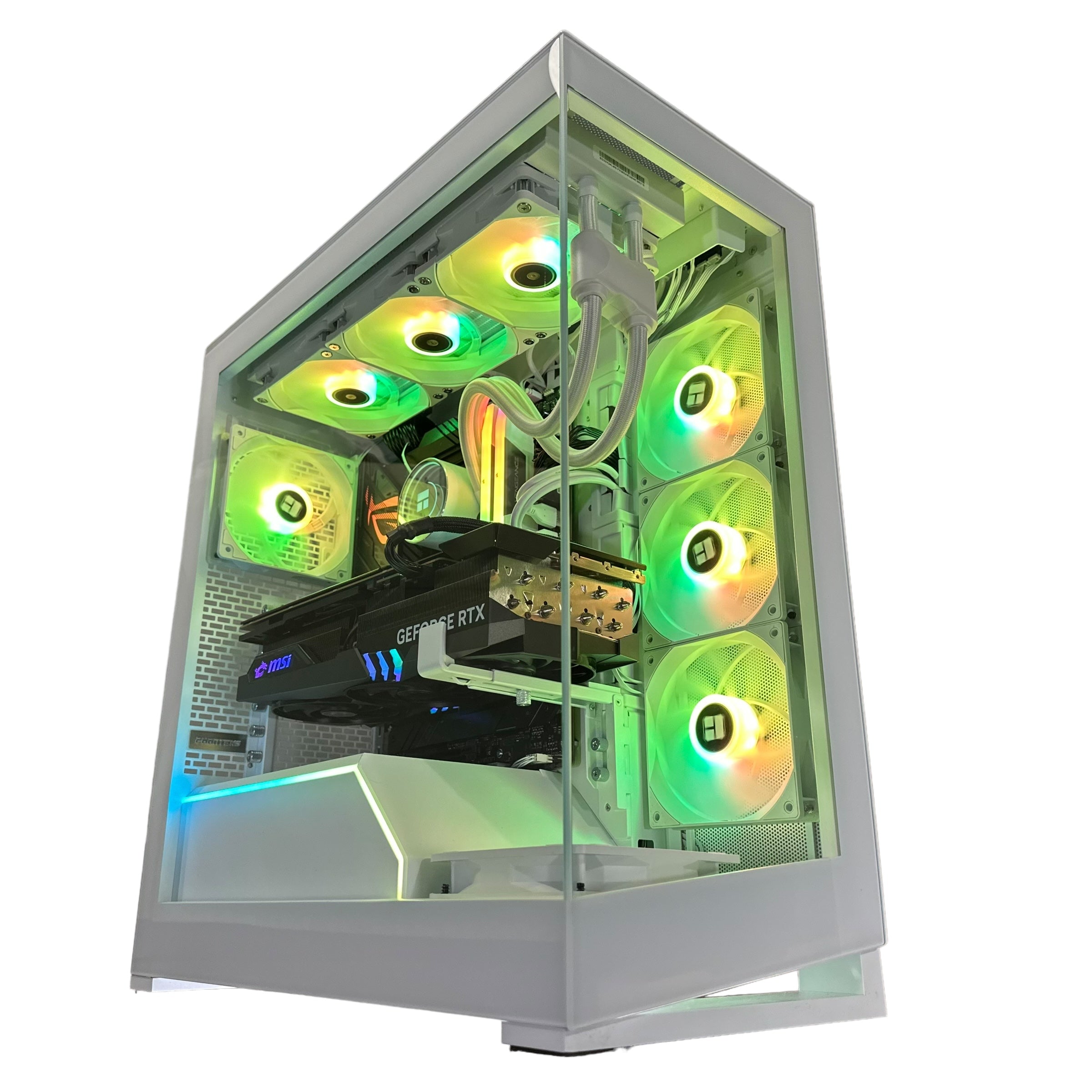
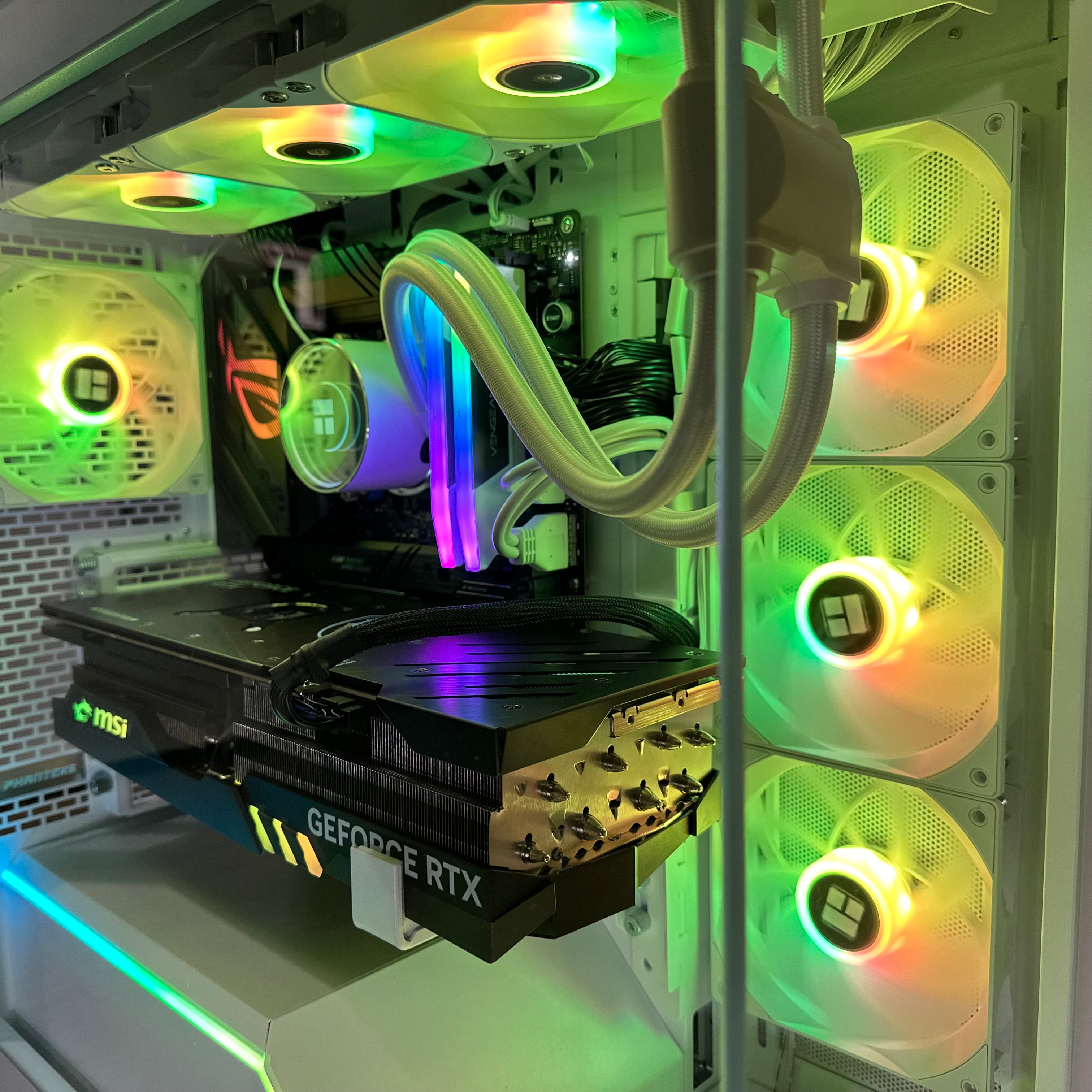
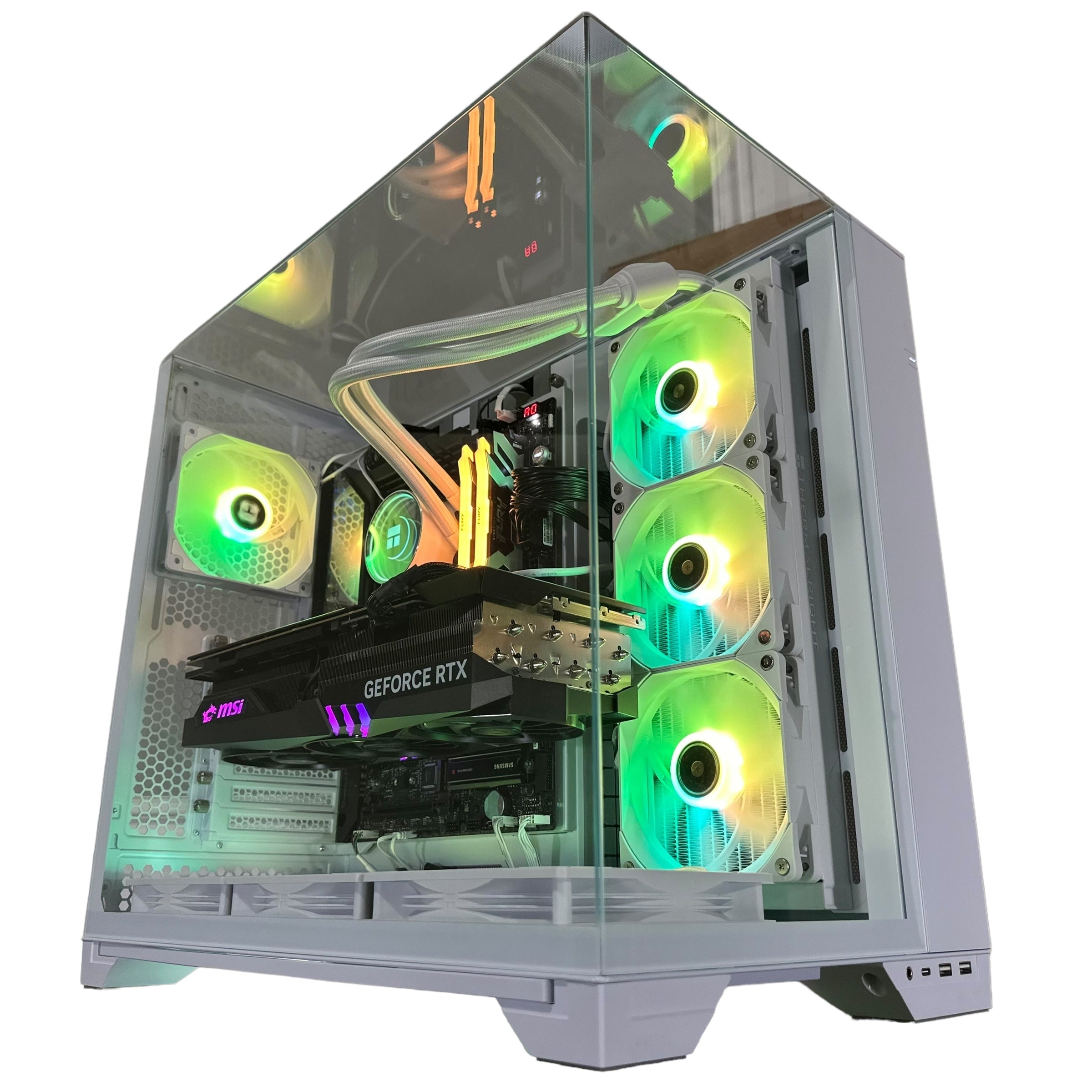
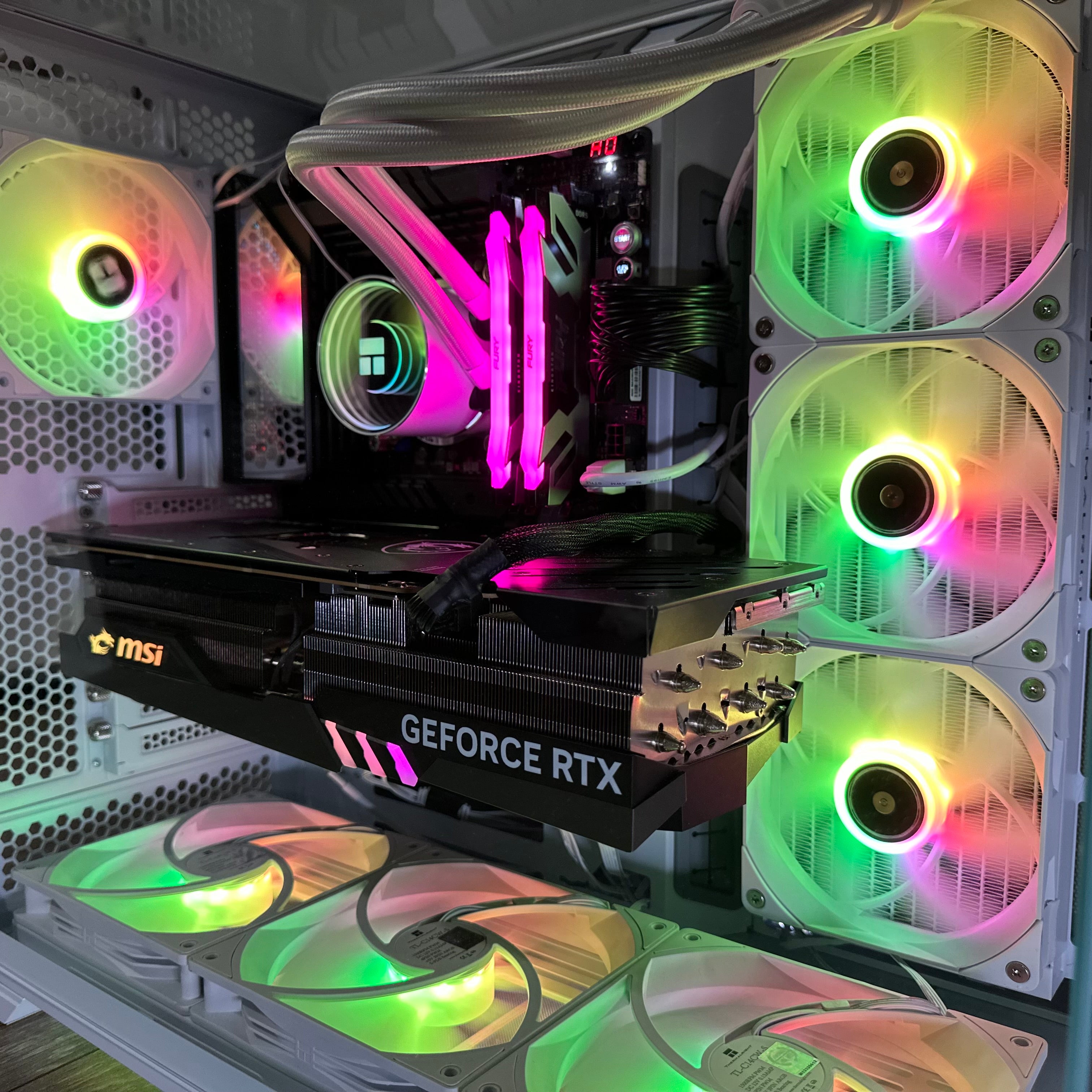
A well-built system should not just have a strong graphics card. It should have the right CPU pairing, stable cooling, an appropriate power supply, quality airflow, enough RAM for your actual usage, and storage that fits how you install, capture, edit, and archive. Those details affect performance, thermals, noise, reliability, and upgrade path.
Would you rather buy a machine that looks powerful in one headline spec, or one that is actually built to stay smooth and dependable under real workloads?
That is why many Canadian buyers prefer working with a builder that understands how gaming, streaming, editing, and workstation needs overlap. It is not just about the part list. It is about making the whole machine make sense.
What if you also need a PC for Blender, 3D work, or heavier professional use?
Gaming news often pulls in buyers who also work in 3D or digital production. If that is you, it is worth stepping back and deciding whether your next system should be treated as a gaming desktop or as a workstation-first machine that also games well.
If you use Blender, Unreal Engine, CAD tools, product visualization software, or rendering apps, your ideal build may need more memory, a different CPU priority, larger storage planning, or a stronger GPU than a gaming-only customer would choose. So the right question becomes: what PC do I need for 3D rendering, and do I also want that machine to deliver premium gaming performance?
A custom approach is often the cleanest answer because it lets you prioritize your actual daily mix of workloads instead of forcing you into a one-size-fits-all desktop.
Why should Canadian buyers think differently about timing?
Canadian shoppers face a different reality than buyers reading broad international gaming news. Exchange-rate pressure, shipping costs, inventory swings, and regional availability can all affect what a complete system costs here. That means timing your purchase around your needs is often smarter than trying to outguess the market perfectly.
If you are in Nova Scotia, Atlantic Canada, or ordering elsewhere across the country, support quality matters too. Buying from a Canadian custom builder means you are not just shopping for components. You are shopping for build quality, testing, warranty confidence, and support from people who understand the category.
Do you want the lowest headline price from a faceless listing, or do you want a system built with a clear purpose and backed by service you can trust?
Why Groovy Computers is a strong fit for buyers preparing for the next wave of games
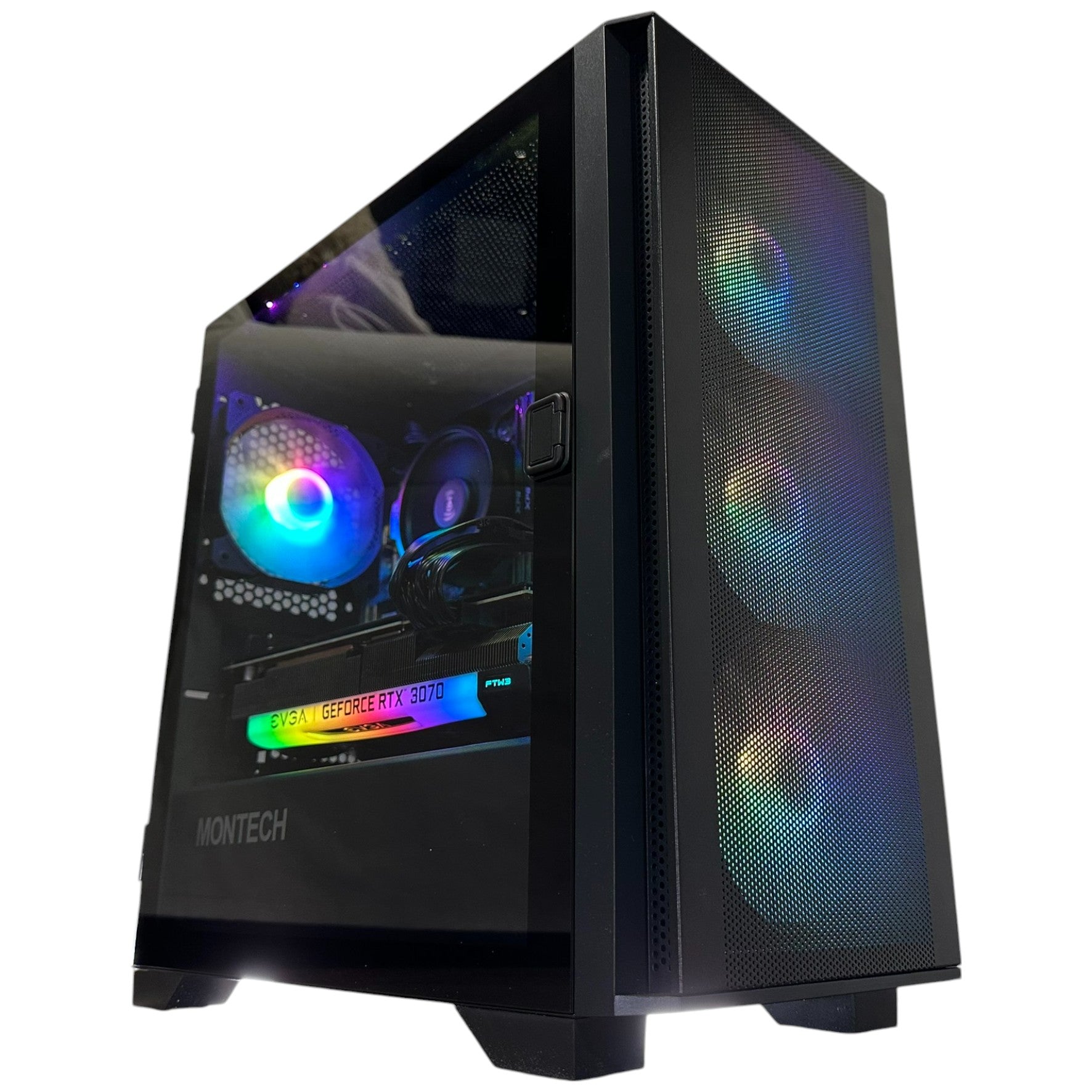
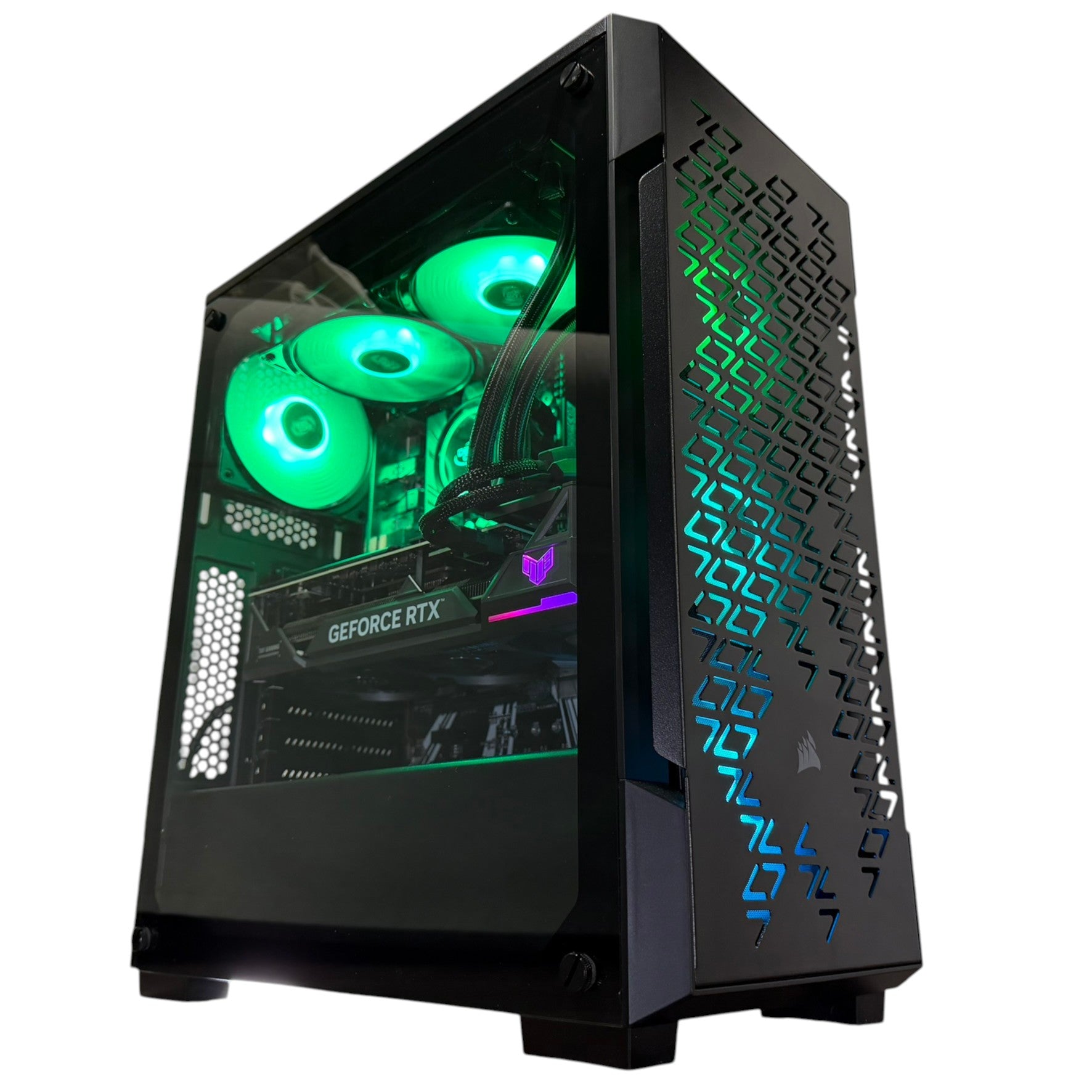
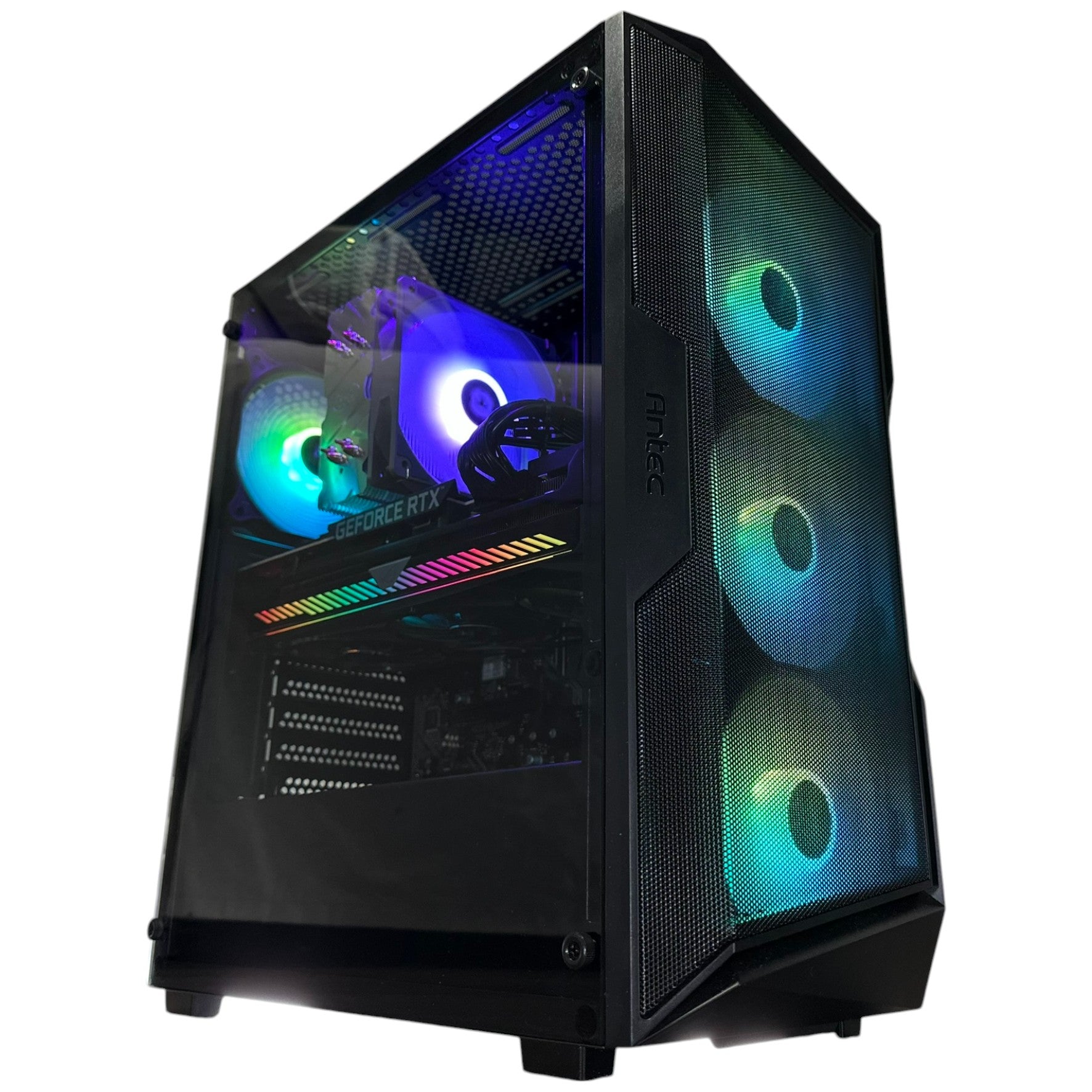
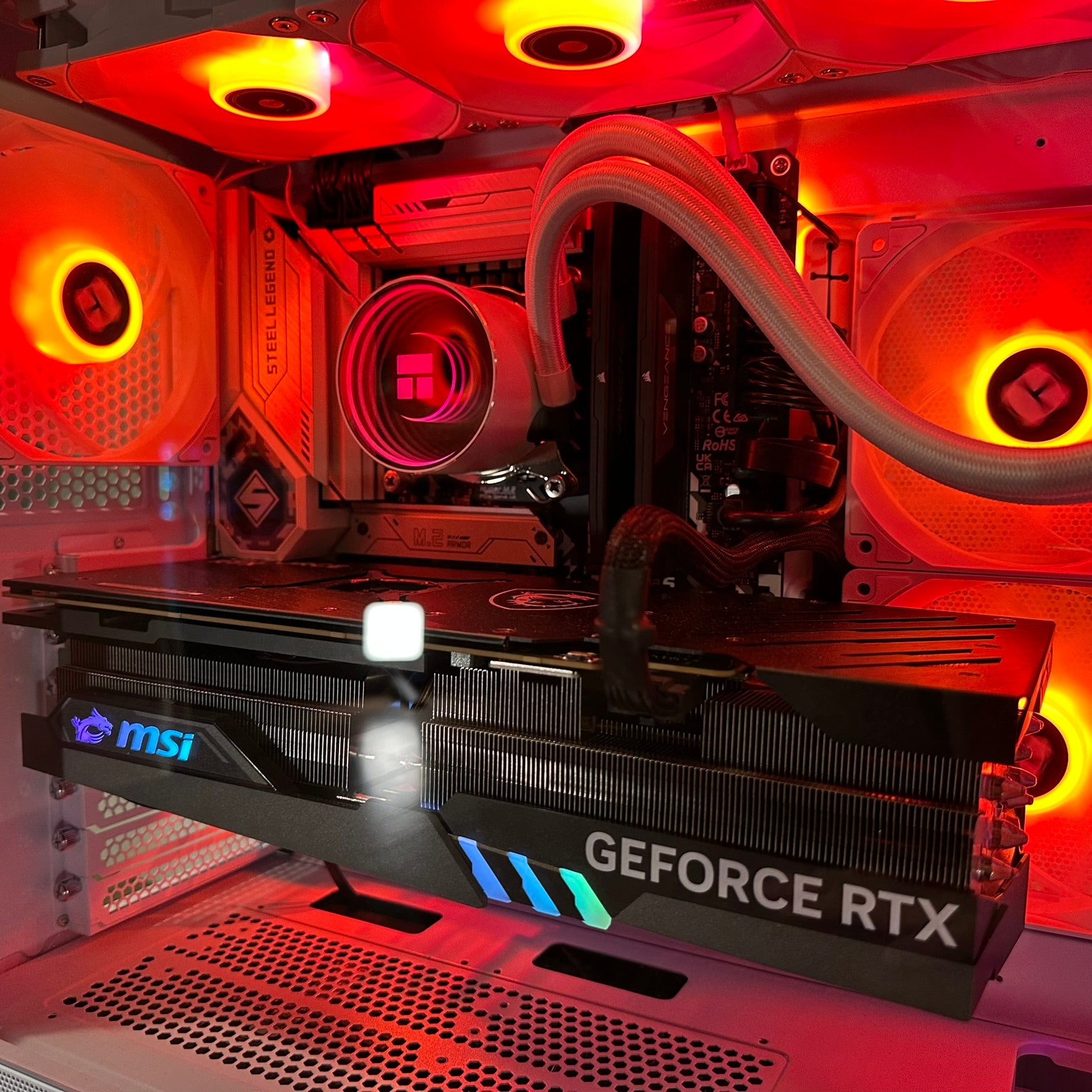
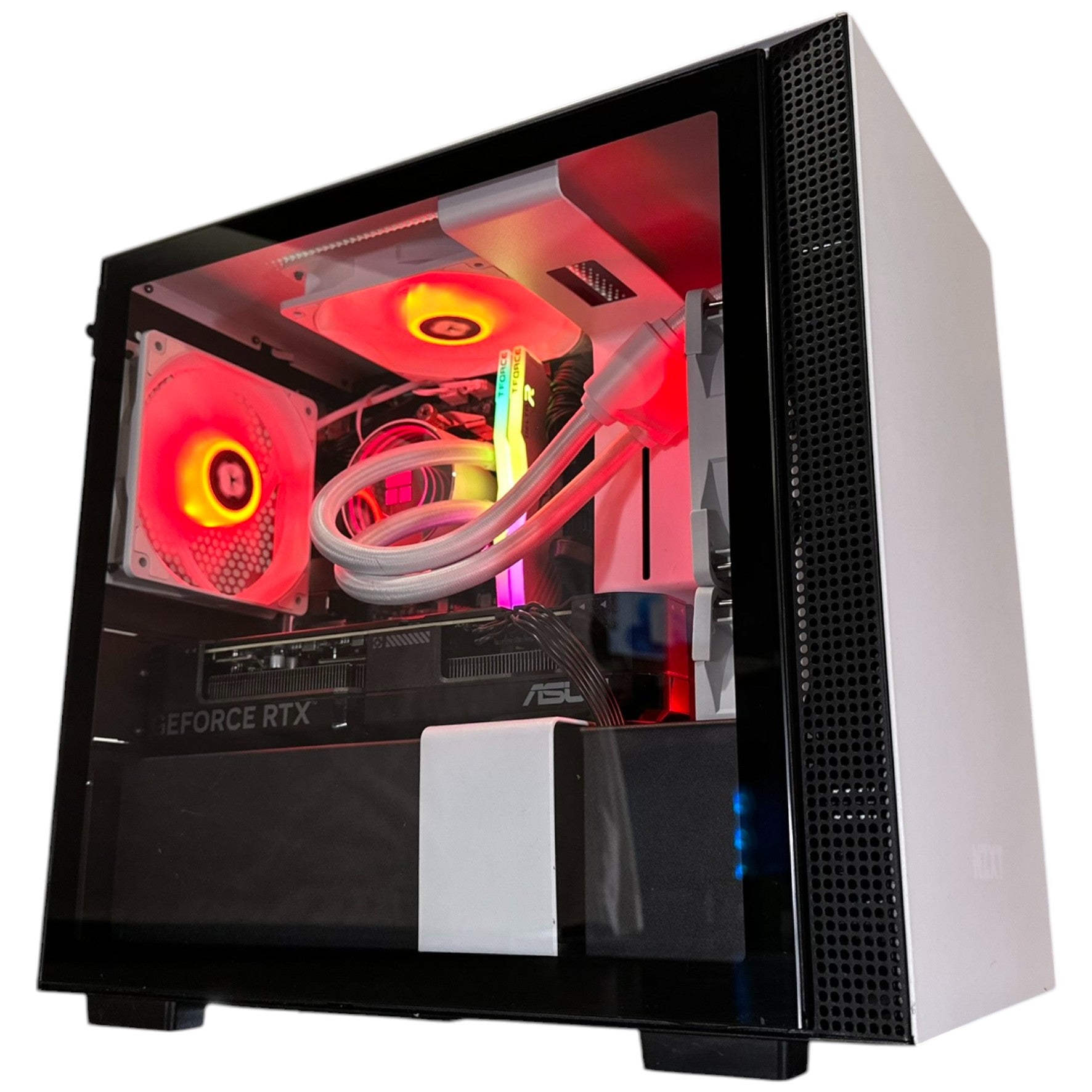
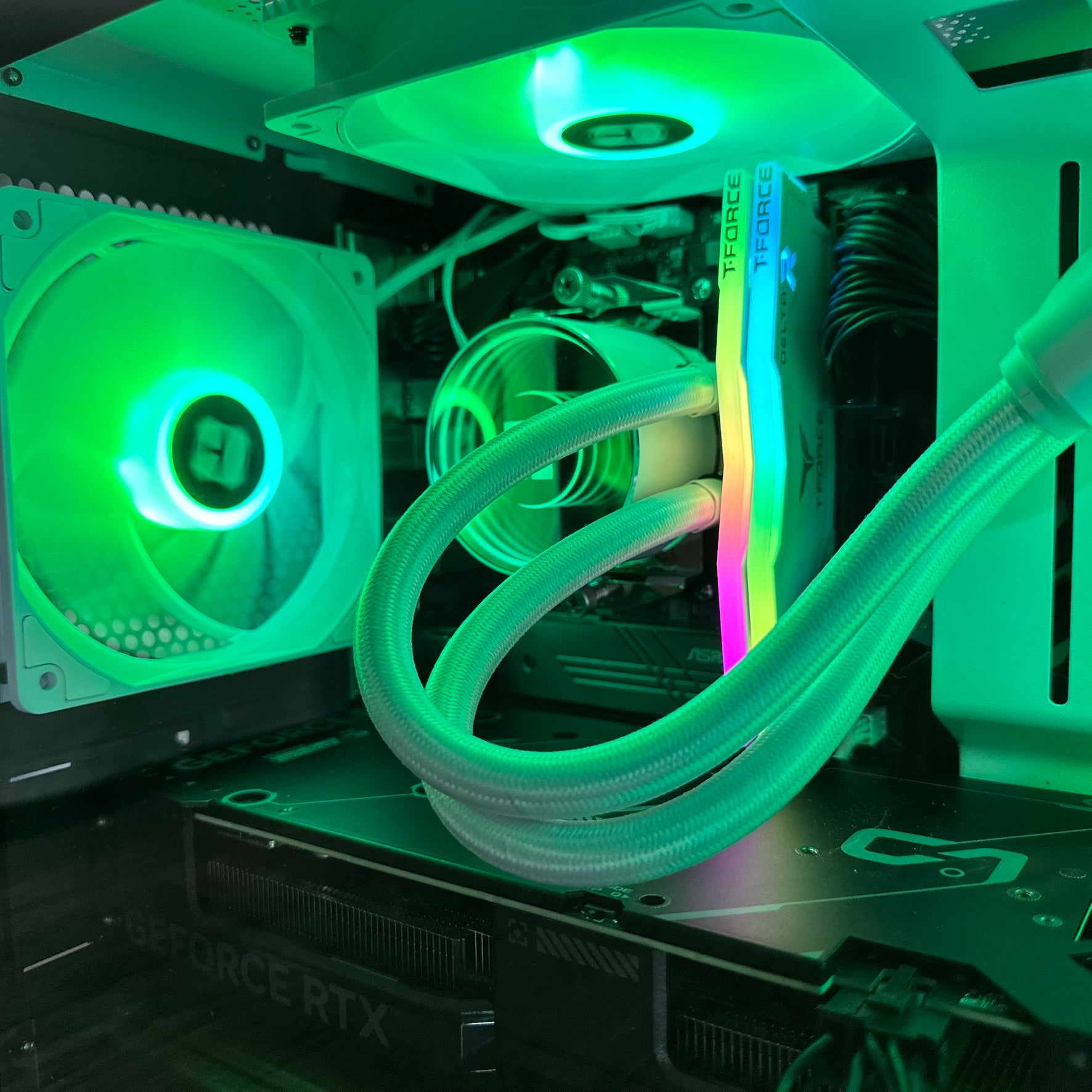
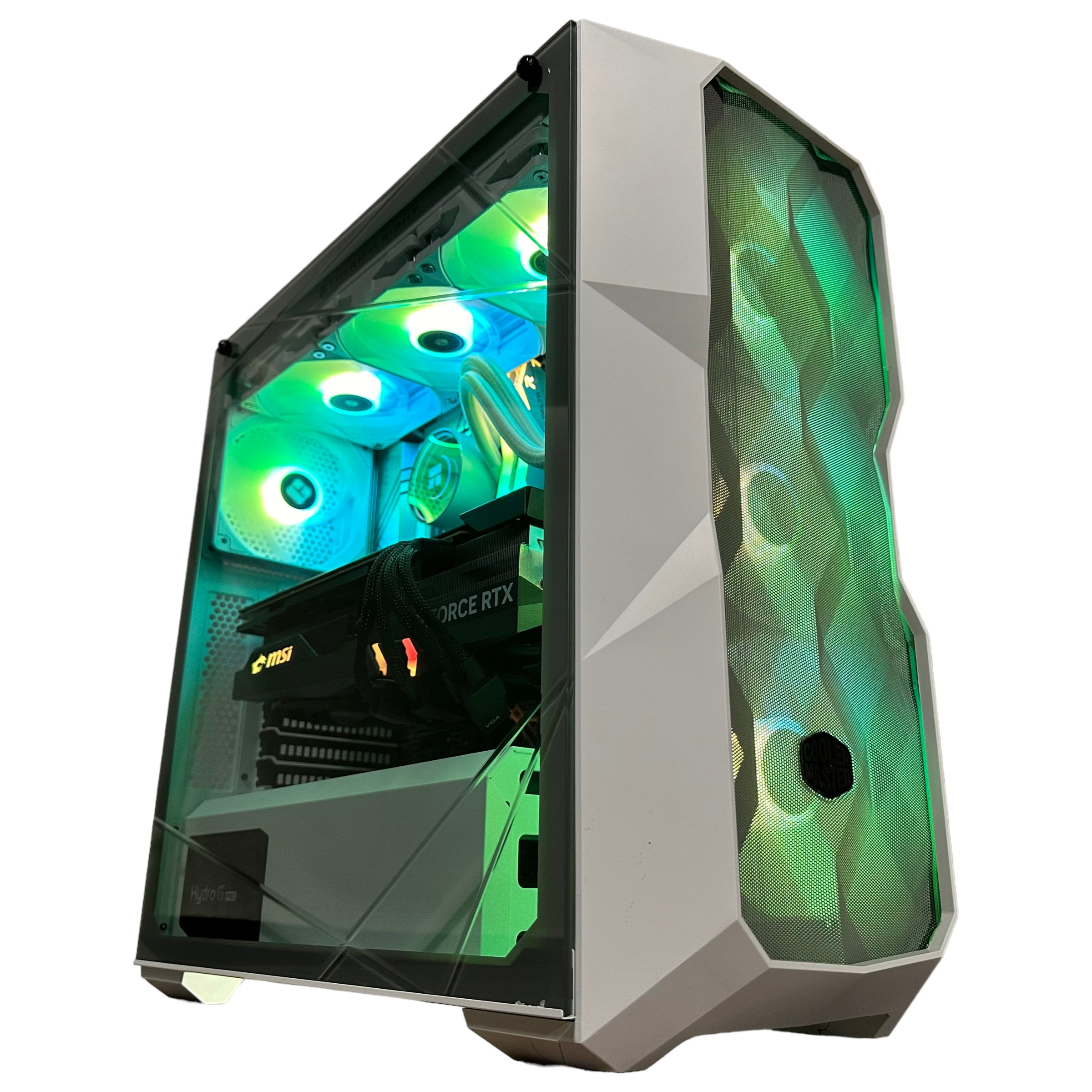
Groovy Computers is built around what serious buyers actually need: custom gaming PCs, creator systems, and workstation desktops designed for real use, not generic spec sheets. Whether you need a value-first gaming machine, a premium RTX build, a streaming setup, a video editing desktop, or a more advanced 3D workstation, the advantage is getting a system matched to your goals.
That includes the things experienced buyers care about most:
- Custom build logic based on gaming and workload needs
- Rigorous testing before the system reaches you
- Reliable parts matching for thermals, power, and upgrade path
- 1-year warranty for added confidence
- Canadian support from a builder focused on this market
- Financing options that can help you step into a better long-term system
If you are asking yourself, what gaming PC do I need, should I buy now or wait, or would a custom creator PC fit me better than a generic prebuilt, that is exactly the kind of decision Groovy Computers is positioned to help with.
So, should sequel hype push you to upgrade?
Not by itself. But it should push you to think more clearly about where gaming is heading and whether your current hardware is keeping pace. A strong response to Pragmata increases the odds that Capcom will invest further in the franchise. Bigger ambition usually leads to bigger hardware demands. If those are the kinds of games you care about, planning now is smarter than scrambling later.
The most important question is simple: do you want your next PC to merely survive new releases, or do you want it to enjoy them properly?
If your answer includes smoother AAA gaming, stronger 1440p or 4K performance, streaming headroom, faster editing, better multitasking, or a system that will not feel outdated too soon, it is worth exploring a custom build now instead of waiting for pressure to make the decision for you.
Need help choosing the right custom PC for gaming, streaming, or creator work?
If you are trying to decide between a budget gaming system, a premium RTX desktop, a balanced streaming build, a video editing PC, or a workstation for heavier creative tasks, the next step is straightforward: visit GroovyComputers.ca and look at the options that match how you actually play and work. Not sure whether financing makes sense for your situation? Not sure whether 1080p, 1440p, or 4K is the right target? That is exactly when a custom PC builder can save you from buying the wrong machine.
In a market shaped by new game demands, rising expectations, and uncertain component pricing, the best move is usually not the cheapest move. It is the smartest one. And for many Canadian buyers, that means choosing a properly tested custom system from Groovy Computers before the next big release makes the decision more urgent.
#GamingPCCanada #CustomGamingPCCanada #CreatorPCCanada #StreamingPCCanada #VideoEditingPCCanada #3DModelingPCCanada #CanadianCustomPCBuilders #NovaScotiaTech #GroovyComputers
Groovy Computers | All Rights Reserved


Leave a comment
This site is protected by hCaptcha and the hCaptcha Privacy Policy and Terms of Service apply.