
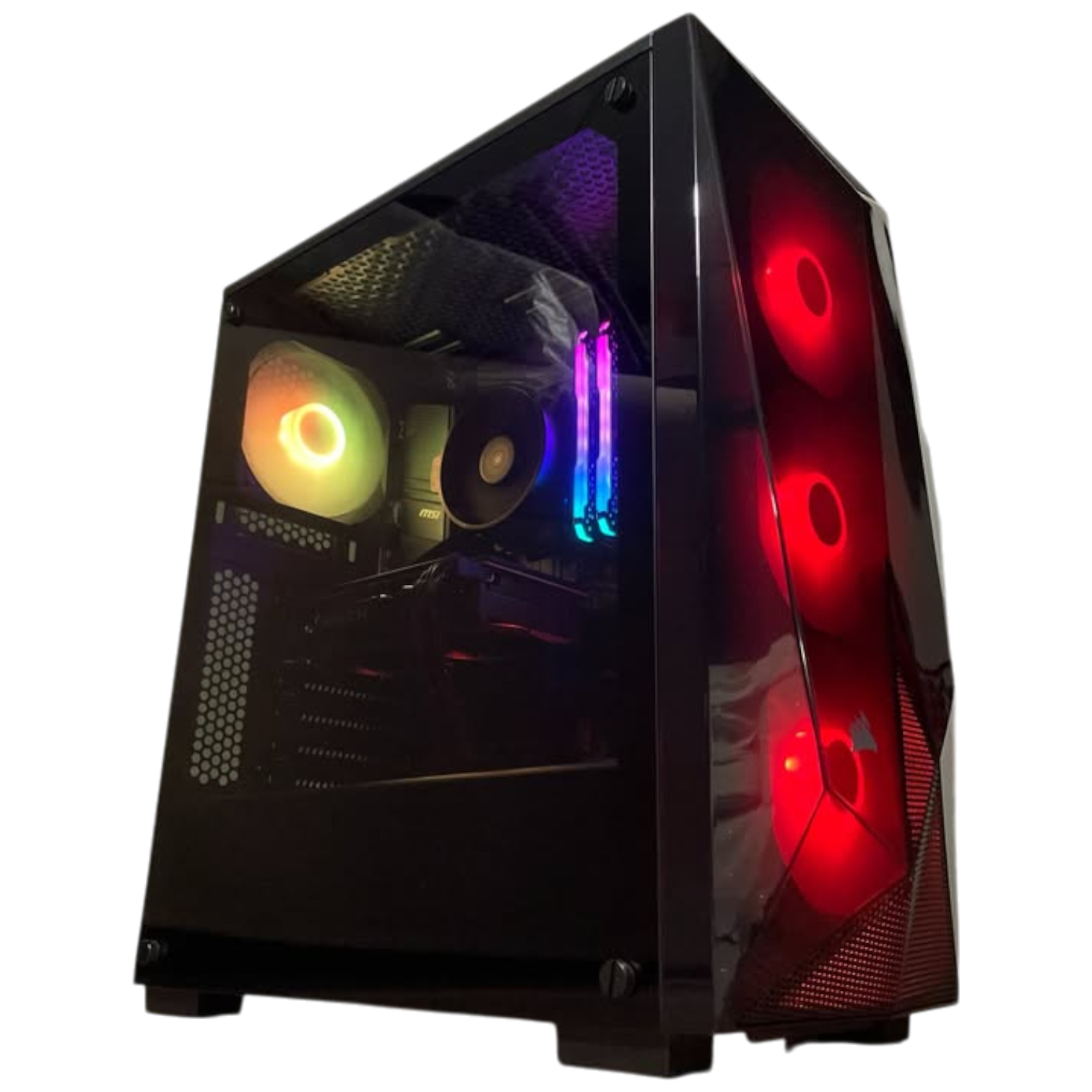
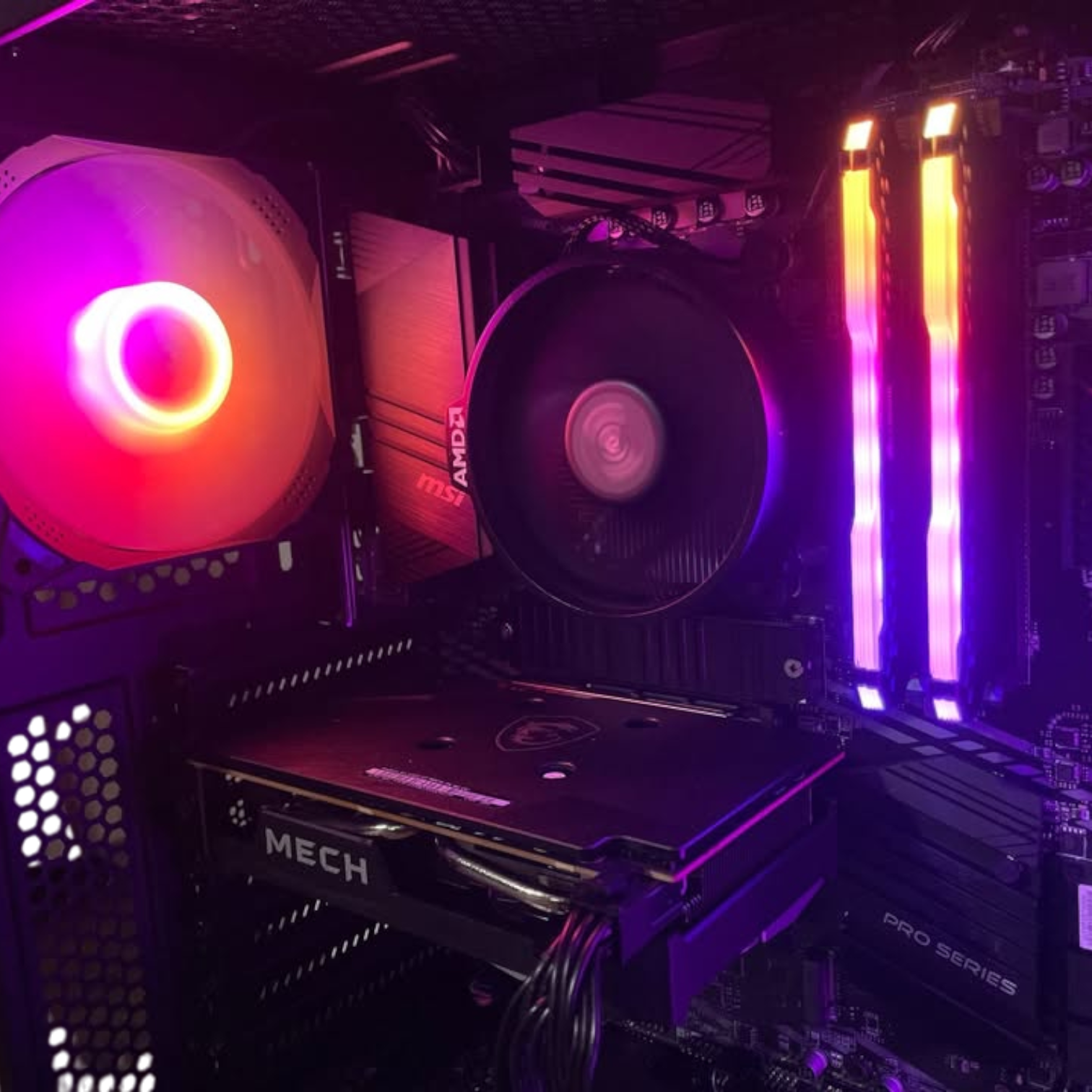
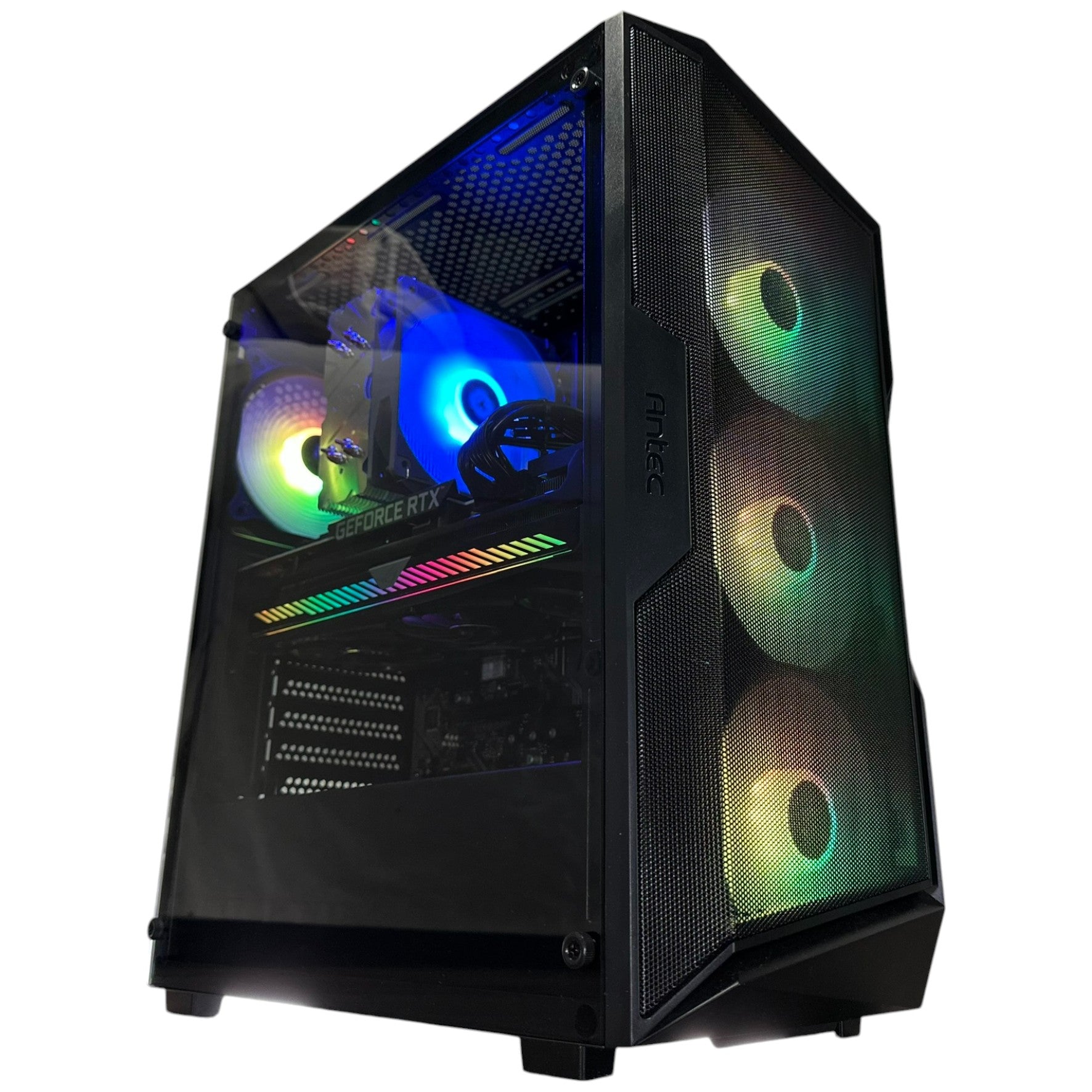
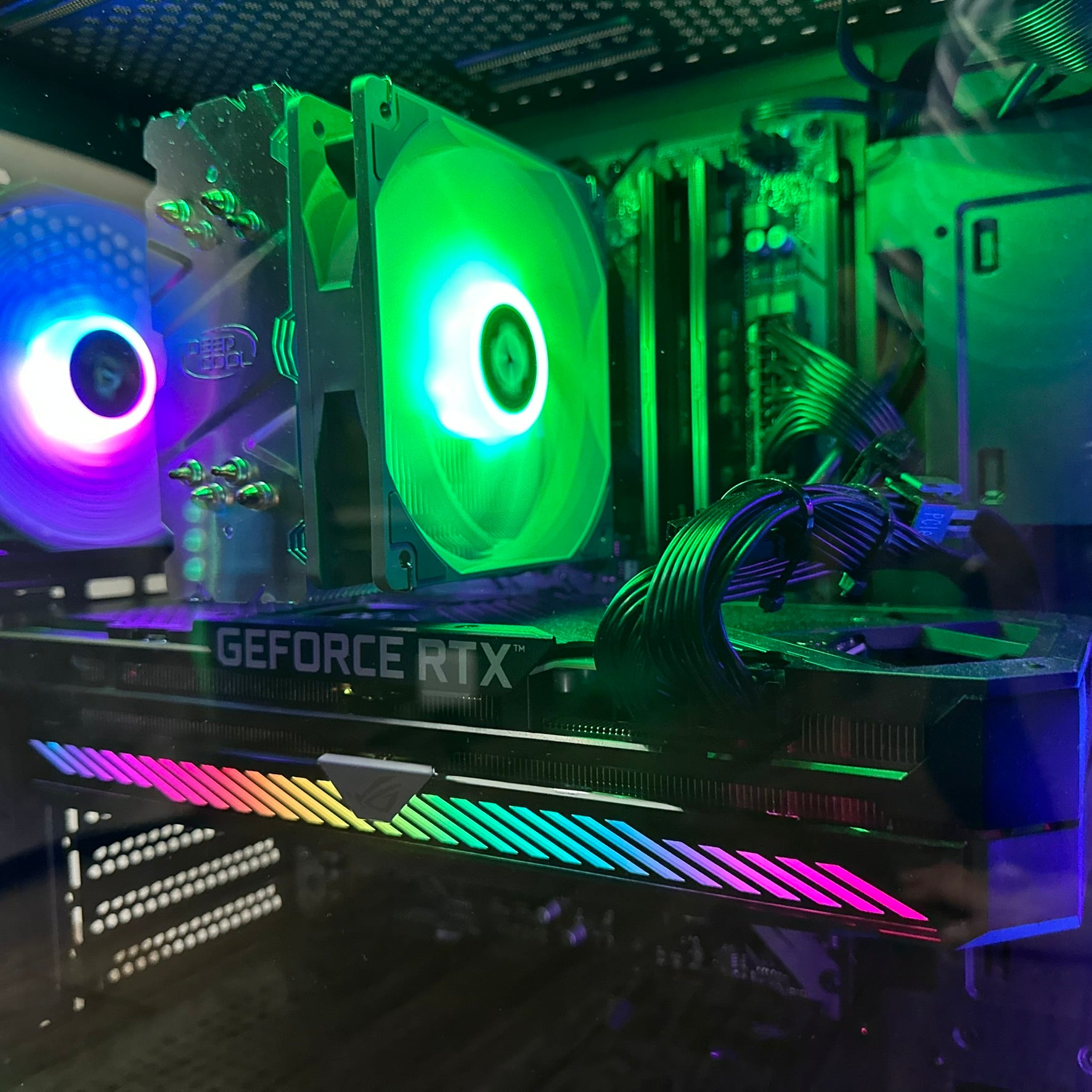


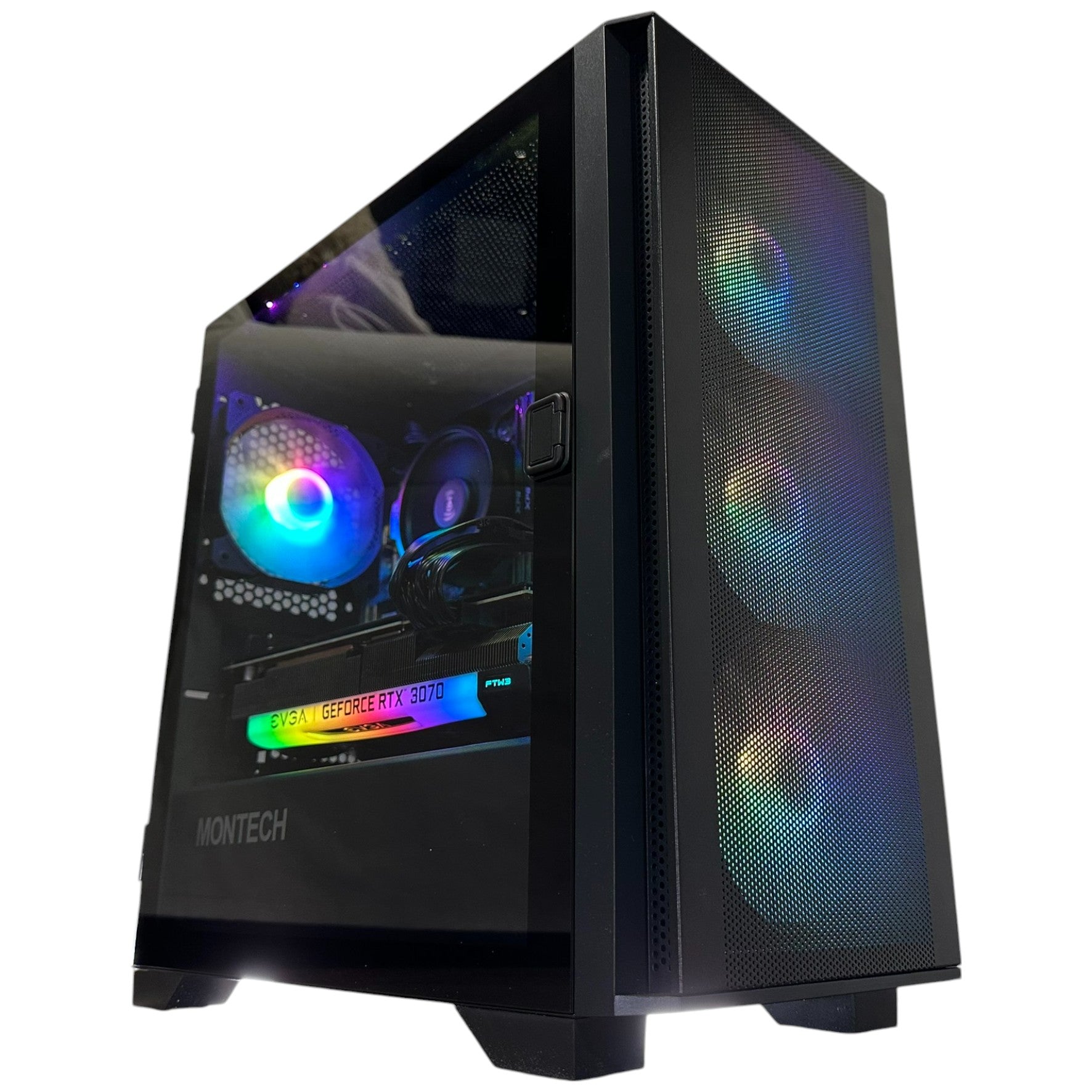
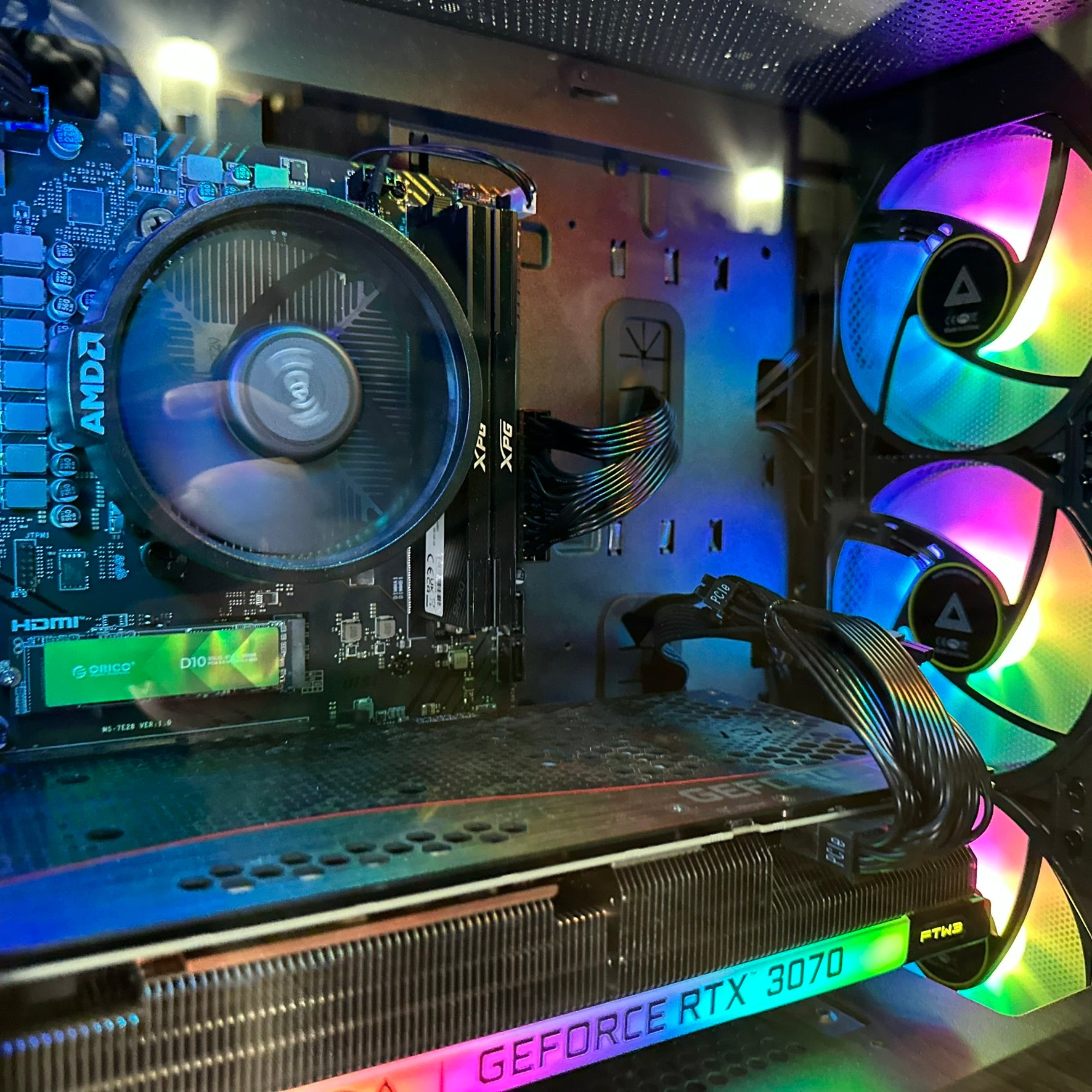
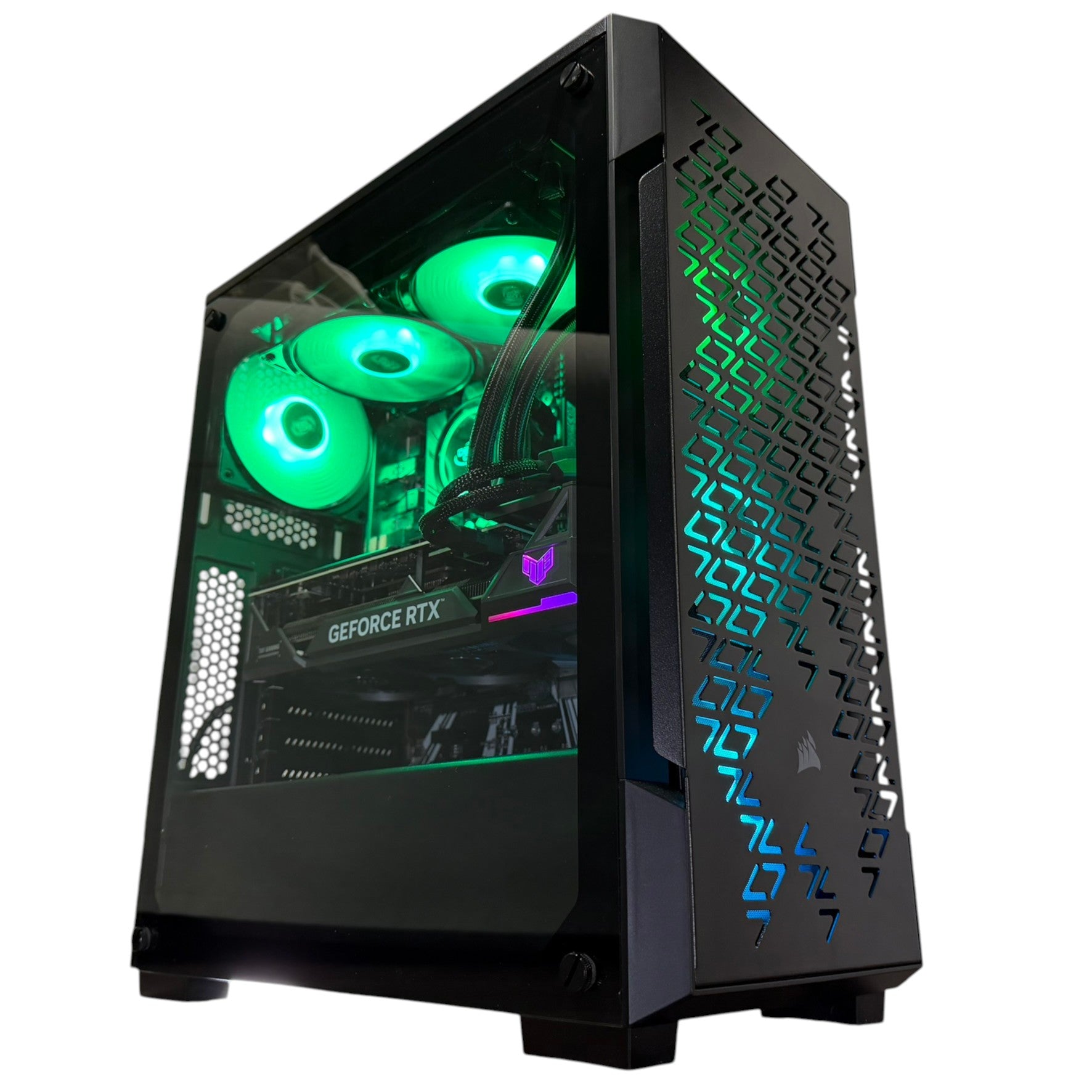

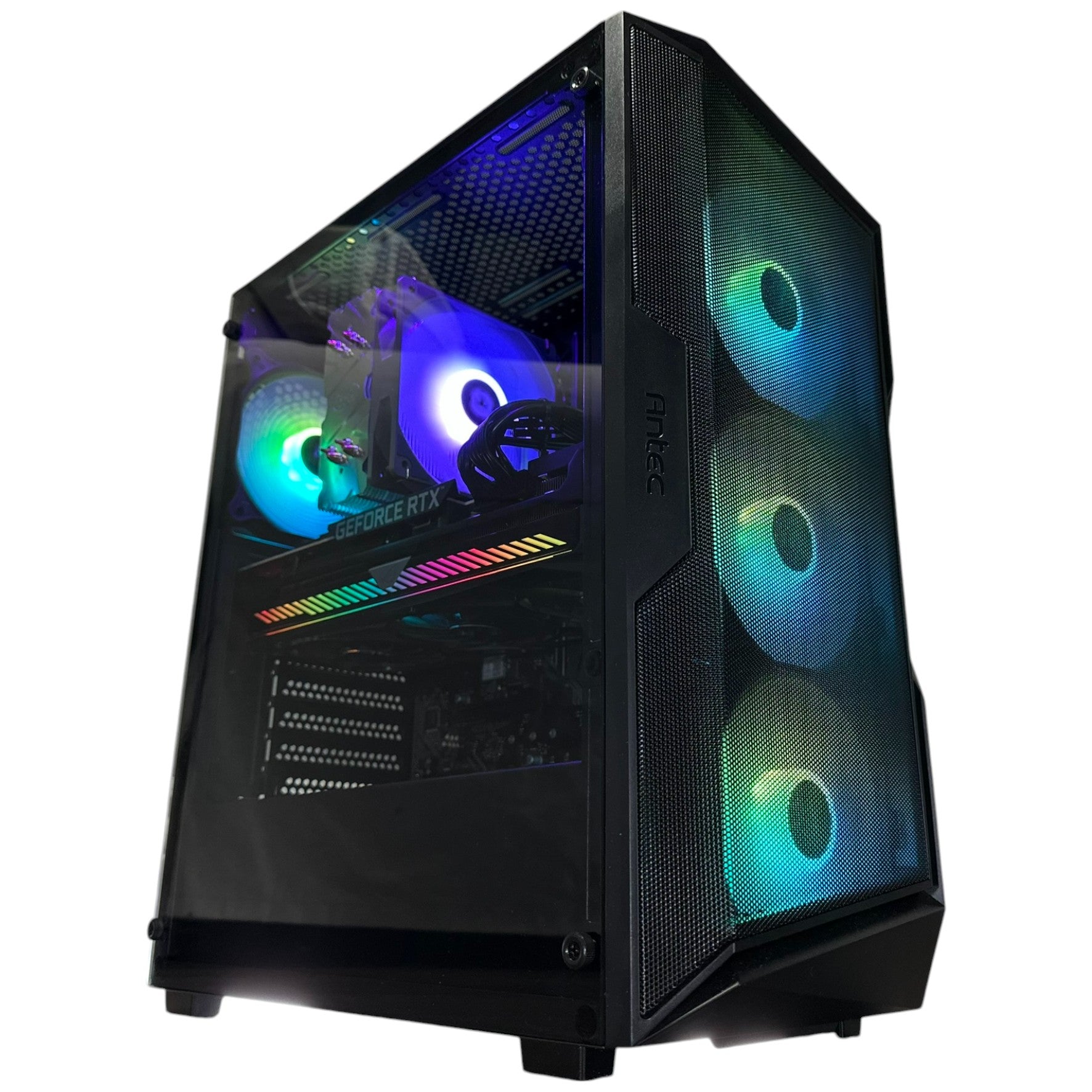

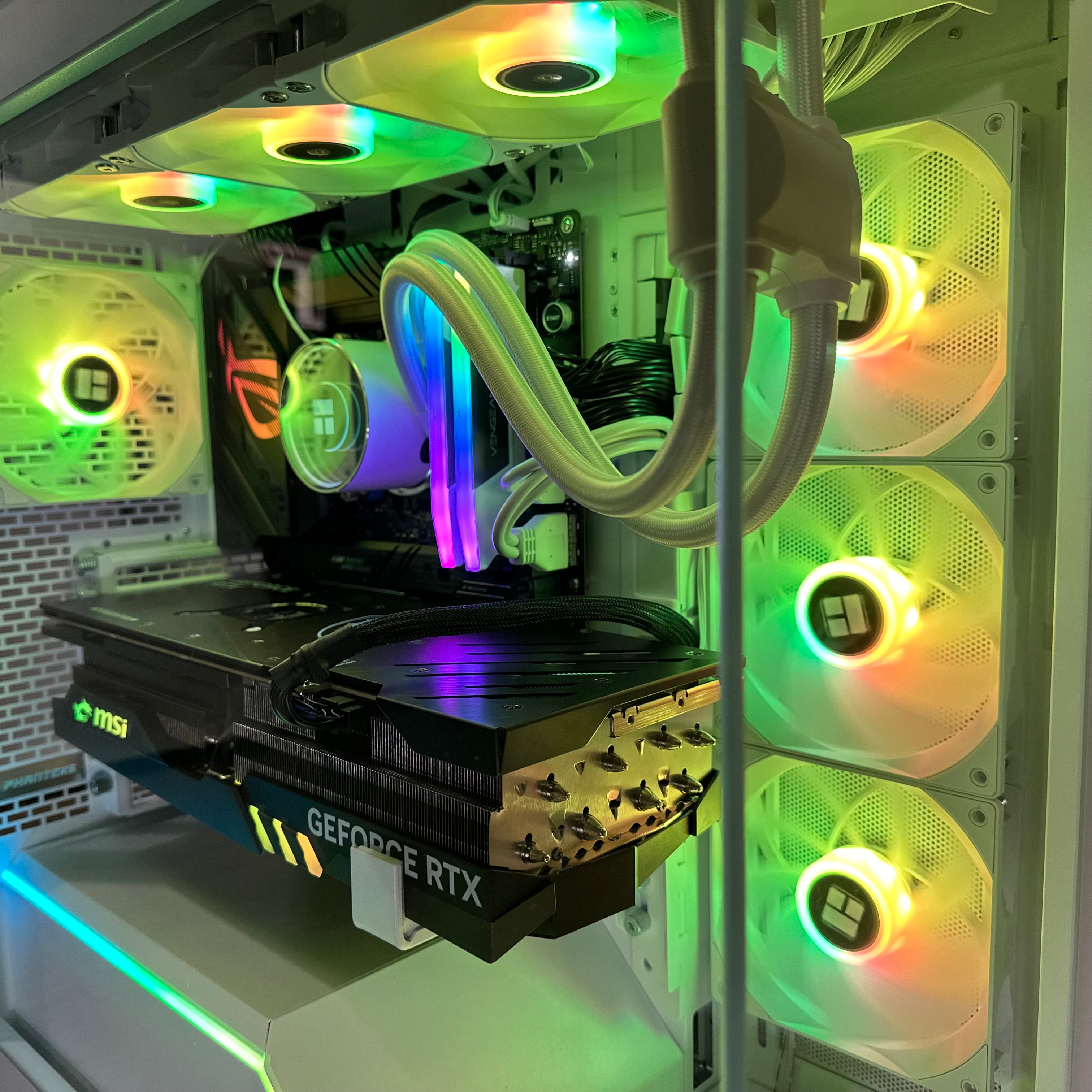
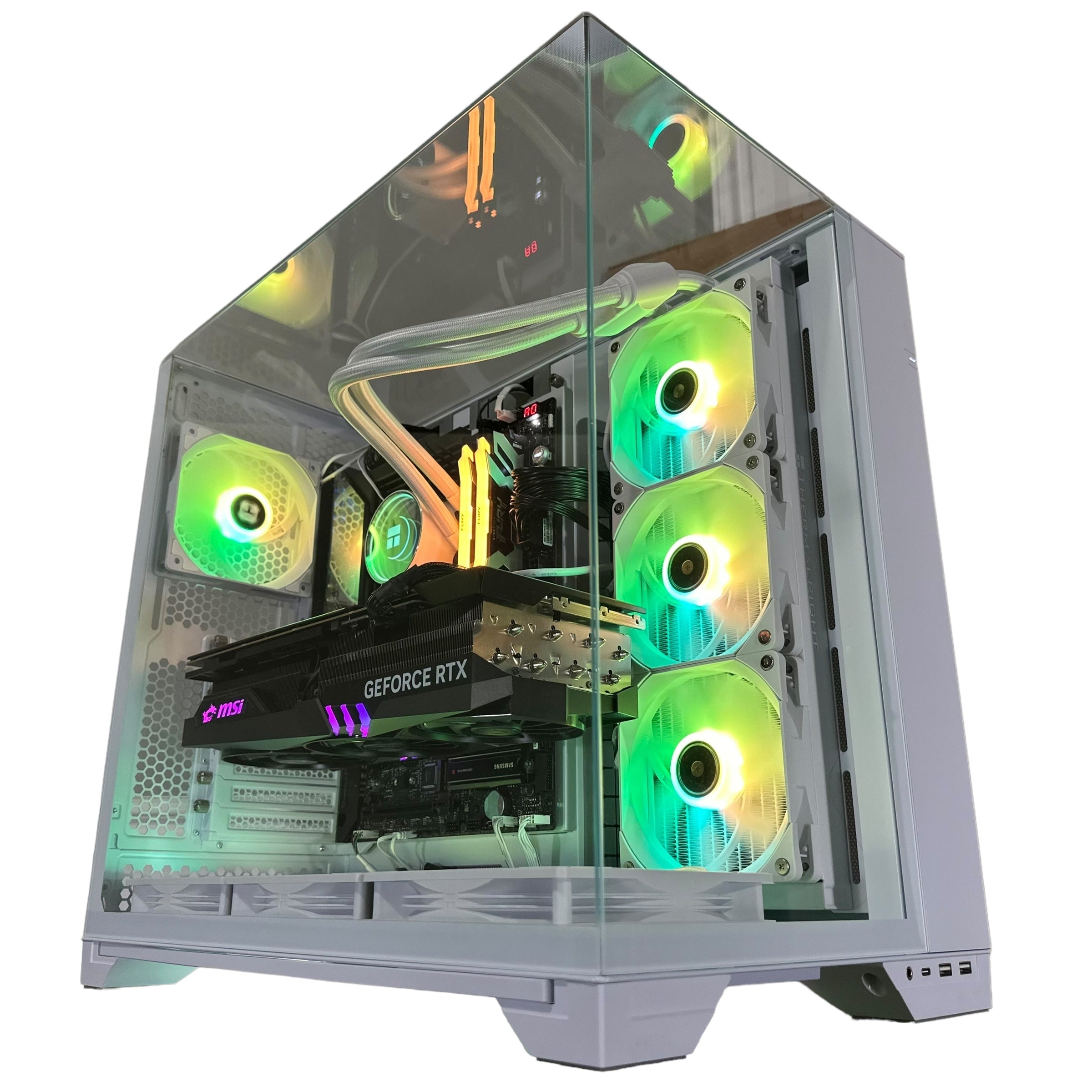
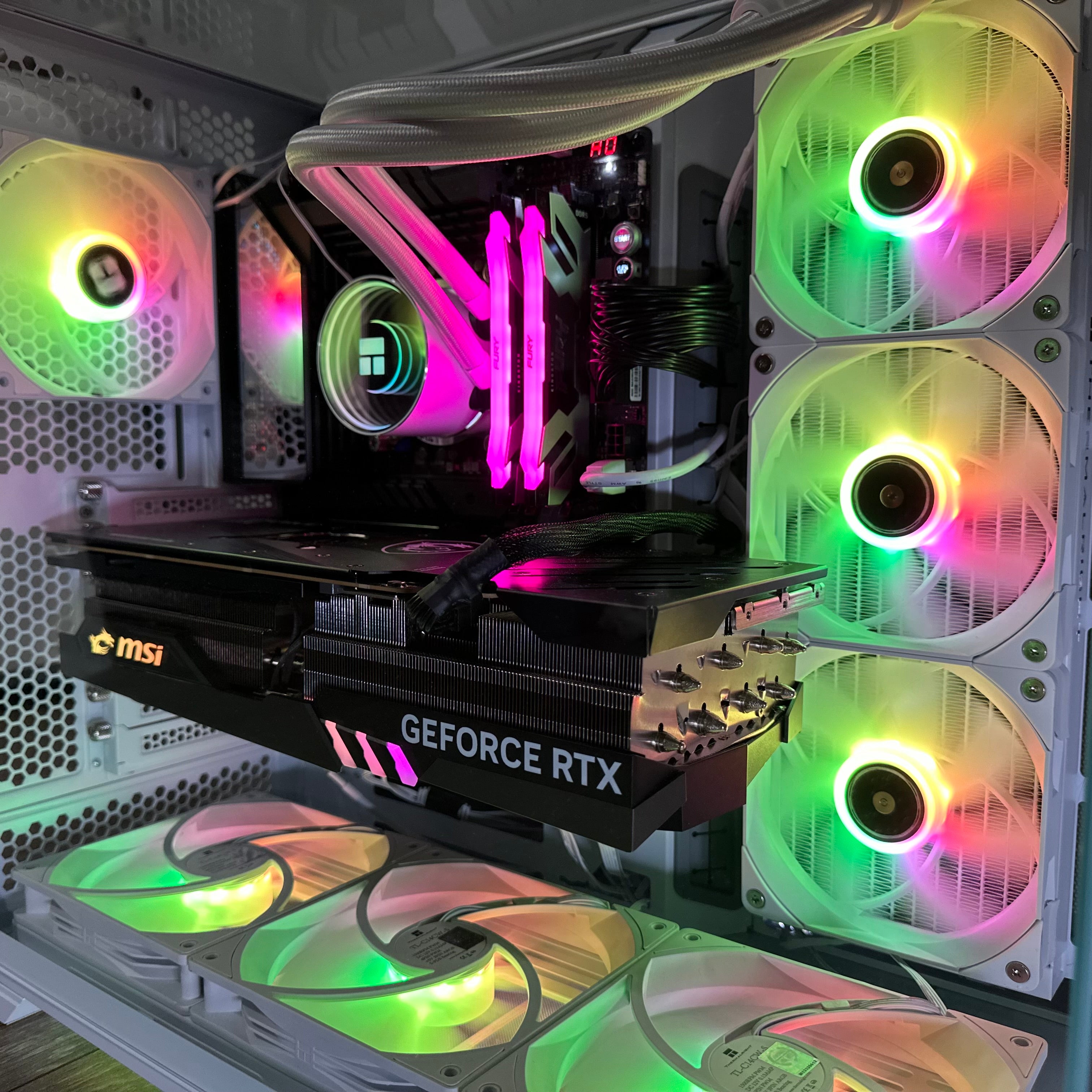

GTA 6 PC Buying Guide: If GTA 5 Devs Expect Something “Monstrous,” Is Your Next Gaming PC Ready?
The latest GTA 6 conversation is telling for anyone planning a new Gaming PC Canada purchase. A former developer who worked on GTA 5, Red Dead Redemption, and Max Payne 3 said he can only imagine the size of GTA 6 and that it “must be monstrous” or, at the very least, dramatically more detailed than what came before. That matters because when a major open-world release raises expectations around map scale, density, effects, AI behaviour, traffic systems, lighting, and overall visual fidelity, Canadian buyers start asking the same practical question: what kind of PC should I buy now if I want to be ready for the next wave of massive AAA games?
For Groovy Computers, that question is bigger than one title. It is really about long-term buying strategy. If blockbuster games are getting larger, heavier, and more demanding, should you still settle for a lower-tier system? Should you target 1080p and value? Should you move up to 1440p for stronger longevity? Should you consider a premium RTX build for ray tracing, streaming, editing, and future releases? And if pricing pressure returns on GPUs, RAM, or SSDs, does it make more sense to secure a better custom build now instead of replacing a weaker one too soon?
This is where the GTA 6 discussion becomes useful. It is not just hype. It is a reminder that major games push hardware expectations forward. If you are shopping in Canada for a custom gaming PC, creator desktop, or all-in-one system for gaming and content creation, the smartest move is not guessing. The smartest move is choosing a system that matches what you actually want your next PC to do over the next several years.
What did the source story really tell buyers?
The source story focused on comments from former Rockstar producer John Ricchio, who pointed to a familiar pattern: each new Rockstar open-world game tends to grow in size, scope, and immersion. He compared the progression between earlier titles and noted that the expanding scale helps create a stronger sense of place. He also acknowledged something buyers often overlook when they focus only on trailers and screenshots: games this ambitious are difficult to make, and the level of detail involved is enormous.
From a PC-buying perspective, that translates into something straightforward. As world scale and detail increase, hardware demands usually rise too. Even before official PC specifications exist for a game, smart buyers can still prepare by understanding the kinds of system resources open-world releases typically lean on:
- GPU power for high settings, advanced lighting, reflections, shadows, and ray tracing
- CPU performance for open-world simulation, traffic, NPCs, physics, streaming assets, and background systems
- RAM capacity for modern multitasking and large game memory demands
- Fast SSD storage for loading large environments, reducing hitching, and improving overall responsiveness
- Cooling and power delivery for stable long-session performance
So yes, the quote is about GTA 6. But for buyers, the lesson is wider: if you are preparing for big open-world games, heavy modding, high-resolution textures, creator workflows, or gaming plus streaming, your buying decision should be based on performance headroom, not just minimum entry price.
Why should Canadian buyers think differently right now?
Canadian PC buyers often face a slightly different reality than shoppers in other markets. Exchange-rate pressure, import cost swings, regional availability, and sudden demand spikes can all affect full-system pricing. Even if one component category remains stable for a while, another can shift and change the value equation for an entire build.
That means waiting is not always the low-risk option people assume it is. Are you waiting for the perfect sale, only to risk higher GPU pricing later? Are you planning to buy closer to a major game release, when demand can surge and the best-value configurations can move fast? Are you choosing a lower-tier machine now because it feels safer, even though you may need to upgrade much earlier than expected?
For buyers across Nova Scotia, Atlantic Canada, and customers ordering online across the country, timing matters. A good custom build is not just about what runs today. It is about what still feels strong when the next giant release lands, when your monitor upgrades from 1080p to 1440p, or when your hobby turns into streaming, YouTube editing, or creative freelance work.
If GTA 6 is “monstrous,” what do you want your next PC to do for you?
Before choosing a build, ask the question that matters more than any product label: what do you want your next PC to do for you every day?
Do you mainly want a system for open-world gaming at smooth frame rates? Do you also play competitive titles where high FPS matters more than ultra visuals? Are you aiming for 1080p now, but planning a 1440p monitor soon? Do you want ray tracing, better texture quality, and room for future AAA games? Will you stream with OBS, record clips, edit for YouTube, or create short-form content? Do you also use Adobe Photoshop, Lightroom, Premiere Pro, DaVinci Resolve, Illustrator, Blender, or Unreal Engine?
The right answer changes the right build. A customer who only wants a budget-friendly esports machine does not need the same PC as someone targeting cinematic single-player gaming, 4K video editing, and livestreaming. A workstation user rendering 3D scenes has different priorities again. The best buying guide is not one that pushes every reader to the most expensive tier. It is one that helps each buyer avoid the wrong tier.
What gaming performance tier fits you best?
One of the easiest mistakes in the Canadian custom PC market is buying by vague labels like “good,” “high-end,” or “future-proof” without defining the actual target. A more useful approach is to buy according to performance tier.
Entry gaming tier: Who should choose a budget gaming PC?
If your focus is 1080p gaming, esports titles, older AAA games, indie games, school use, and everyday multitasking, a Budget Gaming PC Canada build can still make sense. This tier is best for buyers asking questions like: How much should I spend on a gaming PC? or Can a budget gaming PC play new games?
This type of system is ideal if you:
- Play mostly at 1080p
- Prioritize value over maximum settings
- Want a first gaming PC in Canada
- Mainly play competitive games that scale well
- Do not need heavy streaming, editing, or 3D work
But here is the important question: if you are buying specifically with huge next-generation open-world games in mind, will an entry-tier build leave you upgrading sooner than you want?
Mid-range sweet spot: Is 1440p the smartest target for most buyers?
For many gamers, 1440p is the best balance between visual quality, frame rate, and long-term value. If you want stronger longevity for modern AAA games, room for better settings, and a system that can also handle streaming or creative side tasks more comfortably, a mid-range or upper-mid-range custom gaming PC is often the smartest buy.
This tier suits buyers who ask:
- What PC do I need for 1440p gaming?
- Is it better to buy a gaming PC now or wait?
- Can I game, stream, and edit on one machine?
A good 1440p-focused custom build gives you more headroom for future titles, denser game worlds, and heavier visual effects. If GTA 6 or similar upcoming games become your main hobby, this is the category where many Canadian buyers get the best balance of excitement and financial common sense.
Premium performance tier: When does a high-end RTX gaming PC make sense?
If you want ultra settings, strong ray tracing capability, high refresh gaming at 1440p or 4K, better streaming flexibility, and more comfort for creator workloads, a Premium Gaming PC Canada or 4K Gaming PC Canada configuration becomes easier to justify.
This tier is best for buyers who are asking:
- What PC do I need for 4K gaming?
- Do I need an RTX GPU for this game?
- Should I buy a high-end gaming PC now for longer lifespan?
- Should I finance a high-end gaming PC instead of buying a cheaper one?
If your goal is to play the biggest new games with fewer compromises over the next few years, premium hardware can reduce the odds that you feel outdated too quickly. It can also be the right answer if your gaming system doubles as a streaming, editing, or rendering machine.
What if you also stream, edit, or create content?
The GTA 6 conversation naturally starts with gaming, but many Groovy Computers customers want more than a gaming-only tower. They want one machine that can game at night, stream on weekends, edit clips for TikTok or YouTube, and still handle work during the day. That changes the spec conversation quickly.
If you plan to game and stream, ask yourself: do you want smooth gameplay while running OBS, Discord, browser tabs, music apps, and recording software at the same time? If yes, you should care more about CPU strength, RAM capacity, GPU encoder features, and storage planning than a pure gaming-only buyer might.
If you edit content too, the requirements rise again. A strong Creator PC Canada or Content Creation PC Canada build can make a huge difference for:
- Premiere Pro timeline playback
- DaVinci Resolve export times
- After Effects responsiveness
- Photoshop and Lightroom batch work
- Multitasking across creative applications
Are you buying one PC because you want flexibility? Then buying too low can become expensive in a different way. You may save money up front, but lose time every week to dropped frames, longer exports, slower previews, and upgrade frustration.
Can a gaming PC also work for video editing, photo editing, and graphic design?
Often, yes. But the details matter.
A well-planned custom gaming PC can also serve as a Video Editing PC Canada, Photo Editing PC Canada, or Graphic Design PC Canada solution if the parts are chosen properly. That means enough RAM, a fast CPU, a capable GPU, strong SSD storage, and reliable thermal design.
If you are working in Premiere Pro or DaVinci Resolve, ask: are you editing 1080p footage casually, or are you moving into heavier 4K projects with multiple layers, effects, and colour work? If you use Photoshop and Lightroom, ask: do you handle occasional social images, or large RAW libraries and AI-assisted photo workflows? If you use Illustrator, Canva, or InDesign, ask: do you mainly design flat graphics, or do you multitask with video, browser-heavy marketing tools, and multiple displays?
That is why Groovy Computers focuses on matching the build to the workflow. Some customers need a gaming-first machine with creator flexibility. Others need a creator-first machine that still games extremely well. Those are not identical systems, even if both contain strong modern components.
What about Blender, Unreal Engine, and heavier workstation use?
If the source article makes you think about world scale, detail density, and technical ambition, then it also points toward a different audience: creators, developers, and 3D artists. Larger game worlds and more advanced detail are not just things players experience. They are things artists, designers, and technical users increasingly work with too.
If you are using Blender, Unreal Engine, Maya, Cinema 4D, AutoCAD, Revit, or other demanding tools, then you may be closer to 3D Modeling PC Canada or Workstation PC Canada territory than standard gaming territory.
Ask yourself a few practical questions:
- What PC do I need for Blender?
- What PC do I need for 3D rendering?
- Do I need more GPU power or more CPU power?
- How much RAM do I need for workstation tasks?
- Is a gaming PC good for workstation use, or should I move into a custom workstation build?
A gaming-focused tower may still work for some 3D workflows, but once rendering, simulation, asset-heavy scenes, and professional multitasking become core tasks, a custom workstation becomes the better long-term choice. That is especially true if downtime costs you money.
Should you buy now or wait for a major game release?
This is one of the most important questions inspired by the GTA 6 discussion. It is also one of the most misunderstood.
People often wait because they think more information will automatically create a better buying opportunity. Sometimes it does. But sometimes waiting means buying at a worse moment, especially if:
- GPU demand increases
- memory pricing shifts upward
- SSD pricing tightens
- a major release drives renewed interest in gaming PCs
- you end up shopping urgently rather than strategically
So ask yourself honestly: are you waiting because you have a clear upgrade plan, or because delaying the decision feels easier? If your current system already struggles with modern games, multitasking, or creator software, waiting can mean months of reduced enjoyment and lower productivity before you eventually spend anyway.
For many buyers, the better strategy is to secure a properly balanced custom PC before the pressure arrives. That does not mean panic buying. It means buying with intent.
Could financing help you secure a stronger system before prices rise?
For some customers, yes. Not because financing is automatically the right answer, but because it can change the quality tier you can reach at the right time.
If you are deciding between a lower-tier system you may outgrow quickly and a stronger build that better matches your long-term goals, the real question is not just “what is cheapest today?” It is also “what choice gives me better value over the life of the system?”
This is where buyers start asking practical Canadian questions like:
- Is financing a gaming PC worth it?
- Should I finance a gaming PC?
- Can I finance a gaming PC in Canada?
- Should I finance a better PC instead of buying a cheaper one?
- Is now a good time to buy a gaming PC?
If financing lets you move from a build that only barely meets your needs into one that comfortably handles upcoming games, streaming, editing, and future monitor upgrades, that can be the smarter financial decision. Groovy Computers offers options that can help customers spread the cost over time, including financing up to 4 years where applicable, which can make a more capable custom PC much more realistic for Canadian buyers.
What parts matter most if you want a future-ready gaming PC for big open-world games?
Not every component matters equally for every customer, but for anticipated large-scale AAA gaming, a few priorities stand out.
GPU
Your graphics card is central if you care about higher settings, better lighting, ray tracing, and stronger performance at 1440p or 4K. If you are asking whether a game like GTA 6 will look better on PC, the answer usually depends heavily on GPU tier.
CPU
Large open-world games often reward stronger processors, especially when game systems, traffic, AI, and simulation layers stack up. If you plan to game while streaming or running background tasks, CPU choice matters even more.
RAM
For a modern custom gaming PC, RAM should be viewed as part of overall breathing room. If you game, stream, browse, edit, and multitask regularly, more memory can improve consistency and reduce frustration.
SSD storage
Fast SSDs matter for large modern games, load times, asset streaming, and system responsiveness. They also matter for creators handling footage, project files, and scratch data.
Cooling and case airflow
Stable temperatures support sustained performance, lower noise, and longer-term reliability. A flashy spec list means less if the system cannot stay cool under real gaming or editing loads.
What questions should you ask before buying a custom PC in Canada?
If you are trying to make the right decision before the next major game wave lands, these are the kinds of questions worth asking yourself:
- What games do I actually play most? Are they esports titles, open-world AAA games, mod-heavy sandbox games, or a mix?
- What resolution am I targeting? 1080p, 1440p, or 4K?
- Do I care about ray tracing and ultra settings?
- Will I stream or record gameplay?
- Do I edit videos, photos, or design content?
- How soon do I want to upgrade my monitor?
- How long do I want this PC to feel strong?
- Would financing let me buy a better-value system now instead of settling?
- Do I want a tested, warrantied build from a Canadian custom PC builder instead of a random off-the-shelf machine?
If you cannot answer every one of those questions confidently, that is exactly why expert help matters.
Custom PC vs generic prebuilt: why does it matter more when demand is high?
When major game releases approach and buyers flood the market, generic systems often look tempting because they are fast to order. But speed without planning can create problems. A generic machine may cut corners where many buyers do not notice until later: motherboard quality, power supply quality, cooling, airflow, memory configuration, upgrade path, or balance between CPU and GPU.
That is why the Custom Gaming PC Canada approach matters. With a well-matched custom build, you are not just buying a tower with a popular GPU name attached. You are buying a system built around how you actually use your PC.
Are you trying to avoid replacing your machine too soon? Do you want stronger thermal performance and cleaner upgrade paths? Do you want a system that has been stress tested instead of assembled for volume? Those are the questions that separate a short-term purchase from a better long-term investment.
Why Groovy Computers makes sense for Canadian buyers
Groovy Computers is built around the kind of buying decision this article is really about: not just grabbing any PC, but choosing the right custom system for gaming, streaming, editing, design, and workstation needs in Canada.
For customers in Nova Scotia and across the country, Groovy Computers offers the advantages serious buyers should care about:
- Custom-built systems tailored to actual use cases
- Gaming, creator, and workstation options instead of one-size-fits-all recommendations
- Rigorous testing for reliability and confidence
- 1-year warranty for added peace of mind
- Canada-focused service from a trusted custom PC builder
- Financing options that can help customers reach a better performance tier sooner
That matters whether you are shopping for a budget gaming desktop, a premium RTX gaming machine, a streaming and editing setup, or a heavier custom workstation. It also matters if you are in Atlantic Canada looking for a builder you can trust, or ordering elsewhere in Canada and want a more personal, better-matched experience than a mass-market purchase usually delivers.
So, what kind of buyer should choose which build?
The value-focused gamer
If you want a first system, mostly play at 1080p, and need the best balance of cost and playability, a budget or entry-midrange gaming PC is usually the right lane. But ask yourself: is your goal simply to play today, or to stay comfortable for the next few years of bigger releases too?
The smart long-term gamer
If you play AAA games, care about visuals, and want stronger longevity, a 1440p-oriented custom gaming PC is often the sweet spot. This is where many buyers get the best overall value.
The premium enthusiast
If you want ultra settings, stronger ray tracing, 4K ambitions, premium component quality, and room for upcoming releases, a high-end RTX build makes more sense. This tier is especially appealing if you hate compromising on visual quality.
The hybrid gamer-creator
If you game, stream, record, and edit, move toward a creator-aware custom build rather than a gaming-only configuration. The right balance of CPU, GPU, RAM, and storage can save you frustration immediately.
The professional or 3D user
If your PC is also a work tool for rendering, CAD, animation, development, or heavy multitasking, you may need a workstation-oriented build. Here, reliability and task-specific optimization matter just as much as raw specs.
Do you want to avoid upgrading too soon?
This may be the most important question in the entire buying process. A lot of buyers do not regret buying a PC. They regret buying one tier too low.
If a former GTA developer is saying the next entry in the series may be enormous in size or detail, that should prompt a useful reality check. Are you about to spend good money on a system that will feel strained the moment larger next-generation games arrive? Are you buying around today’s minimum, instead of tomorrow’s expectation? Are you choosing based on sticker shock rather than total ownership value?
A better build now can sometimes be the cheaper decision over time, especially if it delays your next replacement cycle, handles more tasks, and keeps your experience enjoyable for longer.
Need help choosing the right Groovy Computers build?
If you are reading about GTA 6 and wondering whether your next system should be a budget gaming computer, a stronger 1440p machine, a premium RTX gaming desktop, a creator PC, or a workstation, the best next step is simple: get guidance from a Canadian builder who actually matches builds to real customer needs. If you want help choosing a custom PC that fits your games, software, monitor target, budget, and financing goals, visit GroovyComputers.ca and explore the right path forward with confidence.
Final thoughts: GTA 6 hype is really a reminder to buy smarter
The headline about a former GTA 5 developer imagining a “monstrous” GTA 6 is exciting, but the deeper takeaway is practical. Huge games raise the standard. They push hardware expectations, increase buyer urgency, and expose weak upgrade decisions. If you are shopping for a Gaming PC Canada build, now is the time to think beyond minimum specs and ask what kind of experience you actually want over the next several years.
Whether you need a gaming-first desktop, a streaming-capable machine, a Video Editing PC Canada setup, a Content Creation PC Canada system, or a more serious workstation, buying the right custom build now can protect both your performance and your budget later. The right question is not just whether your next PC can run the next big game. It is whether your next PC is strong enough to keep you happy long after the launch hype passes.
#GamingPCCanada #CustomGamingPCCanada #GamingPCforGTA6 #GamingPCBuildsCanada #CanadianCustomPCBuilders #CreatorPCCanada #VideoEditingPCCanada #StreamingPCCanada #WorkstationPCCanada #GroovyComputers
Groovy Computers | All Rights Reserved


Leave a comment
This site is protected by hCaptcha and the hCaptcha Privacy Policy and Terms of Service apply.