
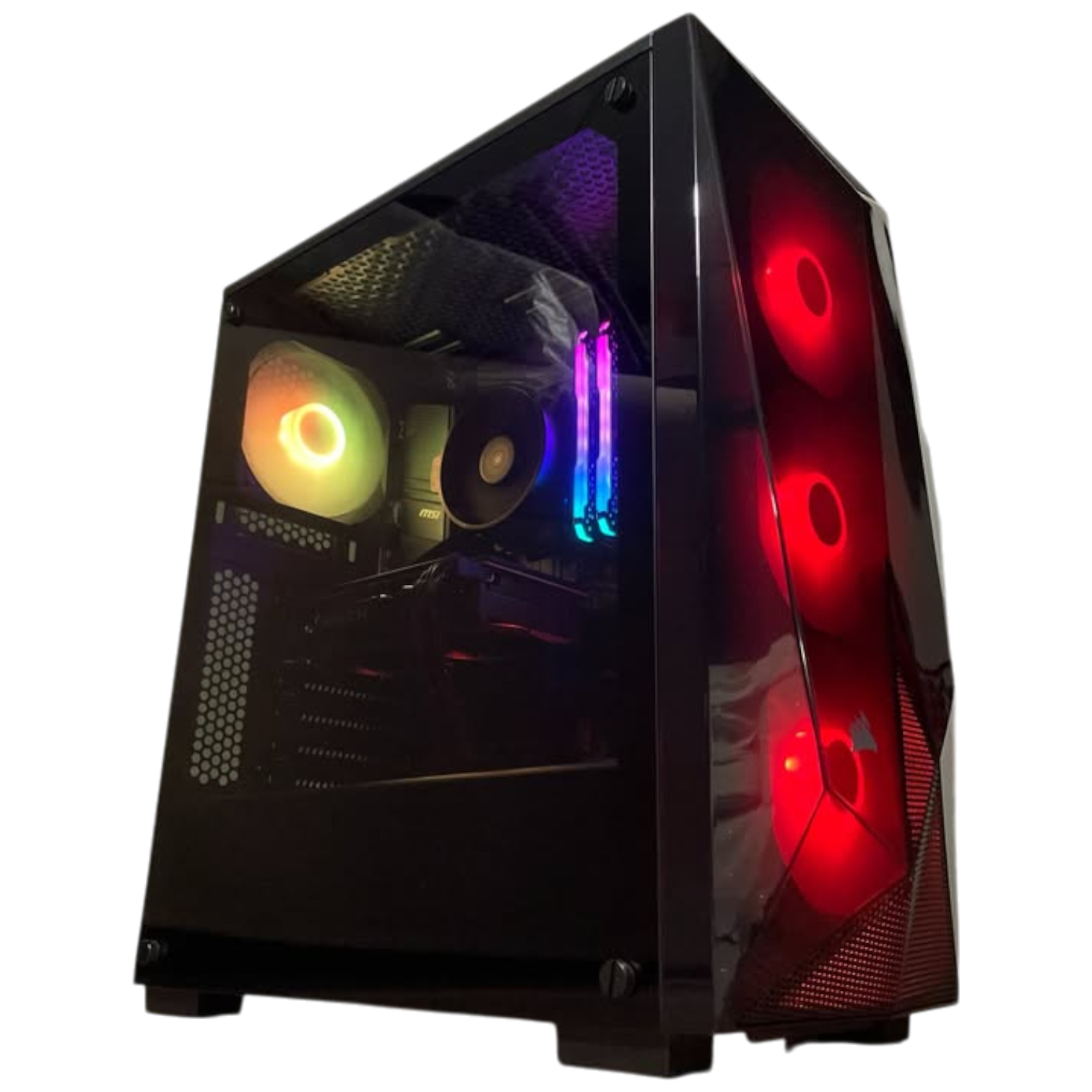
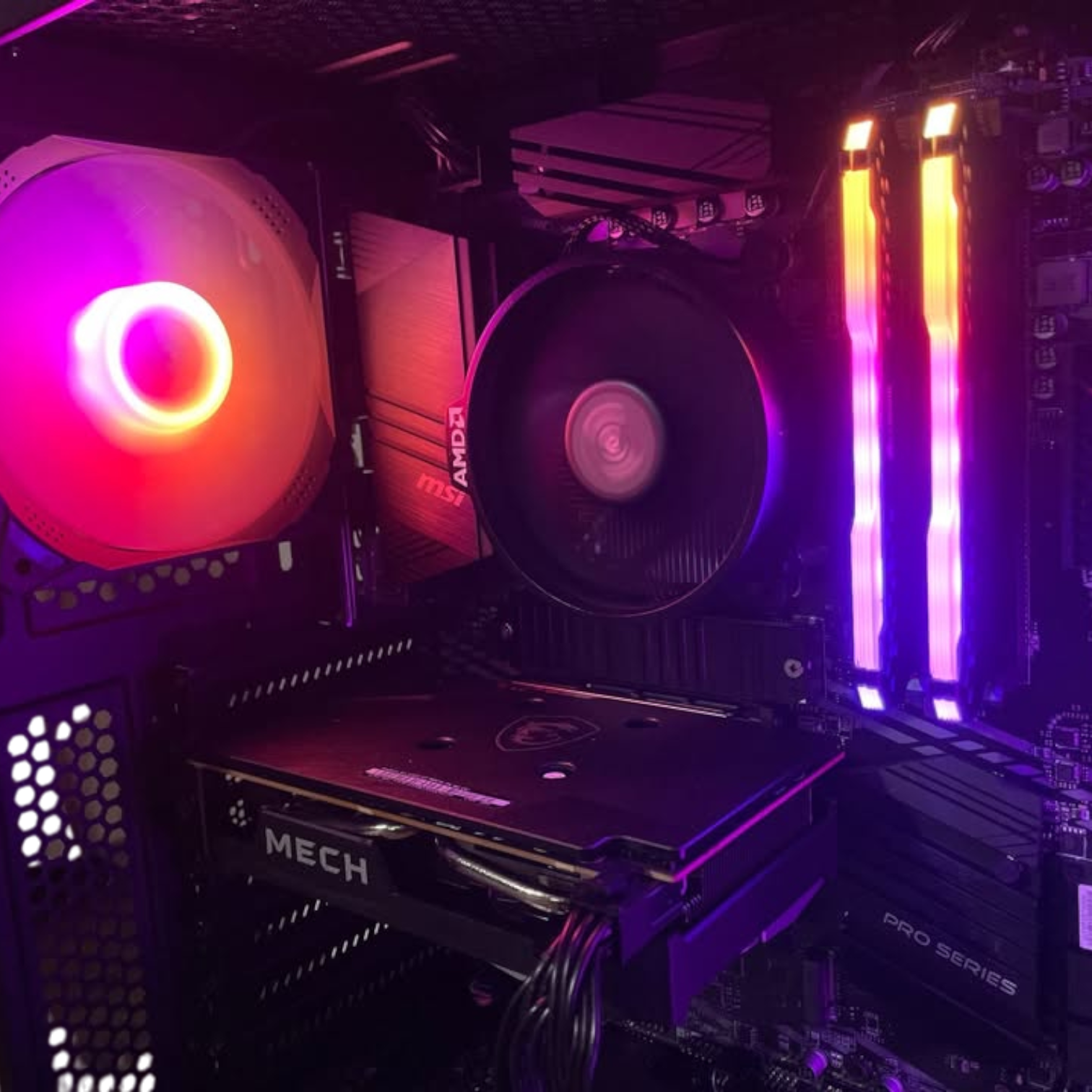
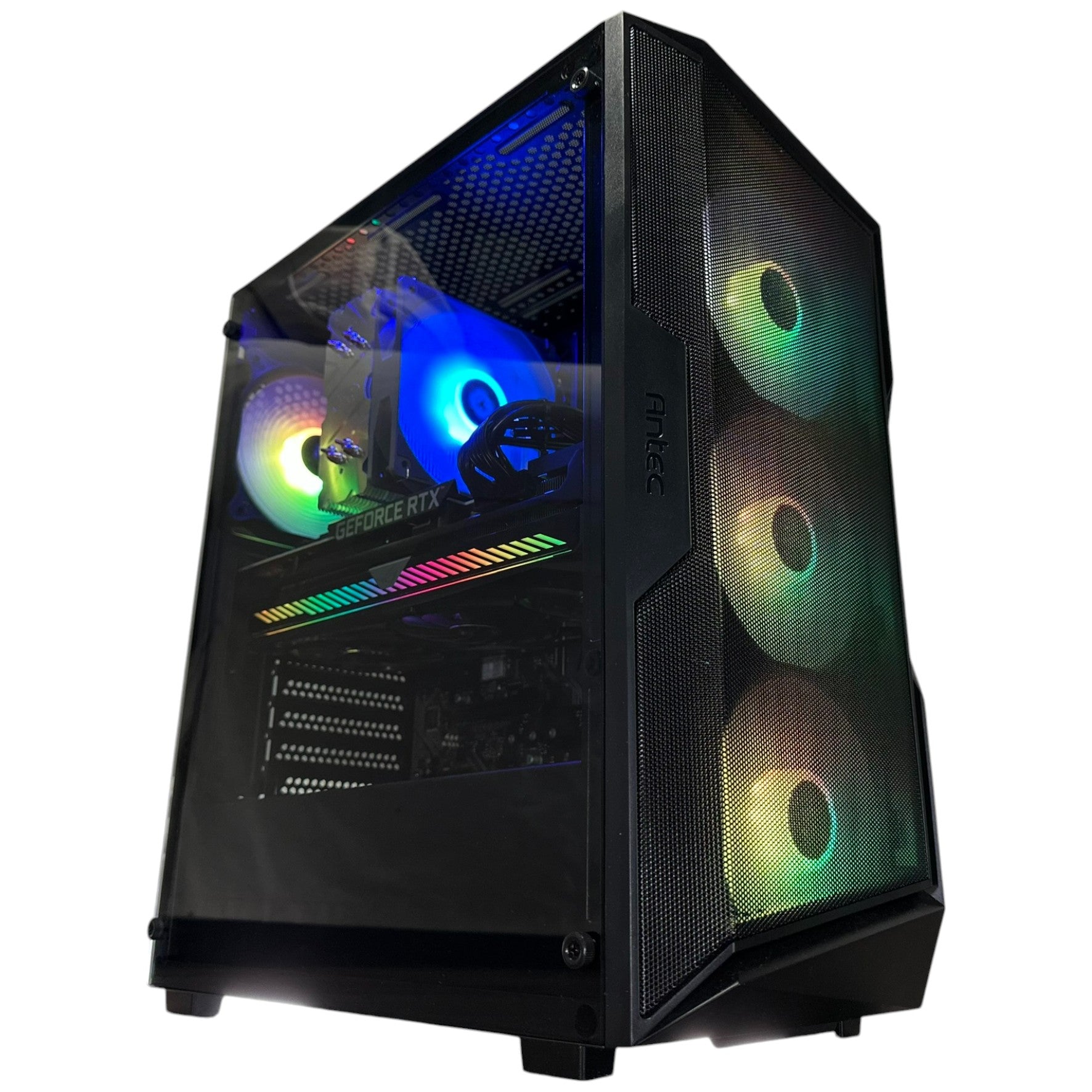
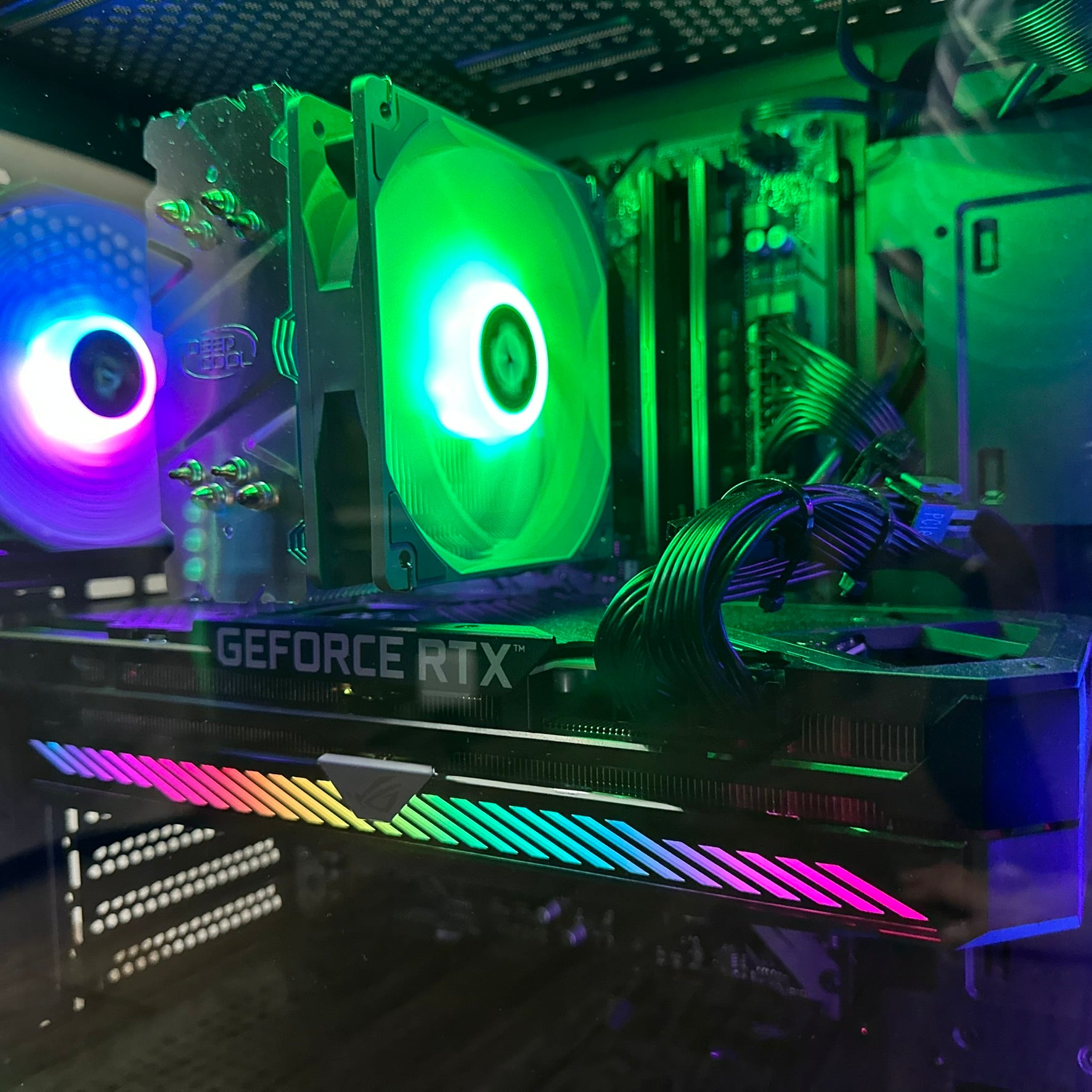



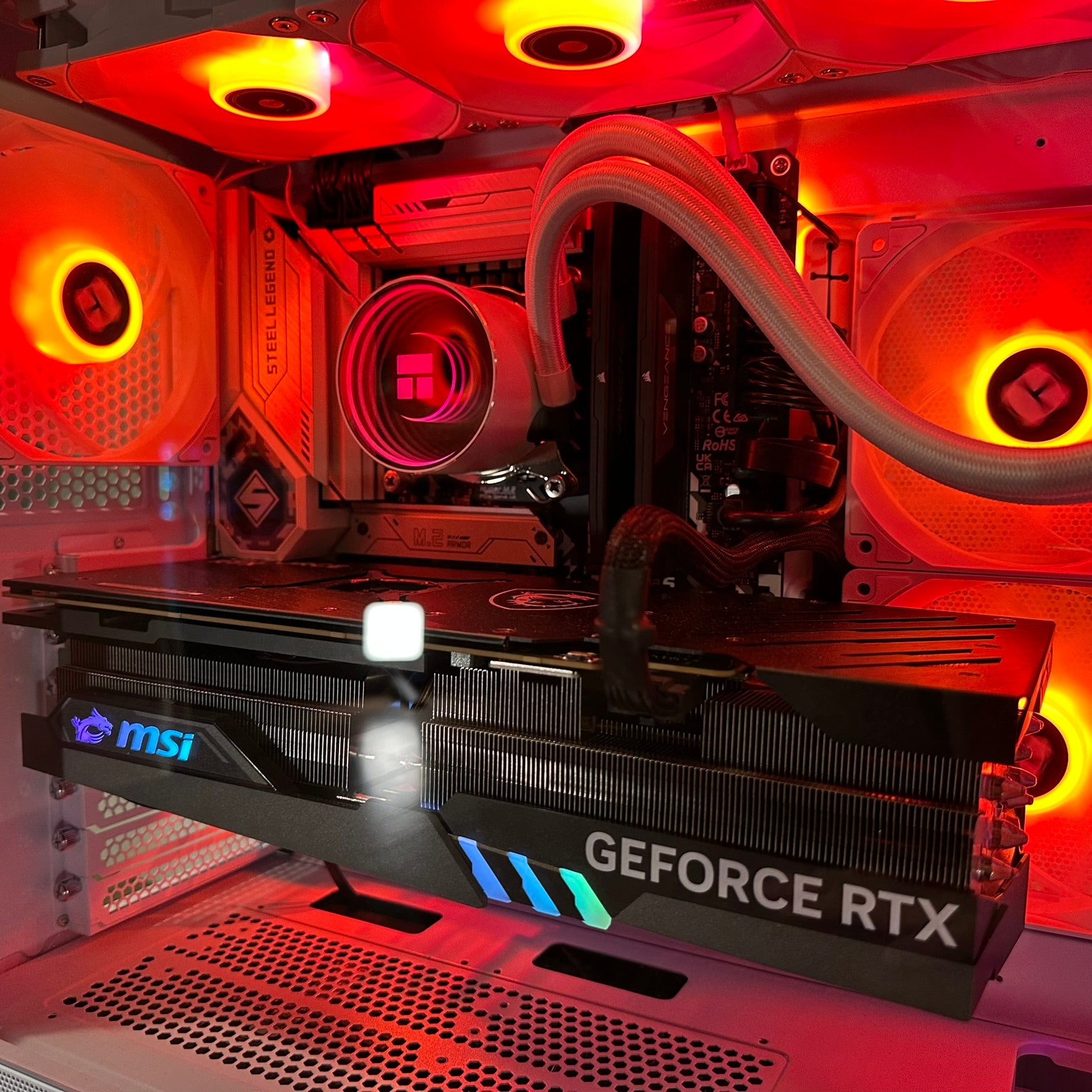
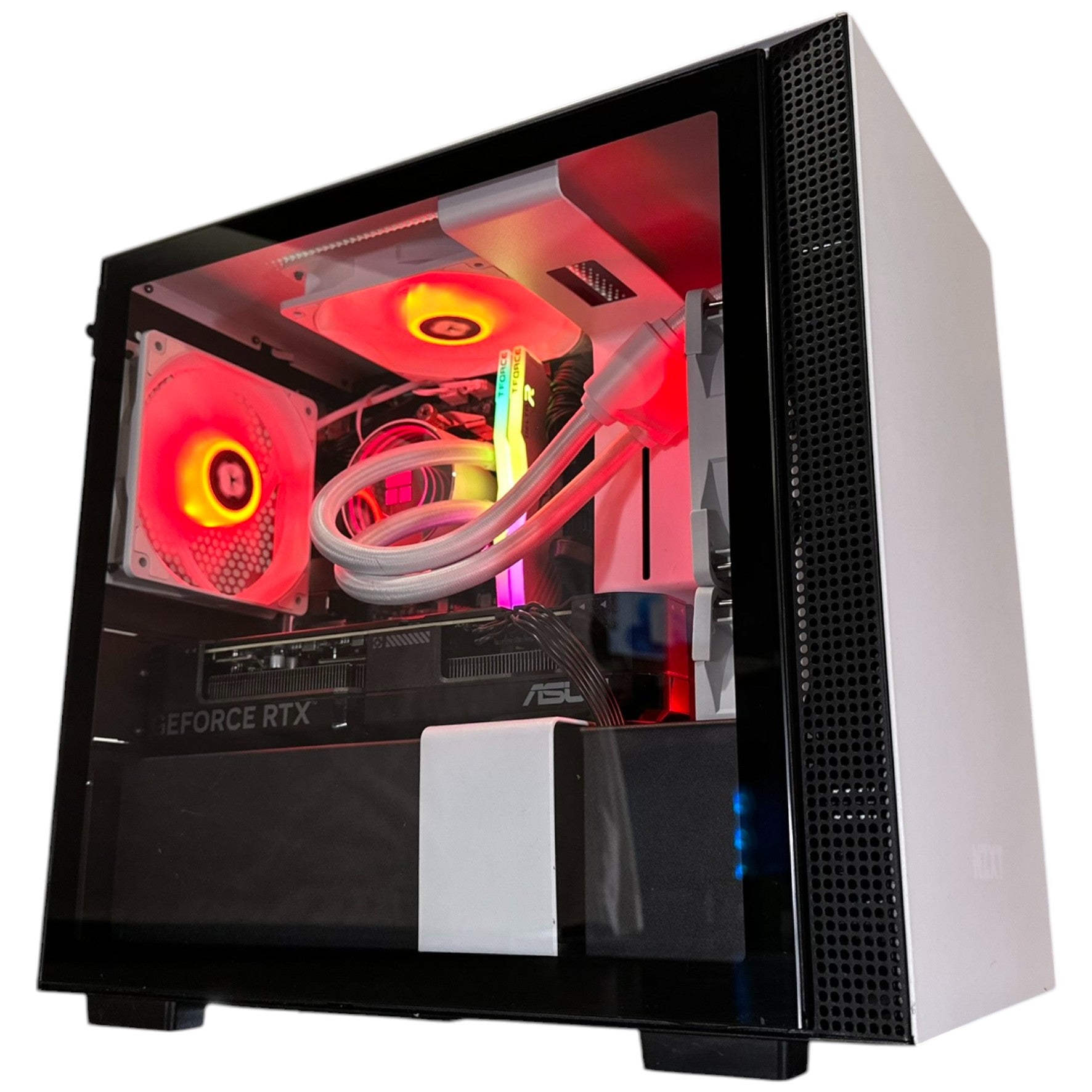
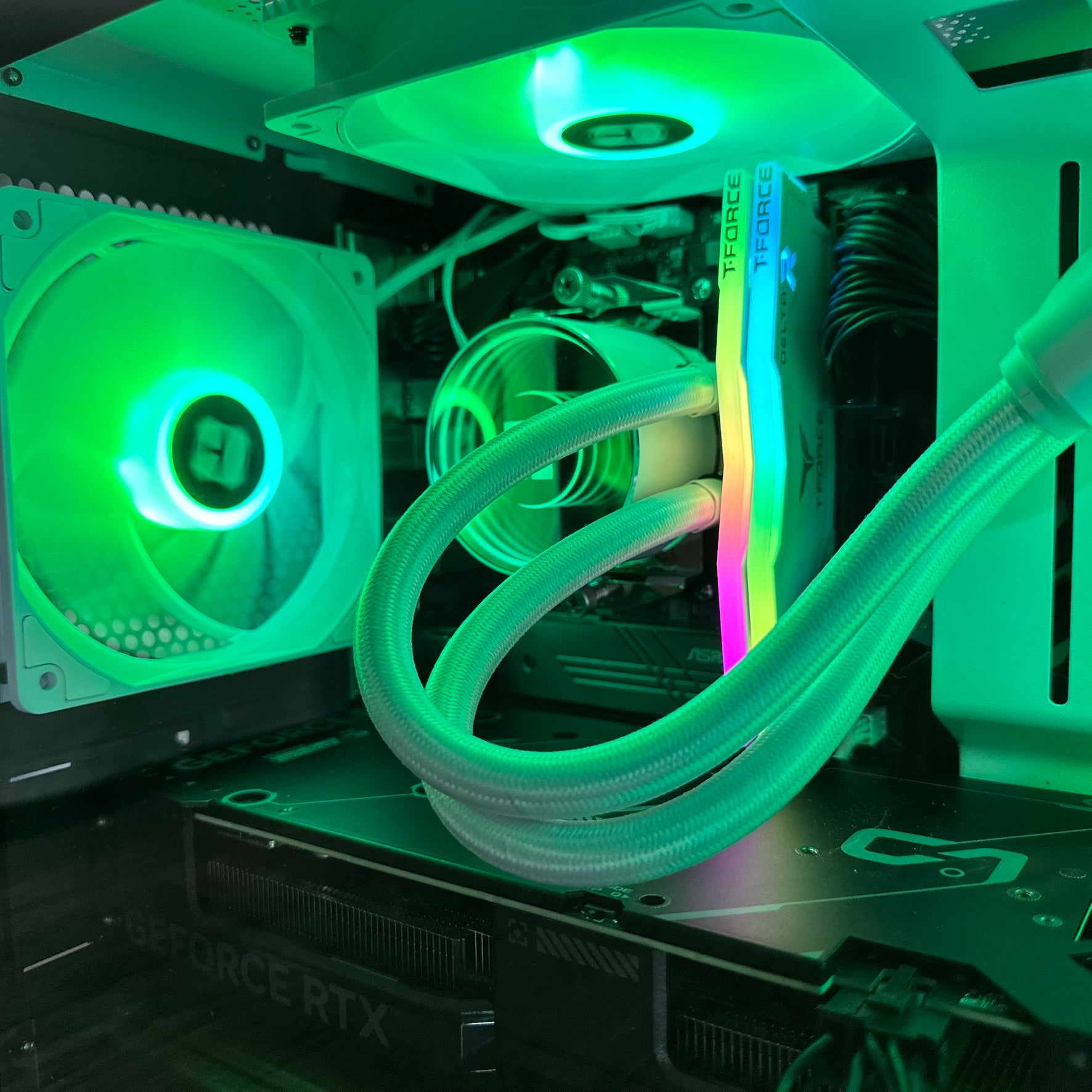
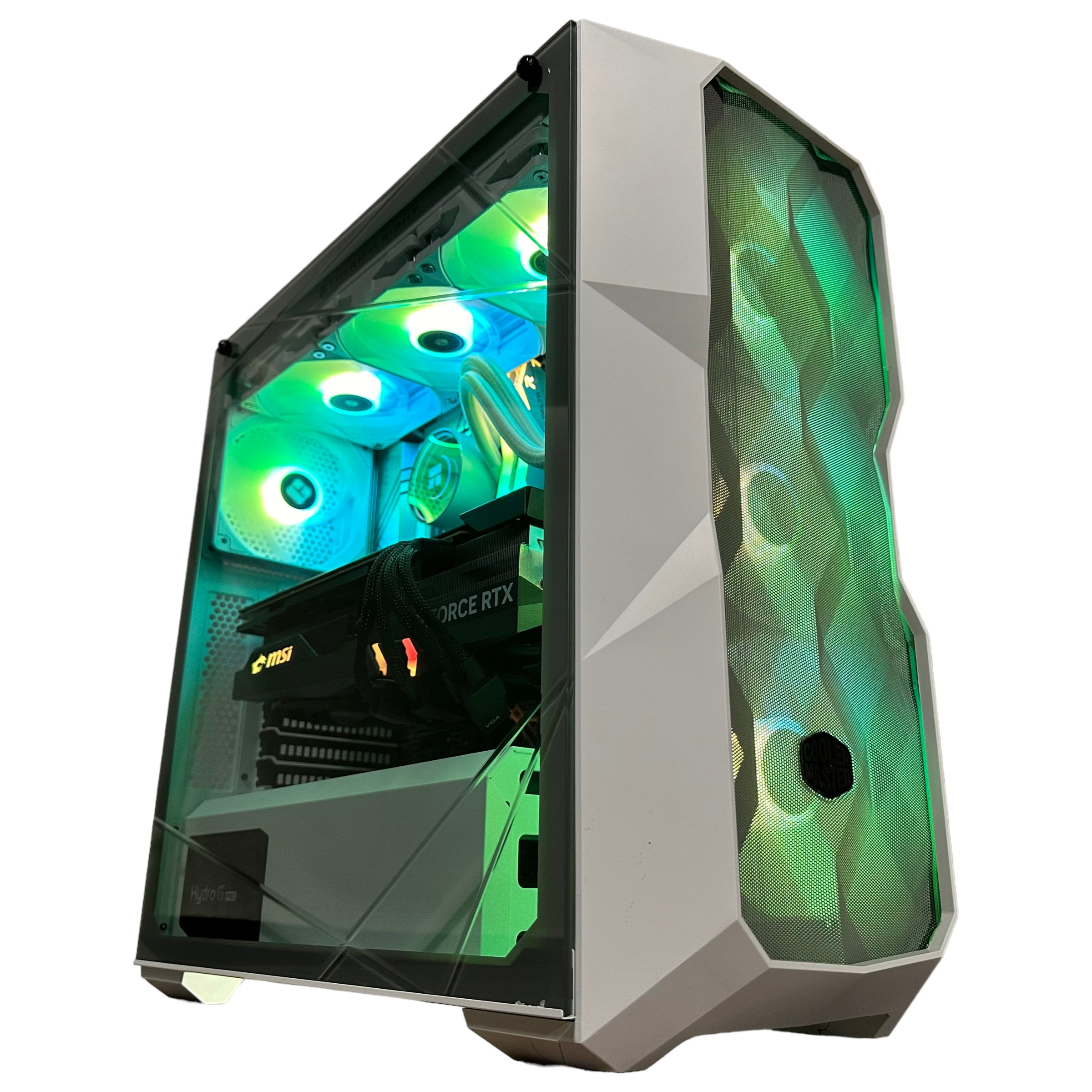


GTA 6 Release Date Delay Talk Is a Wake-Up Call for Anyone Planning a Gaming PC in Canada
The latest GTA 6 release date delay discussion is about more than one game. It is really about timing, hardware readiness, and whether your current computer is prepared for the kind of demanding open-world releases that push systems hard at launch. A former Rockstar developer reportedly said he would not be shocked by another delay if more polish and bug fixing are needed. That is believable. Major games often move when studios decide performance, stability, or final content quality is not where it needs to be.
But here is the more important question for Canadian buyers: if a massive release slips, should you wait on your next PC too, or use the extra time to buy smarter? For many gamers, streamers, creators, and workstation users, the answer is not as simple as “wait and see.” Delays can create strange buying conditions. They can bunch demand closer to launch, create GPU pressure, push people into rushed purchases, and leave buyers scrambling for a system that should have been planned weeks or months earlier.
At Groovy Computers, we think this kind of headline should prompt a better conversation. What do you actually want your next PC to do? Are you preparing for a flagship open-world game at 1080p, 1440p, or 4K? Do you also want to stream, edit clips, create thumbnails, work in Adobe apps, or render 3D scenes? Are you trying to avoid buying a budget system now only to replace it too soon?
That is where a proper Gaming PC Canada buying guide becomes more useful than hype alone. A big game announcement may grab attention, but the real decision is choosing the right custom system before demand, pricing, or performance expectations move again.
What the source story gets right about GTA 6 and release uncertainty
The core point from the source material is simple: big games can still be delayed, even after excitement builds and pre-orders open. That is especially true when a studio has the freedom to hold back a release for final polishing. If a title this large needs more bug fixing, mission tuning, or final optimization, a delay is always possible.
That matters because many buyers treat major game launches like fixed deadlines. They tell themselves they will “wait until closer to release” before replacing their PC. On paper, that sounds reasonable. In practice, it often leads to a compressed buying window where thousands of shoppers all start looking for the same thing at the same time: a powerful, reliable gaming desktop that can handle a new AAA title properly.
So what happens if the release date changes? Some people stop planning entirely. Others keep waiting. And then, when the new launch window gets clearer, everyone re-enters the market at once. That can be the worst time to shop, especially if you care about GPU value, stronger cooling, upgrade flexibility, and system quality.
Why Canadian buyers should think differently about a GTA 6-ready system
Canadian buyers have to think about more than benchmark charts. They need to think about availability, Canada-wide shipping, warranty confidence, total cost in Canadian dollars, and whether a system can handle not just one game, but the next several years of demanding releases.
That is why the “I will just wait” approach can backfire. Waiting may help if you are hoping for more official performance information. But waiting can also mean paying more, settling for weaker specs, or rushing into a generic machine that is not ideal for your long-term needs.
If you are in Nova Scotia, Atlantic Canada, Ontario, Alberta, British Columbia, or anywhere else in the country, the smarter move is often to plan your build category now. You do not necessarily need to guess exact final game requirements to know whether you are a budget 1080p buyer, a strong 1440p buyer, or a premium 4K buyer. You can also decide whether your next machine needs to do more than gaming.
Do you want one desktop that can game at high settings, stream to Twitch or YouTube, edit footage, handle Photoshop, and stay relevant longer? If so, that is not just a “game PC” decision. That is a platform decision.
What do you want your next PC to do for you?
Before you focus on one headline, ask yourself the questions that actually shape the right purchase.
- Do you mainly want a gaming system for new AAA releases?
- Do you want high-FPS esports performance as well as cinematic single-player gaming?
- Will you be playing at 1080p, 1440p, or 4K?
- Do you care about ray tracing and higher texture settings?
- Do you also want to stream or record gameplay?
- Will you edit videos for YouTube, TikTok, or Reels?
- Do you need Photoshop, Lightroom, Illustrator, Premiere Pro, DaVinci Resolve, Blender, or Unreal Engine performance too?
- Are you trying to buy once and avoid upgrading again too soon?
- Would financing a stronger system now make more sense than buying a weaker one and replacing it early?
These are the questions that turn a trend story into a useful buying decision. A game delay does not reduce the need for a better PC if your current one already struggles. In many cases, it gives you a short planning window to choose the right build without panic.
Are you shopping for 1080p, 1440p, or 4K gaming?
Not every customer needs the same performance tier. One of the biggest mistakes buyers make is focusing on a game title before deciding the resolution and performance target they actually want. What PC do I need for 1440p gaming? That question is usually more useful than asking about one launch alone.
1080p buyers: who is this tier really for?
If you mostly play competitive games, want solid performance in modern titles, and are aiming for strong value, a 1080p-focused system may still be a smart entry point. This is often the sweet spot for first-time PC buyers, students, and anyone trying to move off aging hardware without overspending immediately.
But ask yourself: are you buying a system for today only, or for the next few years of heavier releases? If your goal includes future open-world titles, bigger texture packs, more detailed environments, and smoother frame times in demanding games, you may be better off stepping up a tier now rather than regretting it later.
1440p buyers: the real sweet spot for many Canadian gamers
For many customers, 1440p is where the value-to-performance ratio gets especially attractive. Visual quality takes a big jump over 1080p, and with the right GPU and CPU pairing, you can enjoy strong settings, good longevity, and a much better experience in modern AAA games.
If you are asking, what gaming PC do I need for a new generation of large open-world games, 1440p is often the practical target. It gives you room for quality settings, creator workloads, and some future-proofing without automatically pushing you into the highest budget category.
4K buyers: do you want premium visuals and long-term headroom?
4K gaming is where premium hardware choices matter most. If your goal is ultra settings, stronger texture quality, ray tracing, and long-term relevance for top-tier releases, this is where component choice becomes critical. A premium gaming system is not just about chasing a number on a spec sheet. It is about avoiding compromises that become obvious six months later.
So ask yourself: do you want a PC that merely runs a big game, or one that lets you enjoy it the way you hoped to?
Planning for GTA 6 usually means planning for more than GTA 6
Even if this headline brought you here because of one game, most buyers are not purchasing a desktop for one title only. They want a machine that can also handle the rest of their library, upcoming releases, modding potential, background apps, Discord, browser tabs, capture tools, launchers, and maybe streaming or editing too.
That is why “Gaming PC for GTA 6” thinking should expand into “Gaming PC for new games” thinking. A system built only to scrape by can feel outdated quickly. A system built properly can stay satisfying longer and reduce the need for rushed upgrades.
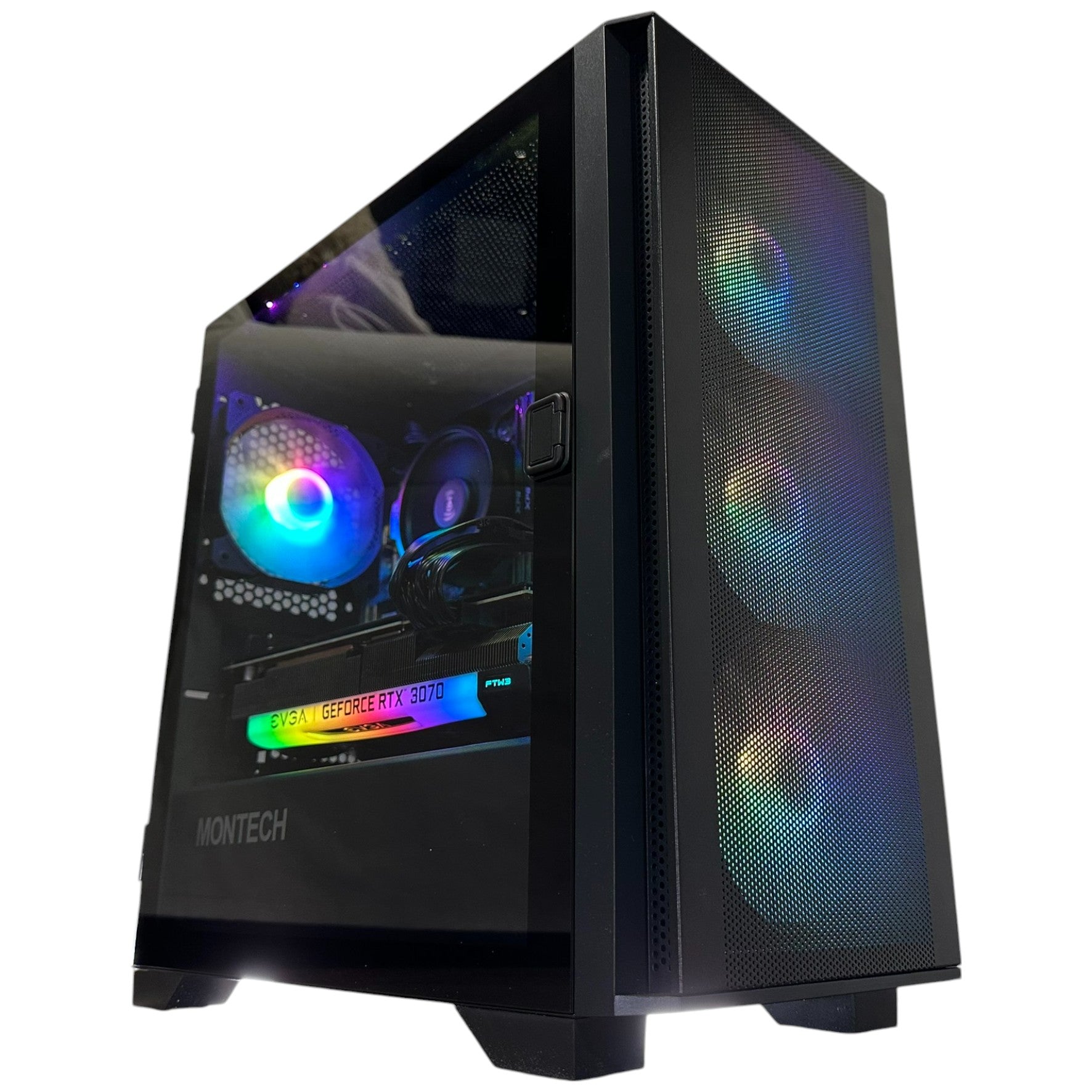
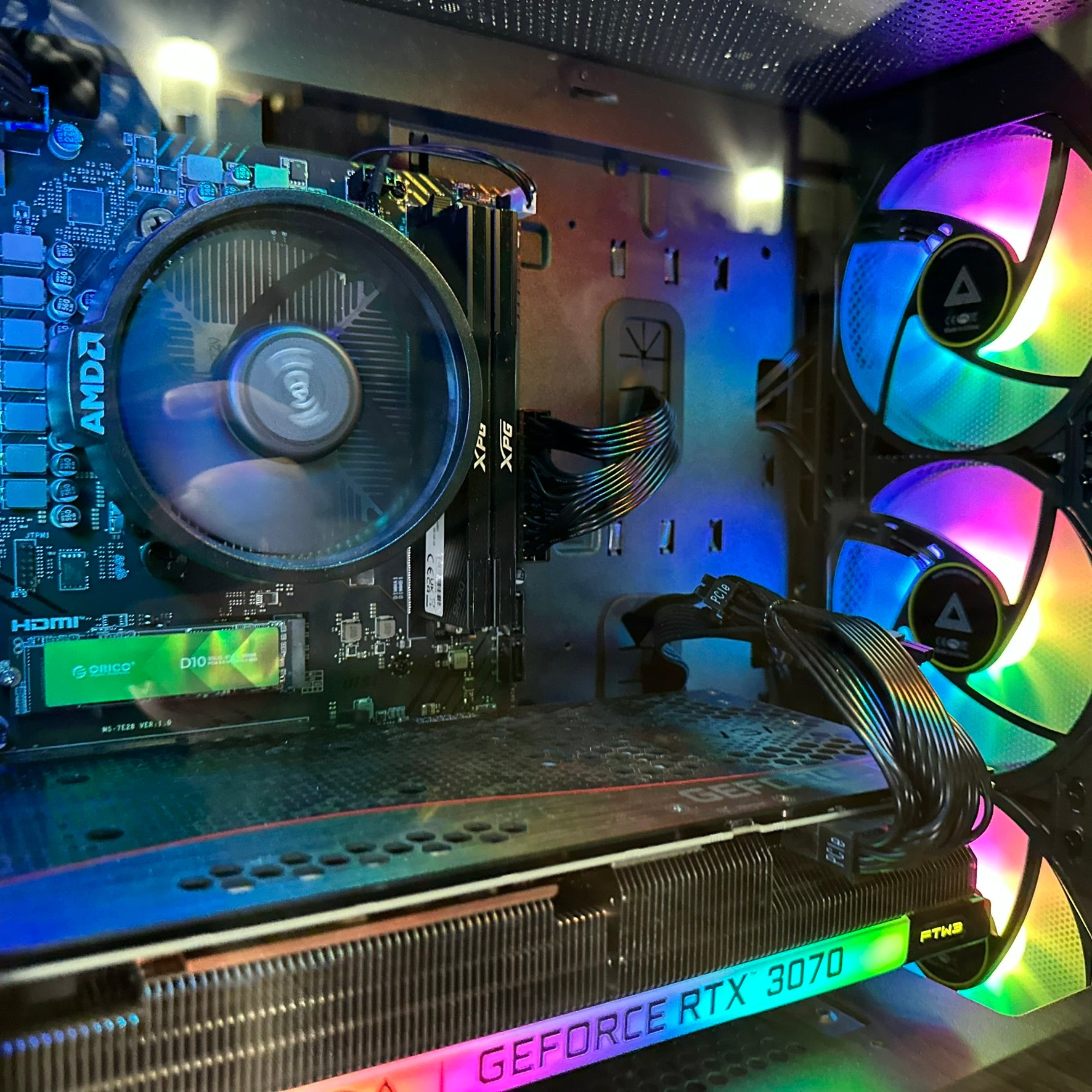
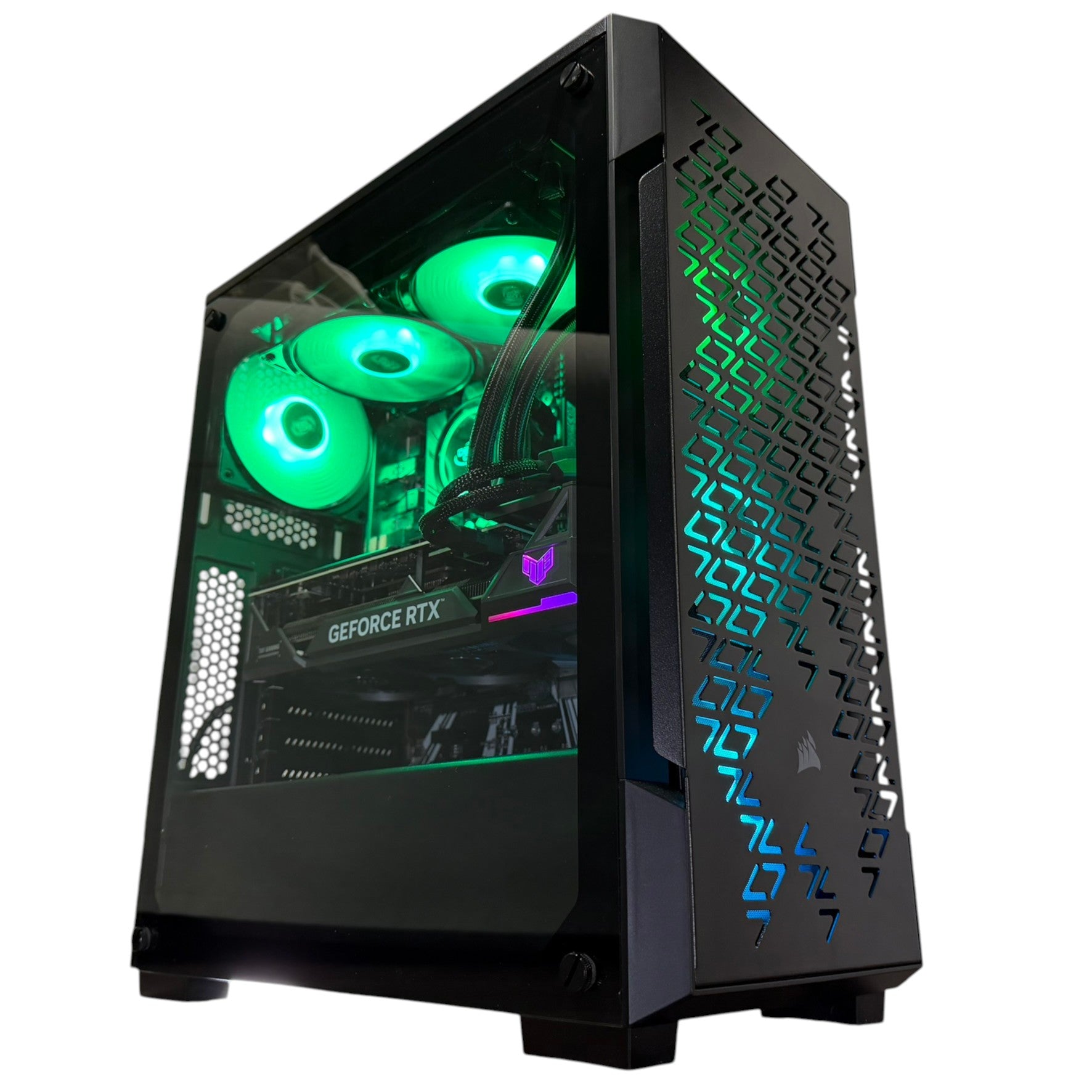
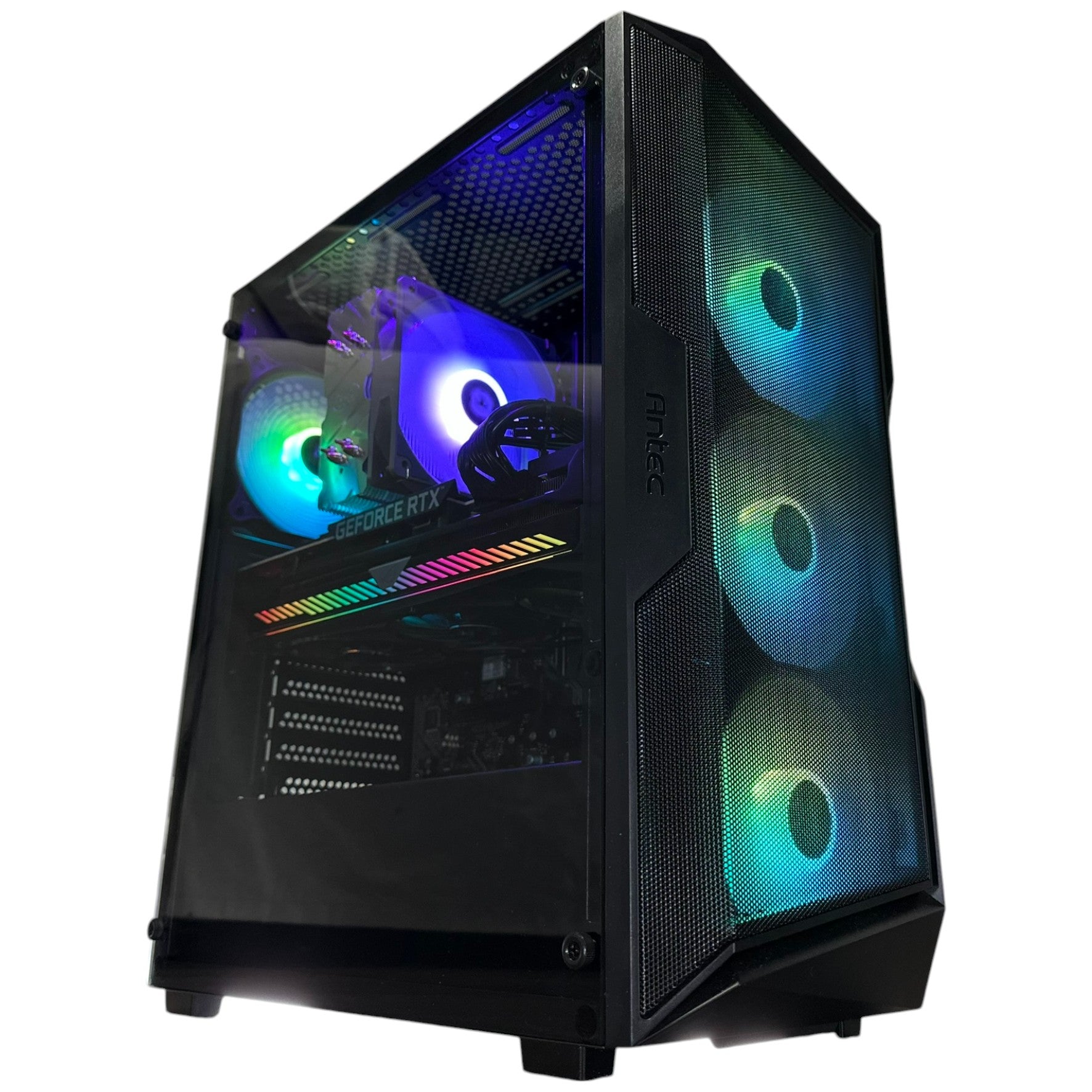
At Groovy Computers, that is where custom build logic matters. The right parts need to work together, not just look impressive individually. CPU balance, GPU tier, thermal performance, RAM capacity, SSD speed, airflow, power headroom, and upgrade path all affect whether a build still feels strong after launch hype fades.
Do you also want to stream, record, or create content?
This is where many buyers underestimate their needs. They shop like pure gamers, then a month later they want to stream, clip highlights, edit short-form content, design thumbnails, or run heavier multitasking setups.
If that sounds like you, ask yourself a few honest questions.
Will you be using OBS or similar streaming software? Do you want clean gameplay while streaming at the same time? Are you planning to record local footage for later editing? Do you want one machine that can game, stream, and edit instead of buying again later?
If yes, you may need something closer to a Gaming and Streaming PC Canada or even a creator-oriented build rather than a basic gaming tower. More RAM, a stronger GPU, better cooling, and a more capable CPU can make a meaningful difference in real-world smoothness.
Streaming and creator buyers should think beyond raw FPS
Frame rate still matters, but so do stream stability, encoding support, storage speed, and multitasking responsiveness. A machine that feels fine in a single game can start feeling cramped once you add scenes, browser sources, voice apps, alerts, recordings, and editing workflows.
Do you want your next PC to handle gameplay and your content pipeline, or do you want to keep fighting system limits every time you go live?
Could this same buying moment apply to video editing, photo editing, and graphic design?
Absolutely. Big gaming headlines often trigger PC research from people who are not only gamers. Many are hybrid users. They game at night and create during the day. They need a machine that can handle modern titles, but they also need smoother exports, faster timelines, and more responsive Adobe workflows.
If you work in Premiere Pro, DaVinci Resolve, After Effects, Photoshop, Lightroom, Illustrator, Canva, or InDesign, a stronger desktop is not just about entertainment. It is about time saved. Faster previews, better playback, smoother AI tools, quicker batch processing, and more reliable multitasking all add up.
So ask yourself: is a gaming PC good for video editing or graphic design in your case? Sometimes yes, but not always in its entry-level form. A balanced creator build often makes more sense than a gaming-first machine with corners cut in RAM, storage, or CPU selection.
Who should consider a creator PC instead of a pure gaming build?
- Gamers who also edit YouTube videos
- Streamers creating shorts, clips, and highlight reels
- Photographers working in RAW libraries
- Designers using Adobe Creative Cloud daily
- Freelancers who need gaming and business use in one desktop
- Content creators who want one powerful, cleaner long-term setup
If that is you, a custom creator desktop from Groovy Computers may be the smarter path than buying a lower-spec gaming-only machine and stretching it into tasks it was never meant to handle comfortably.
What if your workflow includes Blender, Unreal Engine, or heavier workstation tasks?
Now the conversation changes again. If your interest in powerful hardware starts with gaming news but your real workflow includes rendering, modeling, CAD, simulation, animation, or development work, then you are likely shopping in workstation territory.
Do you need viewport performance? GPU rendering? CPU-heavy simulation work? Large RAM capacity? Faster project loads? Better thermal control under sustained load? If so, the right answer may not be a standard gaming desktop at all. It may be a custom workstation designed for longer heavy sessions and broader productivity demands.
For Canadian buyers researching what PC do I need for Blender or Unreal Engine while also wanting strong gaming performance, the ideal build usually comes down to workload balance. Some customers need more GPU emphasis. Others benefit more from CPU strength, higher RAM, or larger fast-storage layouts.
The right custom PC should match how you actually spend your hours, not just the headline that sparked the search.
Why timing matters when major game releases move
A possible delay does not automatically mean “do nothing.” In fact, it often means the opposite: use the uncertainty to plan better before everyone else does.
Here is why timing matters.
- Major releases can trigger late demand spikes for gaming desktops
- Premium GPUs can become harder to source at attractive value
- Memory and storage pricing can change faster than buyers expect
- Customers who wait too long may settle for weaker specs
- Rushed buyers often ignore cooling, warranty, and testing quality
- New software updates and creator tools can increase system demands even before the game launches
So ask yourself: is it better to buy a gaming PC now or wait? If your current computer is already struggling, if you know you want stronger performance anyway, or if you also have creator or productivity needs, buying earlier can be the more rational move.
Should you buy a cheaper PC now or finance a better one?
This is one of the most important questions in the entire decision.
A lot of buyers focus only on immediate cash outlay. That is understandable. But if the cheaper system leaves you underpowered for upcoming games, streaming, editing, or workstation tasks, it may cost more in the long run through earlier upgrades, lower resale confidence, frustration, and reduced useful lifespan.
That is why financing can be practical when used properly. It is not about buying recklessly. It is about securing the right level of performance while prices and demand are still manageable. If financing up to 4 years helps you move from a “good enough for now” machine to a genuinely capable long-term build, that can be the smarter value decision.
Should I finance a better PC instead of buying a cheaper one? If the stronger system meaningfully improves gaming longevity, creator speed, and upgrade flexibility, many customers would answer yes.
When financing makes the most sense
- When a weaker build would likely need replacement too soon
- When a new game cycle is about to raise demand for stronger hardware
- When you also need streaming, editing, or design performance
- When you want a better GPU tier without sacrificing build quality
- When preserving cash flow matters but you still want the right system now
In those situations, financing is not just a payment choice. It is a strategy for getting the right machine before replacement costs rise.
Which performance tier fits you best?
If you are unsure where you fit, this breakdown can help.
Entry-level to lower-midrange: value-focused buyers
This tier is for customers who want solid 1080p gaming, esports performance, and a practical step up from older systems. It can also suit lighter school use, general productivity, and basic content tasks. If your goal is to get into PC gaming without going all-in, this may be enough.
But ask yourself: can a budget gaming PC play new games the way you want, or will you outgrow it too quickly?
Midrange to upper-midrange: the best fit for many gamers
This is often the sweet spot for 1440p gaming, smoother multitasking, streaming readiness, and better long-term value. If you want strong overall balance without entering top-end pricing, this is where many buyers should focus. It is also a smart zone for hybrid gaming and creator use.
If you want a machine that still feels impressive after the launch window passes, this is often the tier to beat.
High-end and premium: for 4K, ray tracing, content, and longevity
This tier is for customers who want minimal compromise. Think stronger 4K potential, better ray tracing readiness, larger performance reserves for future games, heavier streaming and editing loads, and a more premium overall experience. It also makes sense for buyers who simply do not want to revisit the same upgrade conversation too soon.
How long will a high-end gaming PC last? No system is future-proof forever, but a properly balanced premium build gives you far more breathing room than a machine bought too close to the minimum.
Custom PC vs generic prebuilt: why it matters more during uncertain buying cycles
When a major release creates hype, the market fills with rushed buying decisions. That is when buyers most need to care about build quality, not less. A custom desktop should be about fit, not just flash. You want the right hardware combination, clean assembly, airflow that makes sense, proper power delivery, stable memory configuration, and real testing before the system reaches you.
Custom PC vs prebuilt PC Canada is not just a spec-sheet question. It is a reliability question.
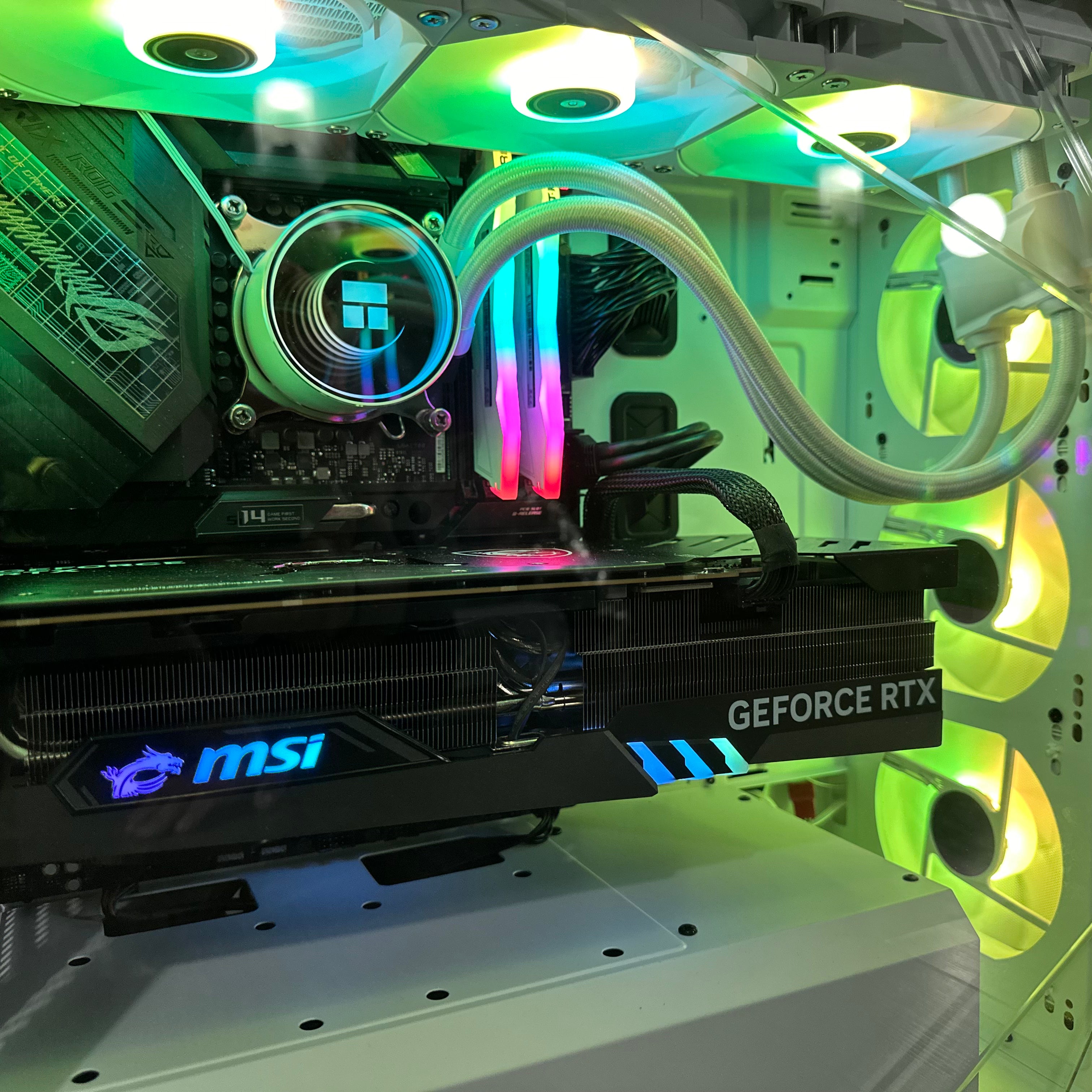
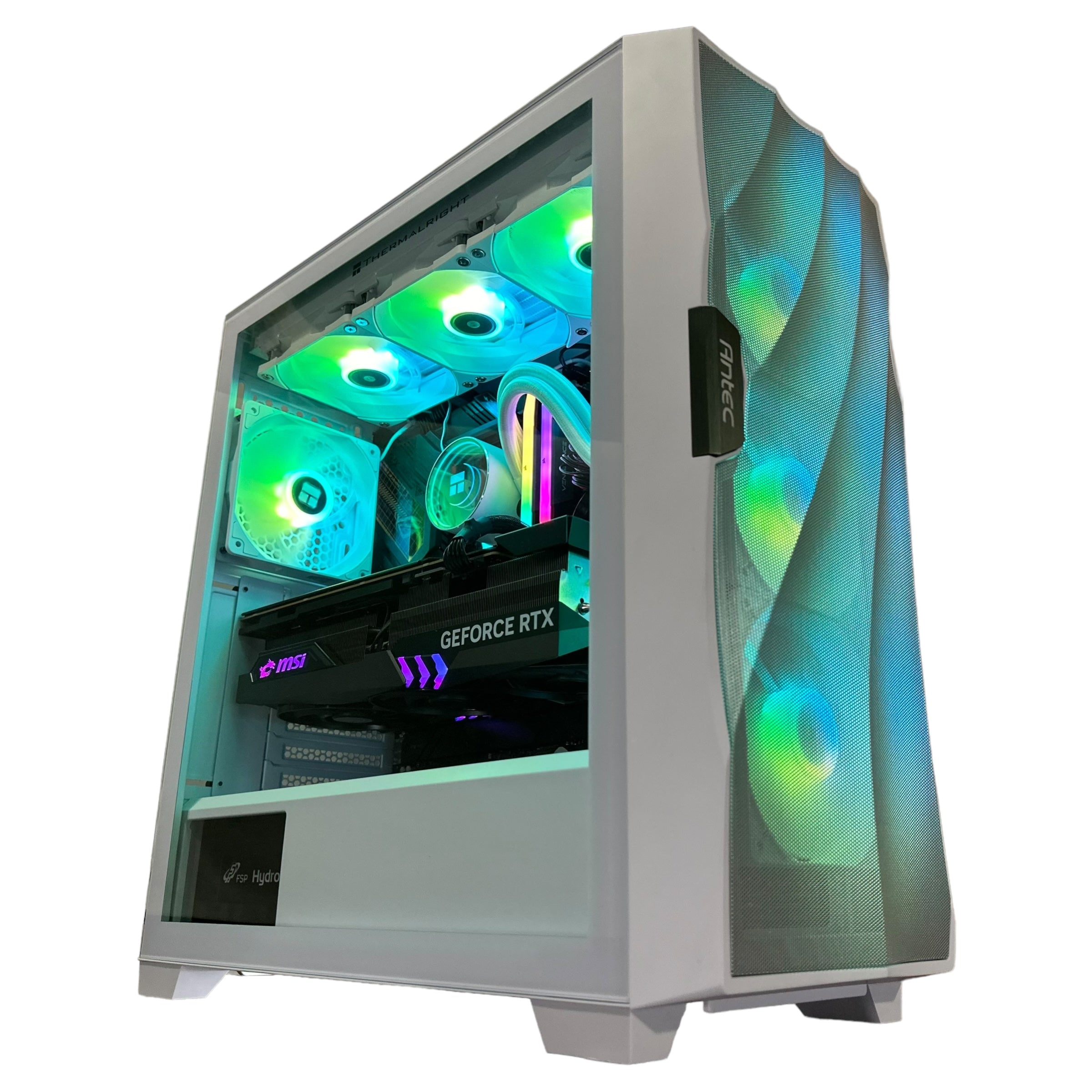
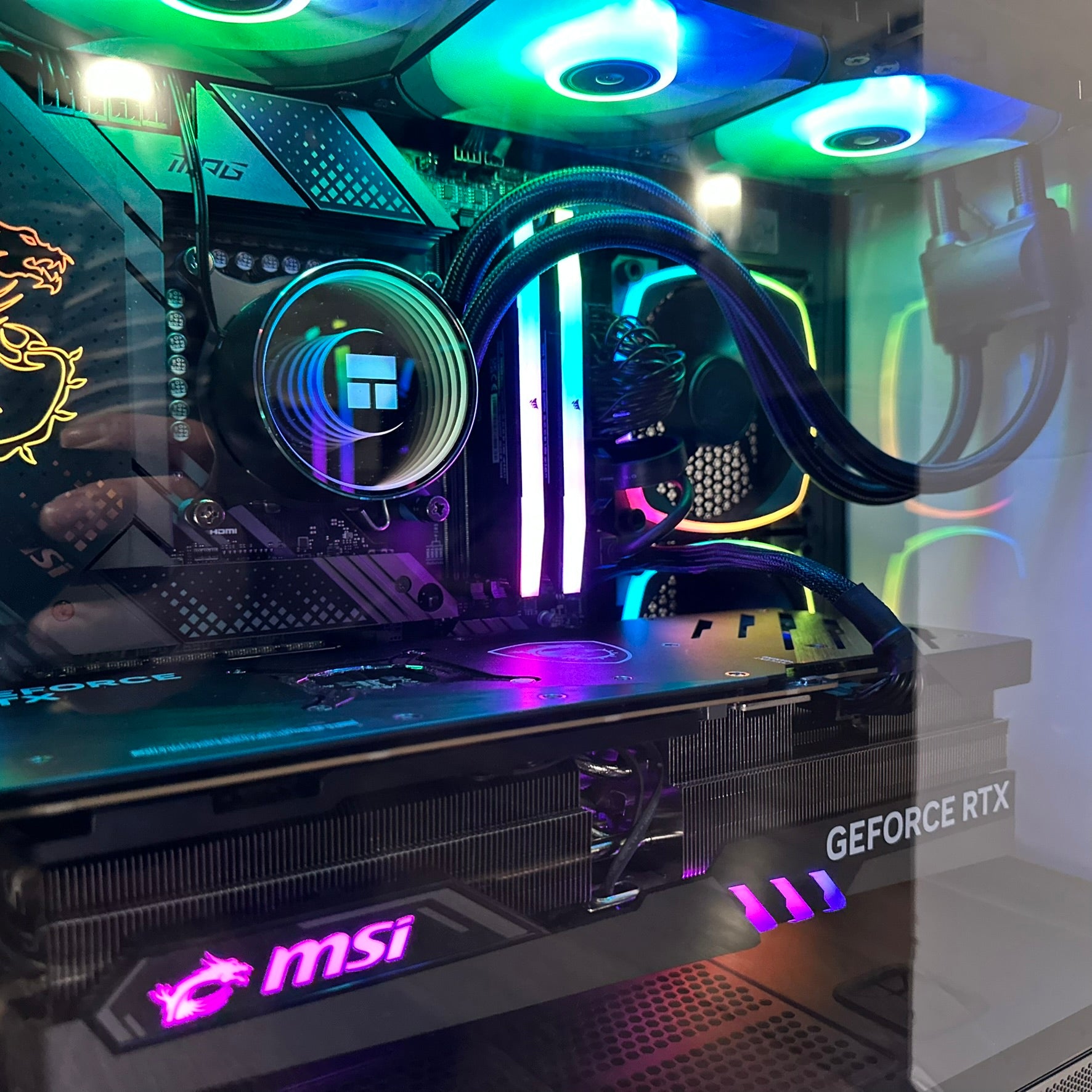
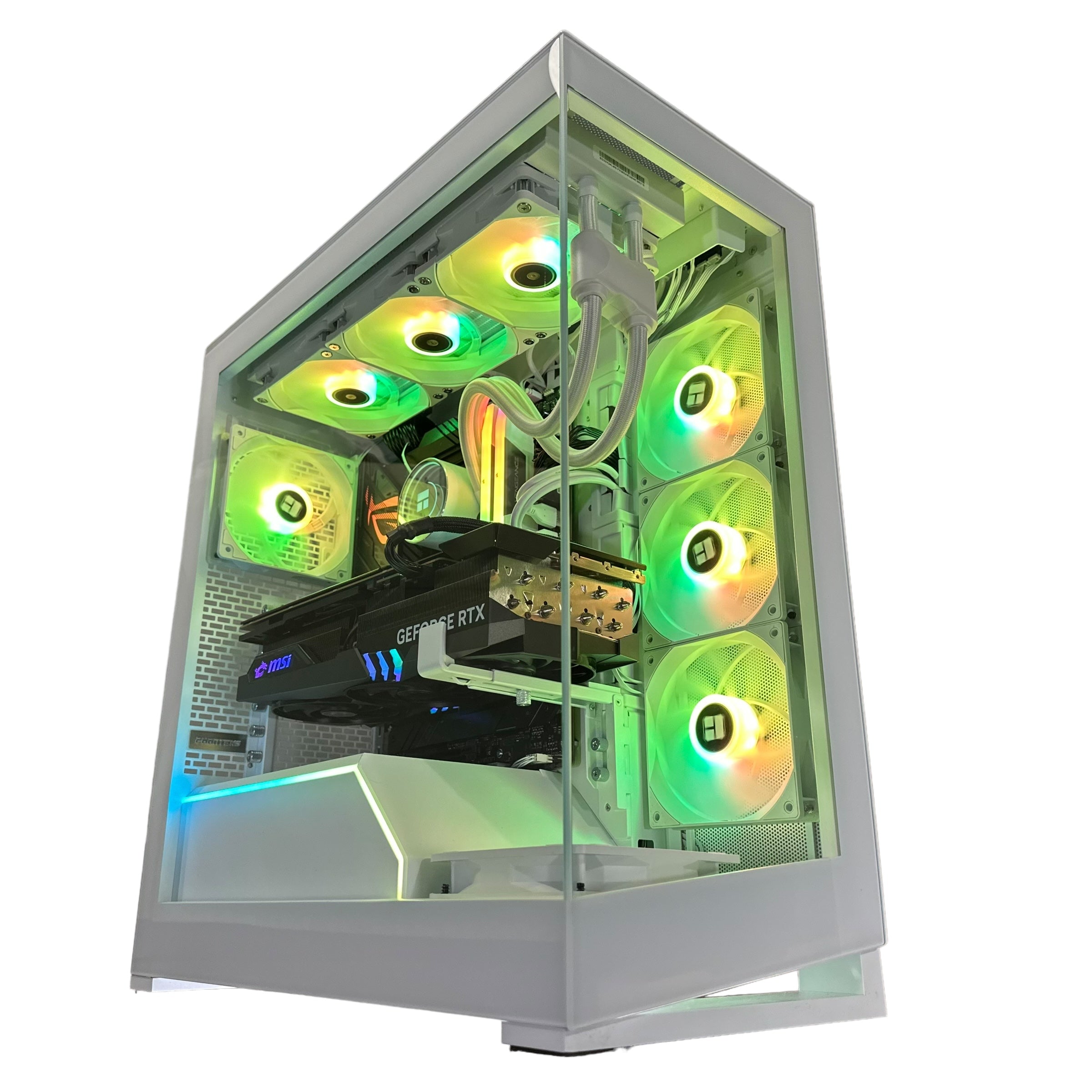
At Groovy Computers, the custom-build advantage is simple. You are not just picking a box. You are choosing a machine designed around your actual use case, whether that is gaming, streaming, video editing, graphic design, photo editing, content creation, 3D modeling, or workstation-grade productivity.
That matters even more when pricing is volatile. If every dollar counts, you want those dollars going into the parts and performance that actually improve your experience.
Why testing and warranty support matter before a big launch season
If you are buying ahead of a major game window, reliability matters. The last thing you want is to spend good money on a system that looks strong on paper but has thermal issues, instability, poor part matching, or weak after-sale support.
That is why rigorous testing and a real warranty matter. Groovy Computers offers custom-built systems backed by a 1-year warranty, and that kind of confidence becomes even more important when customers are buying to prepare for demanding games and creative workloads.
Ask yourself: do you want the cheapest-looking option, or do you want a tested machine you can actually trust?
Canadian buyers should plan for the whole desktop experience, not just one benchmark
A good PC purchase is not just CPU plus GPU. It is storage space for large game installs, memory headroom for multitasking, cooling for sustained sessions, a case that breathes properly, and a platform that does not box you into an awkward upgrade path too early.
That is especially important if your next machine will also be used for:
- OBS streaming
- YouTube or TikTok editing
- Photoshop and Lightroom work
- Adobe Creative Cloud multitasking
- Blender or Unreal Engine projects
- School, business, or home-office productivity
If your next desktop needs to do several of those things, buying too low now can turn into a costly reset later.
So what should you do if GTA 6 gets delayed again?
If another delay happens, do not confuse extra calendar time with unlimited buying flexibility. The smart response is not panic, but preparation.
- Decide what your next PC must handle beyond one game
- Choose your performance target: 1080p, 1440p, or 4K
- Be honest about whether you also need streaming or creator power
- Think about how long you want the system to stay satisfying
- Compare the cost of settling now versus financing a stronger build
- Buy from a Canadian custom builder that tests systems properly
That way, whether the game arrives exactly on schedule or not, you are in a stronger position. You are not rushed. You are not guessing. And you are not trying to replace weak hardware at the worst possible moment.
Need help choosing the right build from Groovy Computers?
Are you looking for a budget-friendly gaming desktop, a stronger 1440p setup, a premium RTX-ready system, a creator PC, or a workstation that can handle both play and productivity? Do you want to avoid underbuying now and upgrading again too soon? Do you want a custom system that is built in Canada, tested properly, and backed by warranty confidence?
If that sounds like your situation, the next step is simple: visit GroovyComputers.ca and explore a build that matches the way you actually game, create, and work. If financing helps you secure the performance tier you really need before demand shifts again, this is the kind of moment where planning ahead can pay off.
Final takeaway: a game delay can still be a smart-buy signal
The latest GTA 6 release date delay conversation should not be read as a reason to ignore your upgrade plans. It should be read as a reminder that big launches change buyer behaviour, and that waiting too long can create unnecessary pressure. If your current PC is aging, if your expectations are rising, or if you want one machine for gaming, streaming, editing, design, and future releases, now is the time to think clearly.
What do you want your next PC to do for you? What level of performance will actually make you happy a year from now? And if financing a stronger custom build makes that outcome more realistic, why settle for a stopgap system that you already know is not enough?
Groovy Computers is built for Canadian customers who want more than generic specs. Whether you need a gaming desktop, creator PC, or workstation, choosing the right system now can put you ahead of the next demand wave instead of behind it.
#GamingPCCanada #GamingPCForNewGames #CustomPCBuilderCanada #CanadianCustomPCBuilders #GamingAndStreamingPCCanada #CreatorPCCanada #VideoEditingPCCanada #3DModelingPCCanada #CustomGamingPCNovaScotia #BuyGamingPCOnlineCanada
Groovy Computers | All Rights Reserved


Leave a comment
This site is protected by hCaptcha and the hCaptcha Privacy Policy and Terms of Service apply.