


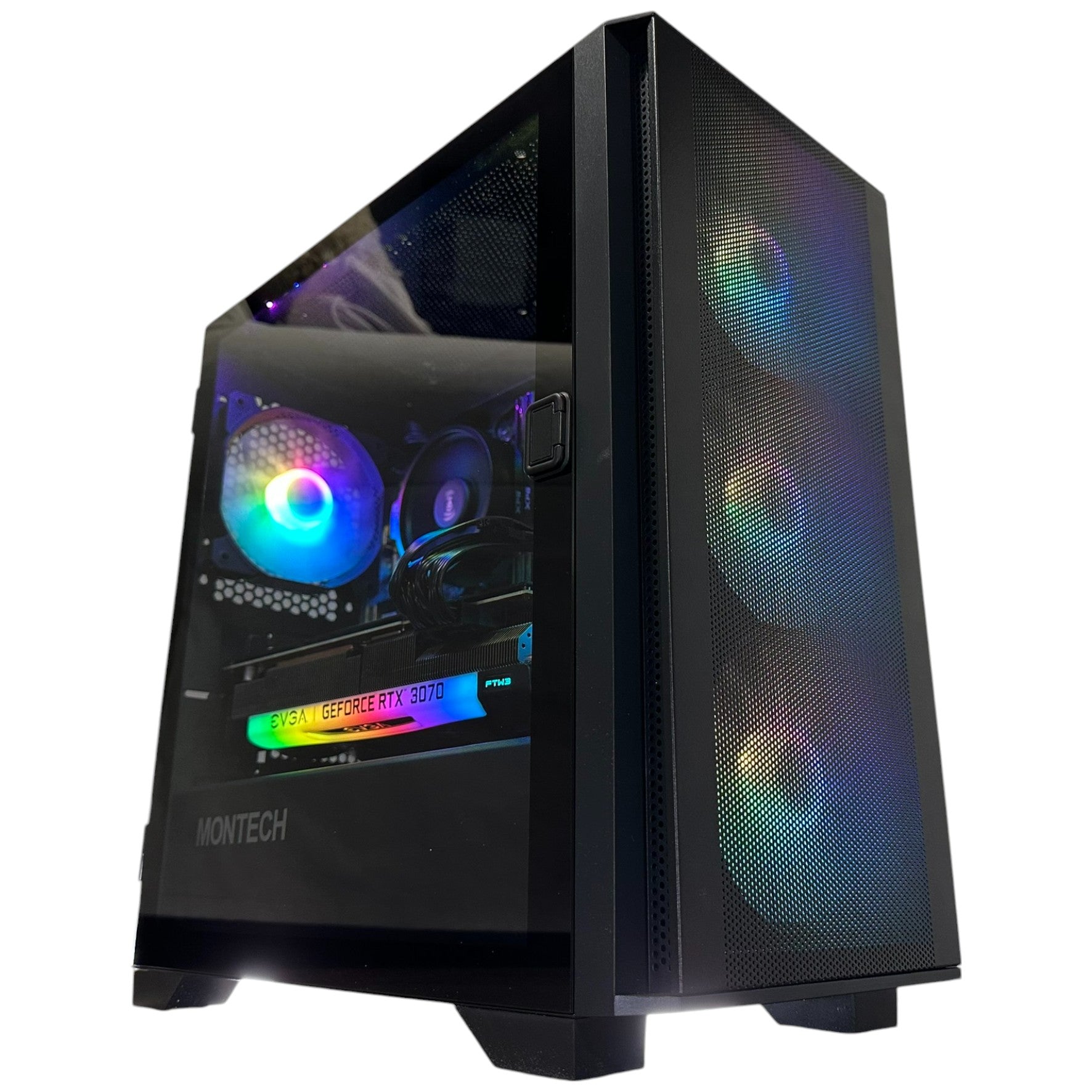
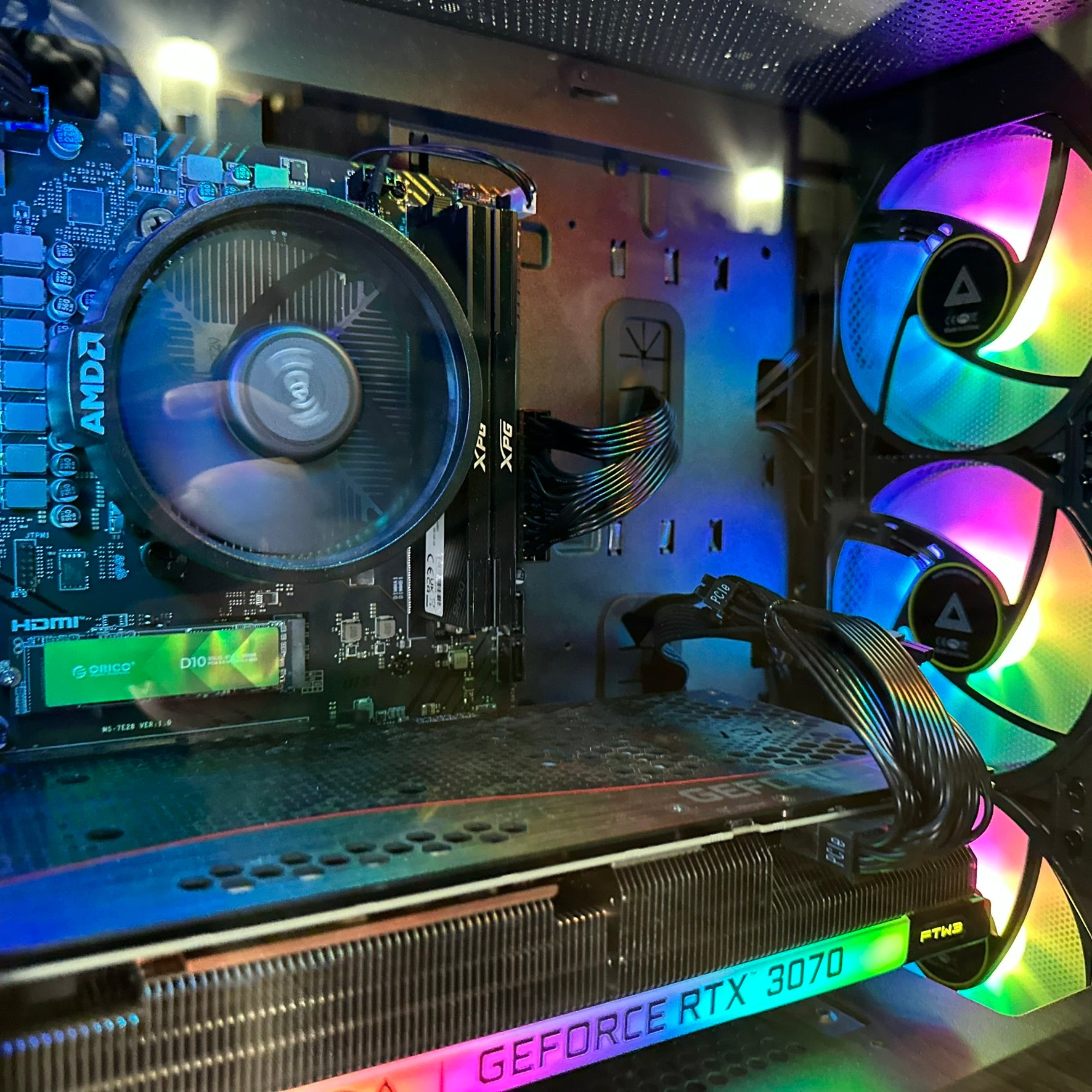
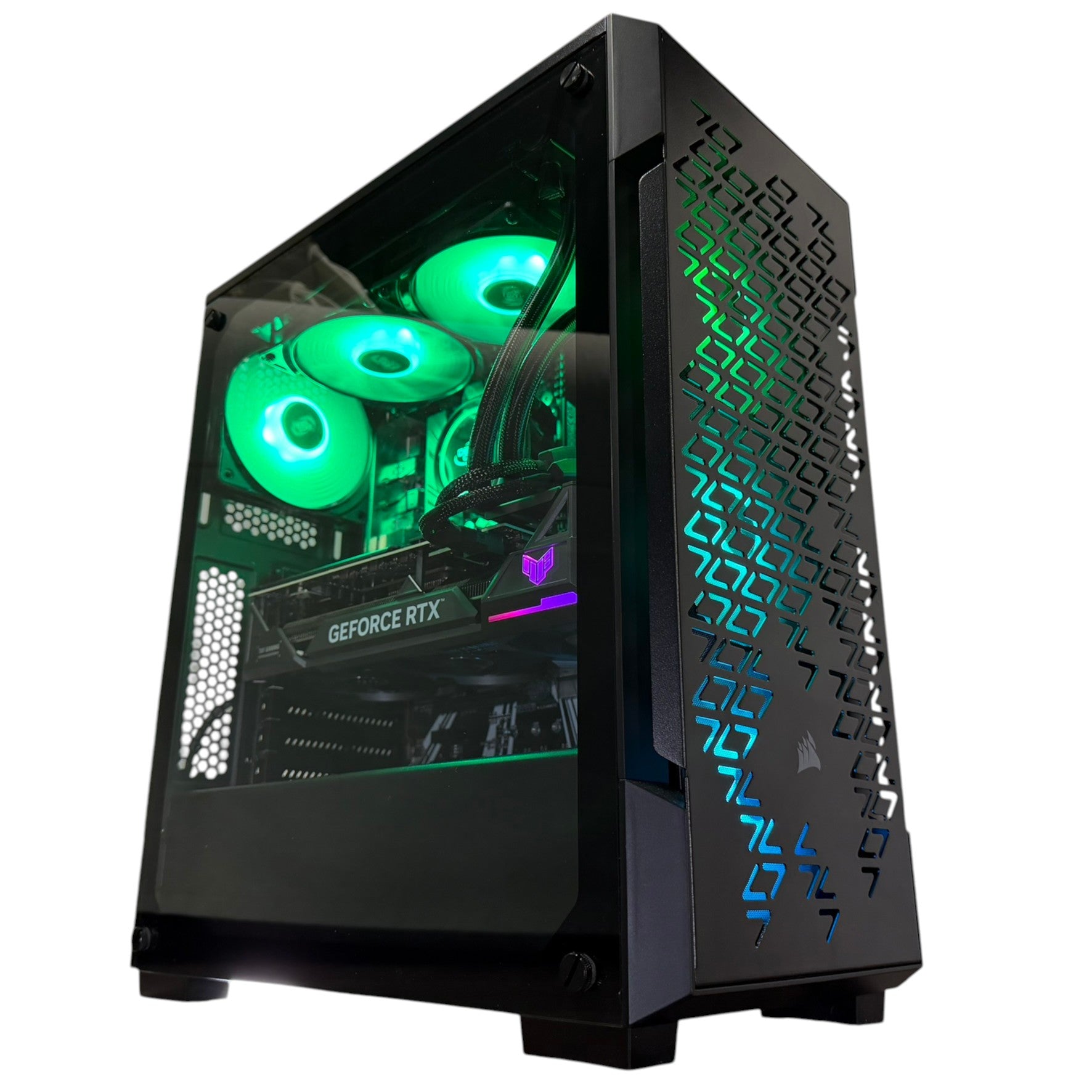

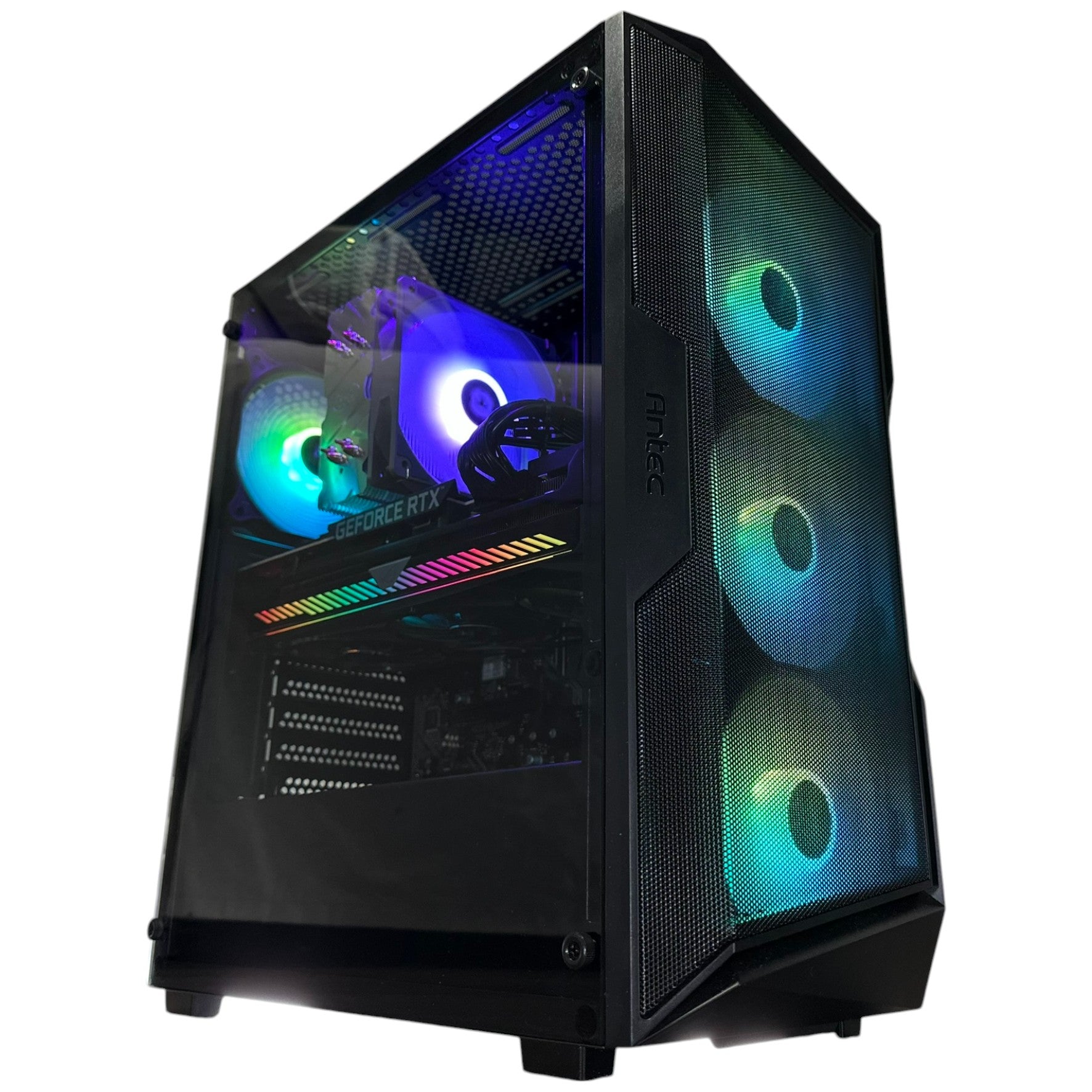


Resident Evil Requiem Sales Milestone Shows Why a Gaming PC in Canada Matters More Than Ever
Resident Evil Requiem hitting a massive sales milestone so quickly is more than just a headline for horror fans. It is another strong signal that demand for big-budget PC gaming experiences is staying hot, hardware expectations are rising, and more Canadian buyers are asking the same practical question: what kind of gaming PC in Canada do I actually need for new releases like this without overpaying or upgrading again too soon?
The source story highlights a major achievement: Resident Evil Requiem reportedly surpassed 8 million copies sold in roughly four months, making it one of the fastest-selling games in the franchise. That kind of momentum matters because blockbuster launches do not just move copies. They influence what gamers expect from visuals, frame rates, ray tracing, streaming quality, recording performance, and long-term system value.
When a game in a major franchise explodes this fast, it usually tells us three things. First, the audience for premium PC gaming is still growing. Second, more players are investing in stronger hardware to keep up with new releases. Third, buyers who wait too long often end up shopping during peak demand periods, when GPU pressure, memory pricing, storage costs, and replacement costs can become less forgiving.
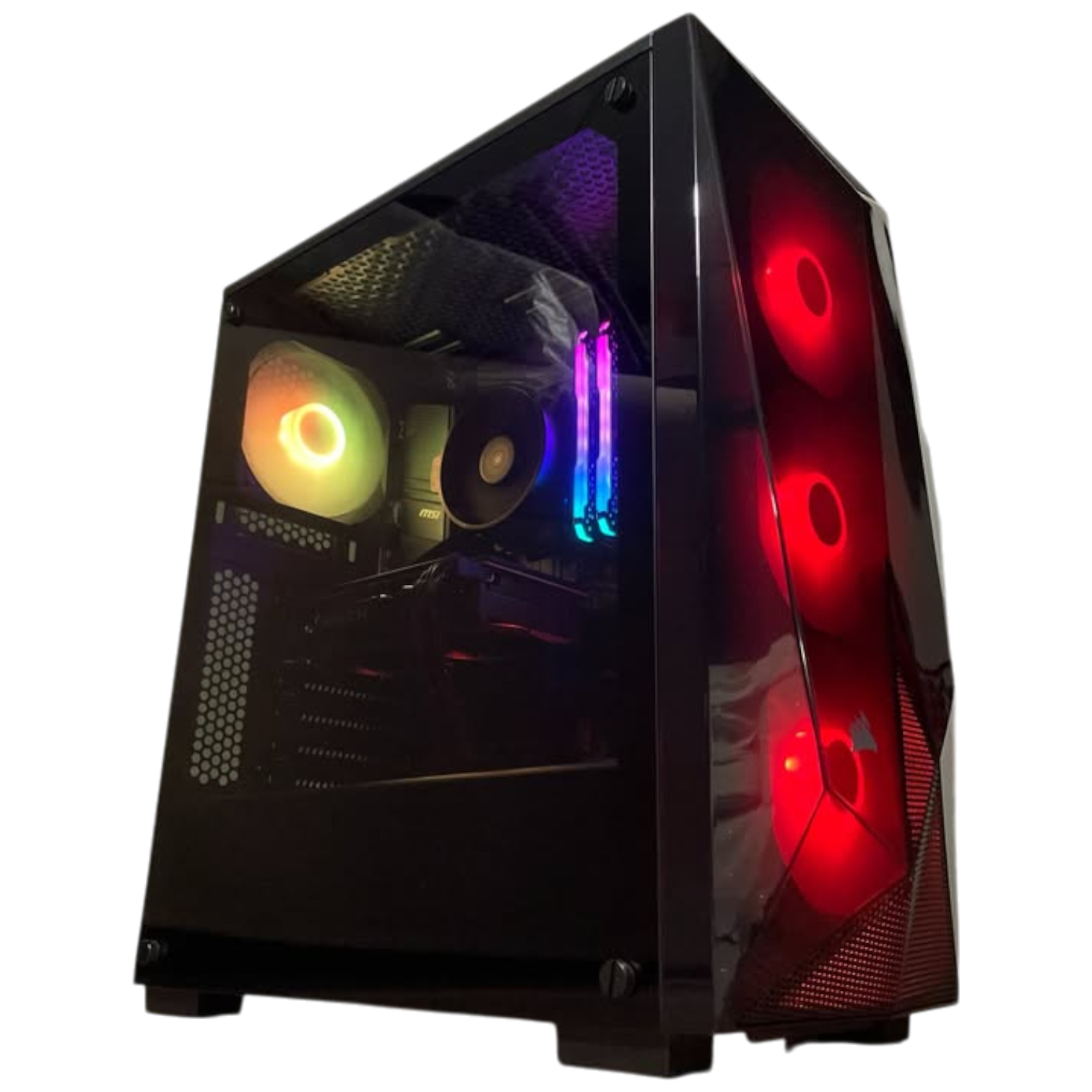
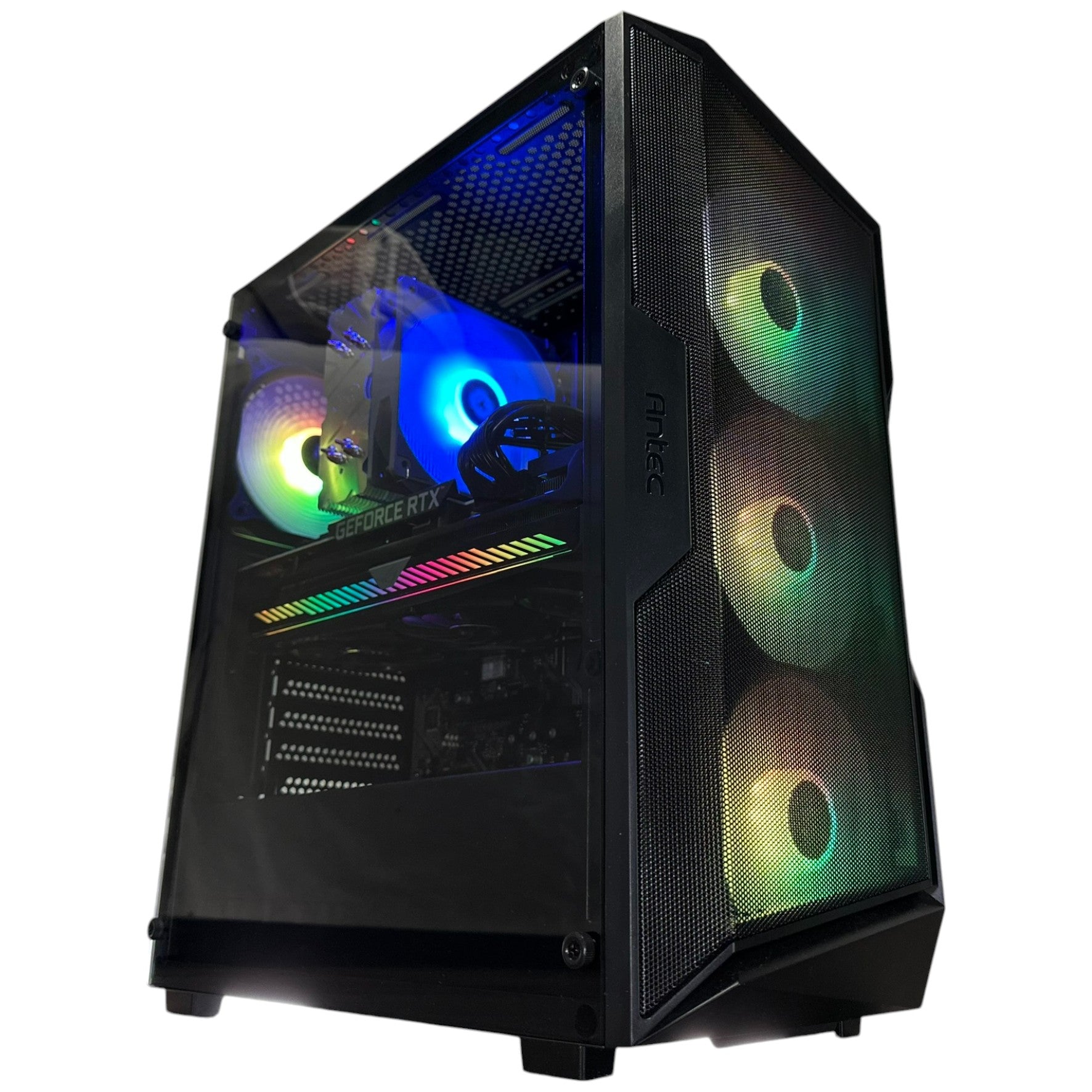
For Groovy Computers, this is where the conversation becomes useful. A viral release is exciting, but the bigger question is what it means for your next system. Are you looking for a budget gaming tower for 1080p? A 1440p build with high settings and excellent longevity? A premium RTX system for ray tracing and streaming? Or do you need one machine that handles gaming, OBS, editing, Photoshop, and content creation without compromise?
What the Resident Evil Requiem sales surge really tells Canadian PC buyers
Huge sales numbers around a major title usually mean one thing for PC shoppers: more players are paying attention to performance. People who were fine on older hardware suddenly start noticing stutter, longer load times, weaker minimum FPS, or poor ray tracing results. Others realize they want more than just “can it run the game?” They want smooth gameplay, strong image quality, quiet cooling, upgrade headroom, and confidence that the system will still feel modern when the next wave of AAA games arrives.
That is the key difference between buying reactively and buying strategically. If you only shop after your current computer starts struggling, you are forced into a decision. If you buy with a clear plan now, you can match the system to your real goals and often avoid a shorter upgrade cycle.
Canadian buyers also need to think differently than many general gaming news articles suggest. We are not just comparing specs on paper. We are balancing Canadian pricing, shipping realities, long-term warranty confidence, financing options, and whether a custom built system gives better value than a generic one-size-fits-all machine.
In other words, a game sales milestone is not only entertainment news. It is a buying signal.
Are you shopping for a game, or are you shopping for the next three years of performance?
That question matters more than most people realize.
If Resident Evil Requiem is the kind of game that gets your attention, what else is probably on your list? More demanding horror games? Open-world titles? Competitive shooters? Co-op releases? Upcoming AAA launches with heavier lighting, denser environments, and more aggressive VRAM usage? Your answer changes what kind of system makes sense.
If you mostly play esports titles and occasional story-driven games, you may not need a top-tier GPU. If you want cinematic single-player games at 1440p or 4K with ray tracing, that is a very different buying category. If you also stream to Twitch or YouTube, edit clips, post TikTok content, and use creative software, then a plain budget gaming tower may not stay comfortable for long.
Before buying, ask yourself a few honest questions. Do you want today’s game performance only, or do you want headroom for the next wave of releases? Are you okay lowering settings after a year, or would you rather buy stronger once? Do you want your system to feel fast just in-game, or also during installs, file transfers, exports, multitasking, and content creation?
What do you want your next PC to do for you?
This is the most important section in the entire buying process because most shoppers start with a budget before they define the job. That often leads to buying the wrong machine.
Do you want your next PC to:
- Play new AAA games smoothly at 1080p with strong value?
- Handle 1440p gaming with high settings and better long-term performance?
- Deliver 4K gaming and ray tracing for premium visual quality?
- Run OBS while gaming and recording at the same time?
- Edit YouTube videos in Adobe Premiere Pro or DaVinci Resolve?
- Handle Photoshop, Lightroom, and large RAW photo libraries?
- Run Illustrator, InDesign, and other graphic design workloads efficiently?
- Support Blender, Unreal Engine, rendering, and 3D modeling?
- Do all of the above without needing another upgrade too soon?
Once that answer becomes clear, choosing the right custom build gets much easier. A proper custom PC buying guide should not begin with random parts. It should begin with workload priorities.
What gaming PC do I need for new games like Resident Evil Requiem?
For most buyers, the right answer depends on target resolution, desired settings, whether ray tracing matters, and whether the machine needs to do more than gaming.
Entry-level and value tier: 1080p gaming
If your goal is reliable 1080p gaming with strong settings in modern titles, a value-focused build can still make sense. This tier is ideal for players upgrading from an aging console, older prebuilt, or entry desktop. It is especially attractive for first-time buyers, students, and anyone searching for a budget-friendly way into modern PC gaming.
But here is the real question: do you only want to play the current game, or do you want breathing room for future releases? A build that feels fine today at 1080p can start feeling tighter much faster if you also want recording, browser tabs, Discord, mods, or background apps running.
That is why many budget shoppers should think carefully before choosing the lowest possible tier. Sometimes financing a slightly stronger system creates far better long-term value than replacing a weaker one early.
Mainstream sweet spot: 1440p gaming
For many Canadian gamers, 1440p is the true sweet spot. It gives a major visual upgrade over 1080p, pairs well with high refresh displays, and makes better use of today’s stronger GPUs without jumping all the way into the cost of a full premium 4K setup.
If you love atmospheric games, detailed environments, and richer textures, this is often where a custom gaming PC in Canada starts to feel truly satisfying. A well-balanced 1440p system can also be excellent for streaming, creator work, and future game launches.
Are you the kind of player who notices image clarity, smoother frame pacing, and stronger minimum FPS? If so, this tier may be the smartest investment.
Premium tier: 4K and ray tracing
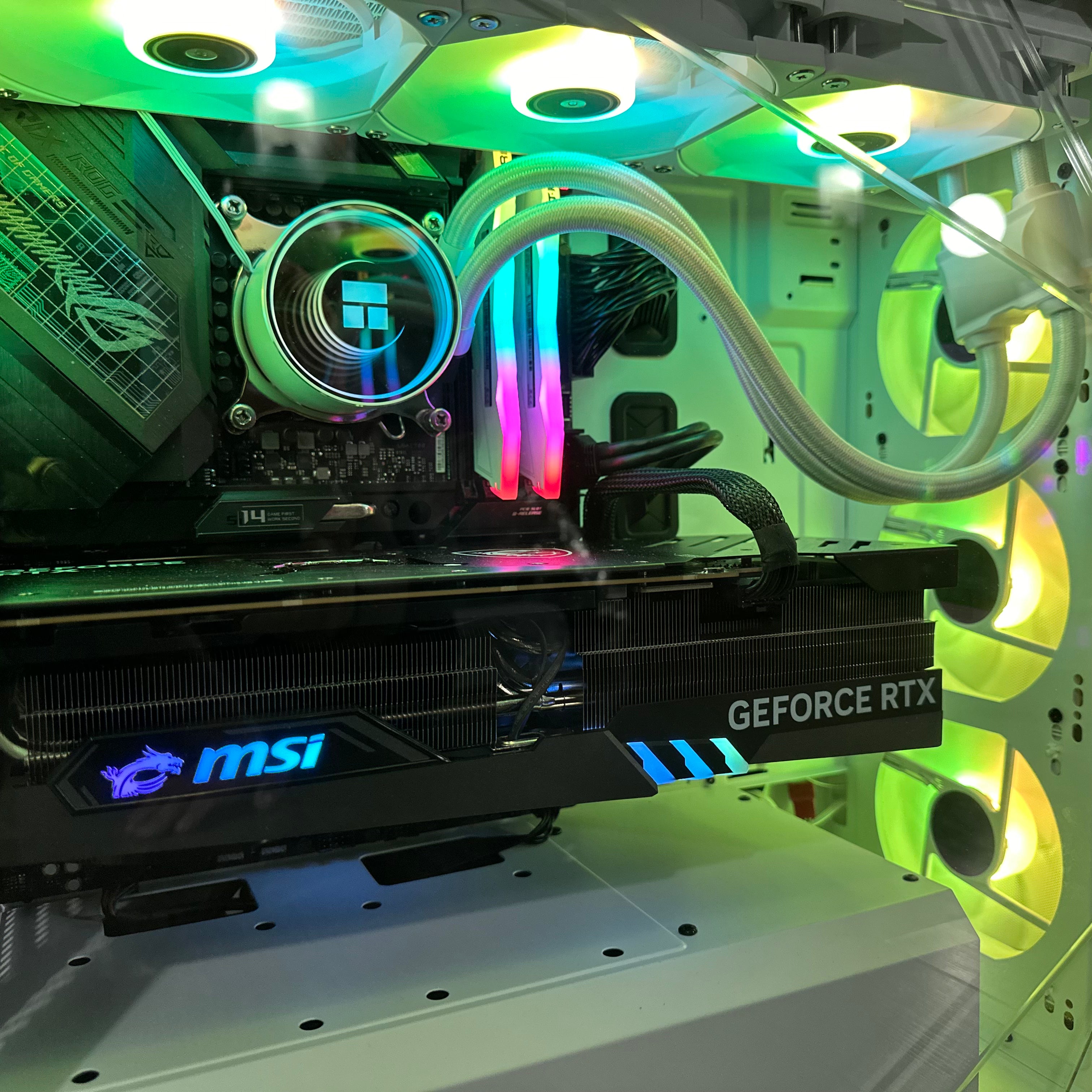
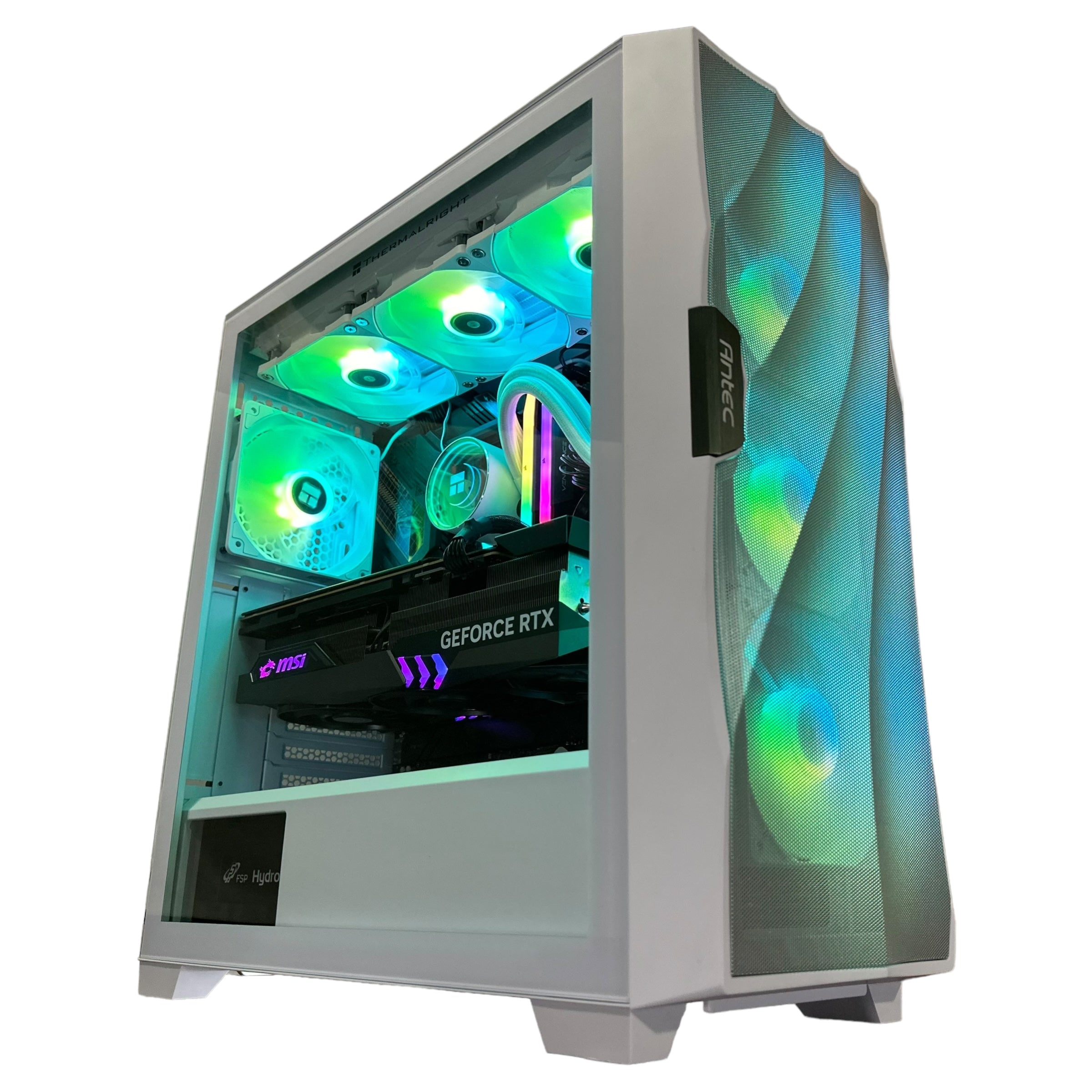
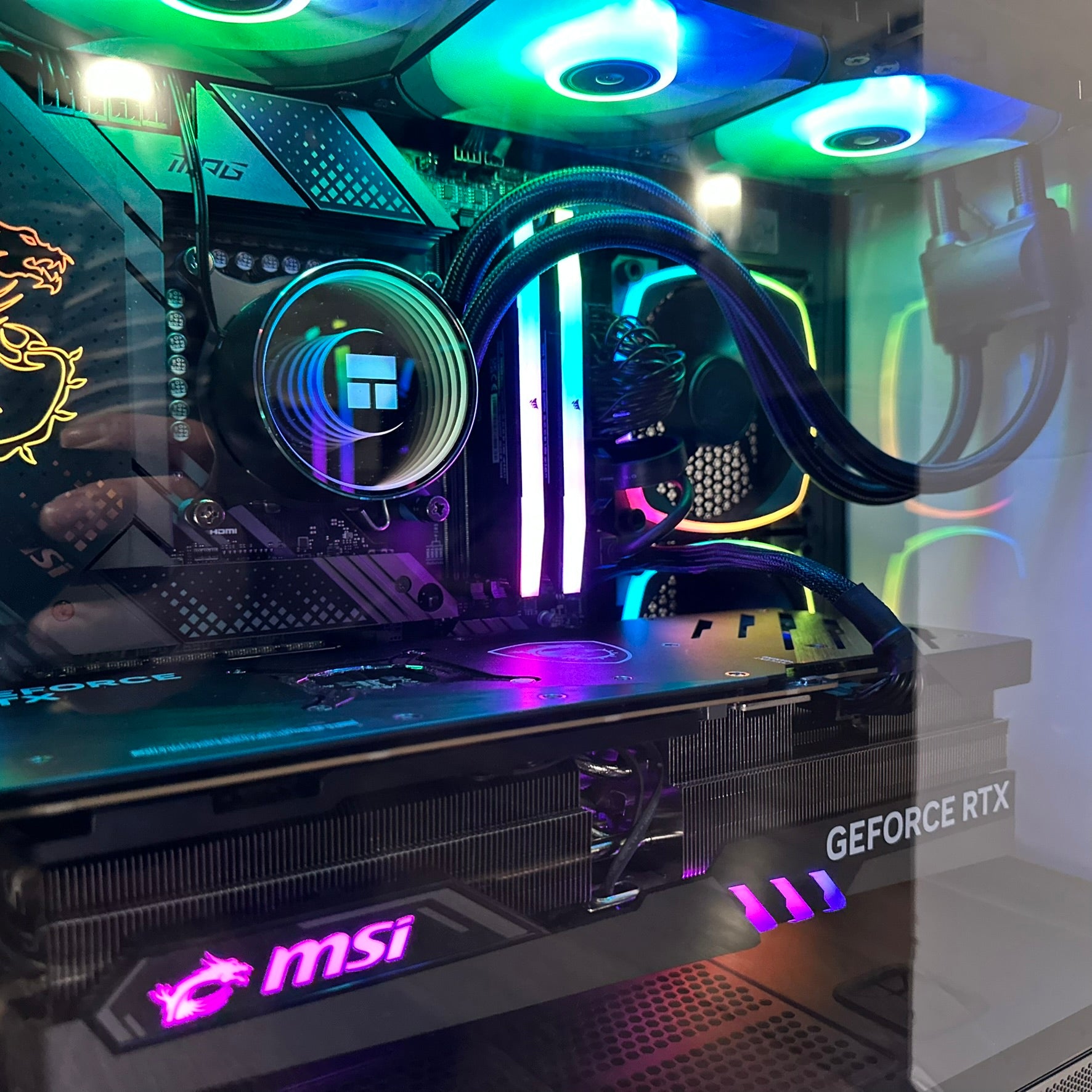
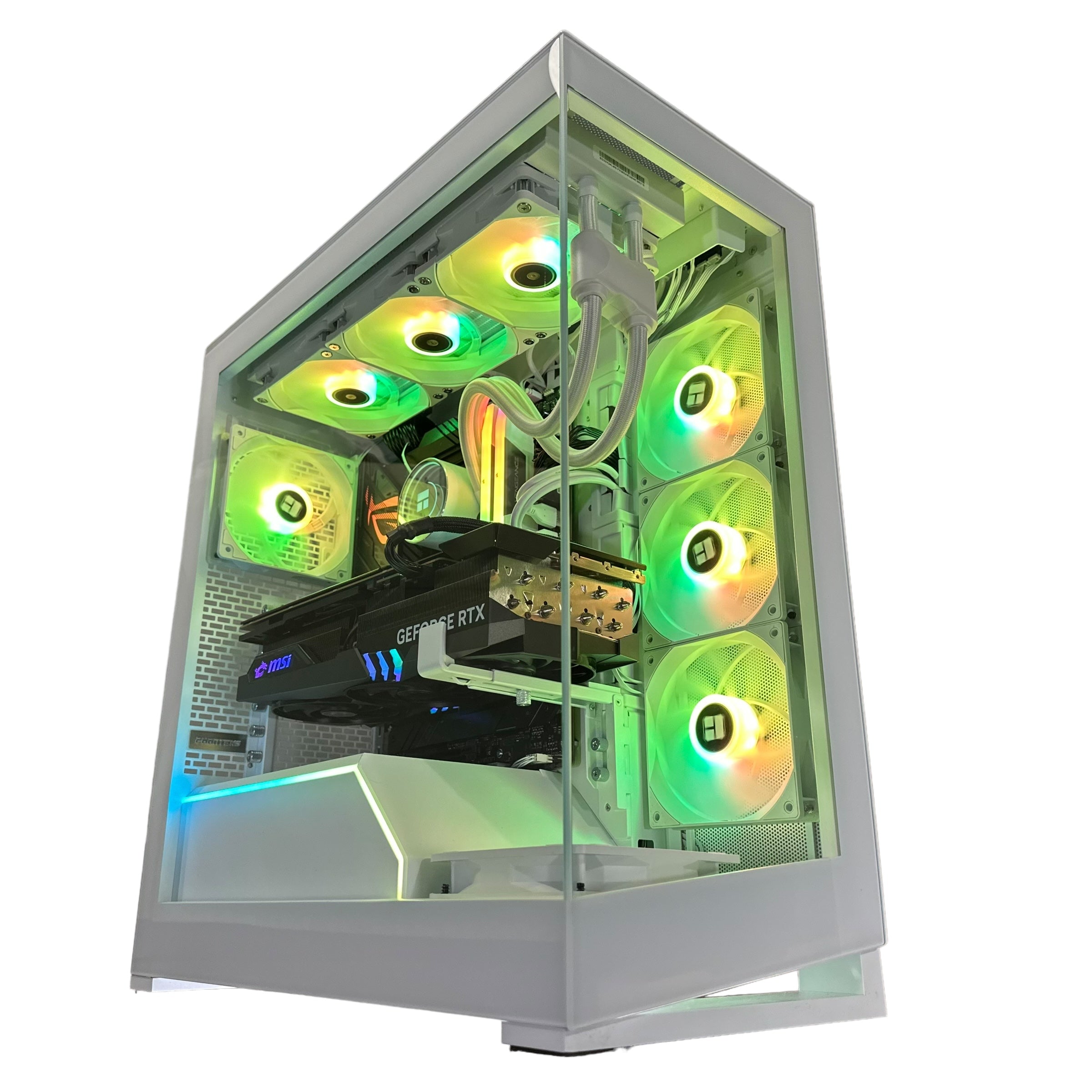
If your goal is ultra settings, advanced lighting, premium textures, and top-end image quality, then you are in high-end territory. This is where GPU choice becomes far more important, cooling matters more, power delivery matters more, and poor part matching becomes expensive.
Do you want a machine that simply runs games, or one that makes major releases feel cinematic? Do you care about ray tracing enough to build around it properly? Are you using a 4K monitor now, or planning to move there soon?
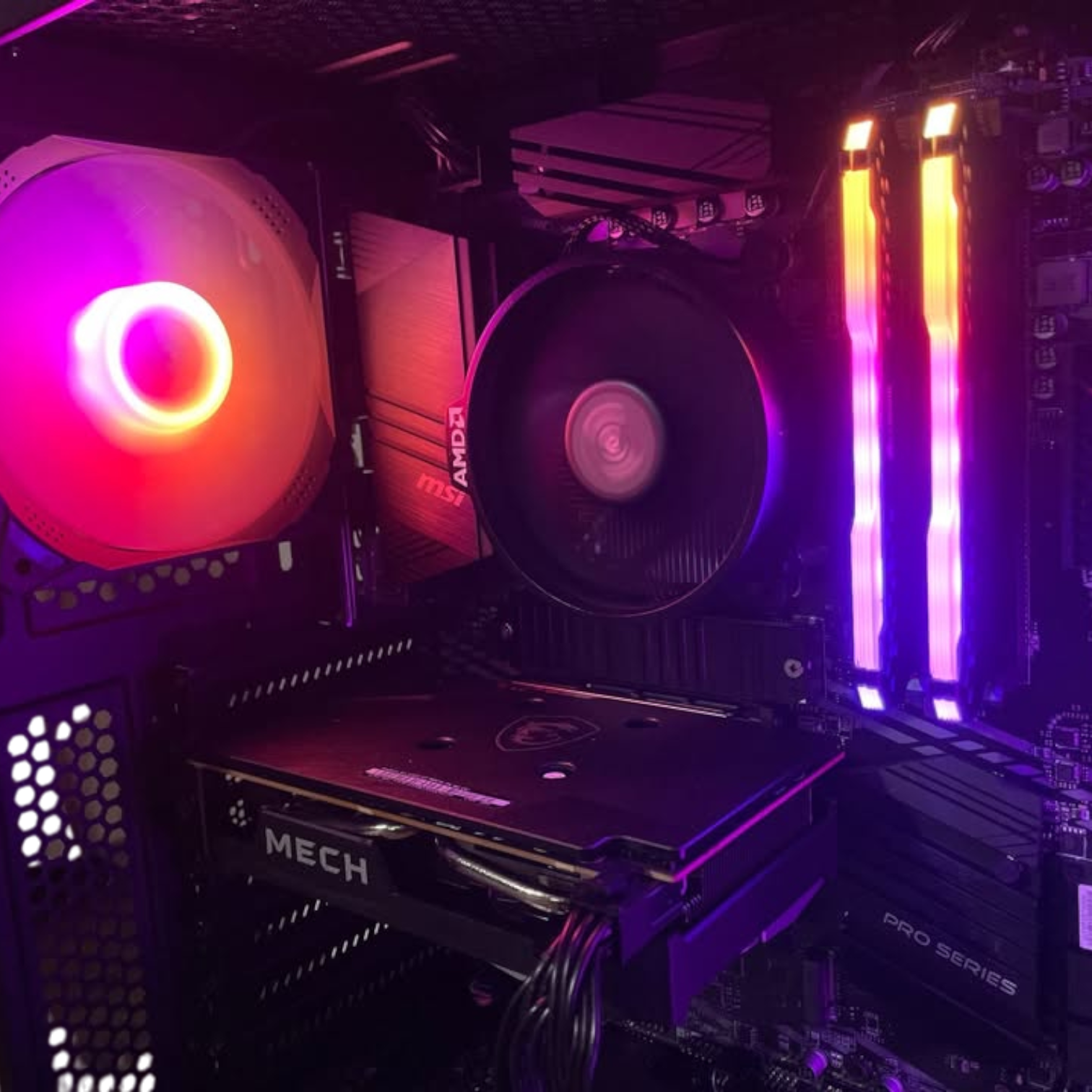
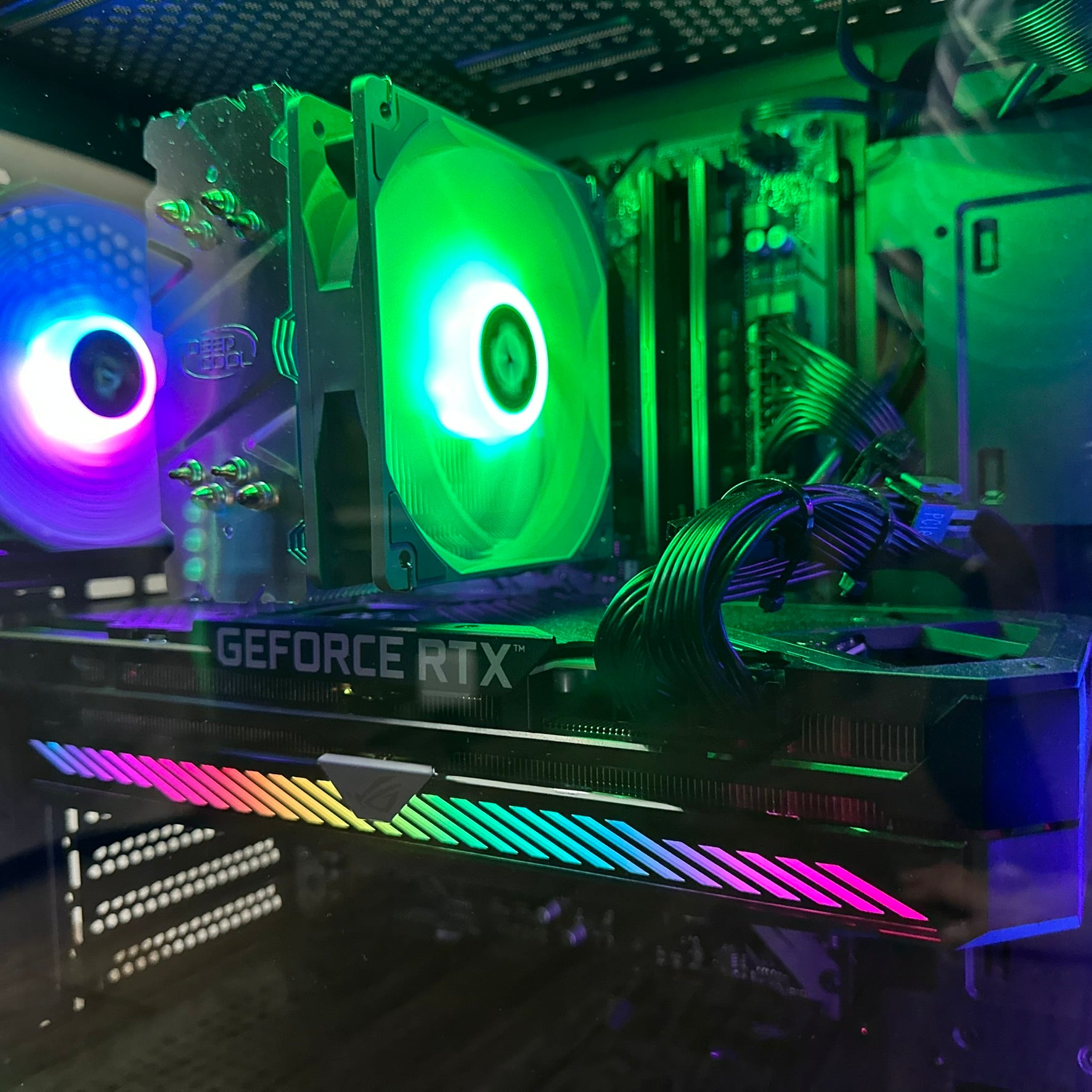
This is exactly where custom build quality matters. A premium system should not just have a strong graphics card. It should have balanced CPU performance, sufficient RAM, fast SSD storage, stable thermals, and a sensible upgrade path.
What if you want to stream, record, and create content too?
The moment gaming is no longer your only workload, your buying decision changes.
A lot of customers start by searching for a gaming machine, but what they really need is a gaming and creator PC. If you are planning to run OBS, capture gameplay, edit highlight reels, upload content, and maybe even handle Photoshop thumbnails or short-form video production, a pure gaming-first build may not be the best fit.
Ask yourself this: will your PC be used for gaming only, or is it really your streaming setup, your editing station, and your creative workspace too?
If you stream, stronger CPU performance, enough RAM, and the right GPU acceleration can make a major difference. If you edit in Premiere Pro or DaVinci Resolve, fast storage and memory capacity start to matter quickly. If you create content across multiple platforms, responsiveness outside the game becomes just as important as FPS inside it.
This is why Groovy Computers does not treat every buyer the same. The best build for one customer might be a value gaming desktop. For another, the right move is a custom creator PC that handles gaming, streaming, editing, and productivity in one balanced system.
Is a gaming PC good for video editing, photo editing, and graphic design?
Sometimes yes, but not always in the way people expect.
A well-selected gaming PC can perform very well in many creative applications, especially when it includes a capable CPU, dedicated GPU acceleration, fast NVMe storage, and enough RAM. But if your work matters as much as your gaming, you should avoid buying based on gaming specs alone.
For video editing
If you edit 1080p or 4K footage, timeline smoothness, export speed, and cache performance all matter. Are you cutting simple clips for YouTube, or are you handling layered timelines, colour correction, motion graphics, and heavier codecs? The answer changes the build dramatically.
A customer looking for a PC for Adobe Premiere Pro in Canada or a PC for DaVinci Resolve in Canada often benefits from more memory, stronger multi-core performance, and faster storage planning than a standard gaming-only build would provide.
For photo editing
Photo workloads can be deceptive. Photoshop and Lightroom may seem lighter than gaming at first, but large RAW libraries, AI tools, batch exports, and multi-application workflows reward a responsive system. Do you edit casually, or are you regularly working through high-resolution albums and commercial image sets?
If your PC is used for Lightroom, Photoshop, or colour-sensitive creative work, stability and responsiveness matter as much as peak gaming performance.
For graphic design
Graphic designers using Illustrator, InDesign, Canva, Photoshop, and Adobe Creative Cloud need a machine that feels quick during multitasking, asset management, and large-file work. If you often have multiple apps open, dozens of browser tabs active, and cloud assets syncing in the background, your “design PC” should not be treated like a bargain-bin office desktop.
Do you need your computer to play games after work, or do you need one machine that powers your business too? That distinction matters.
What if your workflow includes Blender, Unreal Engine, or 3D rendering?
This is where buyer mistakes get expensive.
Some customers start by shopping for a gaming rig because they know games need a GPU. But 3D modeling, rendering, scene assembly, simulation, and engine-based workflows can quickly demand workstation-level thinking. If you are searching for a PC for Blender in Canada, a PC for Unreal Engine in Canada, or a custom 3D workstation in Canada, your hardware balance matters even more.
Do you spend more time rendering than gaming? Are you building scenes, baking lighting, compiling shaders, animating, or handling large asset libraries? Do you need more VRAM, more cores, more RAM, or all three?
This is where a generic off-the-shelf gaming system can disappoint. A custom workstation or creator-focused build can be the smarter route if your machine earns income, supports client work, or saves hours every week in exports and renders.
Why performance tiers matter more when game demand is rising
When a title like Resident Evil Requiem gains traction fast, it reinforces a wider trend: people continue upgrading for visually demanding games. That can increase buyer interest across GPU-heavy performance tiers, especially among customers who have delayed replacing older systems.
Why does that matter? Because market pressure rarely affects every component equally. Graphics cards are often the biggest attention point, but RAM pricing, SSD demand, and higher-end cooling and power supply requirements can also shift what a full system costs. A stronger machine is not just “more expensive because of one part.” It often means the entire build category moves upward together.
So ask yourself: are you planning to buy before the next major release cycle, seasonal sale period, or hardware demand spike? Or are you likely to wait until your current machine forces the issue?
Is it better to buy now or wait?
This is one of the most common questions in any PC buying cycle, and it deserves a realistic answer.
Waiting can make sense if your current system already handles everything you need comfortably and your requirements are unlikely to change soon. But waiting is not always a savings strategy. In many cases, buyers wait expecting dramatic drops, only to discover that the exact parts they need remain popular, replacement tiers move upward, or newer games expose weaknesses in their current machine faster than expected.
If you already know you want smoother 1440p gaming, better streaming capability, more editing speed, or stronger multitasking, the bigger risk may be postponing the upgrade until prices or demand move against you.
What happens if a new hardware wave lands and old stock dries up? What if a run of major game launches pushes more people into the same GPU category you are watching? What if your current system starts failing just as you need it for work, school, or content deadlines?
Those are not scare tactics. They are practical buying questions.
Should I finance a stronger PC instead of buying a cheaper one?
For many shoppers, this is the most important financial question of all.
If your budget only covers a lower-tier machine in full today, but your real needs point to a stronger build that will last longer, financing can be a very practical solution. At Groovy Computers, financing can help customers move into a better-balanced system now instead of settling for something they outgrow too quickly.
Think about the tradeoff. Is it better to buy the cheapest acceptable system today, then replace or heavily upgrade it sooner than expected? Or would manageable payments on a stronger build give you better gaming performance, better creator performance, and better long-term value?
This matters even more if you need the PC for more than entertainment. If the system will be used for editing, design, streaming, business use, or school, performance delays cost more than FPS. They cost time, comfort, and flexibility.
Financing up to 4 years can make a stronger custom PC more accessible for customers who want to avoid compromising too much just to hit a lower upfront number. That is especially useful when component pricing is unpredictable or when major game releases make buyers suddenly realize their current hardware is behind.
Which performance tier fits you best?
If you are unsure where you fit, use this simple decision guide.
Choose a value gaming build if:
- You play mainly at 1080p
- You want strong entry performance for modern games
- You are a first-time buyer or student
- You do not need heavy streaming, editing, or 3D work
- You want the most efficient path into PC gaming
Choose a balanced mid-range build if:
- You want 1440p gaming with better longevity
- You care about smooth performance in new releases
- You may stream, record, or multitask while gaming
- You want a future-proof gaming PC without jumping into extreme pricing
- You want to avoid feeling underpowered in a year
Choose a premium RTX gaming PC if:
- You want 4K or high-end 1440p gaming
- You care about ray tracing and ultra settings
- You want stronger performance headroom for future AAA games
- You plan to pair the system with a premium monitor
- You want your build to stay relevant longer at higher settings
Choose a creator or workstation build if:
- You edit video regularly
- You use Photoshop, Lightroom, Illustrator, or Adobe Creative Cloud daily
- You stream and edit on the same machine
- You use Blender, Unreal Engine, or other 3D tools
- Your PC is part of your work, business, or serious content workflow
Still unsure? Then the next question is simple: what are you asking your PC to do at its hardest moment? That peak-use scenario usually reveals the right category.
Why custom builds matter more than generic prebuilts when you want long-term value
Not all PCs in the same price range are equal. Two systems can look similar in headline specs but feel very different in day-to-day use depending on cooling, motherboard quality, power supply reliability, storage speed, RAM configuration, and how well the parts are actually matched.
That is one of the biggest advantages of buying from Canadian custom PC builders who focus on complete system quality rather than just spec-sheet marketing. A proper custom build is about balance. It is about making sure the CPU, GPU, RAM, SSD, airflow, and power design all support the kind of performance you are paying for.
It is also about confidence. If you are spending serious money on a gaming PC in Canada, a creator machine, or a workstation, you should care whether the system is rigorously tested before it gets to you. You should care whether it includes a 1-year warranty. You should care whether the company understands why your workloads matter.
That is where Groovy Computers stands out. The goal is not to push everyone into the same build. The goal is to help match the right build to the right buyer.
Why Canadian buyers should care about support, testing, and warranty
When demand is high and hardware categories move quickly, trust matters even more.
If you are ordering a custom gaming PC, a content creation machine, or a workstation online, you want to know it was assembled properly, stress tested, and supported by a team that understands the full build. You do not want mystery compromises hiding behind flashy marketing photos.
Are you buying a system for casual use, or are you buying a system that needs to perform every evening, every weekend, and maybe every workday too? If it is the second one, support and quality control are not extras. They are part of the value.
For customers in Nova Scotia, Atlantic Canada, and across the country, this is especially important. Buying from a Canadian PC builder means you are not just chasing a parts list. You are buying a complete machine with real build logic behind it.
What questions should you ask before buying your next custom PC?
- What games or software will I actually use most?
- Am I targeting 1080p, 1440p, or 4K?
- Do I care about ray tracing, high refresh gameplay, or both?
- Will I stream or record while gaming?
- Do I also need the PC for Premiere Pro, DaVinci Resolve, Photoshop, Lightroom, Illustrator, or Blender?
- How much RAM and storage will I realistically need in a year, not just today?
- Would financing help me buy the right build now instead of compromising?
- Am I trying to avoid another upgrade too soon?
- Do I want a generic system, or a custom machine built around how I actually use my computer?
If those questions are starting to narrow your options, that is a good sign. Better buying decisions come from clearer use cases.
So, what should you do next if Resident Evil Requiem made you think about upgrading?
If a major game release has you rethinking your current setup, do not just ask whether your PC can launch it. Ask whether your current system still matches where your gaming and creative habits are going.
Do you want a budget gaming computer that gets you into modern titles without overspending? Do you want a premium RTX gaming PC that makes new releases look the way they should? Do you need a custom creator PC for streaming, editing, and gaming? Do you need an editing workstation or 3D modeling workstation because your machine is also how you earn income?
And if the better answer is clear but the upfront cost is the sticking point, would financing make the stronger choice more realistic before prices change again?
That is exactly where Groovy Computers can help. If you want a Canadian custom PC builder that understands gaming, creator workloads, workstation performance, system testing, and long-term value, visit GroovyComputers.ca and explore the right build for your needs.
Final thoughts: Resident Evil Requiem is a sales story, but for buyers it is also a timing story
Resident Evil Requiem reaching such a major milestone so quickly shows that demand for premium gaming experiences is not slowing down. For PC buyers, that is your reminder that new games keep raising expectations, and the gap between “good enough” and “actually satisfying” gets wider over time.
If you are already wondering what gaming PC in Canada makes sense for new releases, streaming, editing, or creator work, waiting without a plan is rarely the best strategy. The smarter move is to define your real workload, choose the right performance tier, and secure a custom build that gives you confidence now and longer runway later.
Whether you need a value-focused gaming machine, a balanced 1440p system, a high-end ray tracing build, or a custom workstation, Groovy Computers is positioned to help Canadian buyers make that decision with more clarity and less guesswork.
#GamingPCCanada #CustomGamingPCCanada #GamingComputersCanada #CanadianCustomPCBuilders #CreatorPCCanada #VideoEditingPCCanada #StreamingPCCanada #3DModelingPCCanada #WorkstationPCCanada #NovaScotiaTech
Groovy Computers | All Rights Reserved



Leave a comment
This site is protected by hCaptcha and the hCaptcha Privacy Policy and Terms of Service apply.