





GTA 6 Physical Edition Going Code-in-a-Box Is a Wake-Up Call for Anyone Shopping for a Gaming PC in Canada
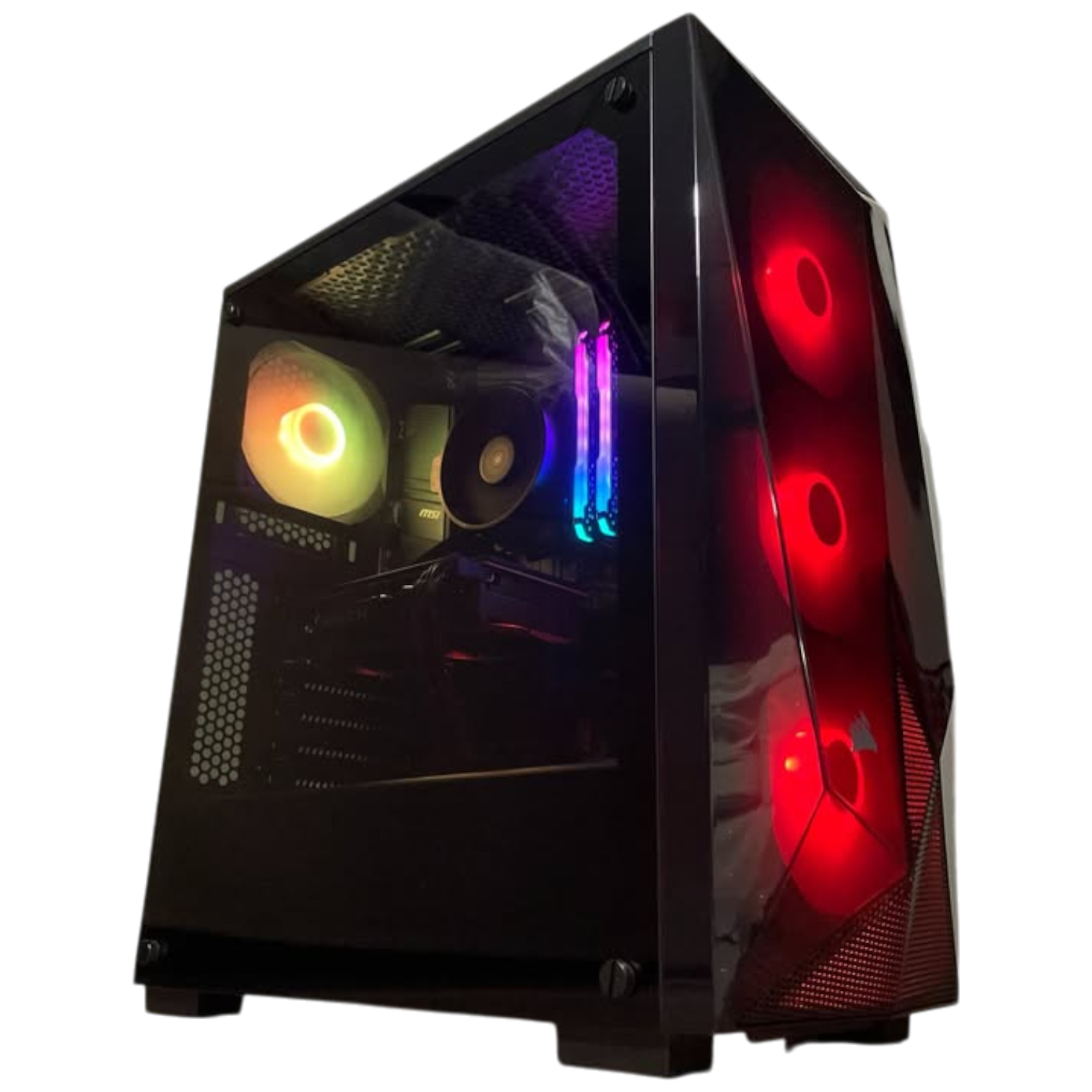
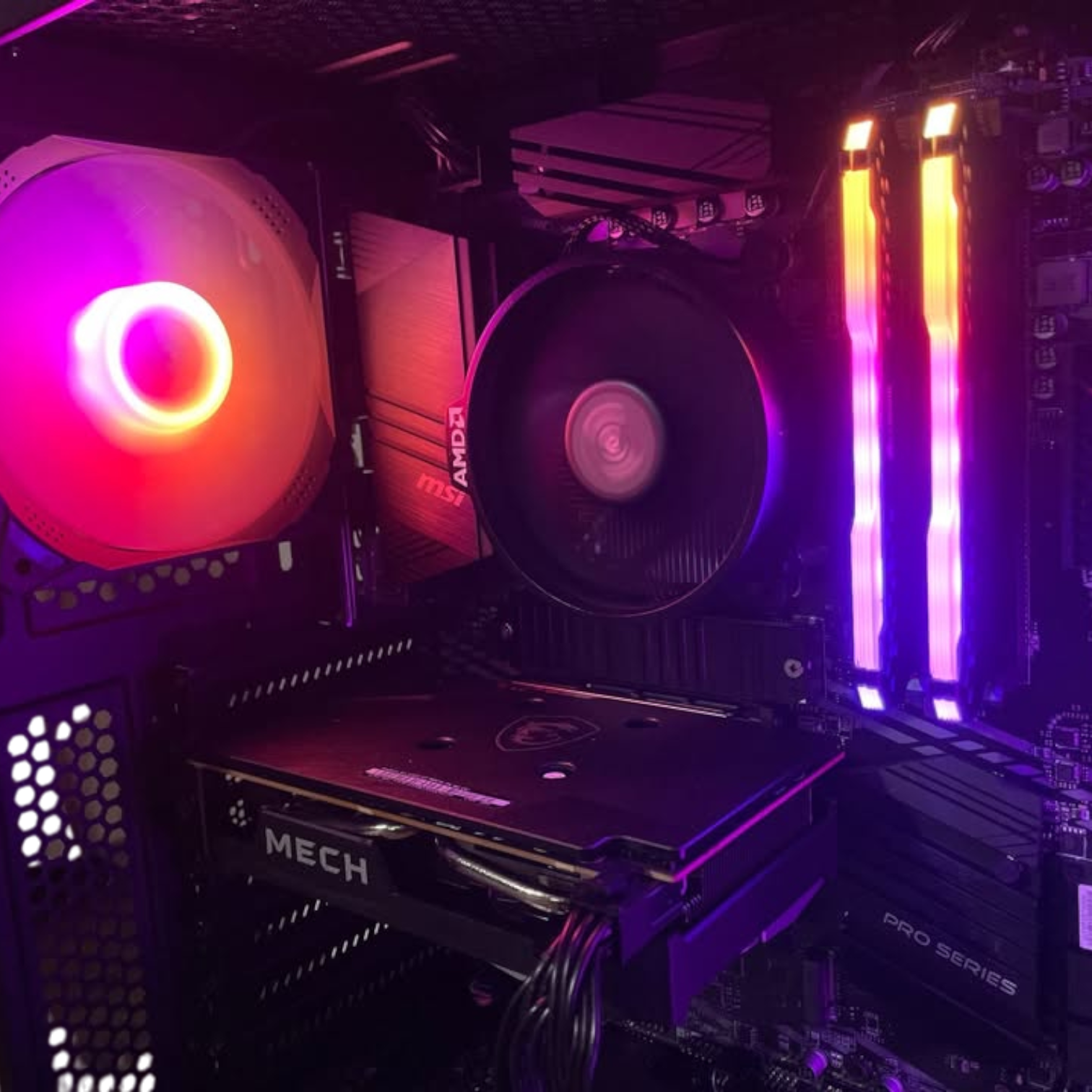
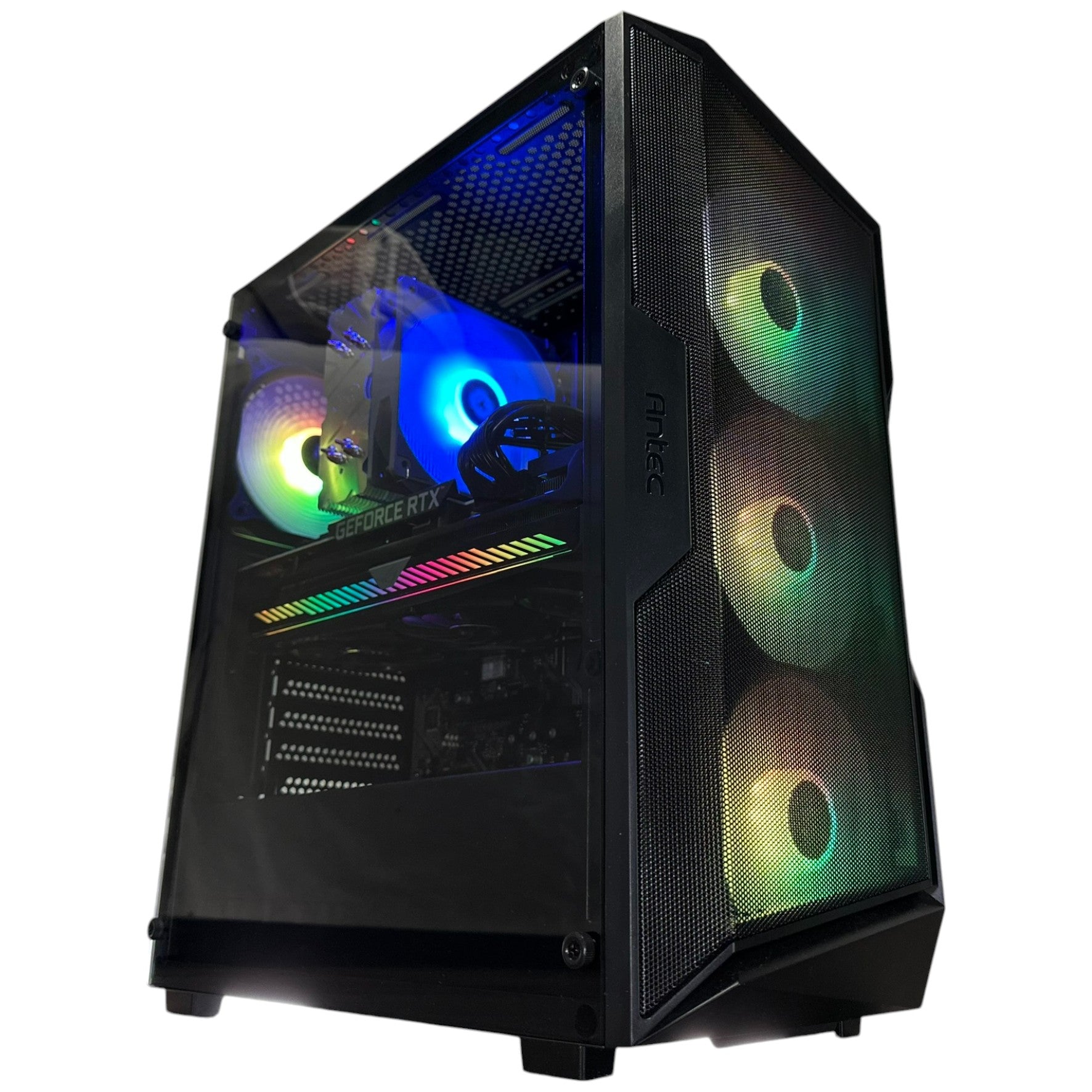
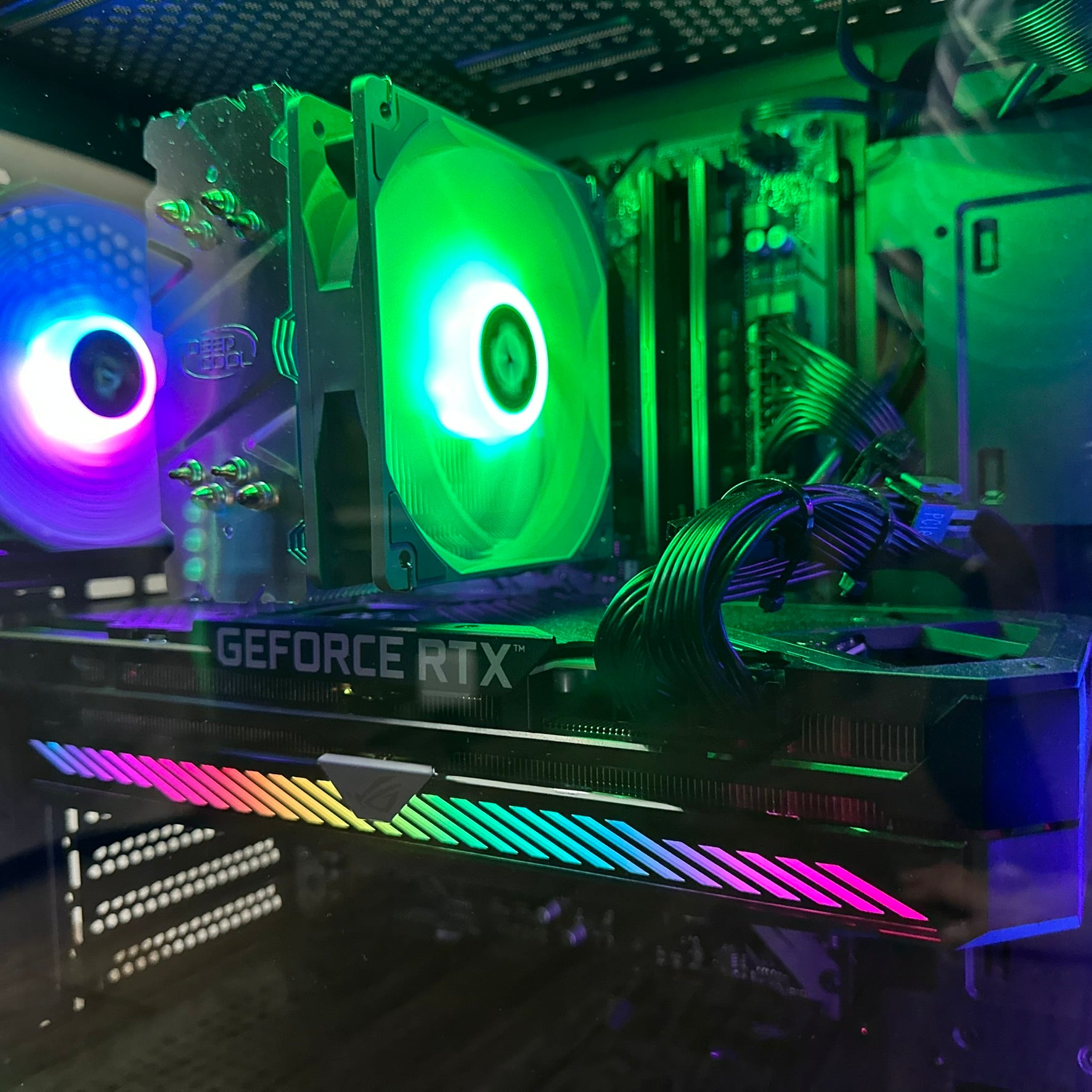
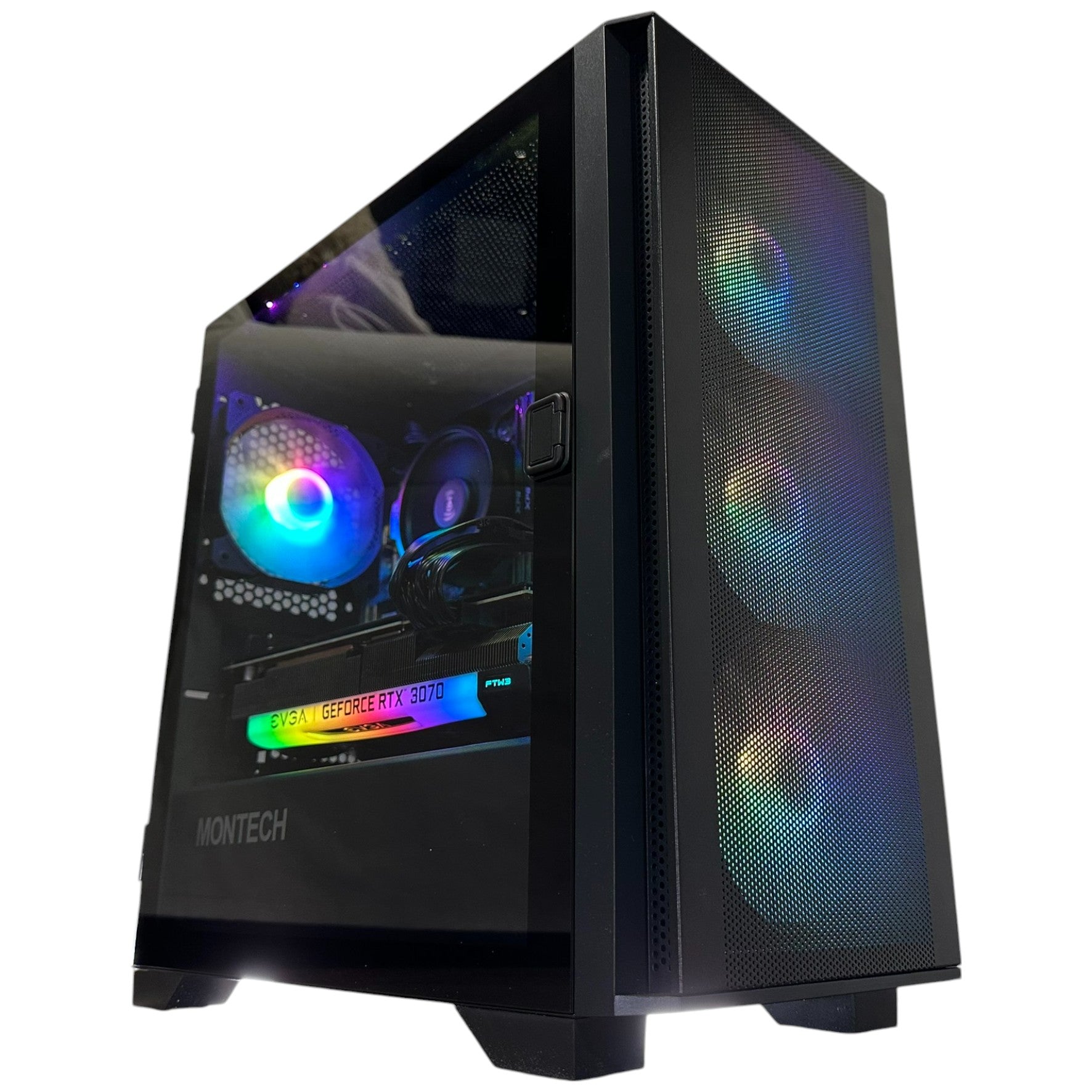
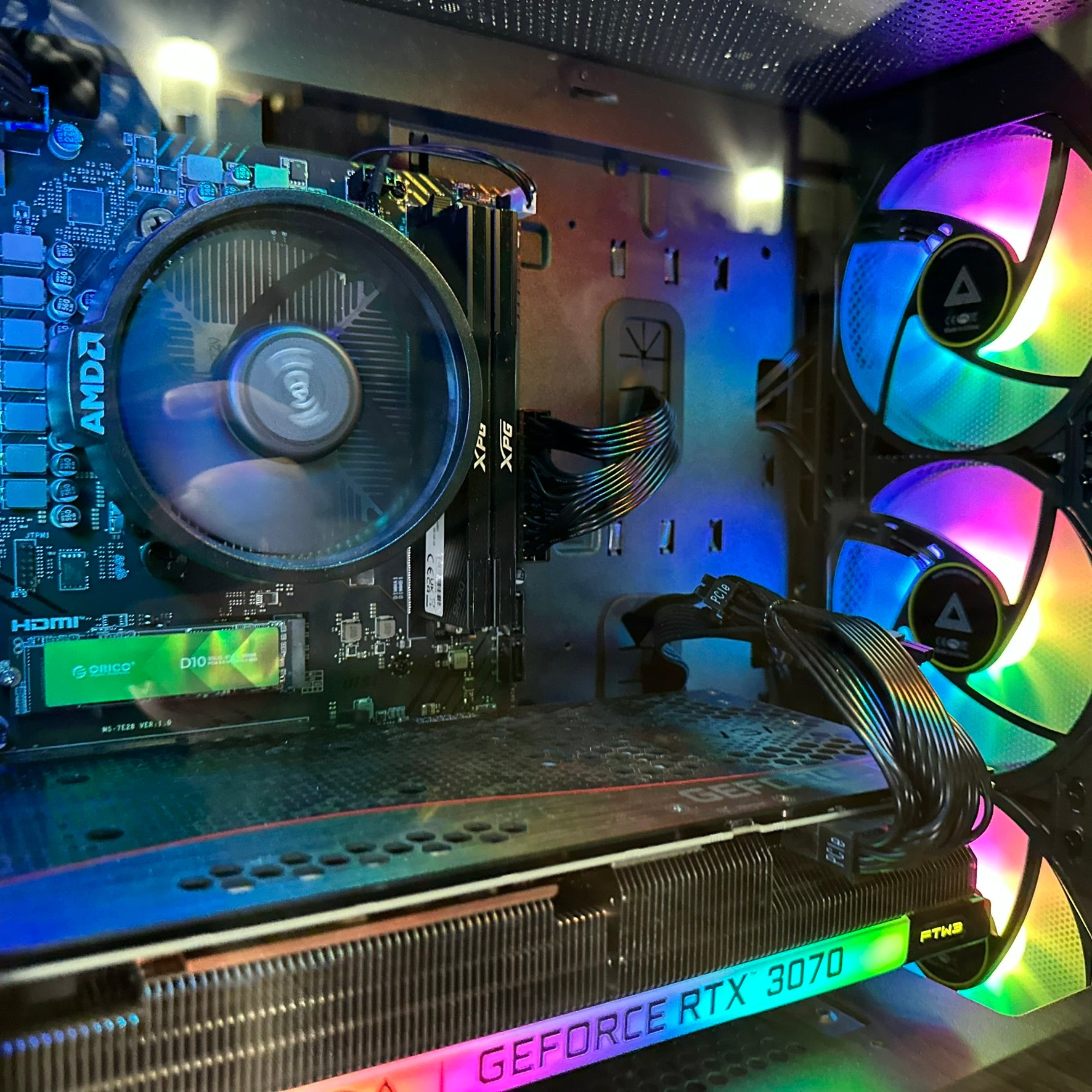
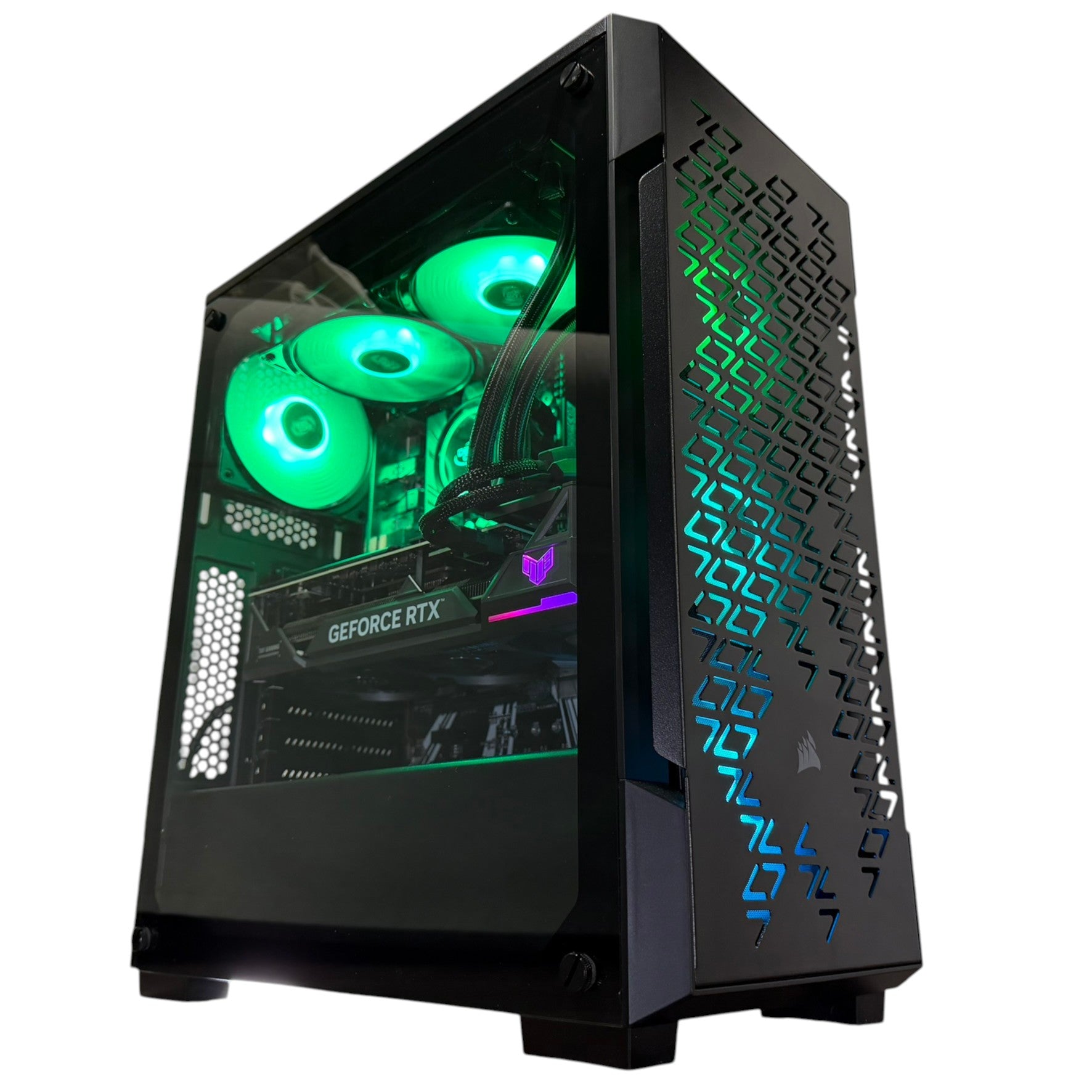
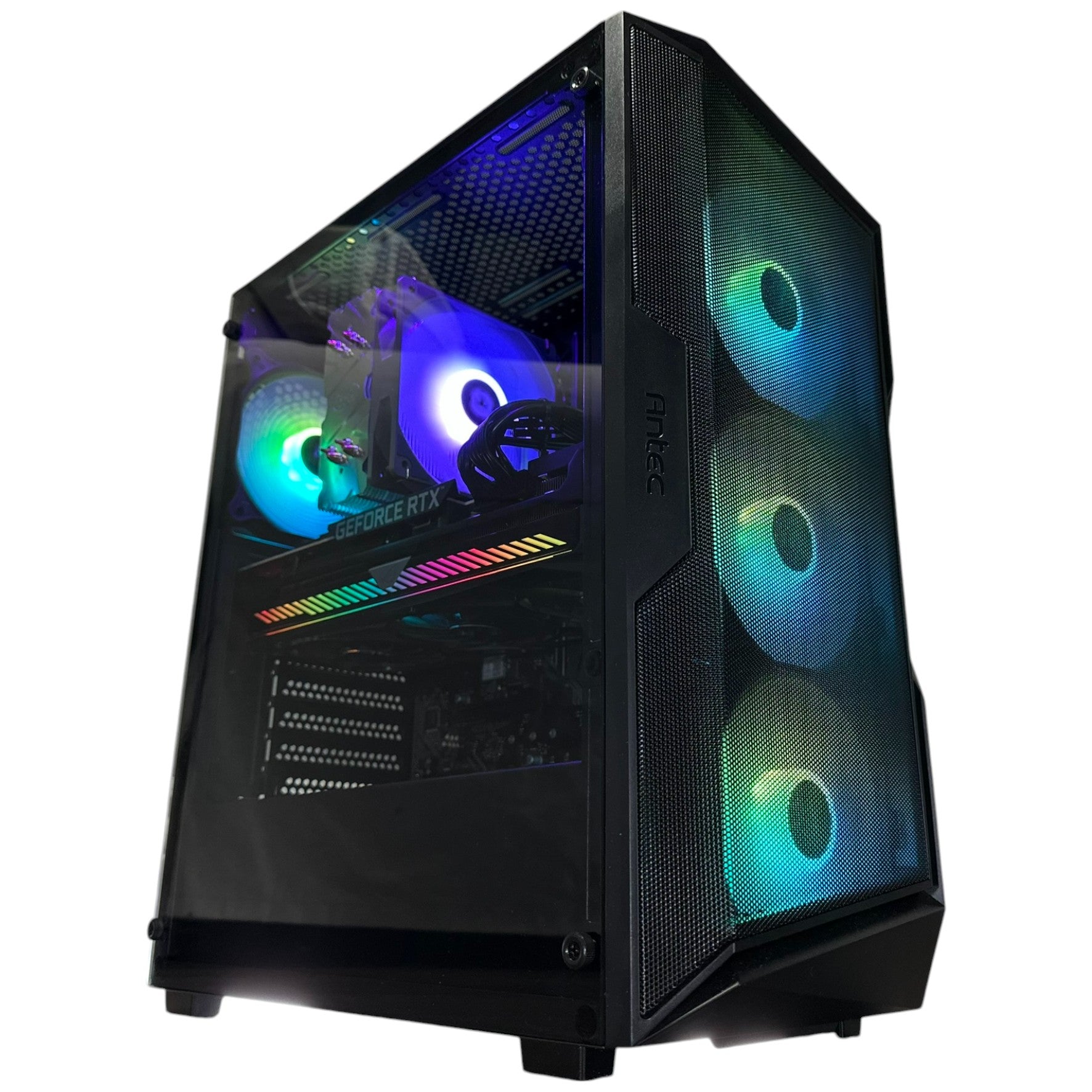
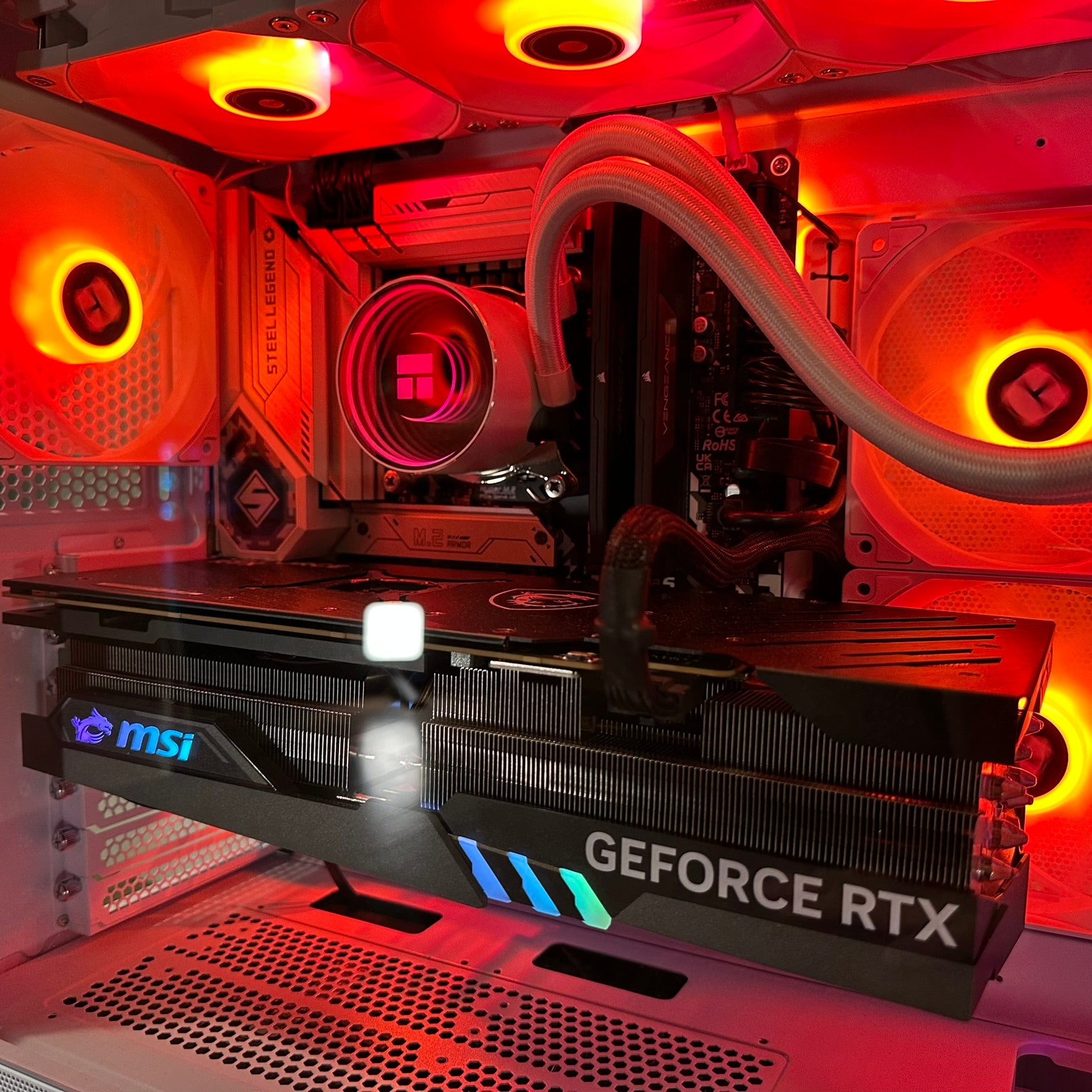
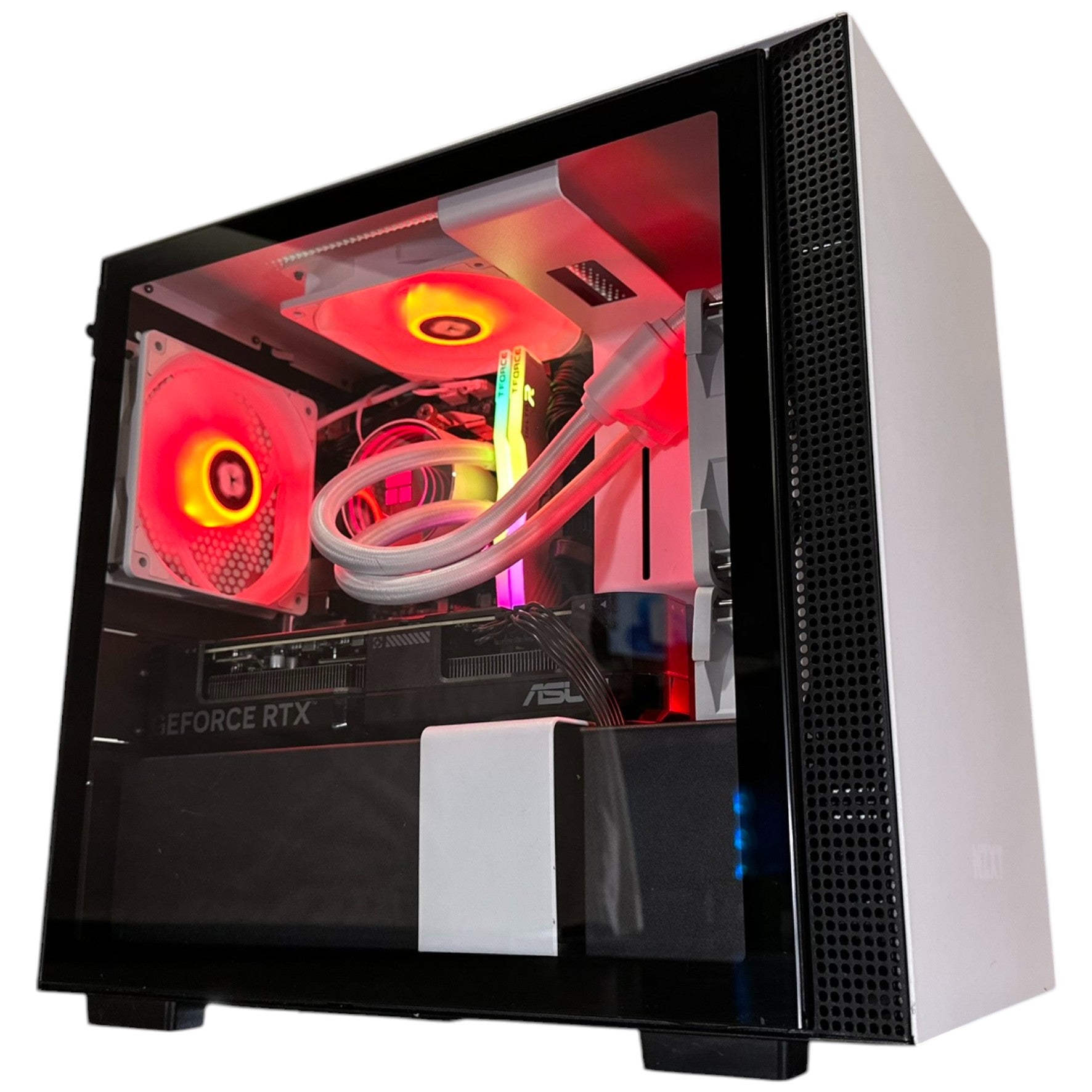
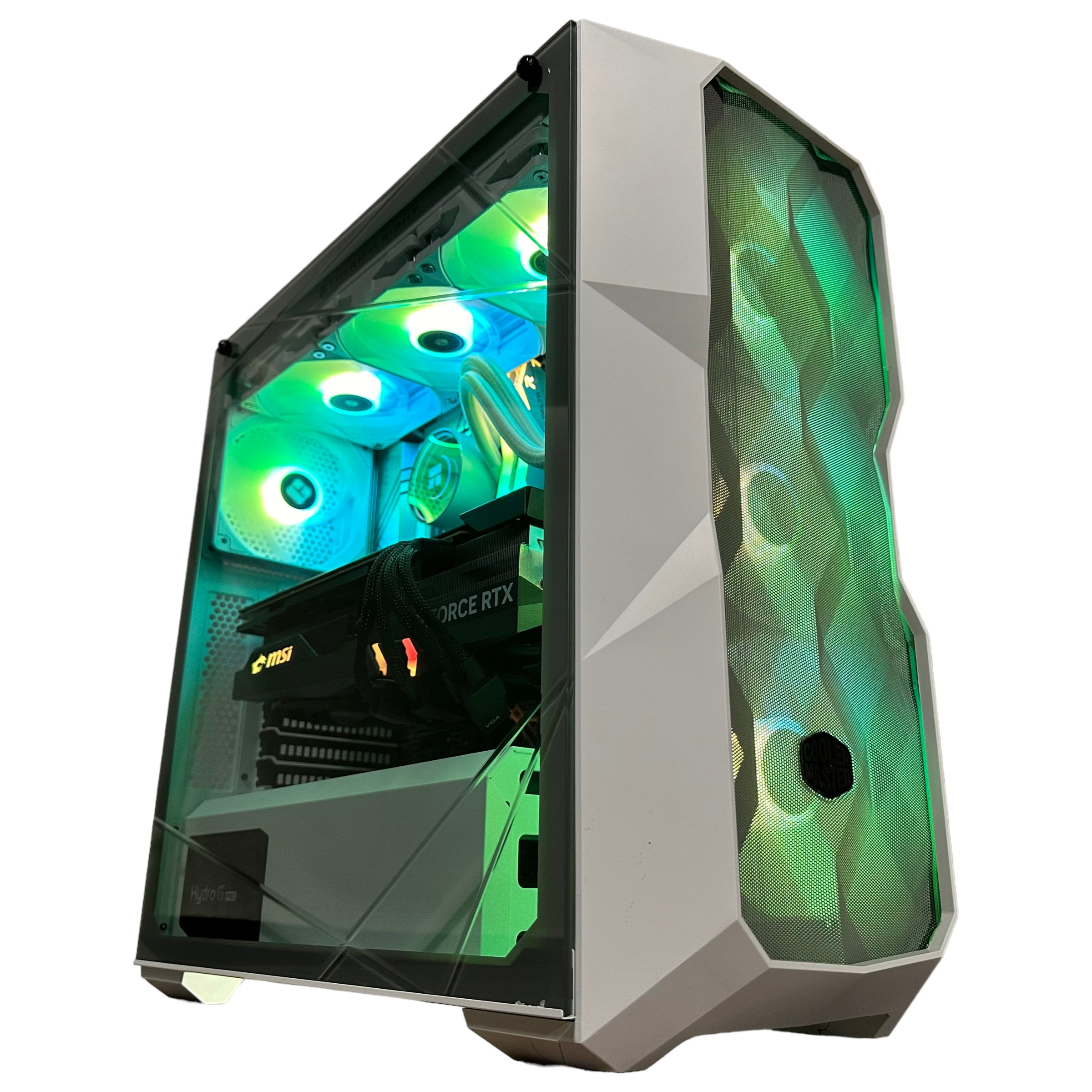
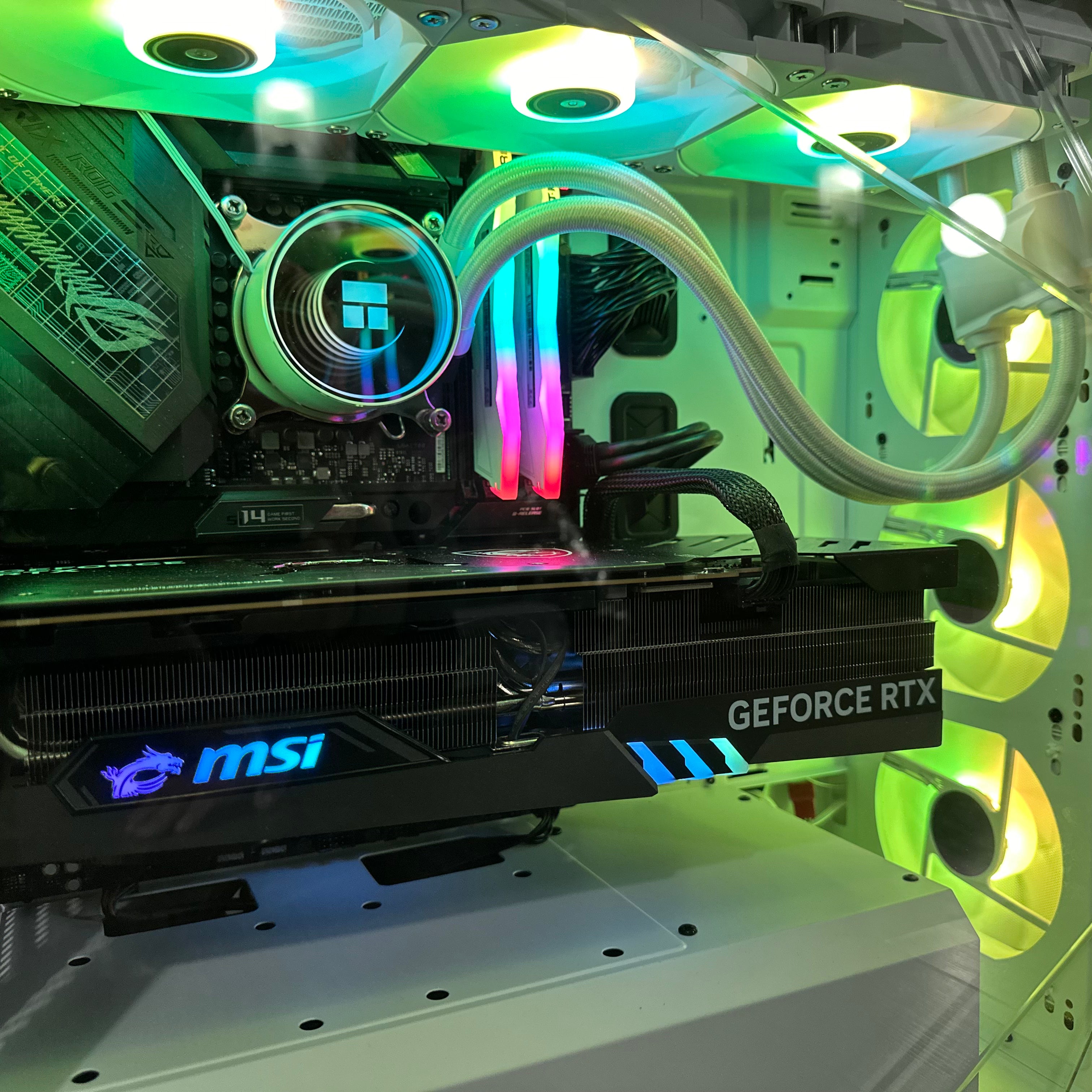
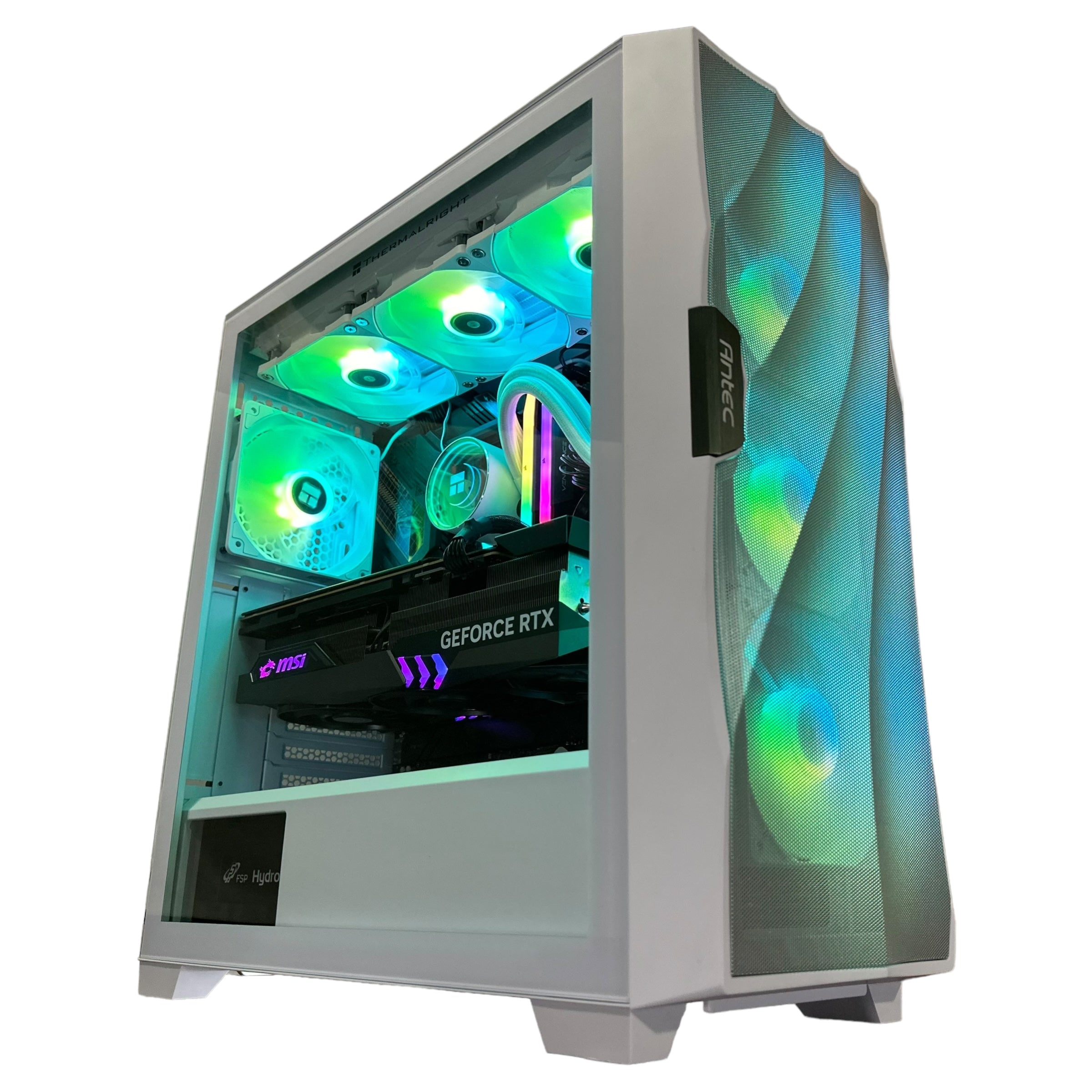
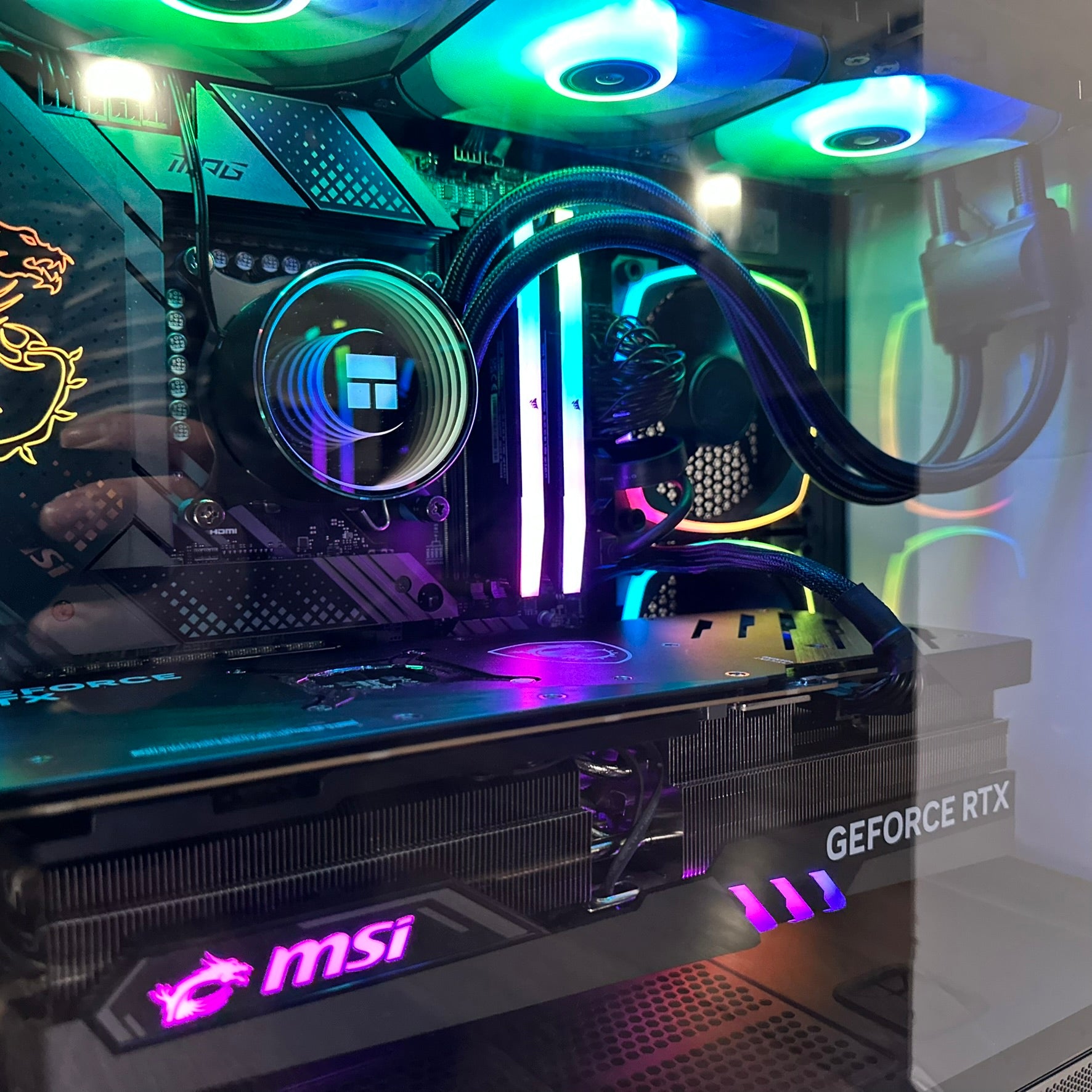
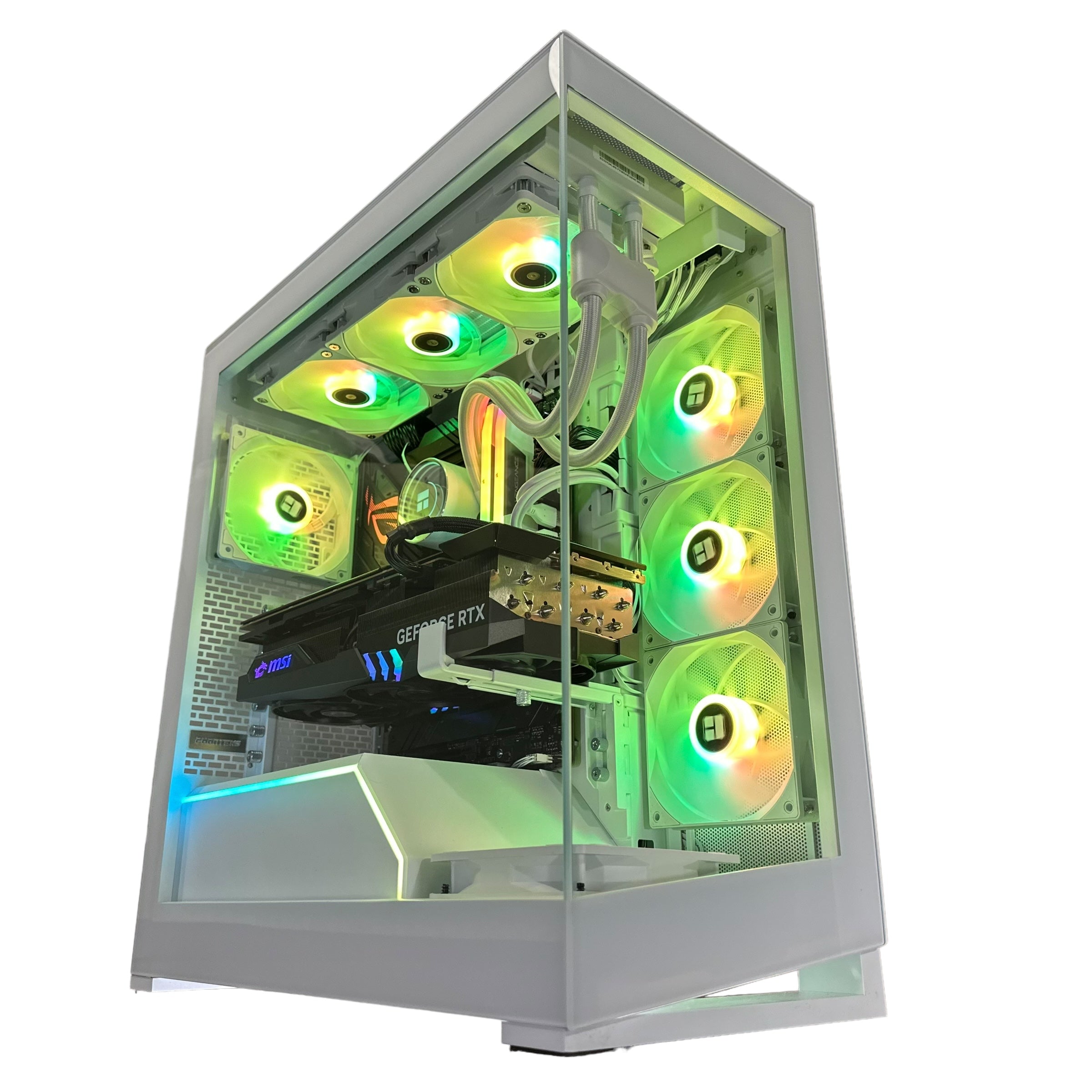
The news that the GTA 6 physical edition will reportedly arrive as a download code in a box instead of a traditional disc says a lot more than most headlines do at first glance. It points to one major reality: modern blockbuster games are enormous, storage-heavy, demanding, and increasingly built for players with fast downloads, large SSDs, and hardware that can keep up for years instead of months. For Canadian buyers, that matters well beyond one release. If you are already thinking about a Gaming PC Canada purchase, a custom upgrade, or a stronger system before new game demand pushes pricing higher, this is exactly the kind of moment to pay attention.
At face value, the source story focused on convenience, packaging, and preload timing. But underneath that is a bigger buying question: what kind of PC do you actually need for the next generation of open-world games? And just as importantly, do you want to buy reactively after launch pressure hits, or do you want to choose a properly matched custom system now while you still have more control over your budget and component tier?
For shoppers across Canada, including Nova Scotia and Atlantic Canada, this is not just a GTA 6 conversation. It is a broader conversation about game installs, SSD capacity, ray tracing expectations, streaming workloads, content creation, and whether your next desktop should be a budget gaming PC, a premium RTX gaming rig, or a multi-purpose creator build that can handle gaming and serious work in the same machine.
What Does the GTA 6 Physical Edition Story Really Tell Us?
The source article’s most important takeaway is simple: if a publisher chooses a code-in-a-box route for one of the most anticipated games on the market, file size and distribution logistics are likely part of the story. Whether the main pressure is storage footprint, manufacturing cost, convenience, resale control, or a mix of all of the above, the signal to buyers is the same. Massive games are becoming normal.
That means Canadian players should be asking practical questions now. How much SSD space do you actually have left? How fast is your current storage? Can your system handle a huge install, background updates, Discord, browser tabs, streaming software, and high settings at the same time? If the answer is “barely,” then the conversation is no longer just about one game case with no disc inside. It is about whether your full setup is ready for the direction PC gaming is heading.
Open-world games with advanced lighting, denser worlds, larger texture packs, and heavier CPU simulation loads tend to punish older systems in several ways at once. Even before official PC requirements are known for future titles, buyers can learn from the trend. Games are getting heavier on storage, more demanding on GPUs, and more sensitive to CPU performance and memory capacity. If your current machine already feels tight in newer titles, waiting until the next blockbuster lands may not improve your options.
Why Should Canadian Buyers Care About a Console Packaging Story?
Because the same industry trend affects PC buyers directly. Large modern games do not just take up install space. They also influence the kinds of hardware people need to enjoy smooth performance, fast load times, and room for future releases. And when big game launches create hype, they often create a rush of buyer activity around graphics cards, SSDs, and full gaming systems.
In Canada, that pressure can feel even sharper because pricing is shaped by exchange rates, shipping realities, regional inventory, and general component volatility. A big launch cycle can encourage more shoppers to upgrade at the same time. If you already know your current system is behind, is it smarter to wait until everyone else is shopping too?
That is where a custom PC strategy matters. Rather than buying around panic, you can buy around your real target: 1080p high-FPS gaming, 1440p ultra settings, 4K gaming, streaming, editing, or a hybrid creator workflow. The headline may be about a physical copy that is not really physical, but the buying lesson is about planning ahead.
What Do You Want Your Next PC to Do for You?
Before choosing parts, start with outcomes. Do you want a system mainly for giant open-world games? Do you want esports frame rates as well as room for cinematic AAA titles? Do you want to stream gameplay, edit clips for YouTube, design thumbnails, or run Adobe apps without your PC feeling like it is always one task away from slowing down?
This is where many buyers overspend in the wrong place or underspend in the worst place. A gaming-only customer may not need the same balance as a customer who wants to game, stream, and edit. A student looking for a first setup has very different needs from a buyer chasing 4K ray tracing and long-term headroom. So ask yourself:
- What games do I actually play now, and what games do I want to be ready for next?
- Am I targeting 1080p, 1440p, or 4K?
- Do I care about ray tracing, ultra settings, and high refresh rates?
- Will I stream to Twitch or YouTube, record gameplay, or edit content?
- Do I also need this computer for school, work, design, editing, or 3D software?
- Do I want a system that feels good now, or one I will regret not sizing up within a year?
The clearer your answer, the better your build choice becomes.
If GTA-Scale Games Keep Growing, What Gaming PC Tier Fits You?
Not every player needs the same machine, and not every game stresses hardware the same way. But if you are shopping for a Gaming PC for GTA 6-style releases, future AAA titles, or demanding open-world games, it helps to think in tiers.
Entry-Level and Budget Gaming PC Buyers
If your goal is straightforward 1080p gaming with sensible settings and strong value, a Budget Gaming PC Canada approach can still make sense. This tier is best for players who want to enjoy modern games without chasing every visual feature at maximum. It is also a smart lane for first-time buyers, students, and customers who want a clean path into PC gaming without overspending.
But ask the hard question: are you buying a budget system because it fits your needs, or because you are trying to avoid spending more today even if it means upgrading sooner? With huge games, large installs, and rising performance expectations, a cheap build can become a short-lived build if storage, VRAM, or CPU headroom are too limited.
Mid-Range 1440p Gaming PCs
For many Canadian buyers, this is the sweet spot. A properly balanced 1440p gaming system offers a major visual step up over entry-level machines while still delivering much better value than a full flagship setup. If you want strong performance in new releases, better texture settings, smoother frame rates, and room for multitasking, this tier is often the smartest long-term choice.
So what PC do you need for 1440p gaming? In practical terms, you want enough GPU power to stay comfortable in newer titles, a modern CPU that will not bottleneck heavy open-world workloads, enough RAM to keep your system responsive, and a fast NVMe SSD with enough capacity to hold large current games without constant uninstalling.
High-End and 4K Gaming PCs
If your goal is premium visual quality, ray tracing, ultra settings, and stronger lifespan before your next major upgrade, a 4K Gaming PC Canada or high-end performance build is where you should be looking. This tier is ideal for buyers who want one system to handle demanding AAA games today and still feel relevant as new titles become heavier.
Ask yourself: do you want a PC that can survive the next few years of big releases comfortably, or do you want to keep compromising settings every time a major game launches? A premium system costs more upfront, but it may save money and frustration by delaying your next replacement cycle.
What About Storage? This Story Is Really About SSD Planning Too
One of the most overlooked lessons in the GTA 6 code-in-a-box story is storage. Even buyers with decent GPUs can end up with a poor day-to-day experience if they do not plan around game size. Massive open-world titles, patches, high-resolution asset packs, recording footage, clips, mods, and creative files all compete for drive space.
If you only have a small SSD, what happens when one or two modern games eat most of it? What happens when Windows, launchers, background apps, captured gameplay, and creator software are all fighting for the same drive?
A modern custom gaming desktop should not just be chosen around average FPS. It should also be chosen around livability. That means thinking about:
- Fast NVMe storage for quicker game loads and better responsiveness
- Enough total SSD space for multiple large installs
- Separation between OS, games, and project files if you stream or create content
- Upgrade headroom so you do not outgrow the system too quickly
Storage is no longer a minor spec. For new games, it is part of the overall performance experience.
Do You Also Want to Stream, Record, or Create Content?
Many buyers reading game news are not just players anymore. They clip highlights, stream matches, cut shorts, design thumbnails, edit reaction videos, and post across multiple platforms. If that sounds like you, then your next desktop may need to be more than just a gaming machine.
A Content Creation PC Canada buyer has different needs than a gaming-only customer. If you plan to use OBS, render videos, work in Adobe Creative Cloud, or maintain a multi-monitor setup, you should think carefully about CPU strength, RAM capacity, storage layout, and sustained cooling.
So what PC do content creators need? It depends on the mix of tasks:
- Gaming + streaming: balanced CPU and GPU, strong encoding support, enough RAM for background apps
- Gaming + recording + editing: more storage and stronger export performance matter
- YouTube editing and thumbnails: faster SSDs and responsive multitasking are key
- Serious creator workflow: stepping up to a more dedicated creator build can save time every day
If your system is going to be used for both play and productivity, do not buy like a single-purpose customer.
Is a Gaming PC Good for Video Editing, Photo Editing, and Graphic Design?
Sometimes yes, but not always equally well. A strong gaming desktop can overlap with creator workloads, especially if it has the right CPU, enough RAM, a fast SSD setup, and a capable GPU. But a system that looks great on a game spec sheet is not automatically the best Video Editing PC Canada or best tool for Photoshop, Lightroom, Illustrator, or After Effects.
If you are a creator, ask the more useful question: what slows me down right now? Is it timeline playback? Export times? Multitasking? Large RAW photo batches? Running Premiere Pro and Photoshop together? AI tools? If your pain point is workflow time, then buying the right custom system becomes a productivity decision, not just a gaming decision.
For Video Editing
If you edit 1080p, 4K, or heavier footage, a proper Creator PC Canada build can dramatically improve timeline smoothness, cache responsiveness, and export performance. A customer editing gameplay clips casually may be happy with a gaming-first hybrid build. A customer producing YouTube episodes, commercial content, or frequent social video may need a more purpose-built editing machine.
What PC do you need for video editing? That depends on codec, resolution, effects, and project complexity, but the main principle is simple: if editing is part of your weekly routine, do not treat it as an afterthought.
For Photo Editing and Design
Photographers and designers need responsiveness, RAM, fast storage, and reliable handling of large files and layered projects. If you work in Photoshop, Lightroom, Illustrator, InDesign, or Canva-heavy business workflows, a custom desktop tuned for those tasks can feel substantially better than a generic one-size-fits-all tower.
Do graphic designers need a dedicated GPU? Often yes, depending on software mix, display setup, and workflow. Do photographers need high RAM and fast SSDs? Absolutely, especially when handling large libraries, previews, and exports.
For 3D Modeling and Rendering
If your work includes Blender, Unreal Engine, CAD, animation, product rendering, or game development assets, then you are in a different performance category altogether. At that point, a 3D Modeling PC Canada or workstation-class custom build makes more sense than a standard gaming-first configuration.
Workstation users should ask: am I buying for frame rate, render speed, viewport performance, or all three? The answer changes the build.
Should You Buy Now or Wait for the Next Wave of Demand?
This is one of the most important questions in the market. It is also one of the easiest to answer poorly if you only think in terms of hype. Waiting can be smart if your current system already exceeds your needs and you are not under pressure. But waiting is not automatically safer, cheaper, or more efficient.
When major game launches approach, buyers often enter the market all at once. That can tighten inventory, increase wait times, and shift pricing pressure across GPUs, storage, memory, and complete systems. For Canadian customers, those swings can be amplified by exchange rate movement and shipping realities.
So ask yourself honestly:
- Is my current PC already struggling in the games I play now?
- Do I need a new system before a major title, school season, creator project, or holiday rush?
- Am I likely to regret waiting if replacement costs rise?
- Do I want to secure a stronger system now rather than settle for a lower tier later?
If your need is real today, delay can become its own cost.
Could Financing a Better PC Be Smarter Than Buying a Weaker One?
For many shoppers, yes. Not because financing is magic, but because buying the wrong tier can be expensive in a different way. A weaker machine may save cash upfront while costing you more in compromises, earlier upgrades, shorter relevance, and reduced satisfaction. If financing helps you move from “barely enough” to “actually right,” that can be a smarter long-term decision.
This is especially relevant when games are getting larger, system requirements trend upward, and buyers also want to stream, edit, or multitask. If financing up to 4 years allows you to secure a better GPU tier, more SSD space, more RAM, or a stronger CPU now, then the monthly cost may be easier to justify than replacing underpowered hardware too soon.
Should you finance a gaming PC? If your current system is failing your needs, if prices may not improve, and if a stronger build prevents a near-term replacement, the answer can absolutely be yes. The key is to finance the right build, not just any build.
Which Performance Tier Fits Your Real Use Case?
If you are unsure where you fit, this simple breakdown helps.
Choose a Value-Oriented Gaming Build If:
- You mainly play at 1080p
- You want strong value without chasing max settings in every new AAA release
- You are buying your first desktop or replacing an old entry-level machine
- You want a practical path into PC gaming with room to upgrade later
Choose a Mid-Range Custom Gaming PC If:
- You want excellent 1440p performance
- You play a mix of competitive and cinematic games
- You want better longevity and smoother performance in demanding titles
- You may stream, record, or multitask while gaming
Choose a Premium RTX Gaming PC If:
- You want ray tracing, high settings, and stronger future-proofing
- You are targeting 1440p at high refresh or stepping into 4K
- You would rather buy once properly than upgrade again too soon
- You expect upcoming open-world games to be a core part of your library
Choose a Creator or Workstation Build If:
- You game and edit regularly
- You use Adobe apps, OBS, or content tools as often as your games
- You work in Blender, Unreal Engine, CAD, or rendering software
- You care as much about productivity and reliability as raw gaming performance
Why Do Custom Builds Matter More When Games and Hardware Demands Keep Climbing?
Because generic systems often miss the balance that real users need. One machine might advertise a flashy GPU but cut corners on power delivery, cooling, SSD size, motherboard quality, or upgrade path. Another might look inexpensive until you realize it is undersized for the games and software you actually use.
A proper custom build gives you the chance to match the system to your priorities. That matters when buying for giant modern games, heavy creator workloads, or a mix of both. It also matters when you want to avoid the all-too-common situation where the PC technically runs the software, but not in a way that feels good to use every day.
At Groovy Computers, that custom approach matters because buyers are not all shopping for the same result. Some need a first gaming desktop. Some need a higher-end machine for AAA titles. Some need a hybrid system that can handle gaming, streaming, and editing. Others need a workstation that earns its keep in professional software. Matching the build correctly is where the real value is.
Why Groovy Computers Makes Sense for Canadian Buyers
Groovy Computers is built around what many Canadian customers actually want: custom systems, practical guidance, performance matched to real use, and confidence that the machine was assembled and tested properly. When hardware pricing can shift and modern games can punish weak configurations, that matters.
Instead of treating every shopper the same, Groovy Computers can help you narrow in on the right category: gaming PC, creator PC, editing workstation, design desktop, or 3D rendering system. That means you can shop around what you want the computer to do, not just whichever buzzword is loudest this week.
There is also the trust factor. Rigorous testing, careful part selection, and a 1-year warranty matter more when you are spending serious money on a system you expect to last. Whether you are in Nova Scotia or ordering elsewhere in Canada, that confidence can matter far more than buying a random, poorly matched machine and hoping for the best.
What Questions Should You Ask Before You Buy Your Next PC?
Before you commit, slow down and ask questions that actually improve your result:
- What games or software will I use most over the next 2 to 4 years?
- Do I want 1080p, 1440p, or 4K performance?
- Will I use ray tracing, stream gameplay, or edit content?
- How much storage do I really need once giant games and media files are included?
- Do I need a gaming-focused build or a creator/workstation hybrid?
- Would financing help me buy the right system now instead of compromising and upgrading too soon?
- Am I buying ahead of a major release, demand spike, school season, or price increase?
These are better questions than “what is the cheapest thing that can run it?” because they lead to a PC you are more likely to still enjoy a year from now.
So, What Should You Do If GTA 6-Style Releases Have You Reconsidering Your Setup?
If this news made you realize your current machine is short on storage, weak on GPU power, or generally not ready for the next few years of giant game launches, do not ignore that instinct. The GTA 6 physical edition story is really a warning about where game hardware expectations are heading. Bigger downloads, larger worlds, heavier assets, and more demanding performance targets are not going away.
If you are asking yourself, what gaming PC do I need, is it better to buy a gaming PC now or wait, or should I finance a better PC instead of buying a cheaper one, this is a good time to act on those questions. A stronger system chosen now can mean smoother gaming, more breathing room for future releases, less upgrade pressure, and a better overall value curve.
If you want help choosing between a budget gaming computer, a premium RTX gaming PC, a streaming-and-editing setup, or a more serious creator workstation, visit GroovyComputers.ca. If financing would help you lock in a better build before replacement costs rise, that conversation is worth having now, not after the next demand wave hits.
In short, the move away from a true disc-based physical edition should not only make gamers think about collecting. It should make them think about capacity, hardware readiness, and buying timing. For Canadian shoppers looking at the next generation of blockbuster games, the smartest move is often to plan your system before the pressure arrives. If you want a Gaming PC Canada solution that is custom-fit, tested, warranty-backed, and built around what you actually do, Groovy Computers is exactly where that decision gets easier.
#GamingPCCanada #CustomGamingPCCanada #GamingPCForGTASix #CreatorPCCanada #VideoEditingPCCanada #StreamingPCCanada #3DModelingPCCanada #CanadianCustomPCBuilders #NovaScotiaComputers #GroovyComputers
Groovy Computers | All Rights Reserved


Leave a comment
This site is protected by hCaptcha and the hCaptcha Privacy Policy and Terms of Service apply.