





Resident Evil Creator Streaming Debate and What It Means for Choosing the Right Gaming and Streaming PC in Canada
The recent streaming PC Canada conversation sparked by Resident Evil creator Shinji Mikami is bigger than one quote. His reported view was simple but sharp: if someone can watch a full playthrough and feel completely satisfied without ever wanting to play the game themselves, then maybe the game was not compelling enough in the first place. For PC buyers in Canada, that idea opens up a much larger question. If modern games are built to be experienced, not just watched, what kind of system do you need to actually enjoy them at the level developers intend?
That matters because today’s gaming habits are no longer split into neat categories. A lot of players do not just play. They stream, record, clip highlights, edit videos, run Discord, browse guides on a second monitor, and sometimes jump straight into content creation. So when a major game director talks about games needing to feel good in your own hands, it naturally points back to hardware. Are you using a system that lets you experience the tension, speed, visuals, and responsiveness for yourself, or are you settling for a machine that makes you watch from the sidelines?
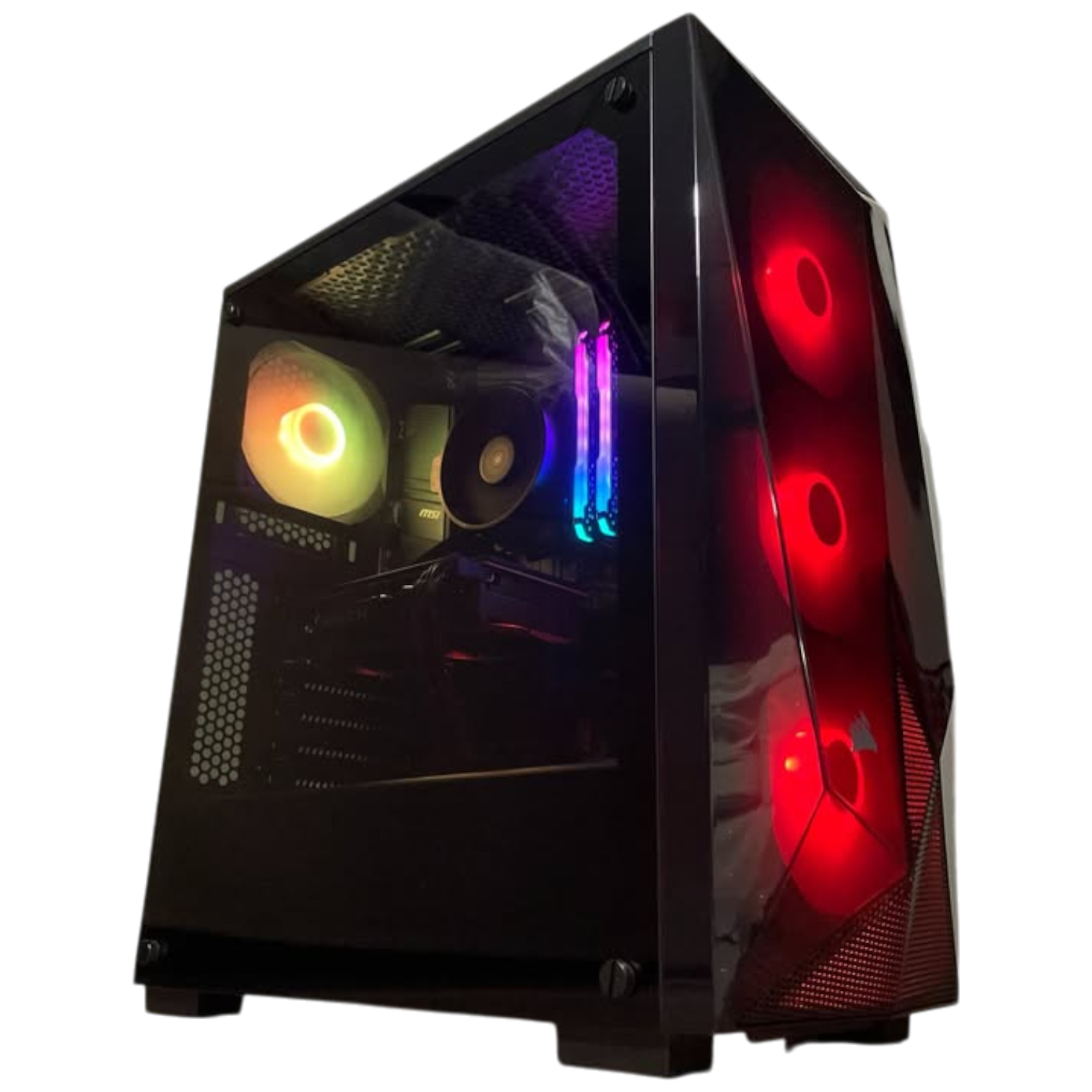
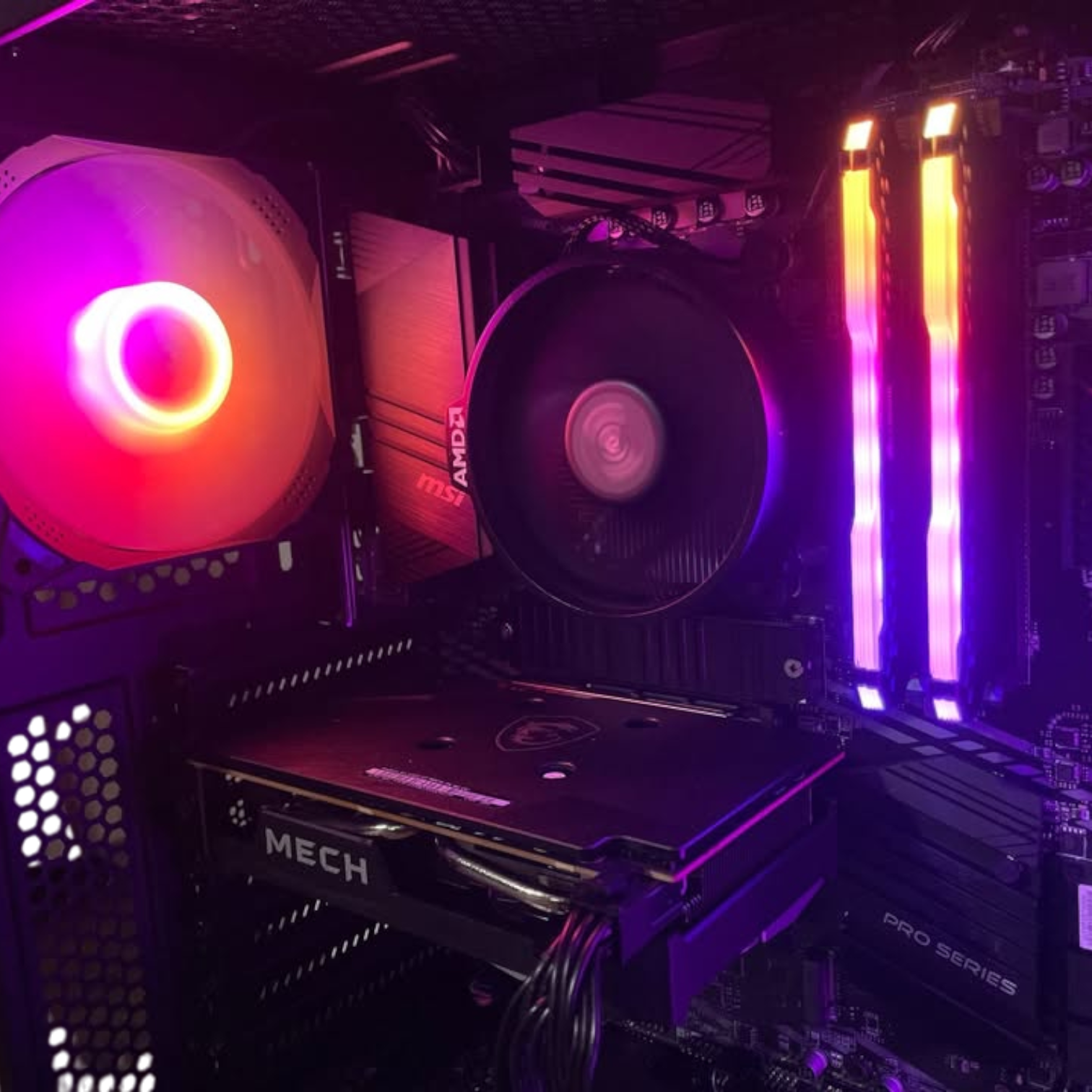
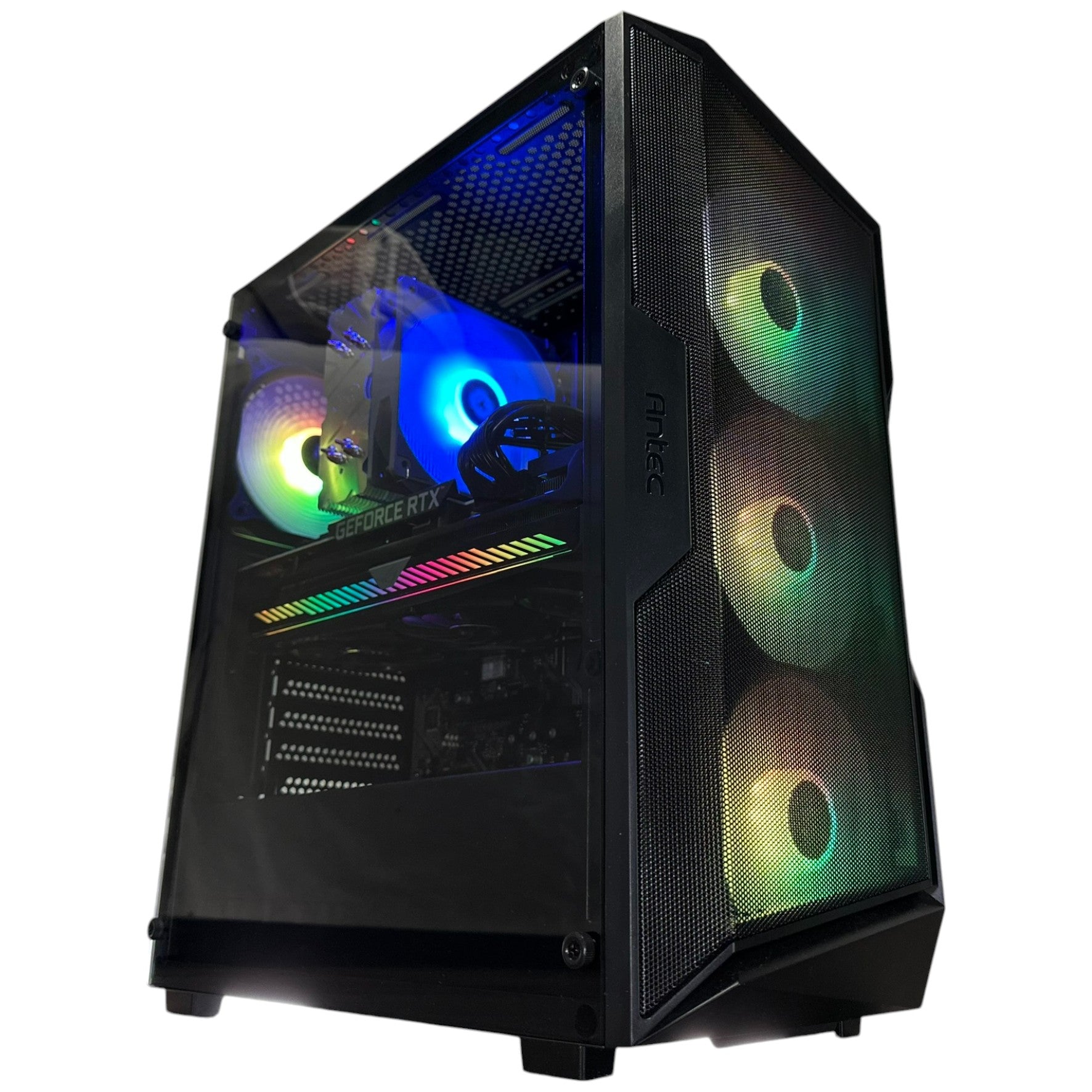
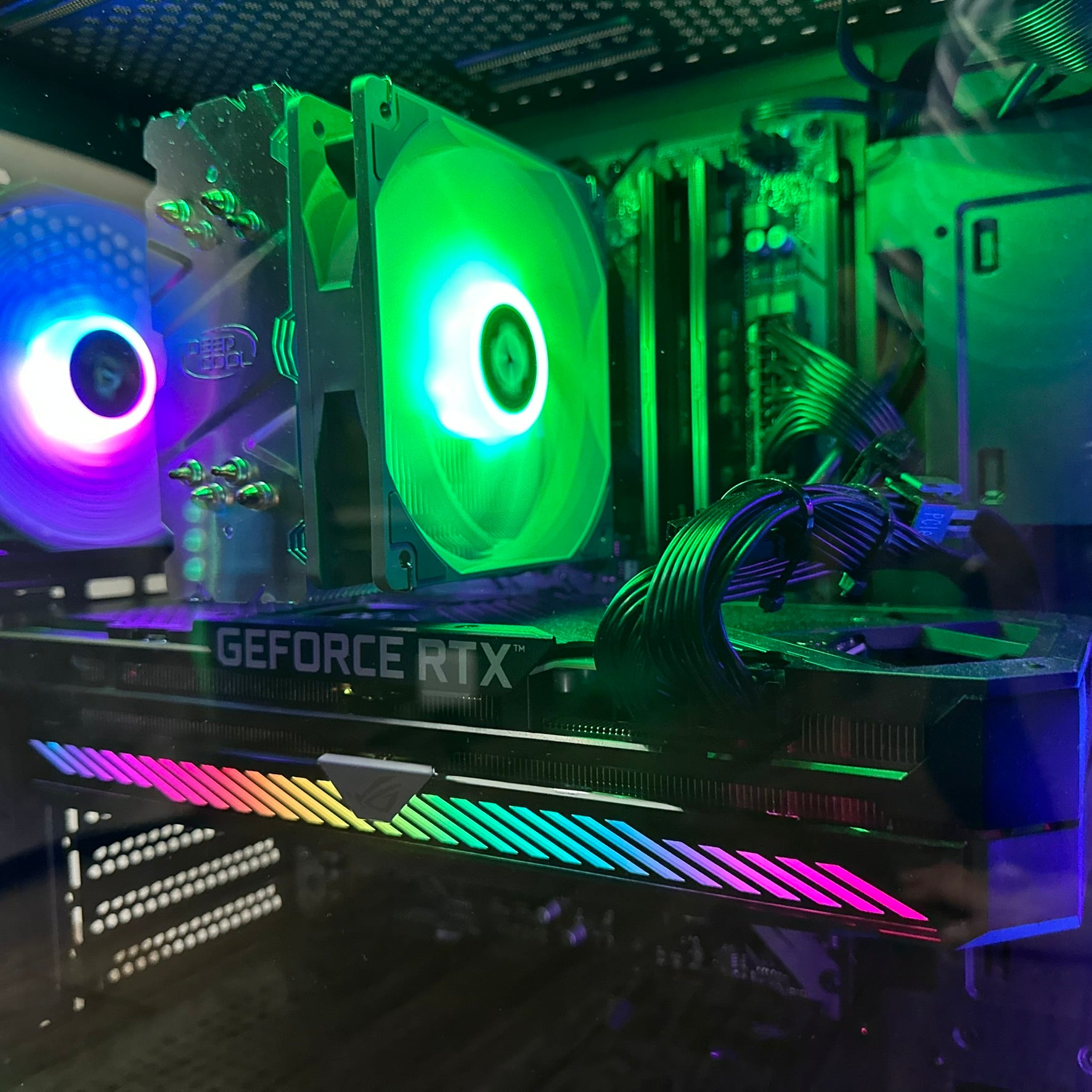
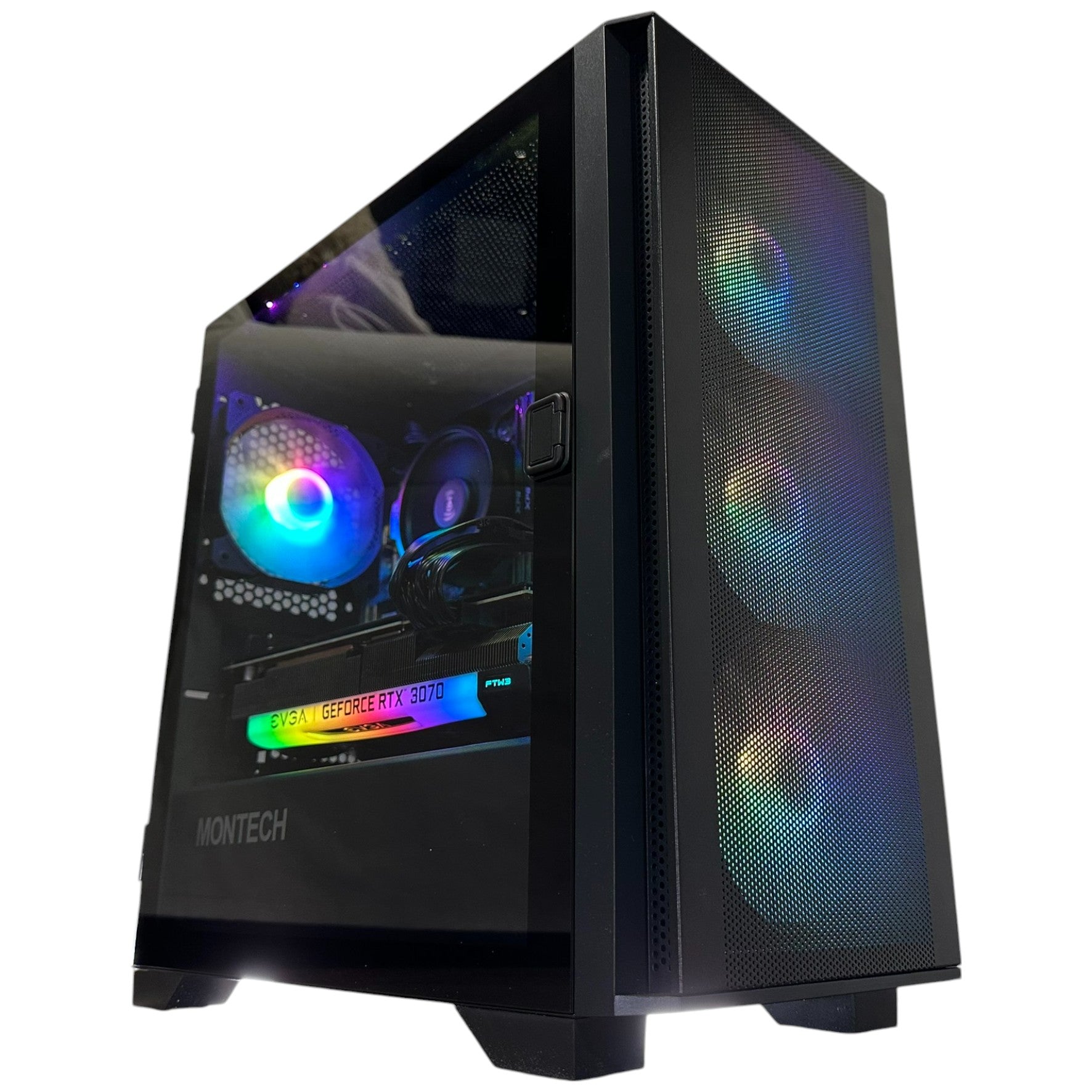
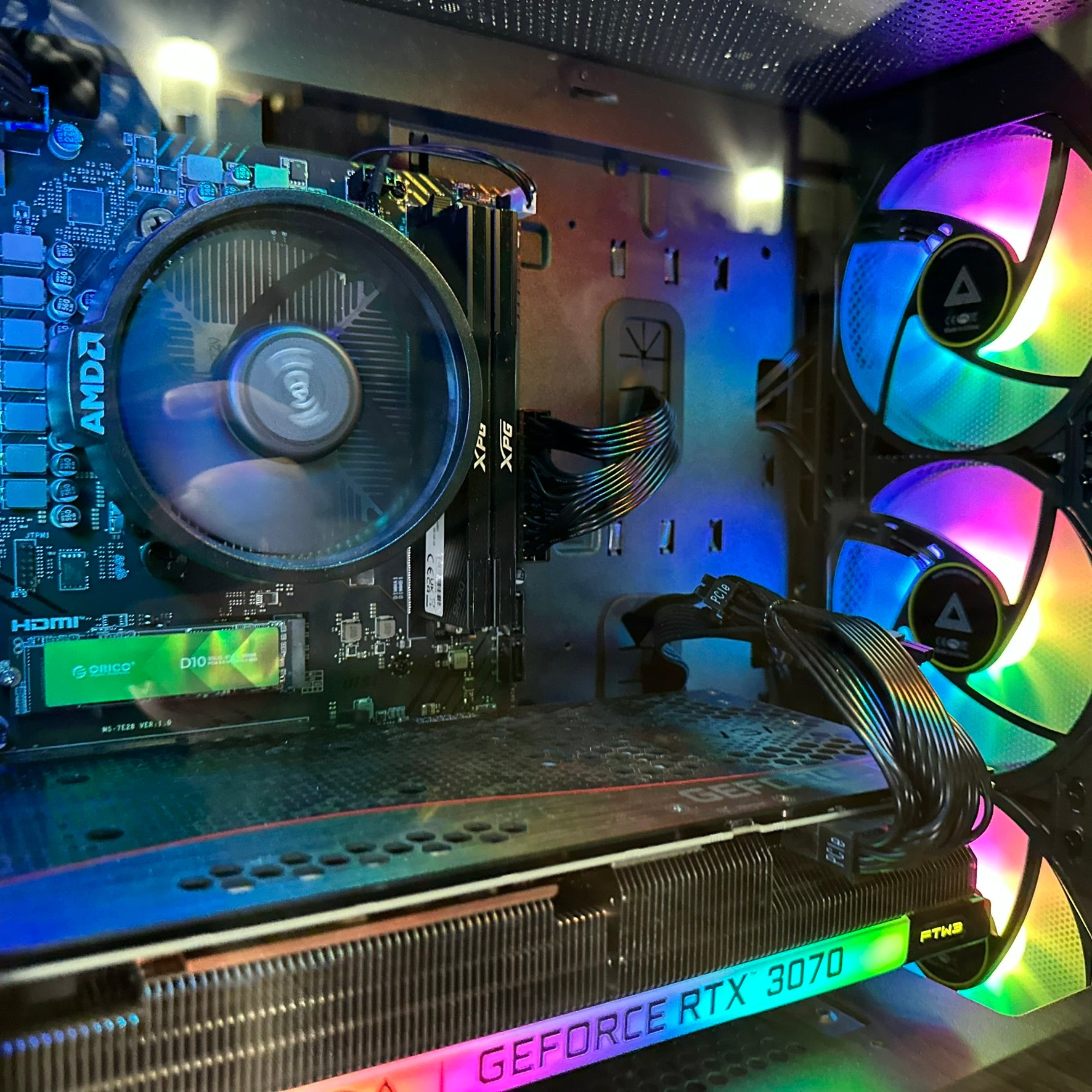
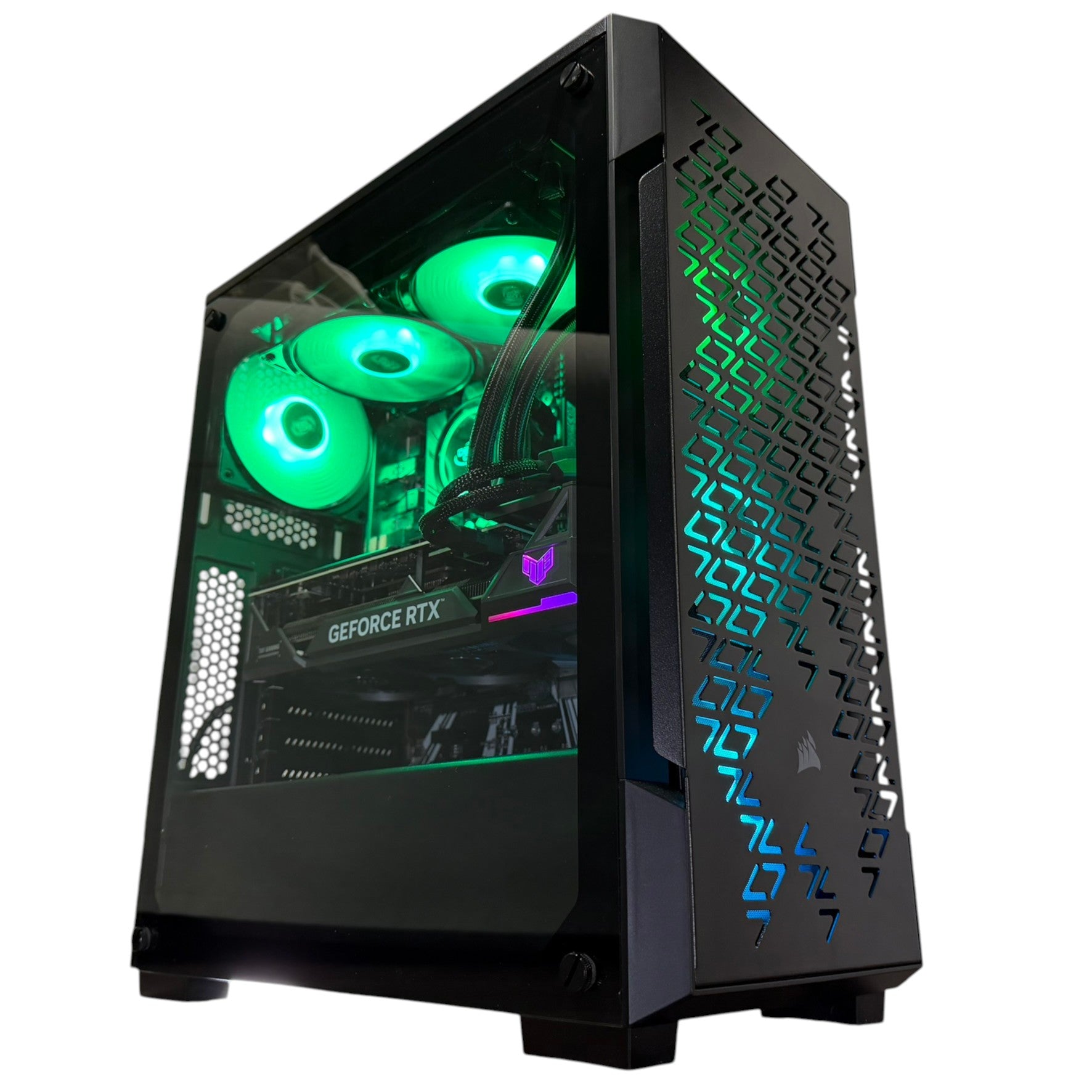
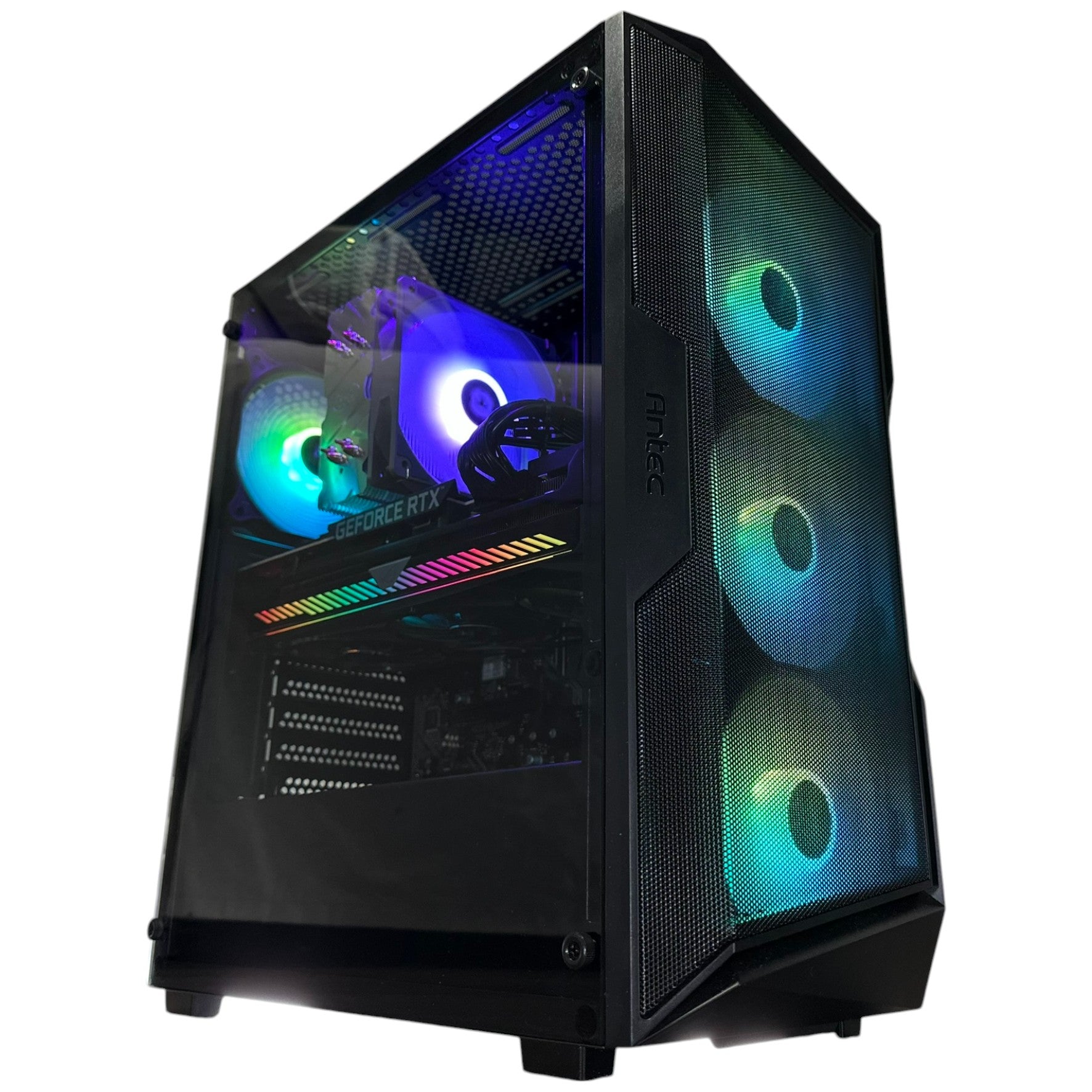
At Groovy Computers, this is where the conversation gets practical. A viral gaming story can sound like entertainment news on the surface, but for Canadian buyers it quickly becomes a buying guide question. Are you shopping for a budget gaming desktop, a premium RTX-powered system, a gaming and streaming setup, or even a creator workstation that can handle editing and design work after the stream ends?
What did Mikami’s comment really highlight about gaming in 2026?
The key idea is immersion. A game that is worth playing should create a feeling that video alone cannot fully replace. Horror games are a perfect example. Watching someone else panic through a dark hallway is entertaining, but controlling the movement yourself, feeling the pressure of limited resources, and making split-second decisions is completely different. That same logic extends well beyond survival horror. Competitive shooters, open-world games, ray-traced action titles, and cinematic RPGs all hit differently when your own PC is smooth, responsive, and visually capable.
So what happens if your system cannot keep up? Stutter breaks tension. Low frame rates hurt aim. Weak GPUs force ugly compromises. Limited RAM can make background apps choke your stream. Slow storage can interrupt the flow with longer load times. Suddenly, a game that should feel incredible becomes something you would rather watch than play. That is exactly why this discussion matters to buyers.
If you have been wondering what gaming PC do I need, this is the right place to start. Not with random specs for the sake of specs, but with the real experience you want from your next machine.
Why should Canadian buyers care about this gaming-versus-streaming debate?
Because Canadian shoppers often have to think a bit more carefully about timing, value, and longevity. Exchange rates, component availability, shipping realities, and market volatility can all affect what a full build costs. A system that feels “good enough” today can become frustratingly underpowered much sooner than expected if you buy too close to the minimum.
That is especially true if your use case is expanding. Maybe today you mainly play games. But what happens if six months from now you want to stream on Twitch, upload to YouTube, edit shorts, experiment with Photoshop, or run Blender on the side? Do you want to buy once and grow into the system, or buy cheap and upgrade again too soon?
Canadian buyers also tend to value support, testing, and trust more than impulse shoppers chasing the lowest sticker price. That is where a custom PC builder matters. A well-matched system with proper cooling, the right power supply, clean cable management, and balanced CPU/GPU performance is a much smarter purchase than a generic box that looks powerful on paper but cuts corners where it counts.
What do you want your next PC to actually do for you?
Before you choose parts, choose the outcome.
Do you want to play new releases at 1080p with strong settings and high frame rates? Do you want smooth 1440p gaming with room for streaming? Are you aiming for 4K visuals and ray tracing? Do you want one machine that can handle gaming at night and Adobe Creative Cloud during the day? Are you editing YouTube videos, working in DaVinci Resolve, designing in Illustrator, or rendering in Blender?
This is the most important question in the entire buying process: what should your next PC help you do better, faster, or more enjoyably than your current one?
If the answer is “I want to stop compromising,” then you are already thinking like a smart custom PC buyer.
If games should be played, not just watched, what kind of PC fits your style?
1. Budget gaming buyers: are you focused on 1080p performance and value?
If your goal is reliable 1080p gaming in popular titles, you do not necessarily need the most expensive machine. A budget gaming PC Canada setup can be a great fit if you mainly play esports titles, lighter multiplayer games, or are just entering PC gaming for the first time.
This tier usually makes sense if you are asking questions like these:
- Do I mainly want good performance in competitive games?
- Am I gaming at 1080p instead of 1440p or 4K?
- Do I want to keep the price lower without buying something disposable?
- Would I rather finance a slightly stronger build than replace a weak one too soon?
A properly planned entry-level or value-focused custom system can still feel excellent if the parts are chosen intelligently. The mistake many buyers make is assuming budget should mean bare minimum. It should not. It should mean balanced value.
2. Mainstream performance buyers: do you want the sweet spot for modern gaming?
For many people, the real sweet spot is a 1440p gaming PC Canada class system. This is often where visual quality, frame rates, long-term value, and flexibility come together. If you want a machine that feels clearly premium over console gaming and still leaves room for streaming, multitasking, and heavier games, this is often the smartest category.
Ask yourself:
- Do I want high settings without constantly tweaking everything down?
- Do I want enough GPU power for newer AAA titles?
- Do I want my PC to stay relevant for several years?
- Will I be running OBS, Discord, browsers, and a second display while gaming?
If you answered yes to most of those, a mid-to-upper tier gaming build is often the best long-term move.
3. High-end buyers: are you chasing 4K, ray tracing, and maximum immersion?
This is where the Mikami point becomes especially relevant. Games designed for atmosphere, lighting, visual fidelity, and responsiveness deserve hardware that can show them properly. If you are shopping for a 4K gaming PC Canada or a strong ray tracing machine, you are not just buying extra frames. You are buying the ability to experience games more fully, with fewer compromises.
This tier is ideal if you are asking:
- What PC do I need for 4K gaming?
- Do I want ray tracing without tanking performance?
- How long will a high-end gaming PC last?
- Should I finance a stronger system now instead of settling?
For premium buyers, the biggest risk is often underbuying. Spending serious money on a system that still lands awkwardly between performance tiers can be more frustrating than waiting a little longer or using financing to reach the right build class.
What if you do not just play games, but stream them too?
The source story centered on playthroughs and streaming, which makes this the most natural next step. If streaming is part of your plan, even casually, you need to think beyond gaming alone. A proper gaming and streaming PC Canada setup has to handle game performance, encoding, multitasking, memory overhead, and sustained thermals.
That means the questions change:
- What PC do I need for streaming?
- Is CPU or GPU more important for streaming?
- How much RAM do I need for streaming?
- Do I need a separate streaming PC?
For most modern Canadian buyers, a separate streaming PC is not the first answer. A strong single-PC setup is often more practical, more affordable, and easier to maintain. But the build has to be selected correctly. You want enough CPU strength for multitasking, enough GPU power for your target resolution, enough RAM for game plus OBS plus background tools, and fast storage so your whole system stays responsive while recording and editing.
If your current machine can run the game but falls apart as soon as OBS opens, that is a sign you are shopping in the wrong category. You do not just need a gaming PC. You need a streaming-capable gaming system.
Are you also editing videos, photos, or graphics after the stream?
Many buyers discover too late that their “gaming PC” is really becoming a creator machine. If you stream clips, upload long-form videos, edit thumbnails, batch process photos, design overlays, or cut social content, your ideal system may actually be closer to a creator PC Canada build than a pure gaming tower.
This is where it helps to be honest about your workflow.
Do you use Premiere Pro or DaVinci Resolve? Are you editing 1080p footage, 4K footage, or heavier timelines with multiple effects? Do you work in Photoshop and Lightroom? Are you building graphics in Illustrator or InDesign? Do you want to use one machine for gaming, streaming, and editing without feeling like each task punishes the others?
If so, choosing a system based only on gaming benchmarks can be shortsighted. Creator-focused builds prioritize not just in-game performance, but also export speed, timeline smoothness, RAM capacity, storage layout, and the ability to keep multiple applications open without friction.
Video editing users: what matters most?
A quality video editing PC Canada build needs balanced CPU and GPU performance, generous RAM, and fast SSD storage. If you are working in Adobe Premiere Pro, DaVinci Resolve, After Effects, or CapCut, you want snappy scrubbing, efficient rendering, and room to handle larger media libraries.
Questions worth asking include:
- What PC do I need for video editing?
- How much RAM do I need for video editing?
- Is a gaming PC good for video editing?
- What specs do I need for 4K video editing?
For lighter editing, a gaming-capable system may overlap nicely. For heavier editing workloads, especially with effects, multicam footage, and regular exports, a custom creator PC is usually the better fit.
Photo editing and graphic design users: do you need more than a “basic desktop”?
Absolutely. A serious photo editing PC Canada or graphic design desktop does not have to be extreme, but it should be responsive, stable, and comfortable under workload. Photographers and designers often need fast storage, strong single-core responsiveness, enough RAM for large files, and support for colour-conscious workflows and multiple displays.
Think about your real usage:
- Are you editing RAW photos in Lightroom Classic?
- Do you use Photoshop with AI-assisted tools?
- Are you working in Illustrator, Canva, or InDesign daily?
- Do you keep dozens of browser tabs, cloud apps, and design tools open at once?
If yes, this is not just a casual office PC purchase. It is a productivity decision. Time saved across imports, previews, exports, and application switching adds up fast.
3D modeling and workstation buyers: are you doing more than entertainment?
If your interests include Blender, Unreal Engine, 3D animation, CAD, or rendering, your buying logic shifts again. A 3D modeling PC Canada or custom workstation needs a different balance than a gaming-focused tower. GPU acceleration matters, but so do RAM capacity, CPU core count in some workflows, thermals, and reliability under sustained load.
Ask yourself:
- What PC do I need for Blender?
- What PC do I need for 3D rendering?
- Is a gaming PC good for Blender?
- Workstation PC vs gaming PC: which one matches my software?
If your machine is earning income, handling deadlines, or carrying school and professional work, the right answer is rarely the cheapest available option. It is the best-matched option.
How do you decide which performance tier fits you best?
One of the biggest reasons buyers overspend or underspend is simple: they do not clearly define their tier. Here is a practical way to think about it.
Entry or value tier
Best for students, first-time PC gamers, lighter esports use, casual creators, and 1080p play. This tier works when you want good value and solid responsiveness without expecting max settings in every major title.
Mid-tier sweet spot
Best for mainstream gamers, 1440p users, new streamers, mixed-use buyers, and anyone who wants stronger longevity. This is often the category where a system feels exciting instead of merely acceptable.
Upper-tier enthusiast
Best for high refresh 1440p, entry 4K, more serious streaming, heavier editing, larger multitasking loads, and buyers who want fewer compromises over time.
High-end premium
Best for 4K gaming, ray tracing, demanding creator workflows, advanced 3D work, and customers who want a machine built around top-tier performance and longevity.
If you are stuck between two categories, ask a smarter question: am I buying for only what I do today, or for what I expect to do over the next two to four years? That is often where the right answer becomes obvious.
Is it better to buy now or wait if your current PC is already struggling?
This is one of the most common buying questions in Canada, and it is not always answered honestly online. Waiting only makes sense if your current system is still doing what you need it to do comfortably. If your machine is already creating friction every week, waiting may simply mean losing more time while exposing yourself to future price changes.
Component pricing can move for many reasons: GPU demand, memory market swings, storage pricing, supply disruptions, seasonal buying spikes, and the release of major new games or software features that push more buyers into the market at once. Even if every part does not jump overnight, replacement cost pressure is real enough that many shoppers regret waiting until a system failure forces a rushed purchase.
So ask yourself:
- Am I buying before a major game release I care about?
- Is my current PC already limiting what I can stream, edit, or play?
- Do I want to avoid panic-buying later if prices rise?
- Would financing a stronger system now be smarter than replacing a weak stopgap build later?
Could financing help you secure the right system instead of the cheapest one?
For many shoppers, yes. Financing is not about spending recklessly. It is about reducing compromise when the right machine costs more upfront than you want to pay all at once. If a better system means better gaming performance, longer useful life, fewer near-term upgrades, and stronger creator capability, monthly payments can be the more rational choice.
This becomes especially important for buyers choosing between a weaker machine they can buy immediately and a better-balanced machine they can comfortably pay off over time. If the stronger build keeps you happy longer and avoids an early replacement cycle, that can be the more economical outcome.
Questions worth asking here include:
- Is financing a gaming PC worth it?
- Should I finance a better PC instead of buying a cheaper one?
- Can I secure a stronger build before replacement costs rise?
- Would monthly payments let me buy the right PC once instead of upgrading twice?
Groovy Computers offers custom builds and financing options that can help Canadian buyers reach a more appropriate performance tier without forcing an all-or-nothing upfront decision. If you have been sitting between “good enough” and “what I actually want,” this is the part of the conversation that matters.
Why does a custom-built system matter more than ever?
Because the difference between a satisfying PC and a disappointing one is often not the headline part. It is the combination.
A custom build allows the system to be designed around your use case instead of a generic marketing label. If you need a gaming and streaming PC, the balance changes. If you need Adobe performance, the storage and memory plan matters more. If you want a workstation that can handle Blender and gaming, cooling and component matching become more important. If you want long-term confidence, the quality of assembly and testing is critical.
At Groovy Computers, that custom-first approach matters because buyers are not all the same. Someone shopping from Nova Scotia may want local trust and Canada-wide service confidence. Someone ordering from Ontario, Alberta, or British Columbia may care most about getting a properly built, tested machine shipped across Canada without gambling on unknown marketplace quality. In both cases, a custom PC builder provides more control and a more relevant result.
Why choose Groovy Computers for your next PC in Canada?
Groovy Computers is built around what serious buyers actually need: properly matched custom PCs, strong performance planning, rigorous testing, and confidence after the sale. That means systems designed for gaming, streaming, editing, creator work, and workstation needs instead of one-size-fits-all compromises.
For Canadian customers, that also means buying from a company that understands the local context. Whether you are in Nova Scotia, Atlantic Canada, or ordering from elsewhere in the country, you want a builder that takes the complete system seriously. You want cooling that makes sense. You want parts selected for stability and real-world use. You want a machine that arrives ready for the workloads you actually care about.
That is why Groovy Computers emphasizes custom builds, testing, and a 1-year warranty. It is not just about selling hardware. It is about reducing buyer risk.
Still not sure what category you need?
Try this quick decision path.
- If you mainly want smooth gaming at the best value, look at a budget or mainstream gaming build.
- If you want to play and stream from one system, focus on a gaming and streaming PC.
- If you game and also edit content regularly, consider a creator-focused build.
- If your priority is Premiere Pro, Resolve, Photoshop, or Adobe work, move toward a creator or editing workstation.
- If you use Blender, Unreal Engine, or rendering tools, consider a workstation-class configuration.
- If you hate upgrading frequently, buy for the next few years, not just the next few months.
The right build is the one that matches your real workload, your target resolution, your software, and your upgrade tolerance.
So what should you do next if this story made you rethink your current setup?
If Mikami’s quote made you realize that the best games are meant to be experienced firsthand, not just watched, then your next step is simple: make sure your hardware is ready for that experience. Whether you need a gaming tower, a streaming PC Canada build, a custom creator system, or a workstation that can handle demanding software, the smartest move is to choose a system based on where you are going, not where your old PC is stuck.
Are you trying to decide between 1080p and 1440p? Unsure whether your next system should prioritize gaming, OBS, Adobe apps, or Blender? Wondering whether financing up to 4 years would let you secure a stronger build before the market changes again? Visit GroovyComputers.ca and get help choosing a custom PC that actually fits what you want to play, create, and accomplish.
In the end, the lesson from this gaming debate is not just about spoilers or streaming culture. It is about experience. The best games, the best streams, and the best creative workflows all depend on having a PC that invites you to participate instead of settle. If you are ready for a system that feels built around you, Groovy Computers is one of the smartest places in Canada to start.
#StreamingPCCanada #GamingAndStreamingPCCanada #CustomGamingPCCanada #CreatorPCCanada #VideoEditingPCCanada #PhotoEditingPCCanada #3DModelingPCCanada #CanadianCustomPCBuilders #GamingComputersCanada #GroovyComputers
Groovy Computers | All Rights Reserved



Leave a comment
This site is protected by hCaptcha and the hCaptcha Privacy Policy and Terms of Service apply.