





Resident Evil Creator’s Streaming Take Raises a Bigger Question: What Should Your Next Custom Gaming PC in Canada Actually Be Built To Do?
The recent comments from Resident Evil creator Shinji Mikami hit on something many PC buyers already feel: if a game is only interesting to watch, developers have to work harder to make it worth playing. That idea matters far beyond horror games. It speaks directly to how Canadian buyers should think about a custom gaming PC in Canada right now. Are you buying a system just to keep up with streams, trailers, and spoiler-filled social feeds, or are you buying a PC that lets you experience games, create content, and push performance for yourself?
Mikami’s point was simple and strong. If someone can watch a full playthrough and feel fully satisfied, then the game may not be offering enough hands-on value. For PC buyers, the takeaway is just as important: your computer should not merely let you observe gaming culture from the sidelines. It should give you the power to play, test, stream, record, edit, build, mod, and create without feeling held back by weak hardware.
That is why this conversation matters for more than Resident Evil fans. It touches gaming, streaming, content creation, editing, and workstation buying decisions across Canada. If modern entertainment is increasingly watched, clipped, shared, and streamed, then your PC needs to handle more than one task well. The right system today may need to game at high settings, run OBS smoothly, export videos faster, manage multiple monitors, and stay reliable under longer workloads.
What did Shinji Mikami really get right about modern gaming and streaming?
Mikami’s perspective stands out because it does not blame streamers. Instead, it places responsibility on creators to make games that people still want to touch for themselves, even after seeing the ending. That is an important shift. Streaming is not the enemy. Passive viewing is not going away. The challenge is whether the experience feels interactive enough, personal enough, and technically polished enough to inspire people to play anyway.
That same logic applies to hardware buying. Watching someone else play at ultra settings on a high-refresh monitor is easy. Running those games yourself at 1080p, 1440p, or 4K with stable performance is another story. Recording gameplay, adding overlays, and editing clips afterward raises the bar even further. So the real question becomes: what kind of experience do you want your own PC to deliver?
If you mainly watch streams, maybe an entry-level gaming desktop is enough. If you want to jump into new AAA releases, ray tracing, and high-FPS competitive gaming, you need a stronger GPU and CPU balance. If you want to turn gameplay into YouTube content, stream on Twitch, or edit reaction clips and long-form videos, then your build category changes again.
Why does this matter to Canadian PC buyers right now?
Canadian shoppers face a different buying environment than many readers see in global gaming news. Full system pricing can shift with GPU availability, memory costs, storage pricing, currency pressure, and demand spikes around major game launches or creator hardware trends. Waiting for the “perfect” time to buy often sounds smart, but in practice it can mean paying more later for the same level of performance.
Are you planning a purchase before a major game release? Are you trying to replace an aging desktop before it starts crashing in the middle of gaming sessions or exports? Are you holding off even though your current PC already struggles with newer titles, multitasking, or stream encoding? Those are not small questions. They affect what tier you should buy and whether securing a stronger build sooner makes more sense than replacing a weak budget system too early.
For many buyers in Canada, especially those balancing gaming and creator work, the smartest move is not always choosing the absolute cheapest machine. It is choosing the system that will still feel capable two or three years from now, especially if you can spread the cost through financing instead of settling for underpowered parts today.
What do you want your next PC to do for you?
Before comparing specs, stop and ask the question that most buyers skip: what do you actually want this machine to do every week?
Do you want to play story-driven AAA games with strong visuals and smooth frame rates? Do you want a gaming and streaming setup that handles OBS, Discord, browser tabs, background music, and live chat at the same time? Do you need a creator PC in Canada that can cut 4K video, batch export photos, run Adobe Creative Cloud, and still let you unwind with games at night?
Maybe you are not only a gamer. Maybe you are a student, streamer, editor, designer, photographer, or 3D hobbyist. Maybe you want one system that handles gaming after work and production during work. That is where off-the-shelf thinking starts to fail. The right custom build depends on your real workload mix, not just a single spec line on a product page.
Ask yourself these practical buying questions
- What games do you actually play most, and are newer titles pushing your current GPU too hard?
- Are you targeting 1080p, 1440p, or 4K gaming?
- Do you care more about esports frame rates or cinematic visual settings?
- Will you stream to Twitch, YouTube, or other platforms while gaming?
- Do you edit gameplay clips, podcasts, thumbnails, or short-form vertical video?
- Do you use Photoshop, Lightroom, Illustrator, Premiere Pro, DaVinci Resolve, Blender, or Unreal Engine?
- Would you rather buy once at a stronger tier than upgrade too soon?
- Would monthly payments help you secure a better long-term system before component costs rise?
Streaming changed the audience, but it also changed the hardware people need
The source story focused on the idea that audiences now consume games differently. That has a direct hardware consequence. A lot of customers no longer need a PC for gaming alone. They need a streaming PC in Canada or a hybrid gaming-and-creator system.
If you watch streams and think, “I want to do that too,” your PC needs to handle more than gameplay. It may need to encode video, manage overlays, capture audio cleanly, store large recordings, run chat tools, and keep frame pacing stable while multitasking. That is why the best gaming-only system is not always the best streaming system.
Are you trying to go live in 1080p while playing competitive titles? A balanced mid-range build can often do that well. Are you aiming for higher resolutions, heavier AAA games, and cleaner streams with room for recording and editing? Then CPU headroom, GPU encoding capability, cooling quality, RAM capacity, and SSD speed all matter more.
What PC do you need for streaming?
If your stream setup is light and you mostly play esports games, a value-focused build may be enough. If your games are heavier, your scenes are layered, or you also edit content afterward, step up to a stronger configuration. A proper gaming and streaming PC in Canada should feel smooth while live, not just when benchmarking one title with everything else closed.
This is where custom configuration matters. It lets your system match your actual usage instead of forcing you into a generic one-size-fits-all spec list.
Why this conversation also matters for video editing, photo editing, and content creation
Mikami’s quote was about making games worth playing, but the larger trend is that entertainment now moves through gameplay clips, trailers, streams, reactions, guides, and edits. That means more buyers need systems that can create media, not just consume it.
If you record gameplay and cut YouTube videos, your needs are different from a player who only games. If you create thumbnails in Photoshop, colour-correct footage, export 4K timelines, or build social posts for multiple platforms, your desktop becomes a production tool. In that case, you may need a video editing PC in Canada or content creation PC in Canada rather than a pure gaming machine.
Do you work in Premiere Pro or DaVinci Resolve? Do you stack browser tabs, music libraries, cloud storage, and editing software while rendering in the background? Do you want your timeline to stay responsive while scrubbing high-resolution footage? Then your build should be planned around CPU performance, GPU acceleration, RAM capacity, and fast SSD storage, not just game FPS.
Is a gaming PC good for video editing and creator work?
Sometimes yes, but not always. A gaming PC can be a strong starting point for editing if it has enough cores, enough memory, the right GPU, and fast storage. But if your workflow includes 4K footage, effects-heavy projects, long exports, or multitasking across several creator apps, a more creator-focused configuration is usually the better long-term investment.
That is especially true for buyers trying to avoid the common mistake of buying a gaming-first system and realizing six months later that they also need more RAM, more SSD capacity, or a stronger CPU for editing and content production.
What if you need photo editing, graphic design, or Adobe Creative Cloud performance too?
Not every buyer reading a gaming article is only a gamer. Many Canadian customers need one desktop for work and play. If you spend part of your week in Photoshop, Lightroom, Illustrator, InDesign, or Canva, your hardware priorities widen.
A strong photo editing PC in Canada benefits from fast storage, responsive CPUs, plenty of RAM, and reliable overall platform balance. A graphic design PC in Canada also benefits from stability, multitasking ability, and enough display support for productive layouts. If you are a photographer or designer who also games, your ideal system may not be the cheapest gaming desktop or the most extreme workstation. It may be a carefully chosen middle ground.
Do you batch process RAW photos? Work with large layered PSD files? Keep dozens of browser tabs, fonts, cloud assets, and Adobe apps open? A custom build can be tuned to that reality. That makes a major difference to daily responsiveness, not just benchmark numbers.
What if your workload goes beyond gaming and editing into 3D or workstation use?
Some readers will connect with Mikami’s comments from a development angle instead of a gaming angle. If you build game assets, render scenes, work in Blender, test in Unreal Engine, or handle CAD-style workloads, you are shopping in a different class entirely.
A proper 3D modeling PC in Canada or workstation PC in Canada needs to be selected around the actual software you use. GPU rendering, CPU rendering, viewport performance, memory usage, storage demands, and long session stability all matter. A workstation should not simply be “a gaming PC with more RAM.” It should be built around sustained professional use.
What PC do you need for Blender? What PC do you need for Unreal Engine? Do you need more GPU power for viewport and renders, or more CPU cores for simulation and multitasking? Those are exactly the questions worth asking before you buy, because the wrong balance can waste budget fast.
Which performance tier fits you best?
One of the biggest reasons people delay buying is uncertainty. They know they need an upgrade, but they do not know whether they need a budget system, a performance mid-range build, a premium RTX setup, or a full creator/workstation machine. Here is the practical way to think about it.
Entry-level and budget-focused buyers
If your goal is 1080p gaming, lighter streaming, schoolwork, indie titles, esports games, and general everyday use, an entry-level build may be enough. This category makes sense if you want a budget gaming PC in Canada and your expectations are realistic.
Ask yourself: are you mainly playing competitive games at 1080p? Are you okay prioritizing value over maximum visual settings? Are you buying a first gaming desktop for a student or new PC player? If so, a lower tier can still be a smart buy when properly balanced.
Mid-range buyers who want the sweet spot
This is where many of the best-value systems land. If you want 1080p ultra or strong 1440p gaming, smoother multitasking, room for streaming, and a build that stays comfortable for newer releases, a mid-range custom system often makes the most sense.
Are you trying to avoid upgrading in a year? Do you want stronger frame rates, better graphics settings, and a more flexible machine for creative side projects? This tier is often ideal for mixed-use buyers who game, stream occasionally, edit content, and want a system that feels current longer.
High-performance gaming and creator buyers
If you want premium settings, stronger ray tracing, higher-refresh 1440p, serious 4K aspirations, faster exports, and more multitasking headroom, you are looking at a higher-tier build. This is where a high end gaming PC in Canada or creator-class desktop starts to make sense.
Are you the type of buyer who would rather buy once at a stronger level than compromise now and replace parts soon? Do you want your system to stay relevant across game upgrades, creator software growth, and larger workloads? Then stepping up can be the smarter long-term move.
Workstation and advanced production buyers
If your system supports revenue-generating work, heavy rendering, 3D production, advanced editing, or business-critical multitasking, underbuying can cost more than overbuying. Lost time, crashes, long export delays, and poor responsiveness add up. In that case, a dedicated workstation or advanced creator build is usually the safer route.
Should you buy now or wait?
This is one of the most important questions in any PC buying guide. It is also one of the hardest to answer emotionally, because everyone hopes the next sale, next launch, or next refresh will solve everything. Sometimes it does not.
If your current PC already struggles with new games, editing workloads, streaming sessions, or day-to-day responsiveness, waiting may simply mean tolerating worse performance while replacement costs remain uncertain. If demand rises around major game releases or GPU interest spikes, the “wait and see” strategy can leave buyers paying more later.
Ask yourself honestly: are you waiting because a meaningful new option is confirmed and relevant to your budget, or are you waiting because buying decisions feel overwhelming? If it is the second one, getting expert help choosing the right tier now can be better than drifting into a rushed purchase later.
Could financing help you buy the right PC instead of settling?
For many customers, the issue is not whether they need a better desktop. It is whether they can comfortably jump to the tier they actually need. That is where financing can become a practical tool instead of just a payment feature.
If a slightly stronger build gives you more usable years, better game performance, cleaner streaming, faster exports, and less pressure to upgrade soon, why force yourself into a weaker machine just to lower the upfront total? Financing can help you secure the right system while keeping your budget manageable.
Would monthly payments make it easier to move from “just enough” to “actually ready”? Would financing up to 4 years help you avoid buying a budget build now and replacing it sooner than expected? If so, that is a serious value question, not an impulse question.
A lot of buyers ask whether financing is worth it. The better question is often this: what does the stronger system save you in frustration, upgrade costs, and lost time?
Why custom builds matter more when buyer needs are changing fast
The source story highlighted how game experiences must evolve with changing entertainment habits. PC buying has to evolve too. Generic prebuilts often assume every buyer has the same goals. But real customers do not.
One customer wants esports performance and low latency. Another wants cinematic horror games with high settings. Another wants to stream gameplay, cut shorts, design thumbnails, and edit podcasts. Another needs Blender and Unreal Engine on top of all that. These are different use cases, and they deserve different hardware planning.
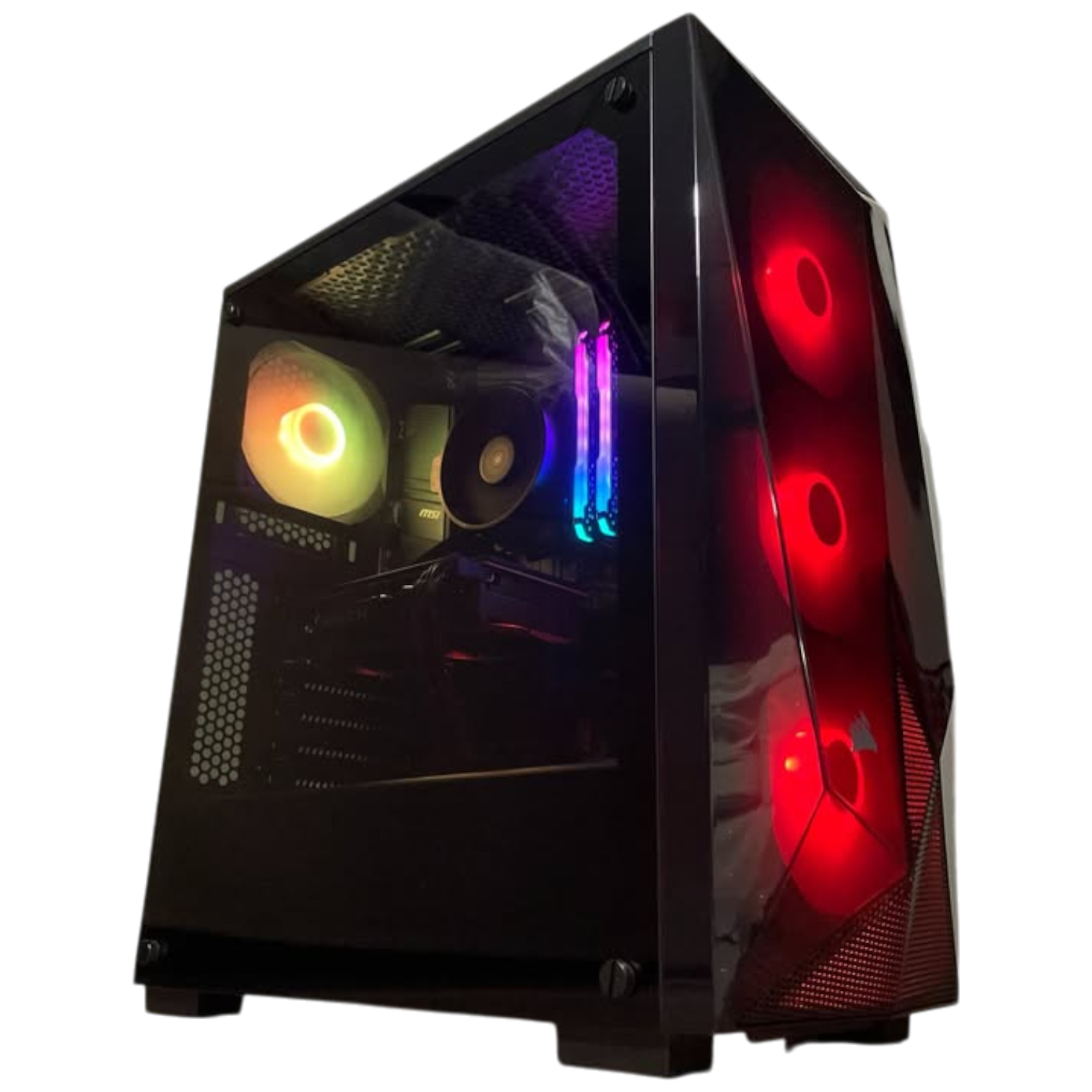
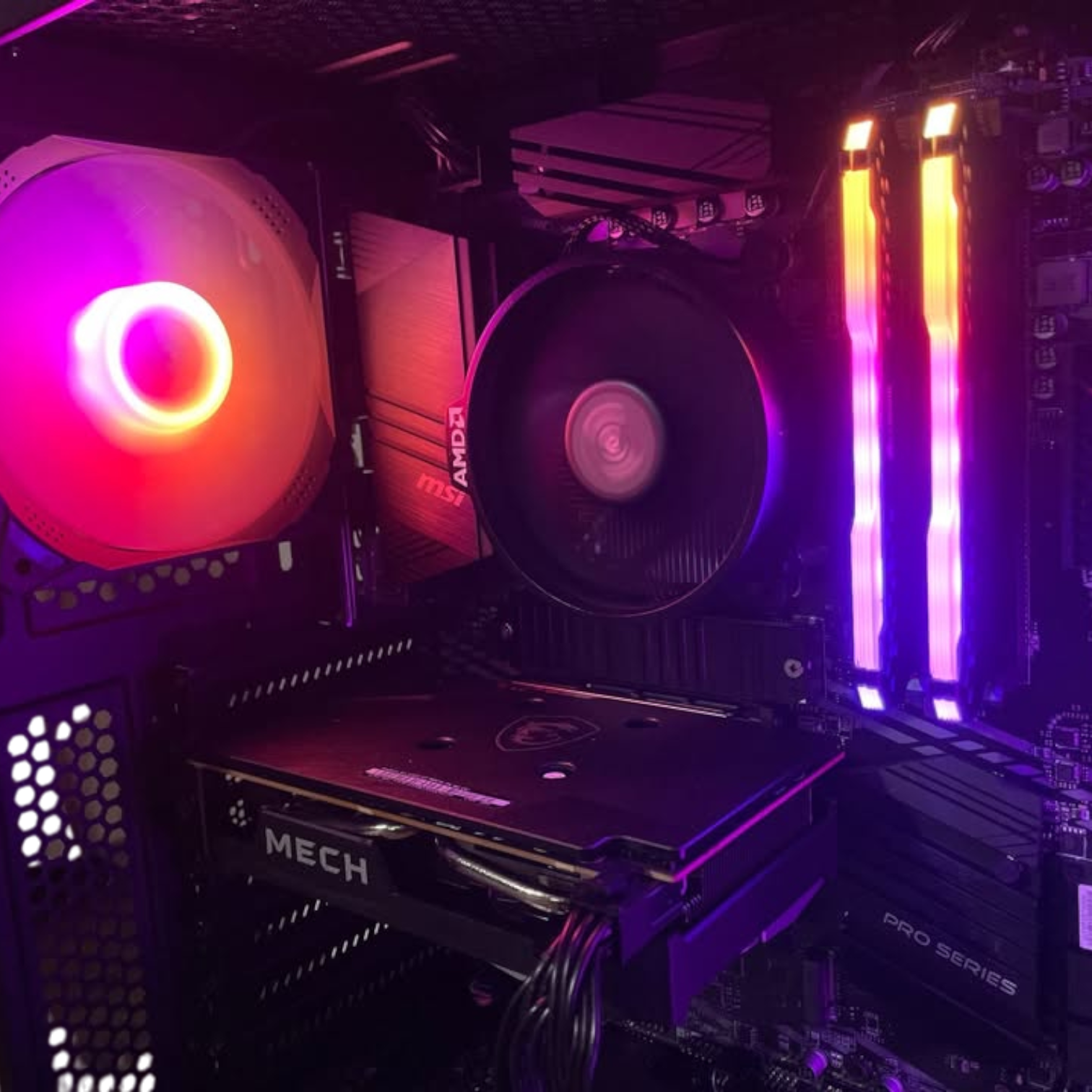
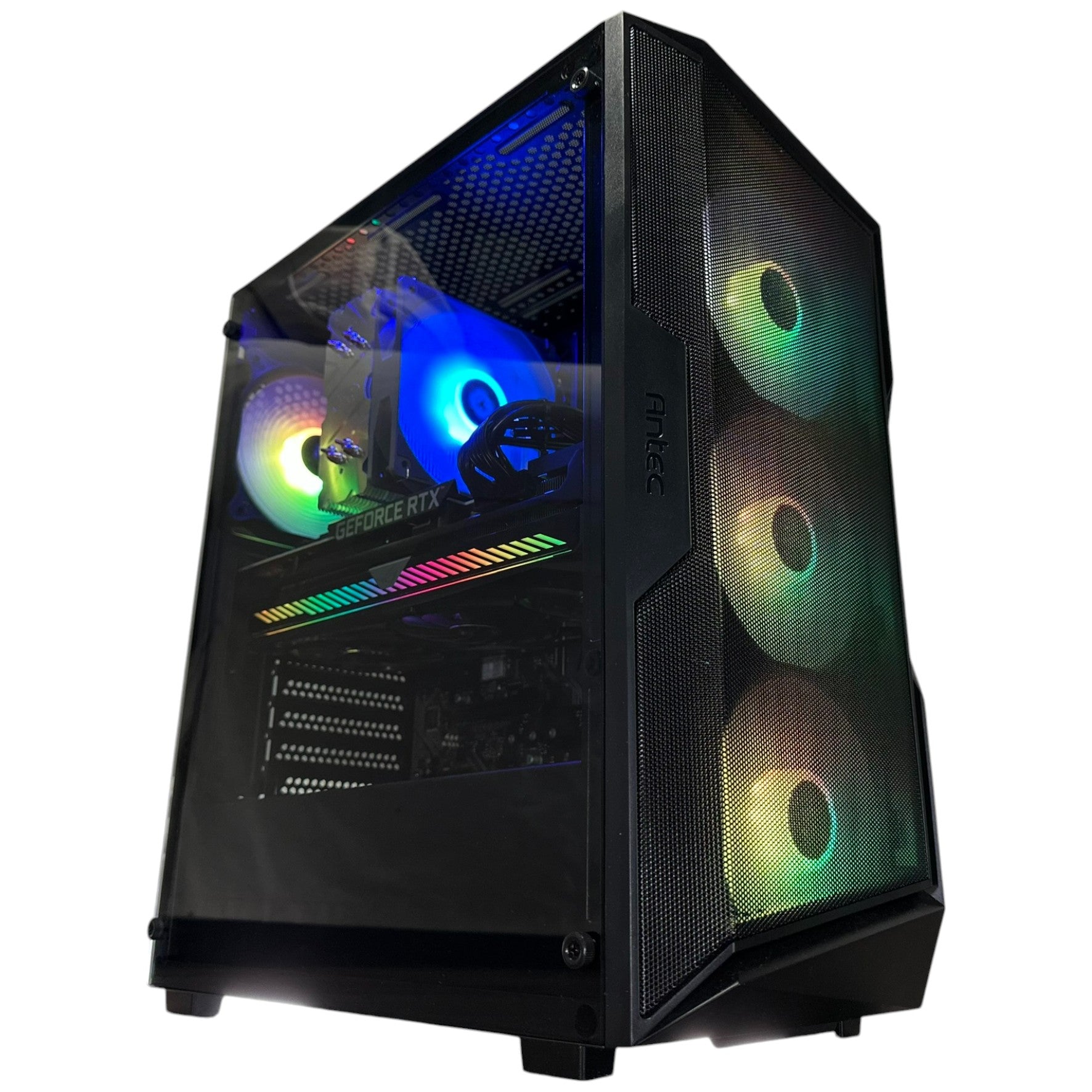
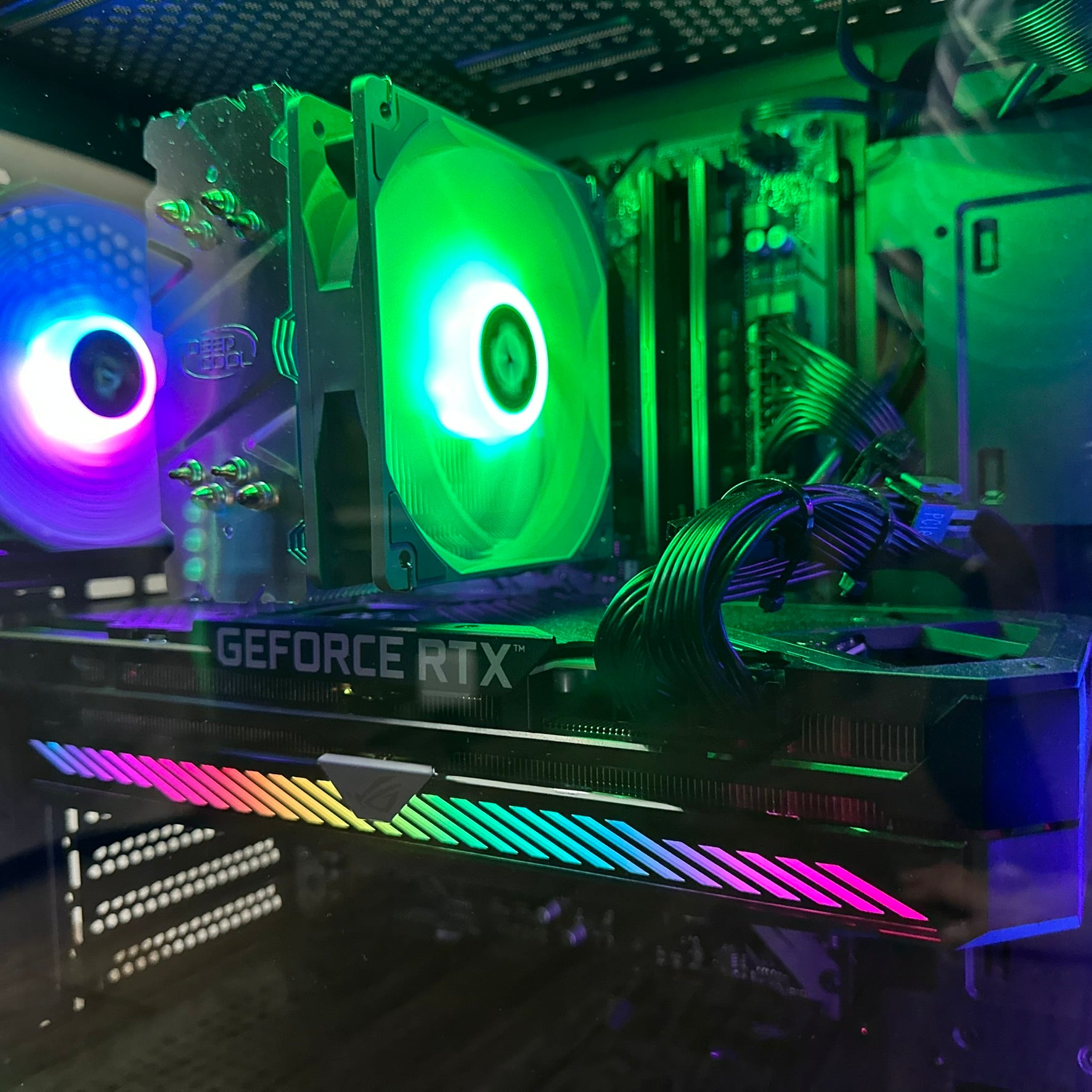
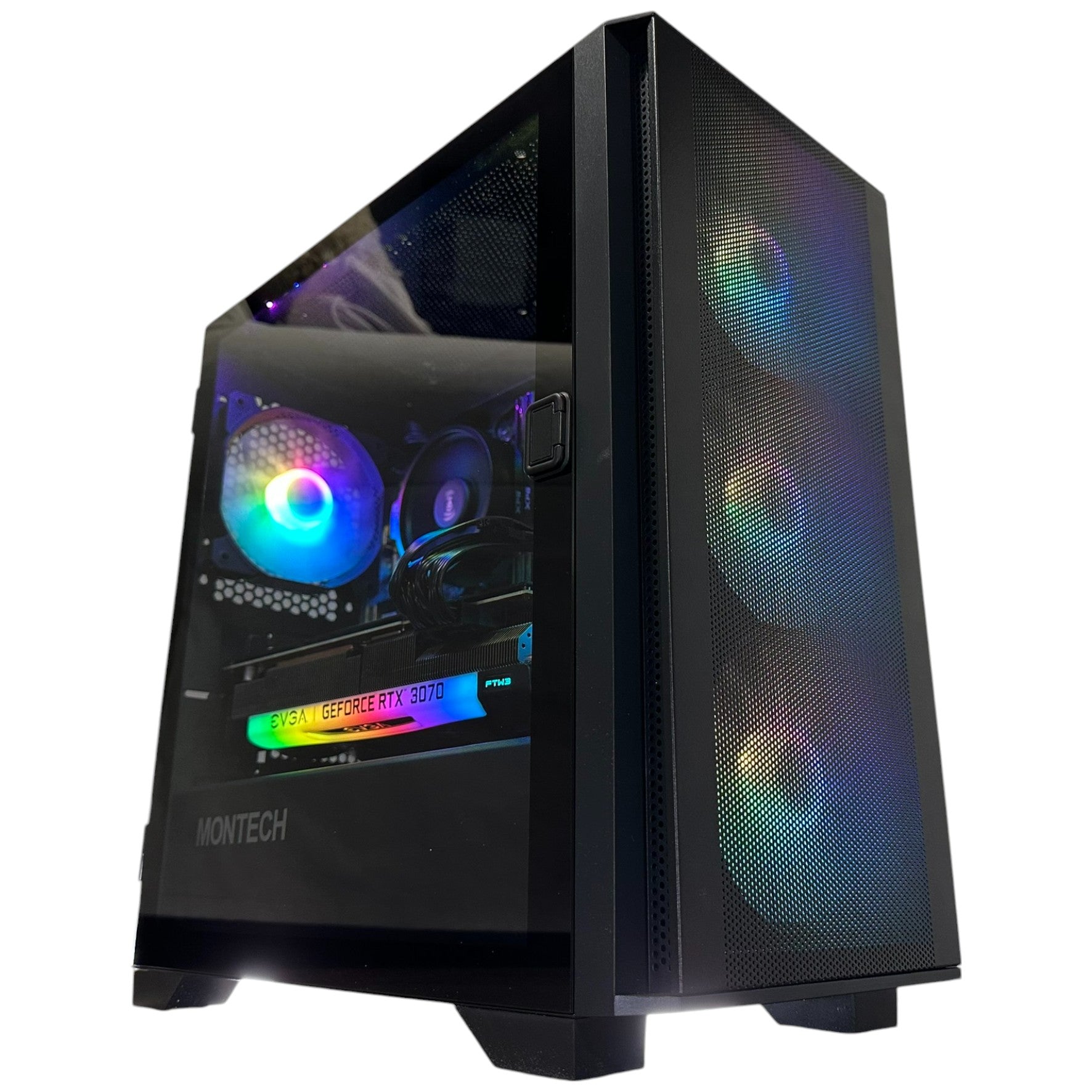
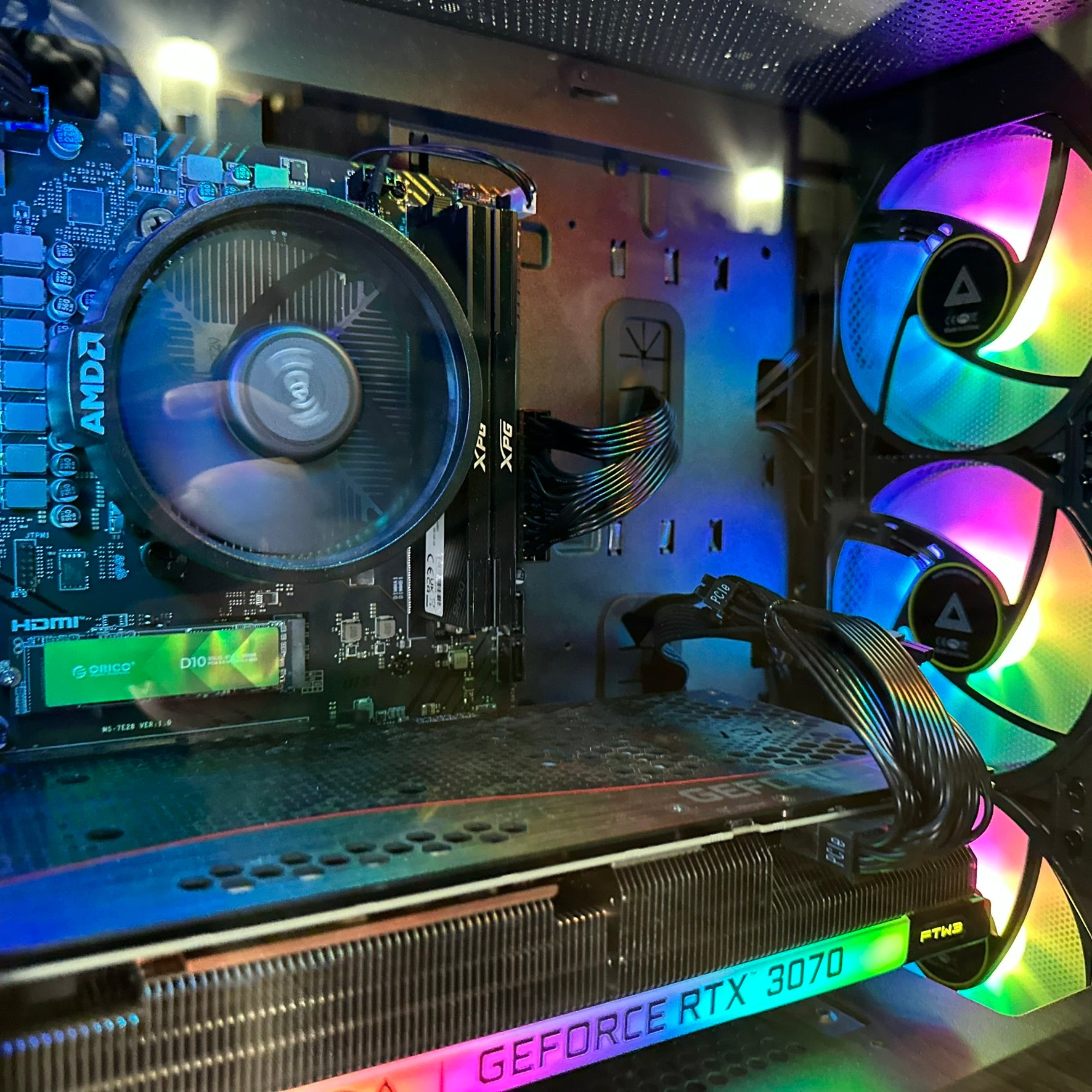
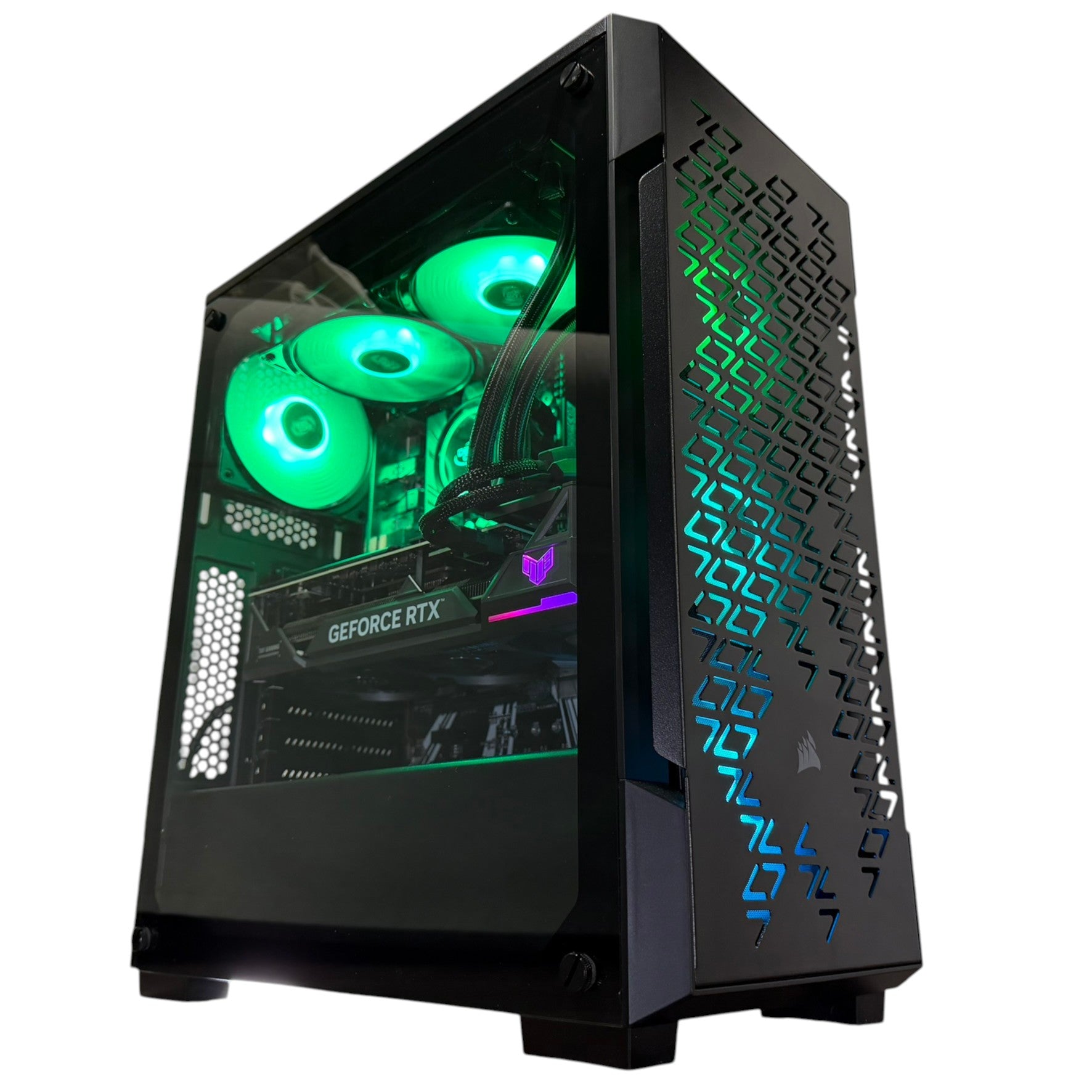
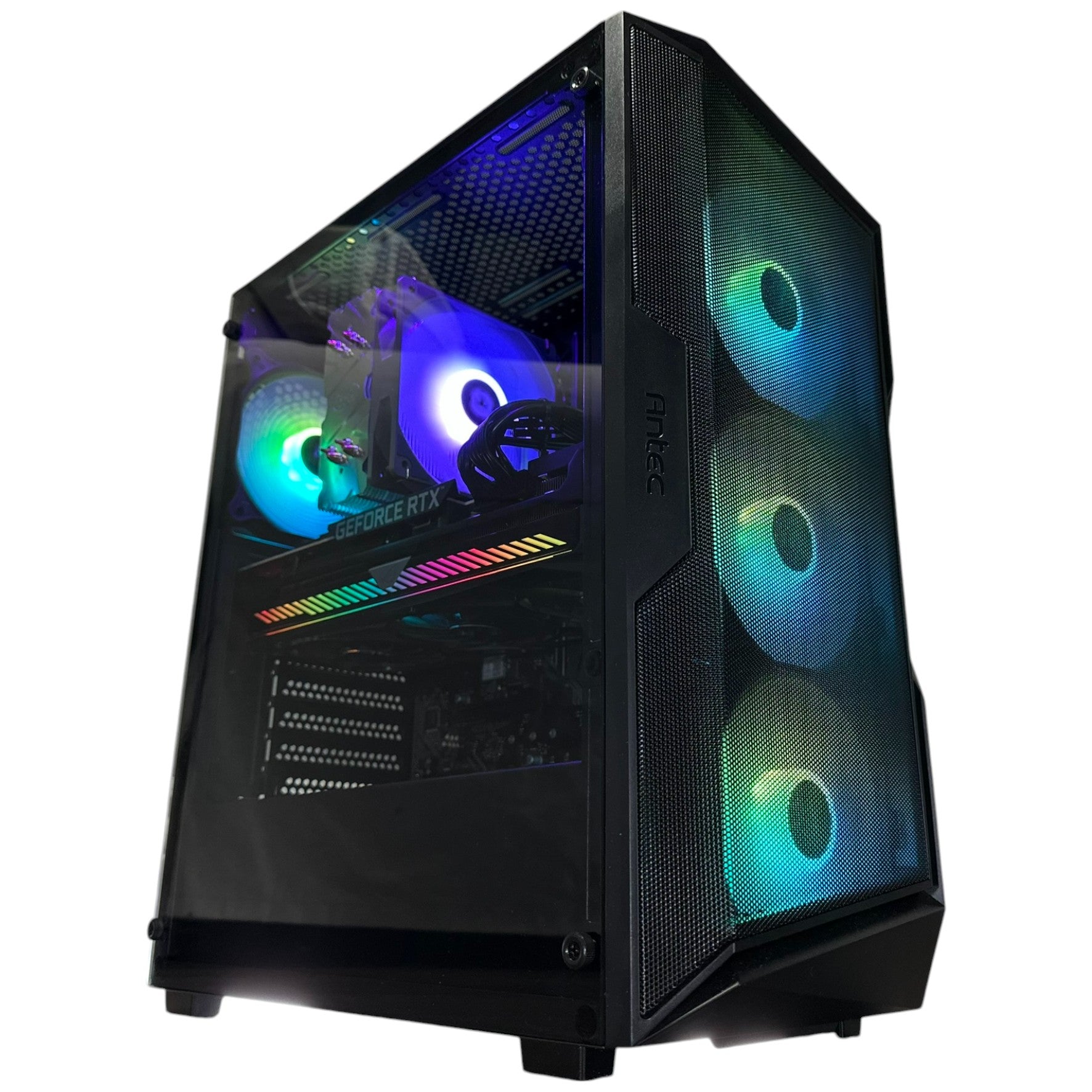
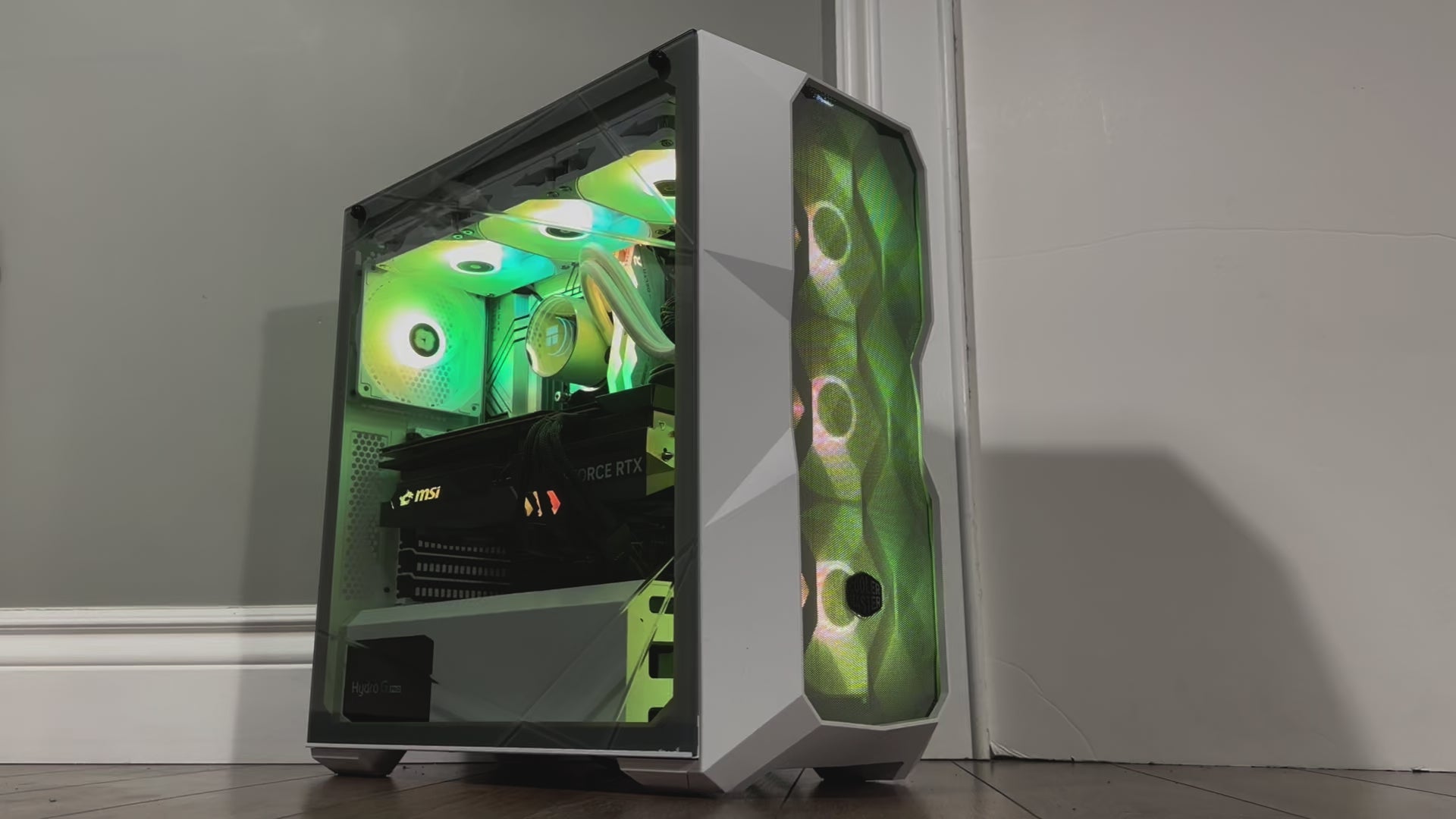
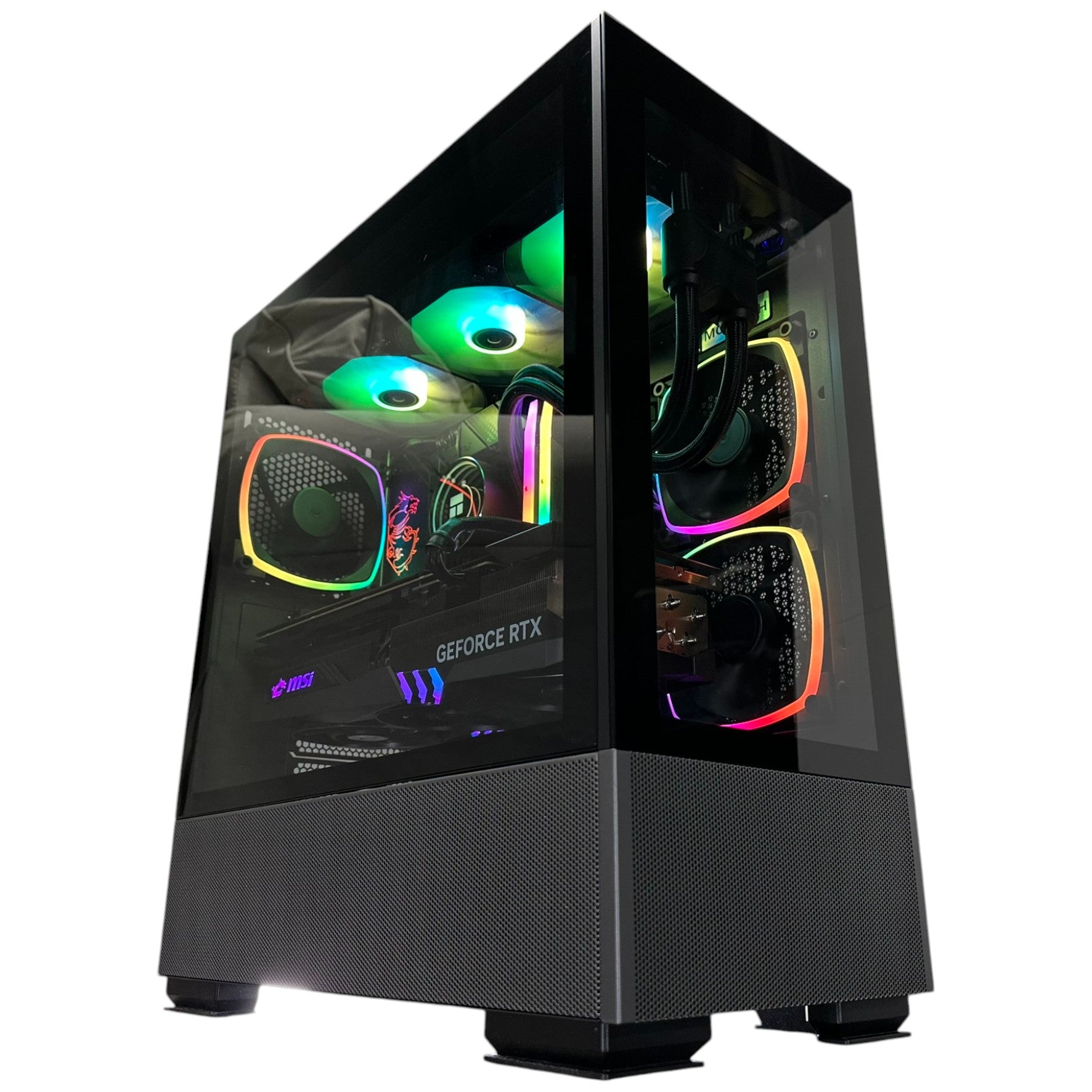
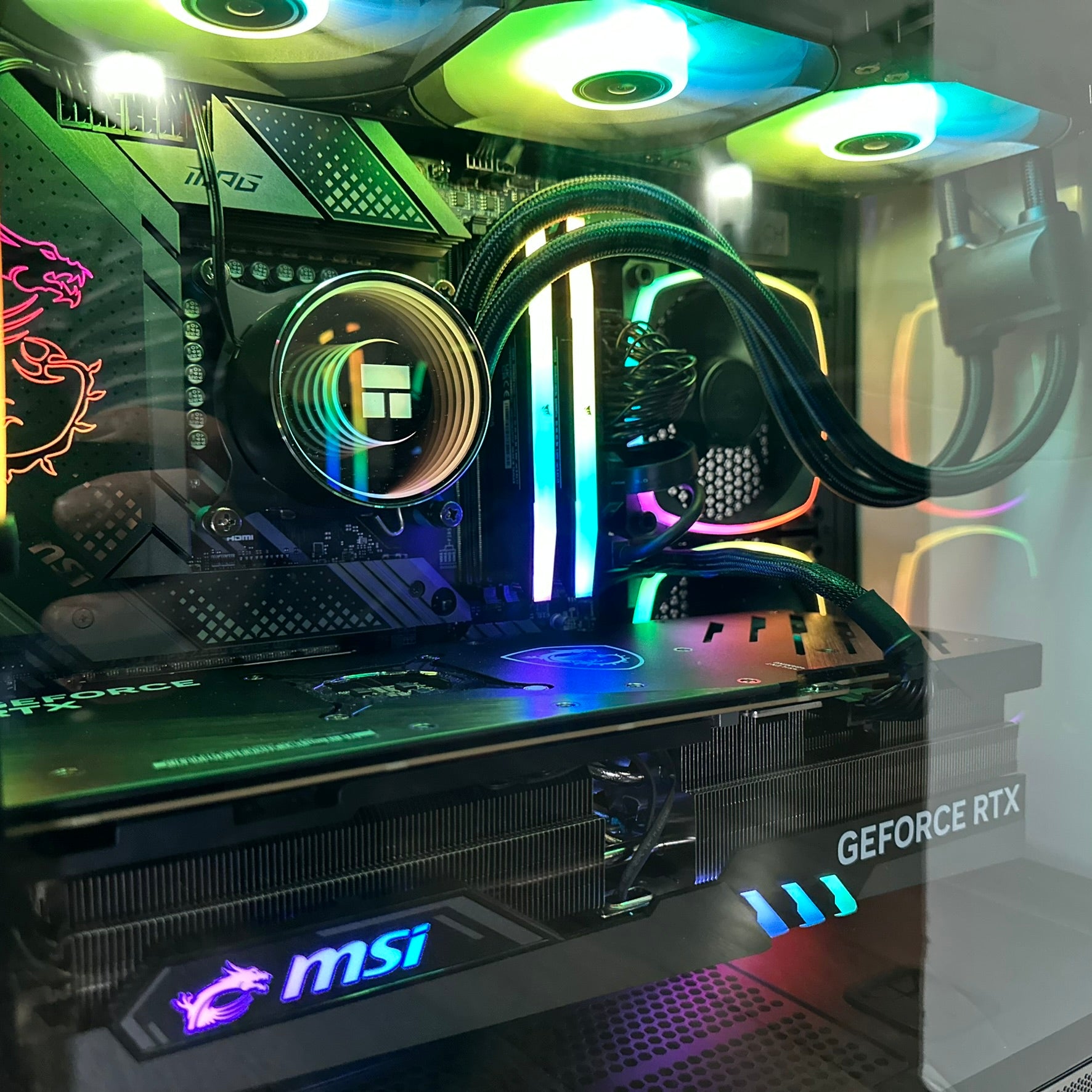
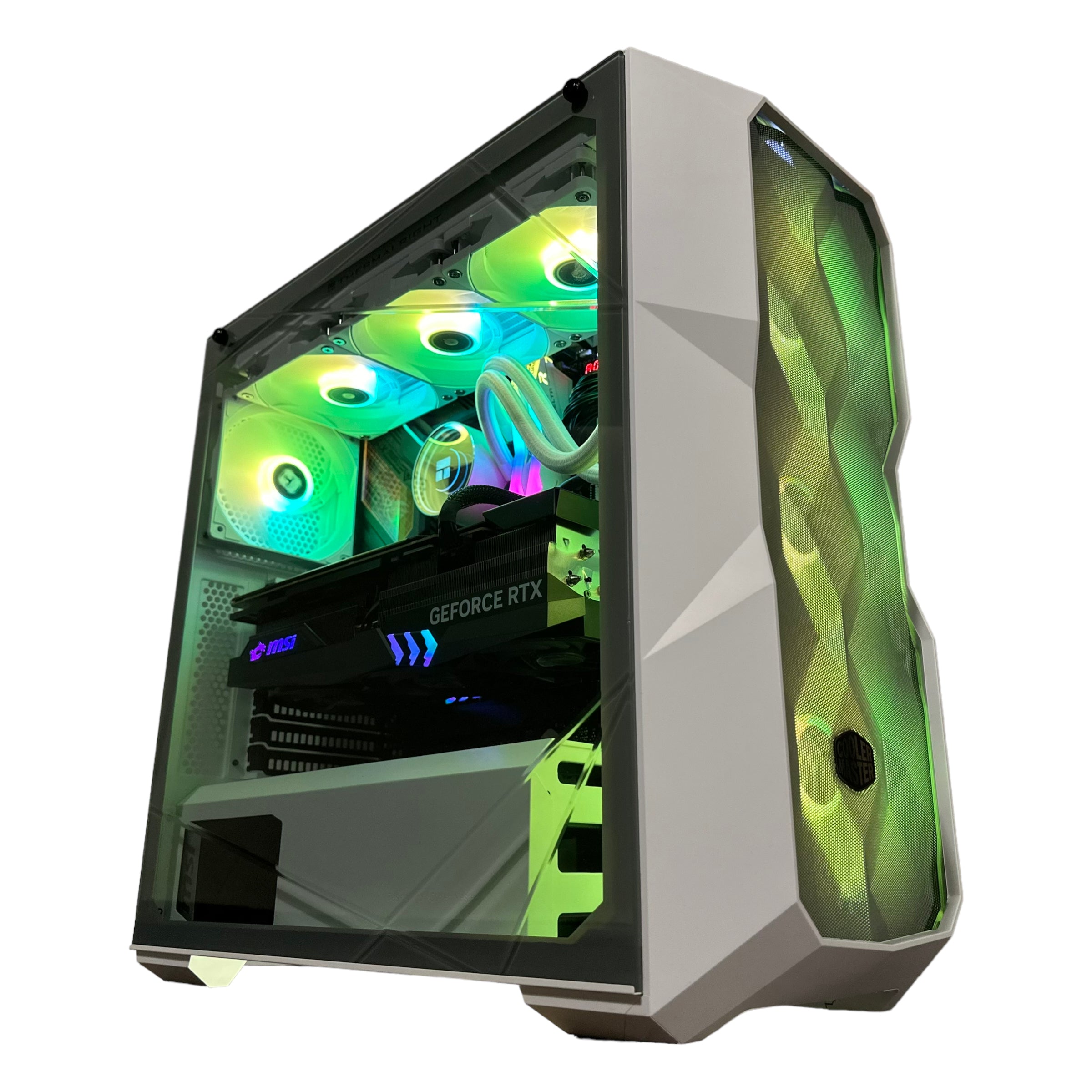
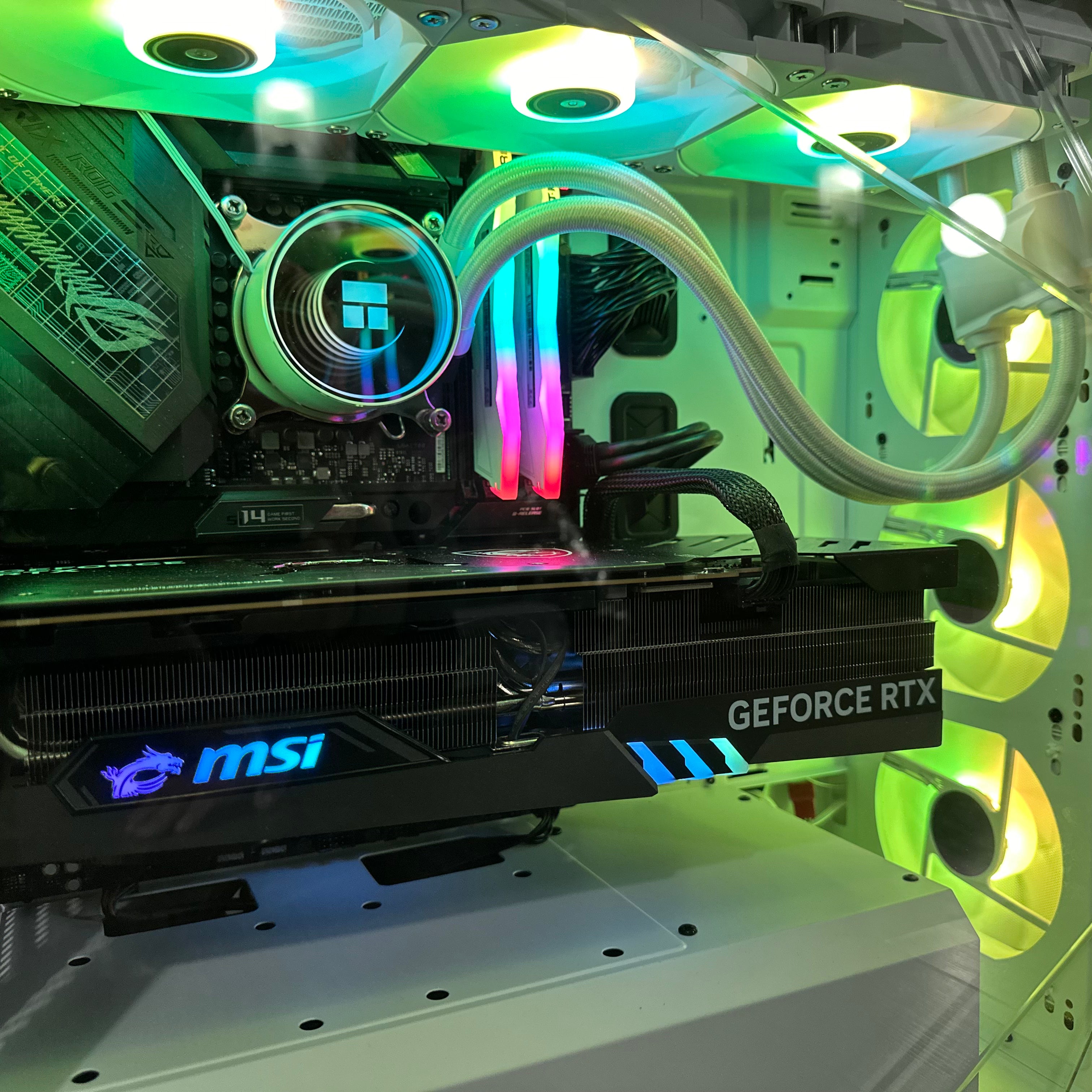
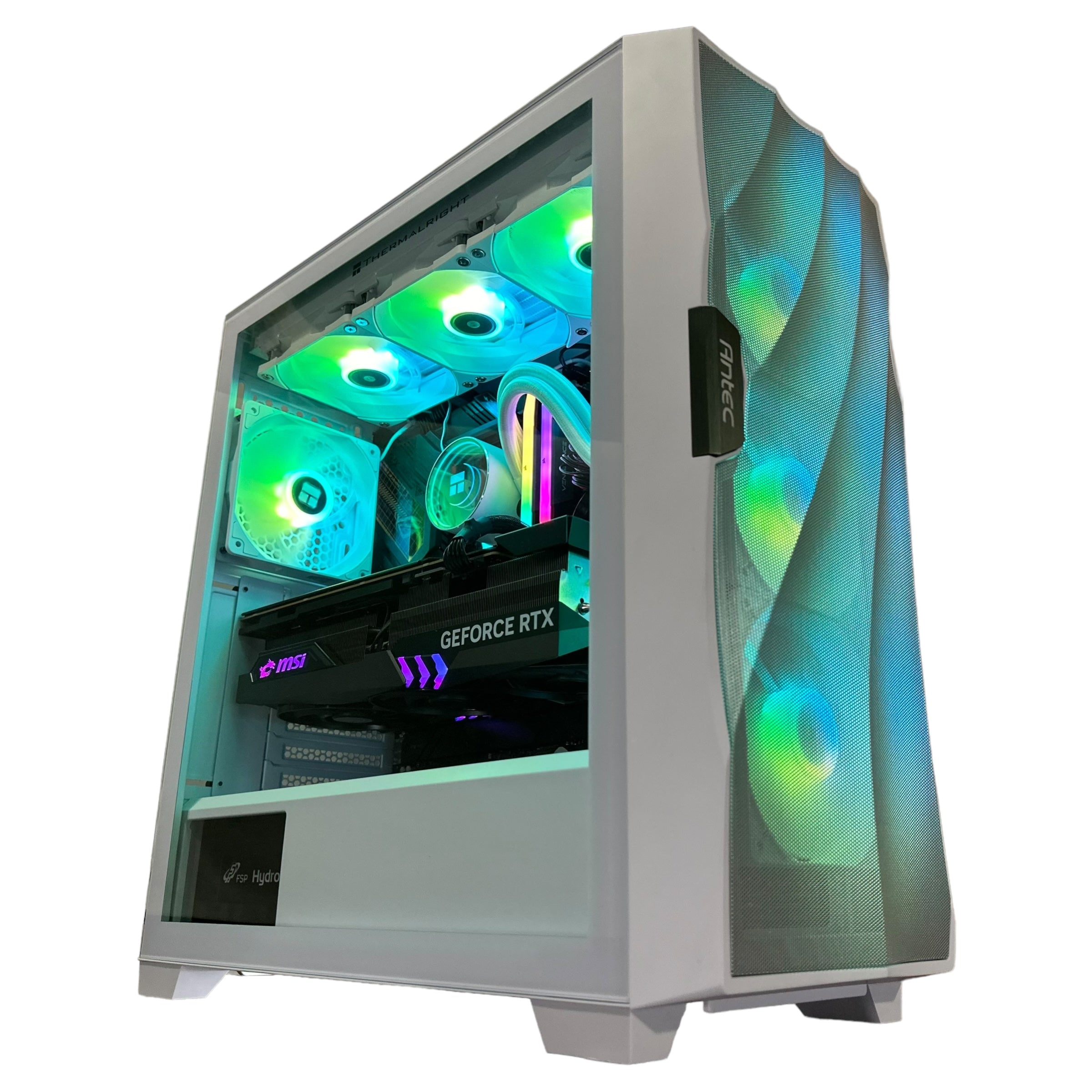
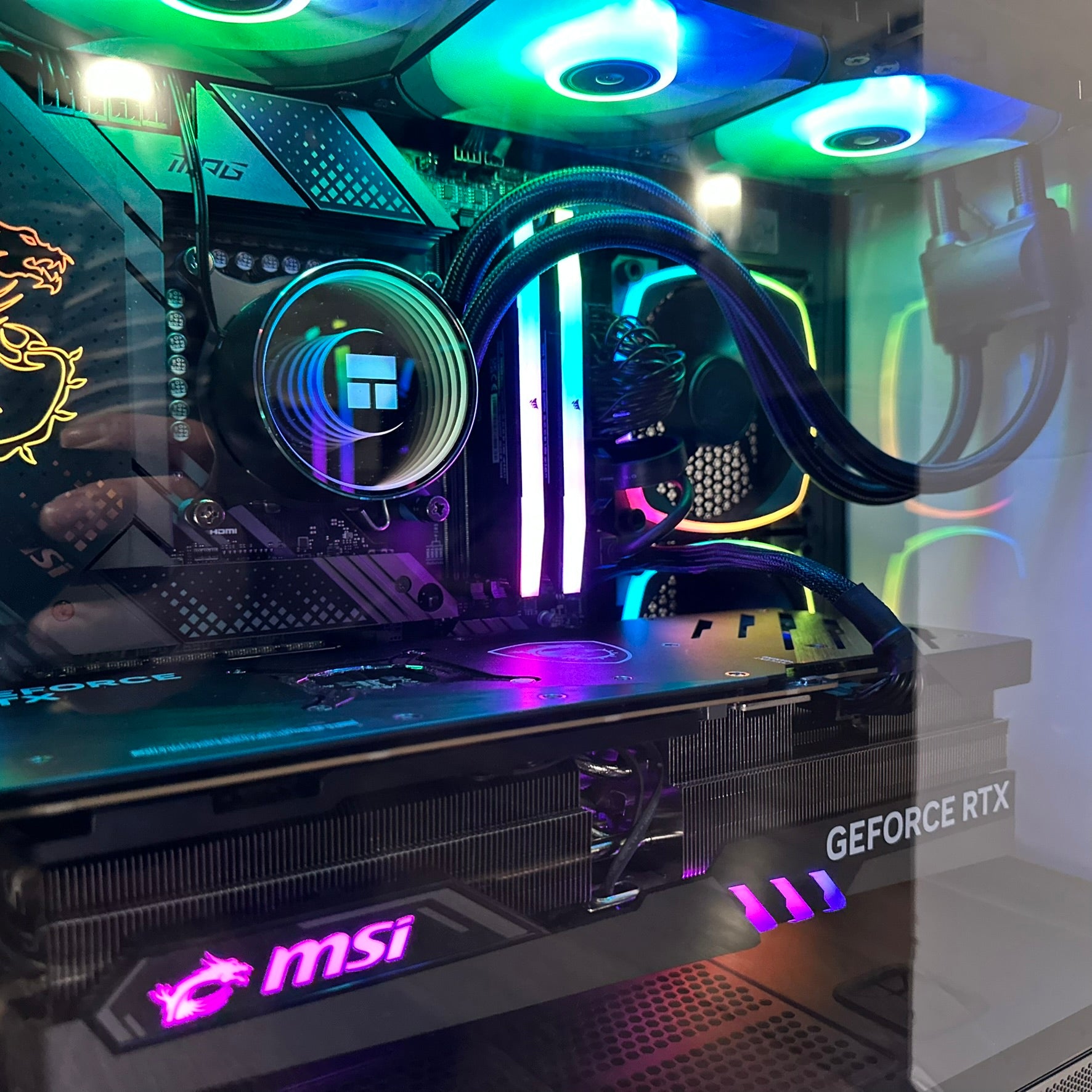
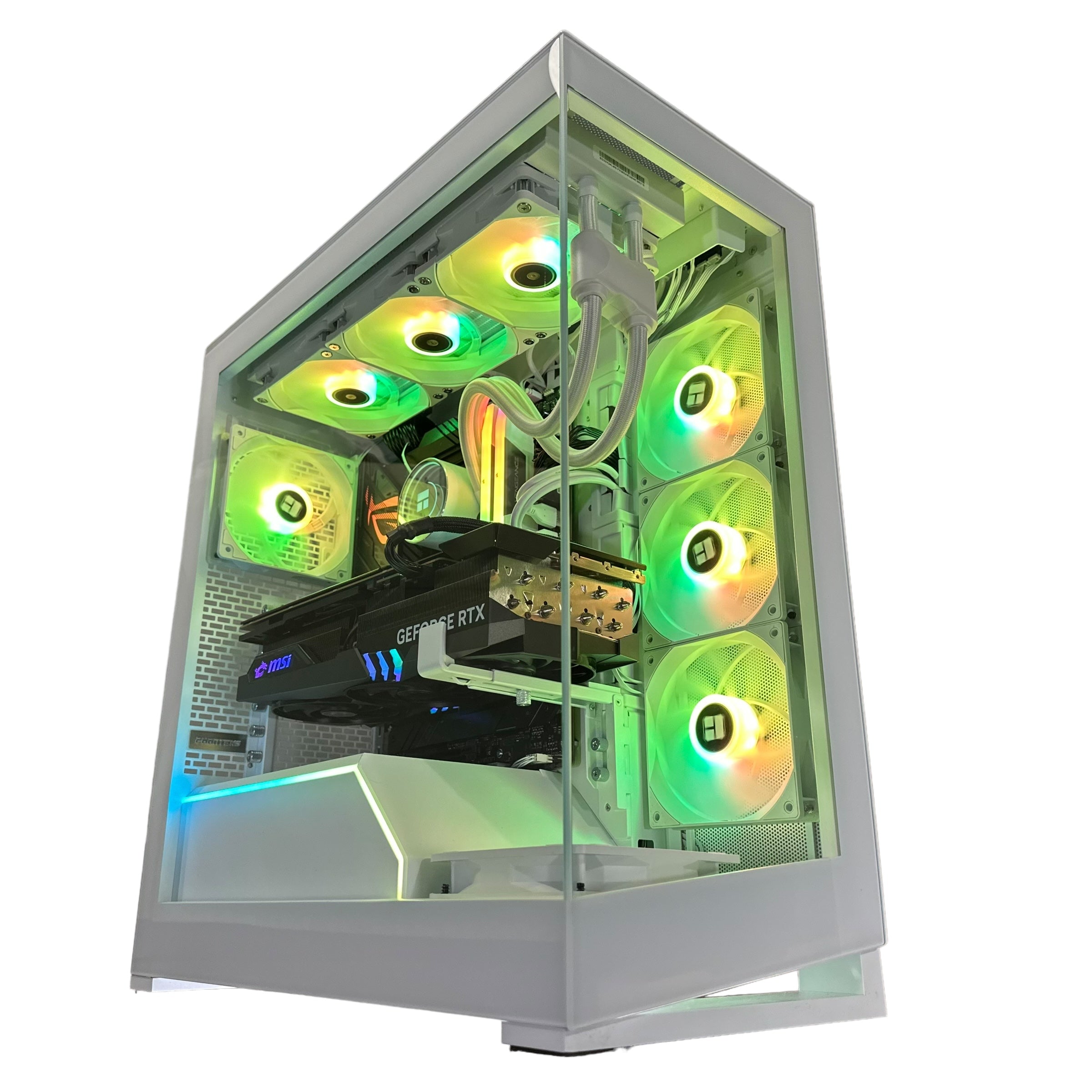
A custom gaming PC in Canada gives you the chance to match the system to your actual priorities. That means choosing the right level of CPU power, GPU strength, RAM capacity, SSD size, cooling, and upgrade room instead of paying for mismatched specs.
Just as importantly, custom builds help reduce regret. The most expensive mistake is not always buying too much. It is buying the wrong balance and discovering too late that your desktop does not fit your real life.
Why do testing, reliability, and warranty support matter?
When a desktop is expected to game, stream, render, export, and multitask, reliability matters as much as performance. A flashy spec list means very little if the machine runs hot, behaves inconsistently under load, or arrives without proper quality control.
That is why rigorous testing matters. Stress testing helps confirm that the system performs properly before it reaches the customer. Stable thermals, sensible component pairing, and clean assembly all contribute to a better ownership experience. If you are spending serious money on a new PC, especially a system tied to content creation or work, confidence matters.
Groovy Computers positions itself around that confidence: custom-built systems, proper testing, and a 1-year warranty that adds peace of mind for buyers who want more than random marketplace risk. That matters whether you are shopping from Nova Scotia or ordering a PC shipped elsewhere in Canada.
What kind of buyer should choose Groovy Computers?
If you are looking for a random bargain and care only about the lowest number on a screen, you will always find cheaper-looking options somewhere. But if you want a Canadian custom builder that helps match hardware to actual goals, Groovy Computers makes much more sense.
Are you searching for a gaming desktop that can handle new releases smoothly? Do you need a creator system that edits efficiently and still games well? Are you unsure whether you need a budget machine, a premium RTX-class build, or a workstation-style desktop? Do you want help choosing rather than guessing?
That is where GroovyComputers.ca becomes relevant. Groovy Computers serves buyers who want a better-fit system, a cleaner buying experience, financing options, tested builds, and Canadian support. For customers in Nova Scotia, Atlantic Canada, and across the country, that trust factor matters.
How should Resident Evil fans, stream watchers, and creator-minded buyers think about their next upgrade?
If Mikami’s point is that games must be worth playing with your own hands, then your PC should be worth owning for your own goals. Do not buy only for what looks impressive in someone else’s setup tour. Buy for the experience you want every day.
If you mostly play story-heavy titles and want visual quality, target the best resolution-and-GPU tier for your display. If you play competitive games and care about responsiveness, prioritize frame rate and CPU balance. If you want to stream and record, make sure your build has enough overall headroom. If you create content, edit video, design graphics, or work in 3D, choose a system that treats those workloads as primary, not secondary.
The best buying decision is usually the one that matches your reality: what you play, what you create, what you want to learn, and how soon you want to upgrade again.
Need help deciding what your next PC should do for you?
Are you trying to figure out whether you need a budget gaming system, a premium RTX gaming desktop, a custom creator PC, a video editing workstation, or a 3D modeling machine? Are you wondering if now is the right time to buy, or whether financing would let you secure a better long-term build before prices shift again? Visit GroovyComputers.ca and start with the question that actually matters: what do you want your next PC to do for you?
As gaming, streaming, and creator culture continue to overlap, more buyers need systems that do more than one thing well. That is why choosing a custom gaming PC in Canada is not just about raw specs anymore. It is about getting the right category of machine for your games, your content, your software, your upgrade timeline, and your budget. For Canadian customers who want that decision to feel clearer, more confident, and more future-aware, Groovy Computers is a strong place to start.
#CustomGamingPCCanada #GamingPCCanada #StreamingPCCanada #CreatorPCCanada #VideoEditingPCCanada #PhotoEditingPCCanada #GraphicDesignPCCanada #3DModelingPCCanada #WorkstationPCCanada #CanadianCustomPCBuilders #NovaScotiaComputers #GroovyComputers
Groovy Computers | All Rights Reserved


Leave a comment
This site is protected by hCaptcha and the hCaptcha Privacy Policy and Terms of Service apply.