



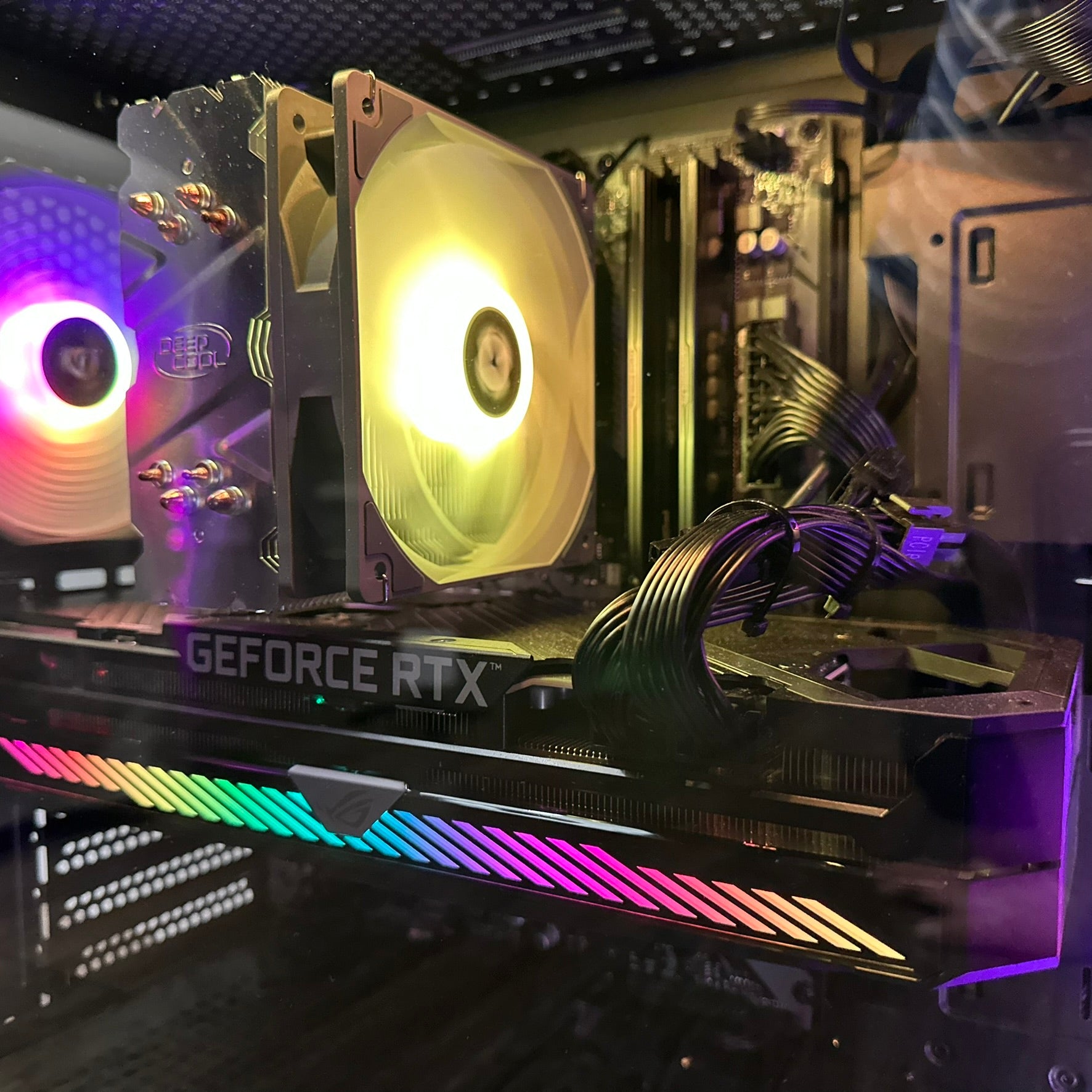
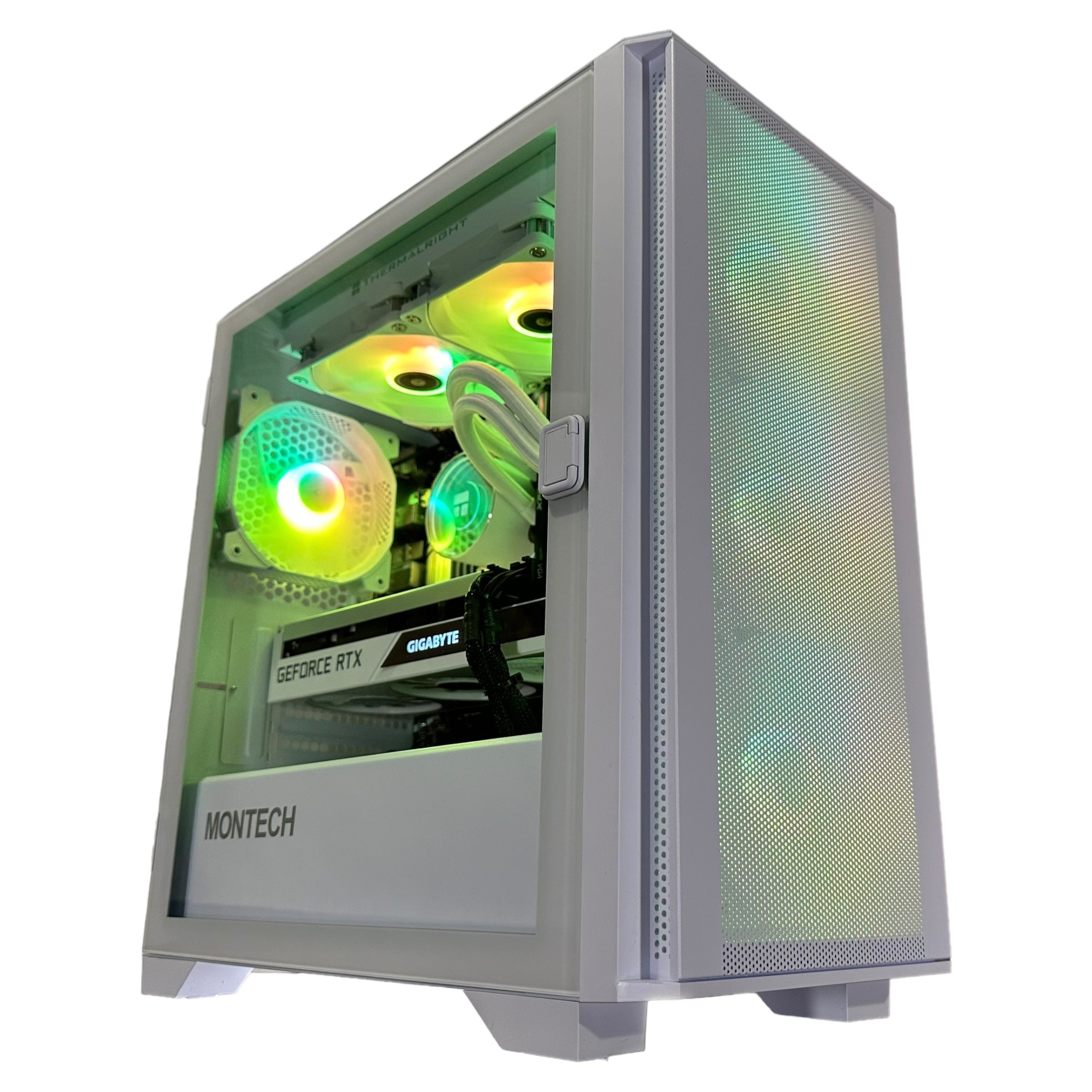
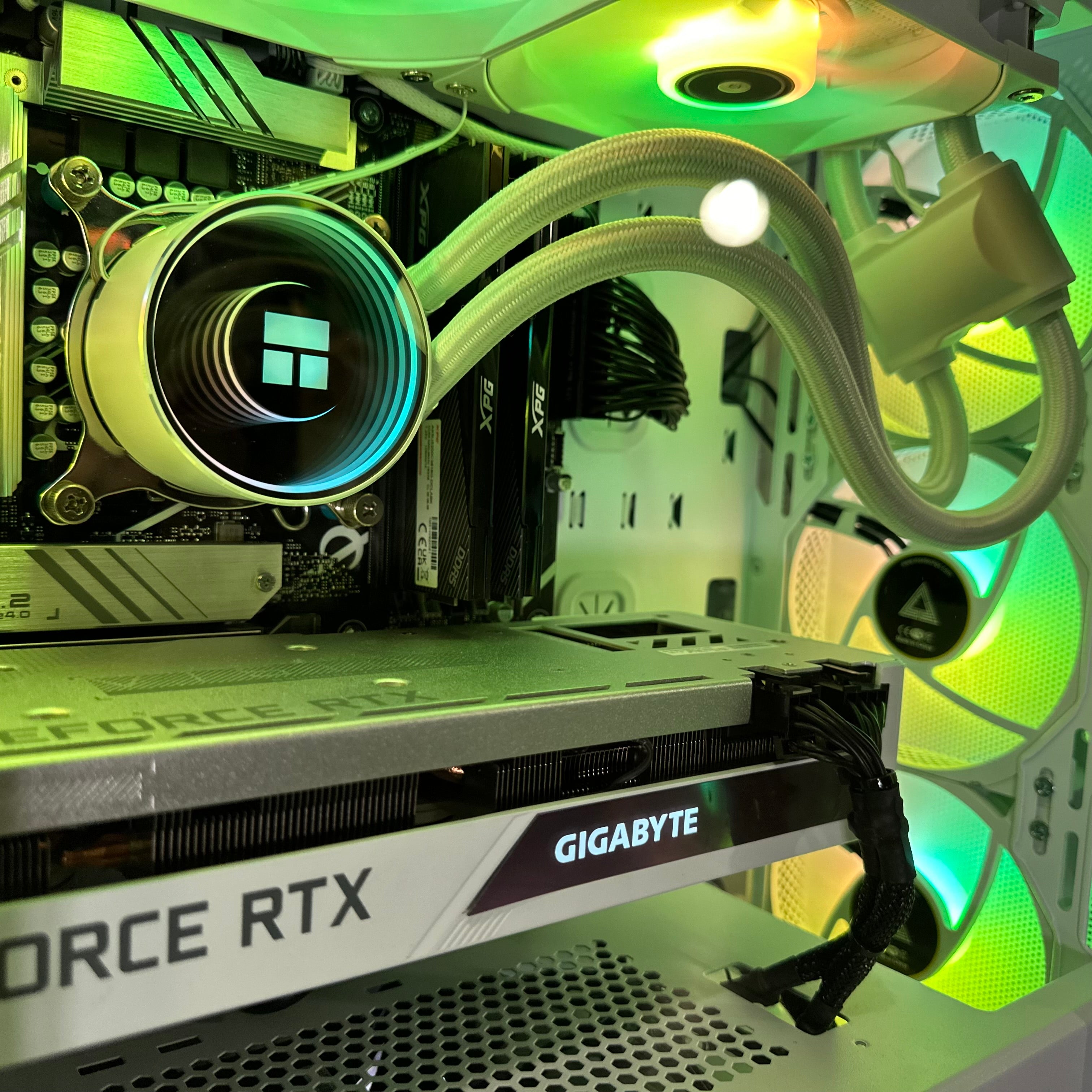
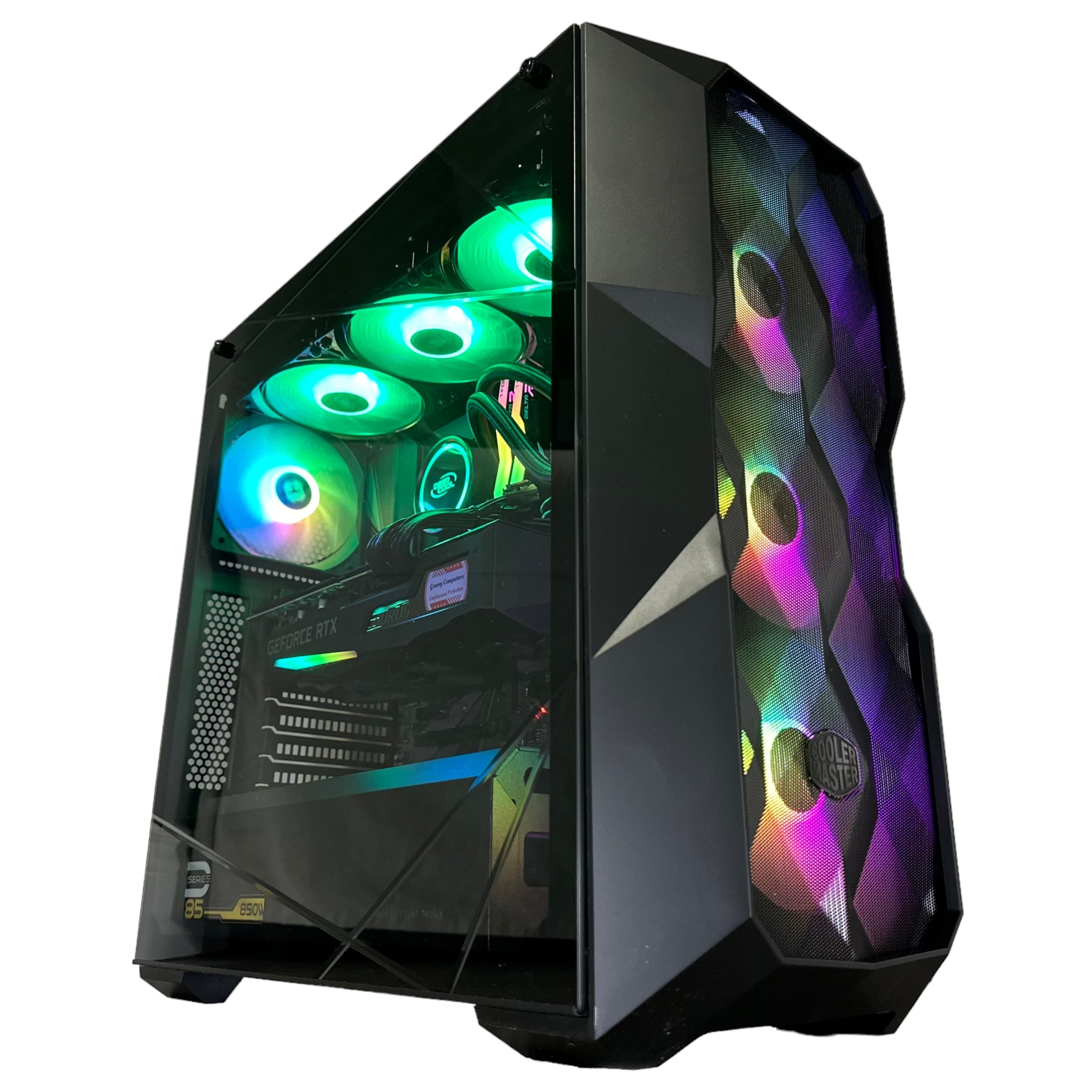
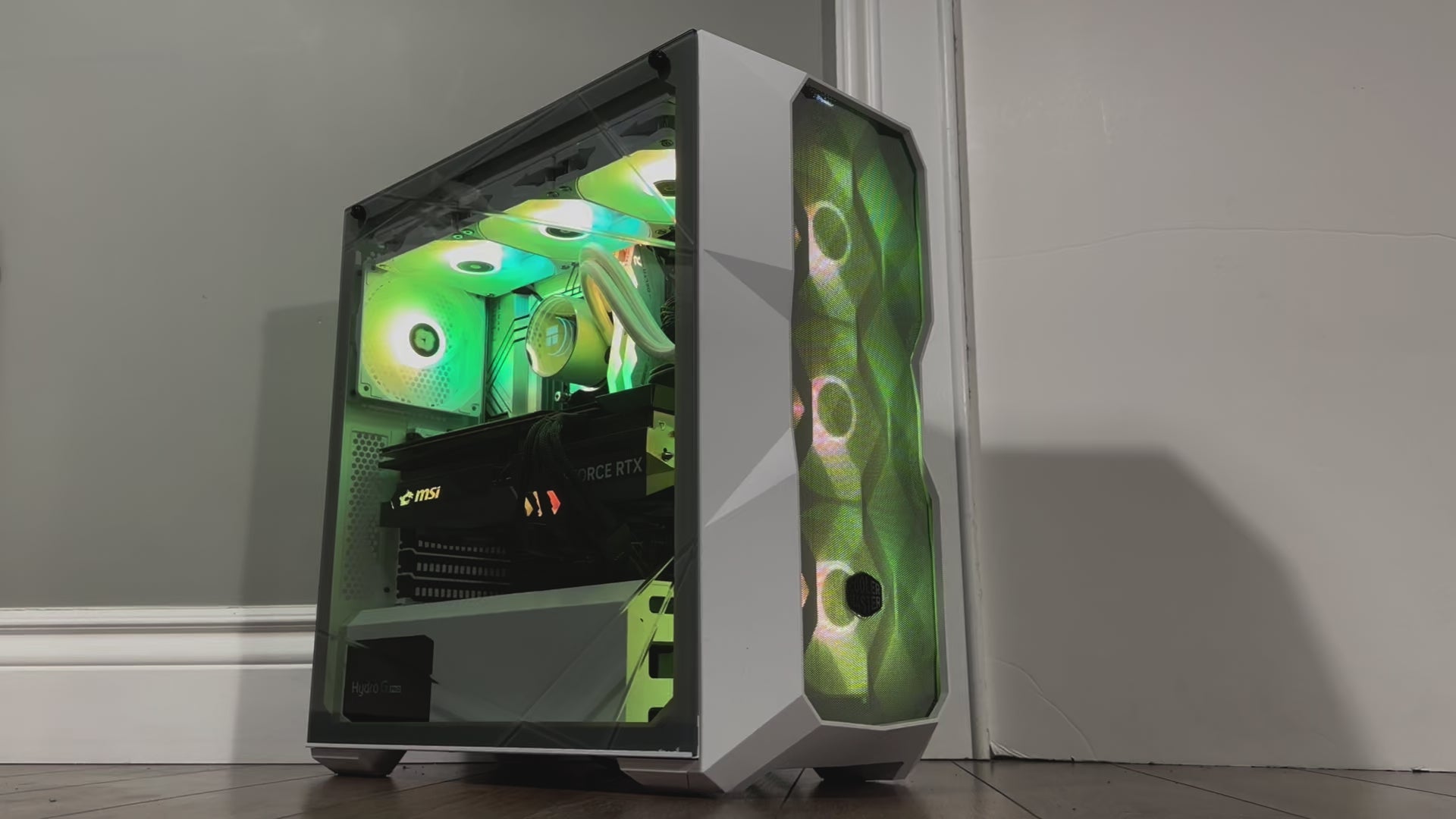
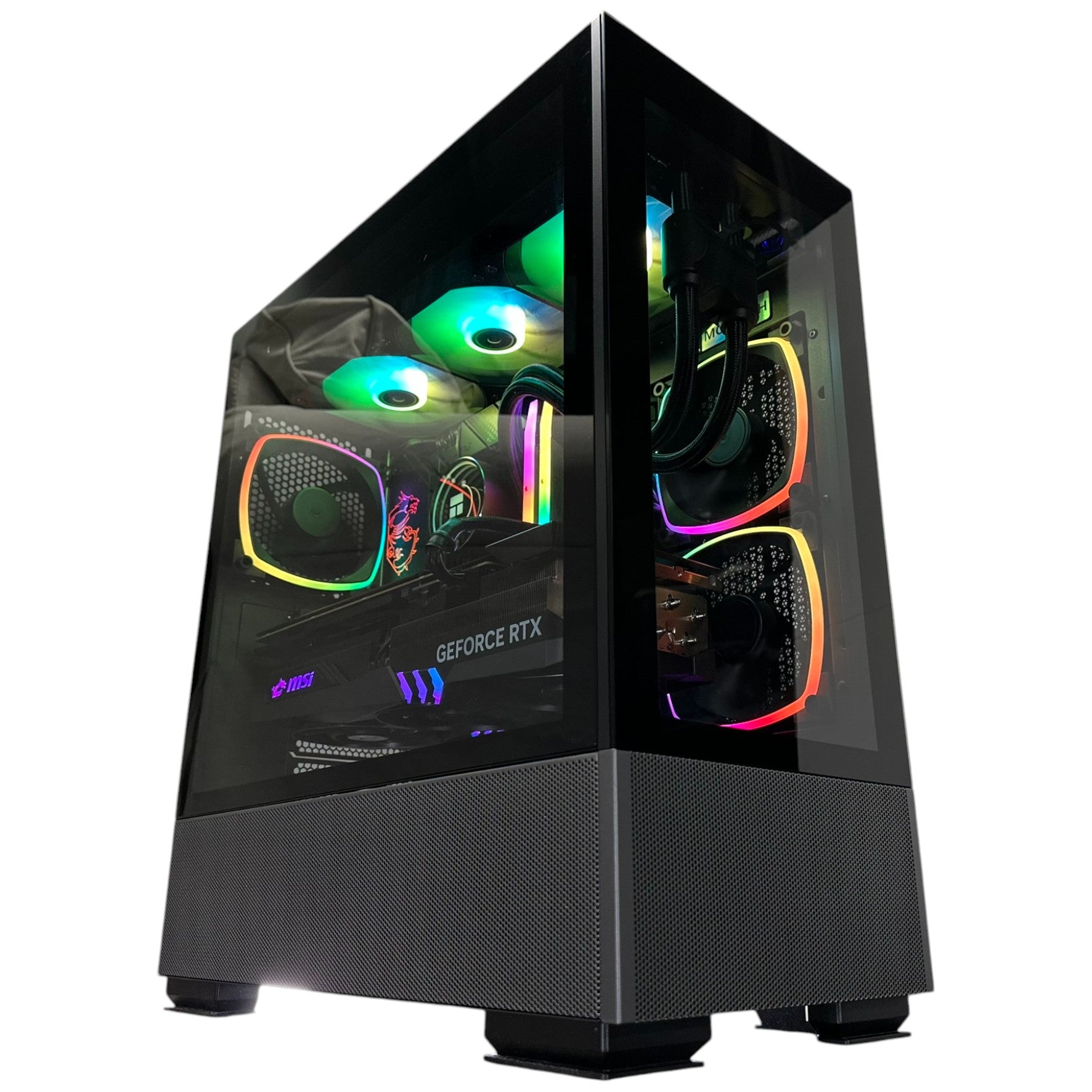
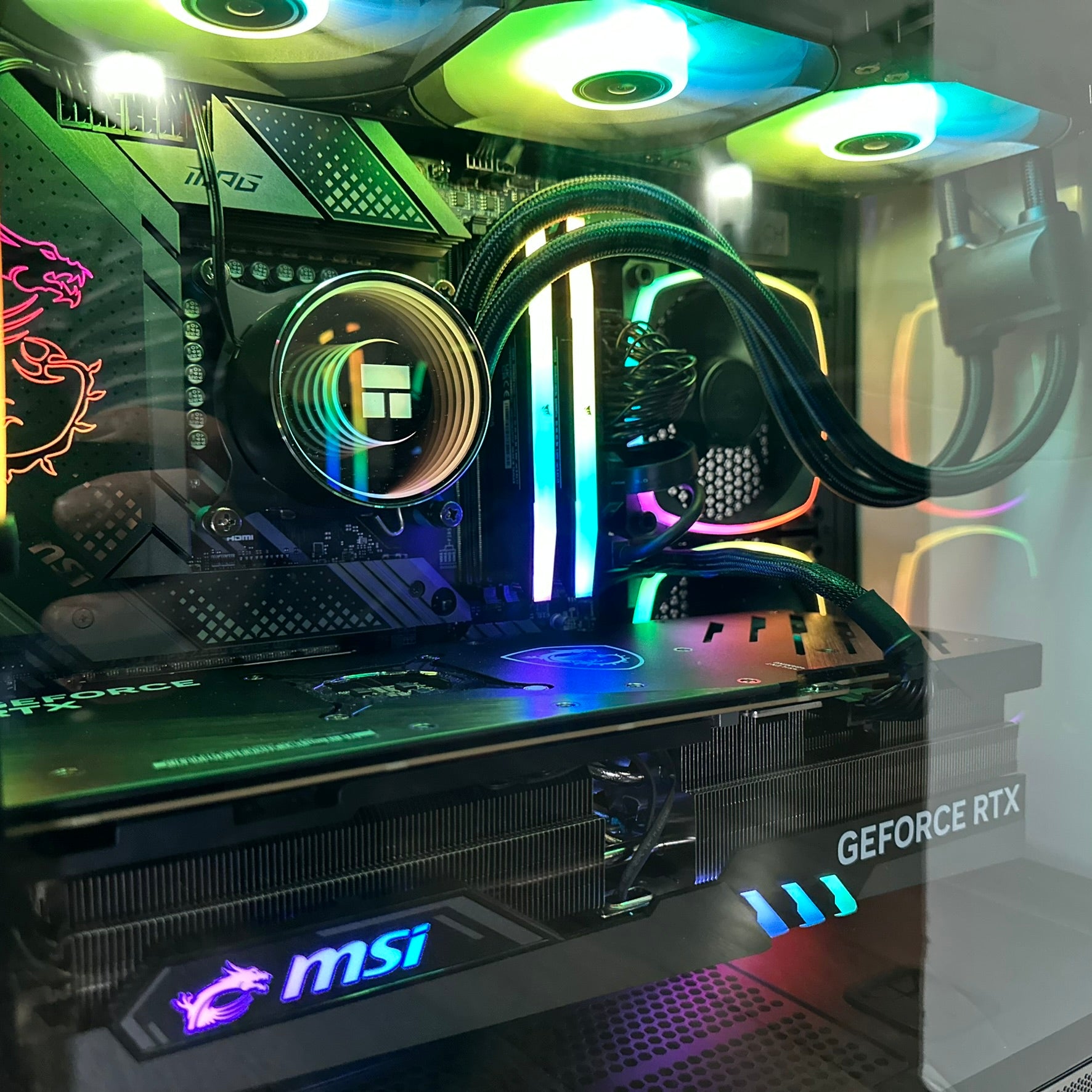
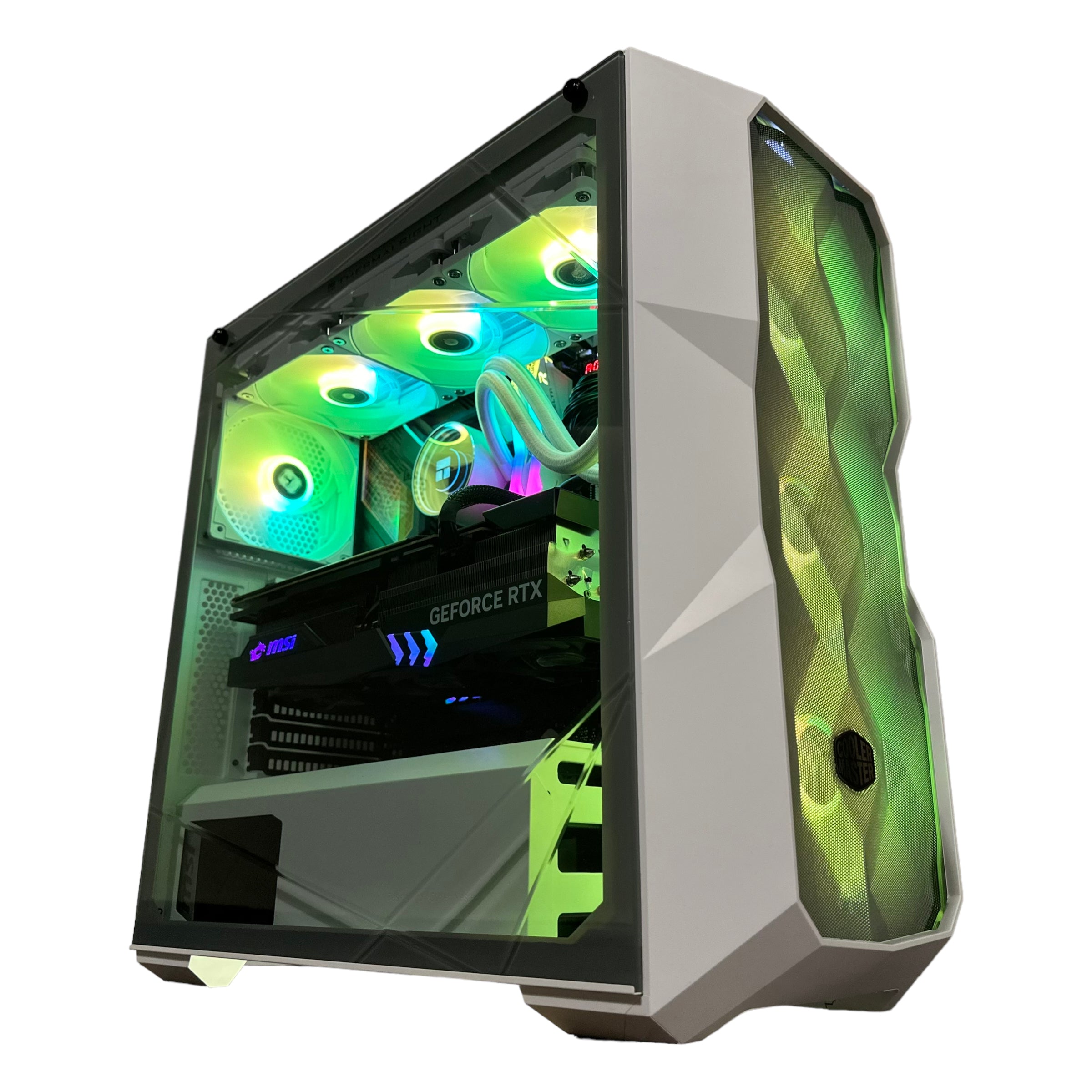

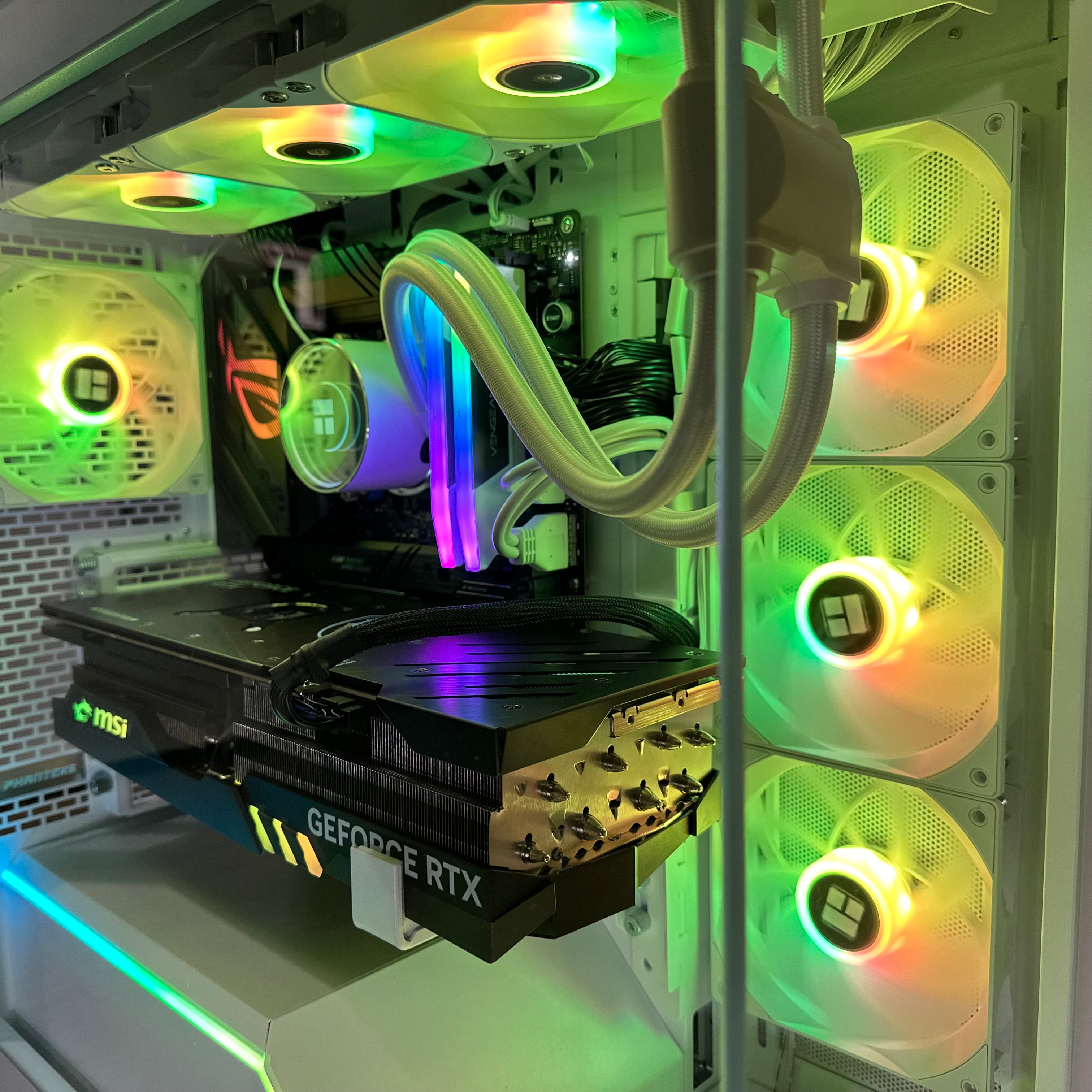
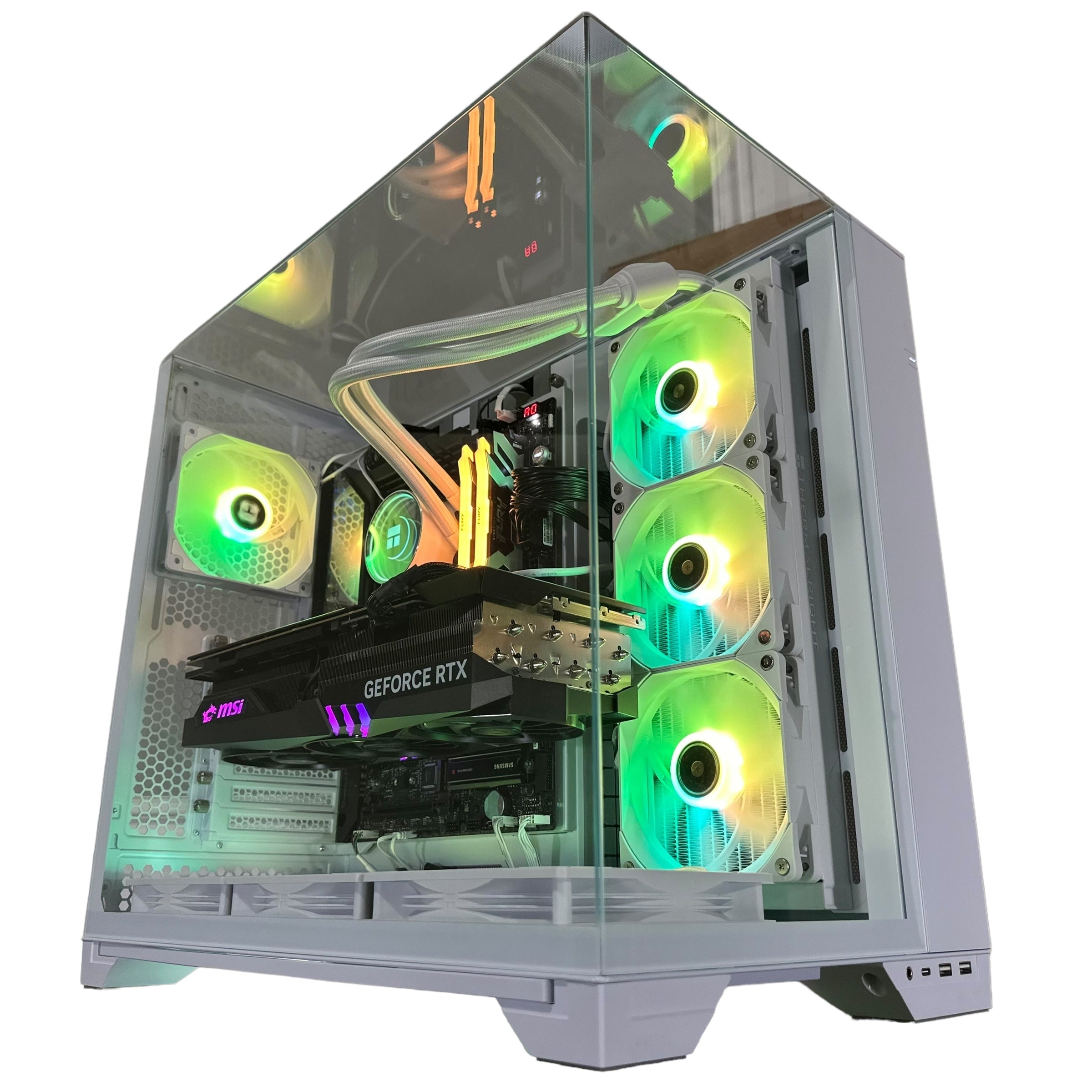
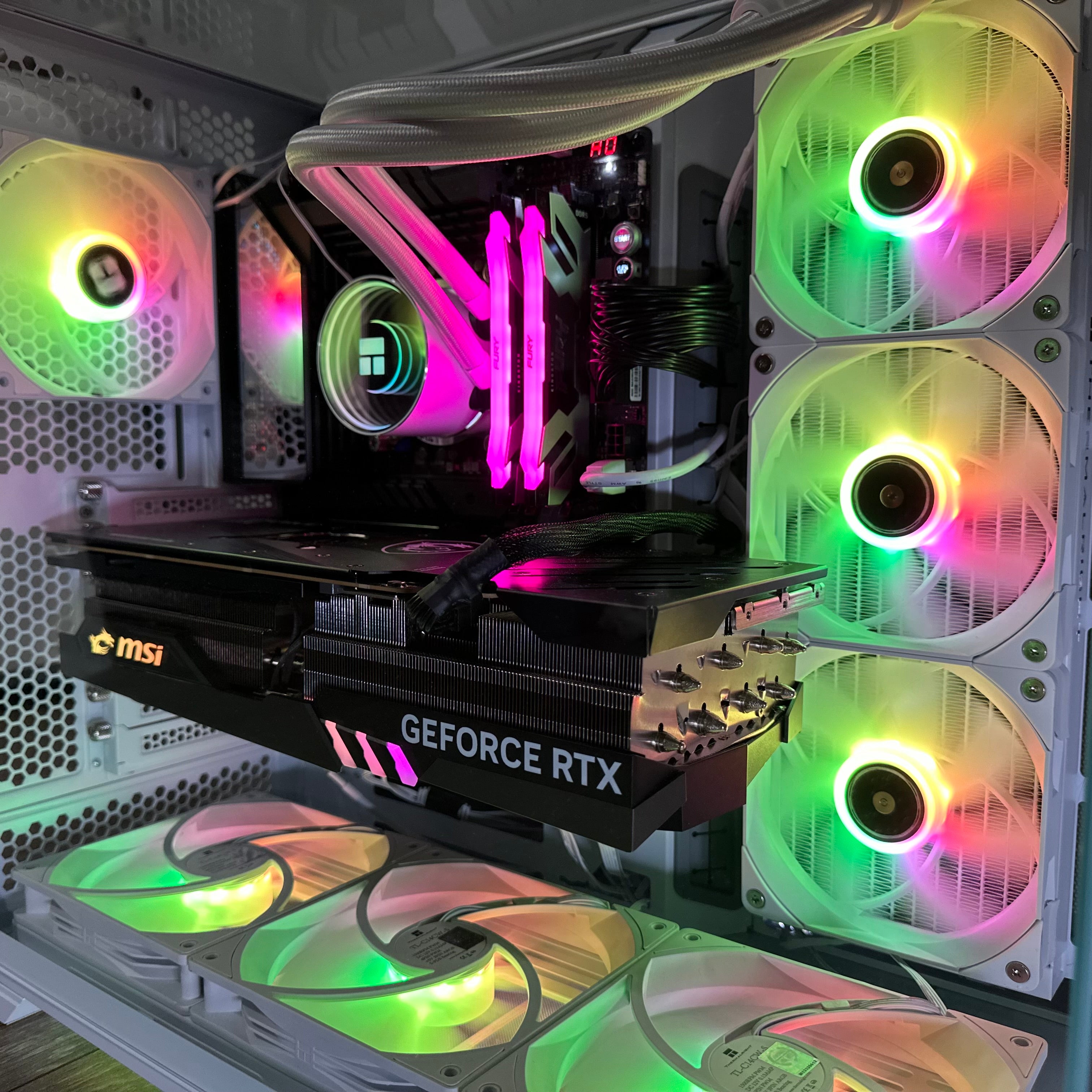

Resident Evil Proves Why a Custom Gaming PC in Canada Matters More Than Ever
The latest discussion around Resident Evil and Capcom’s business strategy highlights something PC buyers in Canada should pay close attention to: major game franchises do not just shape entertainment, they shape hardware demand. When a series becomes powerful enough to fund new projects, remakes, and riskier releases, it also keeps pushing player expectations higher. That is exactly why choosing the right custom gaming PC in Canada matters now. If blockbuster games keep getting bigger, more cinematic, and more demanding, is your current system really ready for what comes next?
The source story’s central idea is simple but important. Resident Evil is no longer just a horror franchise with nostalgia value. It has become one of Capcom’s financial engines, helping support both remakes and new entries. That matters because when a publisher keeps investing in a top-tier franchise, players can reasonably expect continued technical ambition, stronger visuals, heavier system requirements, and more pressure on aging hardware. In other words, this is not just gaming news. For Canadian buyers, it is a buying signal.
If you have been thinking about upgrading, replacing an older tower, or finally moving from console-focused gaming to a stronger desktop experience, this kind of news should prompt a practical question: what do you want your next PC to do for you before the next wave of major releases arrives?
Why Resident Evil’s Success Matters to PC Buyers
When a franchise consistently sells, publishers and developers gain room to improve production values. That can mean better lighting, more advanced character models, heavier texture loads, ray tracing features, larger environments, smarter enemy behaviour, and denser visual effects. For gamers, that is exciting. For your hardware, it can be expensive if you are not prepared.
Resident Evil has already helped define survival horror more than once. It influenced the genre early, then became a benchmark again through modern remakes. That kind of staying power usually means one thing for PC buyers: the series is likely to remain a showcase for visual fidelity and performance expectations. If you want smooth gameplay at high settings, faster load times, stable frame pacing, and room for future titles, buying based only on today’s minimum requirements may leave you upgrading again sooner than you want.
So ask yourself: are you shopping for a PC that can merely launch new games, or do you want a system that makes those games feel worth playing on PC in the first place?
What the Source Story Gets Right About Big Franchises and Buying Timing
The source article points toward a bigger truth in the gaming market. Franchises with dependable sales often become internal anchors for publishers. That means steady releases, remake cycles, new sequels, DLC support, and renewed consumer interest. Every time anticipation builds around a major franchise, more players start asking whether their current setup can keep up.
That buying wave does not only affect one game. It spills into the broader market for GPUs, CPUs, RAM, SSDs, and complete systems. Once enough high-profile releases stack together, buyers who waited too long often face a tougher choice: settle for a lower tier system, rush into a generic machine, or spend more than expected to reach the performance they actually wanted.
Is it better to buy now or wait? That depends on your goals, but if you already know you want to play upcoming AAA titles at 1440p or 4K, stream gameplay, edit clips, or multitask across gaming and creator software, waiting can become costly in more ways than one.
Why Canadian Buyers Should Think Differently
Canadian buyers face a different reality than U.S.-based shoppers often discussed in mainstream gaming coverage. Exchange rate pressure, shipping costs, component availability, and market timing can all hit differently here. A part that feels reasonably priced one month can jump unexpectedly once supply tightens or demand spikes around major launches.
That is why a smart upgrade path matters. It is also why working with a Canadian custom builder matters. A well-matched build is not just about getting a powerful GPU. It is about balancing the processor, memory, storage, cooling, power delivery, and upgrade path so that your money is actually buying performance instead of bottlenecks.
If you are in Nova Scotia, Atlantic Canada, or ordering elsewhere in the country, do you want to gamble on a one-size-fits-all machine, or would you rather get a system built around the games and workloads you actually care about?
What Do You Want Your Next PC to Do for You?
Before looking at specs, start with outcomes. Do you want to experience atmospheric AAA games with high settings and ray tracing? Do you want a 1440p gaming setup that feels smooth for years? Are you trying to stream to Twitch or YouTube without your frame rate collapsing? Will you be editing gameplay videos in Adobe Premiere Pro or DaVinci Resolve after each session? Do you also use Photoshop, Lightroom, Illustrator, Blender, or Unreal Engine?
Your best PC is not defined by one label. It is defined by your real usage.
- If you mainly play modern games and want stronger visual quality, you may need a gaming-focused build.
- If you game and stream at the same time, you may need a gaming and streaming PC with more CPU and memory headroom.
- If you record, edit, and upload content regularly, a creator-oriented build may save you serious time every week.
- If you work in 3D modeling, rendering, CAD, or heavy multitasking, a workstation-class configuration may be the smarter long-term investment.
What matters more to you right now: highest FPS, better image quality, faster exports, smoother multitasking, or avoiding another upgrade too soon?
What Performance Tier Fits You Best?
One of the biggest mistakes buyers make is shopping by hype instead of workload. You do not need the same machine as every other gamer, creator, or editor. But you also do not want to underbuy and regret it as soon as the next major title drops.
Entry-Level and Budget Tier
This tier makes sense for buyers focused on 1080p gaming, esports titles, lighter indie games, and moderate everyday performance. It can also work for students, first-time buyers, and anyone trying to get into PC gaming without overspending.
But here is the key question: are you only playing lighter games, or are you also planning to jump into new AAA releases inspired by the same kind of blockbuster momentum that keeps franchises like Resident Evil at the centre of the industry?
If your answer includes modern cinematic games, high texture settings, or long-term value, an entry-level build may not be the best stopping point.
Mid-Range Sweet Spot
For many Canadian buyers, this is where value and longevity meet. A balanced mid-range gaming desktop is often the smartest choice for 1080p ultra or 1440p gaming, especially if you want stronger settings, better frame rates, faster load times, and enough overhead for the next few years.
This tier is often ideal if you are asking questions like:
- What PC do I need for 1440p gaming?
- How much should I spend on a gaming PC?
- Can a mid-range system handle new AAA games without needing an upgrade next year?
If you also plan to record gameplay, do some light editing, or run multiple apps while gaming, this is where better part balancing becomes especially important.
High-End and Premium Tier
If you want 1440p at very high refresh rates, stronger ray tracing performance, 4K gaming capability, or a machine that can handle demanding games while also supporting creator work, a premium build starts to make sense quickly.
This tier is for buyers asking harder questions: Do I want to run upcoming games at ultra settings? Do I care about ray tracing? Do I want my system to stay impressive longer? Would I rather buy stronger now than replace sooner?
For many buyers, premium does not just mean luxury. It means avoiding compromise as software and game demands rise.
Creator and Workstation Tier
If your PC is not just for gaming, your build strategy changes. A creator PC in Canada or a workstation PC in Canada needs to be chosen around actual software usage. Video editing, colour grading, compositing, graphic design, RAW photo workflows, animation, simulation, and rendering all have different priorities.
Do you need faster timeline playback in 4K? More RAM for layered Photoshop or After Effects work? A stronger GPU for Blender rendering? More storage for footage and project files? Better CPU performance for exports and multitasking?
If so, buying a gaming-only machine can become a false economy.
Are You Buying for Gaming Only, or for Gaming Plus Everything Else?
This is where many customers realize they need more than they first thought. A lot of Canadian buyers start by shopping for a gaming system, then remember they also want to stream, edit content, manage school or work tasks, or use creative software regularly.
If that sounds familiar, ask yourself a few honest questions.
- Do you want to play new games and stream through OBS at the same time?
- Do you plan to clip footage and edit for YouTube, TikTok, or Instagram?
- Will you use Adobe Creative Cloud, including Photoshop, Premiere Pro, Illustrator, or After Effects?
- Do you need a PC for Blender, Unreal Engine, AutoCAD, Revit, or other 3D workflows?
- Do you want one system that handles entertainment and productivity without compromise?
If yes, then your ideal machine may not be just a gaming PC. It may be a custom creator PC or custom workstation that still delivers excellent gaming performance.
How New AAA Games Influence Custom Gaming PC Buying Decisions
Whenever flagship franchises prove they can carry major publishers, the entire release pipeline gets more aggressive. Better graphics become the standard, not the exception. More cinematic direction leads to more demanding hardware targets. Storage footprints rise. VRAM pressure rises. CPU demands creep upward as simulation and world detail improve. Players who are still on older platforms feel that squeeze first.
That makes game-specific planning smarter than reactionary buying. A gaming PC for new games should not be chosen on bare minimum specs. It should be chosen around your resolution target, expected settings, and how long you want the build to remain satisfying.
Do you want 1080p and high FPS? 1440p with visual quality turned up? 4K with stronger immersion? Do you care about ray tracing enough to build around it? Are you the kind of player who notices stutter, texture pop-in, and slow load times immediately?
Your answers should shape the build.
What PC Do You Need for 1080p, 1440p, or 4K Gaming?
1080p Gaming
1080p is still a great target for budget-conscious buyers, competitive players, and gamers who want excellent responsiveness without paying for unnecessary overhead. But even here, a newer AAA title can separate a weak build from a balanced one quickly.
If you mostly play multiplayer titles and some newer single-player games, 1080p may be all you need. But if you expect ultra settings in every major release, ask whether you are building for today or for the next two to four years.
1440p Gaming
For many customers, 1440p is the ideal middle ground. It offers a major visual jump over 1080p while still being more accessible than full 4K. If you want strong detail, smoother immersion, and more meaningful use of a high-refresh monitor, this tier makes a lot of sense.
Are you looking for the best balance between sharpness and performance? Do you want your PC to feel clearly next-level compared to an older console or aging desktop? A 1440p-focused custom build often delivers the sweet spot many buyers are actually chasing.
4K Gaming
4K gaming is where premium hardware decisions really matter. If you want top image quality, large-display gaming, and stronger long-term headroom, this tier can be worth it. But it is also where underestimating GPU demands becomes expensive.
Ask yourself: do you truly want 4K, or do you want the best-looking experience for your budget? Sometimes a high-end 1440p system is the smarter value. Other times, a true 4K gaming PC in Canada is exactly the right move if visual fidelity is the whole point of the upgrade.
Do You Want Ray Tracing, Streaming, and Content Creation Too?
Modern buyers often want one machine that does everything. They want to game, stream, edit, design, and create without switching systems. That is why the old split between “gaming PC” and “work PC” has become less useful.
If you stream, GPU encoding support and CPU headroom matter. If you edit, storage speed, RAM capacity, and application optimization matter. If you use Photoshop and Lightroom, responsiveness under load matters. If you work in Blender or Unreal Engine, GPU power and memory planning matter even more.
Would you rather buy one properly planned system now, or buy a cheaper machine and discover six months later that it struggles with the exact workflows you added later?
Why Financing Can Make More Sense Than Settling
For many customers, the biggest buying mistake is not overspending. It is underbuying because they only look at the upfront total. A weaker system may seem safer at checkout, but if it leaves you upgrading sooner, replacing parts early, or missing out on the performance you actually wanted, the cheaper machine can cost more in the long run.
That is where financing becomes practical rather than impulsive. If financing helps you secure a better-balanced custom PC with stronger longevity, better creator performance, and less risk of early replacement, it can be a smart decision. Groovy Computers offers financing options up to 4 years, which gives buyers room to choose the right tier instead of the bare minimum.
Should you finance a gaming PC? Should you finance a creator PC instead of buying a weaker system outright? If monthly flexibility helps you get the machine you actually need before replacement costs rise, that is a serious value consideration.
Why Timing Matters When Hardware Demand Changes
The same kinds of market forces that make blockbuster games more exciting can also make PC buying more frustrating. Demand spikes around major game releases, GPU launches, holiday periods, back-to-school buying, and creator-driven upgrades can all tighten availability or shift pricing.
Hardware pressure does not always hit every component equally, but full-system costs can rise when enough categories move at once. Graphics cards, memory, SSDs, and power supplies can all become more expensive or harder to source in desirable tiers. That means waiting does not automatically save money.
Ask yourself: are you waiting because you truly do not need a new PC yet, or are you waiting without a plan and hoping prices somehow improve on their own?
If a major title, software update, or personal project deadline is already on your radar, buying earlier with a smarter configuration may be the better move.
Custom PC vs Generic Prebuilt: Which One Makes More Sense?
This is one of the most important buying questions in Canada. A generic prebuilt can look convenient, but convenience is not the same as fit. Many off-the-shelf systems look strong on paper while cutting corners where less experienced buyers may not notice: cooling, motherboard quality, power supply quality, airflow, memory configuration, upgrade room, or storage planning.
A custom PC is about purpose. It is built for your target performance, your resolution, your software, and your budget priorities. That means fewer mismatched parts, fewer hidden compromises, and a better chance of getting a machine that still feels right long after the unboxing excitement wears off.
Is a custom gaming PC worth it? If you care about part selection, thermals, long-term value, upgrade potential, and getting advice based on your actual use case, the answer is often yes.
Why Groovy Computers Fits Canadian Buyers Better
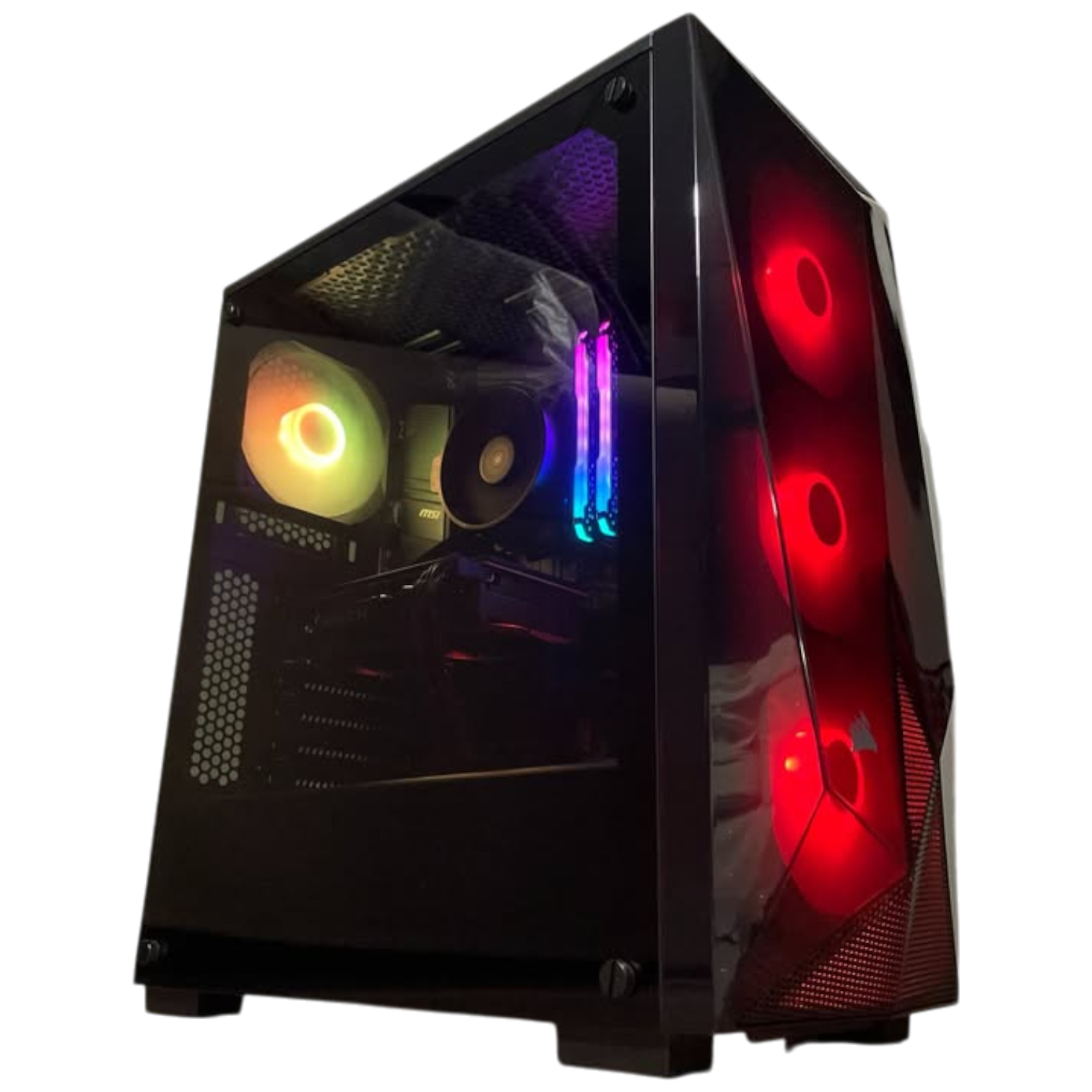
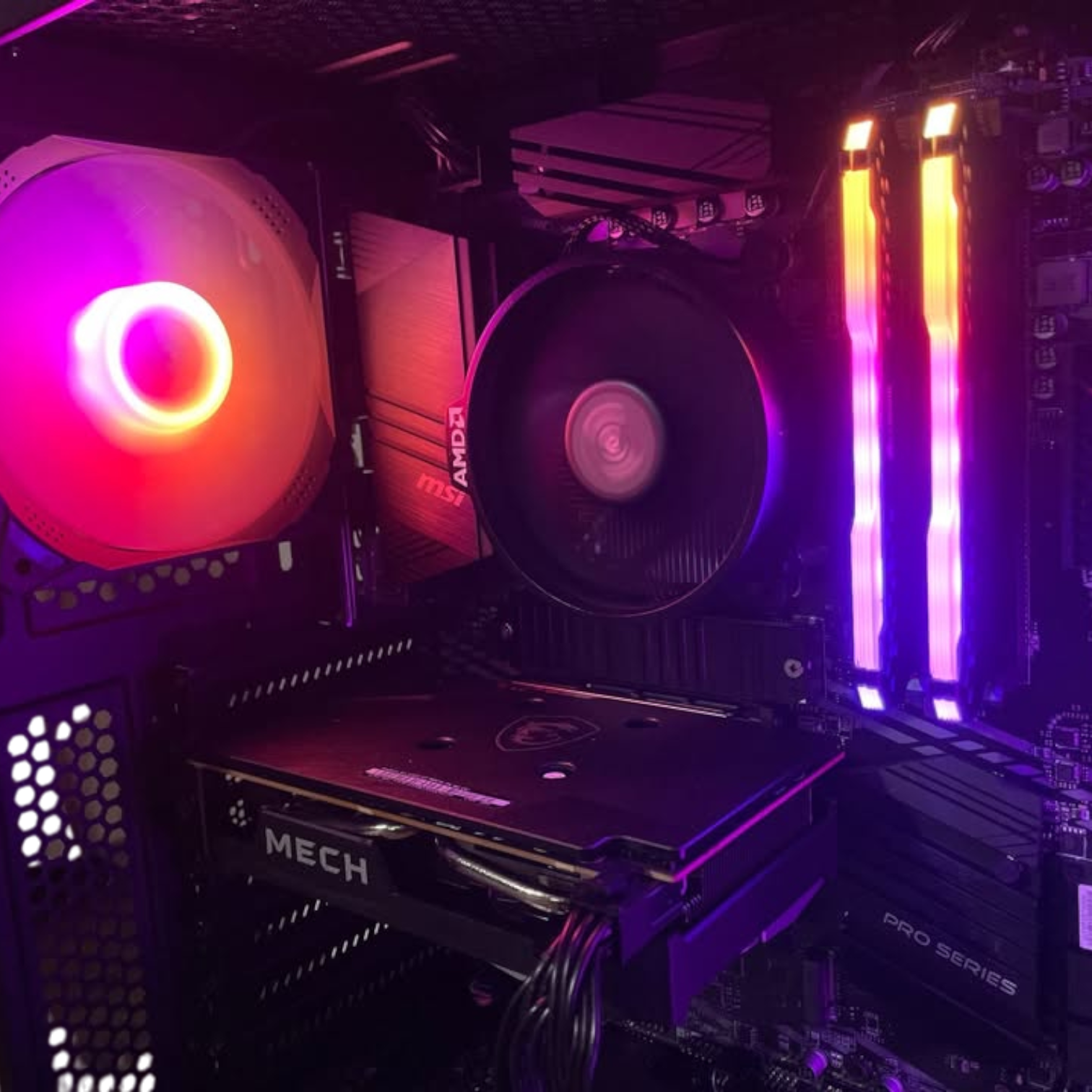
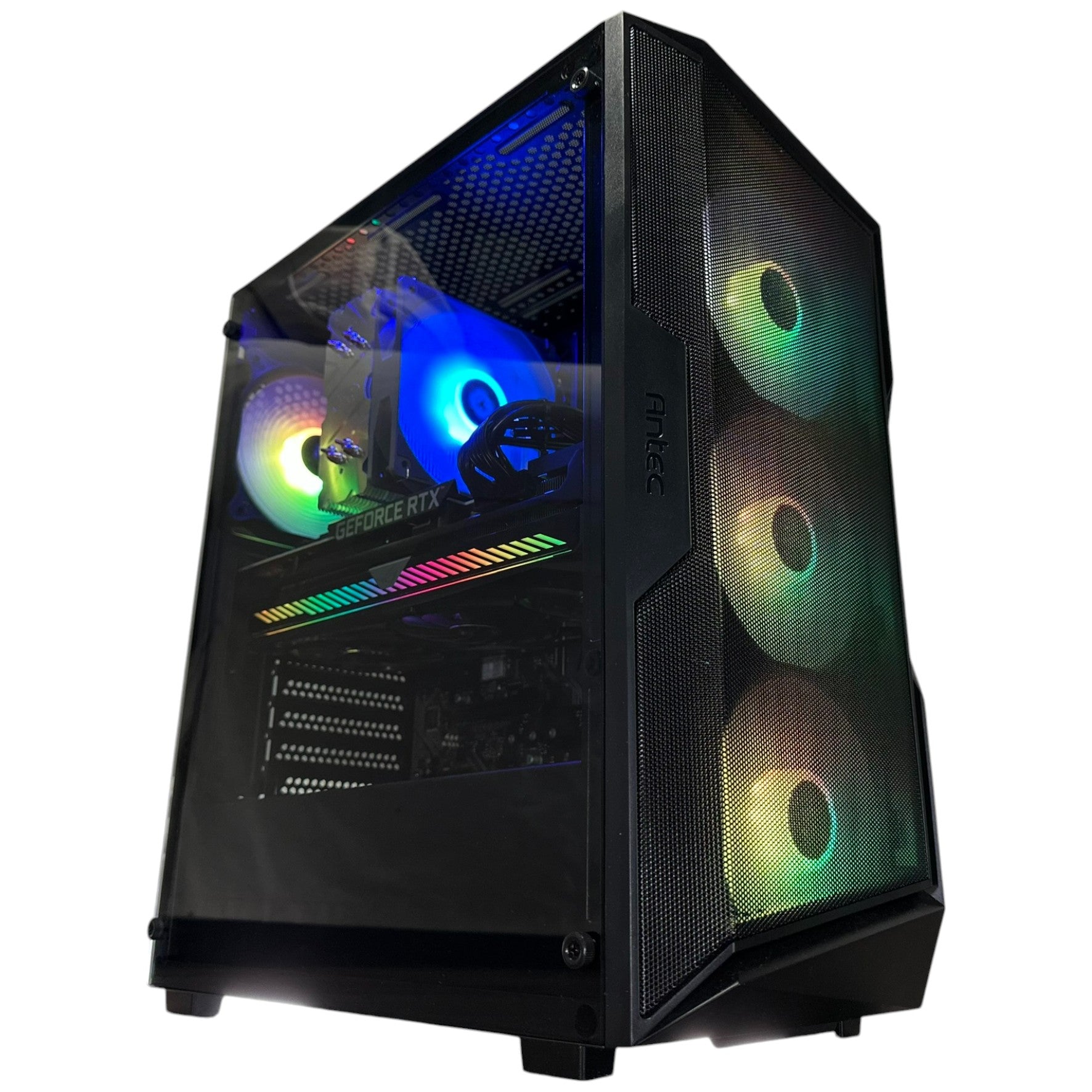
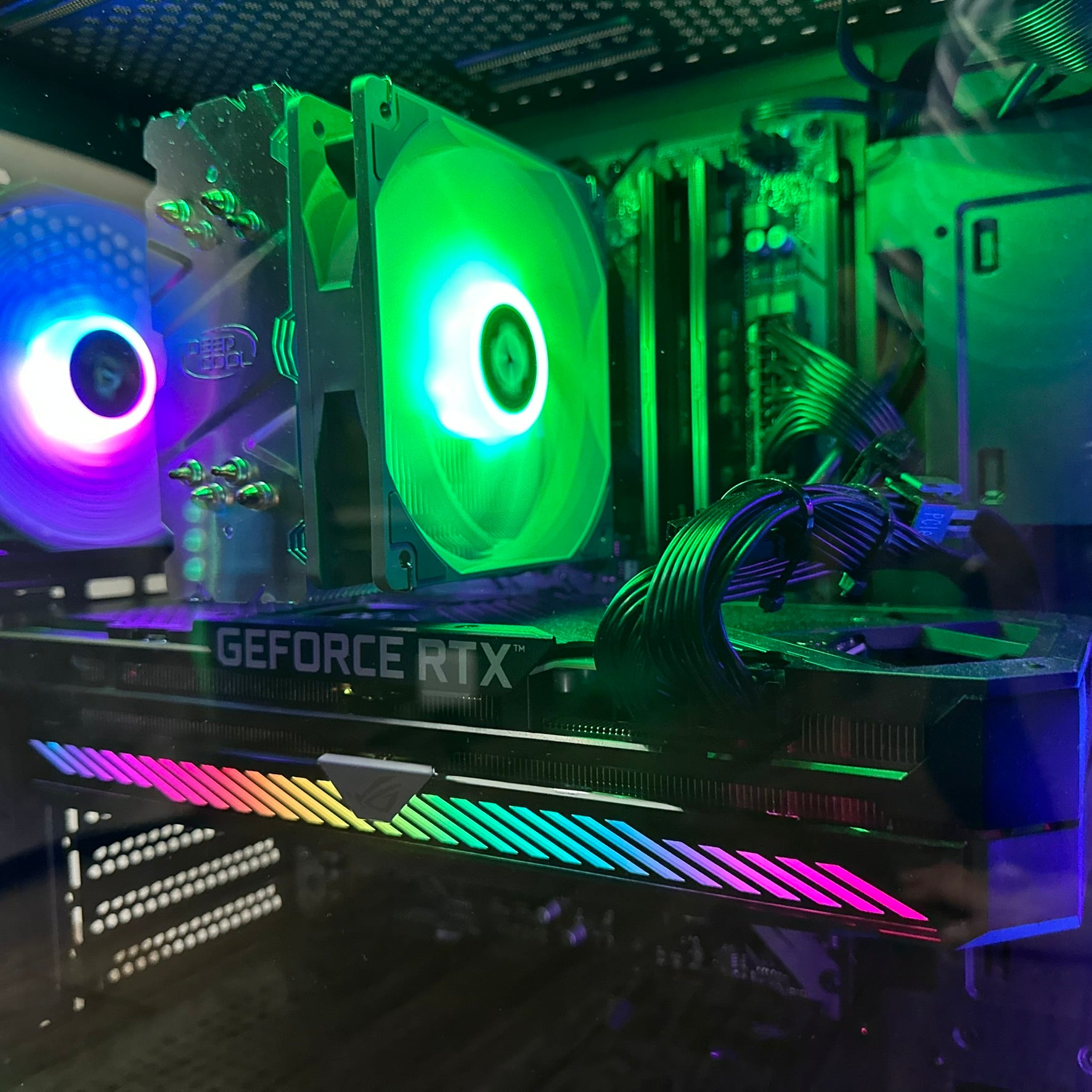
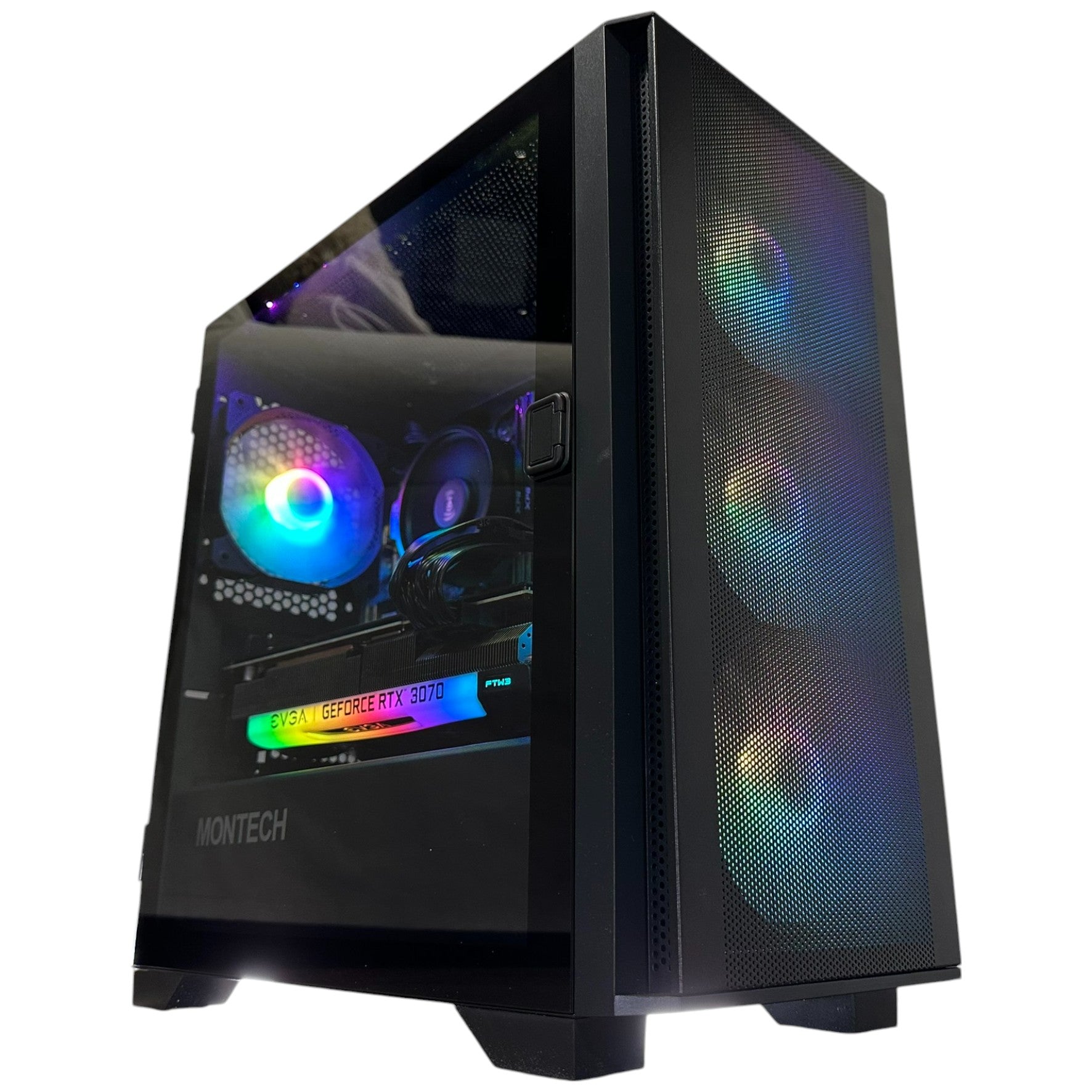
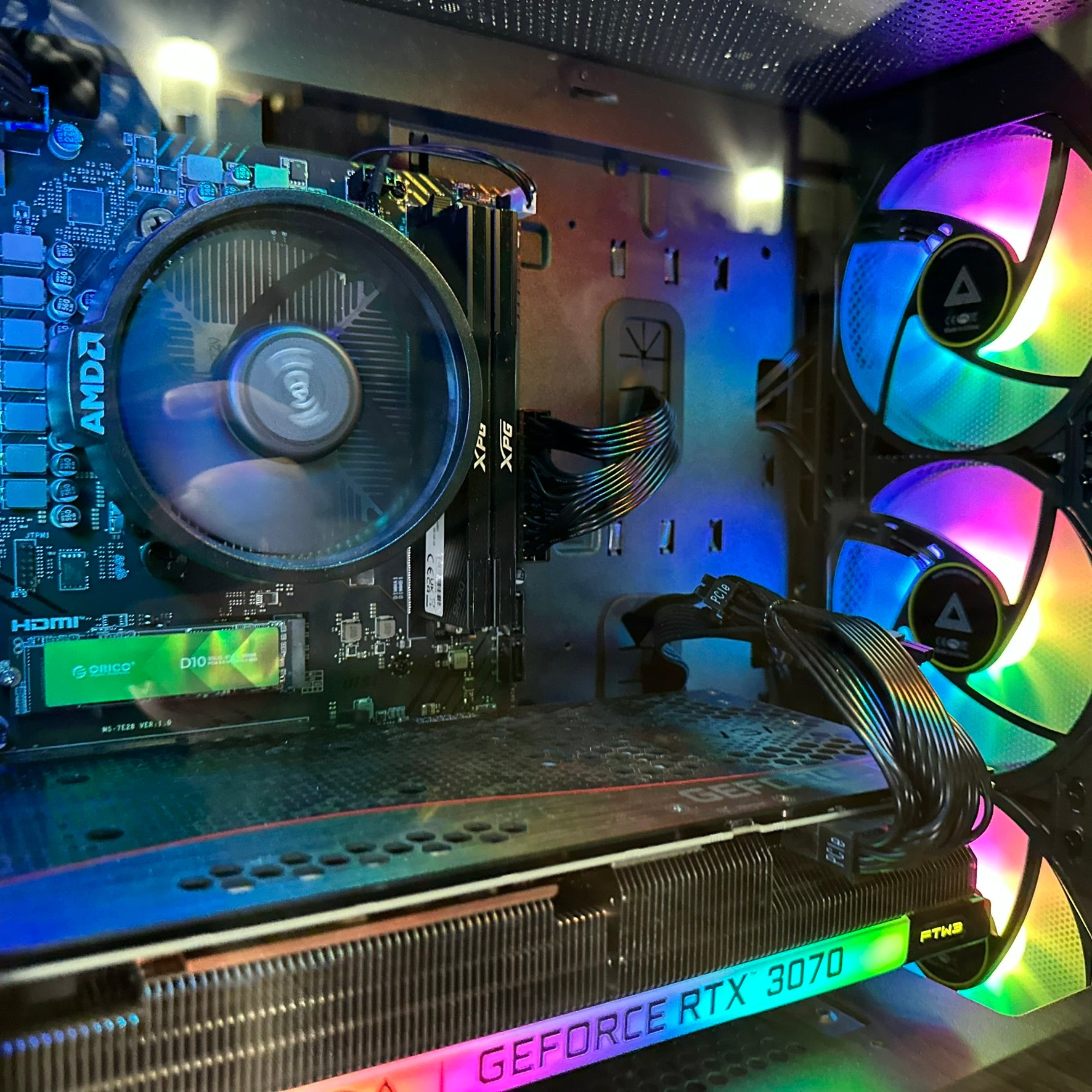
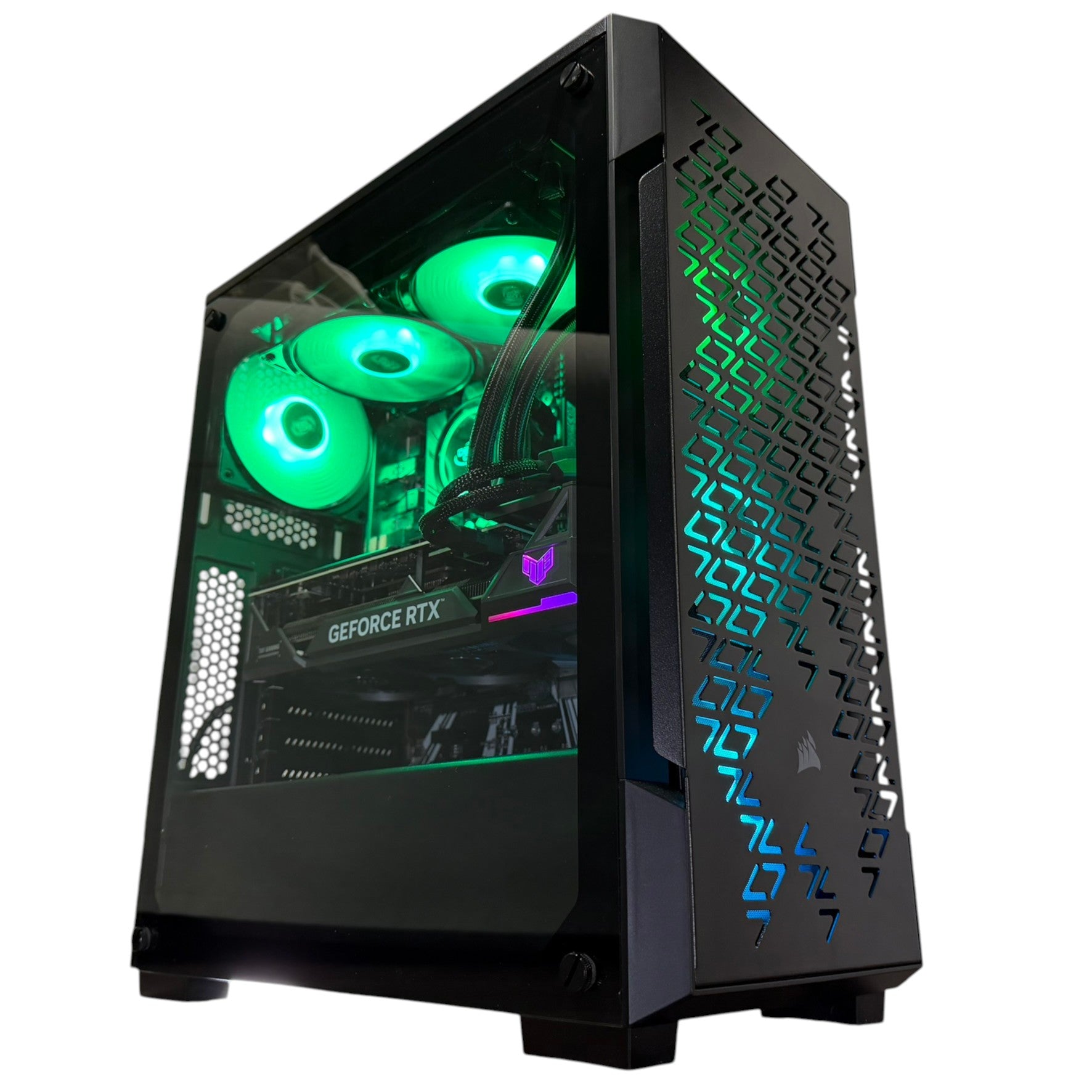
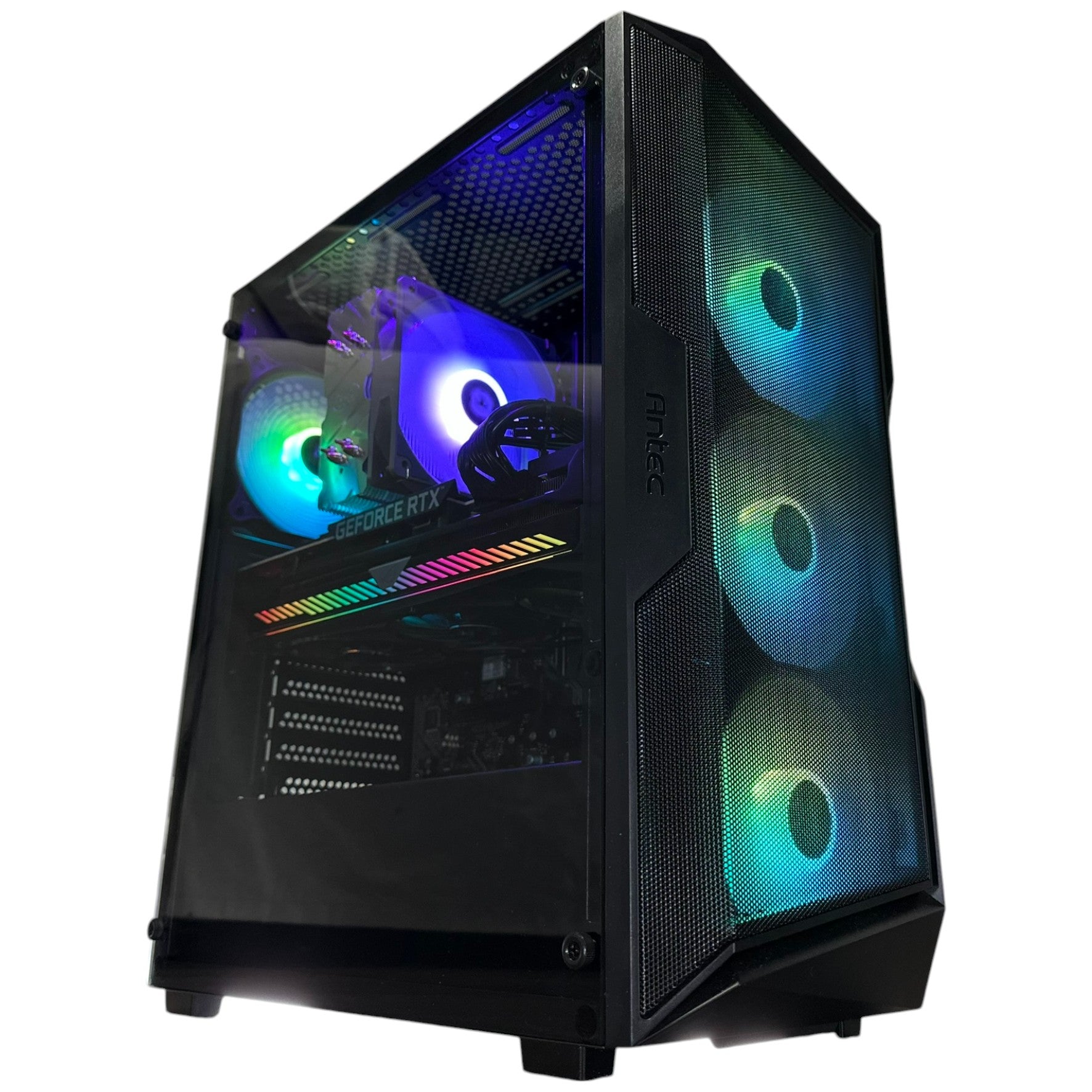
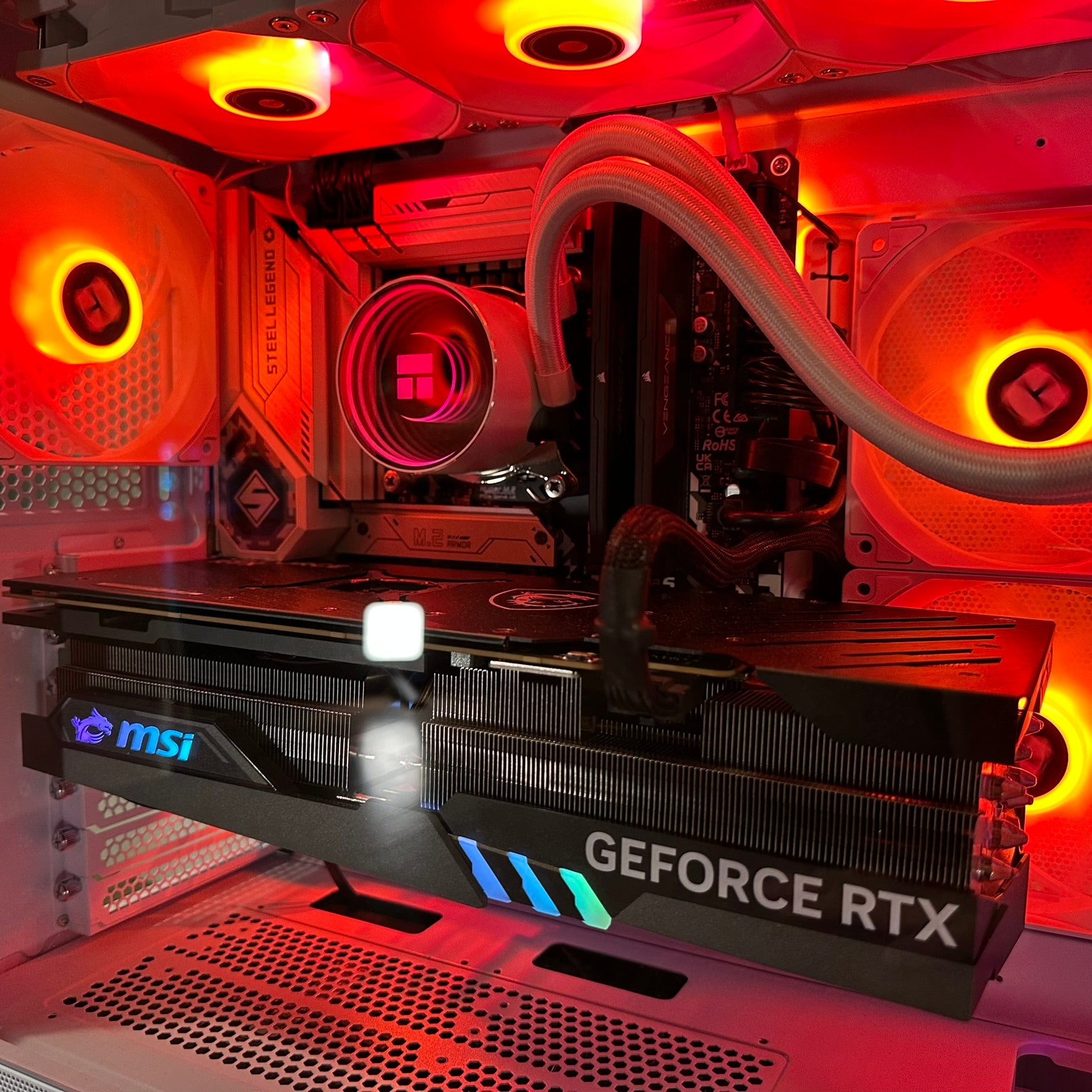
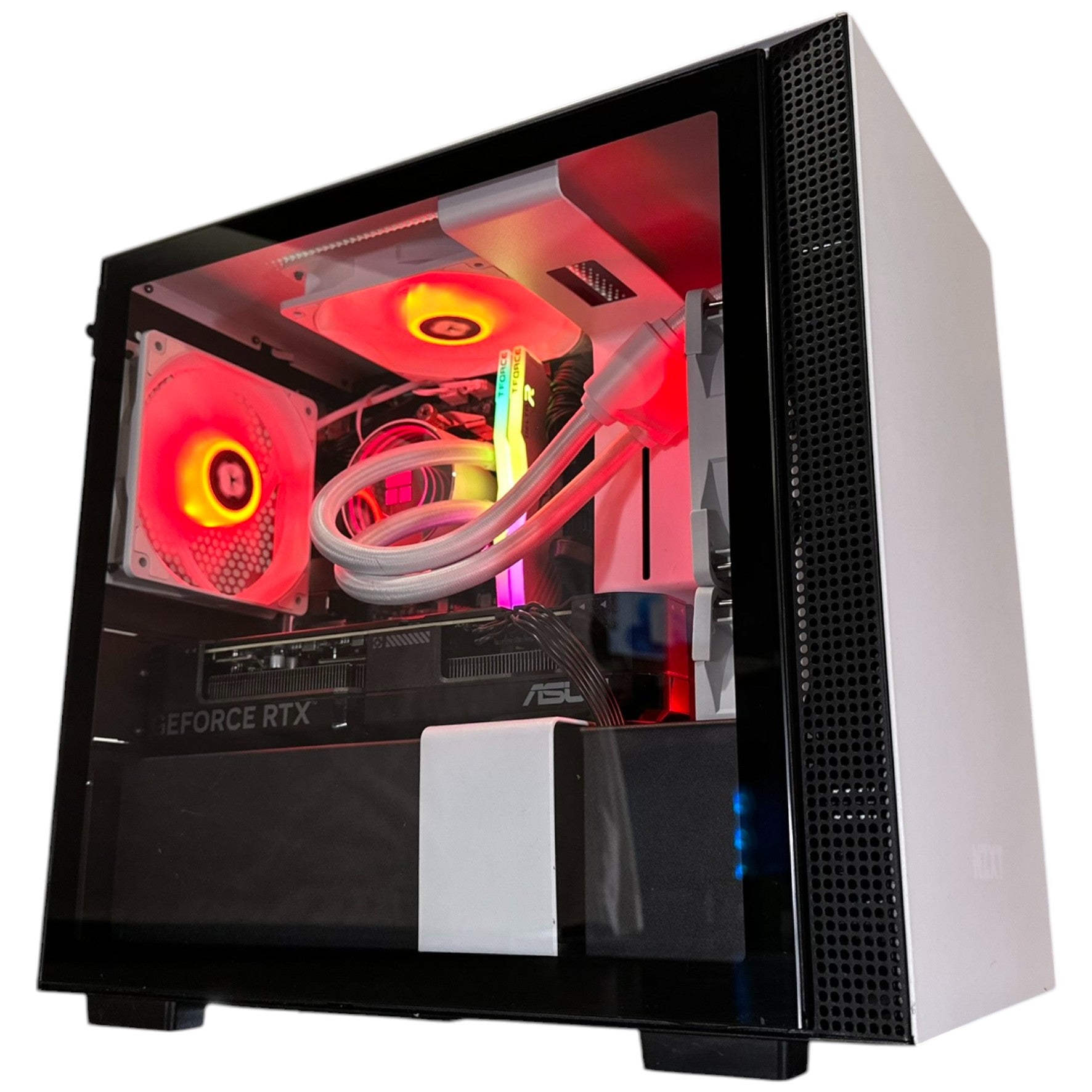
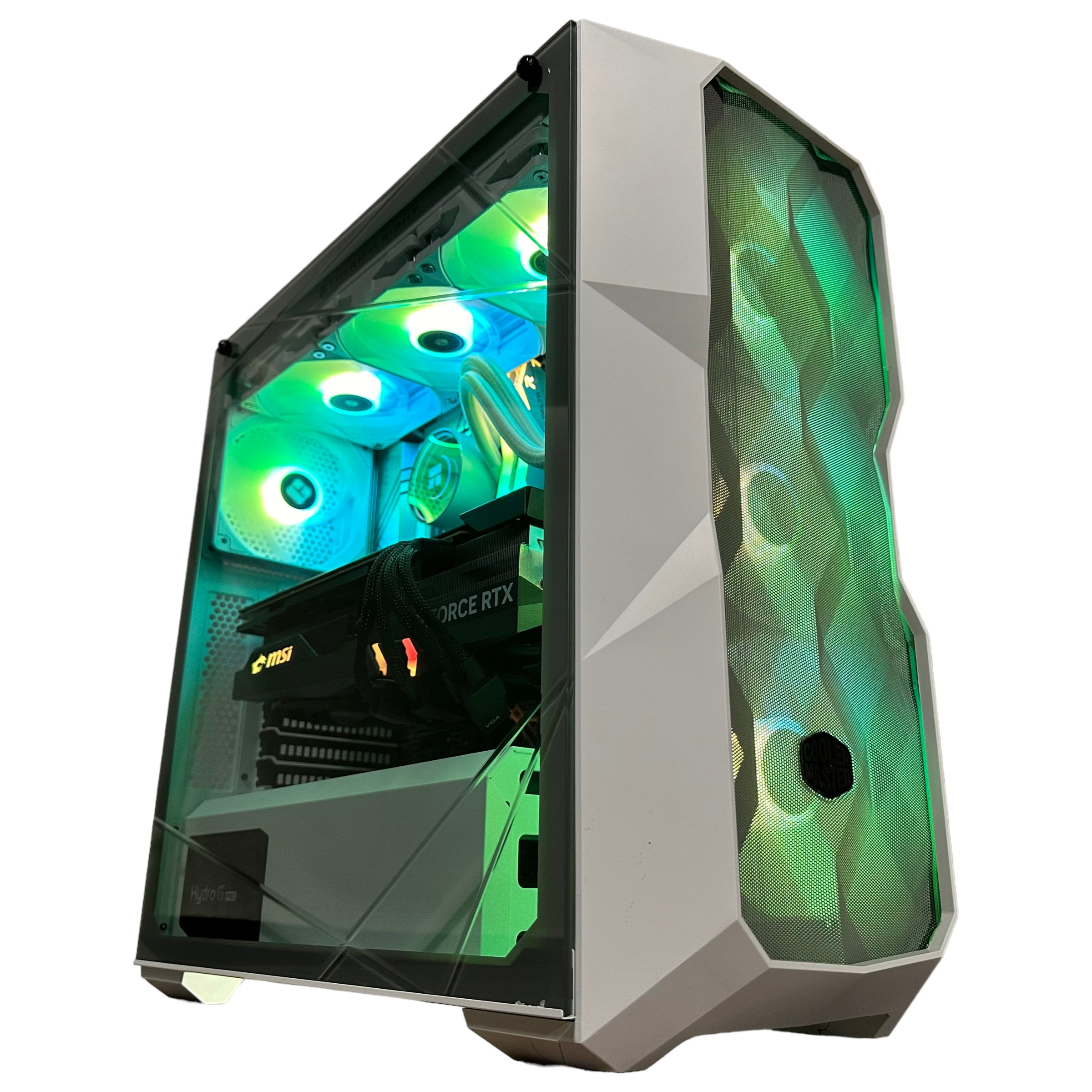
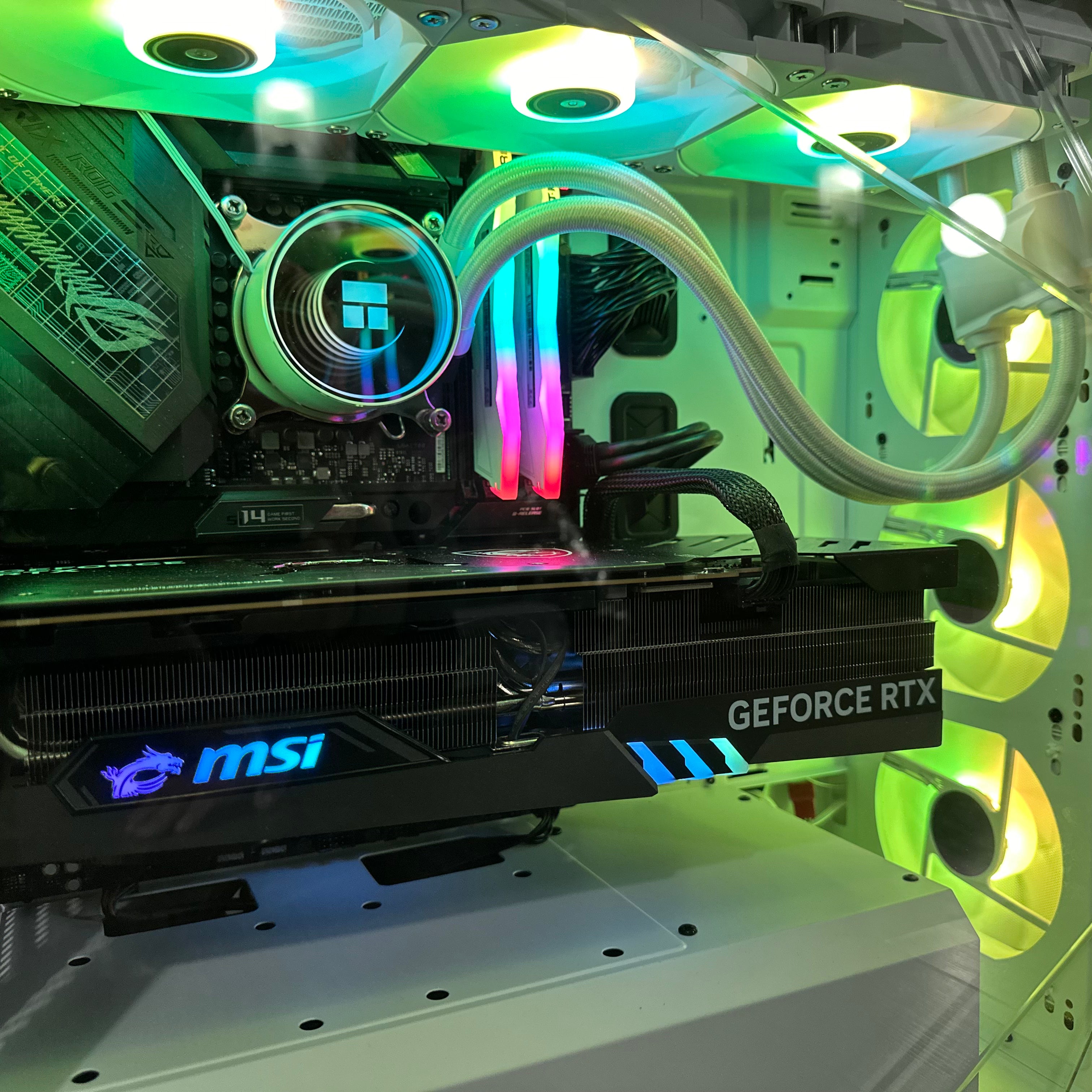
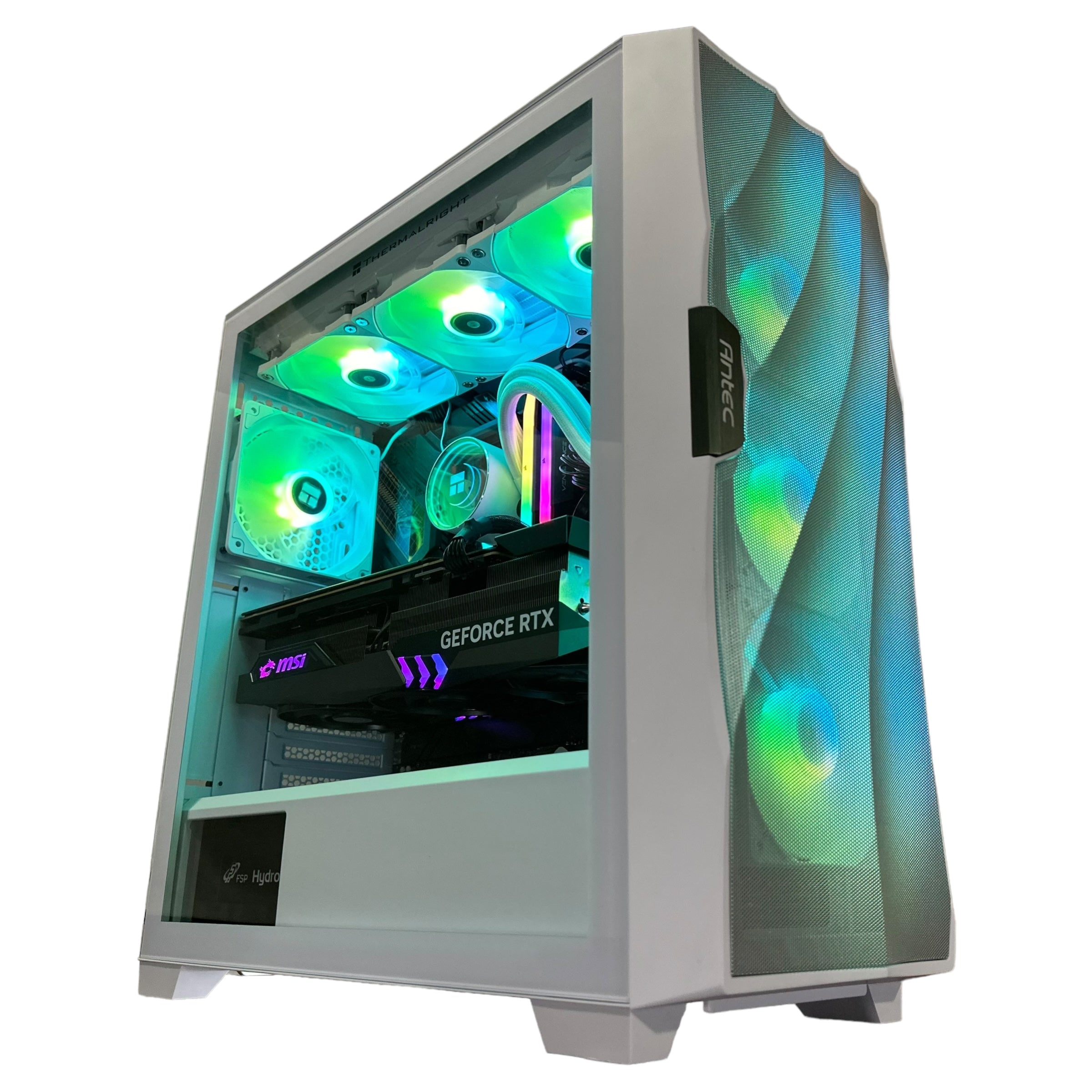
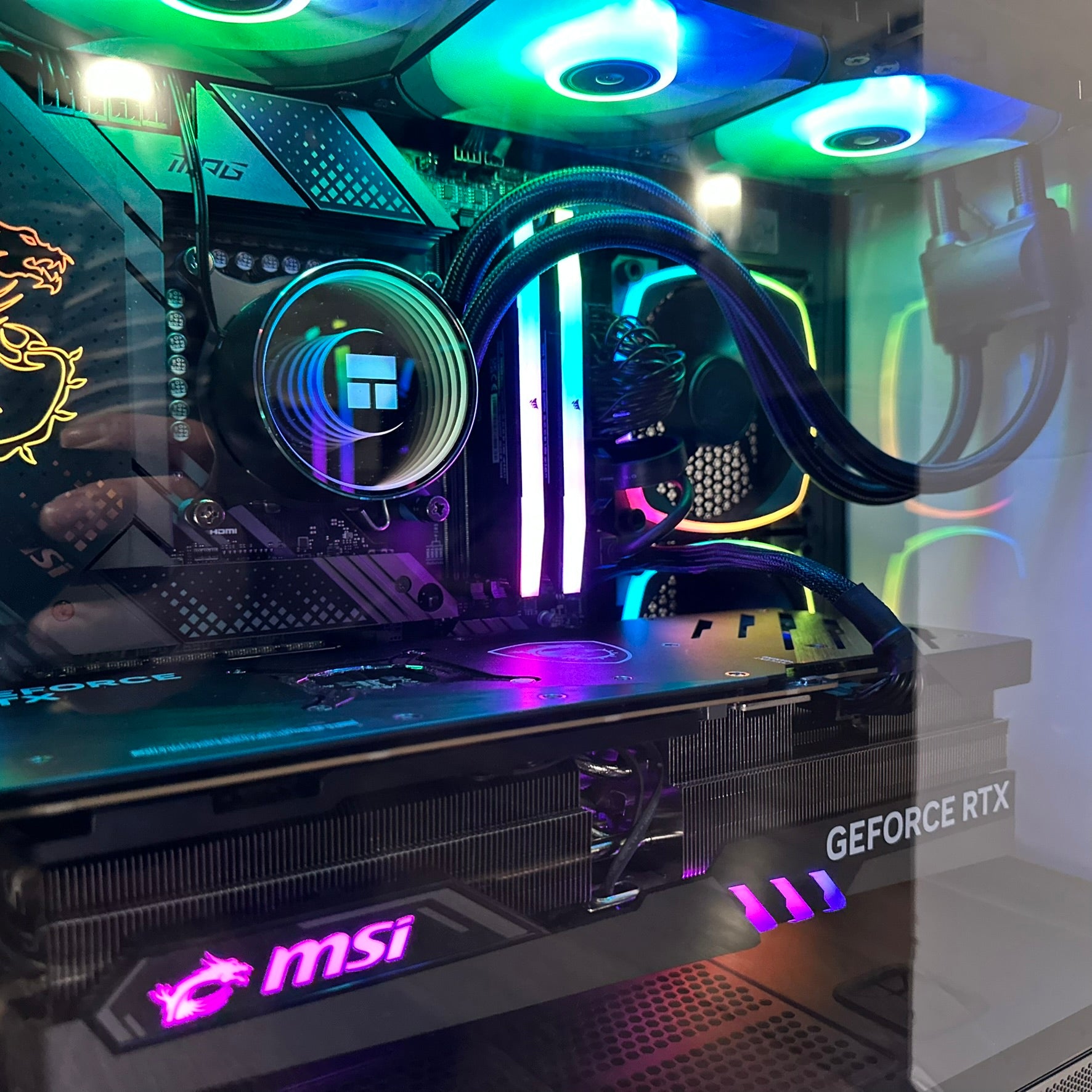
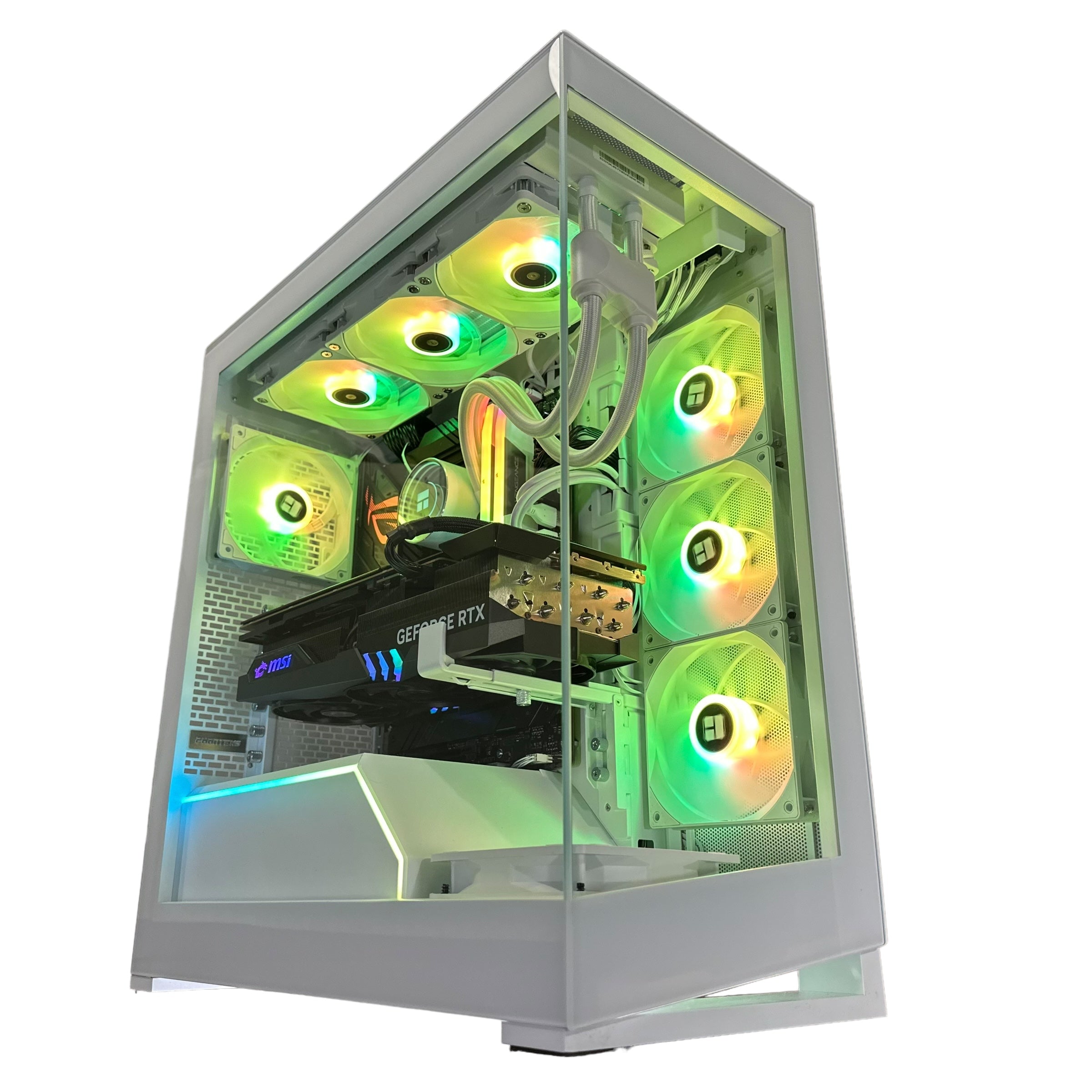
Groovy Computers is positioned for the buyer who wants more confidence from the process. Instead of guessing through endless spec sheets, you can focus on what you need the system to accomplish. Whether that means a budget gaming desktop, a premium RTX gaming PC, a custom creator system, or a heavier-duty workstation, the goal is the same: matching performance to real-world use.
For Canadian customers, that matters. You want a builder that understands local buying realities, supports custom configurations, and offers real confidence through testing and warranty coverage. Groovy Computers provides custom-built systems, rigorous testing, and a 1-year warranty, helping reduce the risk that comes with buying a powerful PC online.
Would you feel better buying a system that has been stress tested and assembled around your needs, rather than rolling the dice on a spec list that looked good in one ad?
Which Type of Buyer Should Choose Which Kind of Build?
If You Are a Budget-Conscious Gamer
Choose a balanced entry or lower-mid-range machine if your goal is 1080p gaming, lighter titles, and practical value. But be honest: if you already know you want to dive into upcoming AAA releases, pushing slightly higher now may save you from frustration later.
If You Want the Best Value for New Games
A mid-range custom gaming desktop is often the sweet spot. This tier suits gamers who want strong 1080p or 1440p performance, modern visual features, and enough longevity to avoid replacing the whole system too soon.
If You Want Premium Visuals and Long-Term Headroom
Go higher. If you care about ray tracing, 4K ambitions, heavier future game demands, and a stronger long-term platform, a premium gaming PC becomes easier to justify.
If You Stream, Edit, and Create
Do not shop like a gaming-only buyer. A proper content creation PC in Canada should account for CPU power, GPU acceleration, RAM, SSD setup, and software use. If your workflow includes OBS, Premiere Pro, DaVinci Resolve, Photoshop, or After Effects, your build should reflect that from the start.
If You Work in 3D or Heavy Productivity
Choose a workstation-focused build. If your applications include Blender, Unreal Engine, CAD software, or render-heavy tasks, a gaming-first configuration may not be enough. A 3D modeling PC in Canada or workstation build can save meaningful time on renders, previews, and multitasking.
Questions to Ask Before You Buy or Finance Your Next PC
Before you commit, slow down and ask the questions that actually matter.
- What games or software will I use most often?
- Am I targeting 1080p, 1440p, or 4K?
- Do I care about ray tracing or just raw frame rate?
- Will I stream, edit, design, or render on this machine too?
- Do I want a budget-friendly system now, or a stronger one that lasts longer?
- Would financing a better build be smarter than upgrading a weaker one later?
- Am I buying before a major release, seasonal demand spike, or possible hardware price increase?
- Do I want help from a Canadian custom builder instead of guessing alone?
Those questions usually reveal the right category very quickly.
What If You Are Not Sure What PC Specs You Need?
That is normal. Most customers are not trying to become hardware experts. They are trying to make a smart purchase. If you know the games you play, the software you use, the monitor you own, and whether you care more about budget or longevity, you already have the most important information.
From there, the right builder should help translate your goals into the right system tier. That is especially valuable when the market is noisy, hype is high, and every release seems to come with another wave of performance anxiety.
Do you really want to sort through endless conflicting advice, or would you rather work with a team that builds PCs around how you actually use them?
The Bigger Takeaway From Resident Evil’s Industry Power
The source story is really about more than one franchise. It is about what happens when gaming’s biggest names keep raising the stakes. Successful series fund more releases, stronger production values, and bigger technical expectations. That is good for players, but it also means your hardware choices matter more.
If you are planning your next upgrade around future games, creator tools, or both, this is the time to think beyond minimum specs and impulse buys. A strong custom gaming PC in Canada is not just about playing one title. It is about being ready for what the market is becoming.
Ready to Choose the Right Build for Gaming, Streaming, Editing, or Work?
What do you want your next PC to do for you: crush new AAA games, power a streaming setup, speed up video editing, handle Adobe Creative Cloud, or support heavier 3D and workstation tasks? If you want help choosing the right custom build, a better upgrade path, or a financing option that helps you buy stronger before prices change, visit GroovyComputers.ca. For Canadian buyers who want performance, testing, warranty confidence, and real custom-PC guidance, Groovy Computers is built for exactly that decision.
In a market where major franchises continue driving excitement, demand, and rising expectations, waiting too long can leave you with fewer choices and more compromise. If you already know you want smoother gaming, stronger creator performance, or a system that will not feel outdated too soon, the smartest move may be to secure the right custom gaming PC in Canada now rather than react later.
#CustomGamingPCCanada #GamingPCCanada #GamingPCBuilderCanada #CanadianCustomPCBuilders #CreatorPCCanada #ContentCreationPCCanada #VideoEditingPCCanada #3DModelingPCCanada #WorkstationPCCanada #GamingComputersCanada #NovaScotiaBusiness #BuyGamingPCOnlineCanada
Groovy Computers | All Rights Reserved


Leave a comment
This site is protected by hCaptcha and the hCaptcha Privacy Policy and Terms of Service apply.