


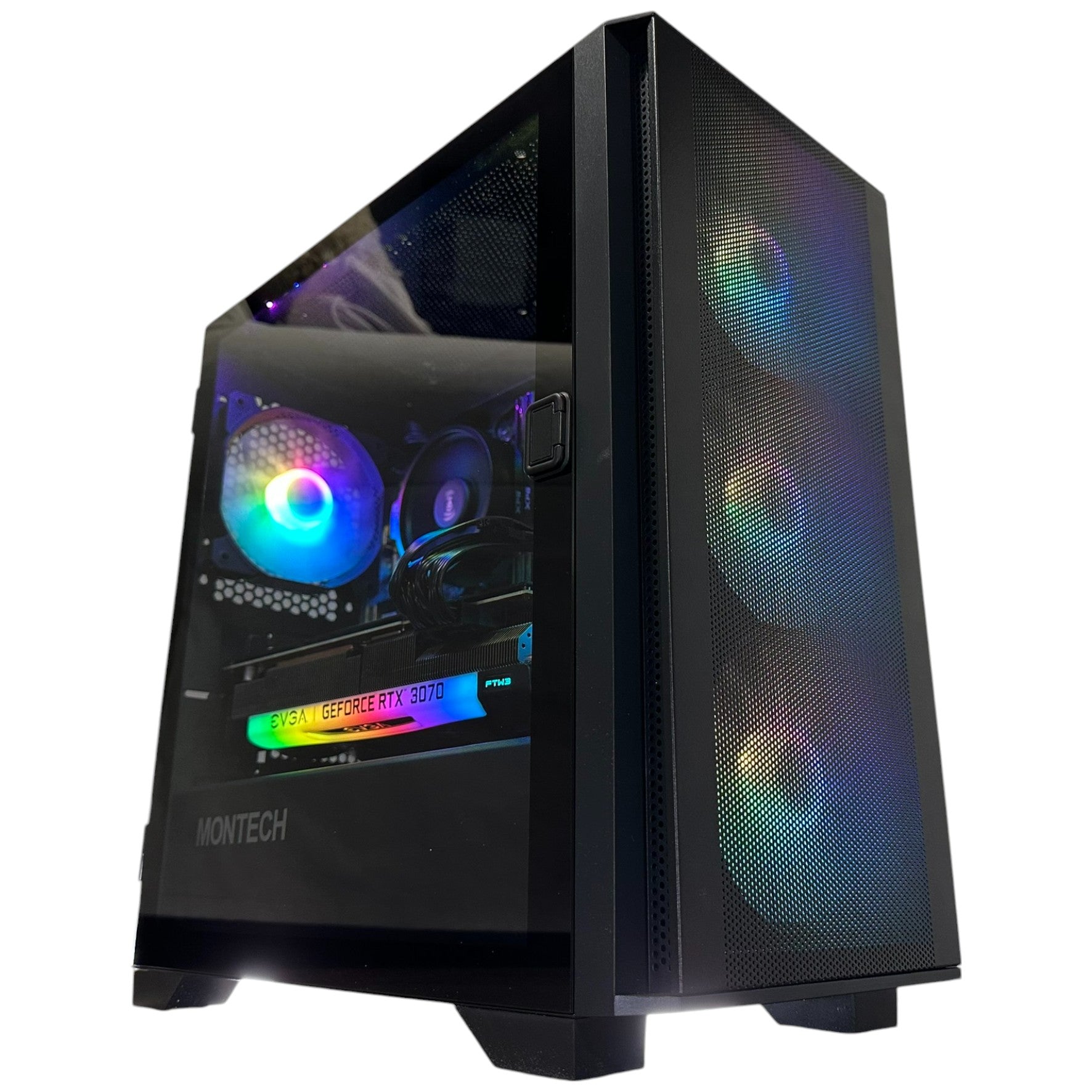
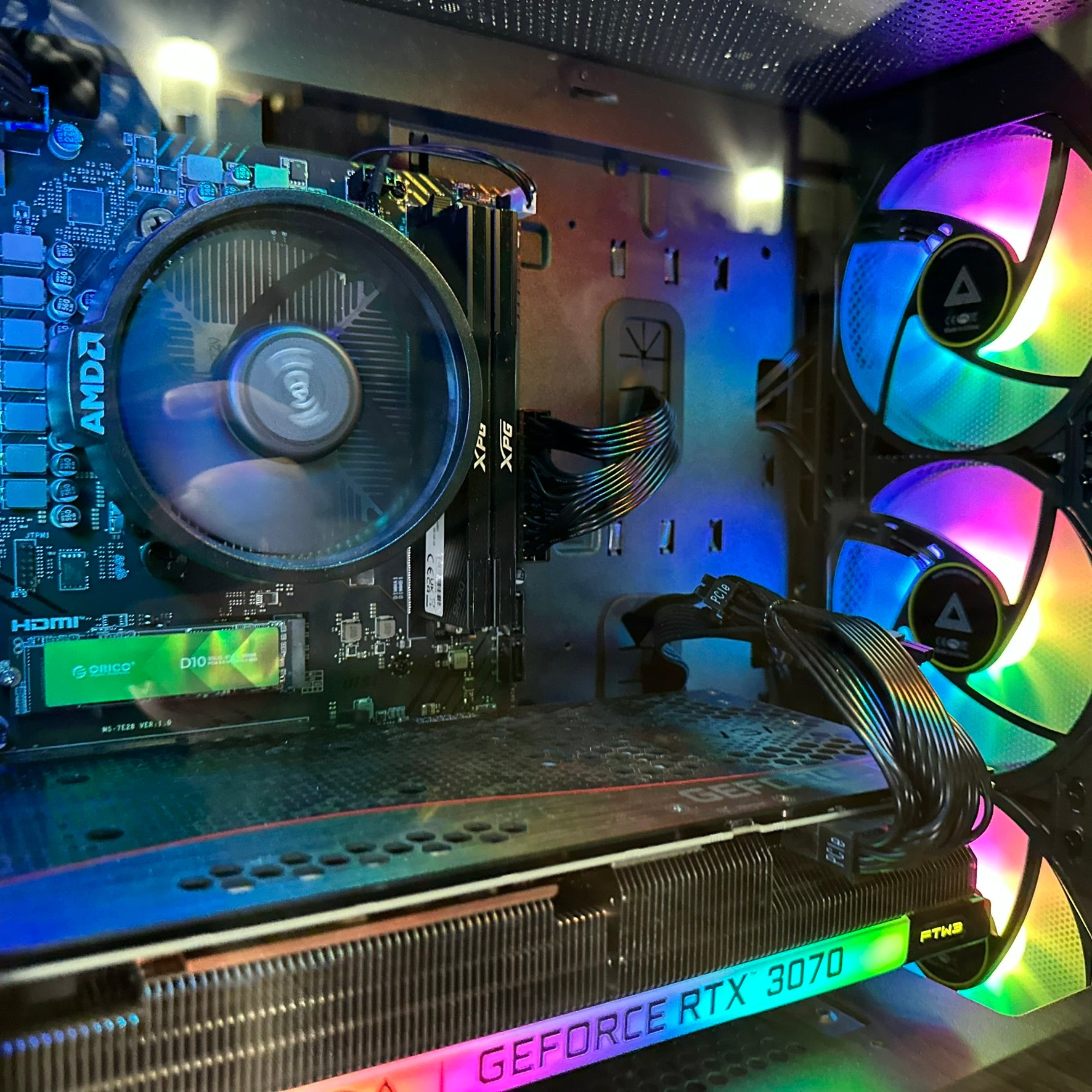
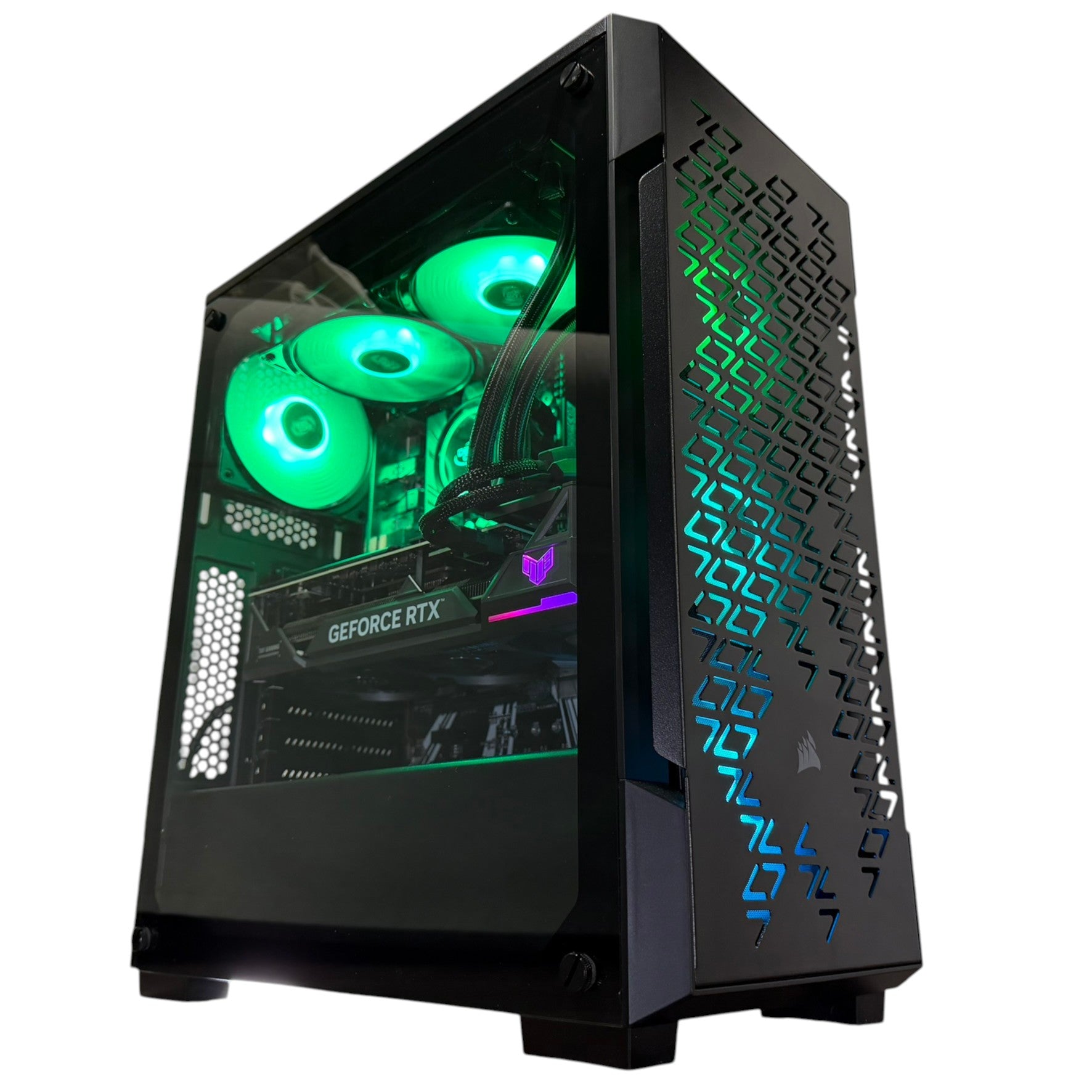

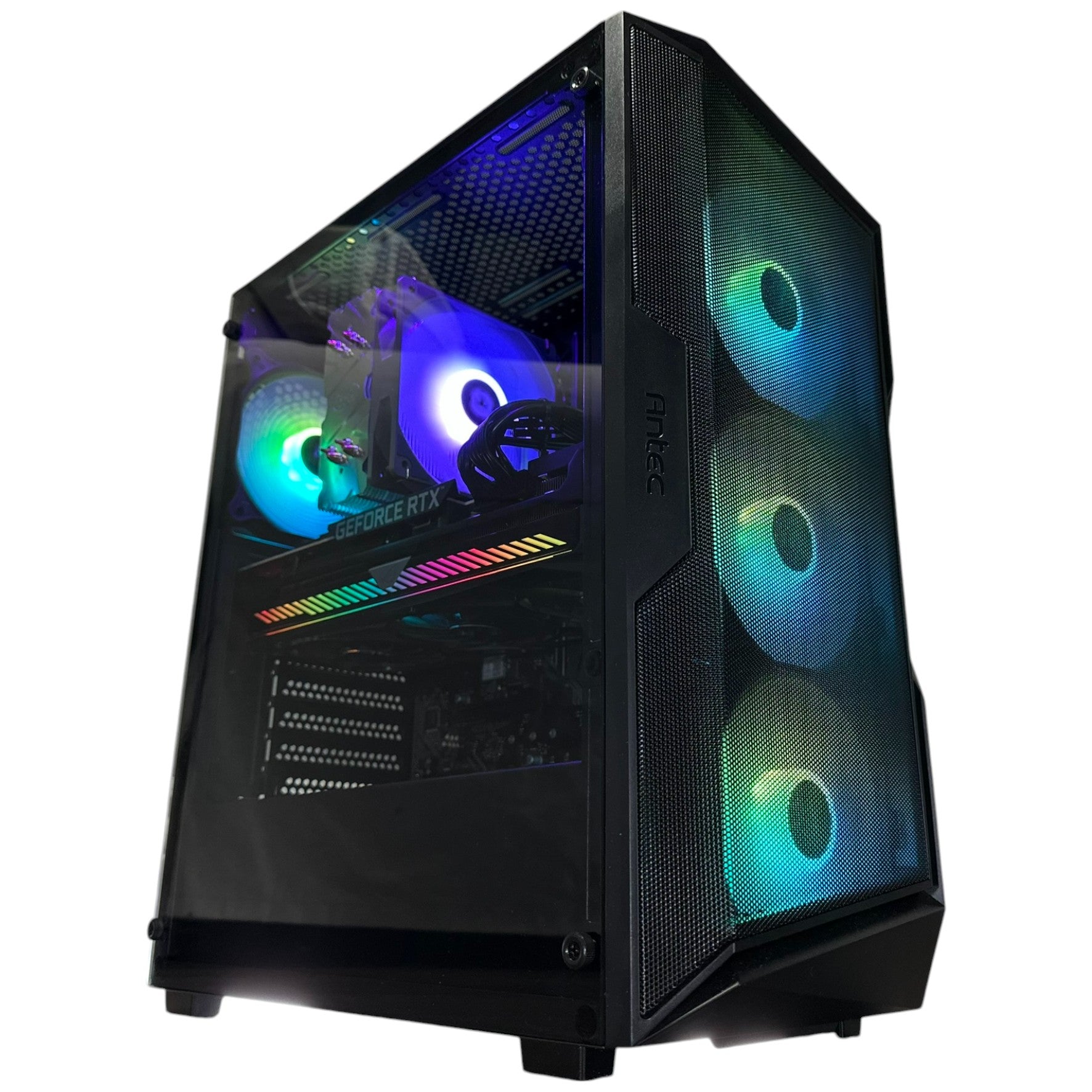

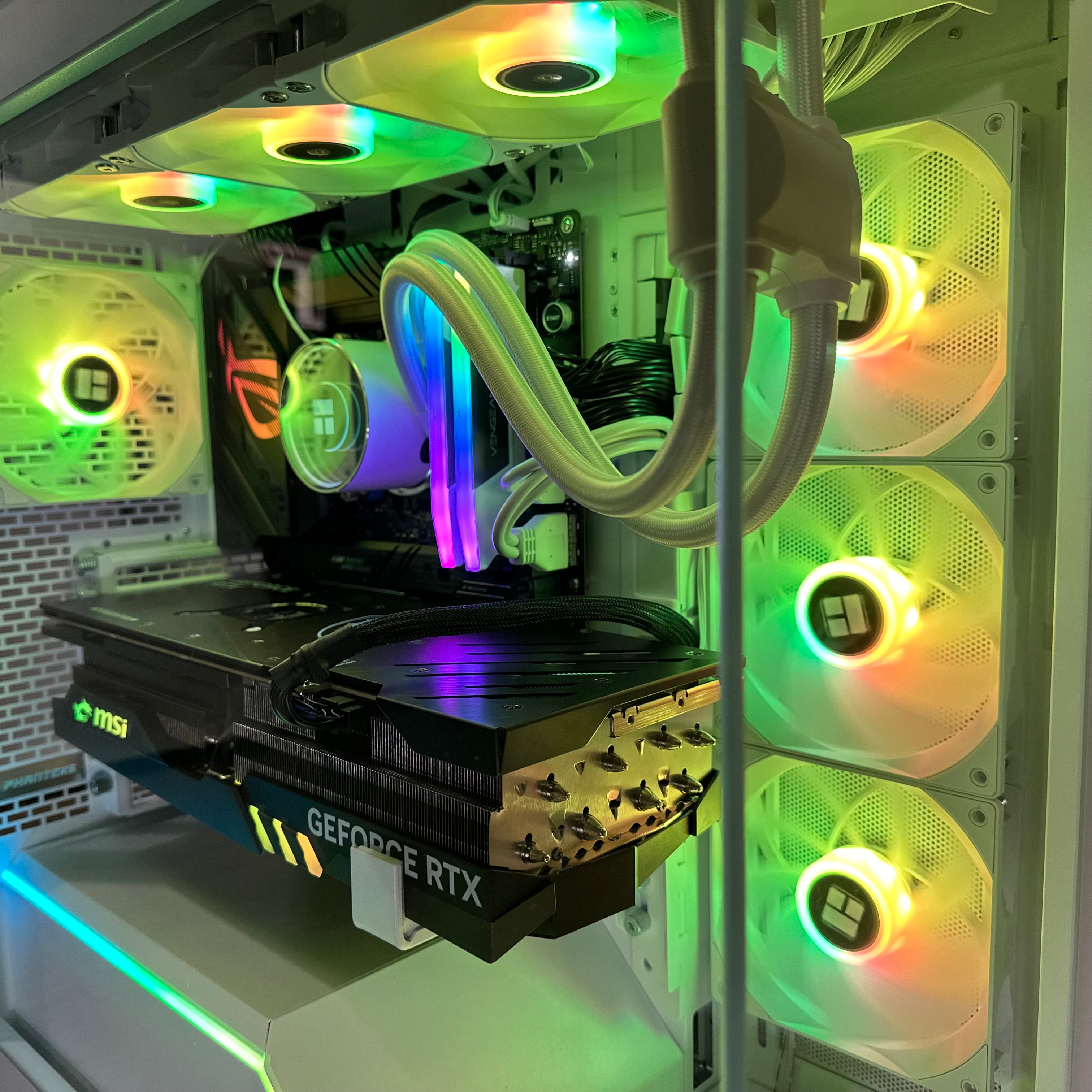
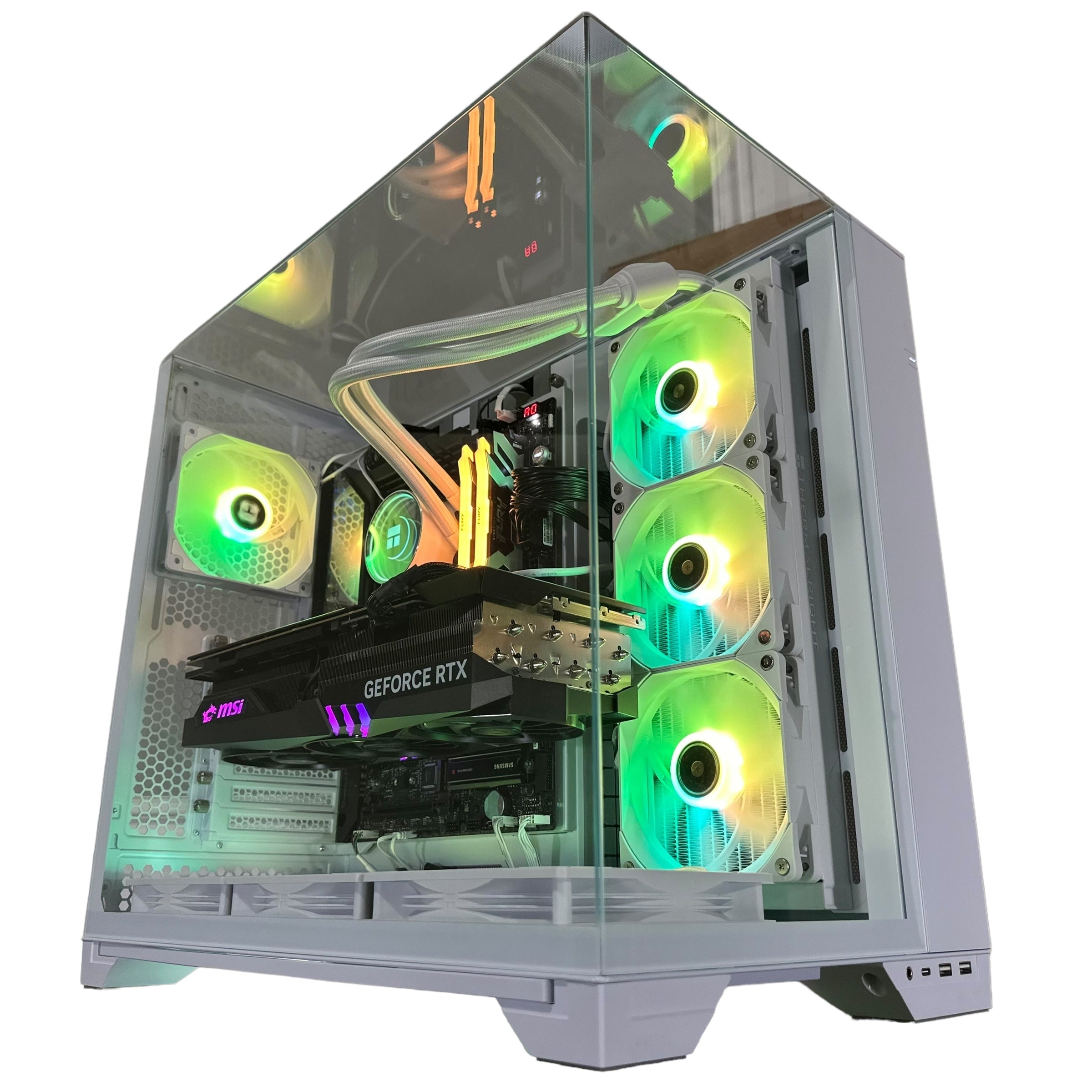
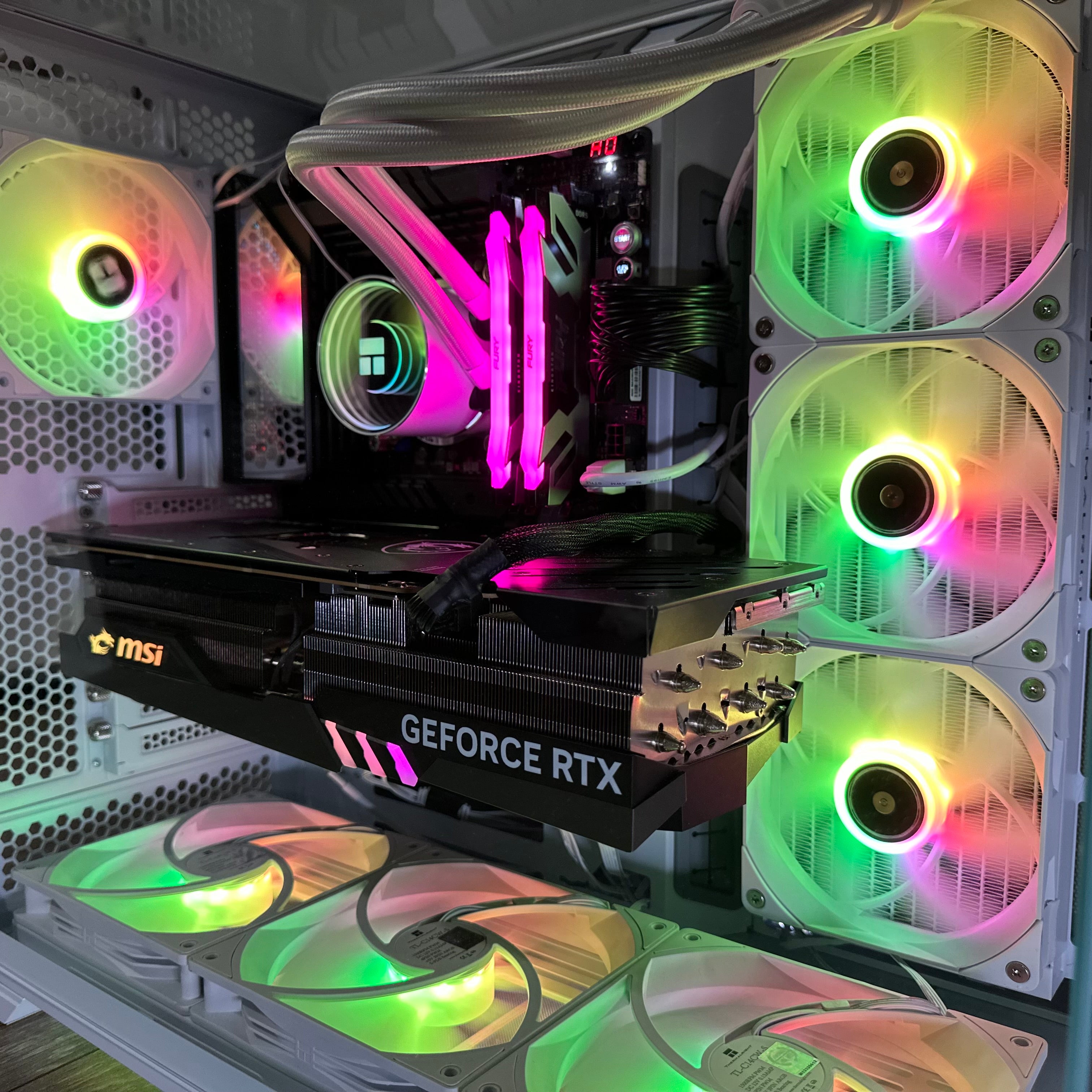

Capcom’s Digital Game Sales Surge and What It Means for Buying a Gaming PC in Canada
Capcom’s latest sales report highlights a major shift in how players buy games, with digital game sales making up the overwhelming majority of total sales. That matters far beyond the console market. For Canadian buyers, this is another strong signal that PC gaming is becoming even more central to how people play, build libraries, stream, create content, and future-proof their setup. If more players are moving toward digital ecosystems, cloud-connected platforms, downloadable expansions, and long-term game libraries, what should your next PC be ready to handle?
The source report pointed to a striking figure: more than 90% of Capcom’s game sales were digital, with PC representing a major share of that performance. Even without overcomplicating the numbers, the takeaway is simple. Modern players are increasingly comfortable buying, downloading, updating, modding, replaying, and expanding their games digitally. That trend naturally pushes more attention toward gaming desktops that can deliver smoother performance, faster storage, stronger multitasking, and better long-term upgrade flexibility.
For Groovy Computers, this is not just a gaming headline. It is a buying guide moment. If game publishers continue leaning into digital-first behaviour, then Canadian customers need to think carefully about what kind of desktop they actually need next. Are you buying for 1080p esports? Do you want 1440p high settings in new AAA games? Are you planning for 4K, ray tracing, streaming, video editing, or a mix of gaming and creator work? Are you trying to avoid buying a weaker system now only to upgrade again too soon?
What Capcom’s digital sales trend really tells PC buyers
The most important point is not simply that digital sales are winning. It is that the kind of user experience surrounding digital gaming favours strong PC hardware. Large downloads, constant patches, background launchers, mods, creator tools, OBS, Discord, browser tabs, capture software, and high-resolution textures all stack up. A modern gaming desktop is no longer just about launching one title and hoping it runs. It is about handling a full ecosystem.
That is especially relevant if you are building a library around long-running franchises like Resident Evil, competitive games, upcoming AAA releases, or multiplayer titles that receive years of updates. A system that feels fine today can start feeling cramped surprisingly quickly if you underestimated storage, VRAM needs, CPU headroom, cooling quality, or memory capacity.
So ask yourself a simple question: when you say you want a gaming PC, do you mean a machine that can play today’s games, or a machine that still feels fast and relevant after new releases, patches, higher texture packs, and heavier workloads arrive?
Why this matters differently for Canadian buyers
Canadian PC buyers often have to think more strategically than buyers in larger markets. Availability can shift, component costs can rise, shipping costs matter, and replacement timing is not always ideal. If a GPU tier tightens in supply or a new game wave increases demand, waiting can leave you with fewer strong-value choices. That is one reason custom PC buying in Canada is not only about performance. It is also about timing, value retention, and avoiding expensive second guesses.
If you live in Nova Scotia, Atlantic Canada, or anywhere else across the country, the question is not just what parts are theoretically best. The better question is this: what complete, tested system gives you the best real-world performance for your budget right now, while keeping an upgrade path open later?
That is where a Canadian custom builder becomes especially valuable. Instead of guessing based on scattered advice, you can match the build to your actual games, target resolution, creator software, and monthly budget.
What do you want your next PC to do for you?
Before choosing parts, choose your goal.
Do you want your next system to run current games at smooth frame rates without compromises? Do you want to move from console gaming into a digital PC library with better graphics options and broader game access? Do you want to stream while gaming? Edit YouTube videos? Work in Photoshop or Lightroom? Design in Illustrator? Render in Blender? Build a workstation that earns its cost back through productivity?
Many buyers start by saying they want a gaming desktop, but what they actually need may be one of several categories:
- Budget gaming system for 1080p esports and mainstream titles
- Mid-range gaming PC for 1440p gaming with stronger longevity
- Premium RTX gaming desktop for high settings, ray tracing, and demanding new releases
- Gaming and streaming system for playing, recording, and broadcasting at the same time
- Creator PC for editing, design, and multi-app workflows
- 3D modeling or rendering workstation for Blender, Unreal Engine, CAD, and heavier GPU or CPU production workloads
- Balanced hybrid build for gaming after work and productivity during the day
The right answer depends on what you expect the machine to do every week, not just on launch day.
If digital gaming keeps growing, should you buy for 1080p, 1440p, or 4K?
This is one of the most useful buying questions because it affects nearly everything else in the build.
1080p: Who is it for?
A 1080p-focused system is still a smart choice for many players, especially if your priority is value, competitive frame rates, and strong performance per dollar. If you mostly play esports titles, lighter multiplayer games, or a mix of older and current releases, a budget-friendly gaming desktop can make excellent sense.
But ask yourself: are you buying only for today’s games, or do you want enough overhead for heavier releases next year as well? A system that is excellent for 1080p now may still be the right choice, but only if the CPU, RAM, and GPU balance are chosen carefully enough to avoid a near-term upgrade cycle.
1440p: The sweet spot for many Canadian gamers?
For a large number of buyers, 1440p is where value and visual quality meet. It gives you a major image quality upgrade over 1080p while remaining more practical than a full 4K jump for many budgets. If you enjoy immersive single-player games, detailed horror titles, action games, open-world releases, or higher refresh rate gaming with stronger visual settings, this tier is often the smartest long-term target.
If you are reading about publishers posting huge digital numbers and you know your library will keep growing, 1440p is often where a better system pays off over time. It gives more room for new releases, stronger image quality, and a better overall premium feel without jumping immediately to top-tier pricing.
4K and ray tracing: Is that your real goal?
Some buyers say they want the best, but what they really want is consistency. If you truly want 4K gaming, ray tracing, ultra settings, and headroom for future AAA titles, then you should buy accordingly. This is where premium GPU tiers, stronger cooling, better power delivery, and balanced CPU pairing matter more. A high-end gaming PC is not just about bragging rights. It is about avoiding disappointment when your visual target is demanding.
So what PC do you need for 4K gaming? The honest answer is that you need to commit to a higher performance tier across the whole build, not just one expensive graphics card dropped into a weak platform.
Are you only gaming, or are you also streaming and creating?
This is where many purchasing mistakes happen. A customer buys a system sized only for gaming, then starts streaming, editing clips, recording gameplay, or working with creator software a few months later. Suddenly the machine feels tighter than expected.
If you plan to use OBS, capture gameplay, upload to YouTube, manage multiple displays, run browser tabs, use Discord, and edit footage, then a gaming and streaming PC makes far more sense than a gaming-only build. The same goes for creators who need strong export times and stable multitasking.
Ask yourself:
- Will you stream to Twitch, YouTube, or another platform?
- Do you want smooth gameplay while recording at the same time?
- Will you edit clips for short-form content?
- Do you want one system that handles gaming, streaming, and editing together?
If the answer is yes, it is worth stepping into a stronger CPU class, healthy RAM capacity, fast SSD storage, and a GPU tier that supports modern creator workflows well.
What if you also need a creator PC for video editing, photo editing, or design?
The growth of digital gaming connects naturally with the growth of creator workloads. More digital game ownership means more clips, more screenshots, more mods, more streams, more thumbnails, more edited highlights, and more creator-side production. That is why so many buyers today are not choosing between a gaming PC and a creator system. They need both in one machine.
Video editing
If you work in Adobe Premiere Pro, DaVinci Resolve, After Effects, or similar tools, then timeline responsiveness, export performance, storage speed, and RAM headroom matter as much as raw gaming ability. What PC do you need for video editing? That depends on whether you cut 1080p content casually or handle regular 4K workflows with effects, colour work, and layered projects.
A true creator-focused build should be selected around your editing workload, not just around game benchmarks. If you are working on client videos, YouTube uploads, reels, or long-form production, every saved minute in rendering and exporting becomes part of the value equation.
Photo editing and graphic design
Photographers and designers often underestimate how much smoother their workflow becomes with a properly matched desktop. Lightroom catalog work, RAW image handling, Photoshop layering, Illustrator assets, Canva-heavy multitasking, and multi-monitor design setups all benefit from strong CPUs, enough RAM, and fast primary storage.
What PC do you need for photo editing or graphic design? If your work is growing, if file sizes are growing, or if AI-powered creative tools are becoming part of your process, your desktop should be chosen to support that shift now, not after performance starts slowing you down.
3D modeling, rendering, and workstation use
If your digital life extends beyond gaming into Blender, Unreal Engine, CAD, animation, product rendering, or architectural visualization, then you are likely in workstation territory. At that point, it is not only about playing games well. It is about building a machine that can work hard for hours under load, stay stable, and save time consistently.
What PC do you need for Blender or 3D rendering? The answer depends on whether your workload leans GPU-heavy, CPU-heavy, or both. This is exactly why custom consultation matters. Workstation buyers often lose money not by overspending, but by buying the wrong kind of performance.
How pricing pressure changes the decision
When gaming headlines point toward continued digital growth, they indirectly reinforce hardware demand too. More PC adoption, more new game releases, more creator activity, and more software complexity can all contribute to pricing pressure over time. GPUs, DDR memory, SSDs, and even full-system costs can become less forgiving when demand rises or supply shifts.
That means waiting is not always the “safe” move people assume it is. Sometimes waiting helps. Other times it means paying more later for the same level of performance, or settling for weaker value when stock and pricing move in the wrong direction.
So ask yourself: are you waiting because you have a clear reason, or are you waiting by default while your current system falls further behind what you actually want to do?
Should you finance a stronger system before costs rise?
This is one of the most practical questions in the entire buying process. If your current desktop is underpowered, unreliable, too noisy, low on storage, or not keeping up with the games and software you use, financing can be the smarter move compared with buying the cheapest possible replacement.
Why? Because a stronger system can last longer, perform better across more workloads, and reduce the risk that you will need another expensive upgrade sooner than expected. If financing lets you move from “barely enough” to “comfortably right,” that can be a better long-term value decision.
Would a monthly payment help you secure the build you actually need for gaming, streaming, editing, or workstation tasks instead of settling for a lower tier that feels outdated too quickly? For many buyers, the answer is yes, especially when custom PC financing can extend up to 4 years.
Which performance tier fits you best?
If you are unsure where you fit, use this practical breakdown.
Entry-level and budget-focused buyers
This tier makes sense if you mainly play esports titles, older AAA games, indie releases, and mainstream online games at 1080p. It is also ideal for first-time gaming desktop buyers, students, or customers replacing very old hardware without overspending.
Choose this tier if your main question is: how much should I spend on a gaming PC if I want strong value and solid day-to-day play?
Mid-range buyers who want longevity
This is the sweet spot for many customers. If you want a system that handles modern games at 1440p more comfortably, supports multitasking better, and gives more breathing room for upcoming releases, this is often the right category. It is especially attractive for customers who want a custom gaming PC in Canada that will stay satisfying for longer without pushing into extreme pricing.
Choose this tier if your question is: what gaming PC do I need if I want to avoid upgrading again too soon?
High-end and enthusiast buyers
If you care about 4K, ray tracing, premium settings, large digital libraries, big open-world releases, streaming overhead, and stronger future-proofing, then high-end is where you should be looking. This tier is also ideal for hybrid users who game heavily and create content seriously.
Choose this tier if your question is: what PC do I need for ultra settings, demanding new games, and stronger long-term confidence?
Creator and workstation buyers
If your PC helps generate income or serious output, then performance should be tied to productivity, not just entertainment. Faster exports, smoother previews, better multitasking, and reliable all-day operation all matter. The right custom creator PC or workstation can pay for itself through time saved and frustration avoided.
Choose this tier if your question is: what do I need for editing, design, rendering, and professional use without compromising stability?
Questions to ask before buying your next desktop
Before you choose a system, ask these questions honestly:
- What games am I playing most, and what upcoming titles do I care about?
- Do I want 1080p, 1440p, or 4K performance?
- Do I care about ray tracing, high refresh rates, or ultra settings?
- Will I stream, record, or edit content on this same machine?
- Do I also use Photoshop, Lightroom, Premiere Pro, DaVinci Resolve, Illustrator, Blender, or CAD software?
- How much storage will I actually need once digital game installs start piling up?
- Would I rather buy once properly than upgrade too soon?
- Am I shopping before a major game release, sale period, software upgrade, or possible price increase?
- Would financing help me get the right build now instead of compromising?
These questions lead to better buying decisions than focusing only on one part number or one sale headline.
Why custom builds matter more in a digital-first gaming era
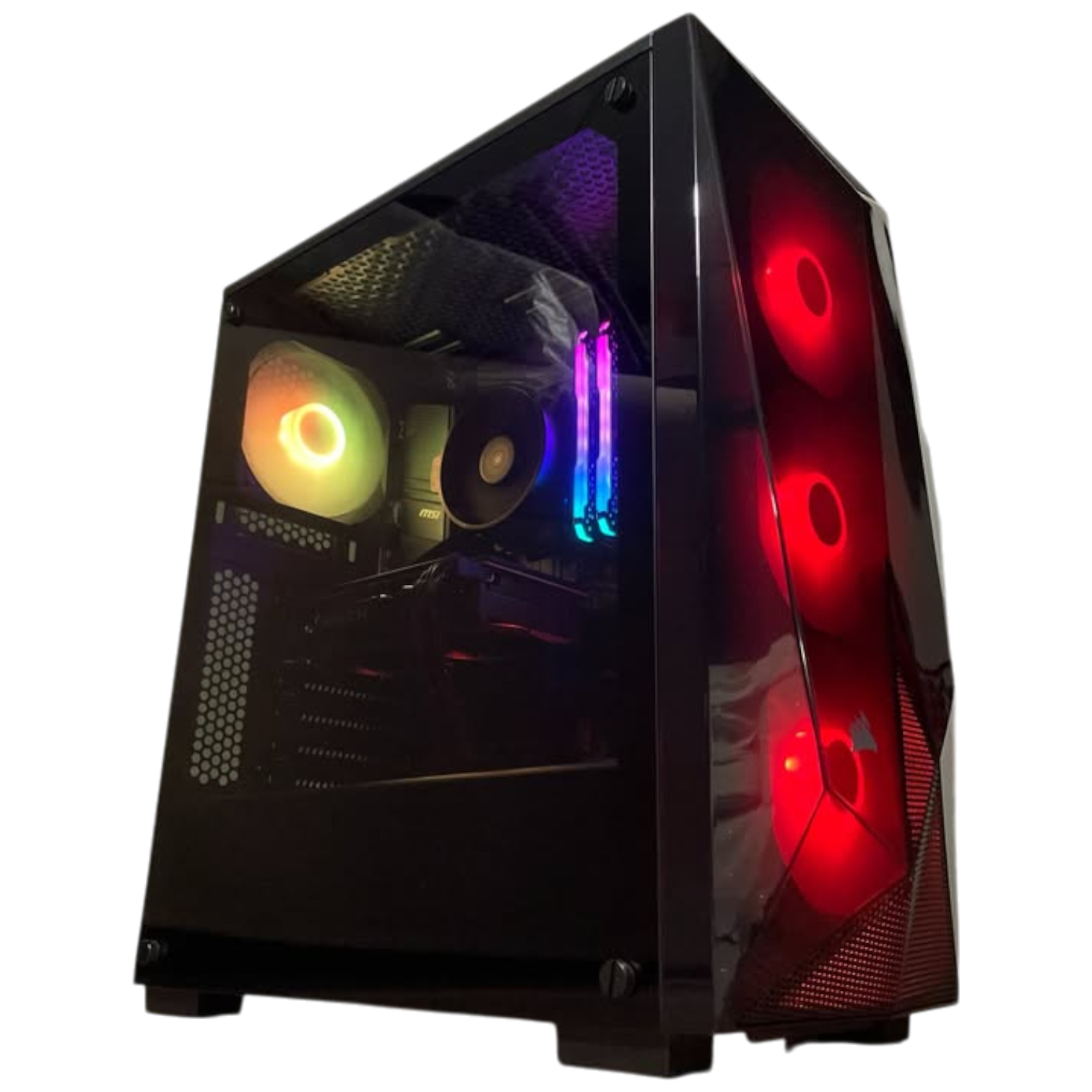
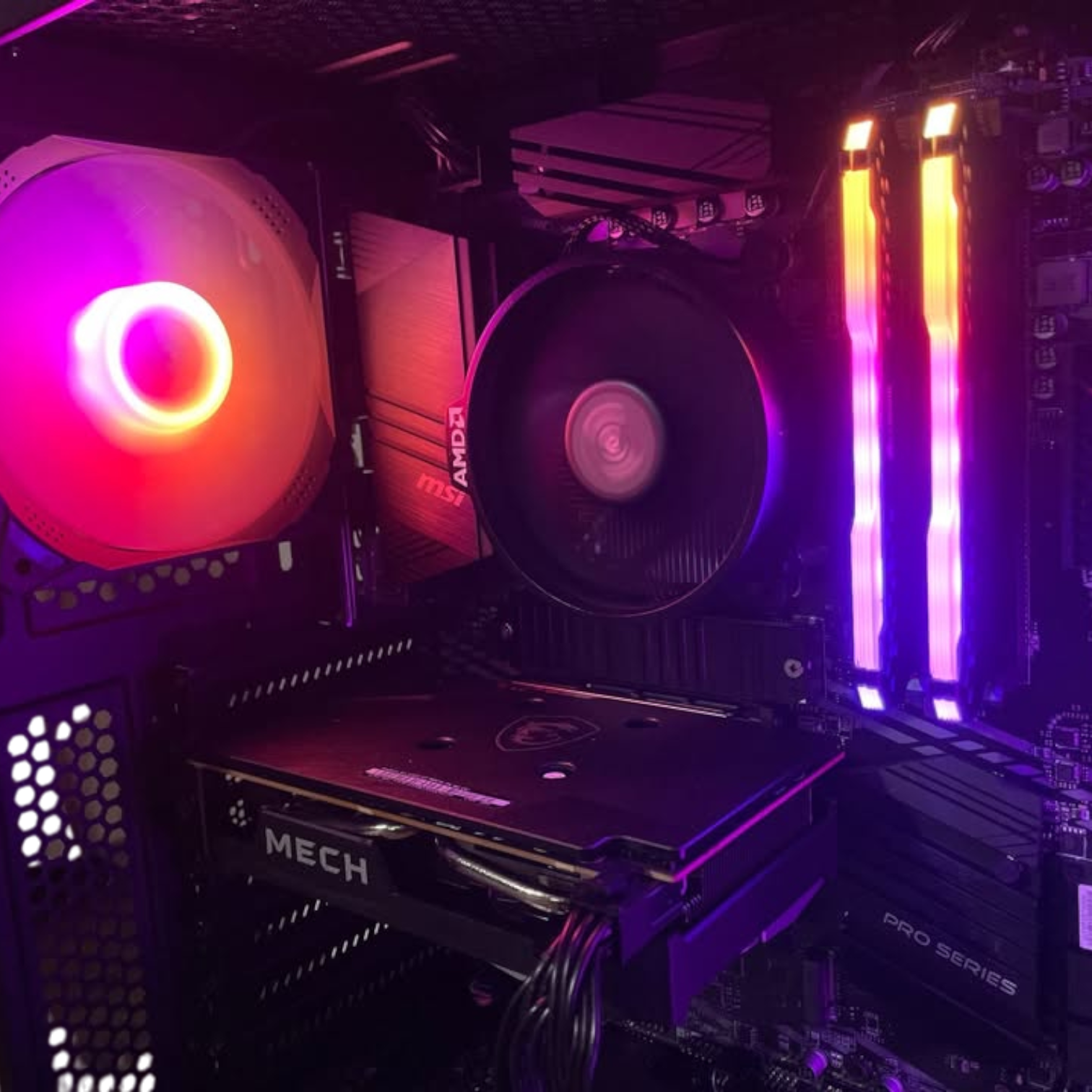
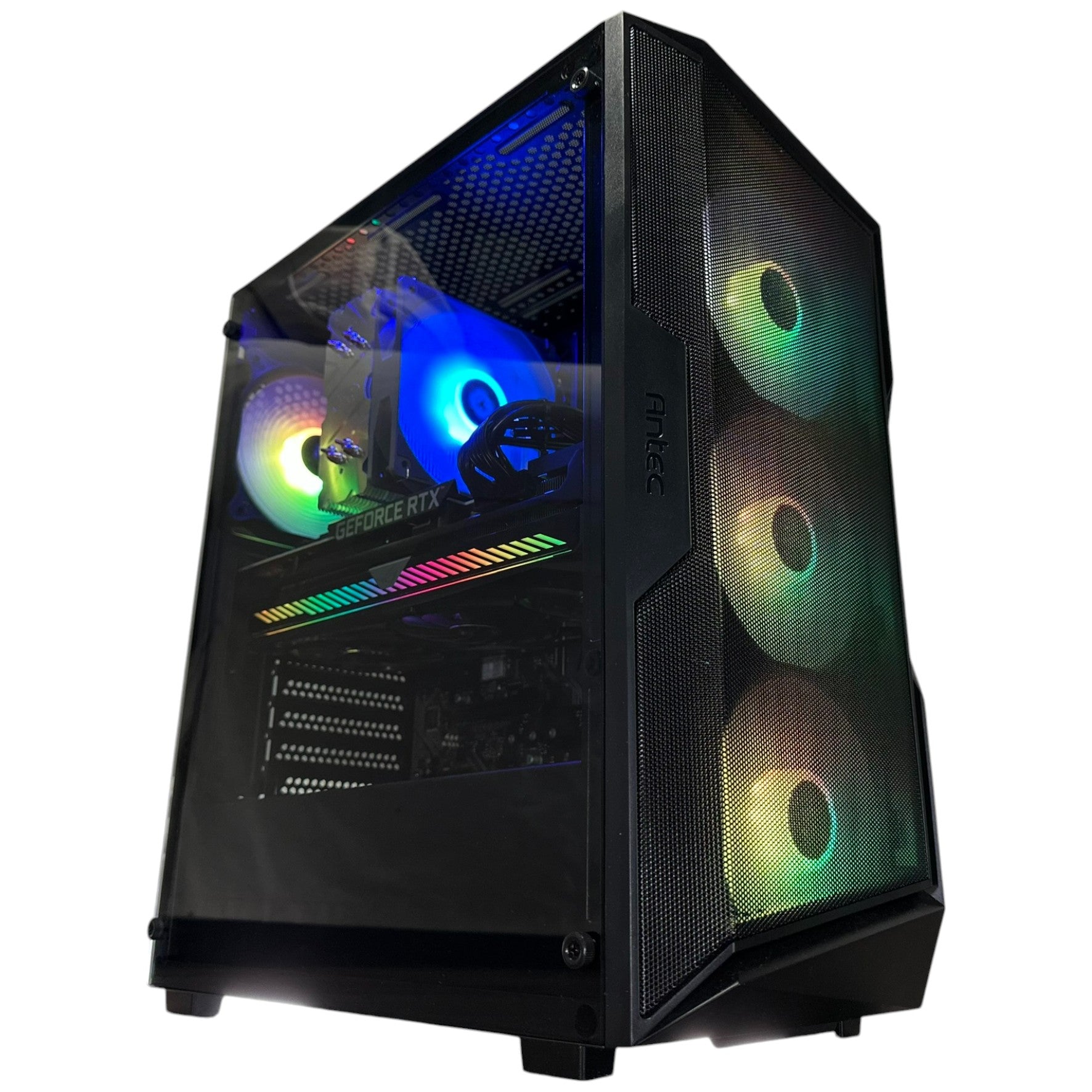
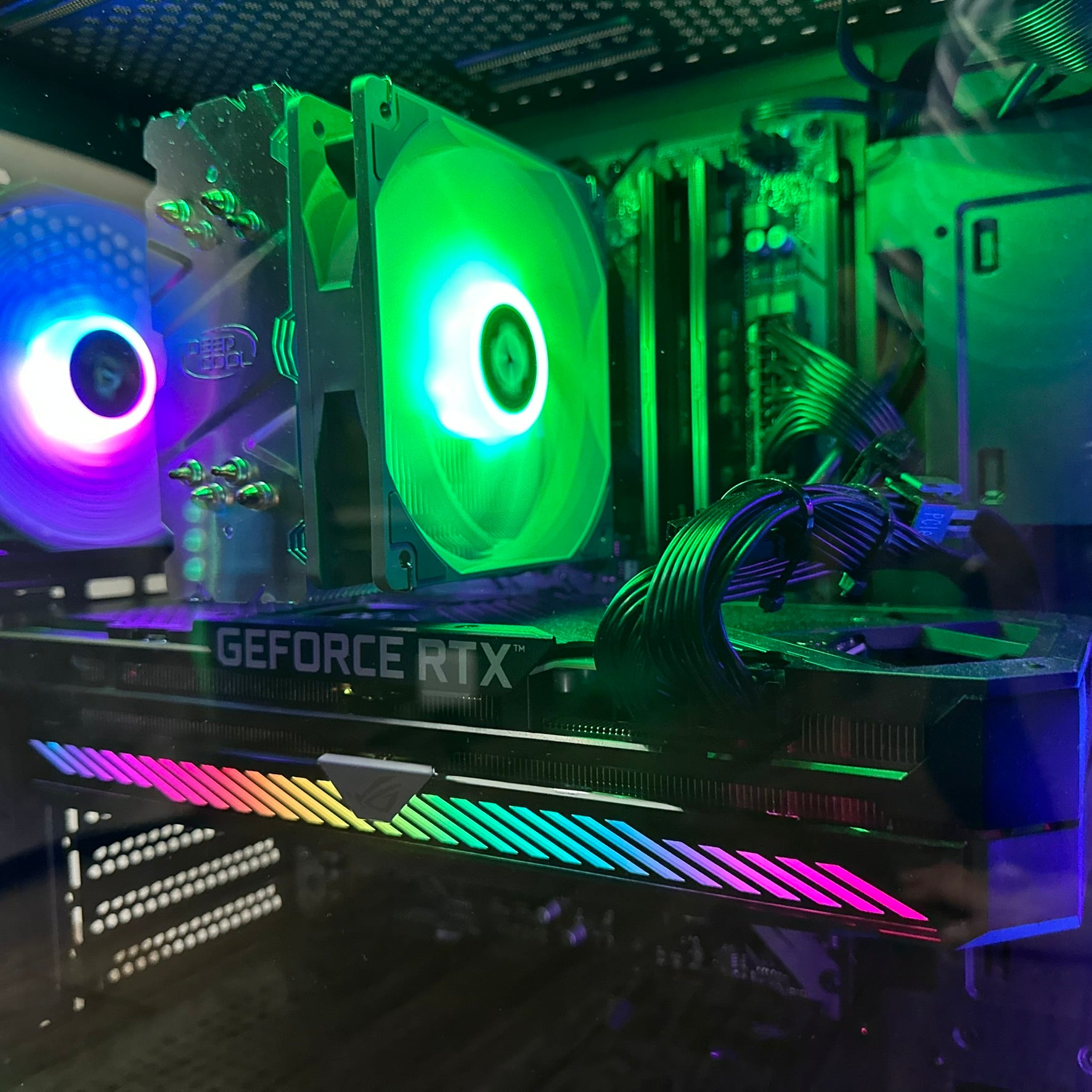
As digital libraries get larger and workloads become more mixed, build quality matters more. A random box with flashy marketing is not the same as a well-matched custom system. The right cooling, airflow, power supply quality, motherboard platform, memory capacity, SSD layout, and CPU/GPU balance all affect real ownership experience.
A custom-built PC gives you the chance to match the machine to your actual use case. It also helps reduce waste. You are not paying for the wrong priorities, and you are less likely to end up with a system that bottlenecks your goals.
If your plan is to game, stream, edit, create, or render over the next several years, does it make more sense to buy a generic machine, or to choose a custom system built around your exact performance target?
Why Canadian buyers choose Groovy Computers
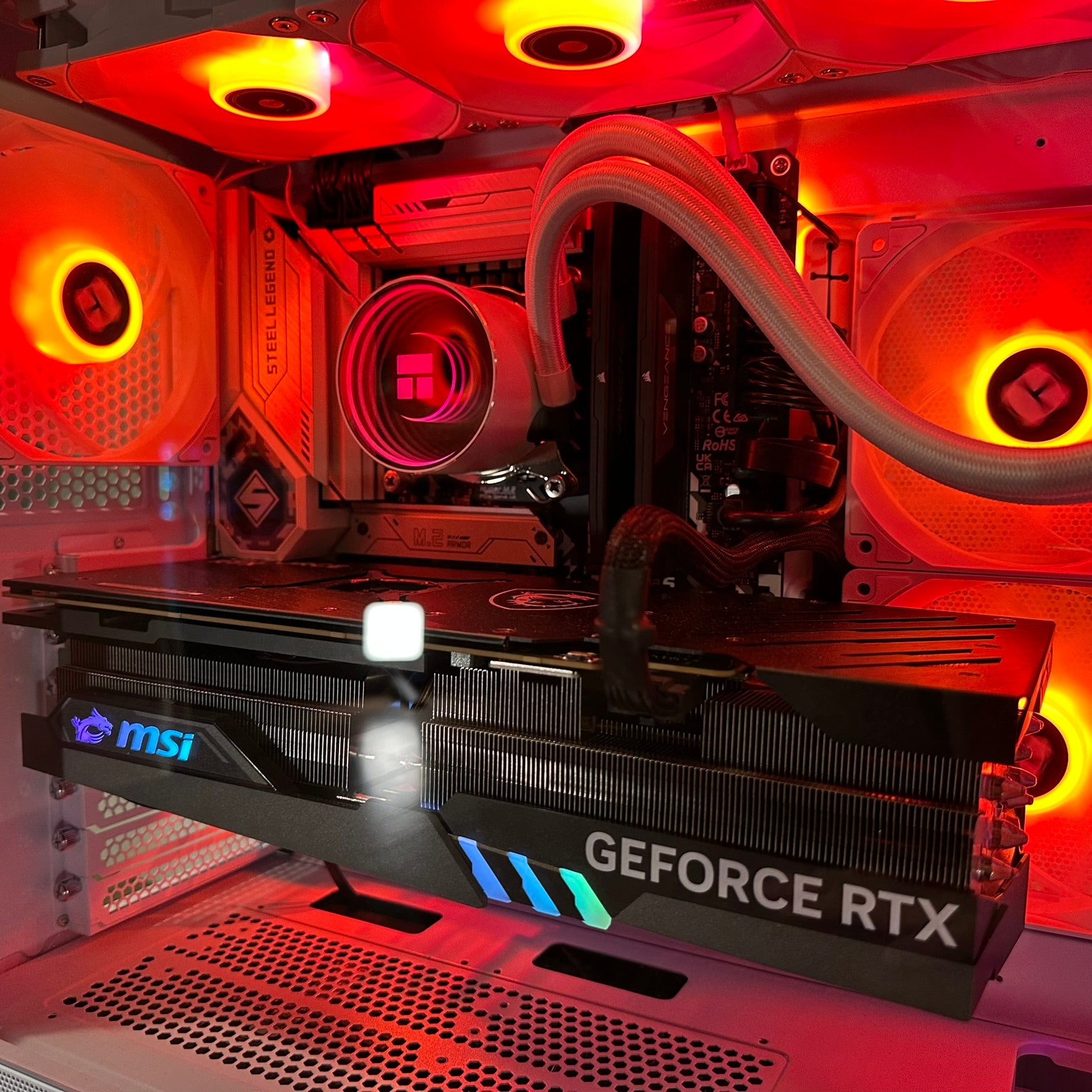
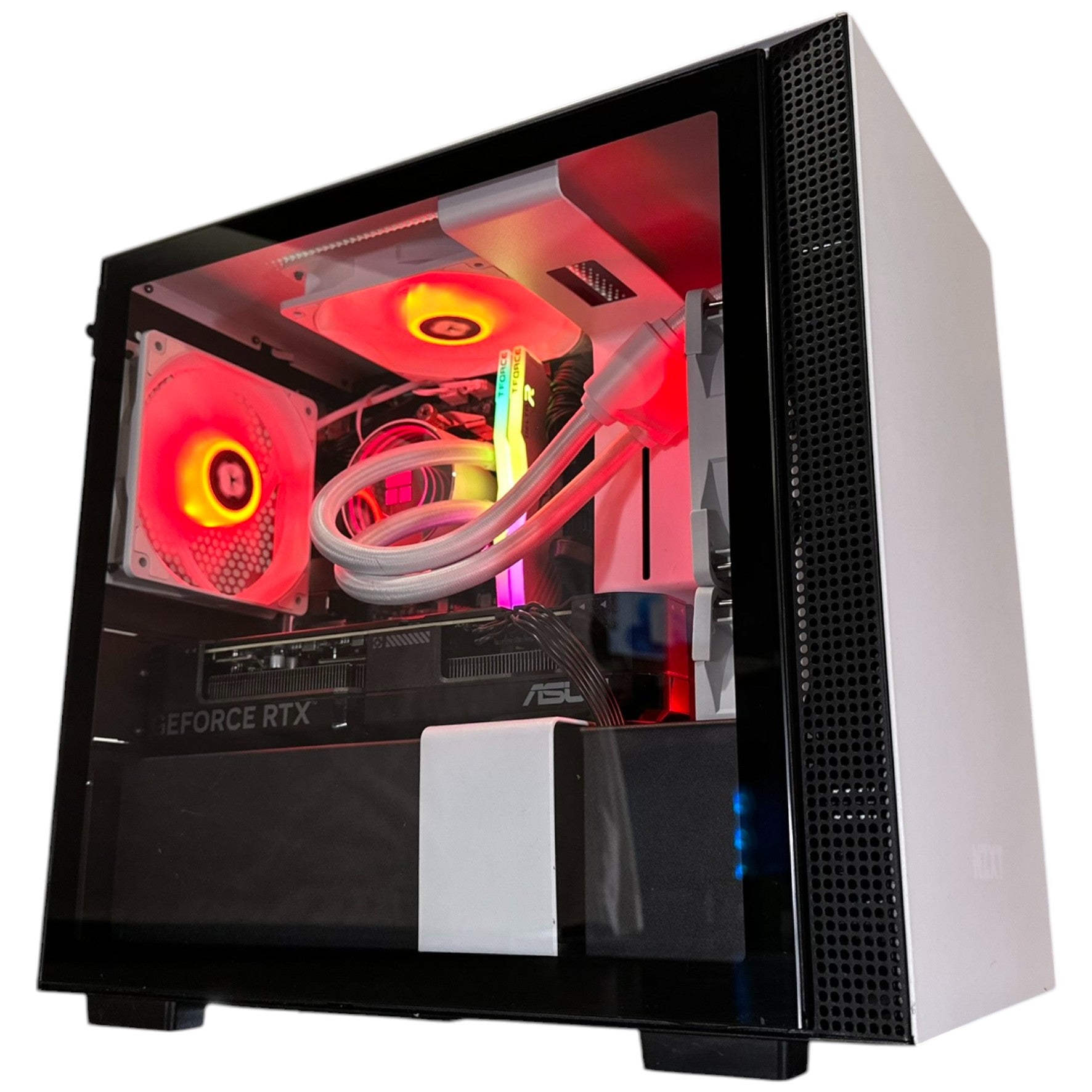
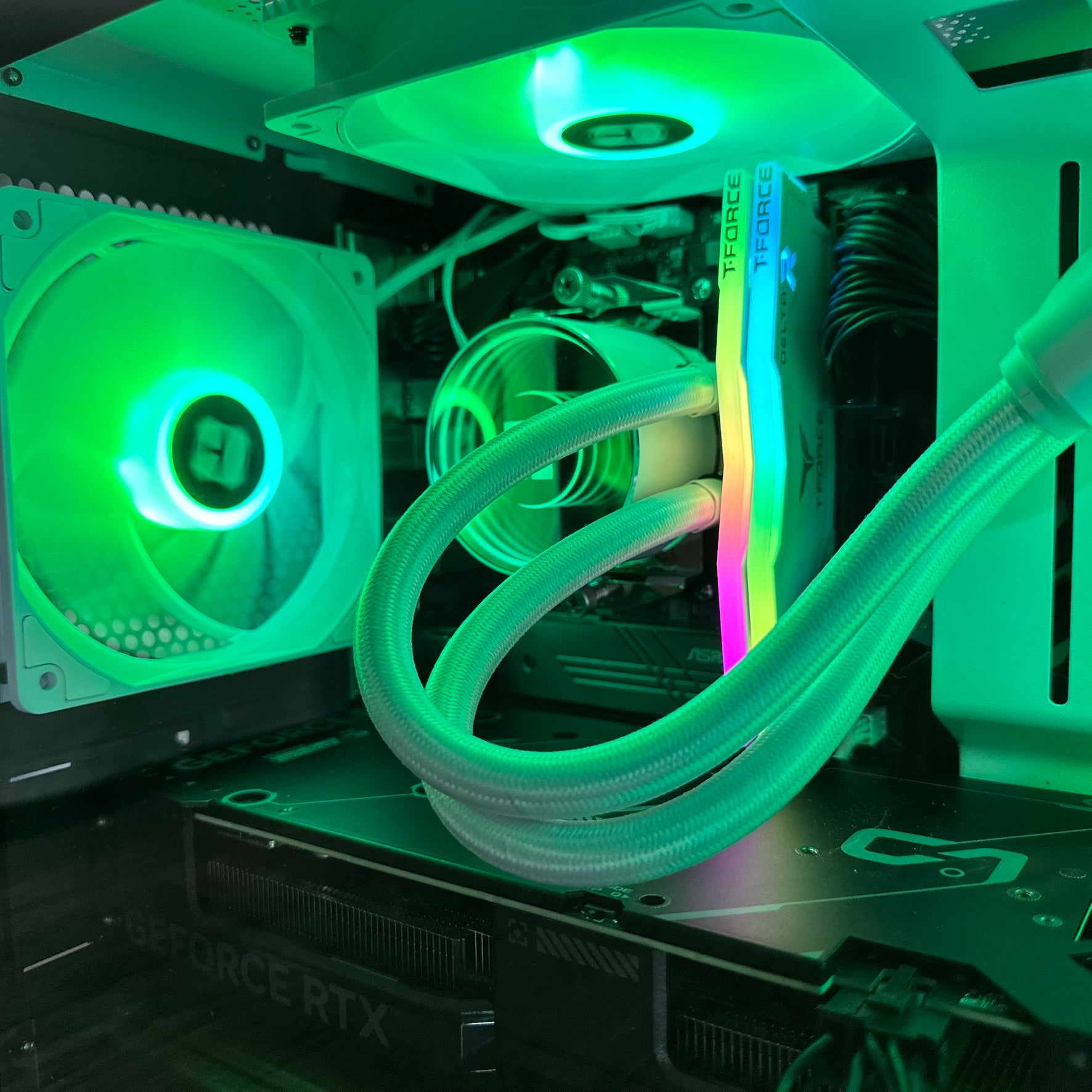
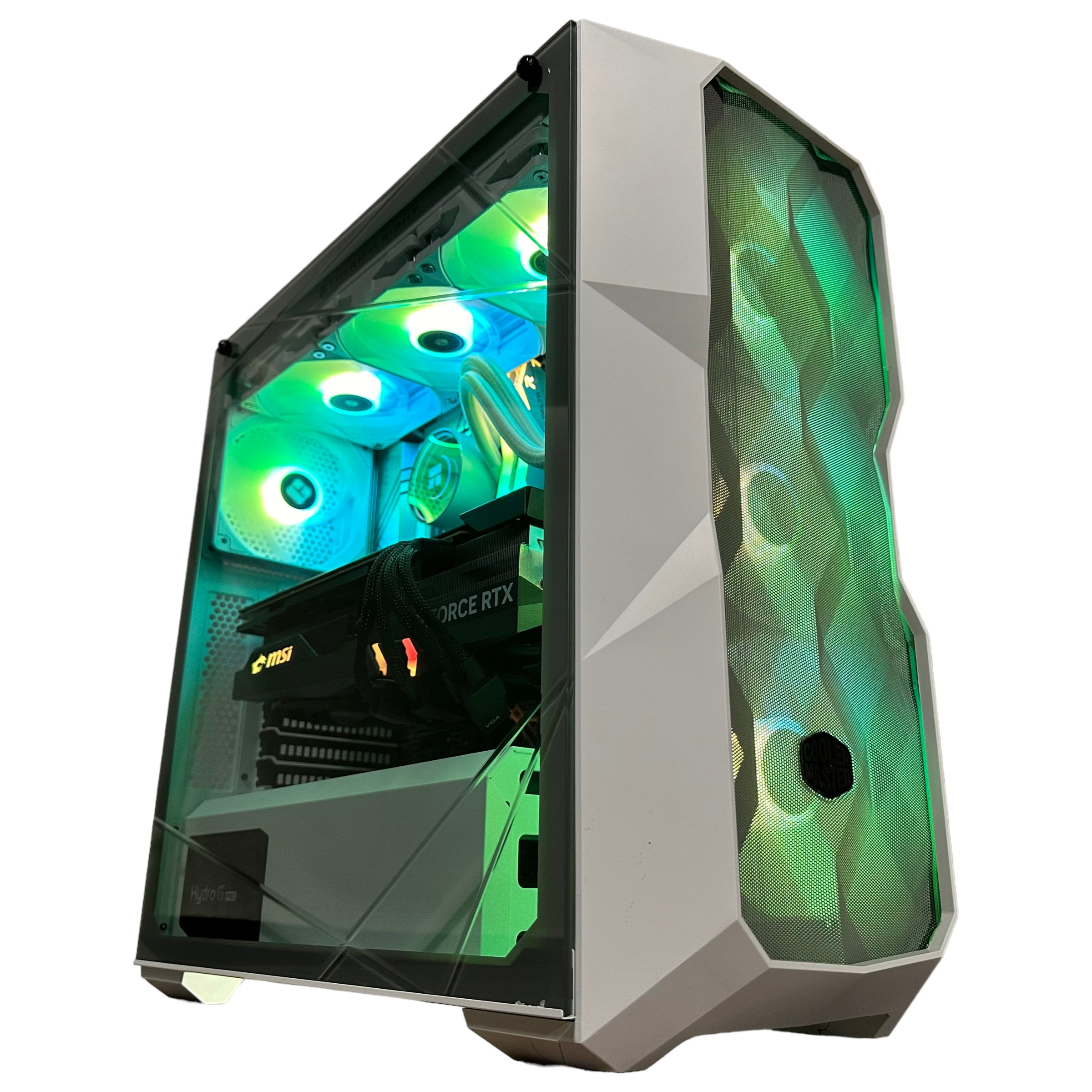
Groovy Computers is built around what serious buyers actually need: custom gaming PCs, creator desktops, workstation systems, practical guidance, rigorous testing, and support from a Canadian builder that understands real-world use cases. Whether you need a value-focused gaming machine, a premium RTX setup, a content creation desktop, or a stronger workstation, the goal is not just to sell a PC. It is to help you buy the right one.
That matters when the market is shifting, when game requirements keep climbing, and when digital libraries are becoming a bigger part of how people play. A properly matched system should feel reliable, balanced, and ready for what comes next.
Groovy Computers also offers the confidence of tested builds, a 1-year warranty, and the ability to shop with Canadian buyers in mind. For many customers, that means less uncertainty and a better ownership experience from day one.
Need help deciding what to buy next?
If Capcom’s digital sales trend has you thinking more seriously about your own setup, the next step is simple. What do you want your next PC to do that your current one cannot do comfortably today? Run new games better? Handle a growing digital library? Stream smoothly? Edit faster? Render more efficiently? Replace a stopgap system with something stronger and longer-lasting?
If you are asking those questions, it may be the right time to talk to Groovy Computers. Visit GroovyComputers.ca to explore custom builds, compare performance tiers, and find out whether a gaming desktop, creator PC, or workstation is the smarter fit for your goals.
Final thoughts: digital growth is not just a game industry story
Capcom’s digital-heavy sales report is another reminder that the centre of gaming keeps moving toward digital ecosystems, bigger downloads, longer game lifecycles, and more PC-relevant usage patterns. For buyers in Canada, that makes your next desktop decision more important, not less. The right system is no longer just about today’s frame rates. It is about tomorrow’s releases, content tools, storage demands, streaming needs, and overall value.
If you have been wondering whether now is a good time to buy, whether you should finance a better PC instead of buying a weaker one, or what performance tier really matches your plans, this is exactly the kind of moment to make a smart move. A better build chosen now can save frustration, extend longevity, and put you in a stronger position before the next round of demand or pricing pressure arrives. For buyers looking for a gaming PC Canada solution with real guidance behind it, Groovy Computers is a strong place to start.
#GamingPCCanada #CustomGamingPCCanada #GamingComputersCanada #CanadianCustomPCBuilders #ContentCreationPCCanada #VideoEditingPCCanada #3DModelingPCCanada #WorkstationPCCanada #GamingPCNovaScotia #GroovyComputers
Groovy Computers | All Rights Reserved


Leave a comment
This site is protected by hCaptcha and the hCaptcha Privacy Policy and Terms of Service apply.