




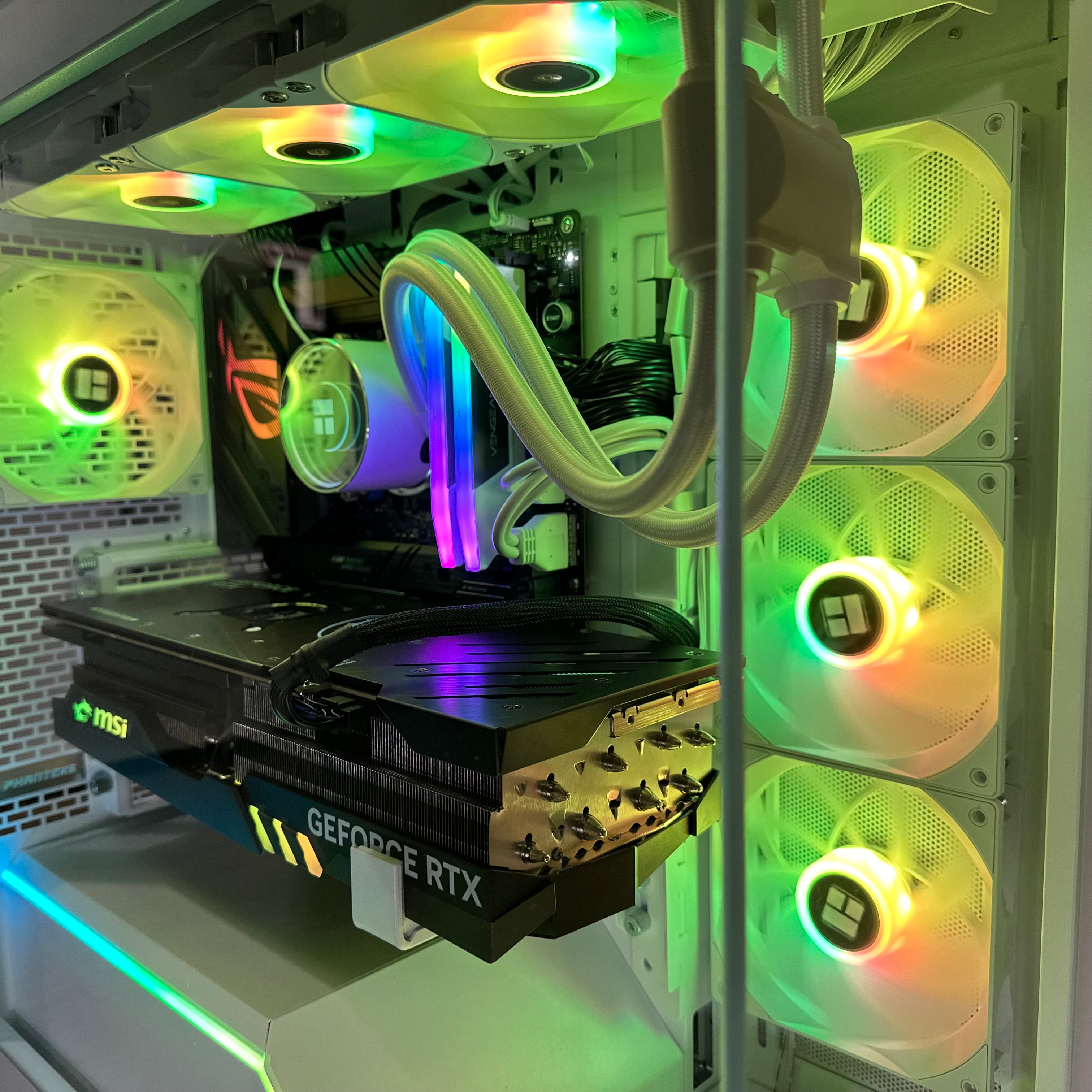
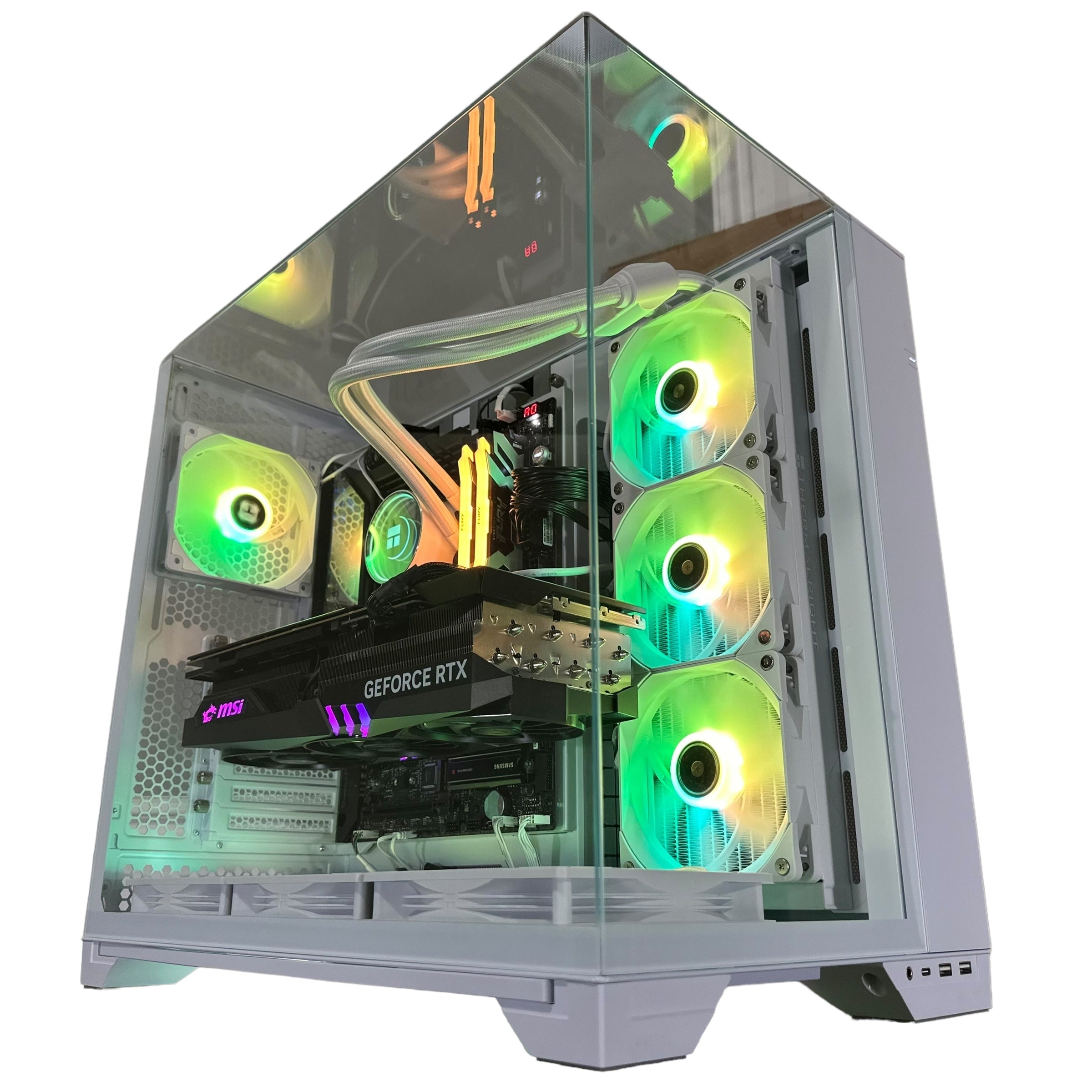
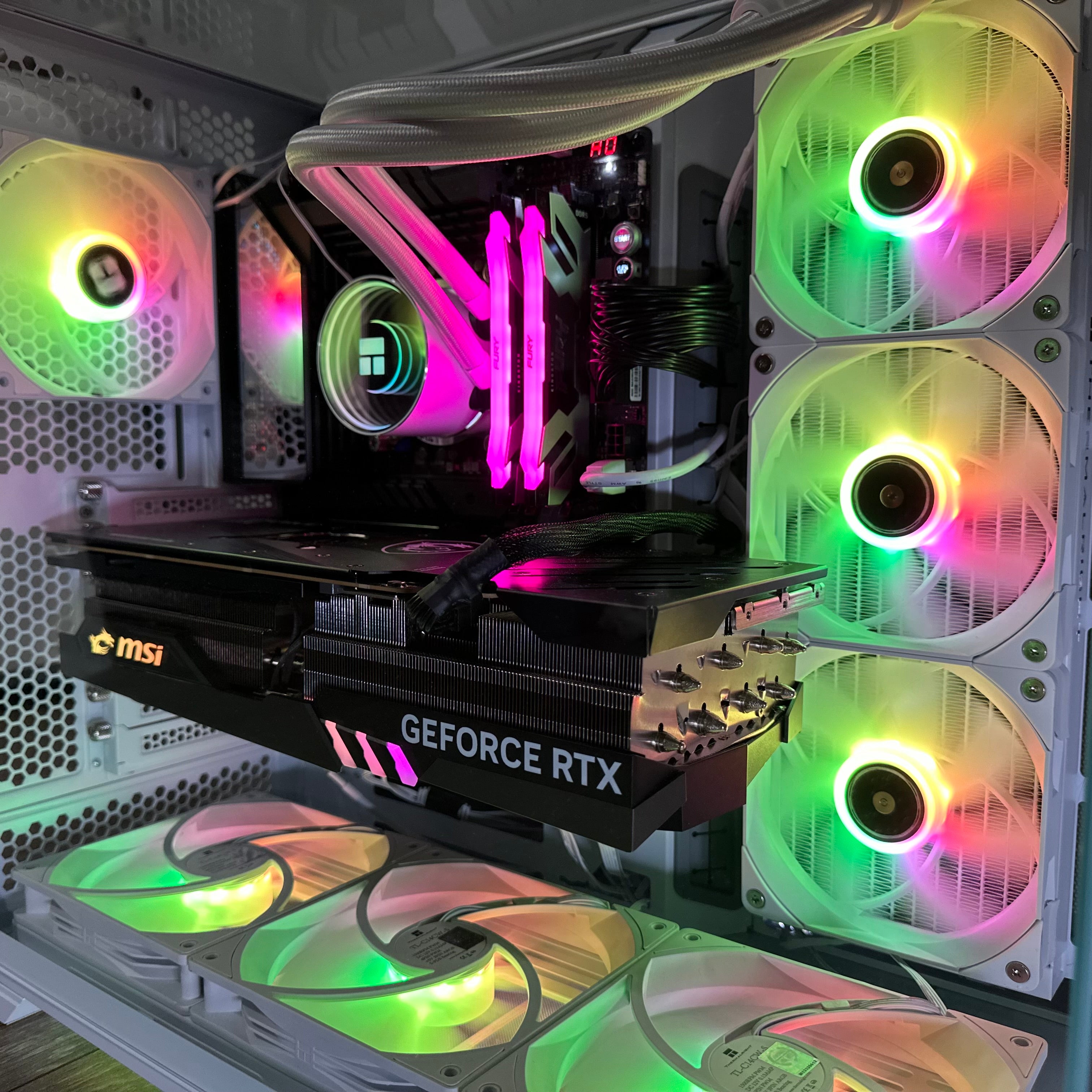

What the End of Physical Discs Really Means for Buying a Gaming PC in Canada
The latest debate around physical media is really bigger than discs. It is about access, ownership, downloads, updates, platform dependence, and what kind of hardware you need when modern gaming keeps moving further into a digital-first future. For Canadian buyers, that makes this a gaming PC Canada conversation as much as it is a media-format conversation. If major game releases are increasingly tied to large downloads, constant patches, launcher ecosystems, and online services, then the real question becomes simple: is your next PC ready for the way games actually work now?
The source discussion centered on a public comment about physical versus digital media and whether the quote was being overstated. The key point was not a dramatic attack on digital distribution. It was more measured than that. The underlying idea was that if customers want something, companies should provide it, while also recognizing that digital delivery offers practical benefits such as updates and ongoing improvements.
That matters because it reflects the reality PC buyers already live with every day. Even when players care about ownership, many of the biggest games now rely on updates, online activation, large storage demands, fast SSDs, modern GPUs, stable systems, and enough performance headroom to stay useful over multiple years. In other words, the debate is no longer only about whether a game comes on a disc. It is about whether your hardware can keep up with the digital era without feeling outdated too soon.
Why does the physical vs digital debate matter for Canadian PC buyers?
If you are in Canada and planning your next system, this conversation should immediately raise practical buying questions. Are you preparing for one major game release, or do you want a machine that can handle the next several years of AAA titles? Do you mostly play competitive games at 1080p, or are you trying to move into 1440p or 4K? Do you want ray tracing, high refresh rates, streaming support, or room for video editing and content creation too?
When physical media becomes less central, the burden shifts toward your system. Storage matters more. Download management matters more. Update performance matters more. A weak SSD or cramped drive can become frustrating fast. Limited RAM can start hurting once you multitask with game launchers, Discord, OBS, browser tabs, editing tools, and background apps. An underpowered GPU can turn an exciting new release into a settings-compromise problem on day one.
Canadian buyers also face a separate challenge: component pricing can change quickly. GPU demand, memory pricing, SSD fluctuations, and premium CPU availability can all influence what a strong custom system costs. That is why timing matters. Waiting for the perfect moment does not always produce the best value. Sometimes it just means buying later into stronger demand with fewer good options.
What did the source article really get right?
The strongest takeaway from the source material is that consumer demand drives format decisions, but format alone does not solve the modern buyer’s real problem. A disc does not automatically guarantee a better experience if games still require huge downloads, day-one patches, online checks, or continual updates. That is exactly why hardware readiness matters more than ever.
For PC gamers, creators, and workstation users, the deeper lesson is this: you do not just buy for how software launches, you buy for how software evolves. New games become more demanding over time. Editing applications add AI-assisted tools. Creative platforms increasingly depend on GPU acceleration. 3D workflows keep scaling with scene complexity and render expectations. Even users who start as “just gamers” often end up streaming, editing clips, making thumbnails, or running heavier multitasking loads than they expected.
So if the market is moving further toward digital distribution and heavier post-launch support, then buyers should respond by choosing systems with enough long-term performance, upgrade room, and reliability to avoid getting boxed in early.
What do you want your next PC to do for you?
Before you think about parts, think about outcomes. Do you want your next PC to simply run today’s games, or do you want it to stay strong for the next wave of releases too? Are you trying to hit high FPS in esports titles? Do you want cinematic single-player performance with ultra settings and ray tracing? Are you hoping to stream on Twitch or YouTube while gaming? Will you be editing 4K footage, designing in Adobe apps, or rendering scenes in Blender or Unreal Engine?
This is where many buyers make the wrong decision. They shop by isolated specs or the lowest sticker price instead of asking what the system needs to accomplish over the next three to five years. A better buying question is: what workload mix defines your real use case?
- Gaming only: prioritize GPU tier, CPU balance, cooling, and fast SSD storage
- Gaming + streaming: prioritize GPU encoding support, CPU multitasking headroom, RAM, and storage
- Gaming + editing: prioritize GPU acceleration, CPU strength, RAM, and scratch/project storage
- Photo editing and graphic design: prioritize CPU responsiveness, RAM, SSD speed, and display workflow compatibility
- Video editing and content creation: prioritize core count, GPU acceleration, RAM capacity, and export efficiency
- 3D modeling and rendering: prioritize GPU horsepower, CPU class, RAM ceiling, thermal stability, and workstation reliability
- Professional workstation use: prioritize stability, sustained performance, expandability, and long-session reliability
What performance tier fits you best?
If you are unsure where you fit, this is the most important section in the article. Buyers often overspend on the wrong parts or underspend in ways that force a faster upgrade later. So what PC do you actually need?
Entry performance tier: who should choose a budget-focused build?
This tier makes sense for buyers who mainly want 1080p gaming, esports titles, lighter AAA settings, school use, web work, and everyday multitasking. It can also suit first-time buyers who want a budget gaming PC Canada option without going too low and regretting it later.
Ask yourself: are you mostly playing titles where frame rate matters more than visual max settings? If your answer is yes, an entry-level to lower-midrange custom system can be a smart value move. But be careful. Going too cheap can mean weak cooling, limited SSD capacity, lower-quality power delivery, and restricted upgrade paths. That is exactly where custom build quality matters.
Midrange performance tier: is this the sweet spot for 1440p gaming and mixed-use buyers?
For many customers, yes. This is often the best value zone for a custom gaming PC Canada purchase. A good midrange build can handle strong 1080p ultra performance, excellent 1440p gaming, streaming, content creation, and moderate editing workflows without feeling entry-level after one big software cycle.
If you are asking, what PC do I need for 1440p gaming? this is usually where the answer starts. It is also the ideal range for buyers who want to play new games comfortably while leaving room for OBS, Discord, browser tabs, recording software, and some Adobe Creative Cloud work.
High-end performance tier: do you want premium ray tracing, 4K ambitions, or creator-grade speed?
This tier is for buyers who care about top visual quality, high-refresh 1440p, serious 4K gaming aspirations, demanding AAA titles, advanced creator workloads, heavier exports, larger project files, or long-term performance confidence. It is also where many shoppers looking for a gaming PC for new games should be focusing if they want more than bare-minimum readiness.
Ask yourself: do you want to buy once and avoid thinking about another full upgrade too soon? If so, a stronger GPU, more RAM, better cooling, and larger SSD configuration may be worth more than chasing the absolute lowest upfront cost.
Workstation-class tier: do you need your PC to earn money, not just run games?
If your PC is also a production tool, your buying logic changes. Users working in Premiere Pro, DaVinci Resolve, After Effects, Photoshop, Lightroom, Illustrator, Blender, Unreal Engine, CAD, or rendering applications should think beyond gaming benchmarks alone. A proper creator PC Canada or workstation PC Canada build can save meaningful time every week through smoother timelines, faster exports, cleaner multitasking, and fewer thermal slowdowns.
That leads to a useful question: how much is lost productivity costing you on your current system? If projects are lagging, previews are stuttering, exports are dragging, or you are constantly managing storage limits, the right upgrade may pay for itself faster than many buyers expect.
If games are increasingly digital, what specs matter more now?
The shift toward digital-first gaming increases the importance of several components that some buyers still underestimate.
Storage: are you buying enough SSD space?
When games arrive through downloads, patches, caches, mods, recordings, and creator files, storage pressure rises fast. Large modern titles can consume a surprising amount of space before you add clips, thumbnails, project files, and application installs. Do you really want to juggle uninstalling games every few weeks?
A fast NVMe SSD is no longer a luxury for many users. It is a quality-of-life requirement. Faster boot times, better load performance, quicker application launches, and smoother file handling all matter in a digital-heavy ecosystem.
RAM: are you only buying for today’s minimum requirement?
Buying around minimum specs often feels cheaper at checkout, but it can age poorly. Between games, launchers, browsers, streaming tools, editing programs, and background tasks, memory pressure builds quickly. Do you want your next system to feel clean and responsive while multitasking, or just technically functional?
For many modern buyers, especially those who game and create, extra RAM can significantly improve day-to-day experience.
GPU: are you buying just enough, or enough to last?
The GPU remains central for gaming performance, ray tracing, streaming encoders, creator acceleration, and many rendering workflows. If you are shopping with future releases in mind, this is not the place to cut blindly. Is this build supposed to handle only current games, or upcoming open-world titles, visual upgrades, and heavier post-launch patches too?
A well-balanced GPU decision can be the difference between loving your system for years and wishing you had gone one tier higher within months.
CPU and cooling: are you planning for sustained performance?
Digital-first usage patterns often mean longer sessions, heavier multitasking, more updates, more creators recording while playing, and more software running in parallel. That makes CPU choice and cooling quality more important than spec-sheet shoppers sometimes realize. Stable sustained boost behaviour matters. Thermal management matters. Noise levels matter. Reliability matters.
Are you buying for gaming only, or for gaming plus streaming and content creation?
One of the biggest trends in modern PC buying is that users increasingly want one system to do everything. They want to game, stream, edit, design, upload, and multitask from one machine. If that sounds like you, then you may not need a pure gaming build. You may need a hybrid content creation PC Canada solution.
Ask yourself a few simple questions:
- Do you want to stream to Twitch, YouTube, or TikTok while gaming?
- Do you want to record gameplay for later editing?
- Will you use OBS, Streamlabs, or similar tools regularly?
- Do you make YouTube videos, reels, shorts, or thumbnails?
- Will you be using Premiere Pro, DaVinci Resolve, Photoshop, Lightroom, or Illustrator?
If yes, then the buying decision changes immediately. You may need more CPU headroom, more RAM, better GPU acceleration, larger SSD capacity, and a stronger motherboard and power supply foundation than a gaming-only buyer.
What if you need a PC for video editing, photo editing, graphic design, or 3D work too?
This is where many Canadian buyers can make a smarter purchase by combining workloads into one stronger custom build instead of buying a system that is “good enough” for gaming but disappointing for work.
Video editing
If you are editing 1080p or 4K footage, a proper video editing PC Canada build can dramatically improve playback smoothness, render times, proxy workflows, and export consistency. What PC do you need for video editing? That depends on codec, resolution, effects, and software, but in general you want balanced CPU and GPU strength, fast storage, and enough RAM to keep your timeline responsive.
Photo editing
If your workflow involves RAW images, batch exports, Photoshop layers, Lightroom catalogs, or AI-assisted tools, then a photo editing PC Canada configuration makes sense. Are you a photographer who needs colour workflow consistency and responsive batch performance, not just gaming FPS? Then your system should reflect that.
Graphic design
If you work in Illustrator, Photoshop, InDesign, Canva, or broader Adobe Creative Cloud workflows, a graphic design PC Canada build can save time and frustration. Design work often rewards system responsiveness, RAM headroom, stable multitasking, and clean storage organization.
3D modeling and rendering
If you are using Blender, Unreal Engine, CAD tools, game asset pipelines, architectural visualization tools, or rendering applications, then a 3D modeling PC Canada or workstation-grade build may be the right move. What PC do you need for Blender or Unreal Engine? Usually more than a budget gaming system. You need hardware that handles sustained workloads, GPU rendering, and larger memory demands with confidence.
Is it better to buy now or wait?
This is one of the most common buyer-stage questions, and it is the right one to ask. But the answer depends on what you are waiting for. Are you waiting for a specific game launch, a seasonal sale, a component refresh, or simply hoping prices will improve?
Waiting can make sense in some situations, but it can also backfire. New game launches often increase demand for gaming systems. Premium GPU tiers can tighten up when hype spikes. Memory and SSD markets can move. Software gets heavier, not lighter. And the longer you keep a struggling system, the more you continue paying in lost enjoyment or lost productivity.
If your current machine is already limiting what you play or create, waiting may not actually save you money in practical terms. It may just delay the performance you need while exposing you to future pricing pressure.
Should you finance a stronger PC instead of settling for a weaker one?
For many buyers, this is the question that matters most. A lot of customers know what they want their system to do, but they hesitate because they are trying to fit the entire purchase into one immediate payment. That can lead to buying too low, compromising too much, and needing another upgrade sooner than planned.
Would a stronger system be the smarter choice if you could spread the cost out over time? In many cases, yes. That is why financing can be practical, not impulsive. It can help you secure better long-term value, more performance headroom, and a more satisfying ownership experience before replacement costs shift upward.
For gamers, creators, and professionals alike, the logic is straightforward. If a better GPU, more RAM, larger SSD, or stronger CPU meaningfully extends the life of the system, then financing up to 4 years can make sense. Instead of buying the cheapest machine that barely fits today, you can choose the build that better fits your actual workload.
That is especially true if you are comparing:
- a budget gaming PC versus a midrange 1440p-ready build
- a gaming-only system versus a gaming and streaming setup
- a light editing computer versus a real creator workstation
- a short-term compromise versus a system built to stay relevant longer
What questions should you ask before buying your next custom PC?
Before you commit, ask yourself the same questions an experienced builder would ask:
- What games or software will I actually use most?
- Am I targeting 1080p, 1440p, or 4K?
- Do I care about ray tracing or just high FPS?
- Will I be streaming, recording, or editing too?
- Do I want this PC to last comfortably for years, or just get me by right now?
- Am I buying before a major game release or possible demand spike?
- Would more RAM, better cooling, or a larger SSD help me avoid upgrading too soon?
- Would financing a better system now be smarter than replacing a weaker one earlier?
If you do not have clear answers yet, that is exactly why working with a custom builder matters.
Why does a custom-built PC matter more when buying conditions are uncertain?
When pricing is volatile and workloads are getting heavier, system quality matters more. A random low-spec deal can look attractive until you discover weak airflow, poor part matching, limited upgrade options, inadequate power supply quality, or thermal behaviour that hurts long-session performance.
A proper Canadian custom PC builder approach helps you avoid those mistakes. The right build is not just about headline specs. It is about balance, cooling, power delivery, storage planning, workload fit, and how the machine will behave after months of real use.
That is why stress testing, part selection, and warranty support matter. If you are buying a system for demanding games, creative software, or workstation use, you want confidence that the build has been assembled with long-term reliability in mind, not just price-point marketing.
Why are Canadian buyers turning to Groovy Computers?
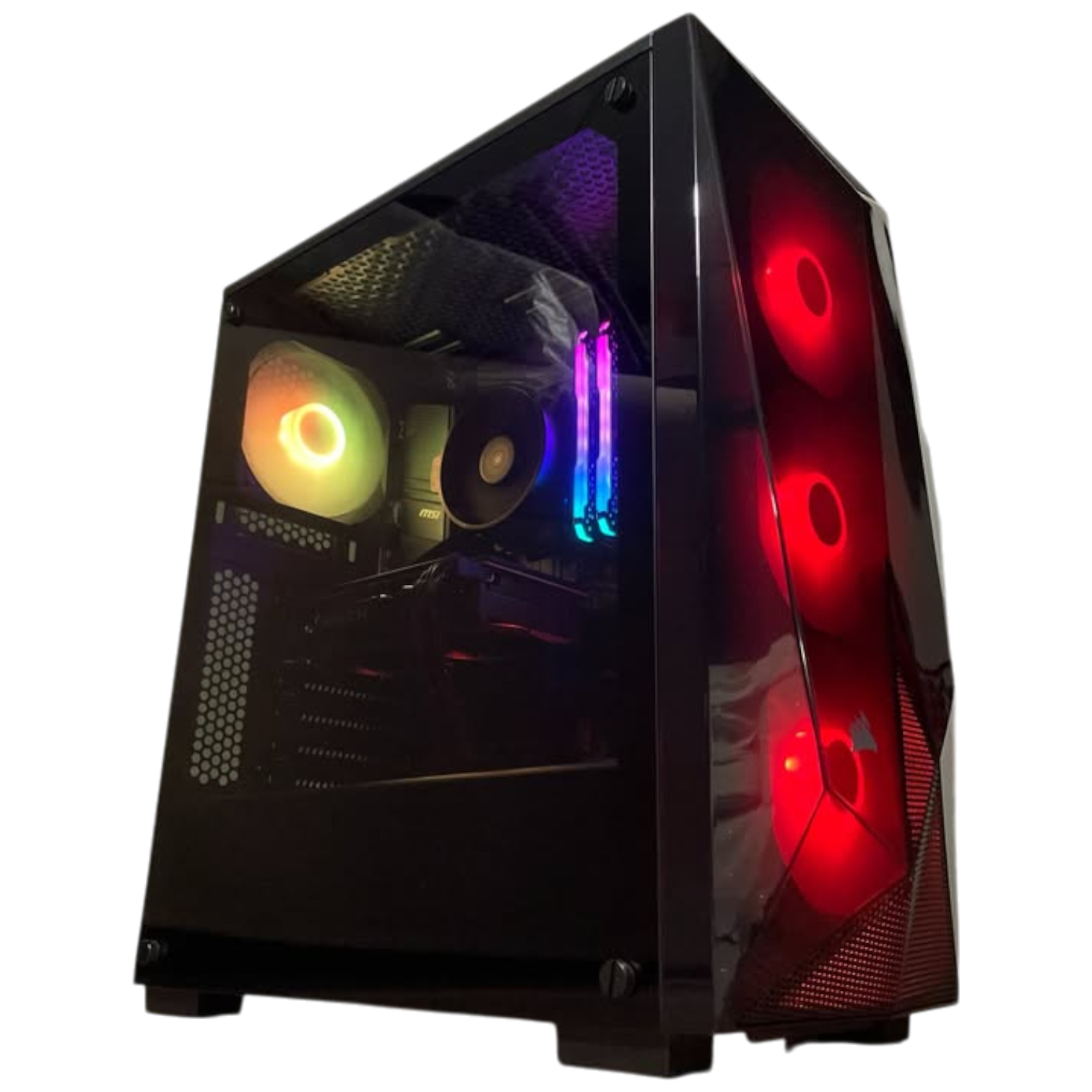
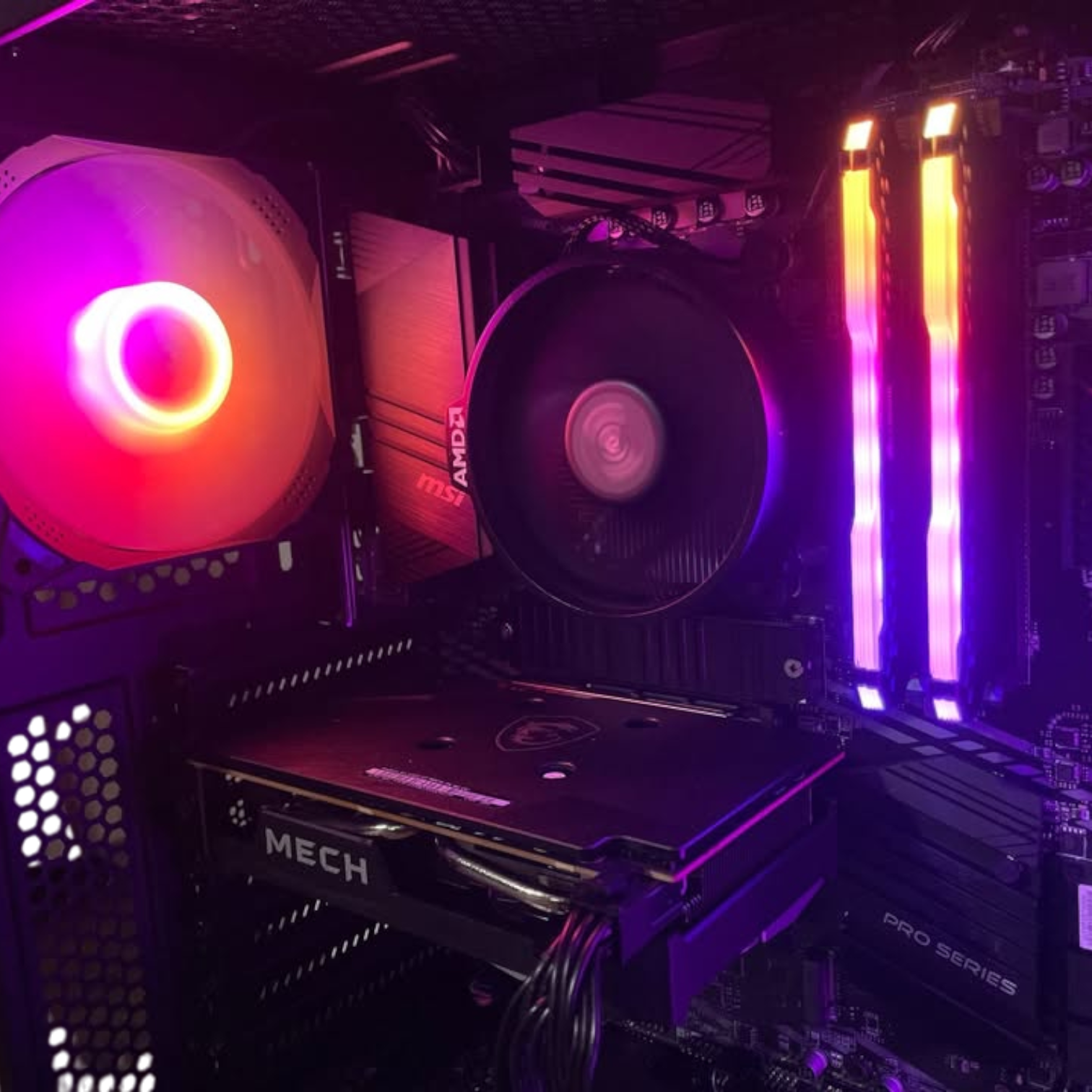
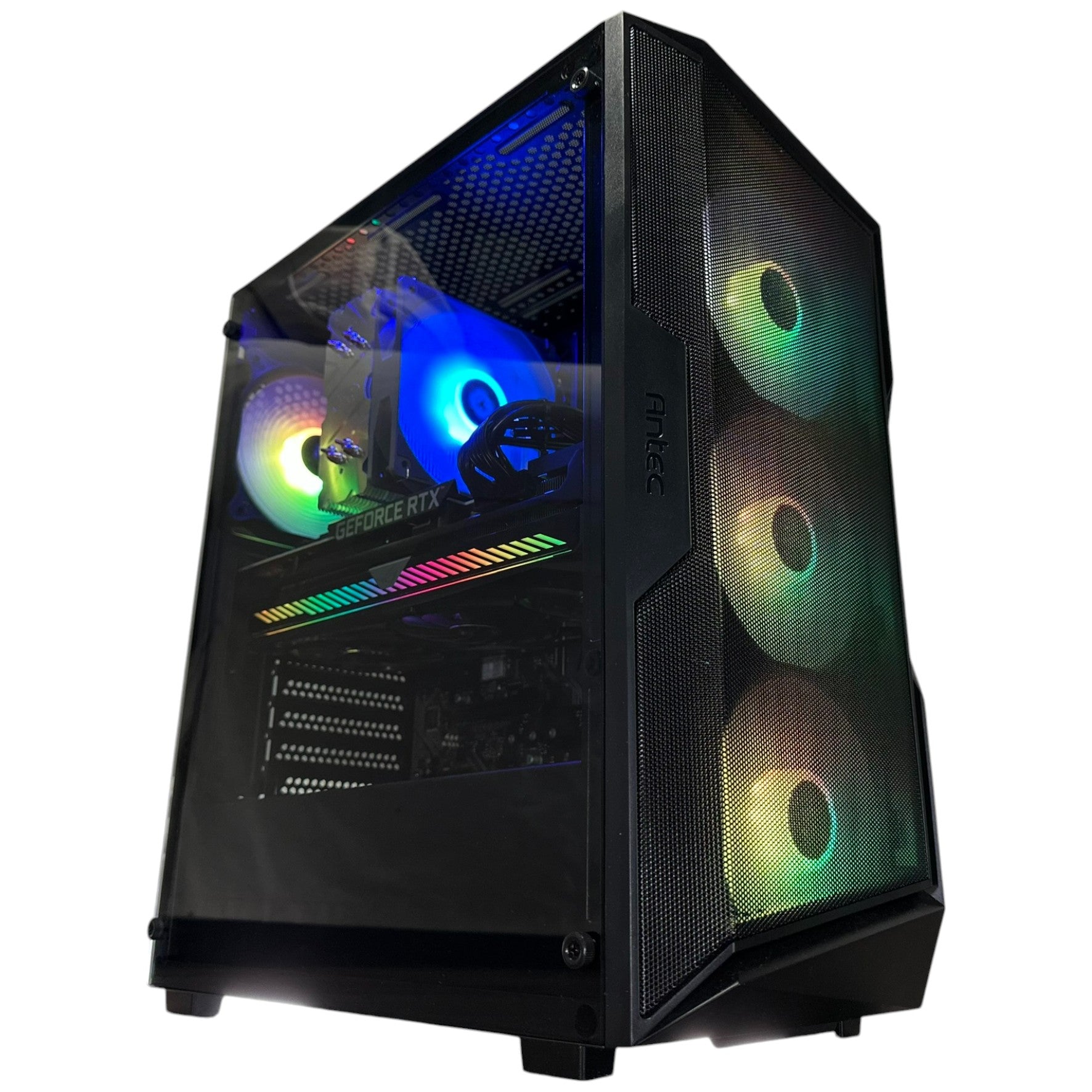
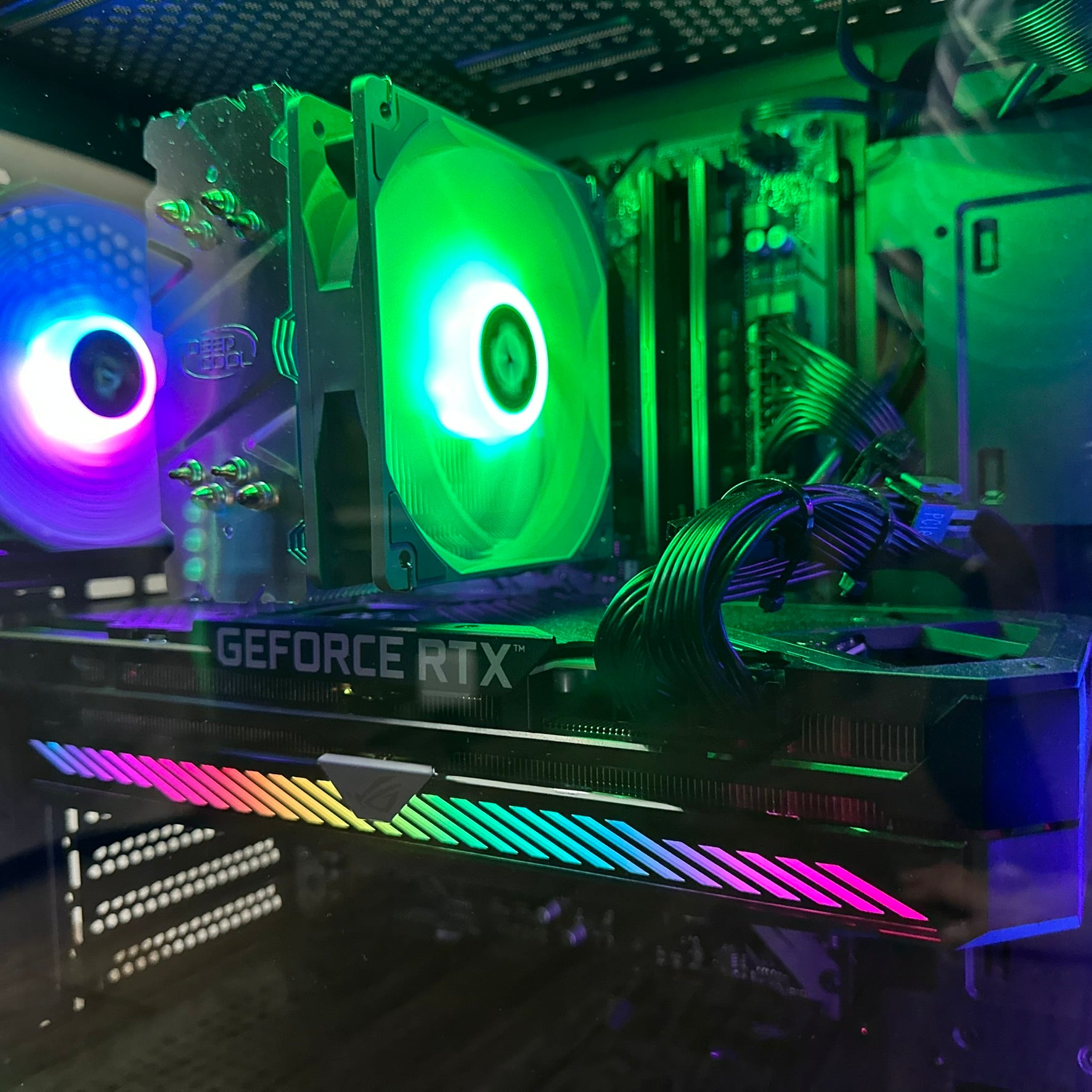
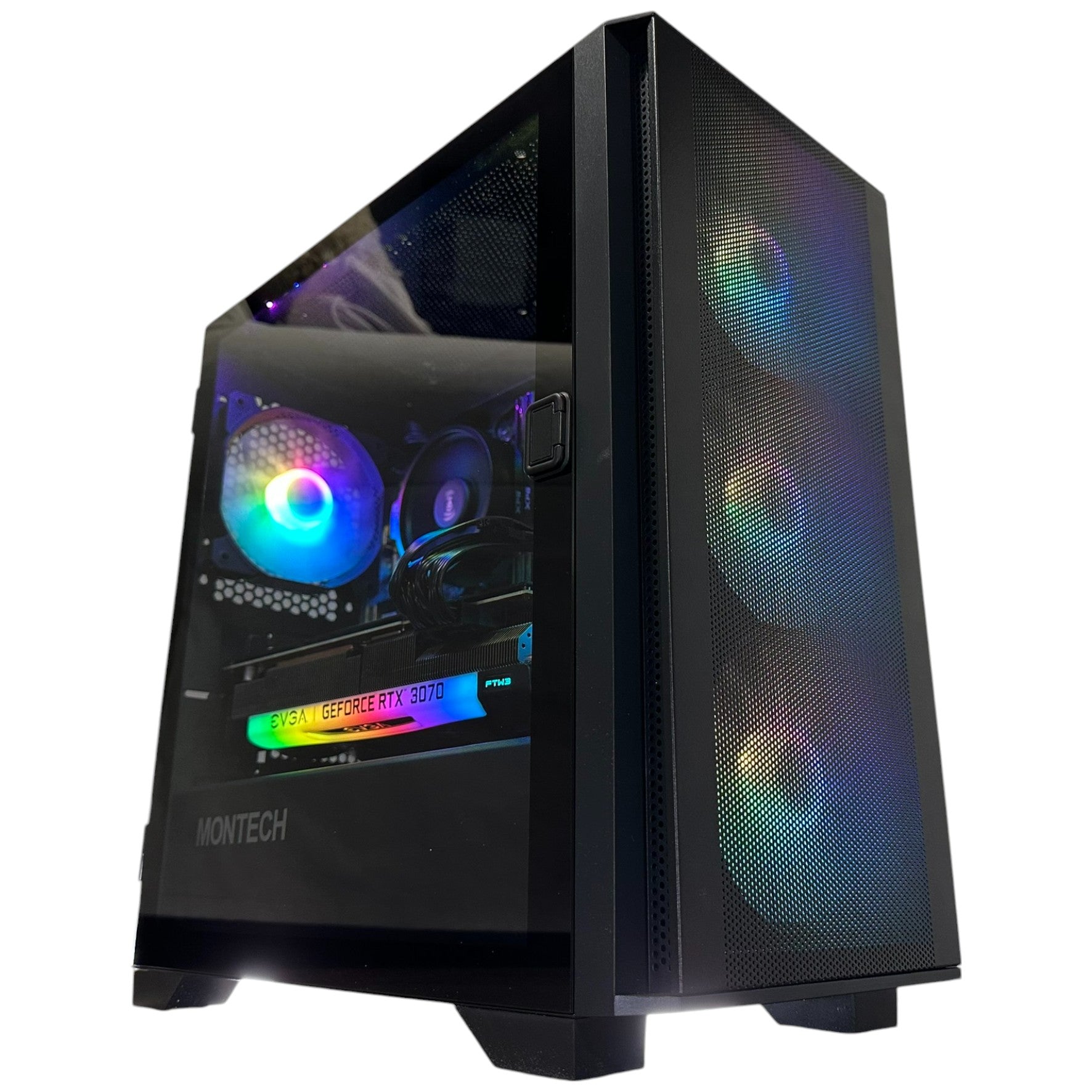
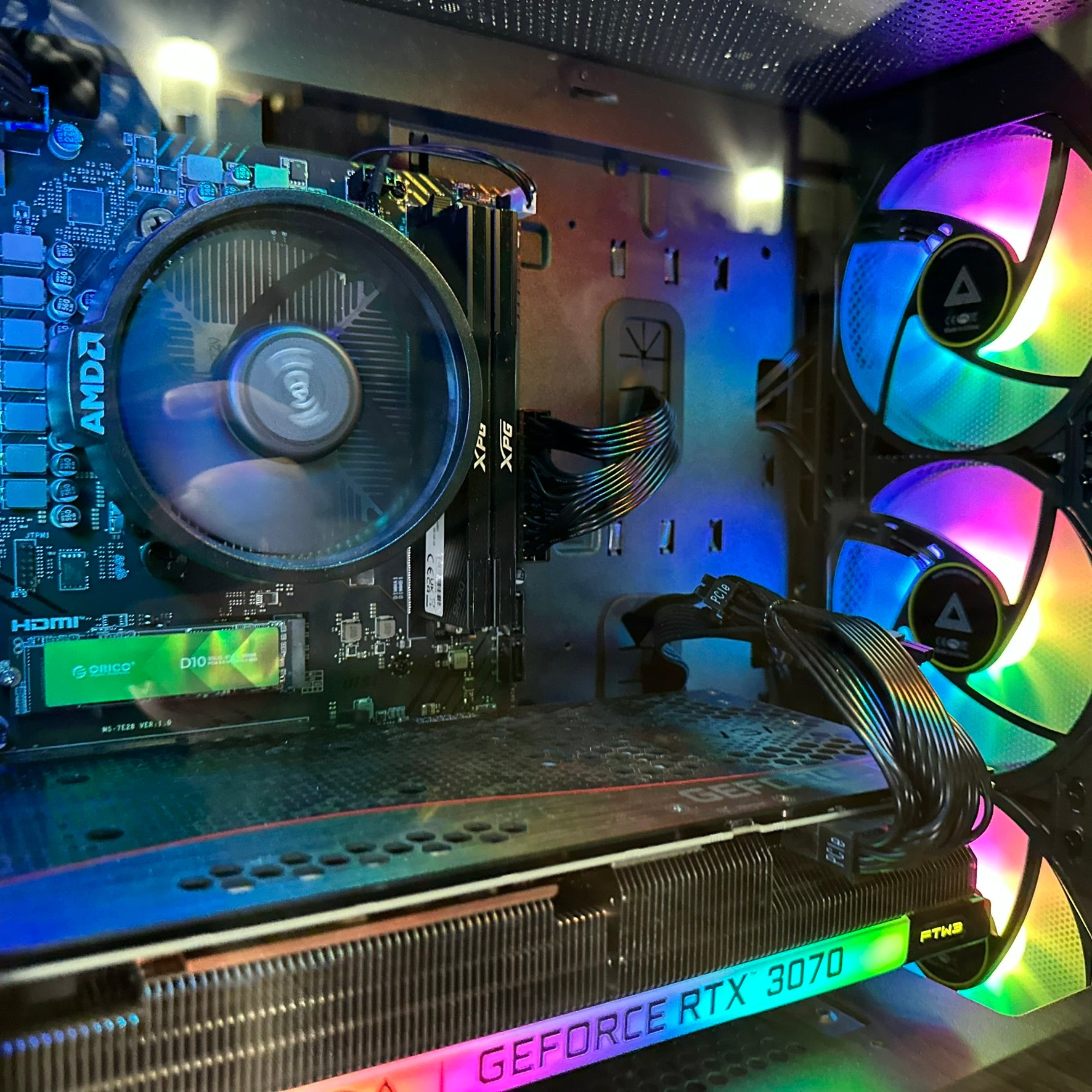
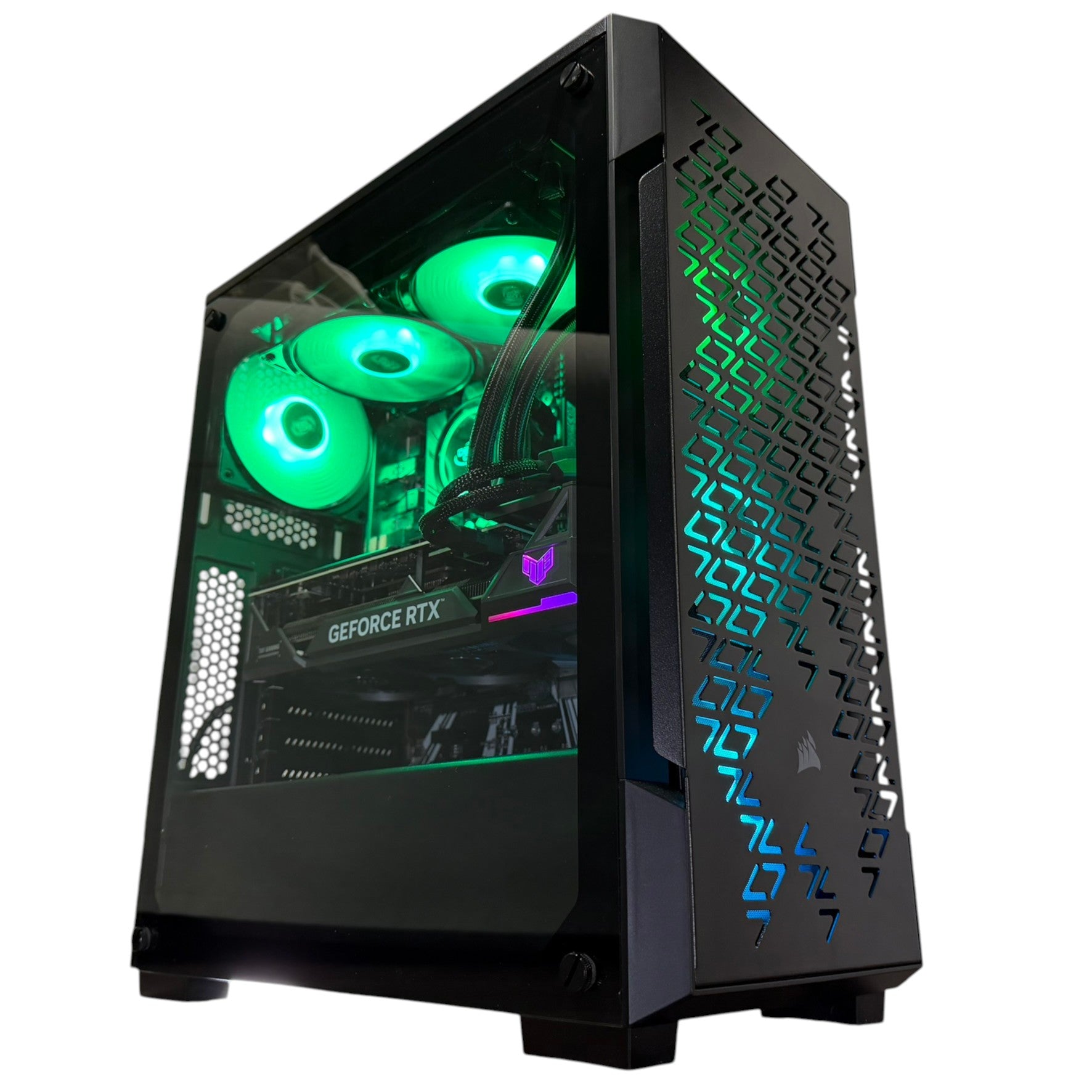
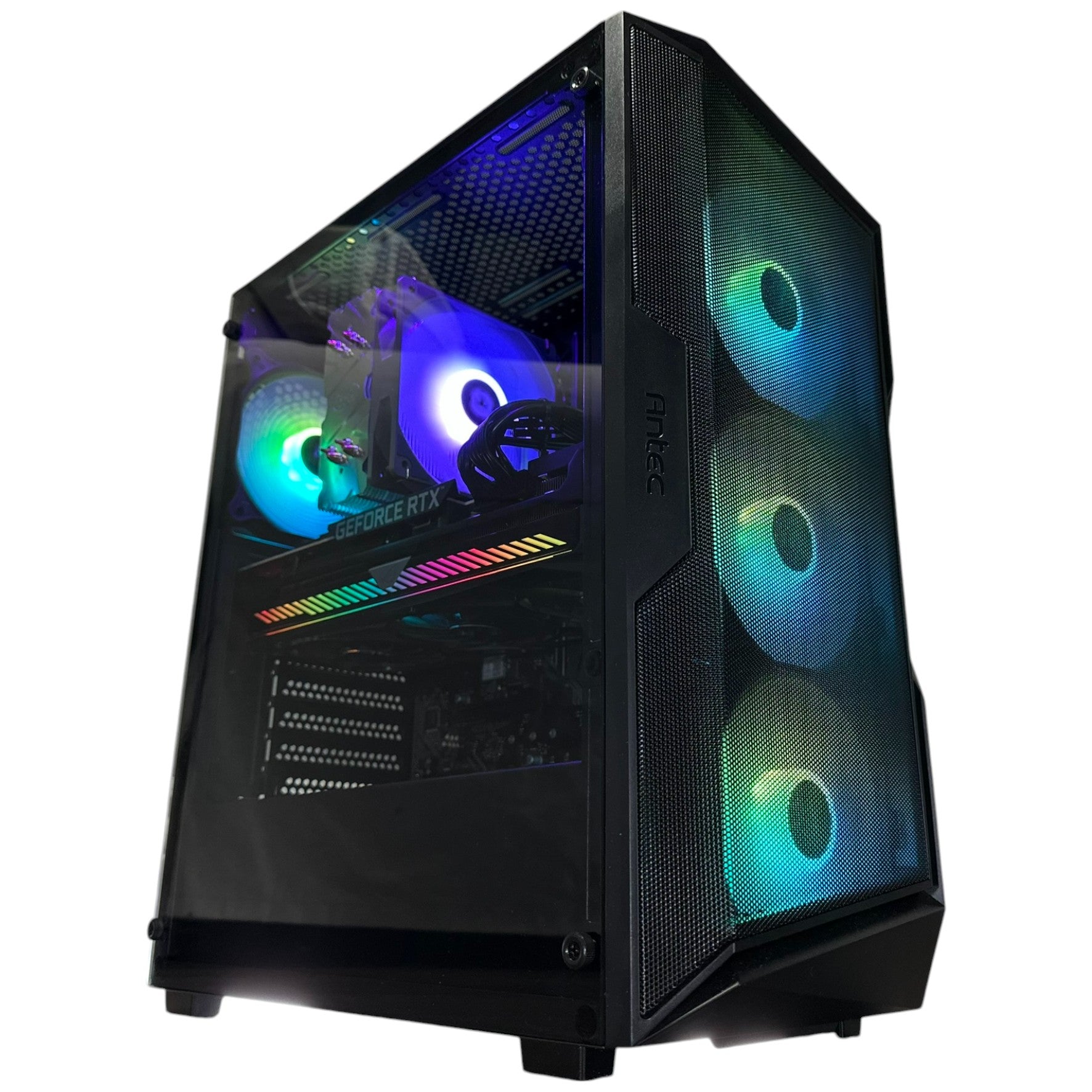
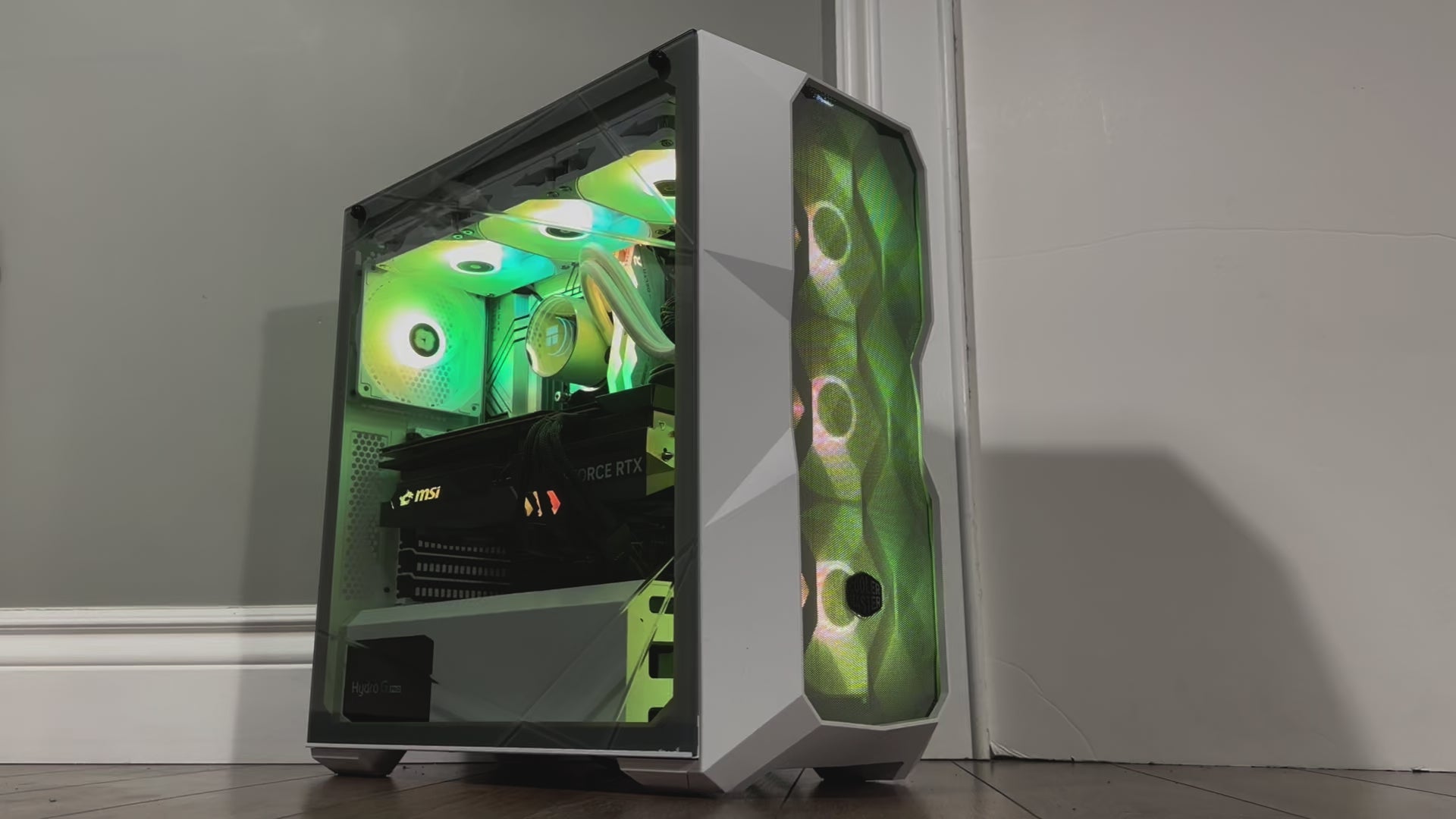
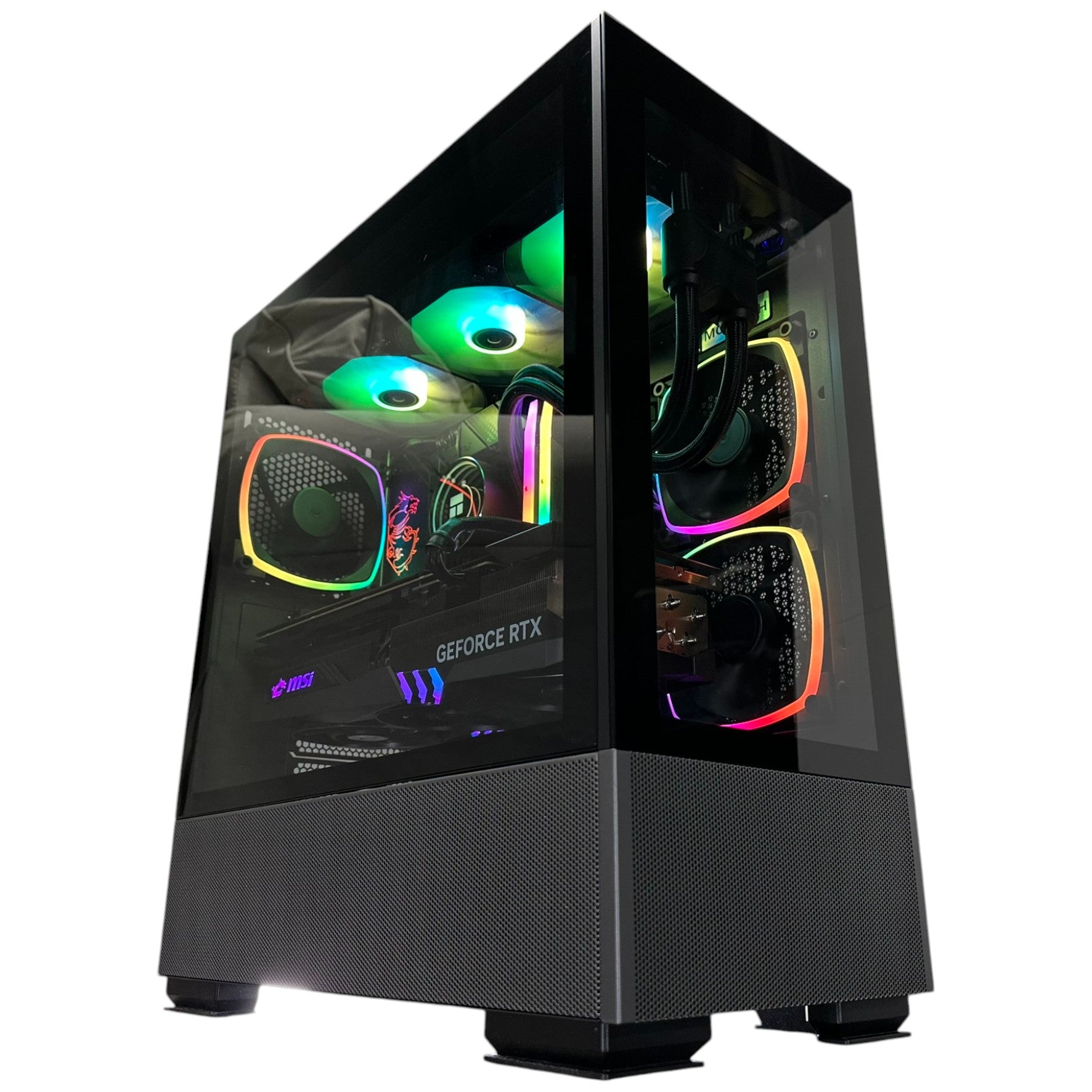
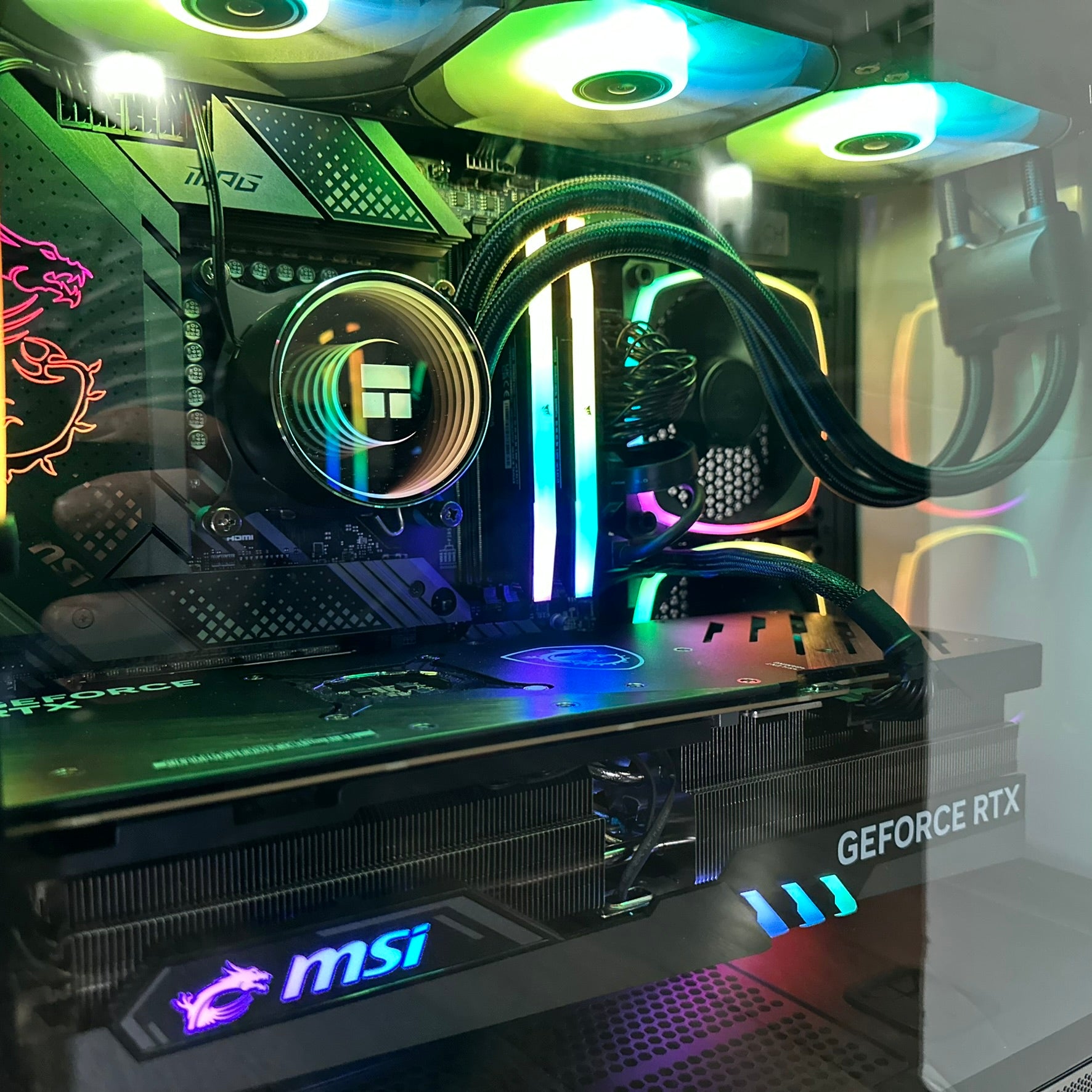
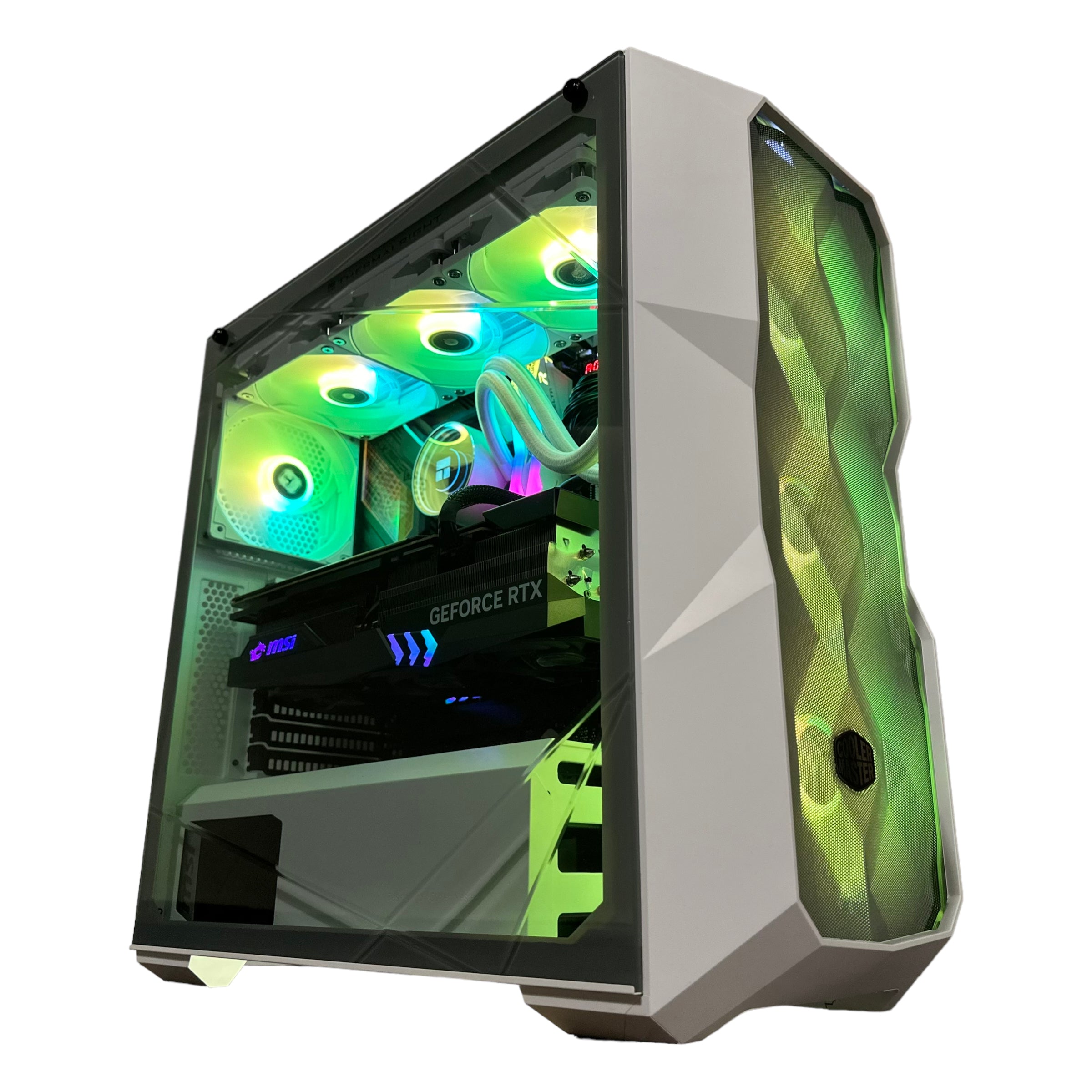
Groovy Computers speaks directly to what modern buyers actually need: custom gaming PCs, creator systems, and workstation builds designed for real use cases in Canada. Whether you are shopping from Nova Scotia or ordering from elsewhere in the country, you are not just looking for a box with parts. You are looking for guidance, build quality, support, and confidence.
That means helping you decide whether you need a budget gaming machine, a premium RTX gaming system, a streaming-ready setup, a creator desktop, or a heavier-duty workstation. It also means helping you avoid overspending where it does not help and underbuying where it will hurt later.
Groovy Computers also offers the kind of trust signals serious buyers want: rigorous testing, a 1-year warranty, and financing options that can make a better system more realistic before prices move again. For customers trying to buy once and buy properly, that combination matters.
What kind of buyer should choose which Groovy Computers category?
Choose a budget-oriented gaming build if:
- you mainly play esports or lighter-demand titles
- you want 1080p performance and solid everyday use
- you need value but still want a proper custom build
- you are a first-time buyer and want to avoid the low-end trap
Choose a midrange gaming build if:
- you want excellent all-around value
- you are targeting 1440p or stronger 1080p longevity
- you play modern AAA games and want fewer compromises
- you may stream, record, or edit occasionally
Choose a premium RTX gaming PC if:
- you want high-refresh 1440p or 4K-focused performance
- you care about ray tracing and visual quality
- you want stronger long-term relevance
- you would rather buy once than upgrade again too quickly
Choose a creator or workstation build if:
- you edit video, photos, or graphics regularly
- you work in Adobe apps, DaVinci Resolve, or similar tools
- you model or render in Blender, Unreal Engine, CAD, or other 3D software
- you need your computer to support productivity, not just entertainment
Do you want help choosing the right build instead of guessing?
If this article raised the right questions for you, that is a good sign. The goal is not to pressure you into the most expensive system. It is to help you identify the right performance tier for your games, software, and budget before digital demands, new releases, or component pricing leave you buying reactively.
Do you want your next PC to handle new games smoothly, support streaming or editing, give you enough storage for modern downloads, and stay relevant longer without an early rebuild? If so, it is worth talking to a builder who understands the full picture. Visit GroovyComputers.ca to explore custom builds, compare performance tiers, and find out whether a gaming PC, creator PC, or workstation makes the most sense for your needs.
The bottom line: the disc debate is really a hardware-readiness debate
The source story was about what was actually said regarding physical media, but for today’s buyers the more important takeaway is practical. Gaming, creative work, and digital ownership are all increasingly tied to powerful, stable, storage-ready hardware. The question is no longer just whether media is physical or digital. The question is whether your next system is ready for how software is distributed, updated, and used in the real world.
For anyone shopping for a gaming PC Canada solution, the smart move is to buy according to your actual workload, choose a build tier that fits your performance goals, and consider whether financing a stronger system now will save you from a weaker purchase and faster replacement later. If you want expert guidance, Canadian support, custom configuration, stress testing, and a 1-year warranty, Groovy Computers is exactly where that conversation should start.
#GamingPCCanada #CustomGamingPCCanada #CreatorPCCanada #VideoEditingPCCanada #3DModelingPCCanada #WorkstationPCCanada #GamingPCNovaScotia #CanadianCustomPCBuilders #GamingPCForNewGames #GroovyComputers
Groovy Computers | All Rights Reserved


Leave a comment
This site is protected by hCaptcha and the hCaptcha Privacy Policy and Terms of Service apply.