





Resident Evil Movie Hype Is Back, But Is Your Gaming PC Ready for the Next Wave of Horror Games?
The new Resident Evil movie controversy has done exactly what major franchise news always does: it has reignited fan debate, pushed horror gaming back into the spotlight, and reminded players that big entertainment moments often lead to renewed demand for horror titles, remakes, mods, streaming content, and PC upgrades. For Canadian buyers, that matters. When excitement returns to a franchise as recognizable as Resident Evil, more players start asking the same practical question: is my current system ready for the games I actually want to play next?
The source story focuses on director Zach Cregger defending his creative choices ahead of the September 2026 release, making it clear that the upcoming film is taking liberties rather than aiming for a strict one-to-one game adaptation. Fans are arguing about the timeline, the snow setting, the modern phone, and whether the project feels close enough to the source material. But from a PC buyer's perspective, the bigger opportunity is this: whenever Resident Evil trends again, players return to the games, revisit remakes, start new playthroughs, upgrade visual settings, and create content around the franchise.
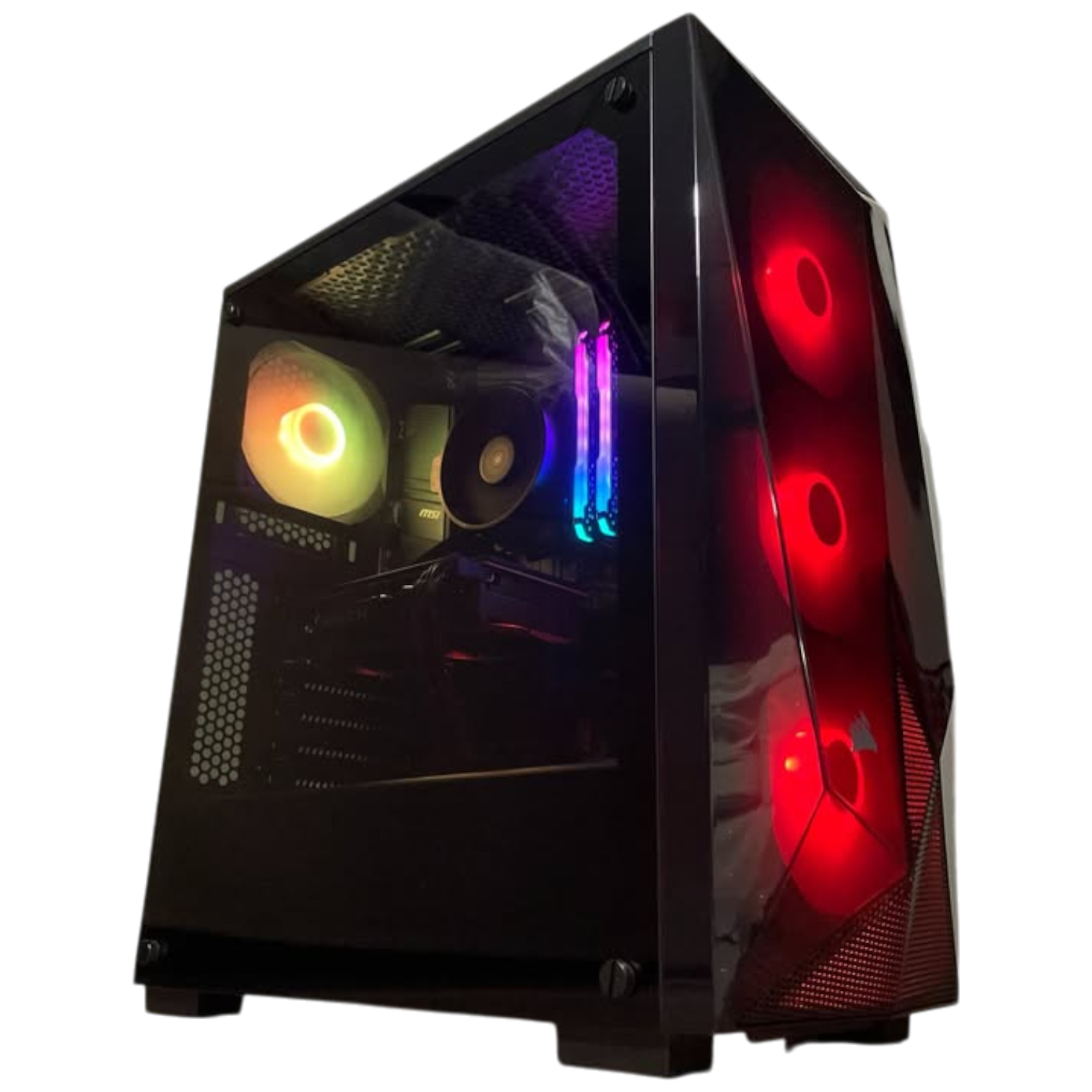
That is where Groovy Computers comes in. If a major horror release has you thinking about jumping back into survival horror, streaming your reactions, capturing gameplay, editing YouTube clips, or finally upgrading to a smoother 1440p or 4K experience, this is the right time to think seriously about what your next system should do.
Why does the Resident Evil movie debate matter to PC gamers in Canada?
Because entertainment hype rarely stays in one lane. A film trailer drops, social media lights up, longtime fans revisit old games, newer players discover the franchise for the first time, and PC gamers start searching for better performance. Some want ultra settings with ray tracing. Some want high frame rates for smooth exploration and combat. Some want to mod older titles. Others want a system that can handle gaming plus OBS, Discord, browser tabs, recording software, and video editing without turning every session into a compromise.
Are you only planning to play horror games casually at 1080p? Or are you the kind of buyer who knows one upgrade always leads to another and would rather buy a stronger system once instead of replacing weak parts too soon?
That is the difference between buying reactively and buying intelligently. A franchise moment like this is often the trigger, but the real decision is broader: what PC do you need for the games and workloads you will care about over the next several years?
What the source story gets right about fan expectations
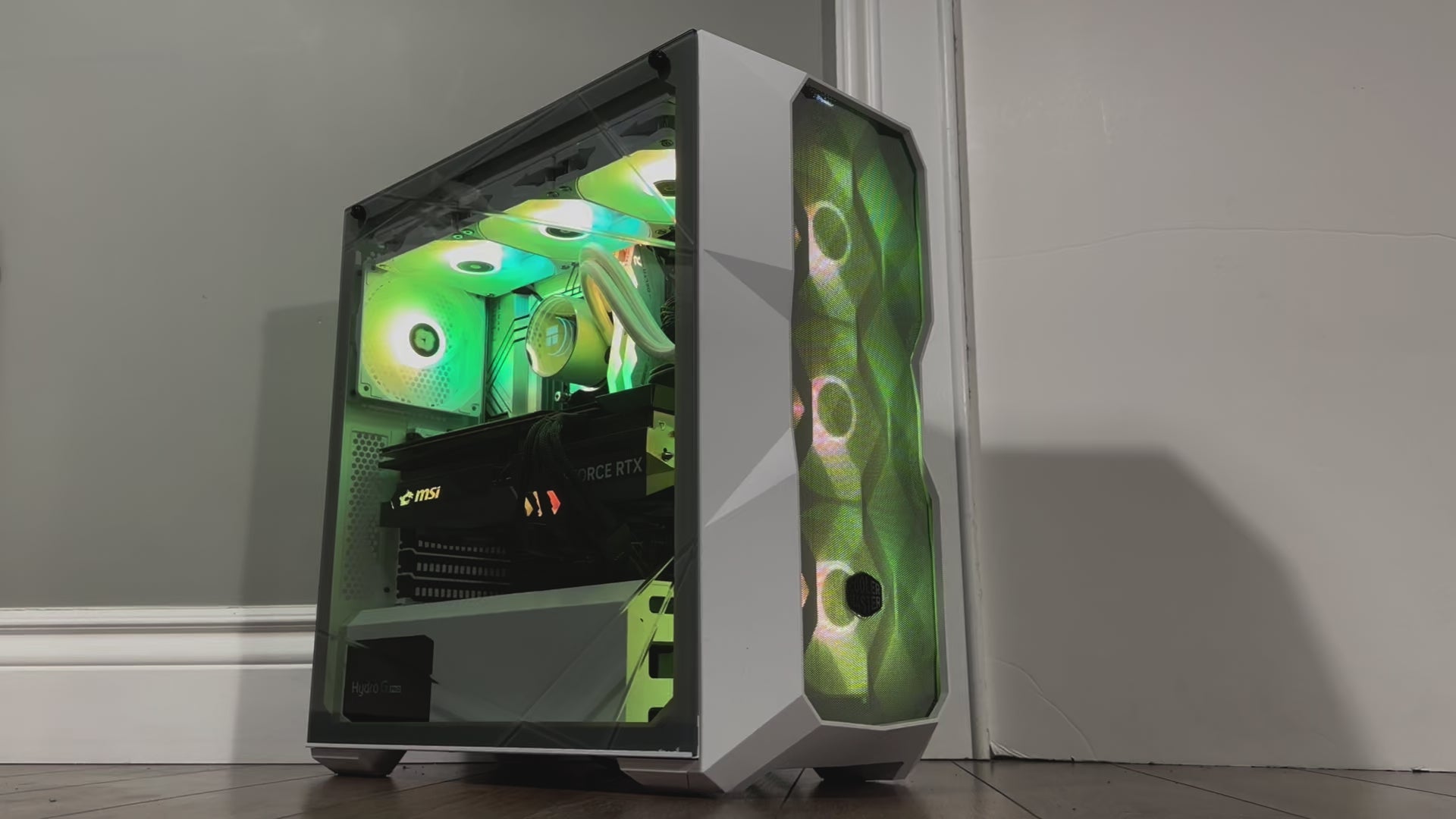
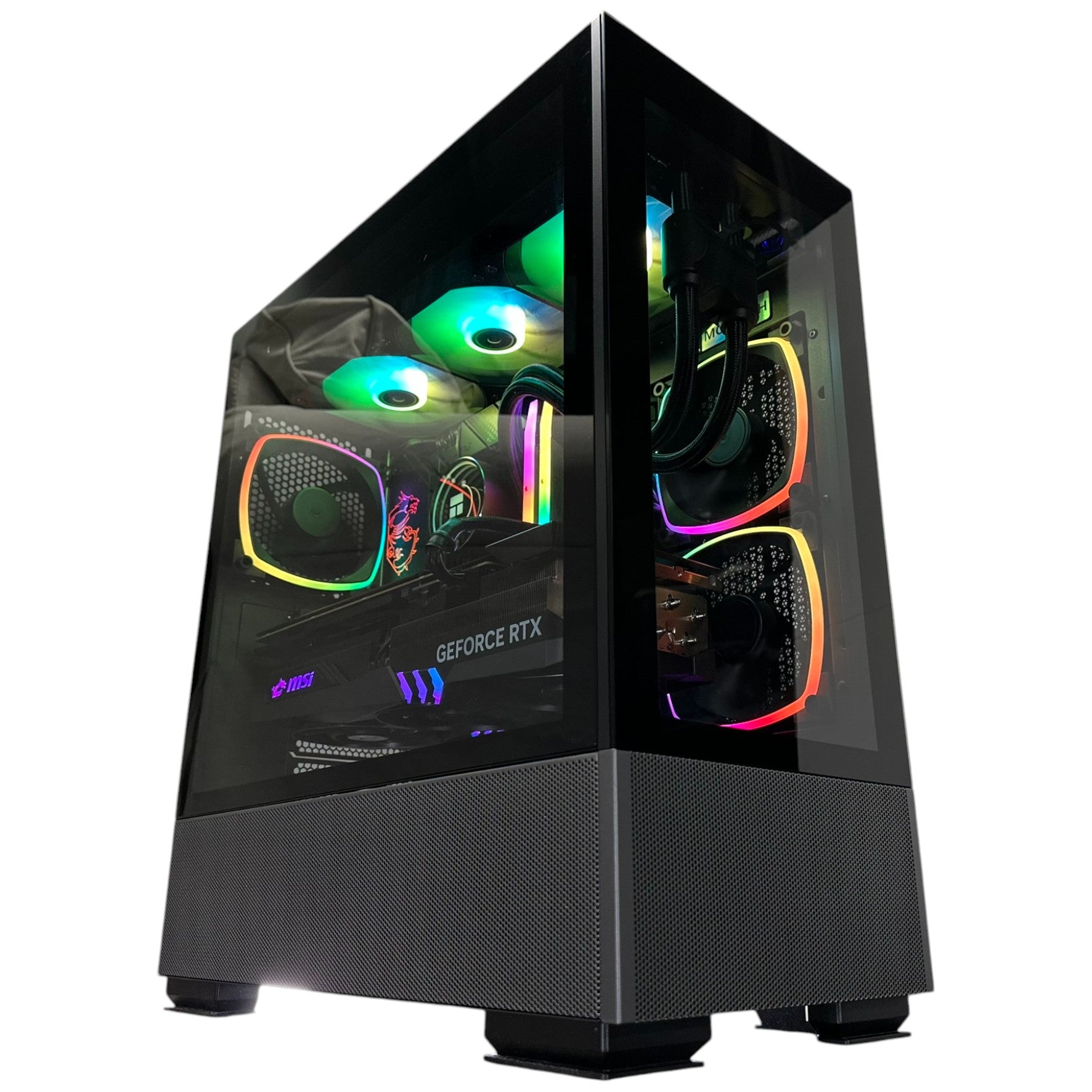
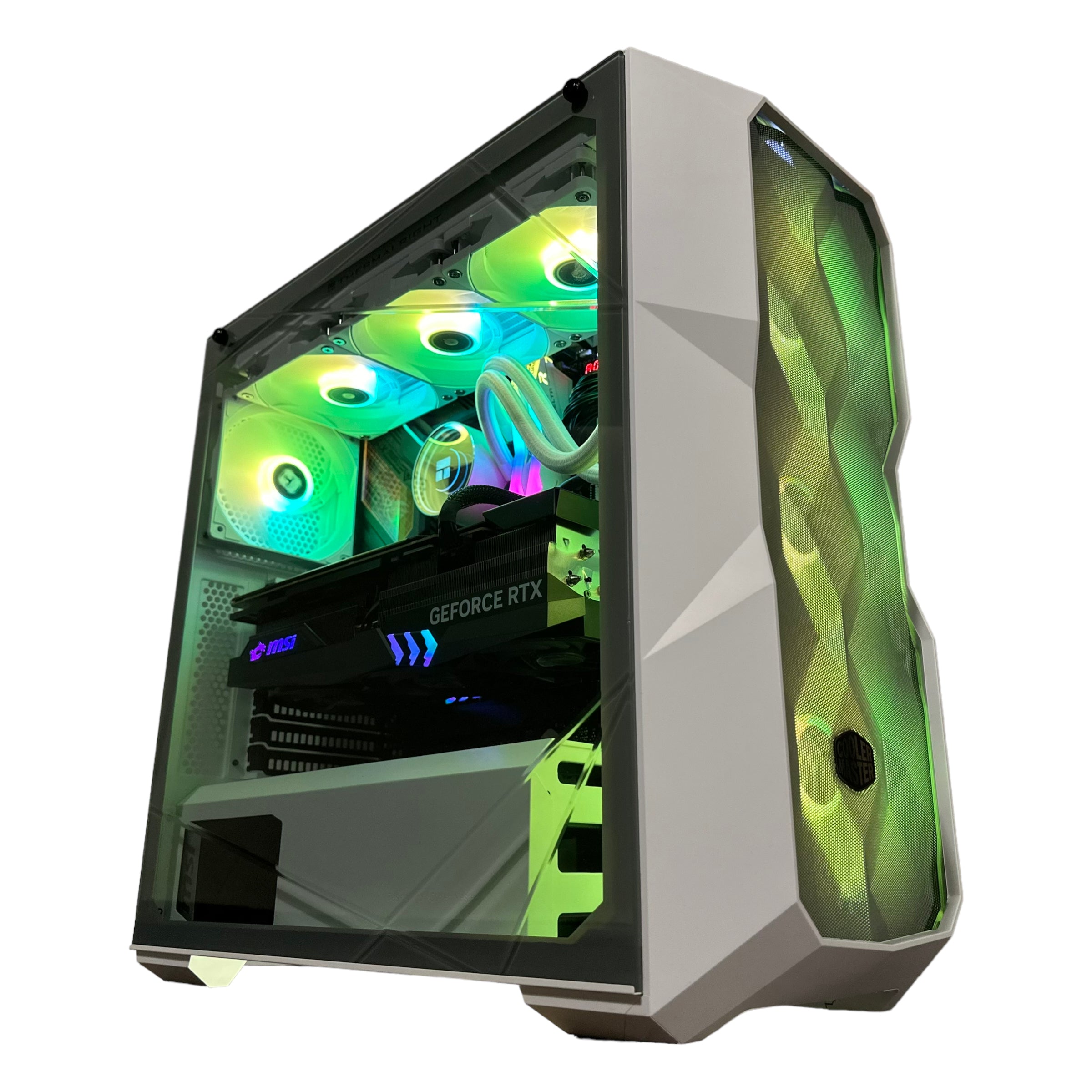
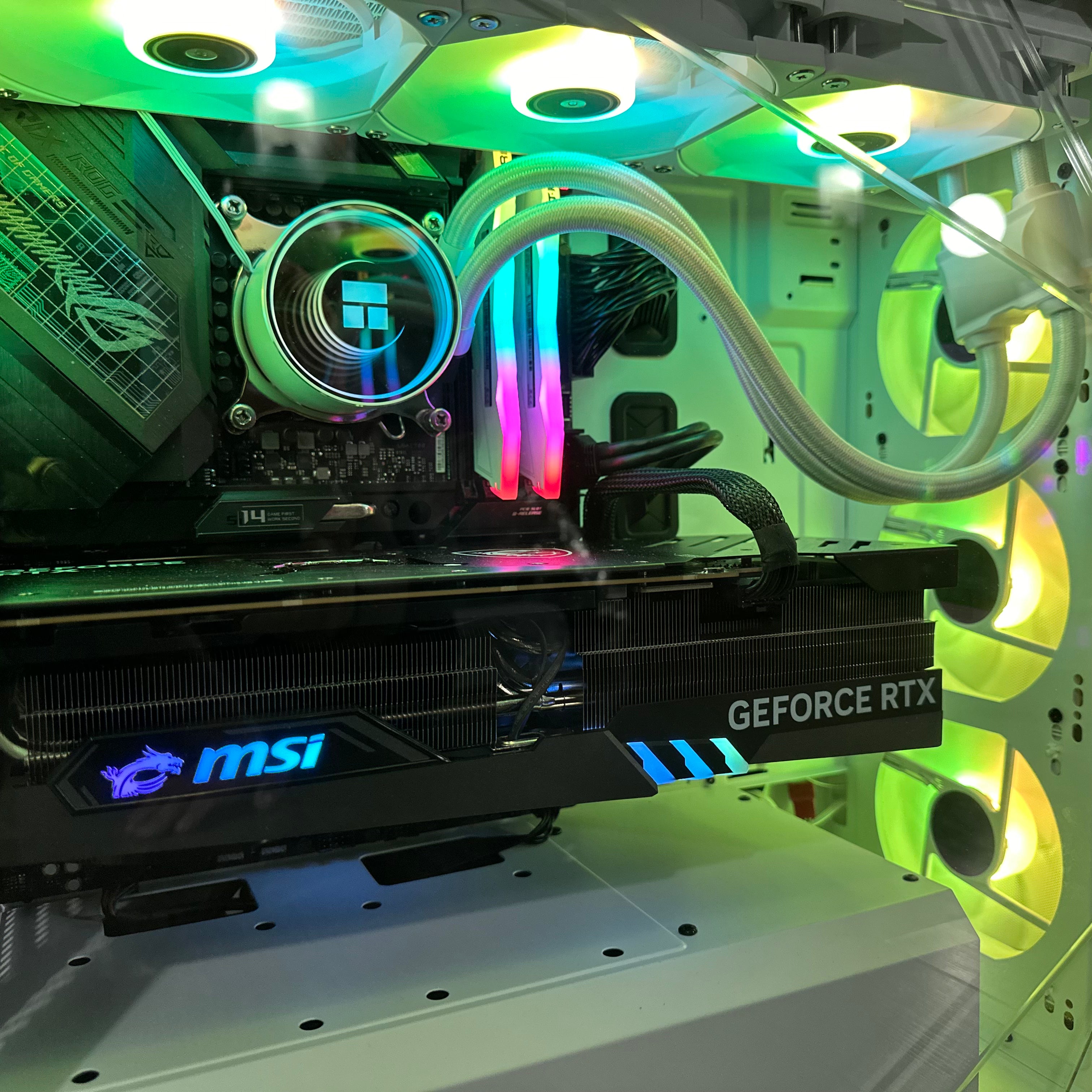
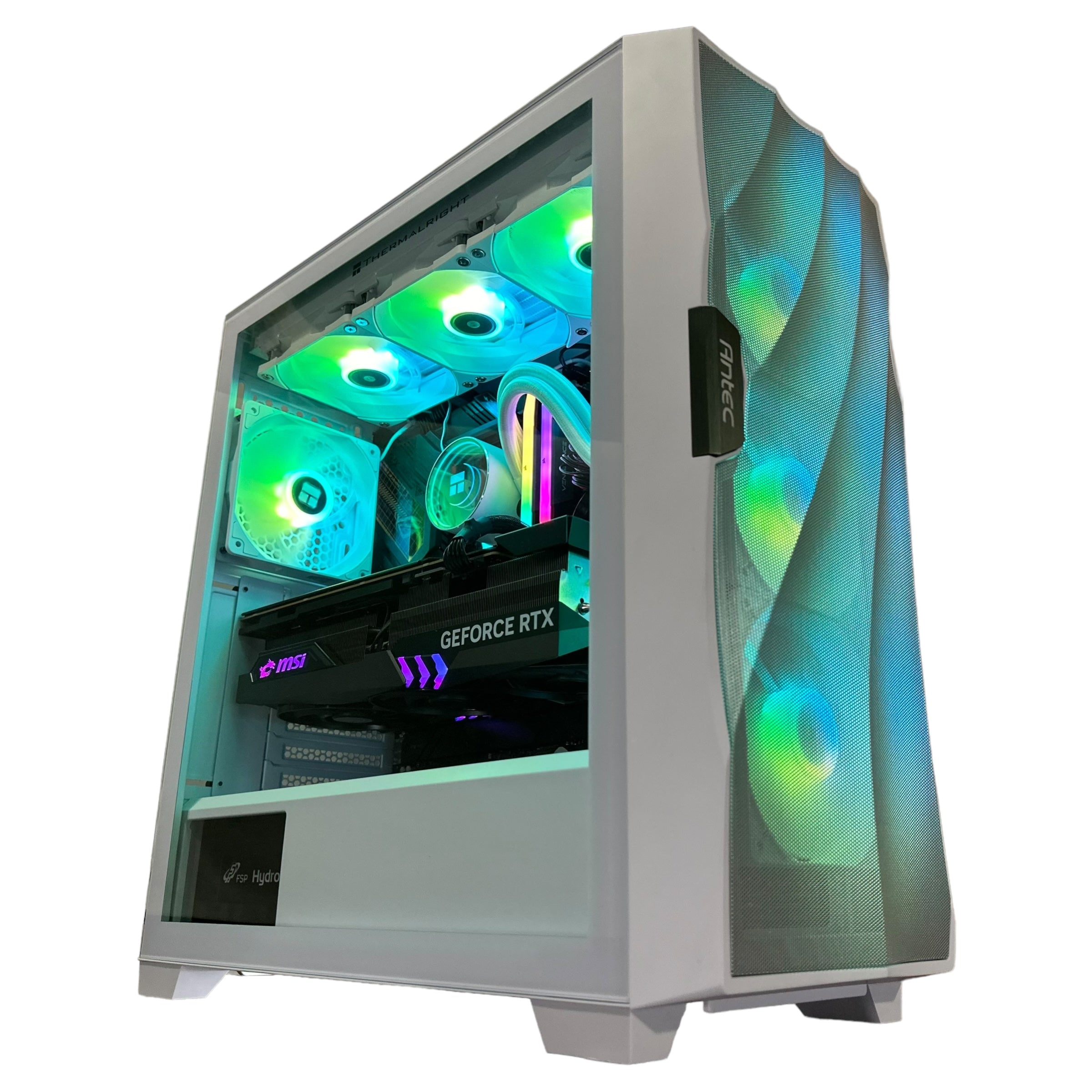
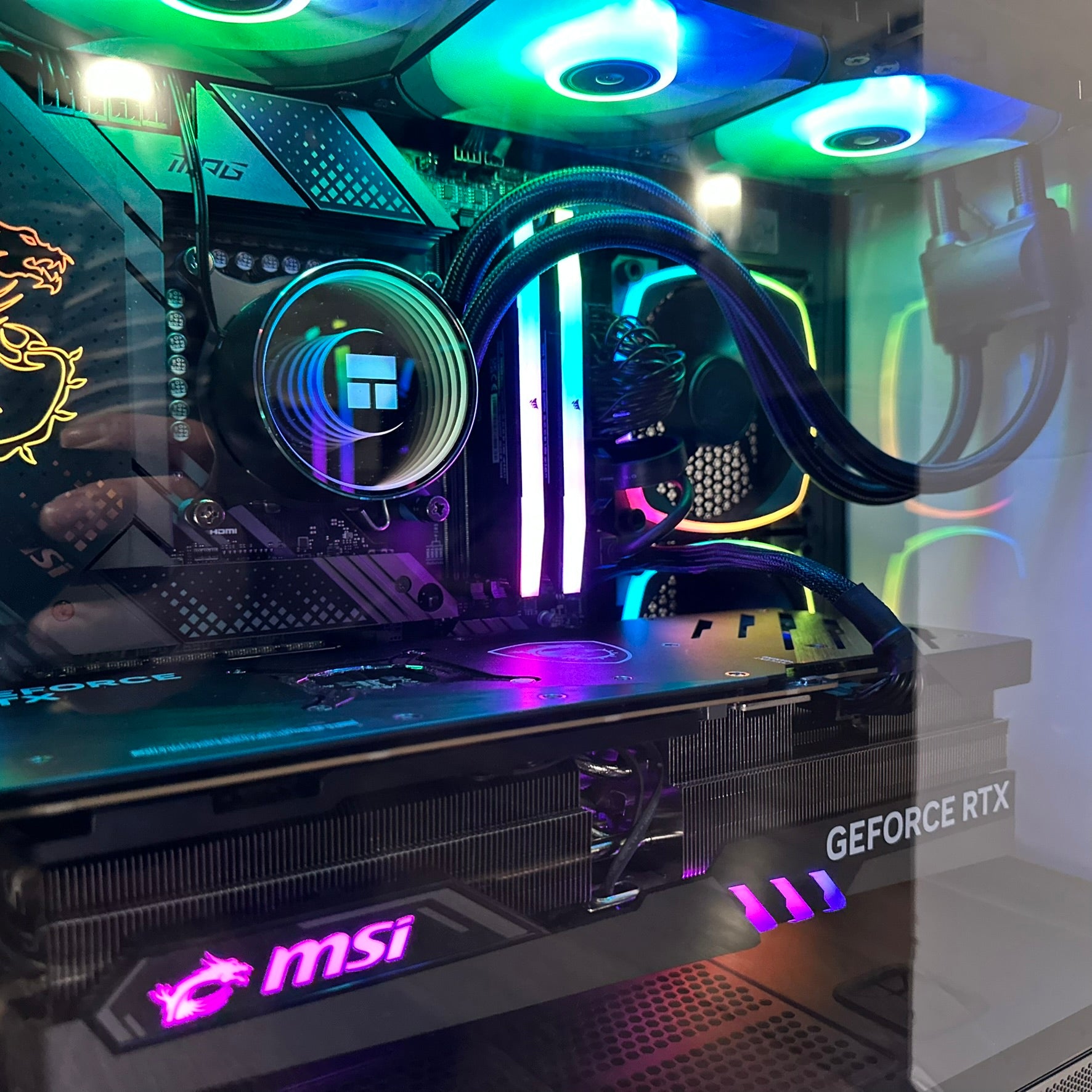
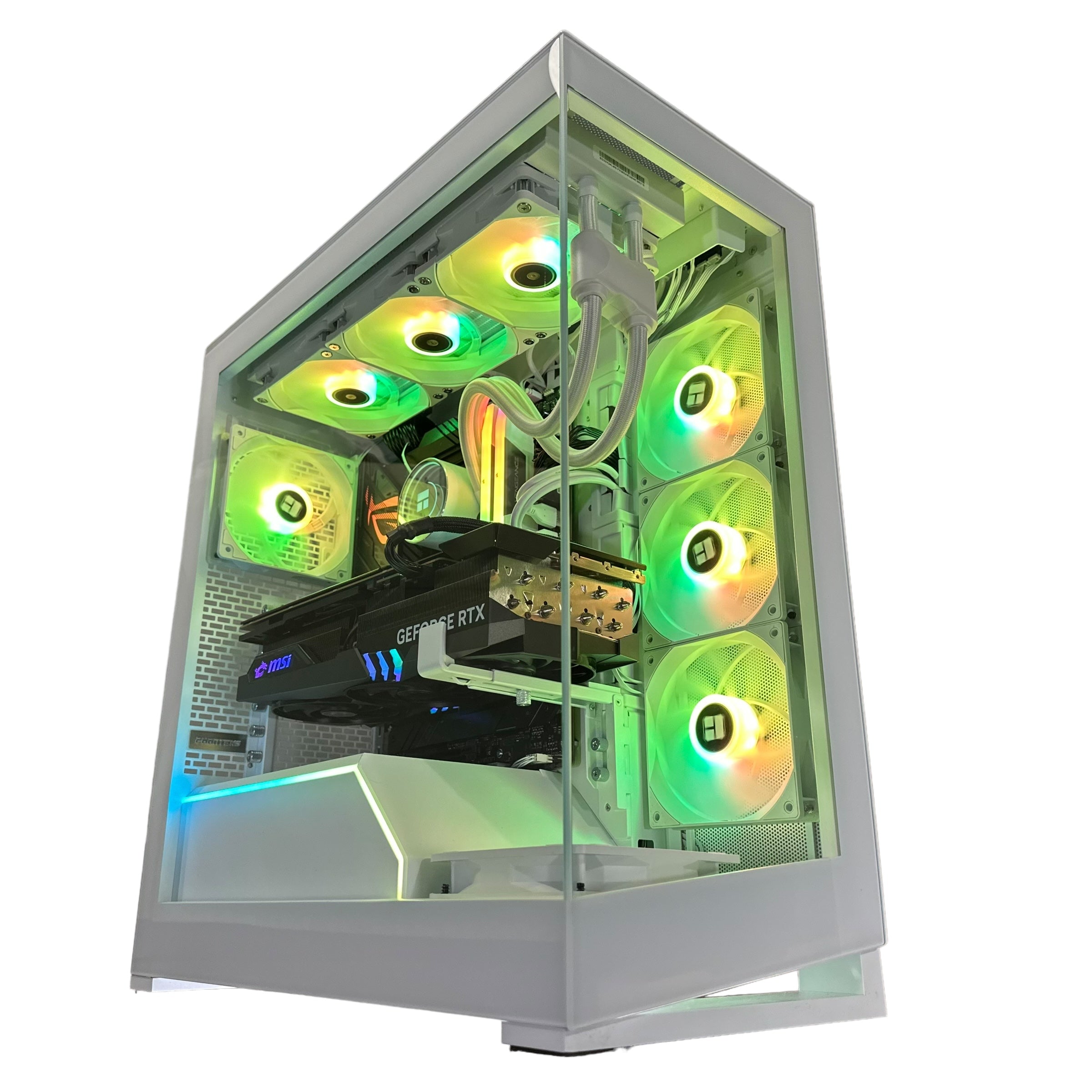
The original report highlights something gaming audiences understand very well: fans notice details. They notice lore changes, timeline shifts, visual design choices, and whether an adaptation respects the identity of the original games. That same attention to detail is exactly why so many gamers eventually move away from generic, underpowered desktops and start looking at a proper Gaming PC Canada solution built around what they actually play.
If you care about atmosphere, shadows, texture quality, loading speeds, and stable frame pacing in horror games, details matter on the hardware side too. A machine that is technically able to launch a game is not the same thing as a machine that lets you enjoy it the way it was meant to feel.
Do you want dark corridors with stutter and blurry settings? Or do you want strong image quality, fast SSD load times, responsive controls, and enough graphics power to keep future horror releases from forcing immediate compromises?
What do you want your next PC to do for you?
Before comparing GPUs and CPUs, the most useful starting point is not the parts list. It is your goal.
Do you want your next PC to handle:
- Modern survival horror games at 1080p high settings?
- 1440p gaming with stronger visuals and smoother frame rates?
- 4K gaming for cinematic single-player experiences?
- Ray tracing in darker, atmosphere-heavy games?
- Streaming to Twitch or YouTube while gaming?
- Recording gameplay and editing reaction content?
- Photo editing for thumbnails, branding, or social content?
- Graphic design work in Adobe apps?
- Video editing for long-form reviews, shorts, or horror compilations?
- 3D modeling, rendering, or Unreal Engine work inspired by game design?
If you are asking yourself, what gaming PC do I need, that is the right question. The answer depends on whether you are just trying to play the next game, or whether you want one reliable system that covers gaming, content creation, and professional workloads without feeling outdated too quickly.
Resident Evil fans are not just watching movies, they are replaying games
When a franchise returns to the headlines, buying intent changes. People start replaying older entries, testing community mods, revisiting remakes, and exploring PC versions with settings they could not run well before. That creates demand for systems that are not only capable today, but also sensible for tomorrow.
A lot of Canadian buyers make the mistake of shopping for the bare minimum. That usually works for a few months, then the next major release, patch, remaster, or visual overhaul arrives and the system suddenly feels small. That is why a custom build strategy matters. Instead of buying for one trailer-driven impulse, you buy for the broader pattern of how you actually game.
Are you the type of player who jumps between horror titles, open-world games, shooters, and the occasional new AAA release? If so, a narrowly spec'd entry system may not stay satisfying for long.
What performance tier fits your gaming style?
Entry tier: good for 1080p players who want solid value
If your goal is a Budget Gaming PC Canada setup for esports, older AAA games, and many current titles at 1080p, an entry-level build can make sense. This tier is best for buyers who want to get into PC gaming, keep costs lower, and are comfortable adjusting settings over time.
This may be right for you if:
- You mainly play at 1080p
- You do not need heavy ray tracing
- You are fine with balanced rather than maxed settings
- You want your first gaming PC in Canada without overspending
- You mostly game and browse rather than stream or edit professionally
But ask yourself honestly: if you already know you will want stronger performance in a year, would financing a better build now save you from upgrading too soon?
Mid-range tier: the sweet spot for 1440p gaming and hybrid use
For many buyers, this is the smartest zone. A stronger mid-range Custom Gaming PC Canada build is often the best balance of cost, visual quality, longevity, and overall satisfaction. This tier is ideal for horror games, modern AAA titles, high refresh rate 1080p, and increasingly strong 1440p performance.
This may be the best fit if:
- You want 1440p gaming PC performance in Canada
- You care about image quality and frame consistency
- You may stream occasionally
- You record gameplay clips
- You use Photoshop, Lightroom, or simple editing tools alongside gaming
- You want a more future-proof gaming PC without going fully premium
This is often where buyers realize that a properly balanced custom system gives them more real-world value than chasing the cheapest possible spec sheet.
High-end tier: for 4K, ray tracing, streaming, and serious creator workloads
If you want a 4K Gaming PC Canada experience, stronger ray tracing, fast exports, advanced multitasking, and longer-term confidence, you are in premium territory. This level is ideal for gamers who also create content, stream regularly, or work in heavier software.
This may be right for you if:
- You want ultra settings in newer games
- You are shopping for a ray tracing gaming PC in Canada
- You stream while gaming
- You edit 4K footage
- You use Adobe Creative Cloud, DaVinci Resolve, or Blender
- You want to avoid feeling underpowered when the next big release lands
If you are already considering a premium system, another question matters: should you buy a cheaper machine now and replace it sooner, or secure the stronger build while pricing and availability still make sense?
Is this just about gaming, or do you also need a creator PC?
A lot of customers start by saying they want a gaming computer, but their actual use case is much wider. They want to game, stream, capture footage, edit clips, make thumbnails, manage social content, and maybe even run professional software for school or work. That is not just a gaming tower. That is a Creator PC Canada or hybrid gaming-and-creator build.
If Resident Evil hype has you thinking about reaction content, horror livestreams, YouTube breakdowns, or cinematic edits, your parts priorities change. You may need more CPU headroom, more RAM, faster SSD storage, and a GPU that helps both games and creative applications.
What PC do content creators need? Usually one that does not force them to choose between smooth gameplay and efficient production. That is especially true if you use:
- OBS Studio for streaming or recording
- Adobe Premiere Pro for video editing
- DaVinci Resolve for grading and export work
- Photoshop for thumbnails and promotional graphics
- Illustrator or InDesign for graphic design projects
- Blender or Unreal Engine for 3D projects
What if you want to stream horror games?
Horror content remains one of the most watchable formats online because reactions are part of the entertainment. If you are planning to stream jump-scare-heavy games, atmospheric remakes, or cinematic playthroughs, a true Streaming PC Canada build becomes more important than many first-time buyers expect.
What PC do you need for streaming? That depends on whether you are:
- Gaming and streaming at 1080p
- Trying to keep high in-game FPS while broadcasting
- Recording high-bitrate footage for later editing
- Running alerts, chat tools, Discord, browser sources, and plugins at once
- Using one PC for everything instead of a dual-PC setup
A stronger gaming and streaming PC in Canada can save major frustration. Nobody wants dropped frames during a live reaction, choppy gameplay during a boss fight, or a system that sounds stressed every time multiple apps are open.
Do you also need a video editing PC for your content pipeline?
Many customers discover that editing is the real bottleneck, not gaming. Your current machine might launch games reasonably well, but fall apart when you open a large project in Premiere Pro, scrub 4K footage, apply effects, or export a long-form video.
If your workflow includes content creation, a Video Editing PC Canada build may be the smarter target than a pure gaming-first configuration.
Ask yourself:
- What PC do I need for video editing if I also game?
- How much RAM do I need for video editing?
- Do I edit 1080p, 4K, or higher-resolution footage?
- Do I use Premiere Pro, DaVinci Resolve, After Effects, or CapCut?
- Am I losing time every week waiting on renders, exports, proxies, or previews?
If you are working with layered projects, creator assets, music tracks, effects, and gaming footage, more memory and a faster storage setup can make a dramatic difference in day-to-day responsiveness.
What about photo editing, graphic design, and branded content?
Not every customer chasing gaming news is only a gamer. Some are creators, students, marketers, photographers, or business owners who want one machine for entertainment and work. If you design thumbnails, promotional art, channel branding, print material, or ad creatives, your next desktop may need to function as a Graphic Design PC Canada build or Photo Editing PC Canada setup as well.
That matters if you use:
- Photoshop for image work and layered compositions
- Lightroom for RAW photo editing
- Illustrator for vector graphics
- InDesign for layout work
- Canva and browser-based tools while multitasking across multiple displays
Is a gaming PC good for graphic design? Sometimes, yes. But the best answer is usually a balanced custom build with the right CPU, RAM, SSD, cooling, and monitor support for both gaming and creative output.
Could a horror gaming trend push you toward 3D work or game development?
It happens more often than people think. A movie or game revival inspires players to create fan art, custom environments, animation tests, indie horror concepts, or Unreal Engine scenes. If that sounds like you, then your needs move beyond standard gaming into 3D Modeling PC Canada or workstation territory.
What PC do you need for Blender or Unreal Engine? Usually one with stronger GPU power, more memory, fast storage, and a processor capable of handling simulation, asset work, rendering, and multitasking without becoming a bottleneck.
You may need a workstation-class approach if you plan to use:
- Blender
- Unreal Engine
- Unity
- Maya
- 3ds Max
- Cinema 4D
- CAD or rendering software for professional work
In that case, a custom workstation is often a better long-term value than trying to force a basic gaming desktop into heavy production use.
Why Canadian buyers should think differently about timing
In Canada, PC buying decisions are shaped by more than raw part performance. Exchange pressure, supply shifts, regional shipping realities, and changing component demand can all affect full-system pricing. Even when a game or movie trend starts as entertainment news, it can influence demand across GPUs, storage, memory, and complete systems as player interest rises.
That is why many buyers ask, is it better to buy a gaming PC now or wait? The answer depends on your current machine, your budget, and whether delaying the purchase will simply cost more later while leaving you stuck with underwhelming performance in the meantime.
If your current PC already struggles, waiting rarely feels strategic. It usually means:
- More time spent lowering settings
- More frustration in newer games
- Slower editing, export, or streaming performance
- More risk that replacement costs rise before you finally upgrade
Should you finance a stronger PC instead of settling for a weaker one?
This is one of the most important buying questions in the market right now. Many people focus only on the sticker price and end up buying too low. Then they need upgrades earlier, spend more over time, and still never enjoy the performance they originally wanted.
If you are deciding between a barely-enough machine and a properly specced custom build, financing can change the equation. For some buyers, the smarter move is to secure the stronger system now rather than compromise on GPU tier, RAM, or storage and regret it within months.
Can you finance a gaming PC in Canada? For many customers, yes, and that can make a major difference when you are trying to buy before replacement costs rise further. Groovy Computers offers options that can help qualified buyers spread the cost over time, including financing up to 4 years where applicable.
Should you finance a gaming PC? If it lets you get the build you actually need for gaming, streaming, editing, or workstation use without gutting the specification to hit a short-term number, it may be the more practical move.
What parts matter most if you want to avoid upgrading too soon?
Even without getting lost in a giant spec sheet, there are a few categories that usually define how long a system feels strong.
GPU
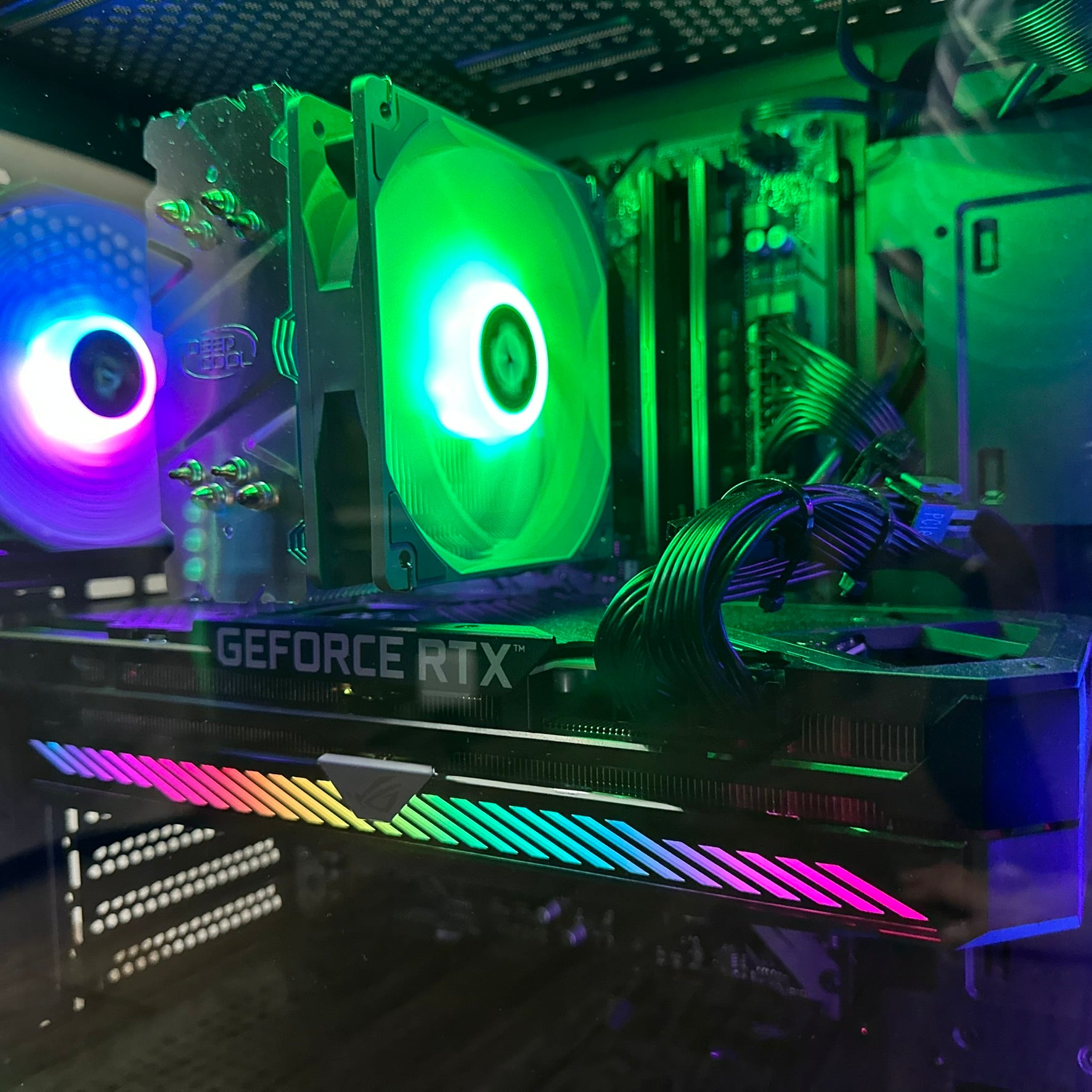
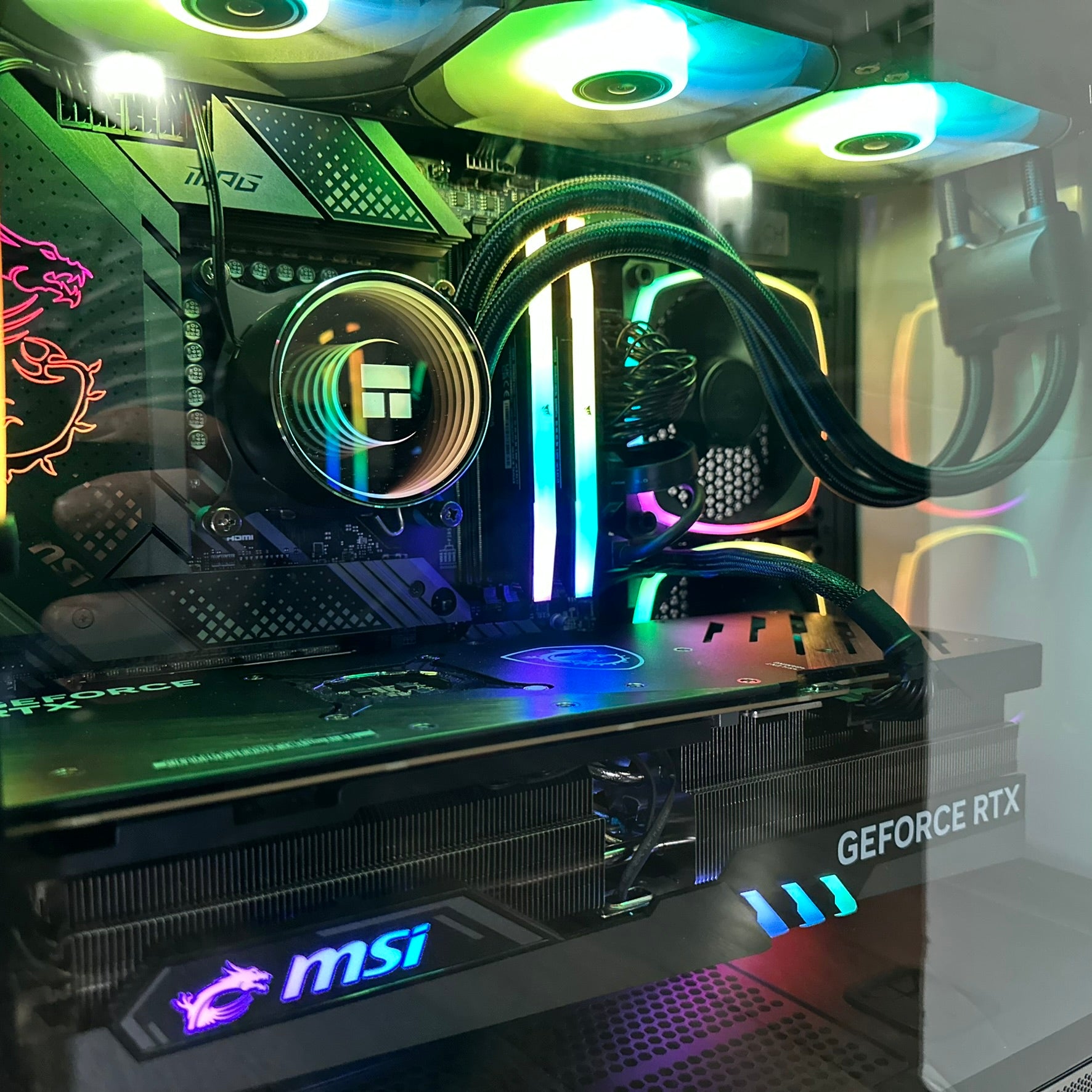
Your graphics card shapes gaming resolution, settings, ray tracing capability, and in many creator workflows, acceleration performance. If you care about newer horror games, future AAA titles, and longer relevance, the GPU is one of the last places you want to underbuy.
CPU
Your processor matters for minimum frame rates, multitasking, streaming, editing, compiling, rendering, and long-session responsiveness. It is especially important if your PC doubles as a content creation or workstation machine.
RAM
If you game only, moderate amounts may be enough. But if you stream, edit, design, or use professional software, more memory can transform usability. A machine that feels fine in-game can still choke under creative workloads if RAM is too limited.
SSD storage
Fast SSDs help with game load times, project access, cache files, software launches, and general responsiveness. If you plan to install multiple large titles and keep footage or creator assets locally, storage planning matters more than many buyers expect.
Cooling and build quality
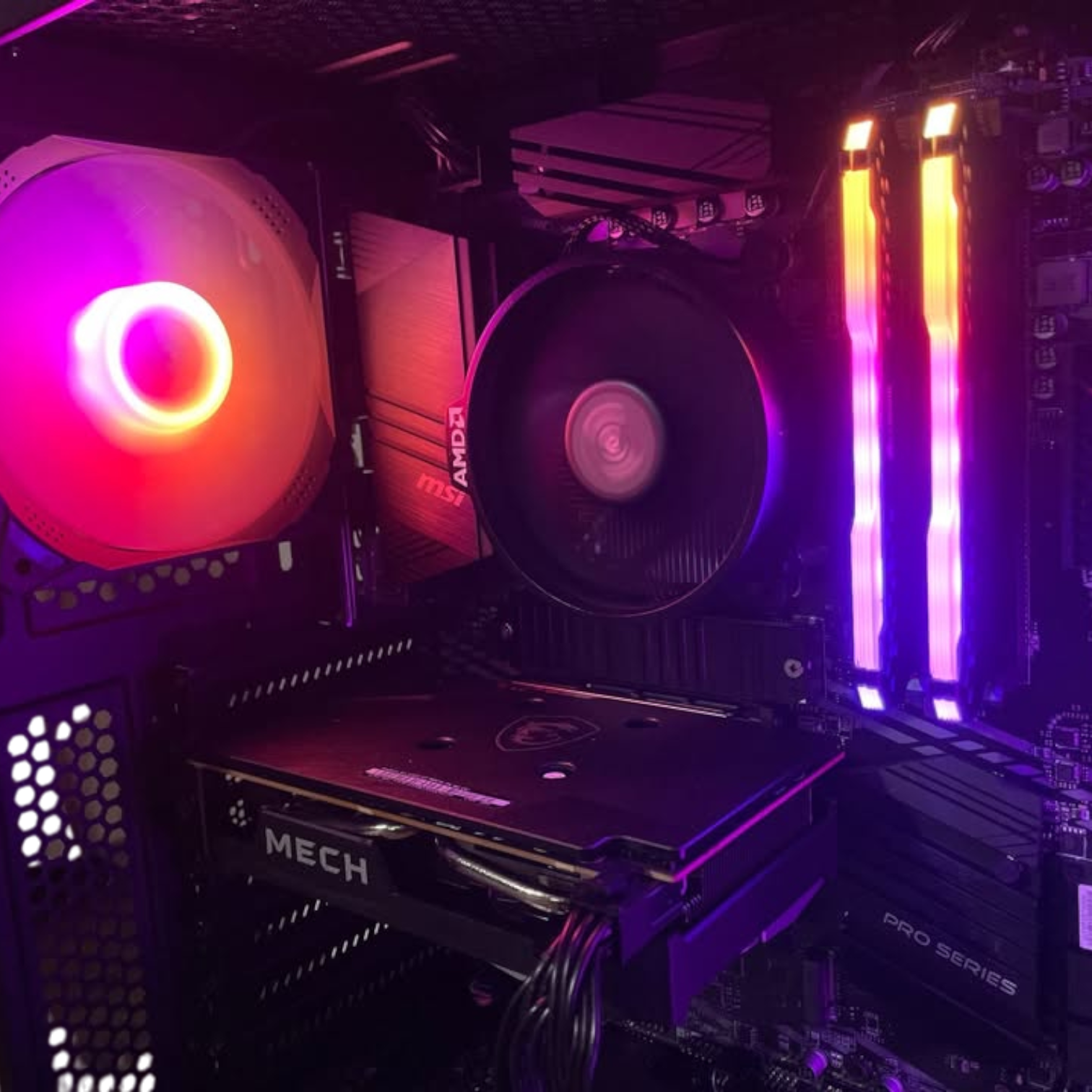
Performance is not just about the chip names. Good airflow, proper cooling, stable power delivery, and sensible component matching all help a system sustain performance and stay reliable over time.
Why custom builds matter more than generic prebuilts
When a trend pushes you to upgrade, it is easy to rush into whatever seems available. But this is exactly when many buyers make expensive mistakes. A random box with flashy marketing is not necessarily the right machine for your games, your software, or your future plans.
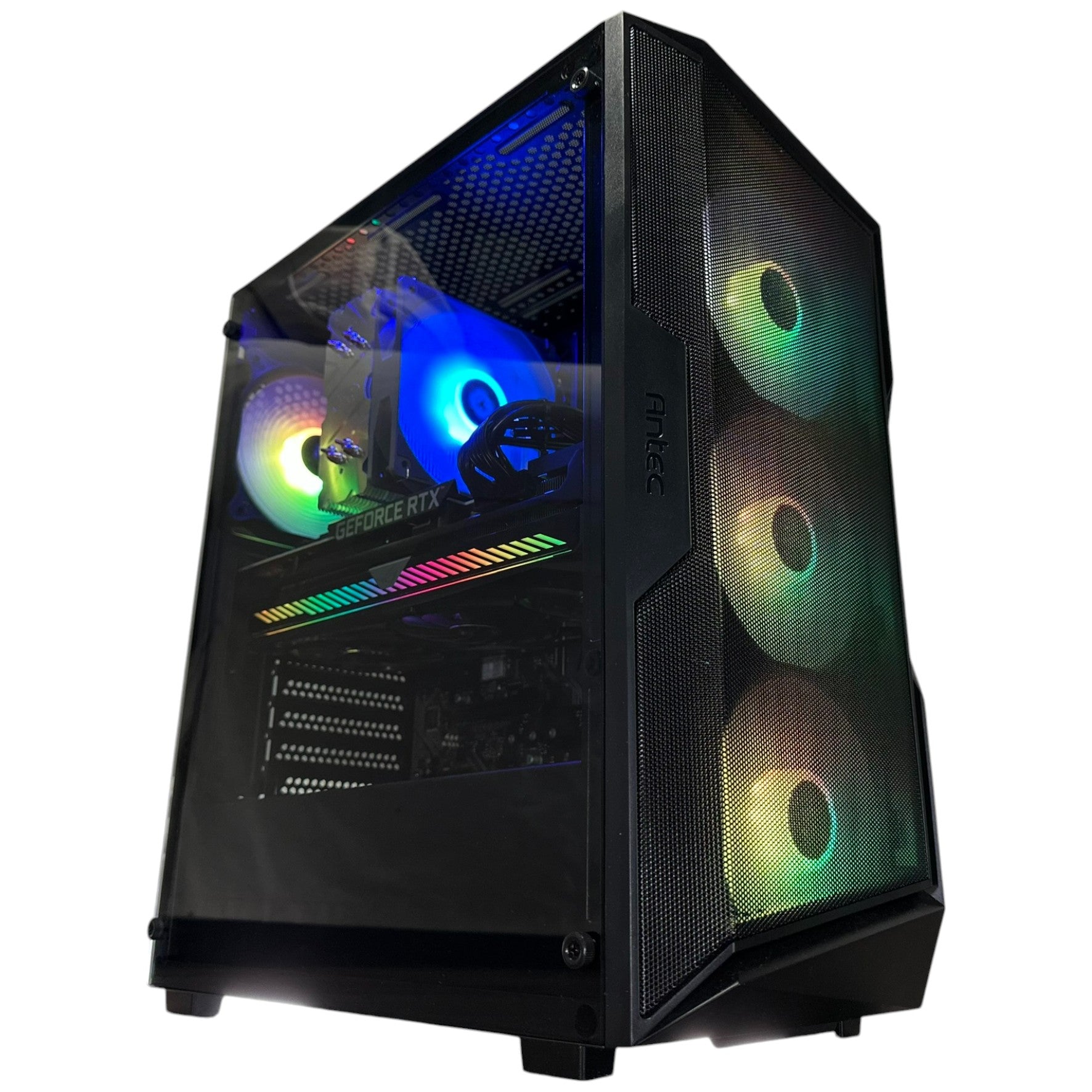
A proper Custom Gaming PC Canada approach means your system can be matched to your actual goals. Not somebody else's inventory problem. Not a one-size-fits-all compromise.
That matters if you are comparing:
- Gaming-only vs gaming-plus-streaming
- 1080p vs 1440p vs 4K
- Budget value vs longer-term performance
- Basic editing vs advanced creator workflows
- General use vs workstation tasks
Custom PC vs prebuilt PC in Canada is not just a price conversation. It is a suitability conversation. The right build should feel like it was chosen for your workload, because it was.
Why Groovy Computers makes sense for Canadian buyers
Groovy Computers is built around what serious buyers in Canada actually need: custom gaming PCs, creator PCs, and workstation systems that are selected for real-world use instead of generic marketing claims. Whether you are in Nova Scotia, Atlantic Canada, or ordering elsewhere in the country, the goal is the same: get a machine that fits your workload, arrives ready, and inspires confidence.
That confidence matters more when hardware pricing is volatile and demand can shift quickly. Buying from a trusted Canadian custom builder means you can focus on performance, reliability, and support instead of gambling on mismatched parts or unknown system quality.
Groovy Computers also emphasizes the details that matter after checkout:
- Carefully matched custom builds
- Rigorous testing before delivery
- A 1-year warranty for added confidence
- Canadian service and support context
- Options for buyers who need financing flexibility
Which kind of buyer are you right now?
If the Resident Evil movie discourse has you thinking about your setup, it helps to identify your real buyer profile before you spend anything.
The budget-conscious gamer
You want strong value, reliable 1080p performance, and a clean path into modern PC gaming. You may not need maximum settings, but you do want a machine that feels genuinely capable.
The 1440p upgrader
You are tired of compromises and want a sharper, smoother experience in modern games. This is often the best category for players who want strong performance without going all the way to flagship pricing.
The premium enthusiast
You want top-tier visuals, heavier ray tracing capability, stronger longevity, and excellent performance across AAA games and demanding software.
The streamer or YouTube creator
You need a machine that games well, records well, and handles editing without slowing your workflow to a crawl.
The creative professional or student
You game, but you also need design, editing, photo, or 3D performance. You are not really shopping for just a gaming desktop. You are shopping for a multi-purpose production tool.
The workstation buyer
Your needs extend into rendering, CAD, Unreal Engine, simulation, or professional workloads where reliability and sustained performance matter as much as frame rates.
Questions to ask before you buy your next PC
Before you choose a build, ask yourself a few practical questions:
- What games do I want to play over the next two to four years?
- Do I want 1080p, 1440p, or 4K performance?
- Do I care about ray tracing or mostly frame rate?
- Will I stream or record gameplay?
- Do I edit video, photos, or design assets?
- Will I need more RAM or storage sooner than I think?
- Am I buying for one game, or for my full routine?
- Would financing help me avoid settling for a weaker system?
- Do I want a PC that feels outdated quickly, or one that gives me room to grow?
These are the questions that lead to better outcomes. Not just cheaper carts.
So, what should you do if Resident Evil hype has you thinking about upgrading?
Use the moment as a buying signal, not a panic signal. If trending game and movie news has reminded you that your current setup is behind, take that seriously. The right move is not necessarily to buy the most expensive machine. It is to choose the right tier for your actual goals before another round of demand, pricing pressure, or new release hype makes the decision harder.
If you are unsure whether you need a budget gaming desktop, a stronger 1440p system, a premium RTX build, a creator-focused editing PC, or a 3D workstation, that is exactly where a specialized Canadian builder adds value.
Want help choosing the right system for gaming, streaming, editing, design, or workstation use? Visit GroovyComputers.ca and explore a custom build that matches what you actually want your next PC to do. If financing would help you secure a stronger system before prices shift again, now is the right time to ask.
In other words, the Resident Evil movie debate may be about creative choices, but for PC buyers, the real story is readiness. If this franchise moment pushes you back toward horror gaming, streaming, or content creation, make sure your next machine is ready for more than one release cycle. A better system now can mean better gameplay, better content, fewer compromises, and more confidence in every session.
#ResidentEvilMovie #GamingPCCanada #CustomGamingPCCanada #CreatorPCCanada #StreamingPCCanada #VideoEditingPCCanada #GraphicDesignPCCanada #3DModelingPCCanada #CanadianCustomPCBuilders #GroovyComputers
Groovy Computers | All Rights Reserved


Leave a comment
This site is protected by hCaptcha and the hCaptcha Privacy Policy and Terms of Service apply.